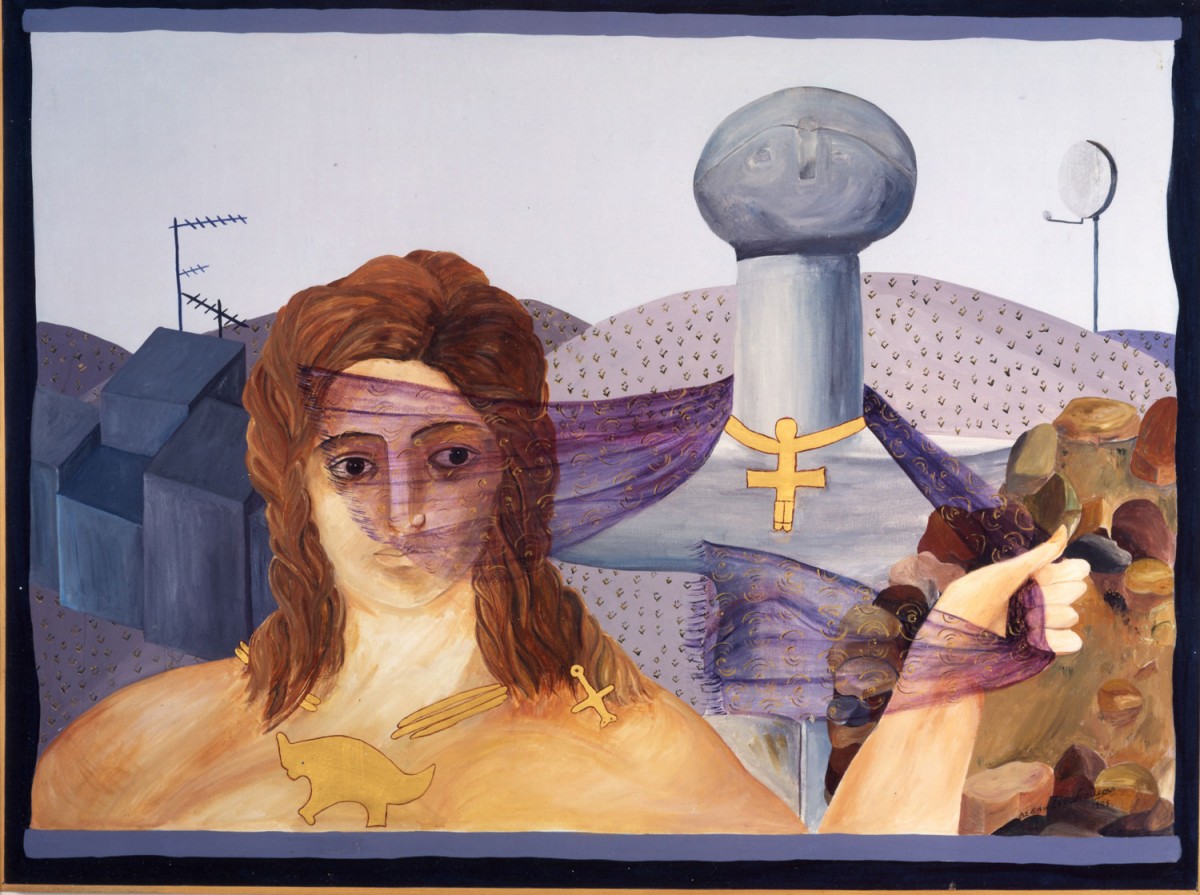
A journey into the history of Cyprus
Τhe Leventis Municipal Museum of Nicosia and The Association of Friends of the Leventis Museum present an exhibition of educational character, entitled “A Journey into the History of Cyprus through artworks by Despo Frederickou”.
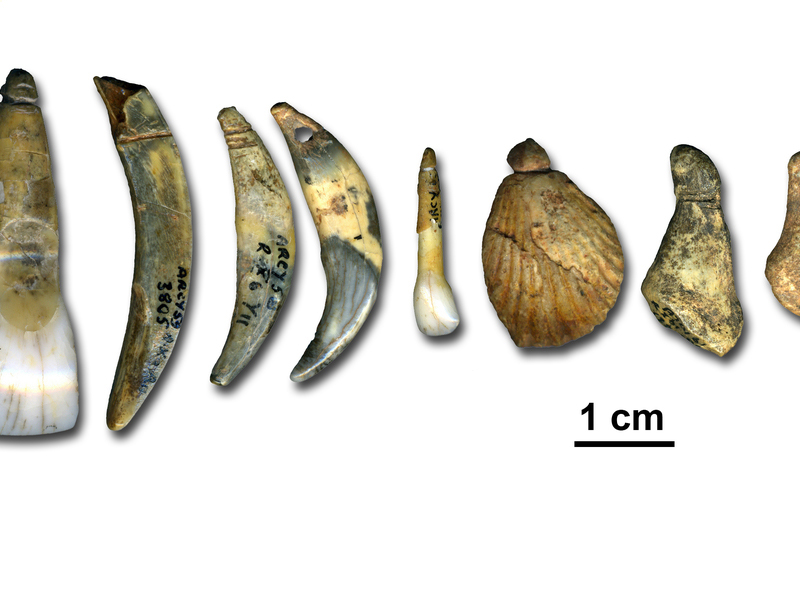
Palaeoproteomics helps differentiate between modern humans and Neandertals
Palaeoproteomic evidence identifies archaic hominins associated with the Châtelperronian at the Grotte du Renne (France).
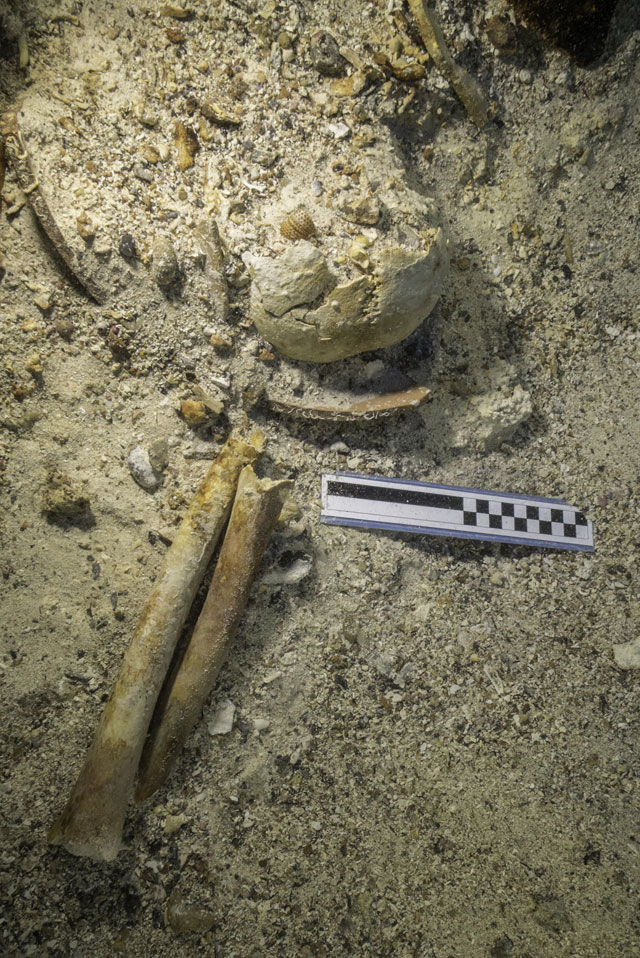
Ancient Skeleton discovered at the Antikythera Shipwreck
The “Return to Antikythera” international research team discovered a human skeleton during its ongoing excavation of the famous Antikythera Shipwreck (circa 65 BC).
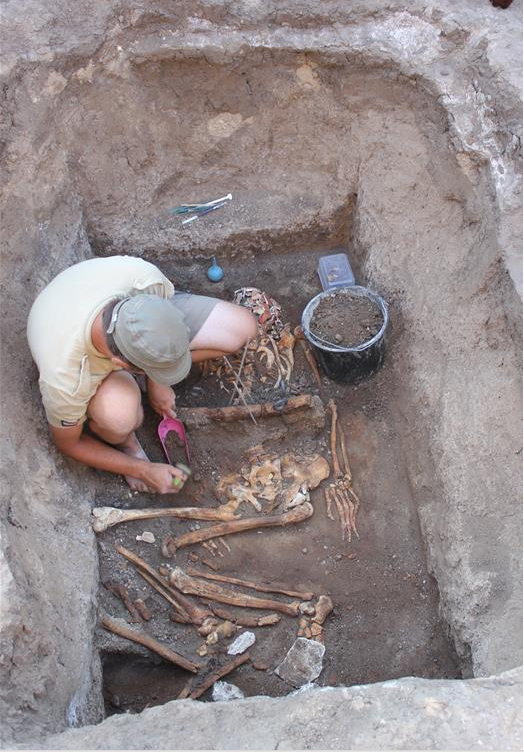
Scientists reconstruct 5,000-year-old elite tomb discovered in Ukraine
Scientists reconstructed the monumental 5,000-year-old tomb discovered on the border between Ukraine and Moldova.
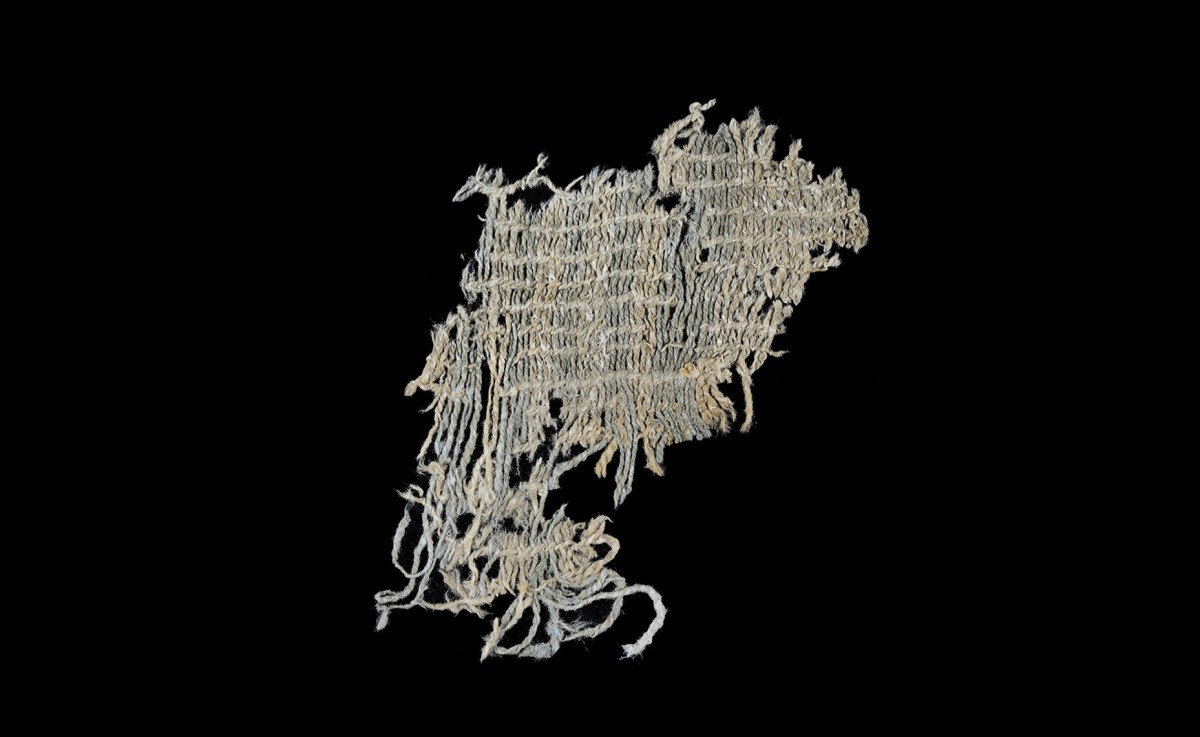
Researcher identifies oldest textile dyed indigo
A George Washington University researcher has identified a 6,200-year-old textile dyed indigo-blue from Huaca, Peru.
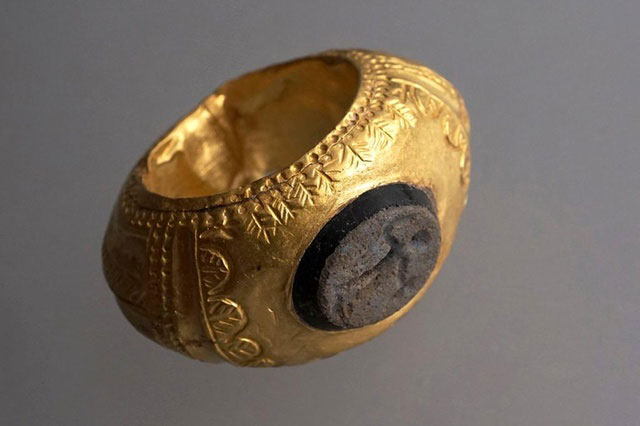
A gold ring was found in Switzerland’s region of Pratteln
According to the experts, the owner of the ring buried the precious object underground during the civil wars of the Gallic Empire period, between AD 260 and 274.
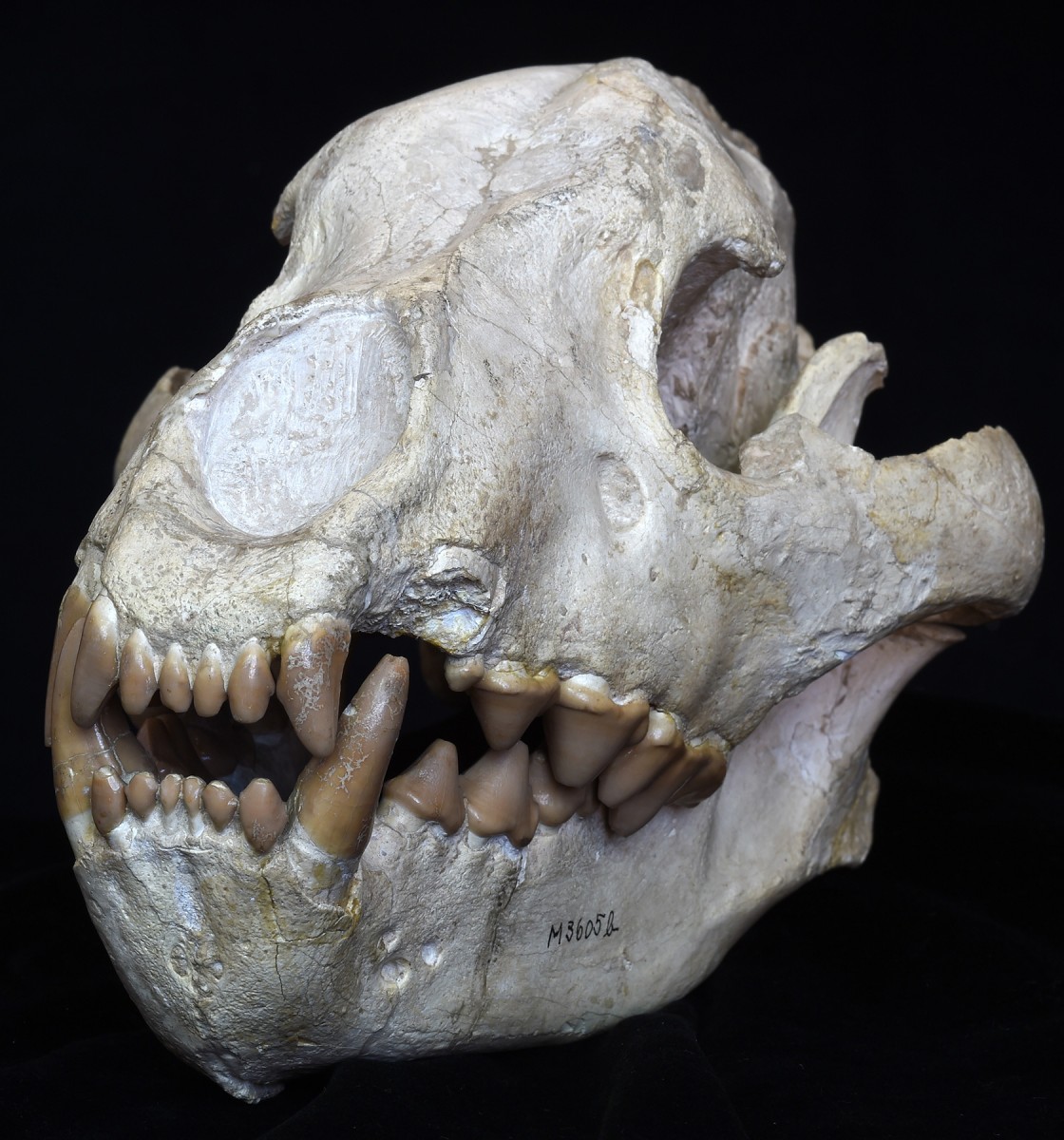
For 20 million years, the diversity of large terrestrial mammals depended on plant growth
For more than 20 million years, the ups and downs of diversity in terrestrial large mammals were determined by primary production, a pattern that changed with the onset of the ice ages.
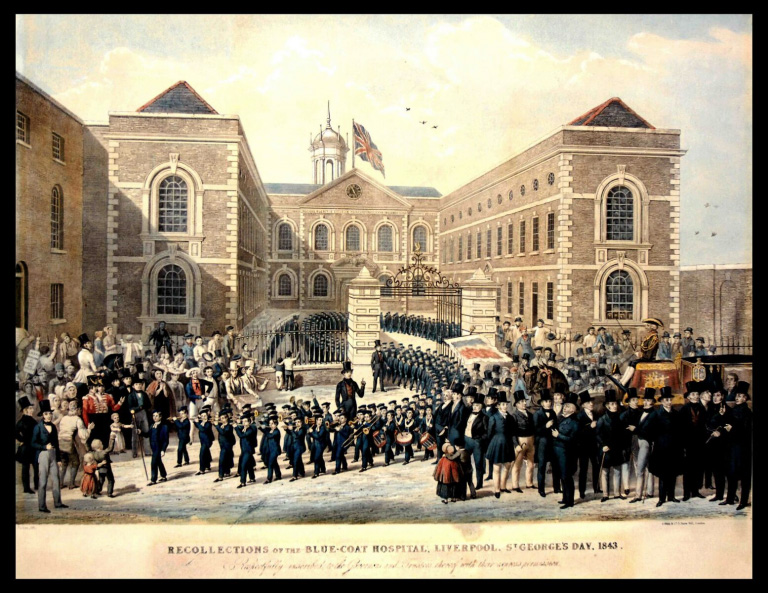
Who built Liverpool’s oldest city centre building
New research has discovered fresh information about the origins of this much loved Liverpool building, which dates from 1717.
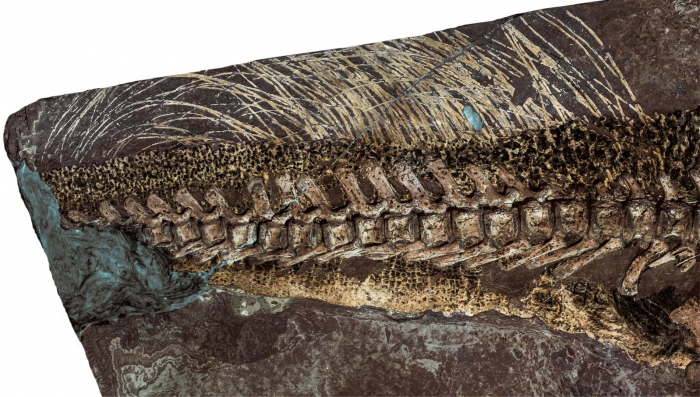
The turkey among dinosaurs
An international team surrounding Senckenberg scientist Dr. Gerald Mayr has examined soft tissue structures of an exceptionally well-preserved fossil of the Cretaceous dinosaur Psittacosaurus.
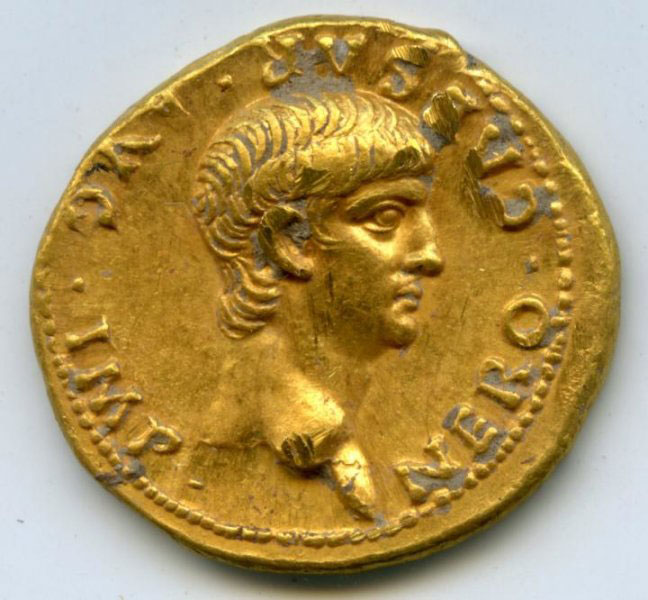
Rare Roman gold coin found at Mount Zion archaeological dig
The discovery of a rare gold coin bearing the image of the Roman Emperor Nero at University of North Carolina at Charlotte’s archaeological excavations on Mount Zion in Jerusalem has just been announced.
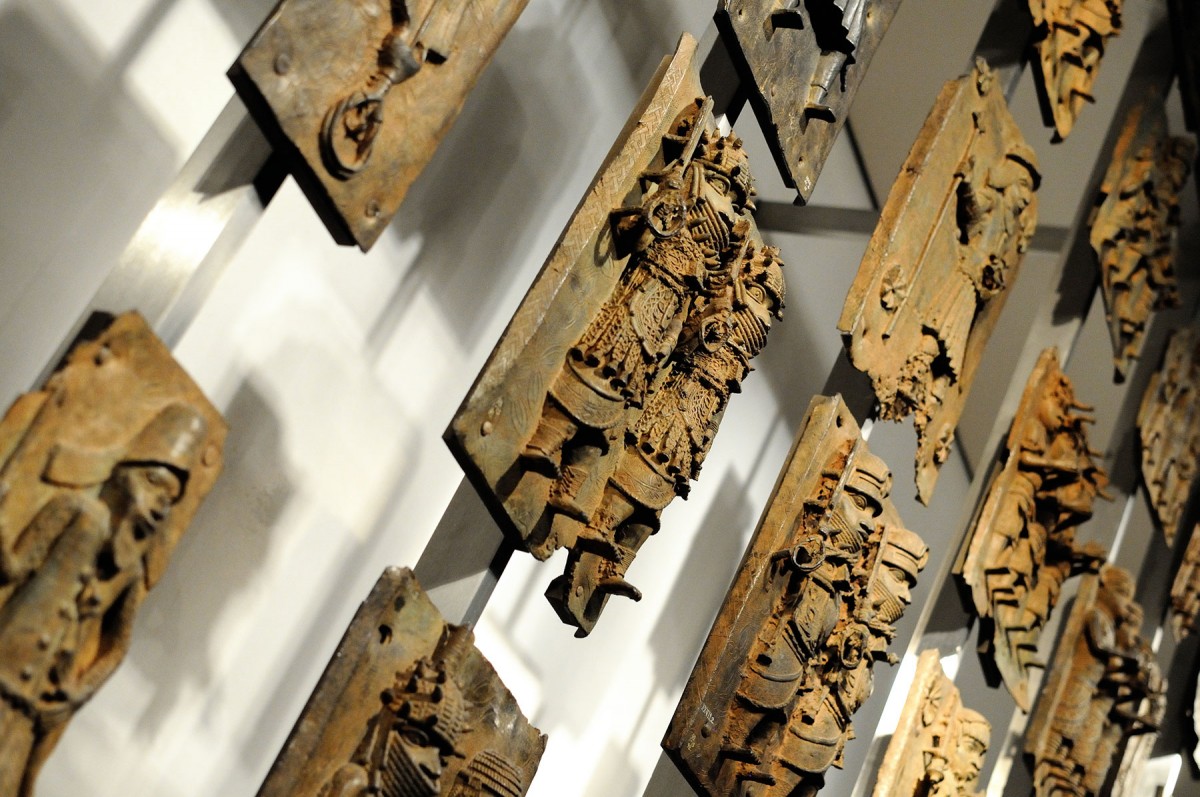
The British Museum distorts history and denies its racist past
The British Museum in London is rewriting history to appear in a better light and defend itself against demands to return objects to their countries of origin. This is the conclusion of a new PhD thesis in archaeology from the University of Gothenburg.
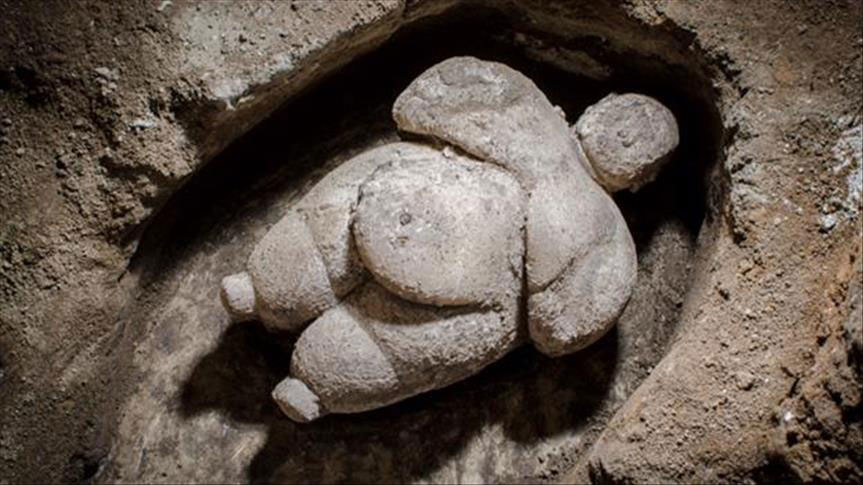
Neolithic statuette discovered in Çatalhöyük
Archaeologists working at the Neolithic site of Çatalhöyük (central Anatolia) found a complete female figurine.
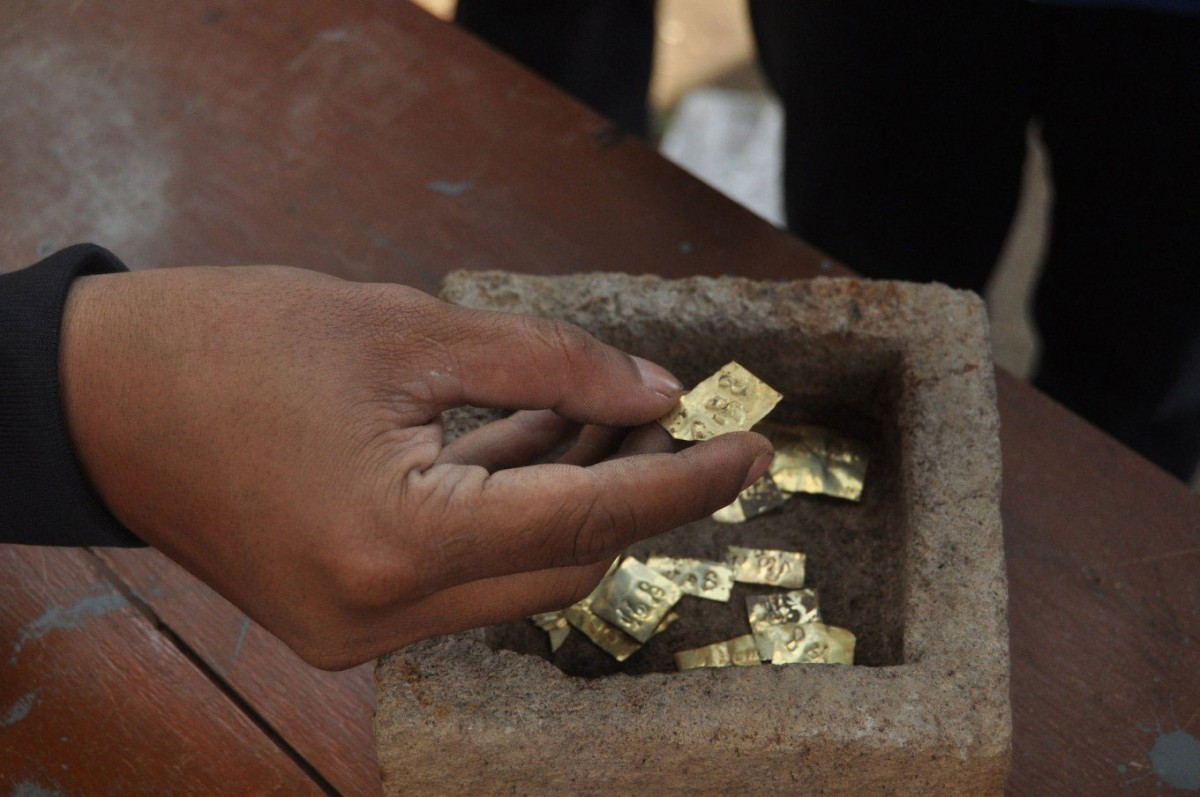
Inscribed gold plates found in Java
22 small gold plates dating back to the 8th century were found by construction workers in the village Ringinlarik of Central Java.
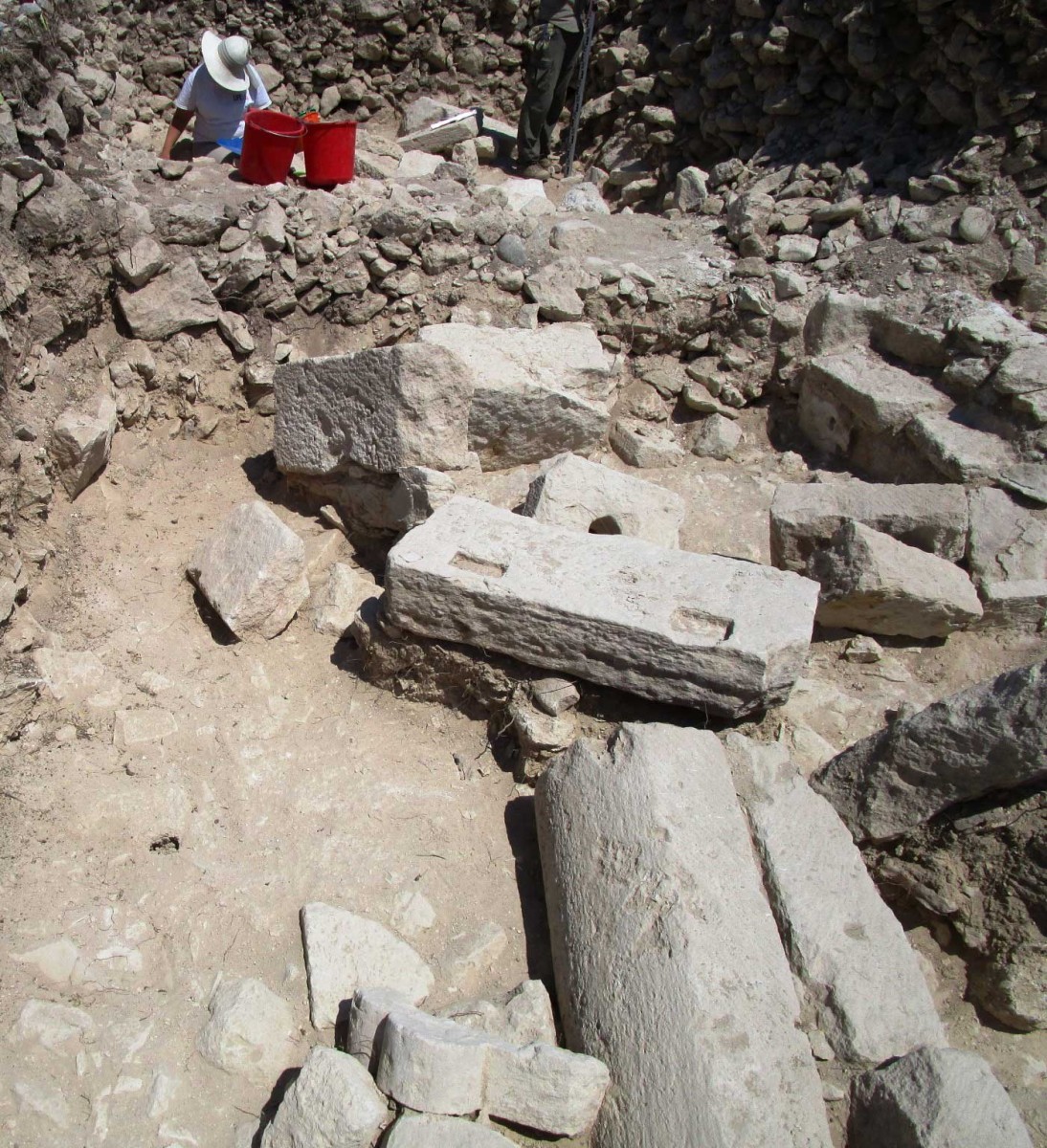
2016 investigation of the collapsed building in Kourion completed
The Kourion Urban Space project (KUSP) continued in 2016 to uncover evidence of the massive earthquake that destroyed Kourion in the fourth century AD.
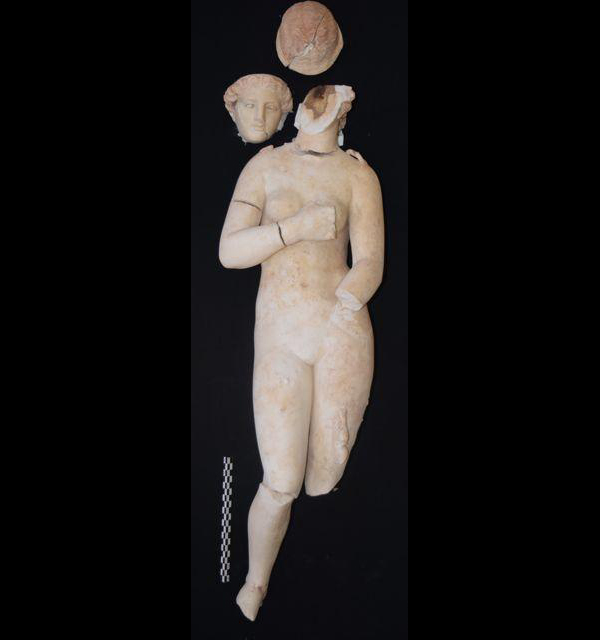
Researchers unearth ancient mythological statues in Jordan
A team of North Carolina-based researchers helped unearth more clues this summer about the ancient Nabatean city of Petra in Jordan.
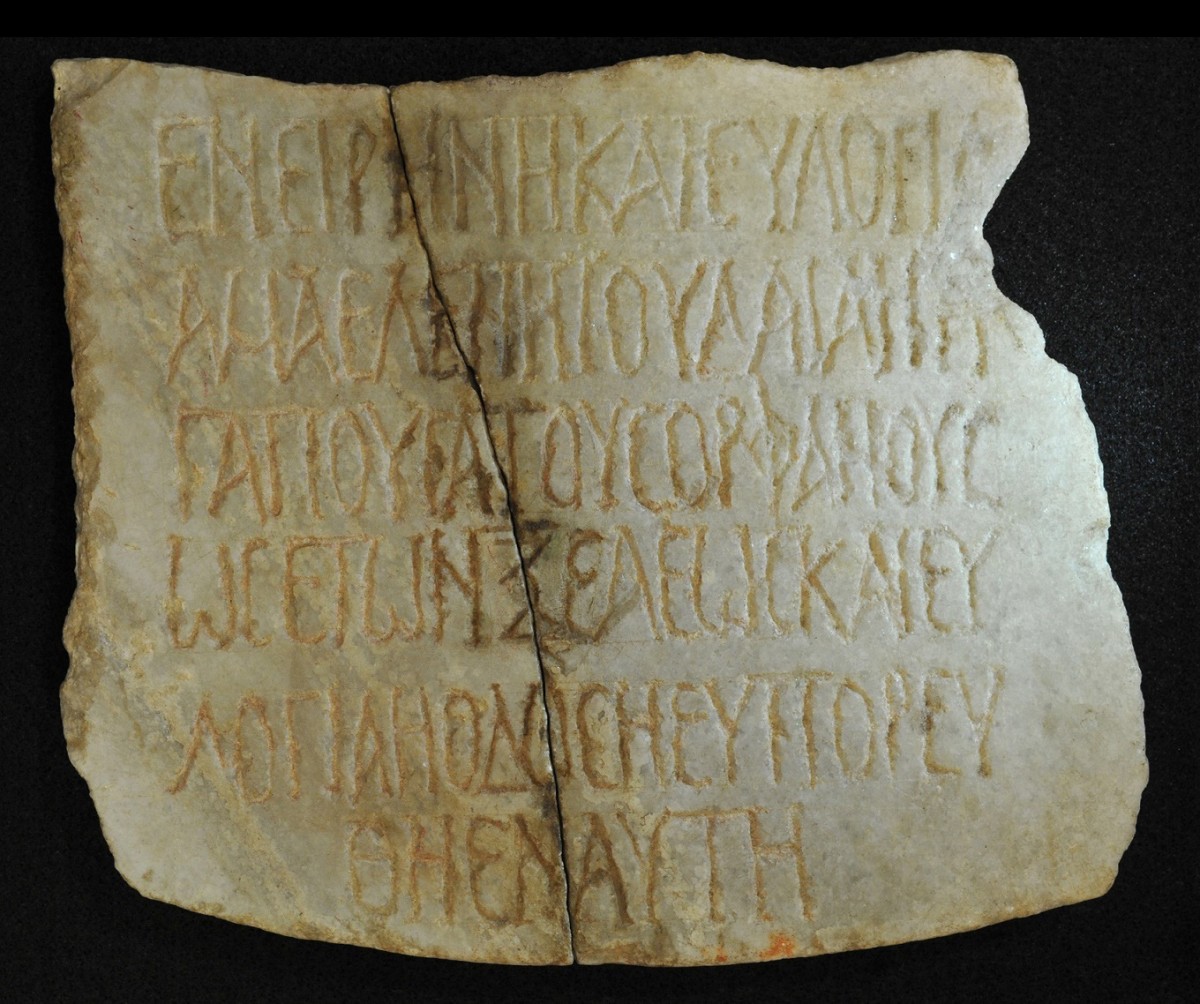
Professor translates 1,700-year-old obituary from Ancient Greek
The inscription has just been translated by a professor at Brigham Young University. The epitaph, found in Egypt, honors a woman named Helene who loved and cared for orphans.
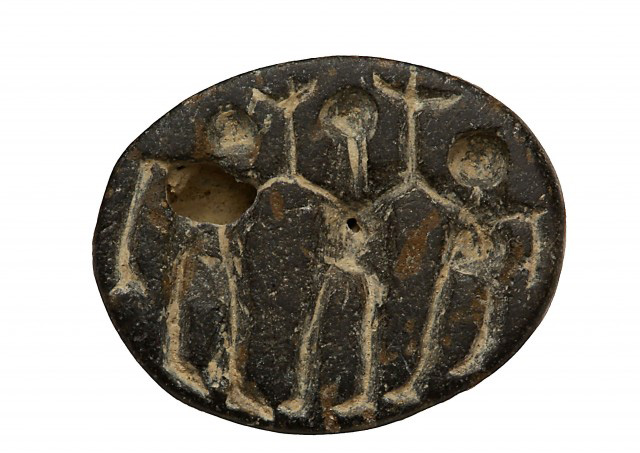
Israel dig unearths ancient seal with ritual dance scene
A stone seal dating back approximately 3,000 years was discovered by archaeologist Robert Mullins, Ph.D., professor of biblical studies at Azusa Pacific University.
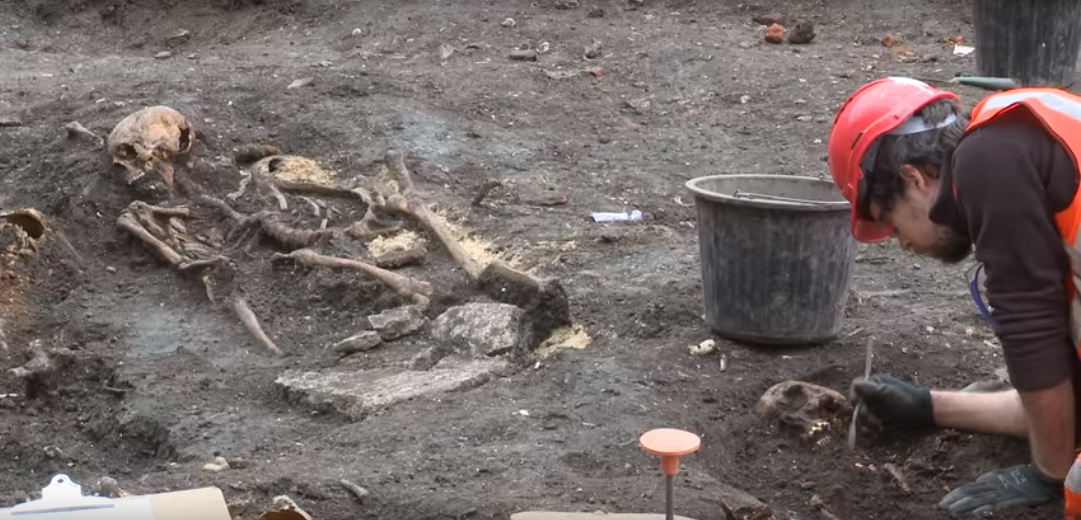
DNA of bacteria responsile for “London Great Plague” of 1665 identified
Scientific analysis of skeletons excavated as part of the Crossrail Programme has identified the DNA of the bacteria responsible for the 1665 Great Plague.
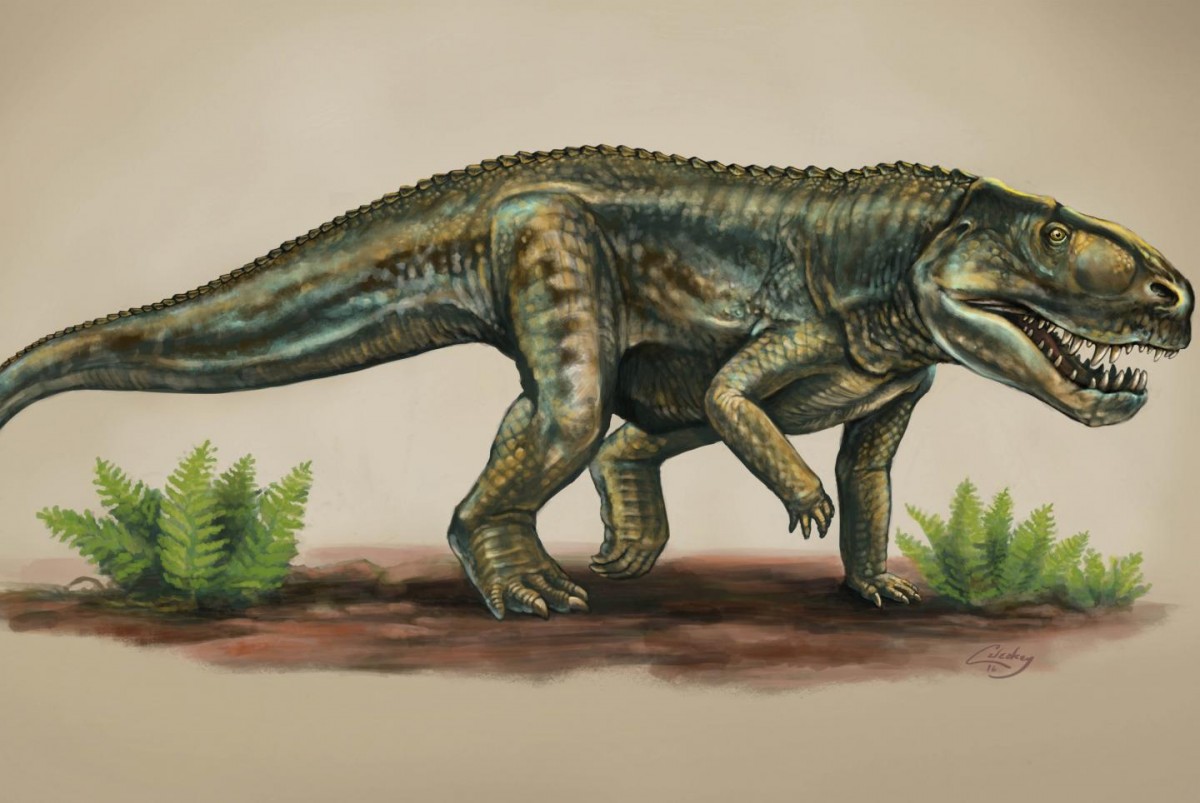
Researchers name a new species of reptile from 212 million years ago
An extinct reptile related to crocodiles that lived 212 million years ago in present day New Mexico has been named as a new species by Virginia Tech's researchers.
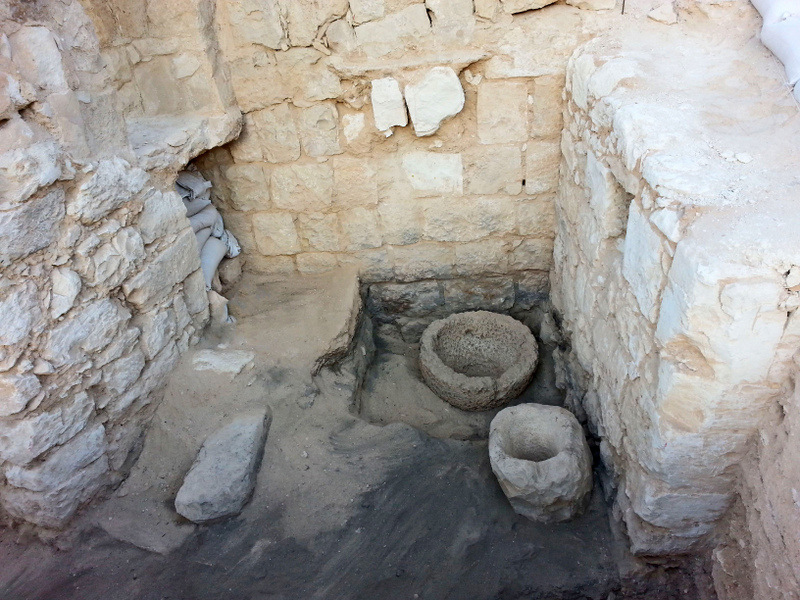
A Byzantine livestock stable was exposed in the Avdat National Park
In a joint archaeological excavation conducted in Israel, a 1m thick layer was found that leaves no room for doubt that donkeys, sheep and goats were there in antiquity.
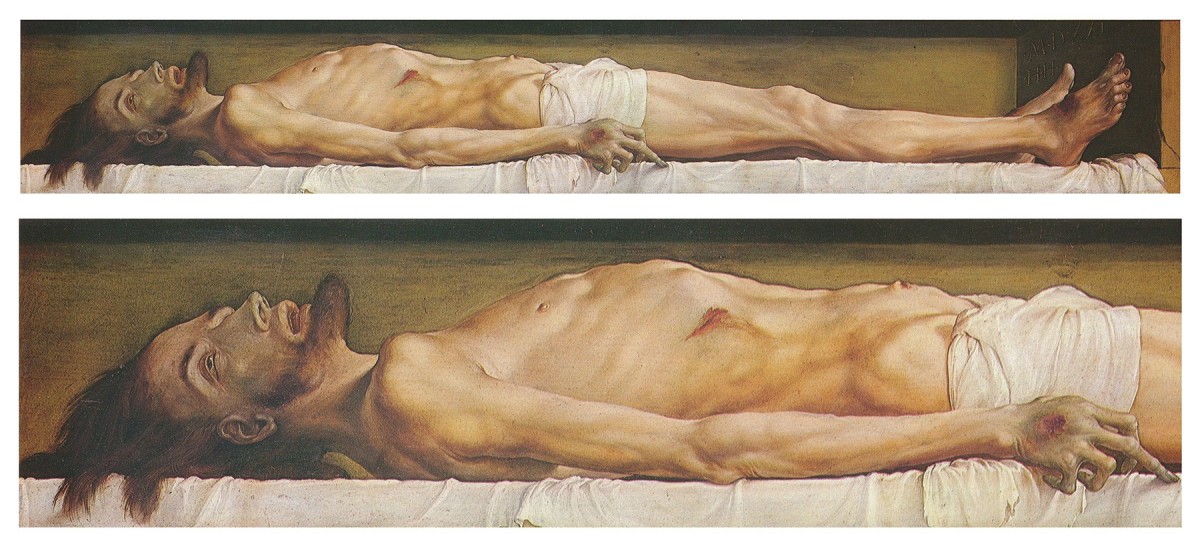
The Image of Christ in the Fifteenth and Sixteenth Centuries
The exhibition “Archaeology of Salvation” will examine the image of Christ that informed the faith of Erasmus and his society and explore its transformations.
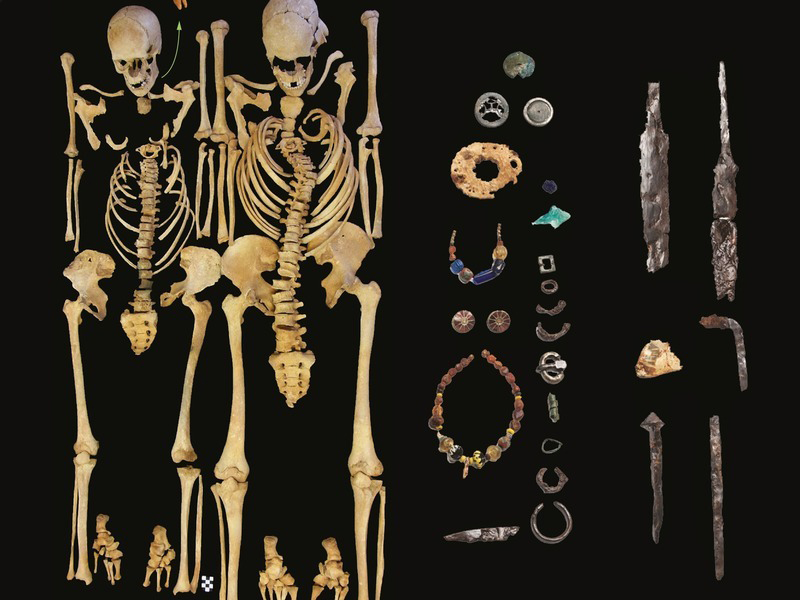
Shedding light on the Justinian plague
First complete reconstruction of the early medieval pathogen genome Yersinia pestis from Bavarian skeletons.
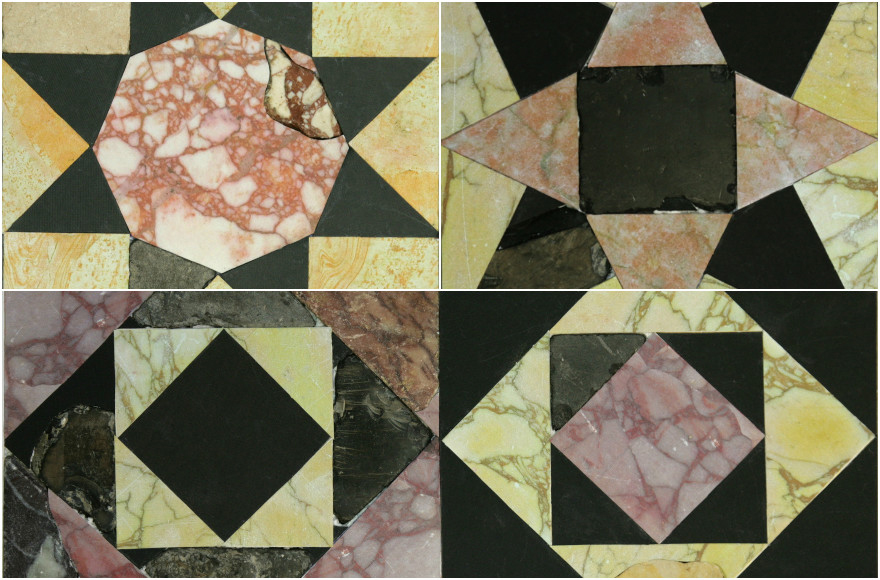
Archeologists restore flooring from Second Temple courtyard in Jerusalem
Archeologists from the Jerusalem-based Temple Mount Sifting Project are confident that they have successfully restored a series of regally decorated floor tiles of the Second Temple.
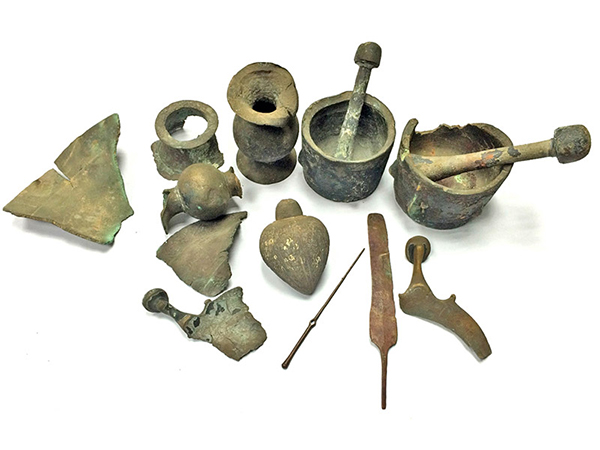
The artefacts that came back from the sea
Items thousands of years old that were retrieved from the sea off Hadera were turned over to the Israel Antiquities Authority.