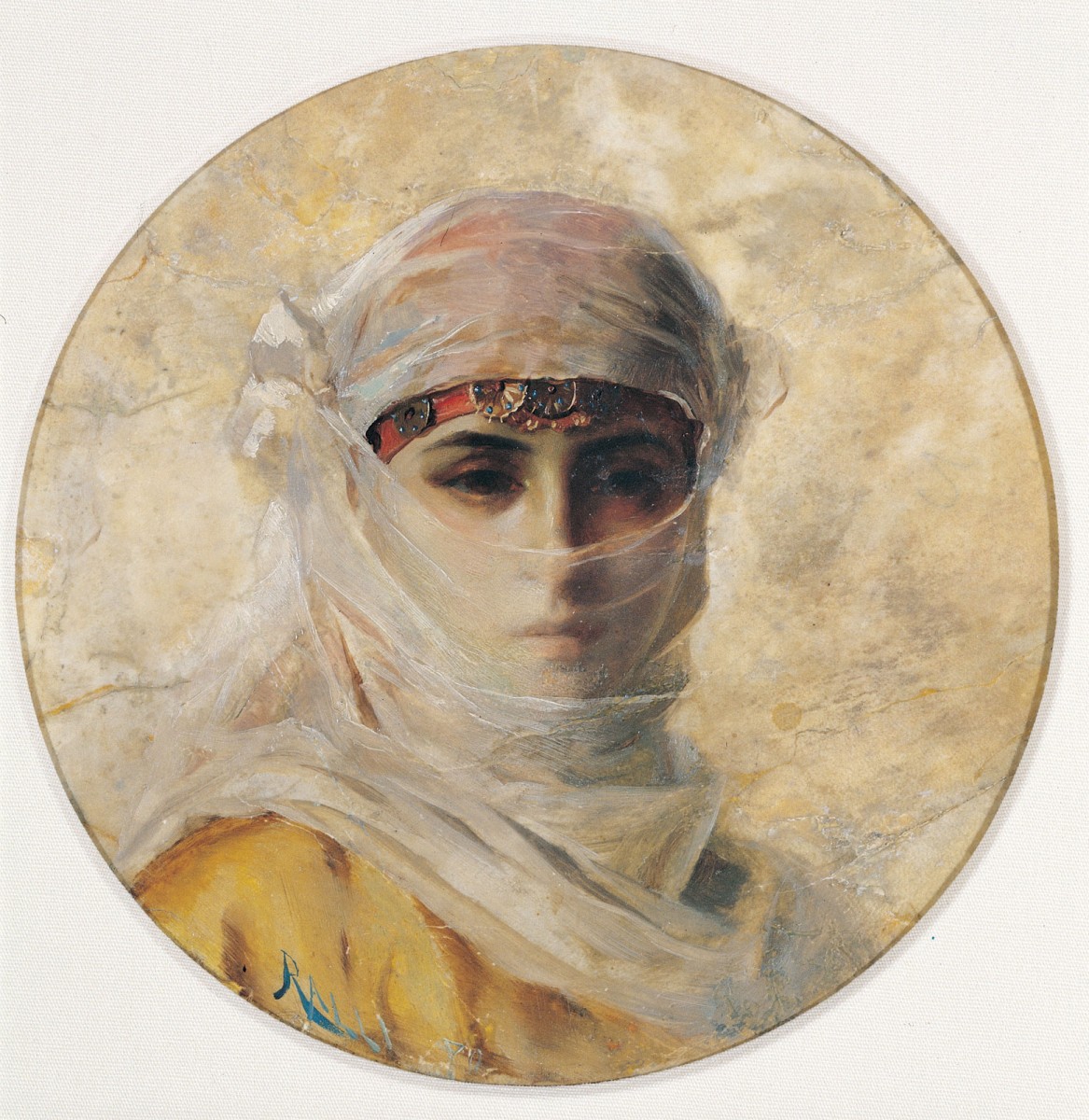
Theodore Ralli: Looking East
The exhibition "Theodore Ralli: Looking East" is opening today, December 11th, 2014 at the Benaki Museum in Athens.
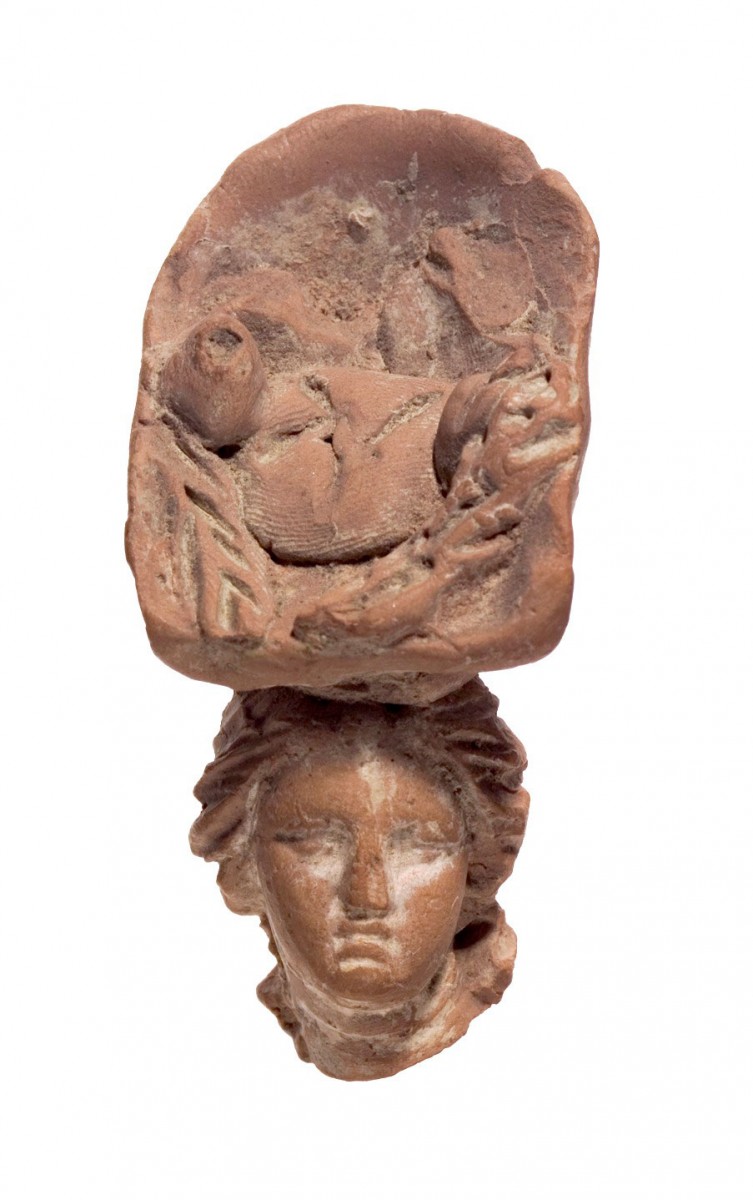
A Sacred Law from the Athenian Agora
Unique in many ways, this exciting and challenging document provides exceptional new evidence for cult practice in Athens.

Denmark Bronze Age glass beads and Tutankhamun
Analyses of glass beads found in Denmark give us new knowledge of Bronze Age trade routes.
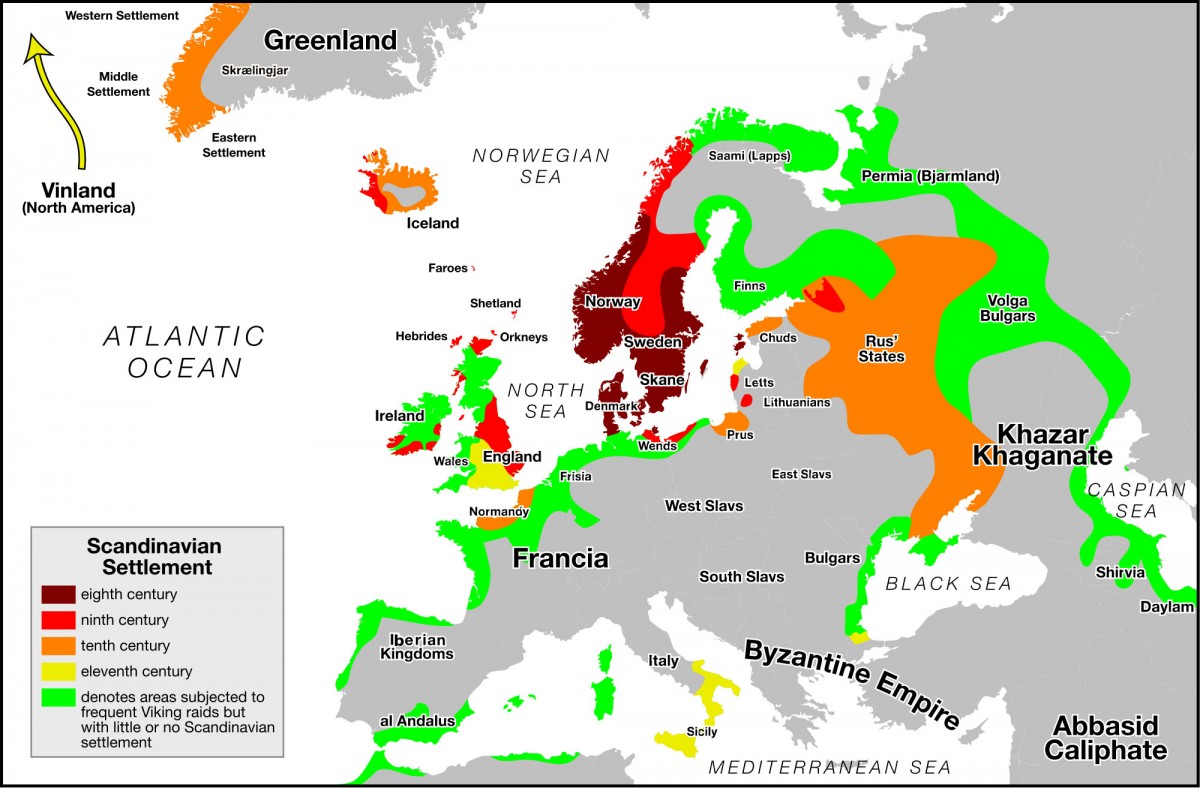
Viking warriors settling in northern seas were not only male
DNA analyses have shown the stereotype of Viking men pillaging and raping in raids of the British Isles is now overruled, as women too had a key part.
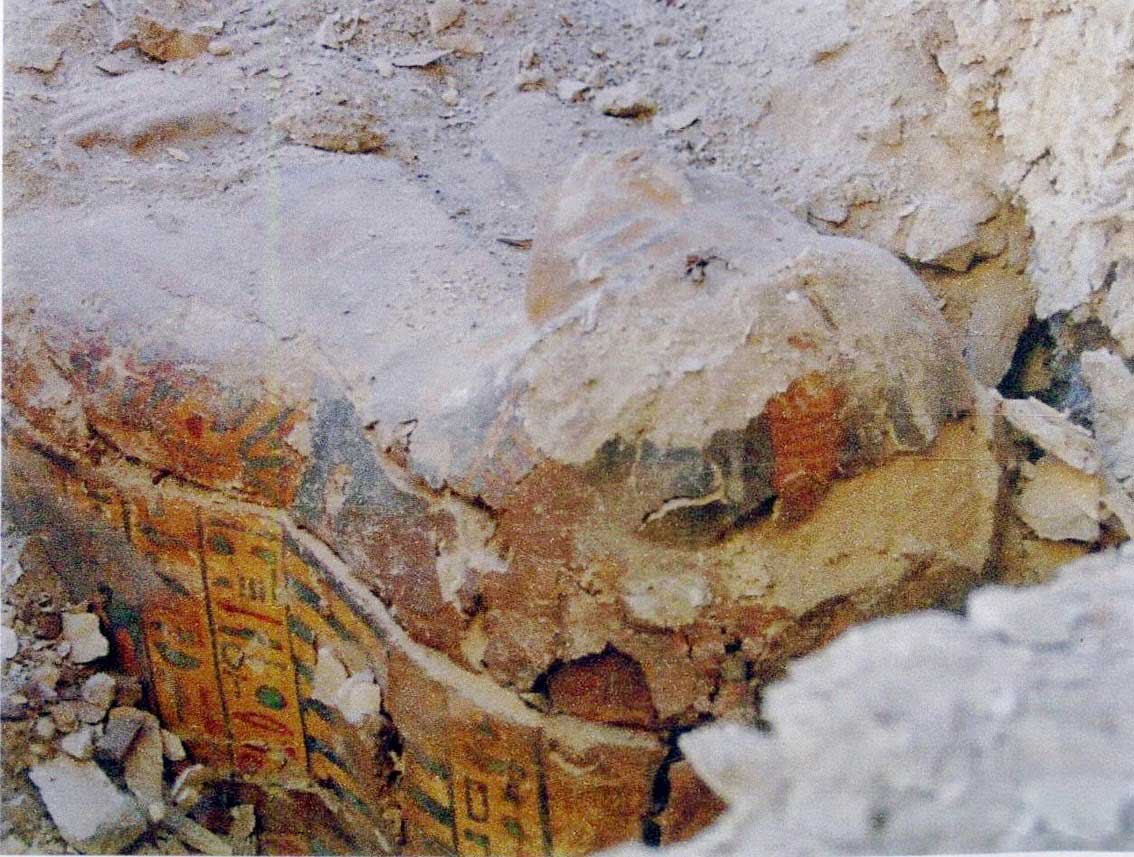
Amon singer sarcophagus discovered intact
At Qurnet Marei at Assassif area (Luxor’s west bank), archaeologists stumbled upon what is believed to be the sarcophagus of god Amun’s singer.
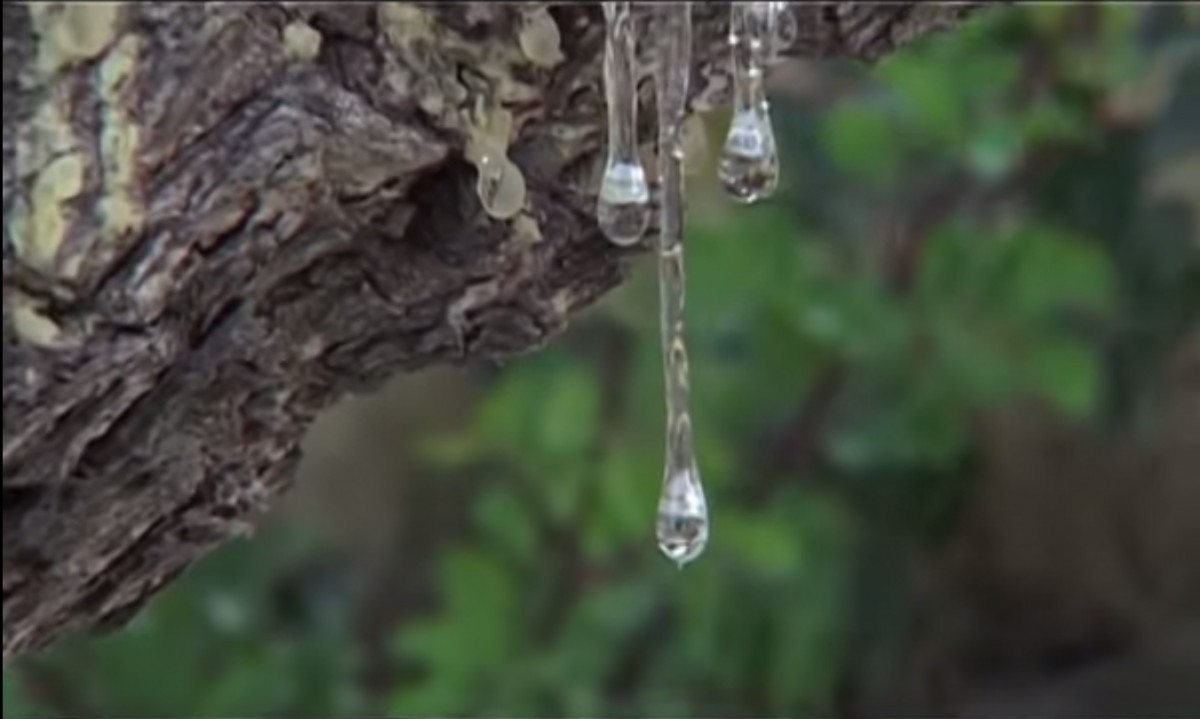
Chios know-how of cultivating mastic on UNESCO’s list
The know-how of cultivating mastic on the island of Chios (East Aegean) has been inscribed on UNESCO’s Representative List of the Intangible Cultural Heritage of Humanity.
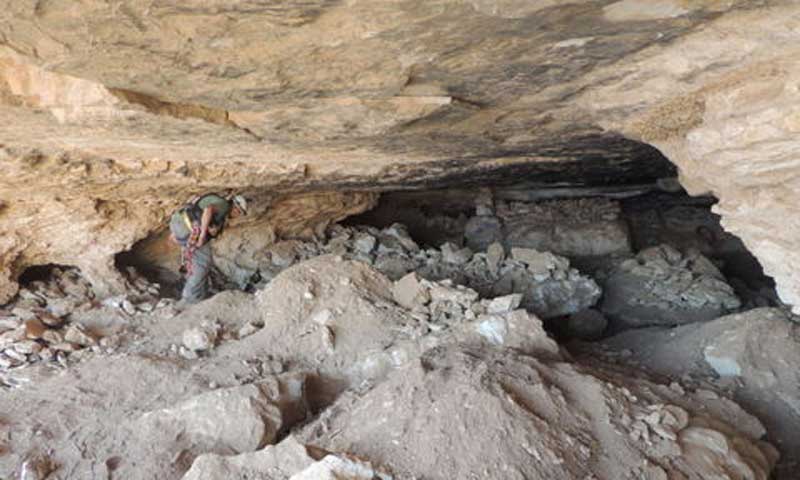
Robbers caught red-handed at the Cave of Skulls in the Judean Desert
Antiquities robbers were caught red-handed while trying to loot Dead Sea scrolls at the Cave of Sculls in the region of the Leopard’s Ascent (Judean Desert, Israel).
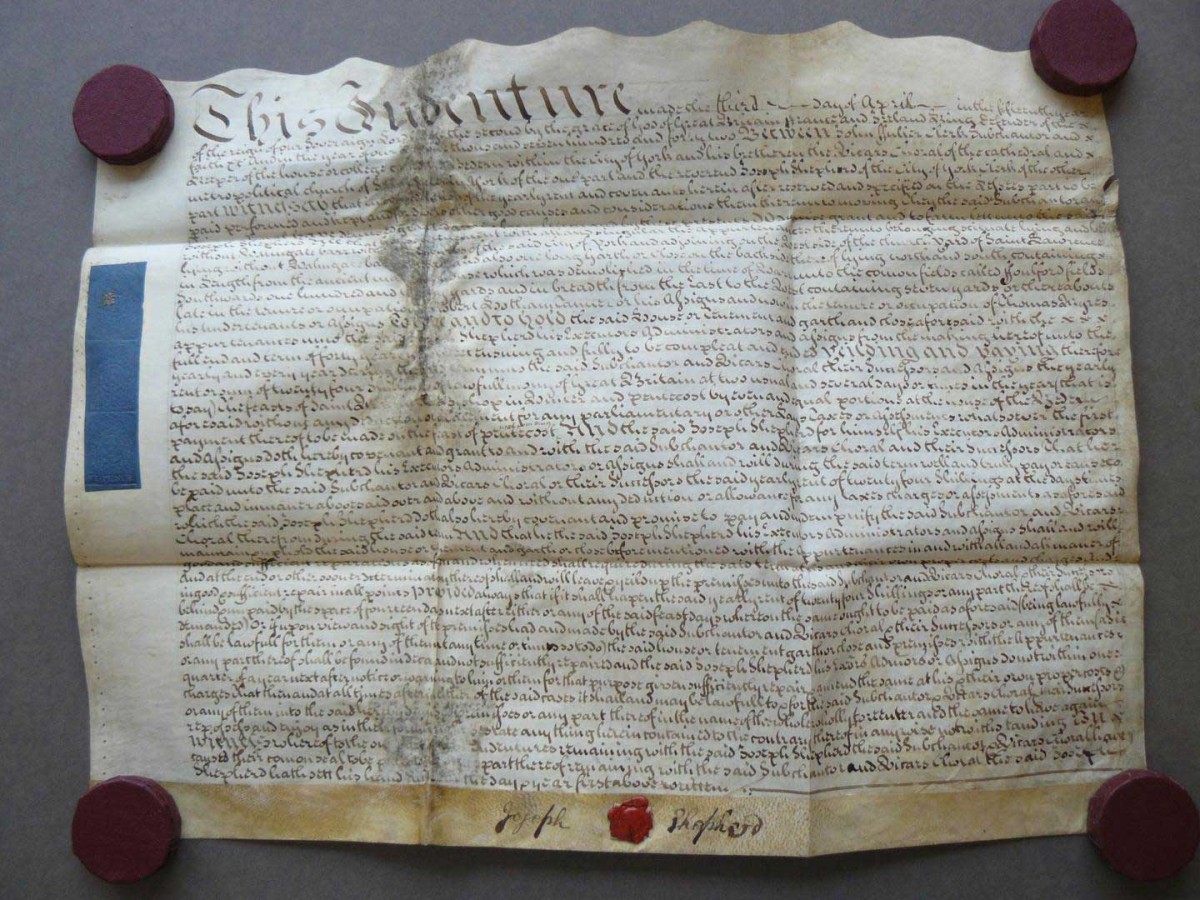
Scientists reveal parchment’s hidden stories
The new technique of analyzing DNA found in ancient parchments can shine a focused light on the development of agriculture across the centuries.
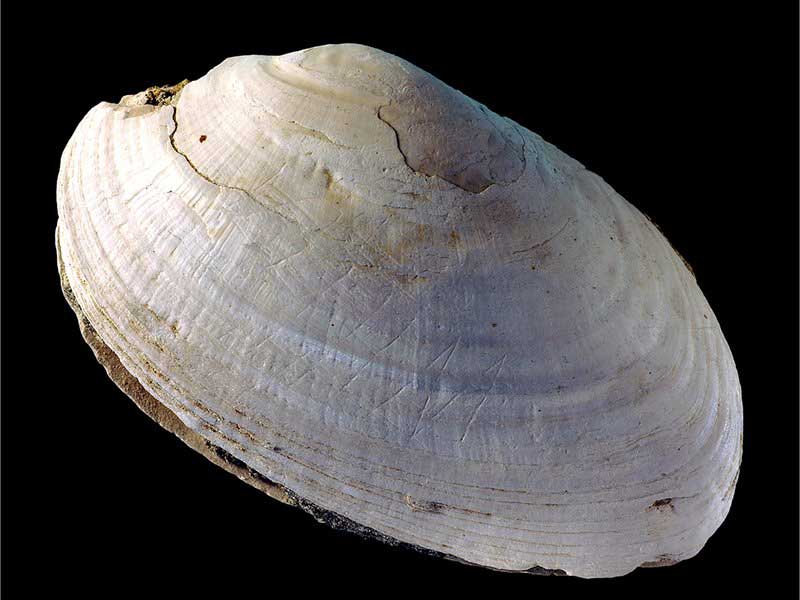
The oldest work of abstract art on a shell
A 500,000-year-old shell has zigzag engravings which seem to have been made on purpose. The discovery provides new insights into the evolution of human behaviour.
Scientists gain a new insight from Roman graves in Britain
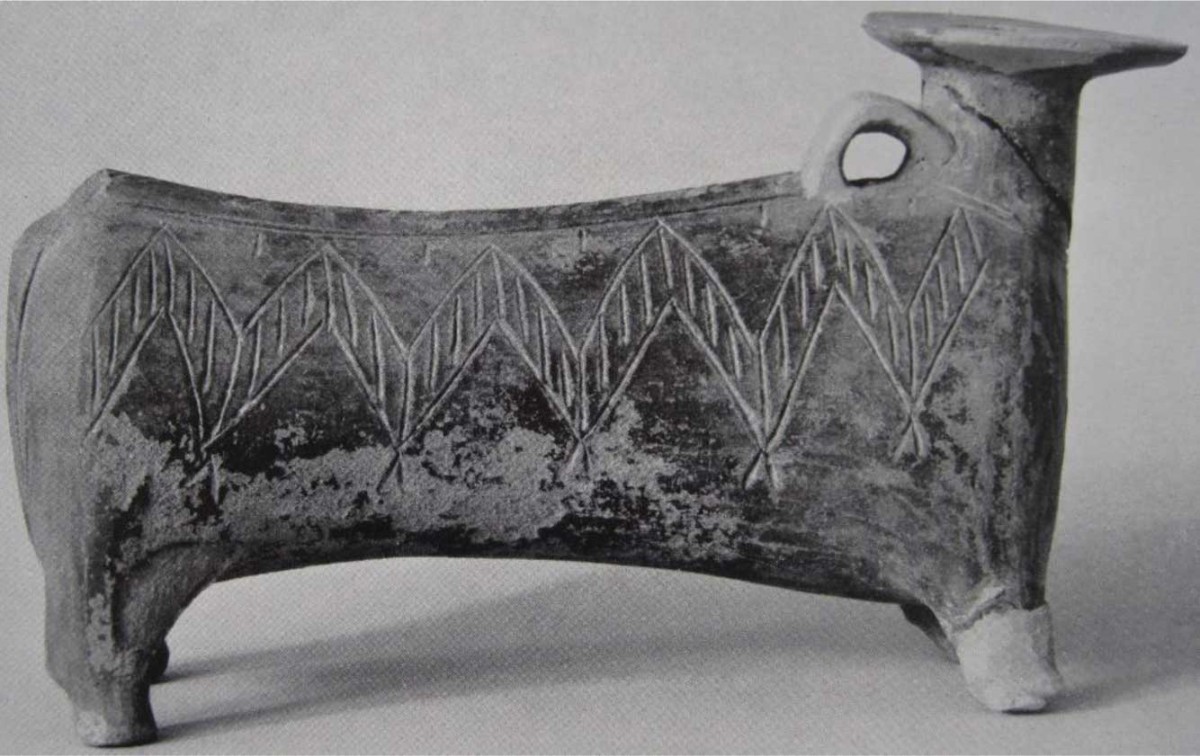
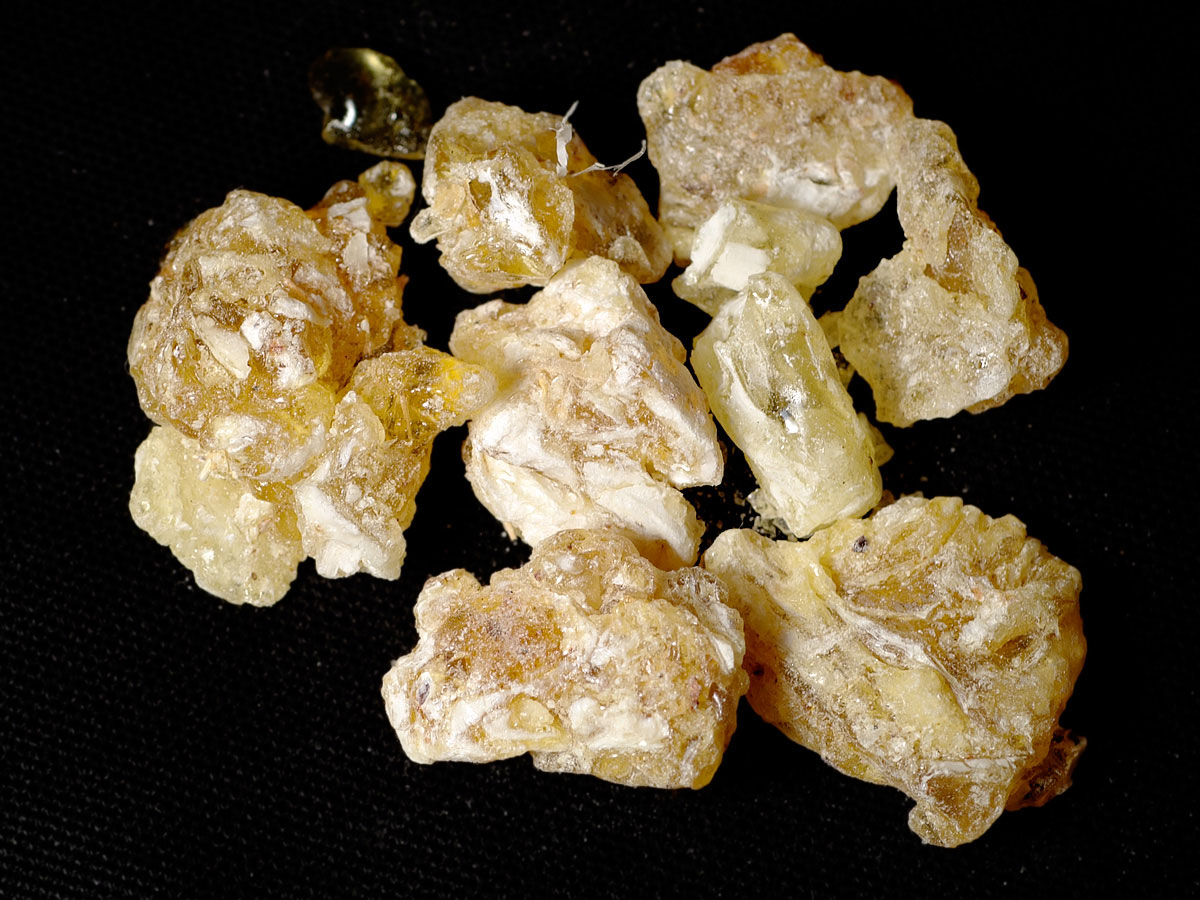
Evidence of frankincense found in Britain offer scientists a new insight in Roman burials.
Parthenon Marbles ‘ god Ilissos goes Russia
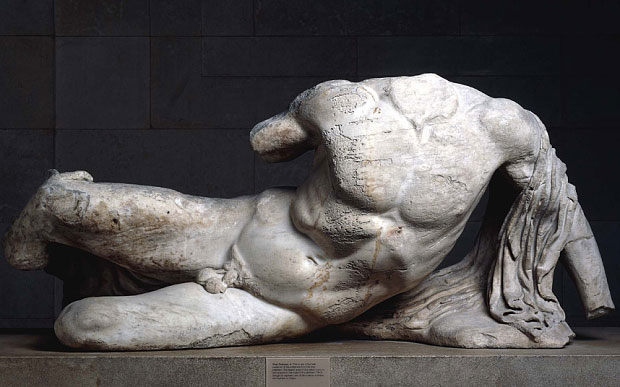
The loan to the Hermitage took place after the British Museum' Trustees decided to proceed with it fifteen days ago.
Redefining the Conflict over the Parthenon Marbles
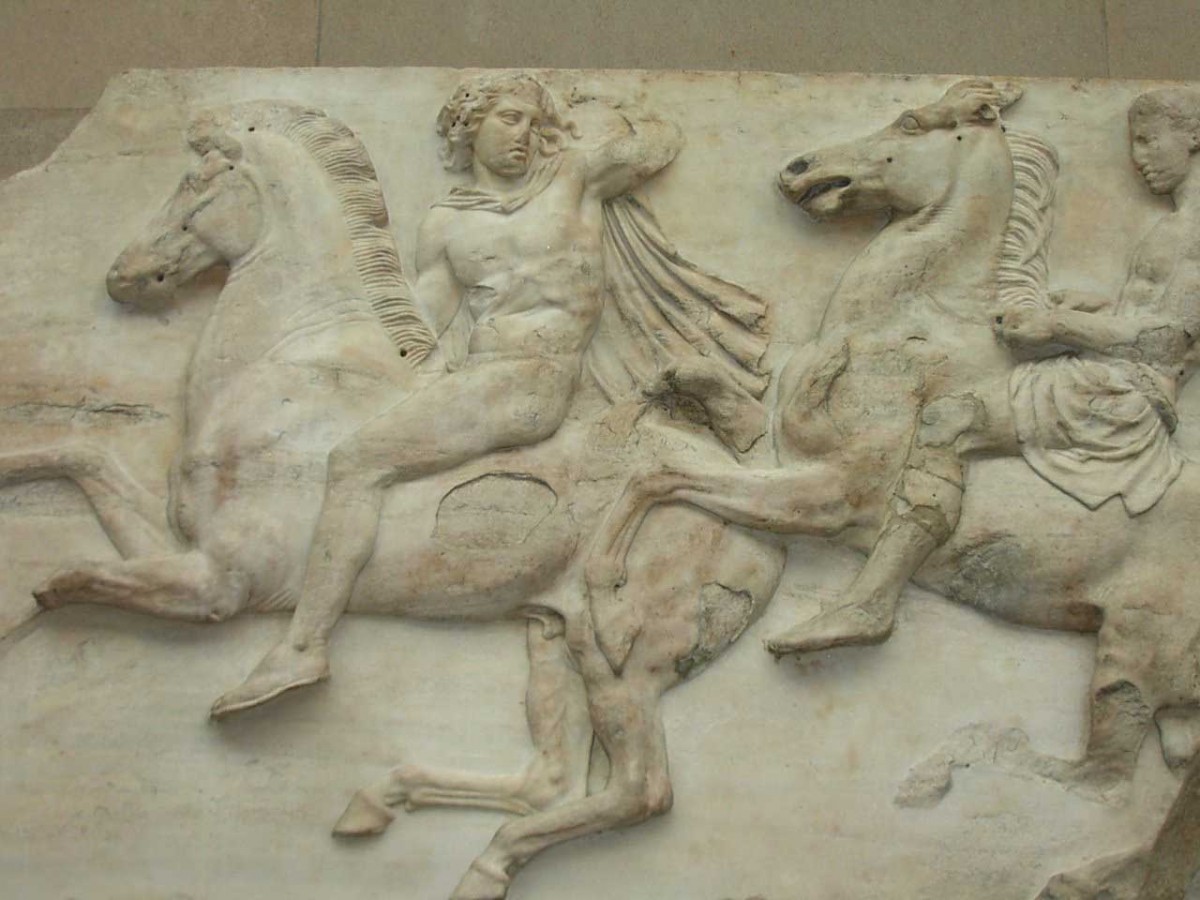
The lecture will attempt to redefine the conflict as a ‘framing’ conflict and discuss the best negotiation strategy for all concerned.

Cultural Heritage in Danger: Illicit excavations and trade
The international conference "Cultural Heritage in Danger: Illicit excavations and trade" will take place on 11th/12th December 2014 in Berlin.
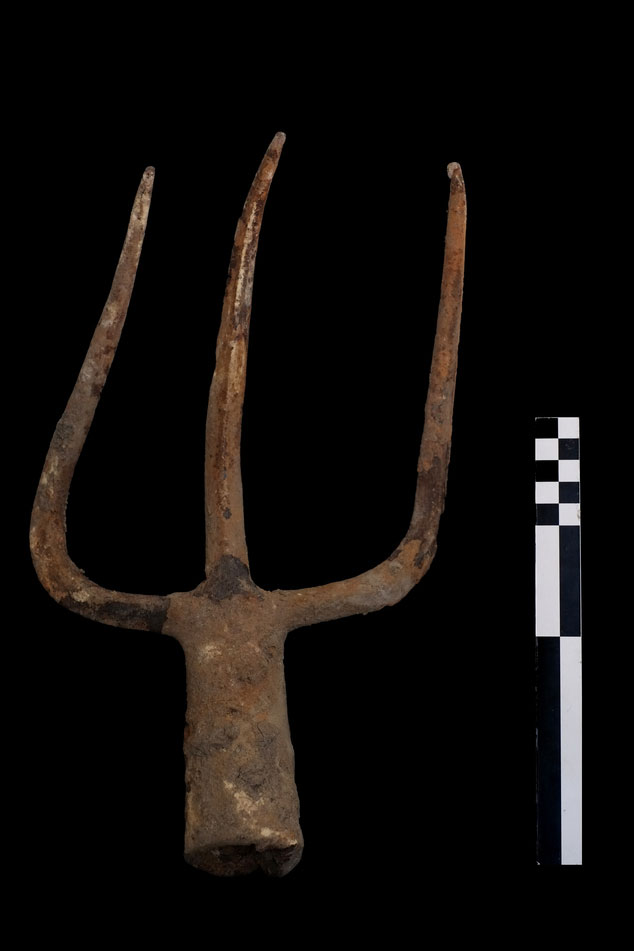
Ancient farm and tools found in Rome at subway works site
Subway construction gave the opportunity to archaeologists to discover an ancient commercial farm in the heart of modern Rome.
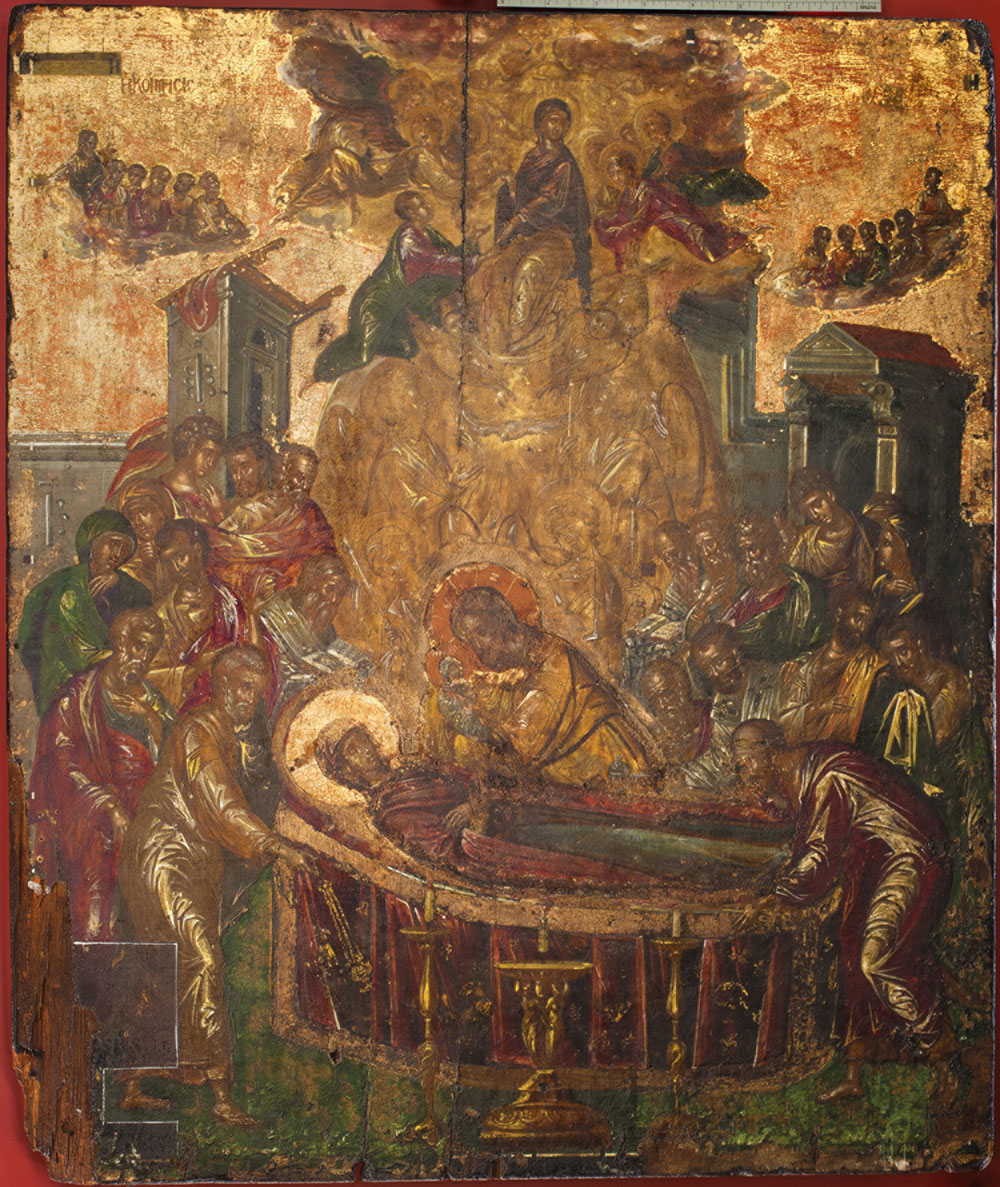
Domenikos Theotokopoulos before El Greco
The exhibition opening today seeks to shed light on the social and artistic environment of 26th-century Crete, where Theotokopoulos’ personality was formed before he left Candia for Venice in 1567, and to place the painter and his early artistic output in the context of this environment.
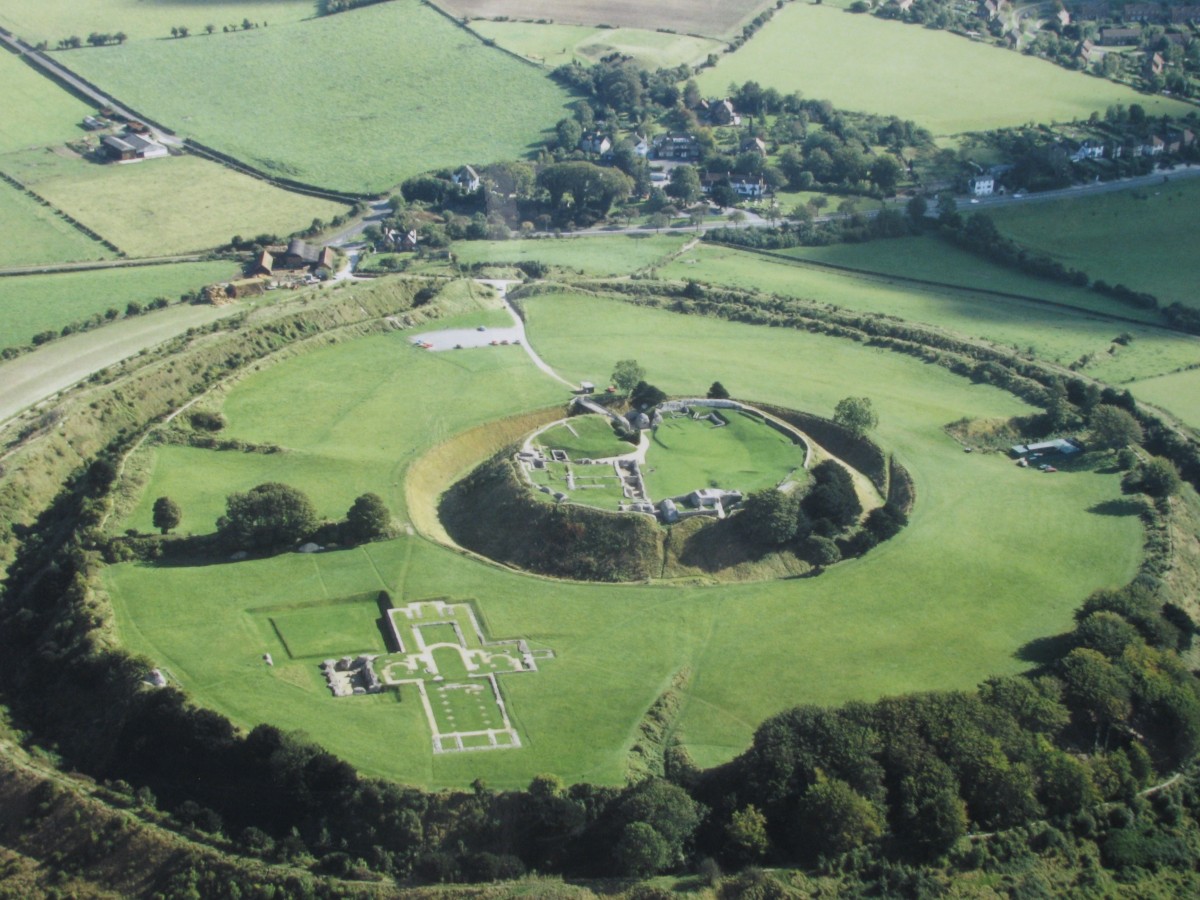
Old Sarum mapped by Southampton archaeology students
The site of Old Sarum, 2 miles north of Salisbury, has been researched by archaeology students using new technologies revealing the city plan.
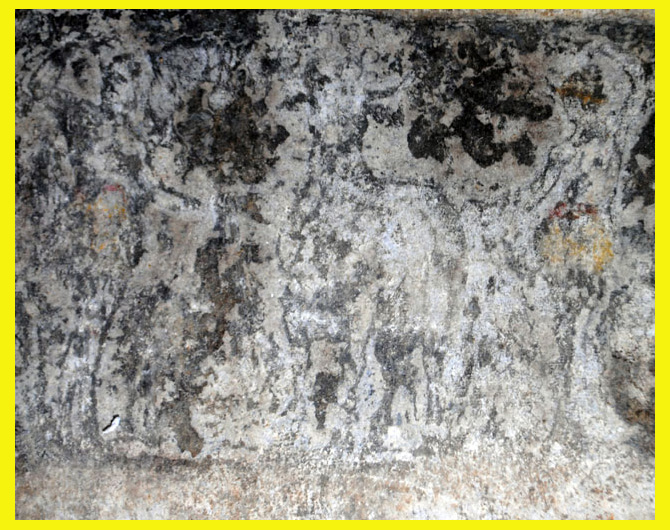
Paintings are coming to light
As conservation works at the seven marble parts of the "epistyles" in the third, most elaborate chamber of the burial monument on the Kasta Hill go on, paintings are gradually coming to light.
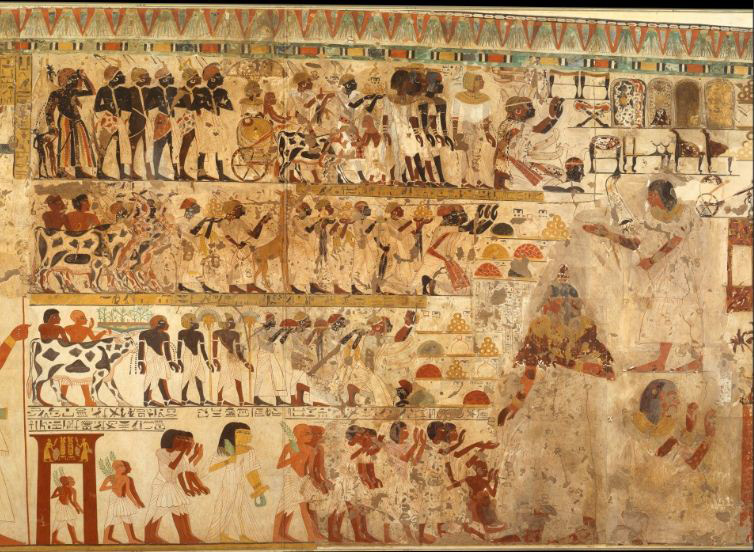
Tomb of Amenhotep-Huy to be opened to the public
After three years of restoration the tomb of Huy, Qurnet Marei / Luxor, will be opened to the public in mid-December.
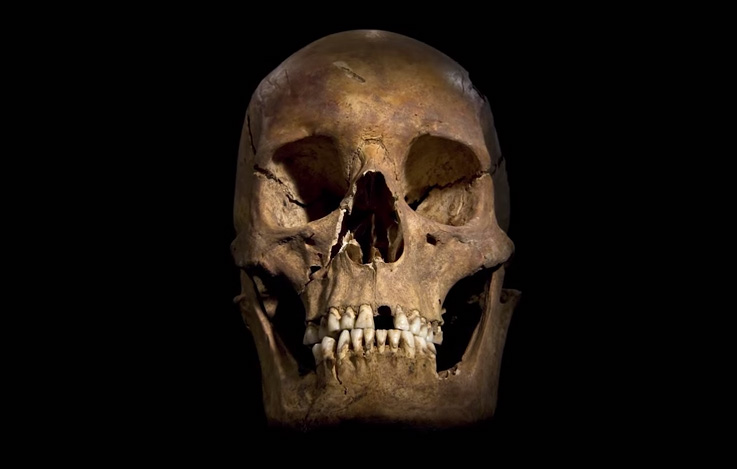
The evidence is overwhelming that these are the remains of Richard III!
"These are the remains of Richard III": Read the main results of Leicester University's research and watch the videos.
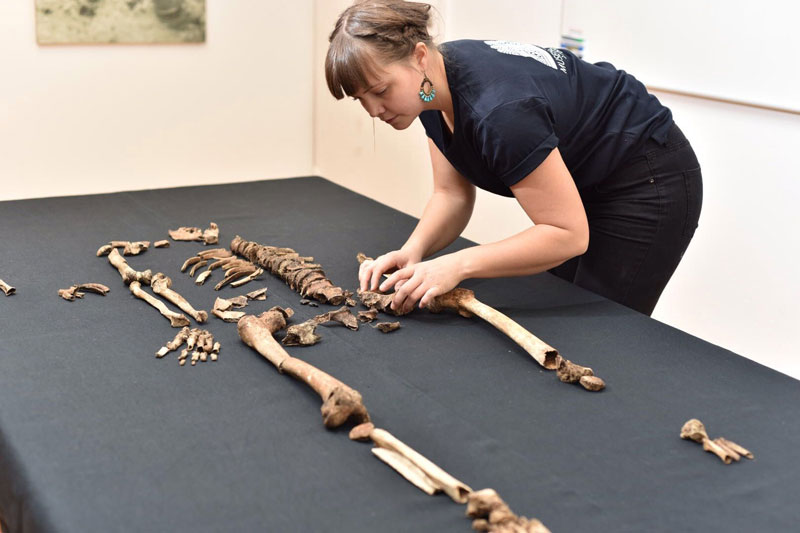
New discoveries tell more on the story behind the Sandby borg massacre
The discovery of a skeleton belonging to a child has revealed more on what happened 1,500 years ago at Sandy borg ring-fort, Sweden, a mystery waiting to be solved.
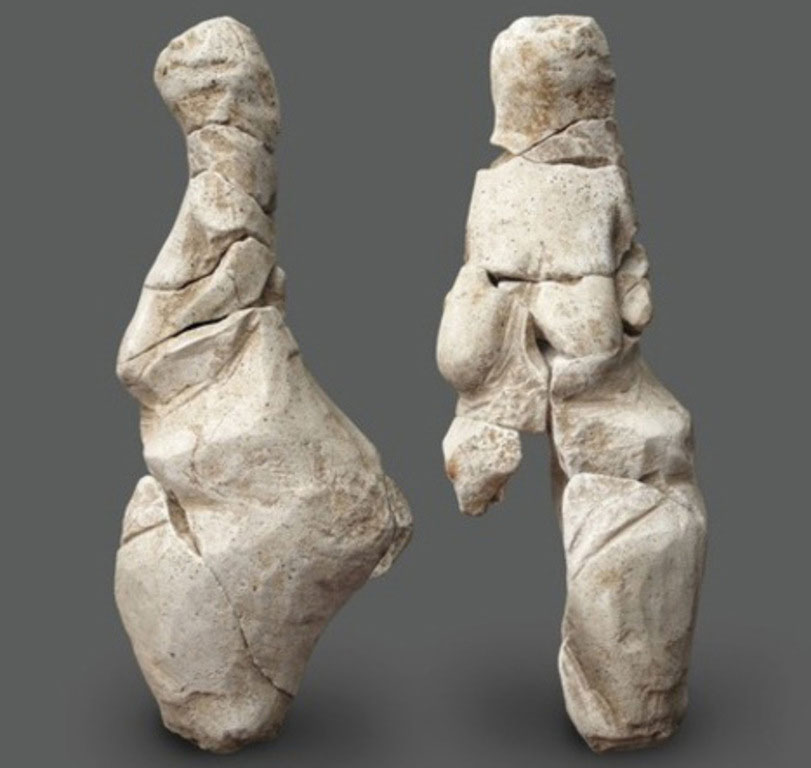
Palaeolithic-era “Venus” sculpture unearthed in France
While digging in Amiens, northern France, at the Paleolithic site of Renancourt, archaeologists discovered a 23,000-year-old limestone statuette.
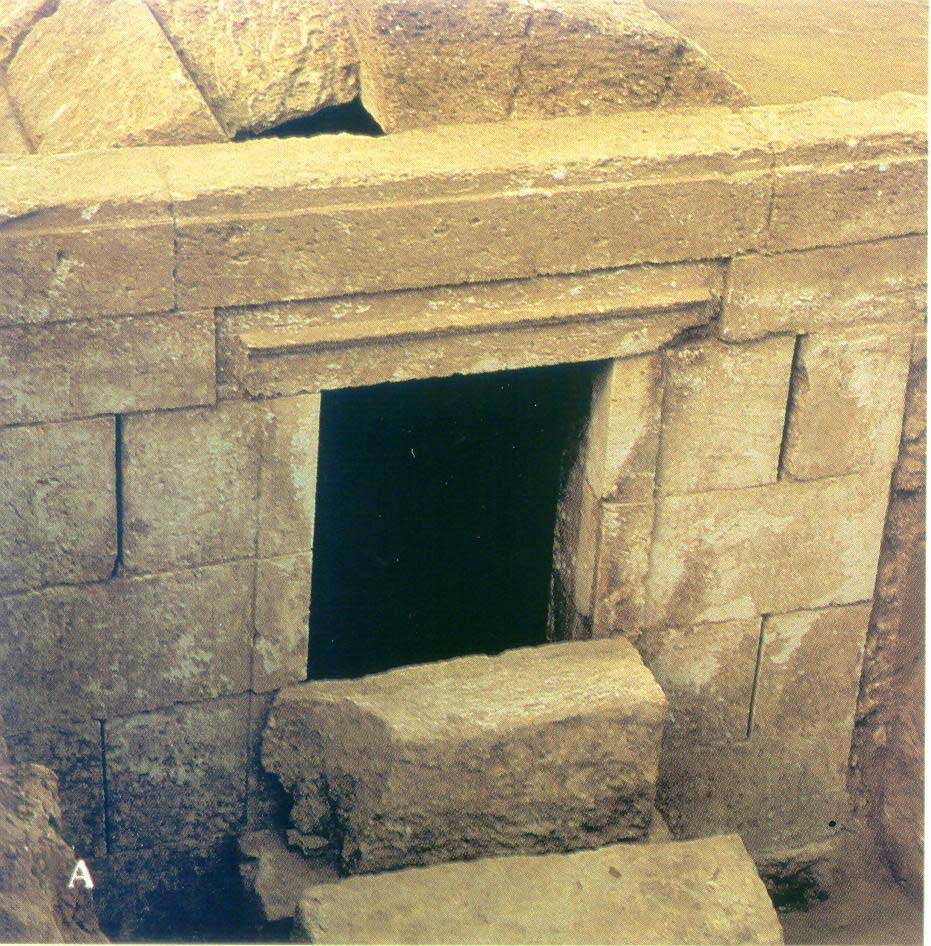
Excavations at the cemeteries of ancient Pydna
Lecture by Matthaios Besios and Athena Athanasiadou at the ASCSA.
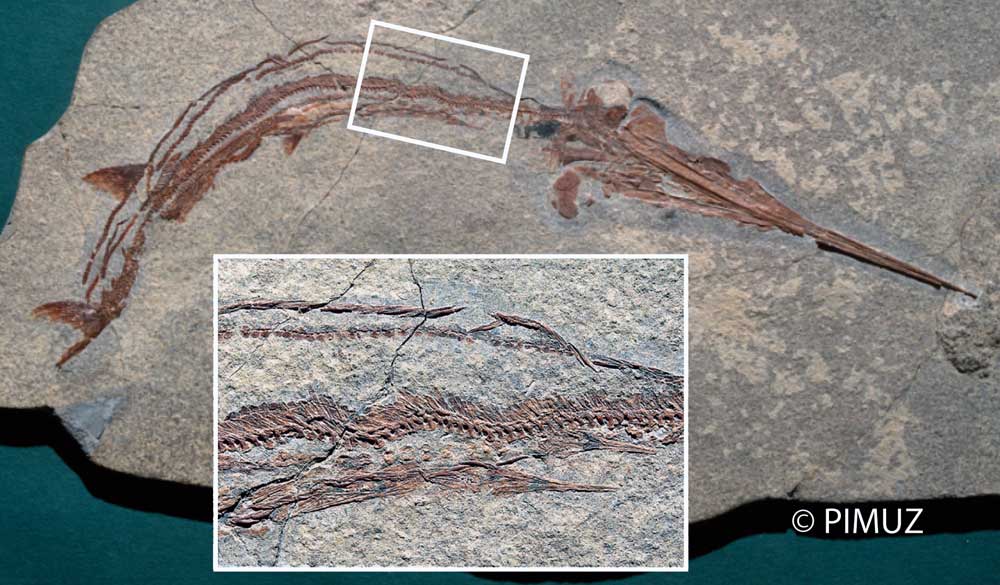
Mass extinction led to many new species of bony fish
As paleontologists reveal, a series of serious extinction events between 300 to 200 million years ago played a central role in the development of today’s fish fauna.