
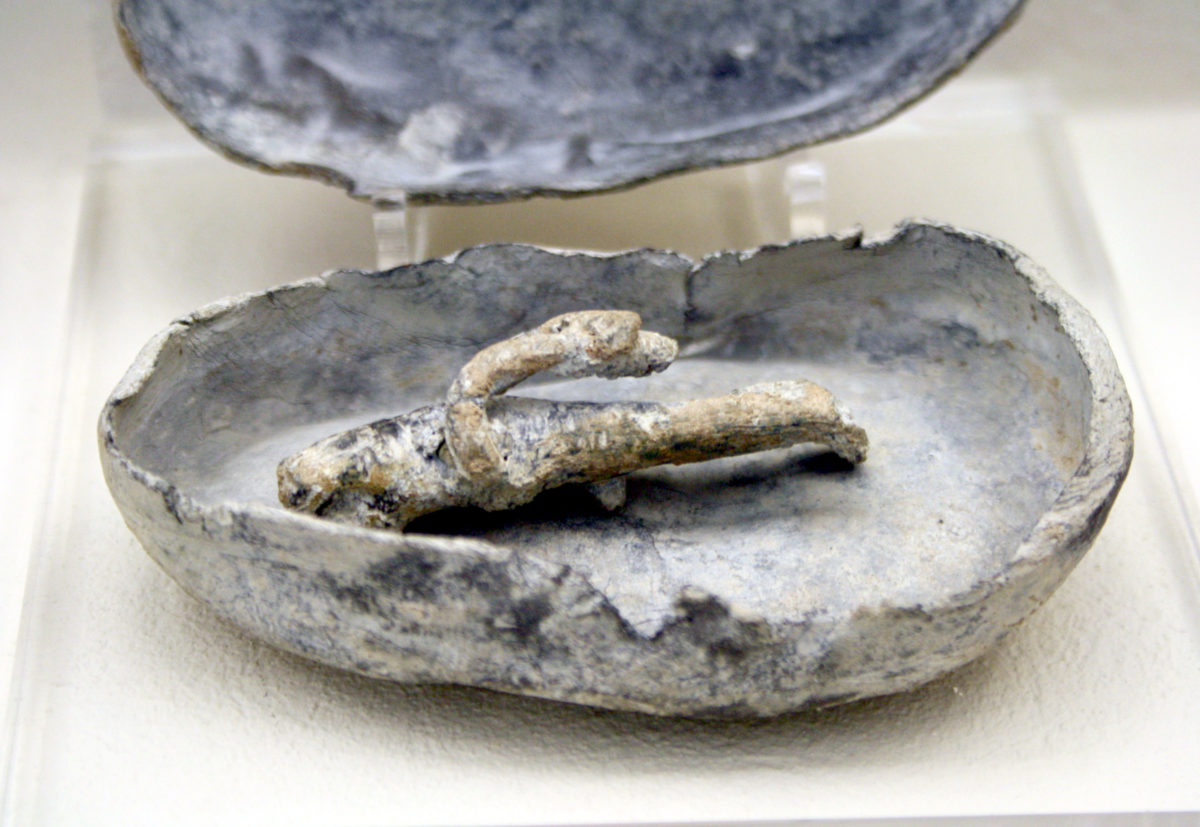
Kerameikos: Ancient curse tablets found inside a well
A total of 30 ancient Greek tablets were found inside a 2.500 year old well at Kerameikos.
Itinerance and Memory. Images in Ancient Greece
The Call For Papers of the Conference in Classics & Ancient History is now open.
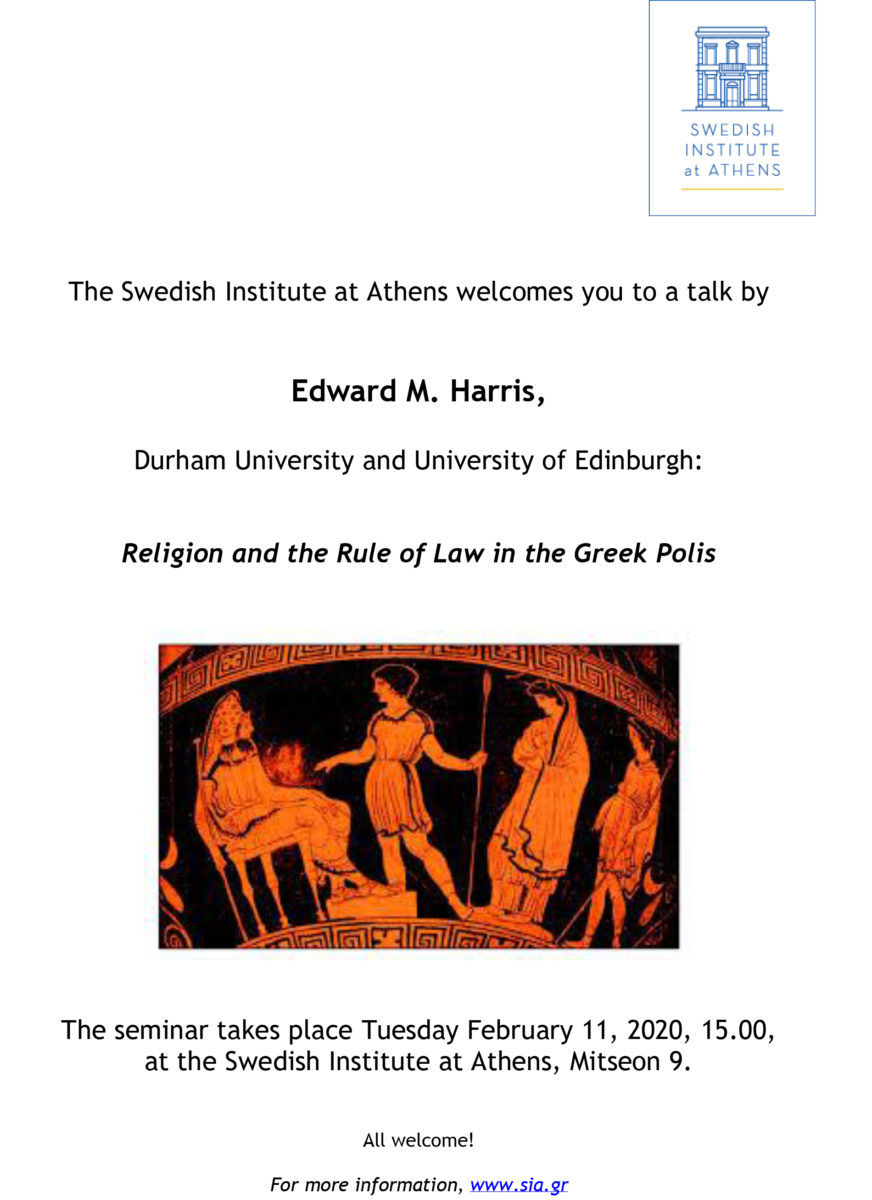
Religion and the Rule of Law in the Greek Polis
The Swedish Institute at Athens welcomes all to a talk by Edward M. Harris, Durham University and University of Edinburgh.
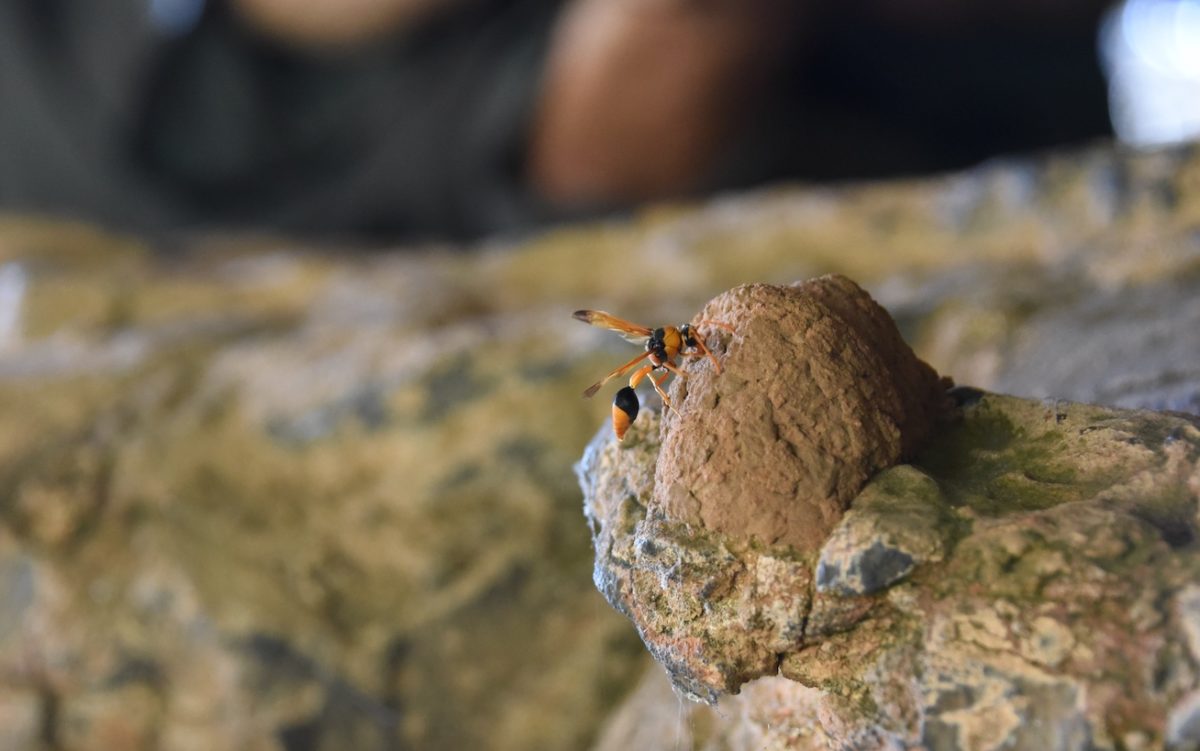
Wasp nests used to date ancient Kimberley rock art
Mud wasp nests have helped establish a date for one of the ancient styles of Aboriginal rock art in the Kimberley.
Scientists resurrect mammoth’s broken genes
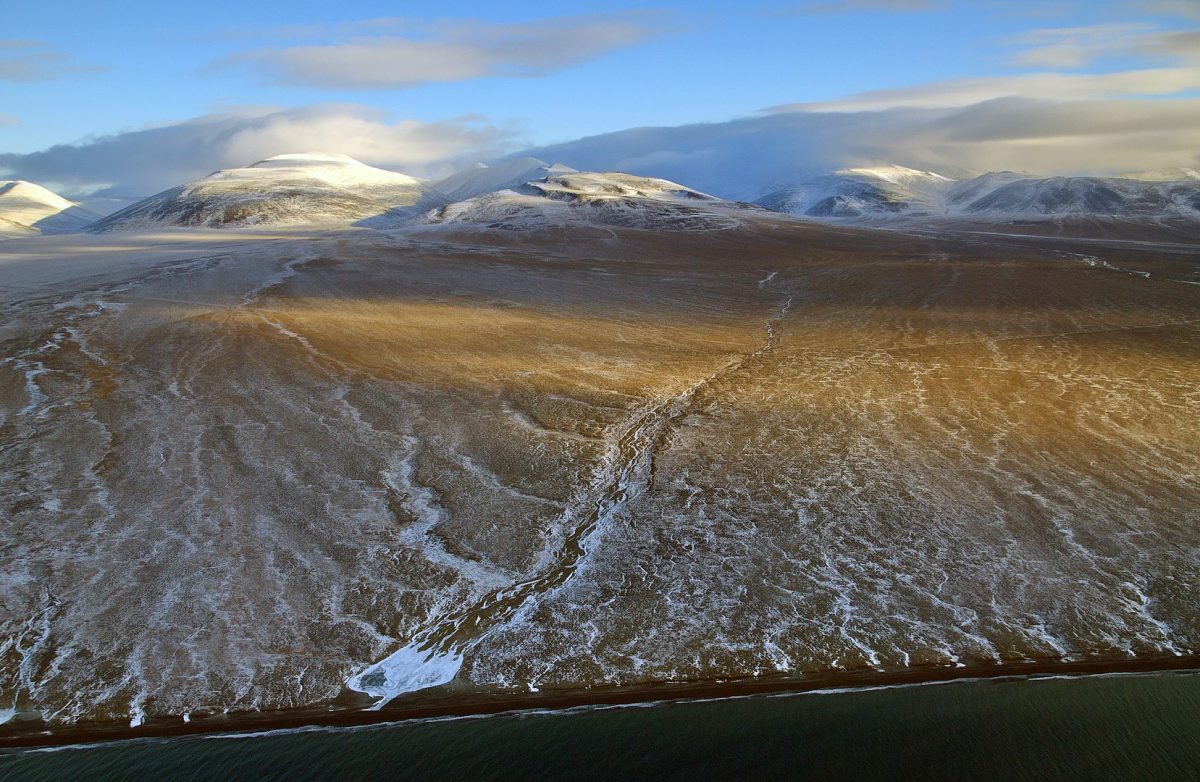
To conduct the study, Lynch’s team first compared the DNA of a Wrangel Island mammoth to that of three Asian elephants and two more ancient mammoths.
Fieldwork opportunity at Pompeii
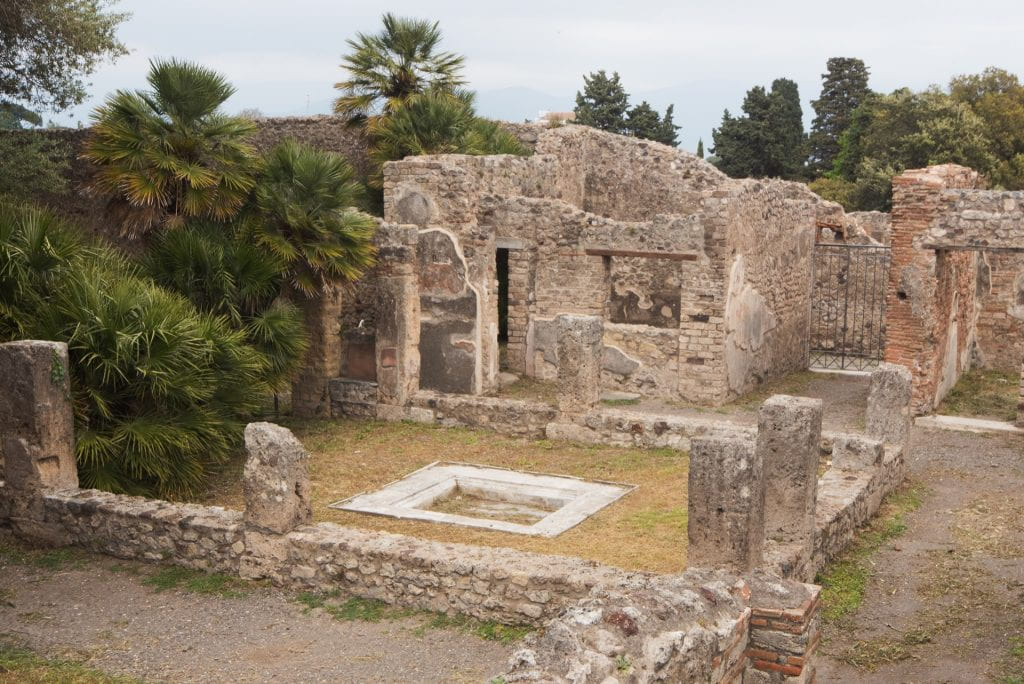
The Casa della Regina Carolina (CRC) Project is currently seeking volunteers for its 2020 season.
Tropical trees are living time capsules of human history
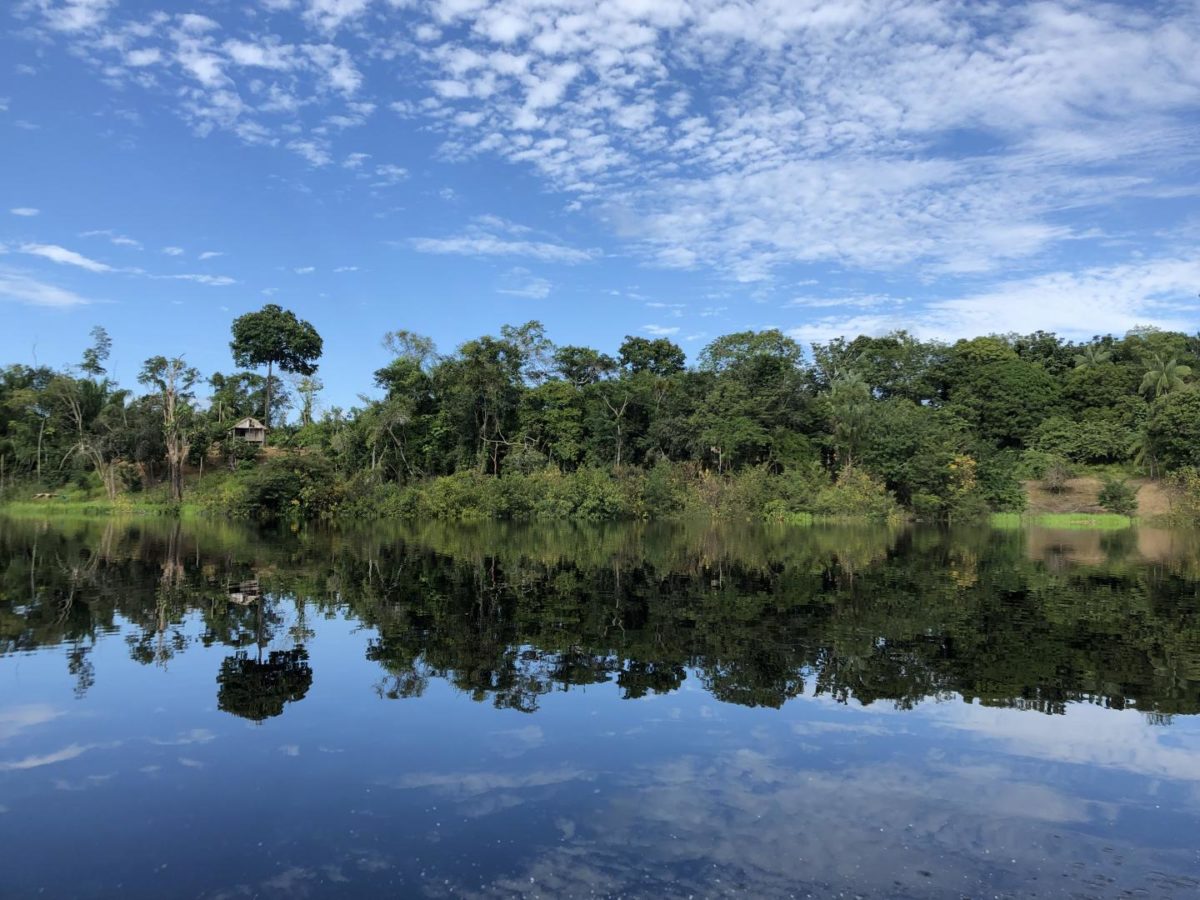
New international study shows the potential of novel methods to reveal past human influences on the growth of tropical trees still standing today.
Picasso: Blue and Rose Period
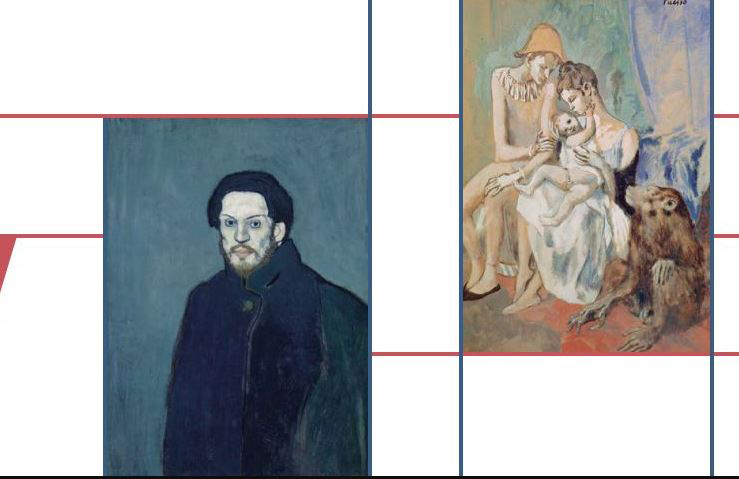
An audiovisual journey to Pablo Picasso’s early career (1900–1907) through a multimedia installation that lets visitors experience the great artist’s oeuvre.
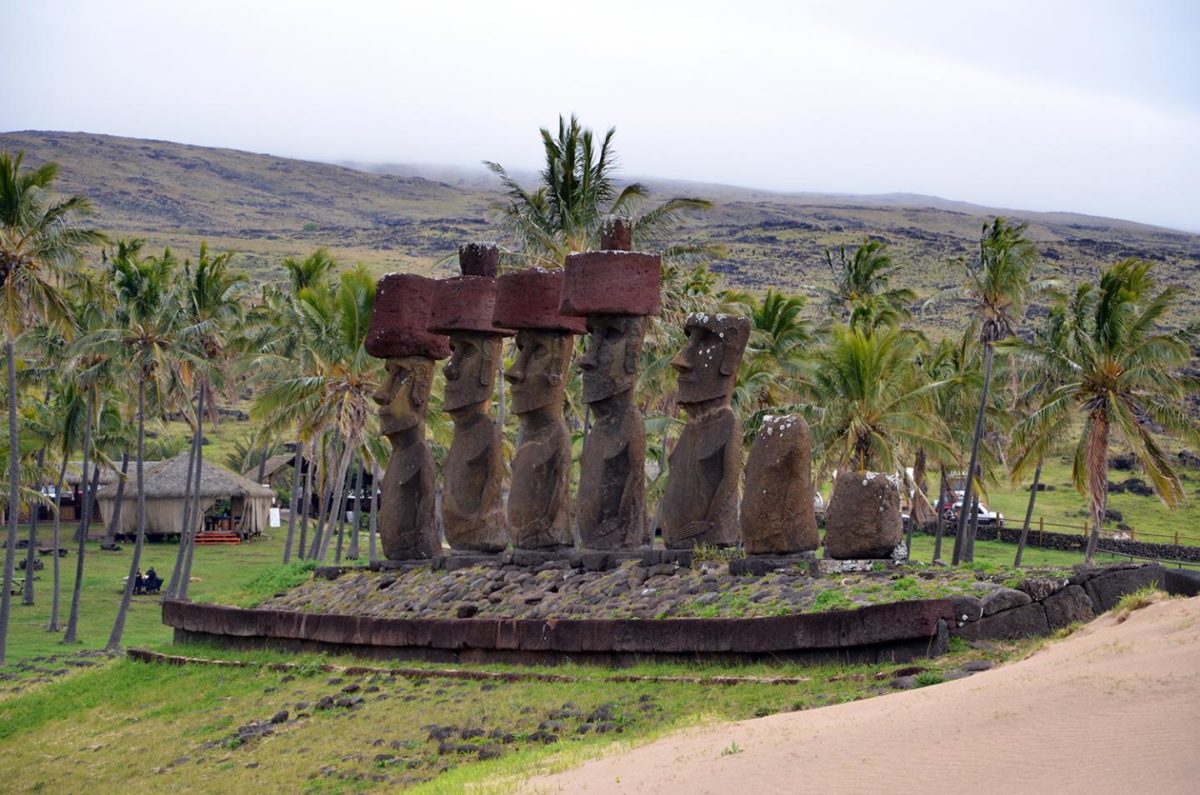
Researchers revise timing of Easter island’s societal collapse
Team led by University of Oregon doctoral student says new evidence, based on statistical modeling of radiocarbon dates, shows the island's monument-building culture was thriving when Europeans arrived.
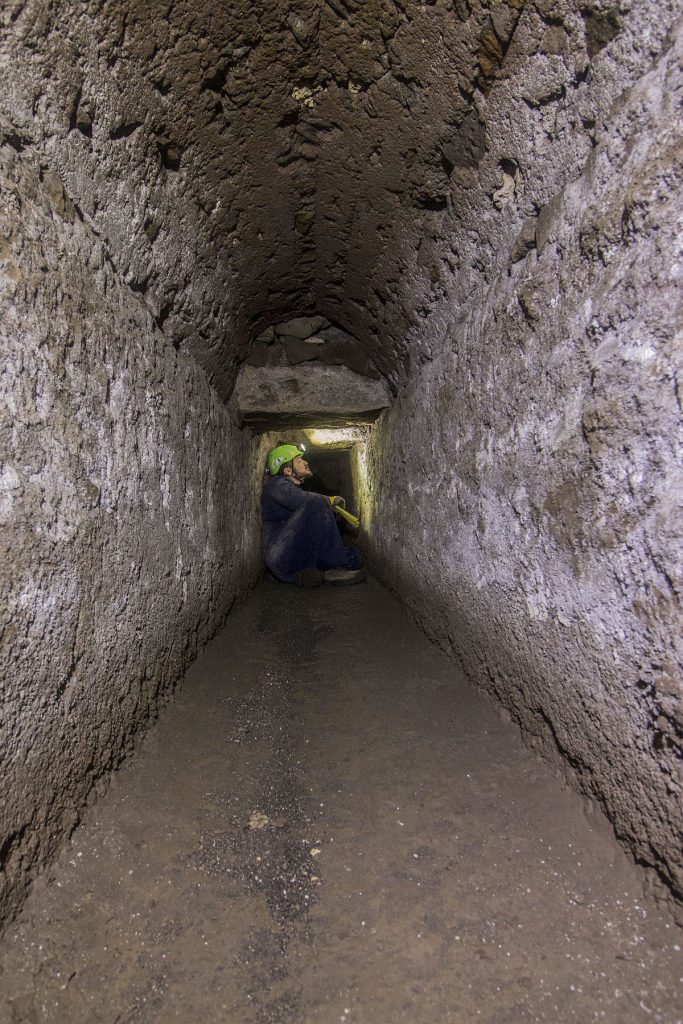
Canals and tunnels in the forum area
Investigation and research at Pompeii does not stop at the visible parts of the city, but also focuses on previously unseen aspects, such as the study of the tunnels and drainage canals of Ancient Pompeii.
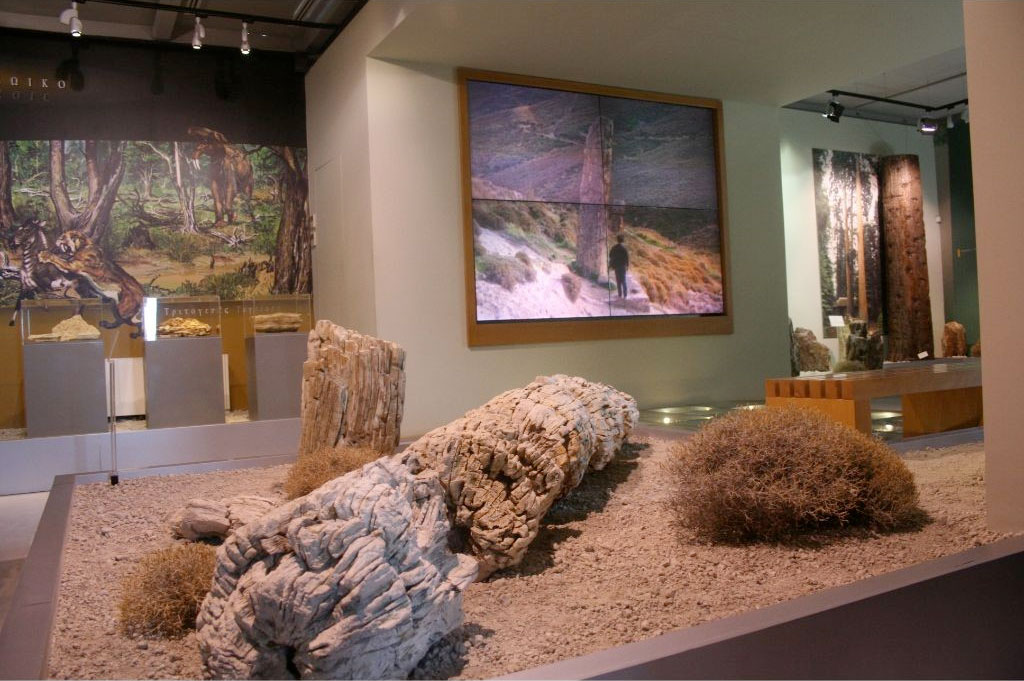
Sequoia fossil discovered on Lesvos
Specifically, the lower part of the trunk was found, mostly from near to the root system.

EST Seminars University of Pisa
The focus is centred on coexisting and conflicting layers of religious
practices and beliefs in society and daily activities.
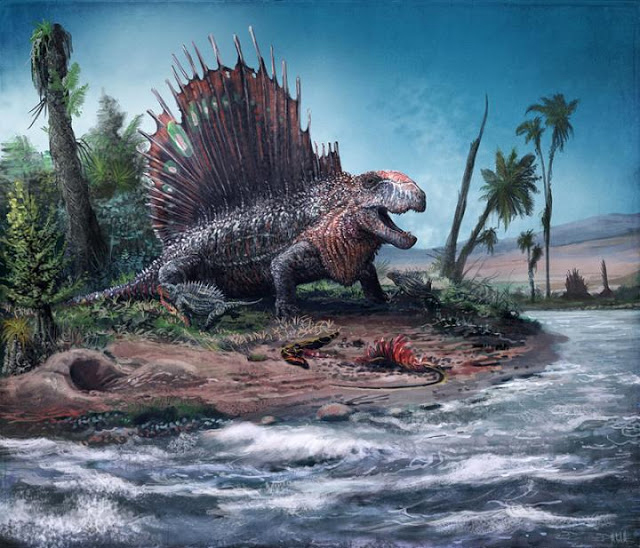
How and when spines changed in mammalian evolution
A combination of developmental changes and adaptive pressures in the spines of synapsids laiid the groundwork for the diversity of backbones seen in mammals today.
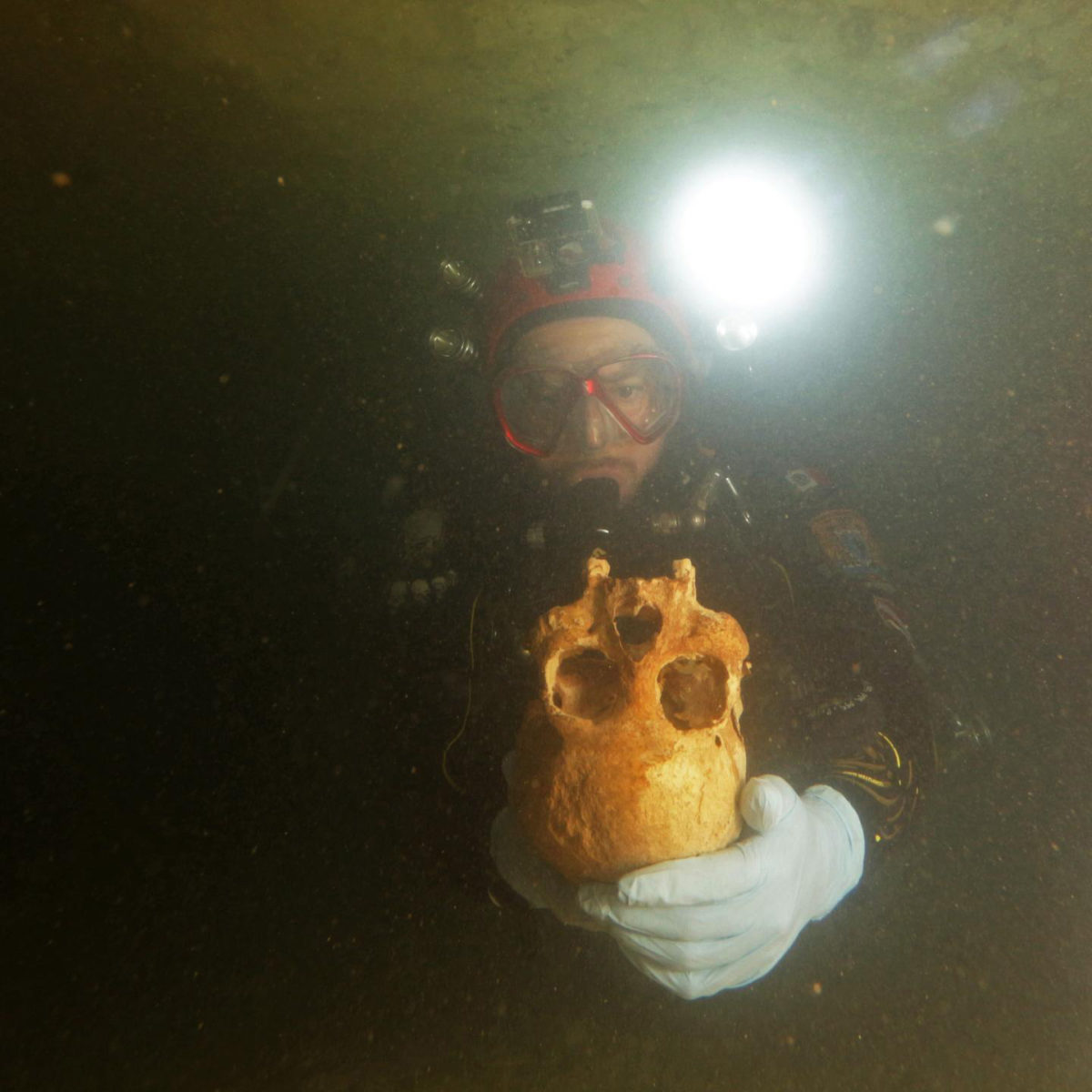
Female skeleton distinct from other early American settlers
A new skeleton discovered in the submerged caves at Tulúm sheds new light on the earliest settlers of Mexico, according to a study published February 5, 2020 in the open-access journal PLOS ONE.
EpiDoc Workshop
The EpiDoc Workshop - Training in digital epigraphy and papyrology and electronic publication will take place on April 20–24, 2020.
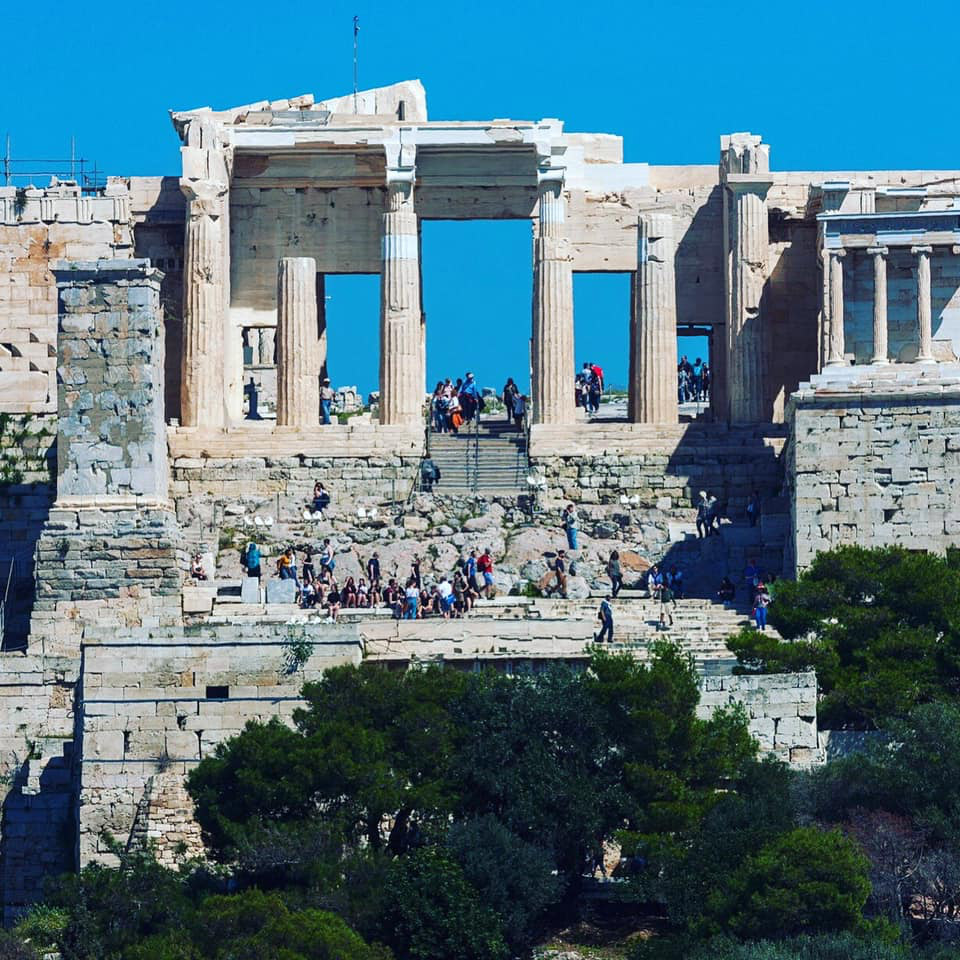
Meeting about security on the Acropolis
A long meeting with the heads of the country’s Security Research Centre (KEMEA) – an organization overseen by the Ministry of Citizen Protection – was convened by Lina Mendoni.
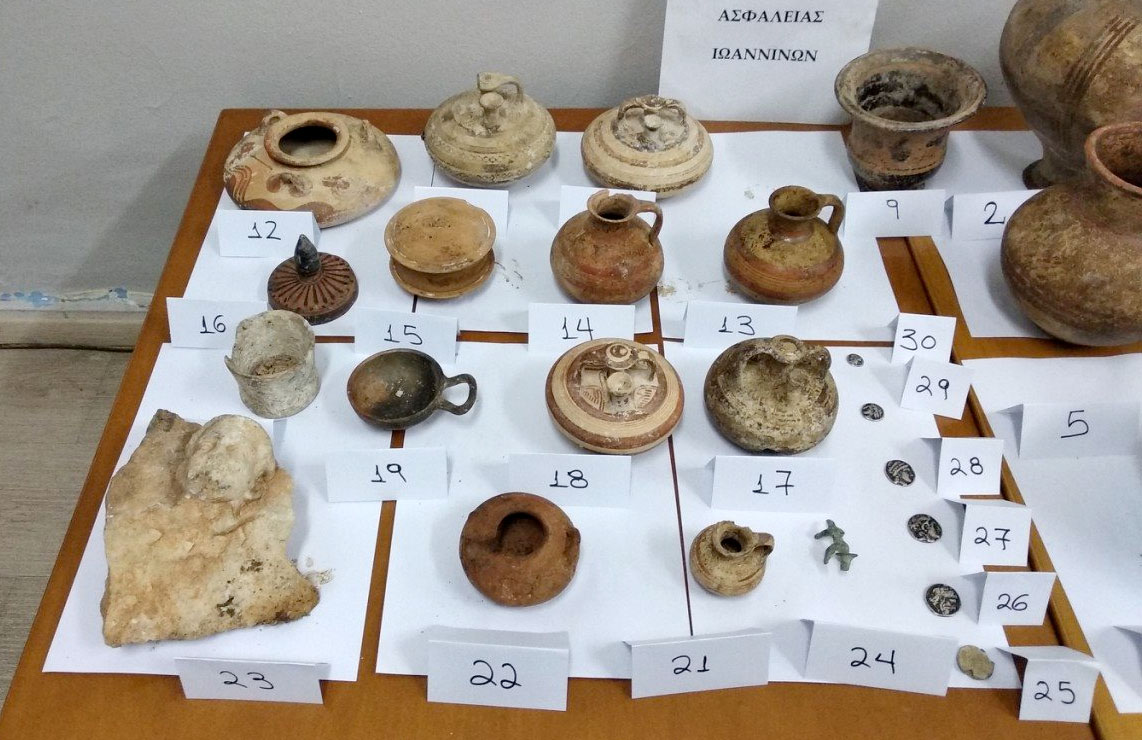
Corinth: Ancient artefacts hidden in a field were confiscated
A 40-year-old man was arrested for violating legislation for antiquities and cultural heritage in general.
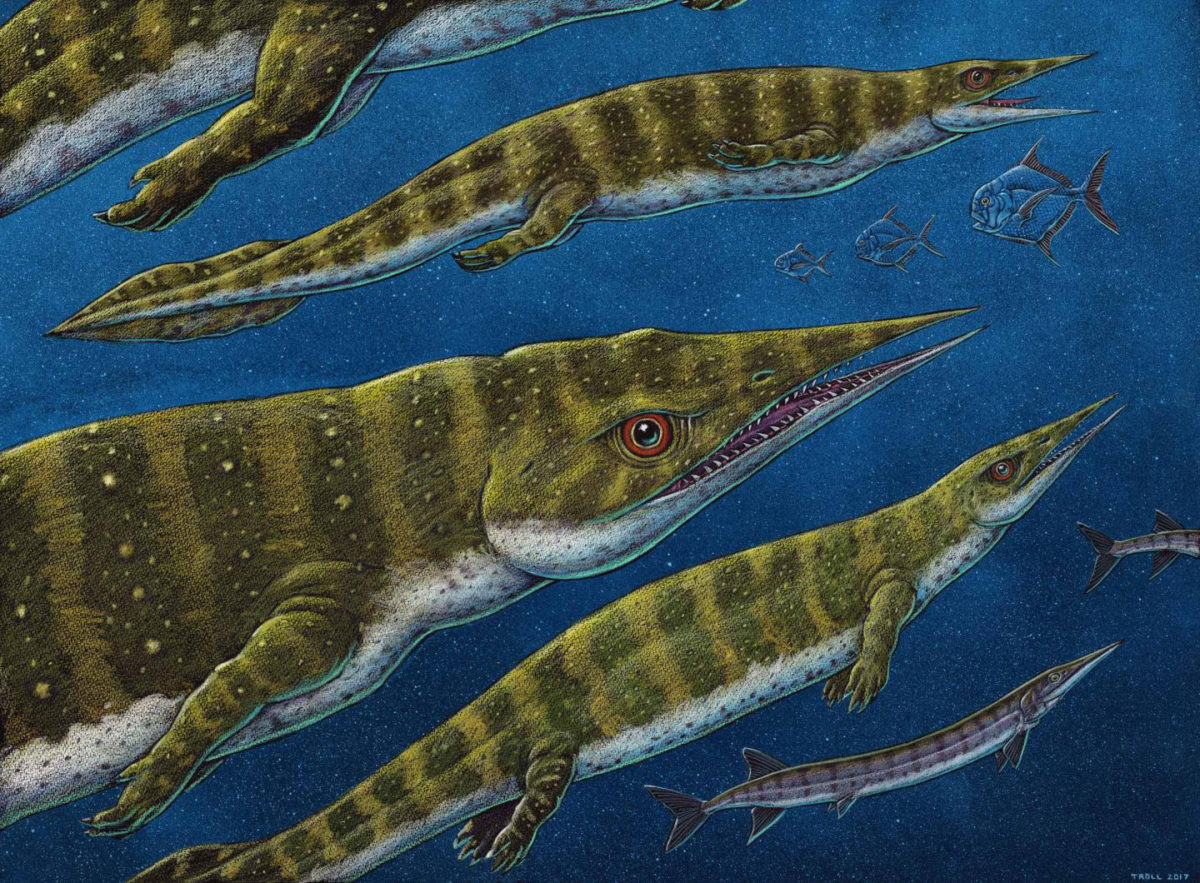
New thalattosaur species discovered in Southeast Alaska
Scientists at the University of Alaska Fairbanks have identified a new species of thalattosaur, a marine reptile that lived more than 200 million years ago.

Dalí’s masterpiece leads Bonhams Impressionist and Modern Art Sale
The work, which has never before been offered at auction, comes from the collection of the Italian Modernist composer Giacinto Scelsi.

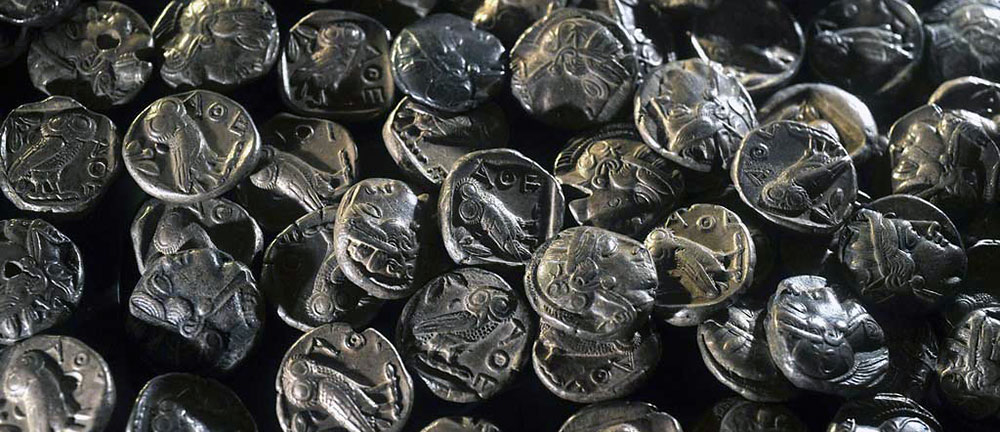
Postgraduate Training Course in Greek Numismatics
The course offers a chronological survey of Greek coinage, beginning in the late Archaic period and continuing through the Classical into the Hellenistic period.
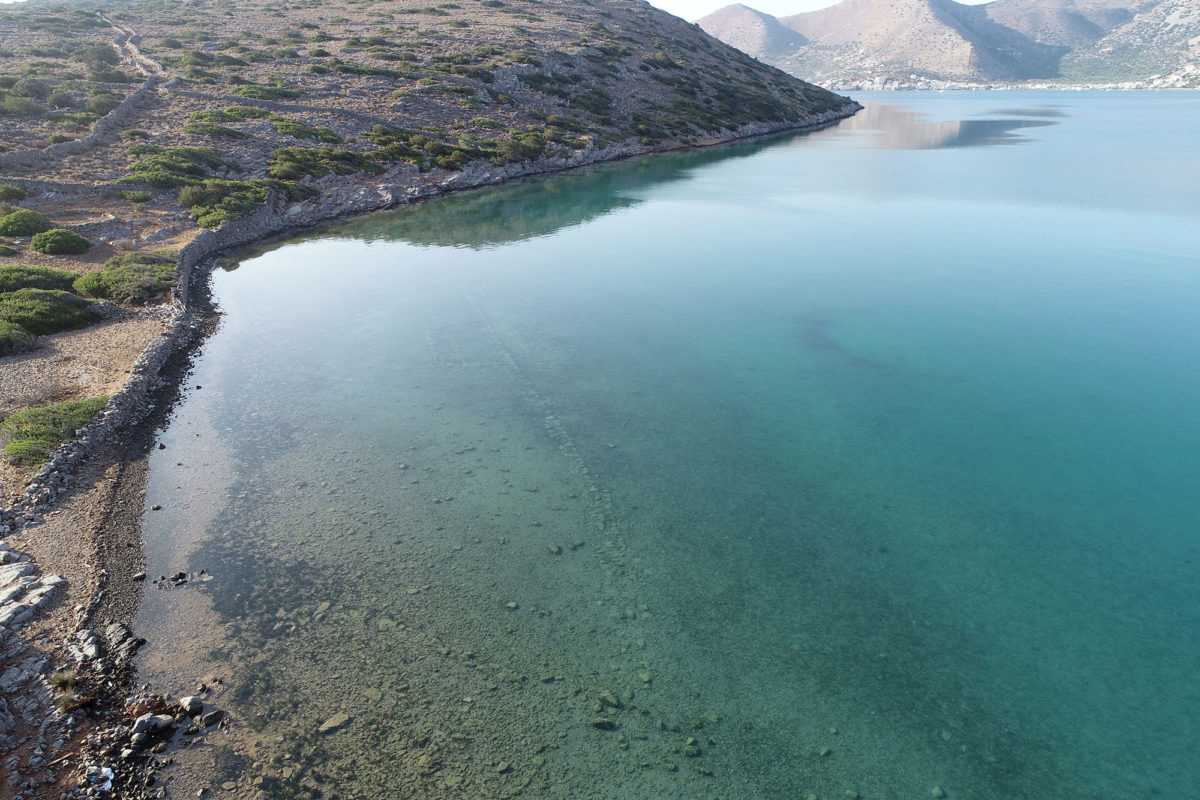
Underwater research in ancient Olous and the harbour of Ierapetra
The city of Olous is quite clearly mentioned in ancient sources, mainly in inscriptions.
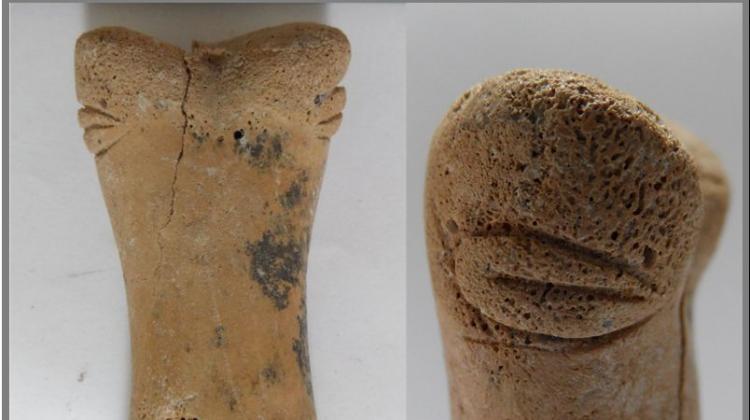
Unique bone figurine discovered in one of world’s oldest cities
Polish researcher discovered a human-like figurine in one of the oldest cities in the world: Çatalhöyük in Turkey.
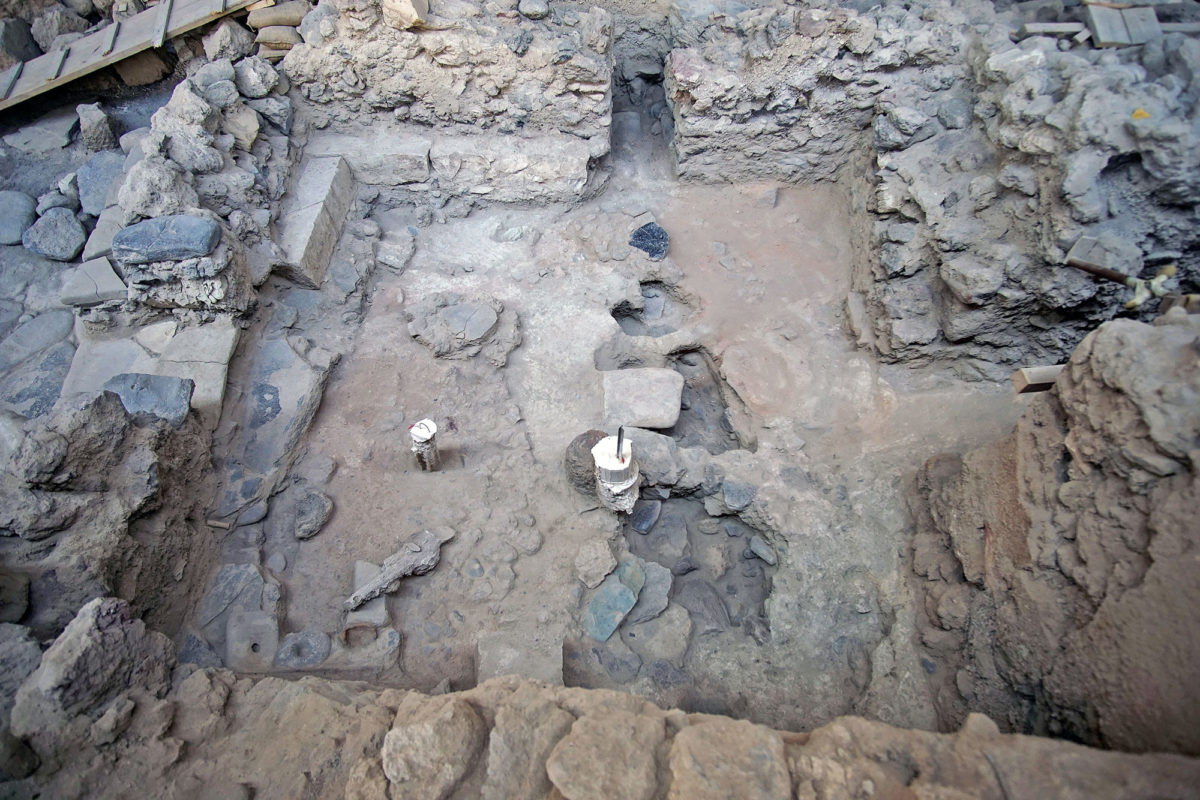
Unique finds from the prehistoric city of Akrotiri on Thera
Highly significant new data was unearthed during ongoing excavation work at Akrotiri on Thera, under the auspices of the Archaeological Society headed by Professor Emeritus Christos Doumas.