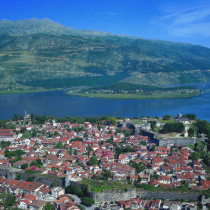
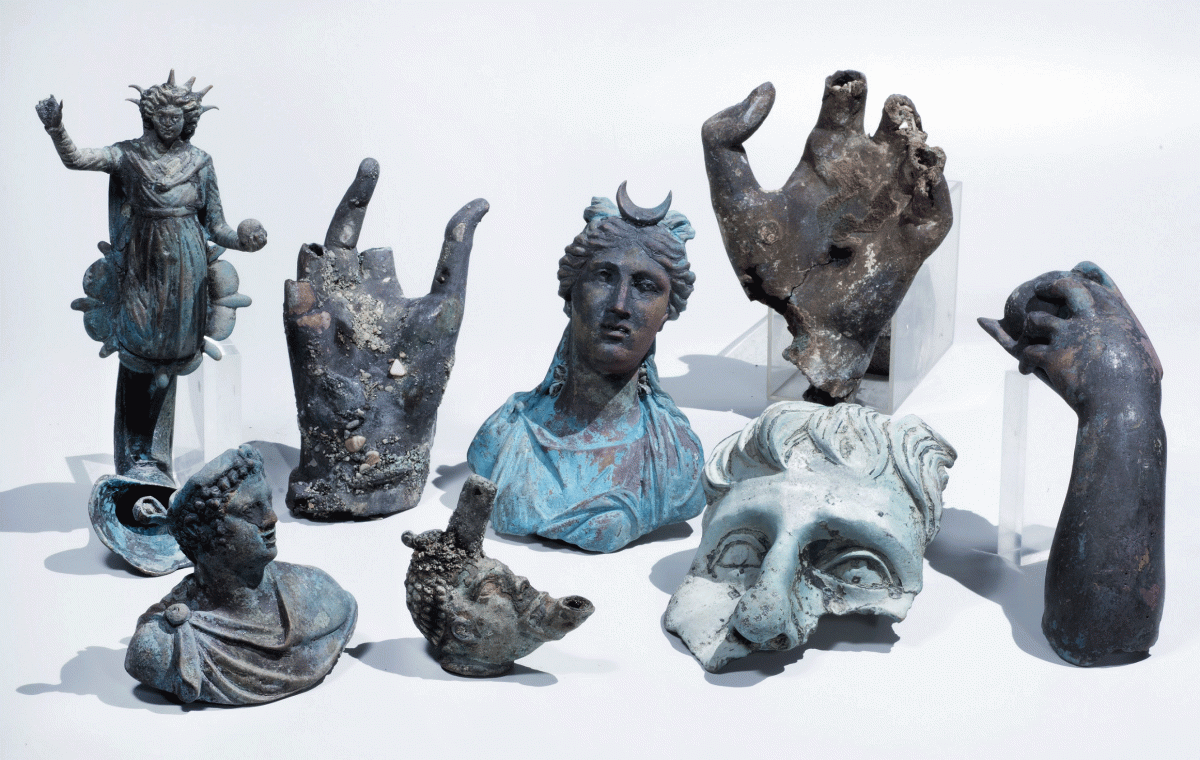
The most exciting archaeological discoveries of 2016
2016 has been a year copious with archaeological discoveries. Here is a list of the 10 most exciting ones.
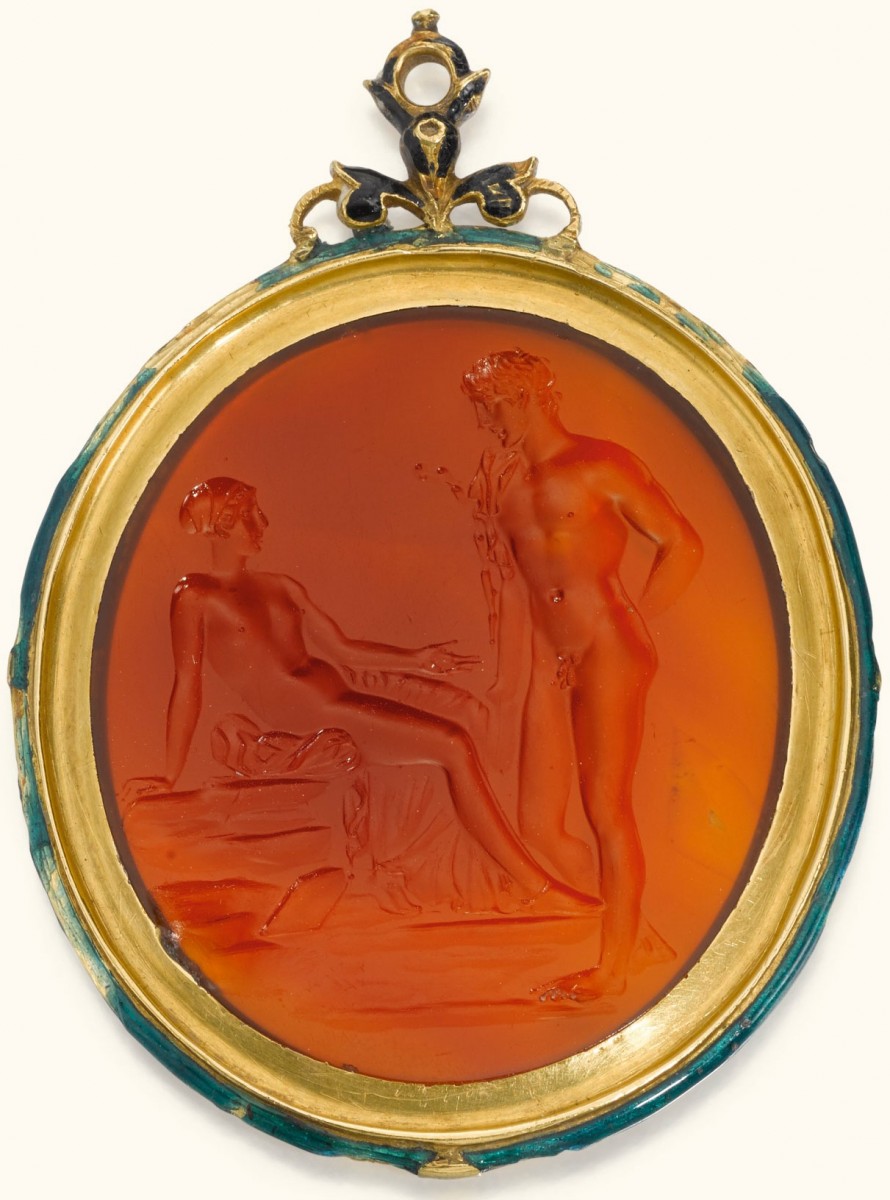
J. Paul Getty Museum acquires rare first-century carved gem
The J. Paul Getty Museum recently acquired at auction a rare first-century carved gem depicting a seated nude woman and standing nude man, likely the goddess Aphrodite and her lover, Adonis.
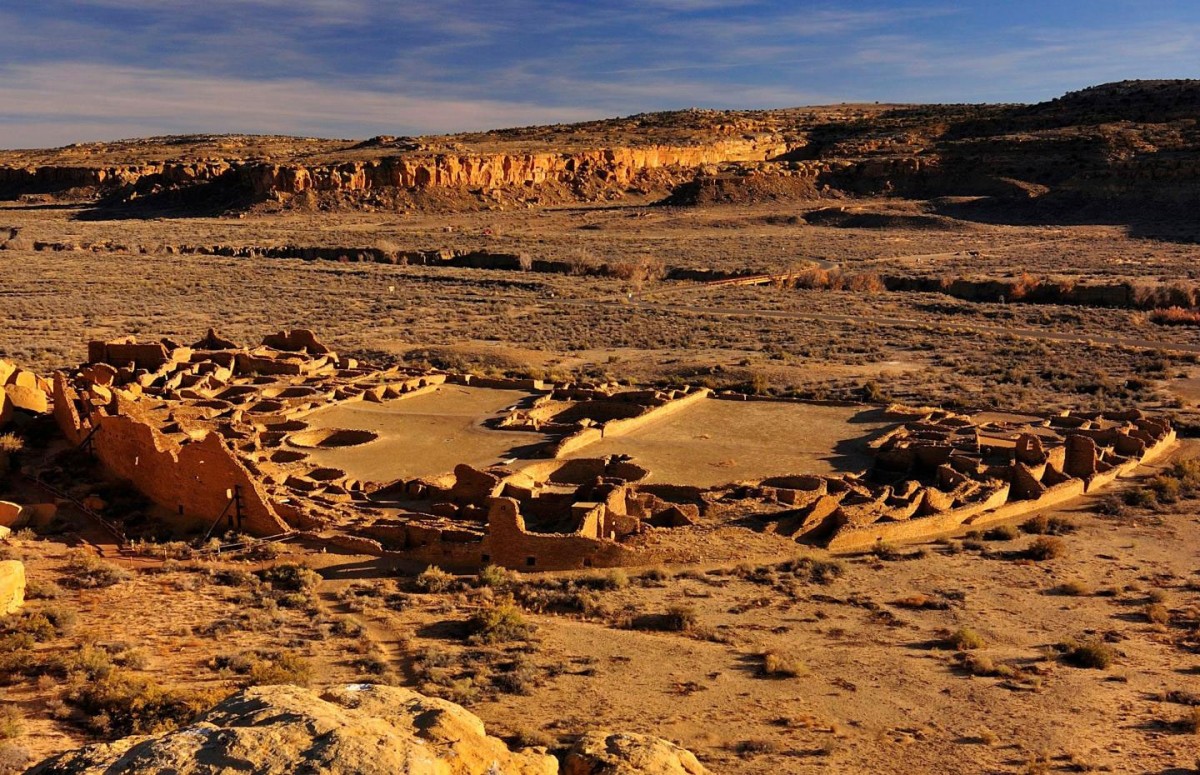
Computer models find ancient solutions to modern problems
Washington State University archaeologists are at the helm of new research using sophisticated computer technology to learn how past societies responded to climate change.
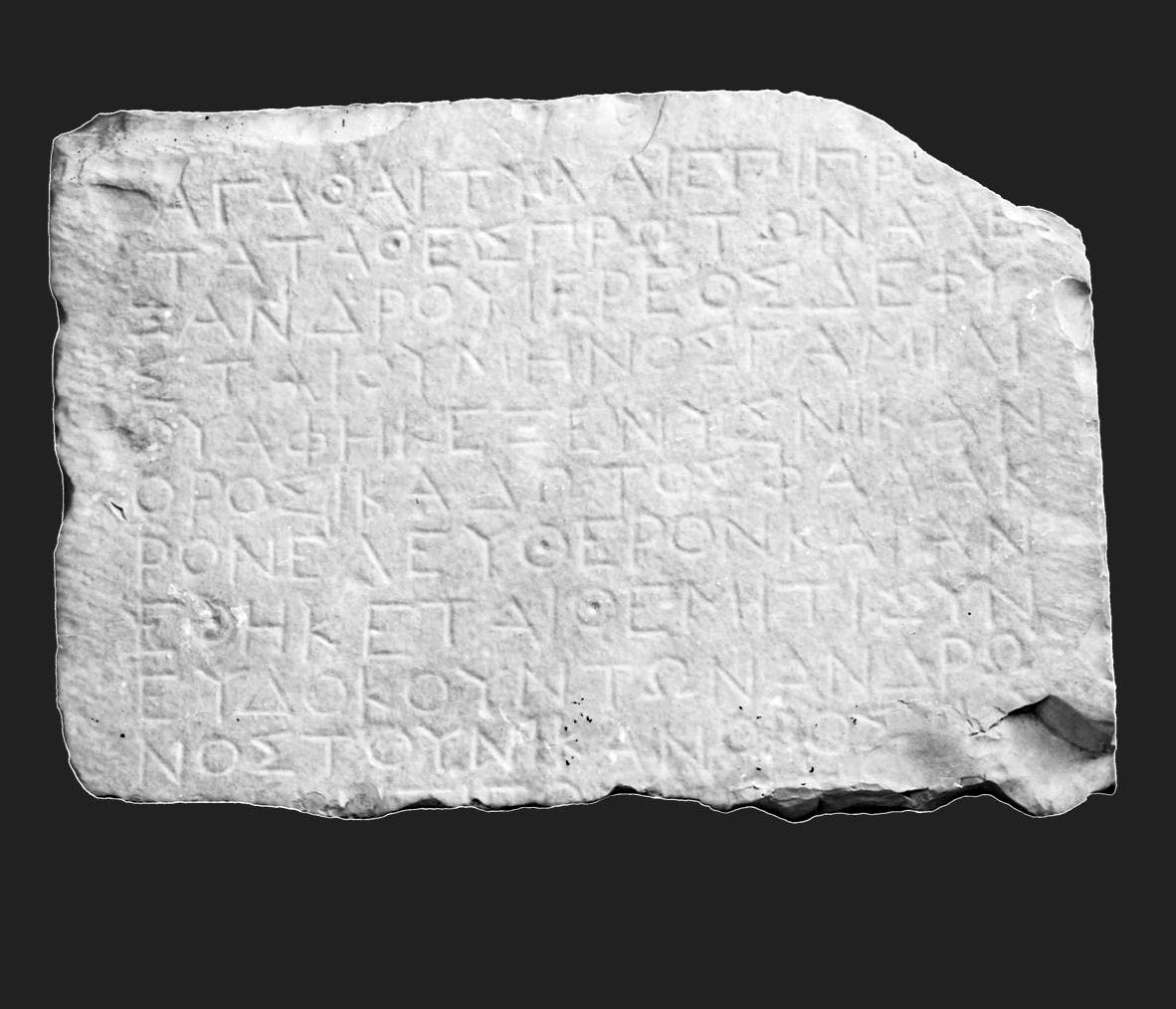
Postgraduate training course in Greek Epigraphy
The course is limited to 14 places, and open to students of any university pursuing Masters or Post-graduate degrees.
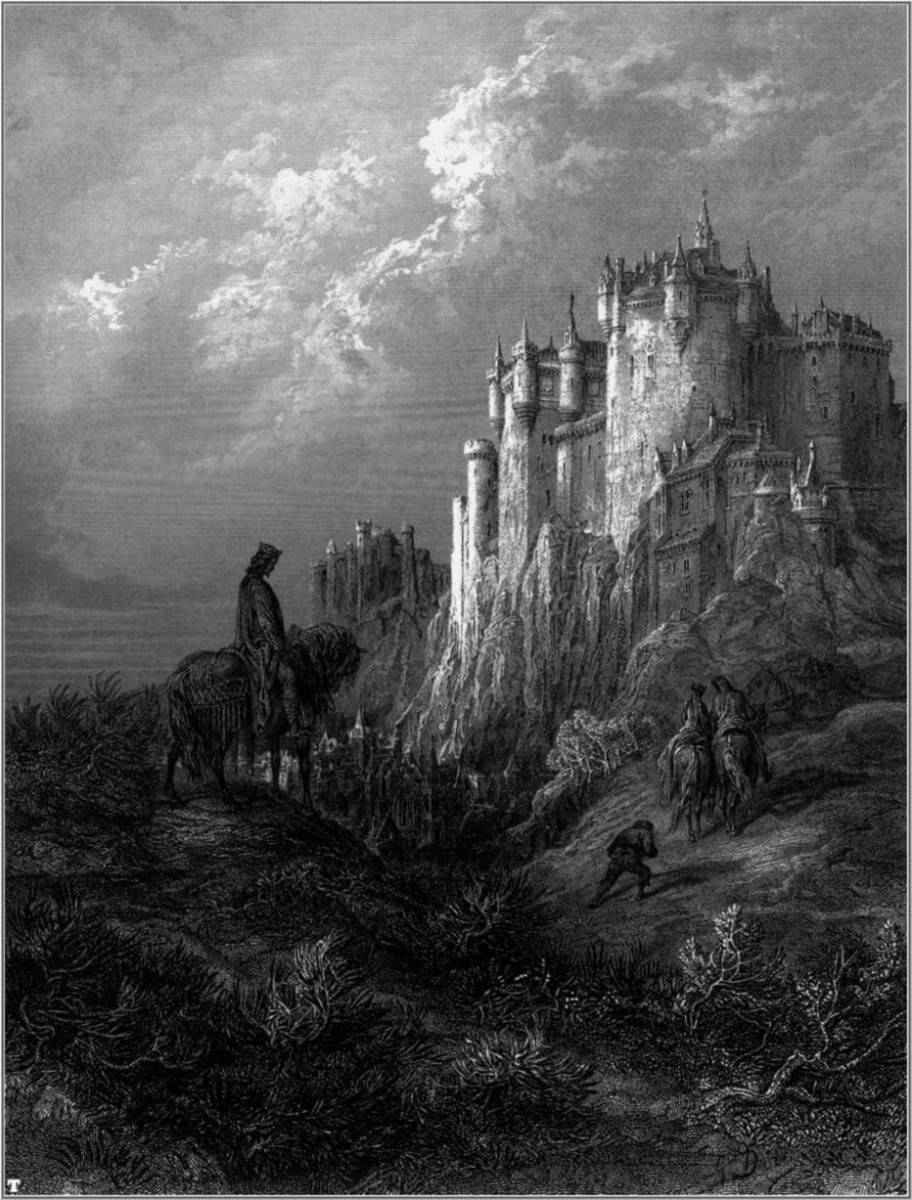
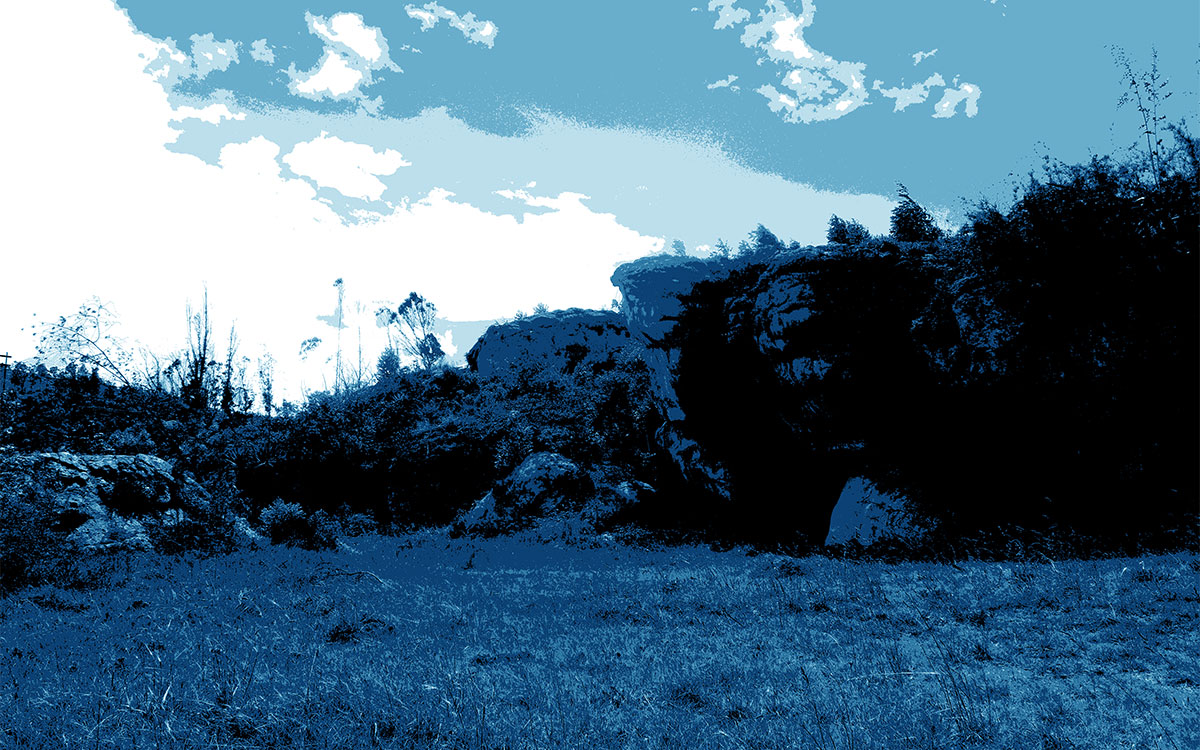
Possible location of King Arthur’s Camelot found
The quest to find King Arthur’s Camelot has puzzled and intrigued scholars and fans for a thousand years. Now, the search may finally be over.
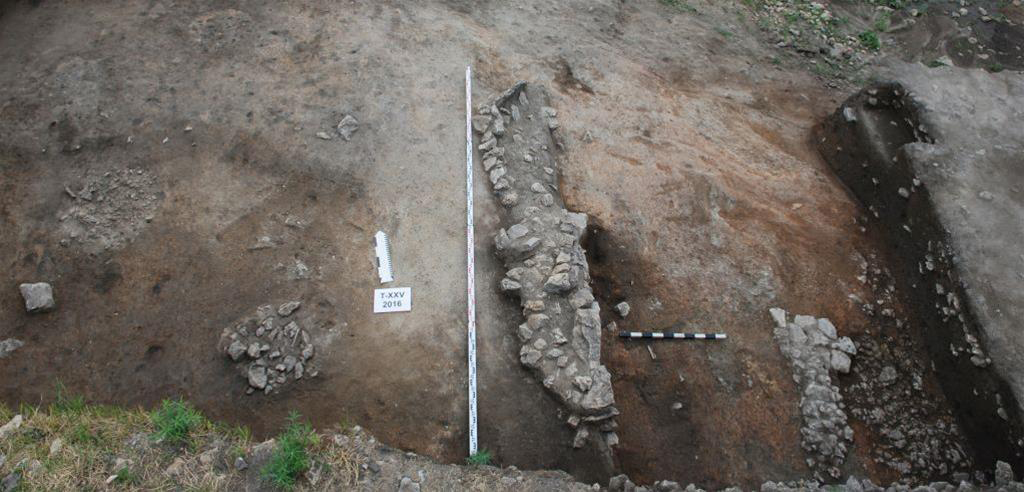
Ancient Greek colony in Russia had complex system of fortifications
Fortifications in the remote Greek colony 2,000 years ago in Tanais were more complex than previously thought.
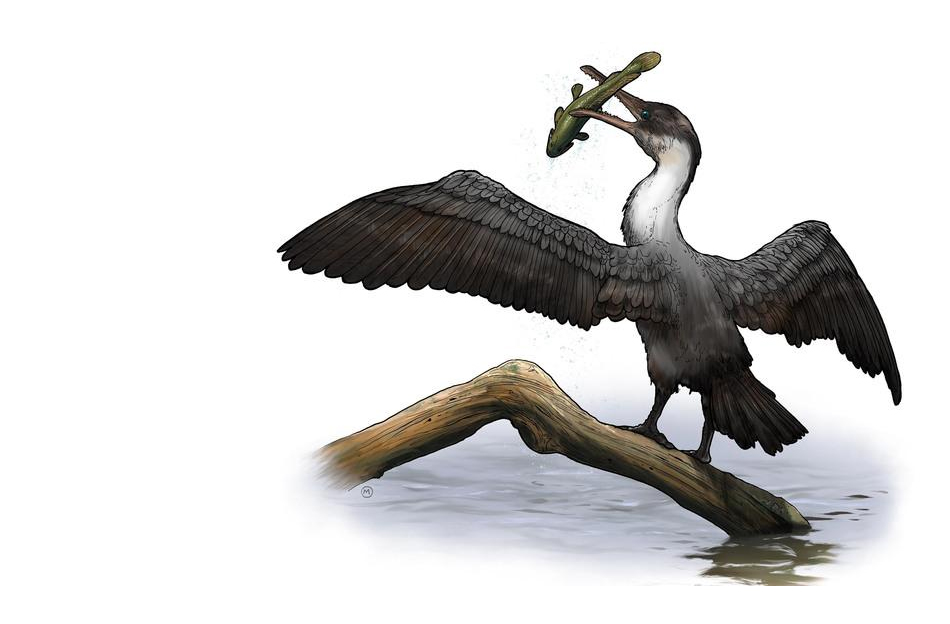
New prehistoric bird species discovered
A team of geologists at the University of Rochester has discovered a new species of bird in the Canadian Arctic.
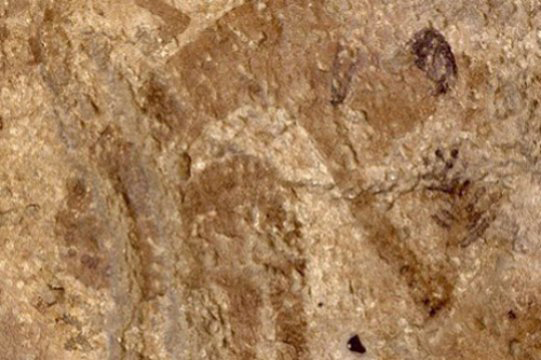
Earliest evidence discovered of plants cooked in ancient pottery
A team of international scientists, led by the University of Bristol, has uncovered the earliest direct evidence of humans processing plants for food found anywhere in the world.

Nepal: Post-disaster excavations at earthquake-damaged Jagannath and Gopinath Temples
UNESCO has commissioned post-disaster rescue excavations at earthquake-damaged monuments within the Kathmandu Valley UNESCO World Heritage Site.
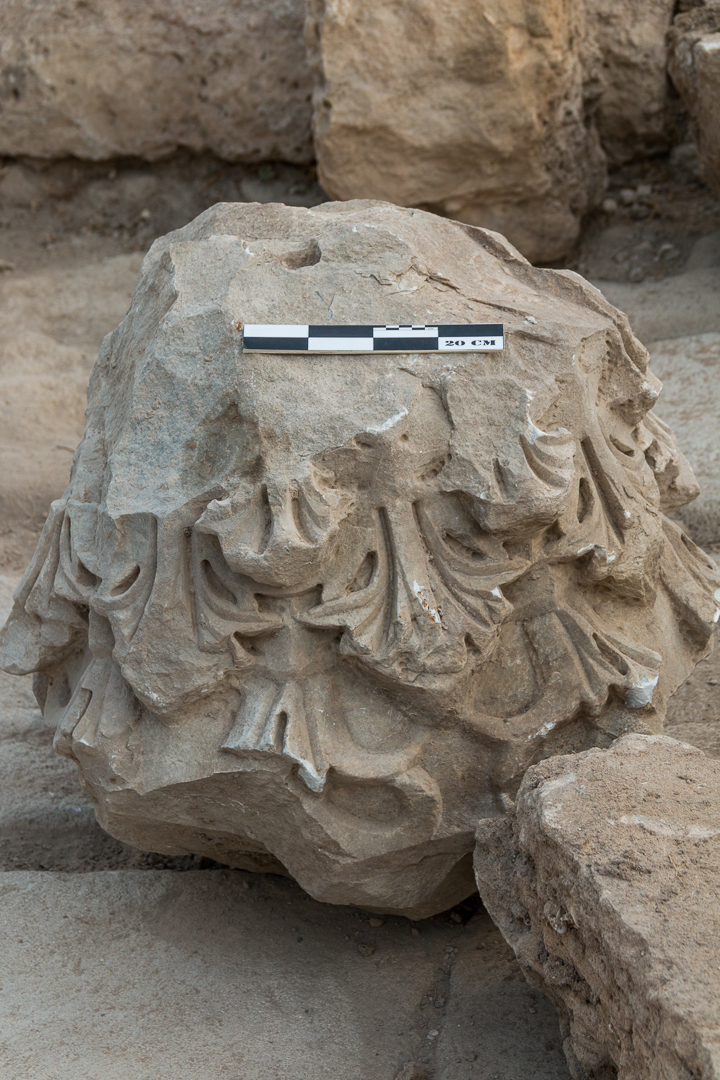
Nea Pafos: The ancient theatre area was a major hub of activity
It was constructed around 300 BC and used for performance and entertainment for over six centuries until the 4th century AD.
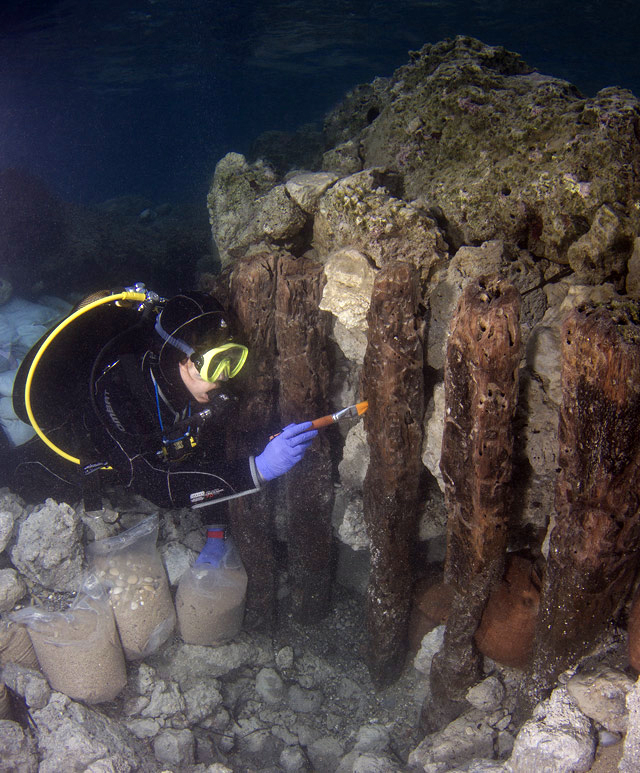
Underwater archaeological surveys of the ancient harbour at Lechaion
The most significant results of this year's surveys.
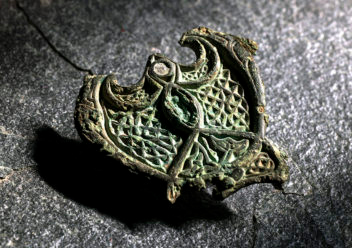
How did a fitting from an Irish horse’s harness end up as a brooch for a Norwegian Viking woman?
When a female Norwegian Viking died some time during the 9th century, she was buried wearing a status symbol: a beautiful piece of bronze jewellery...
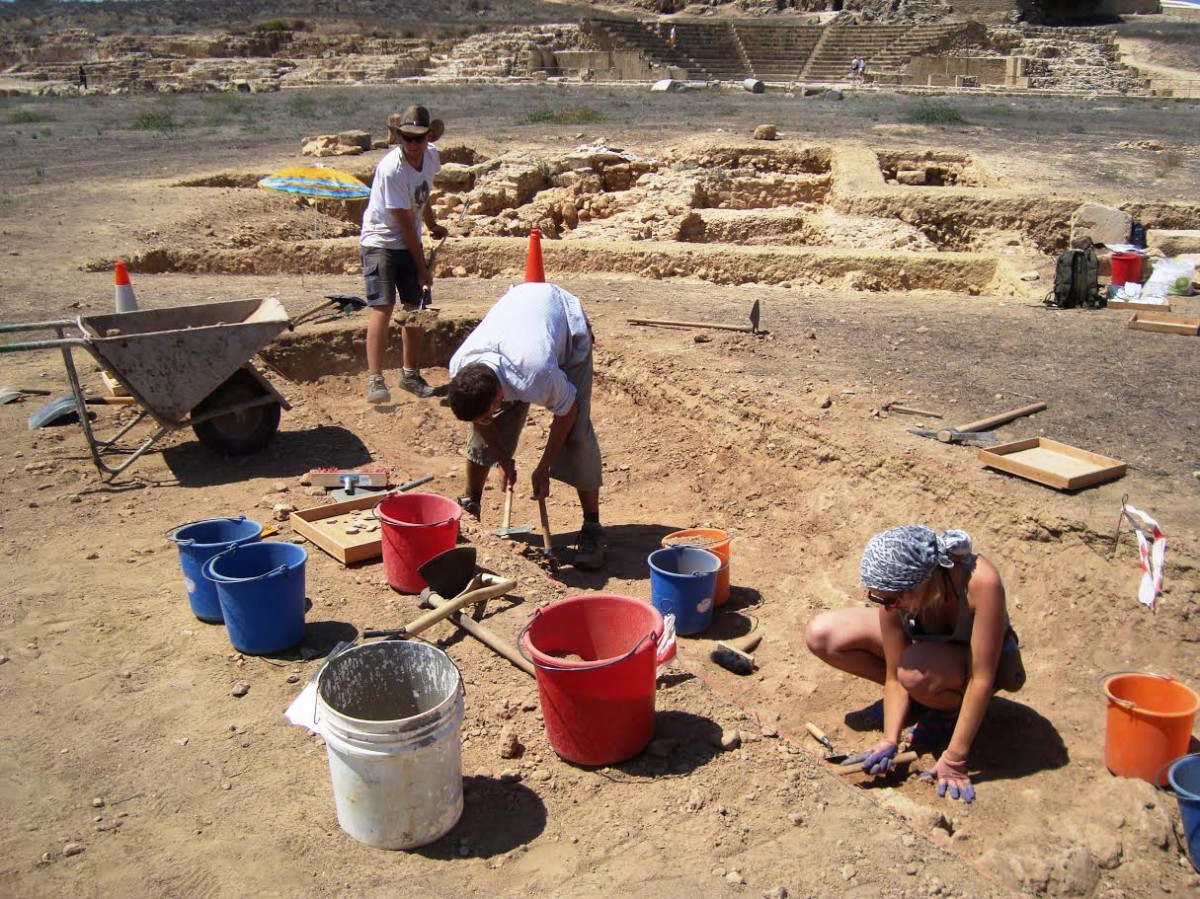
A human skeleton found in a well of the Pafos Agora
Rooms, glass vessels, coin hoards and a human skeleton were found during the Agora excavations in the ancient city of Nea Pafos.
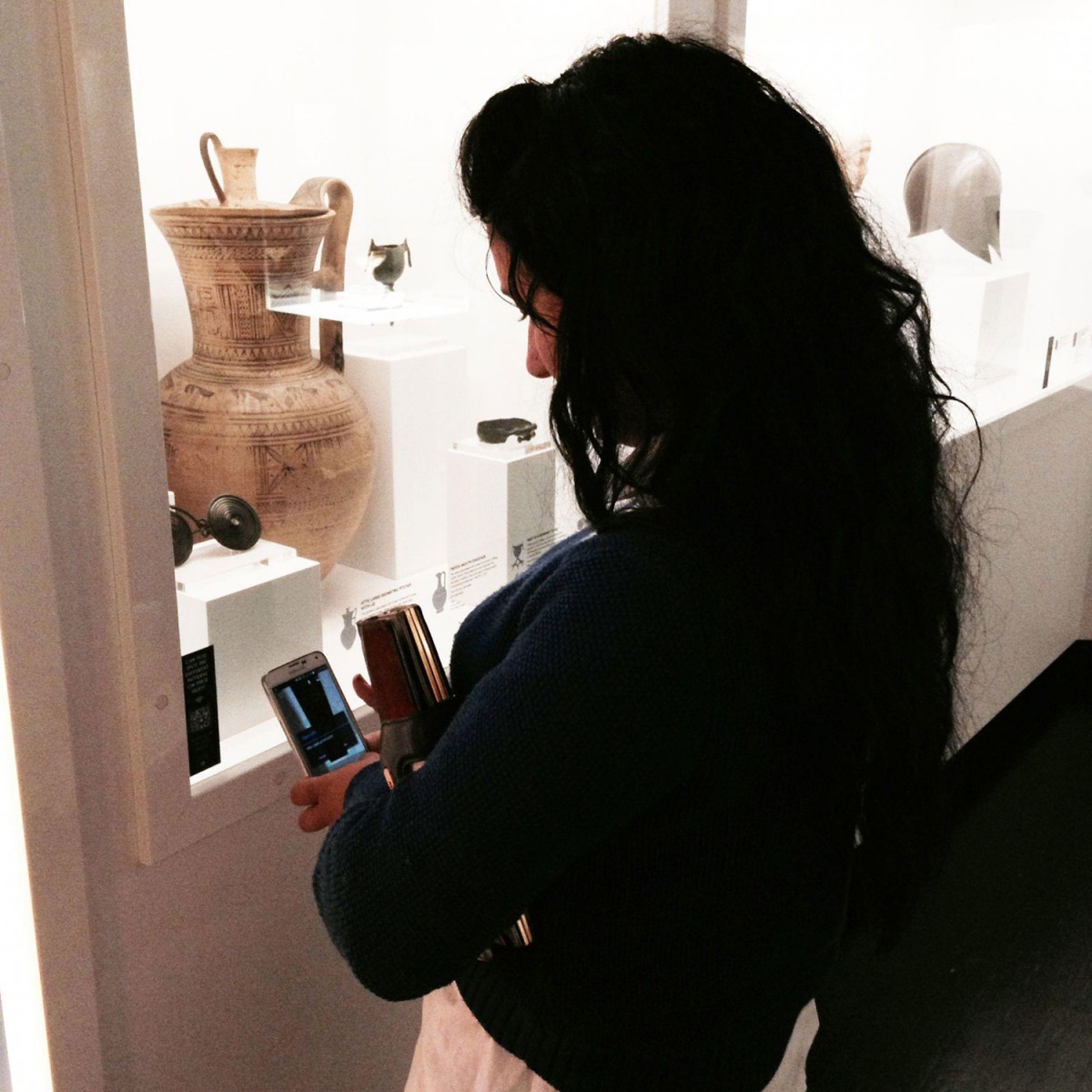
Interpreting cultural heritage through the use of smart phones
The applications presented in this article demonstrate the potential as well as the possibilities of digitally interpretating a culture to which we will be constantly "connected".
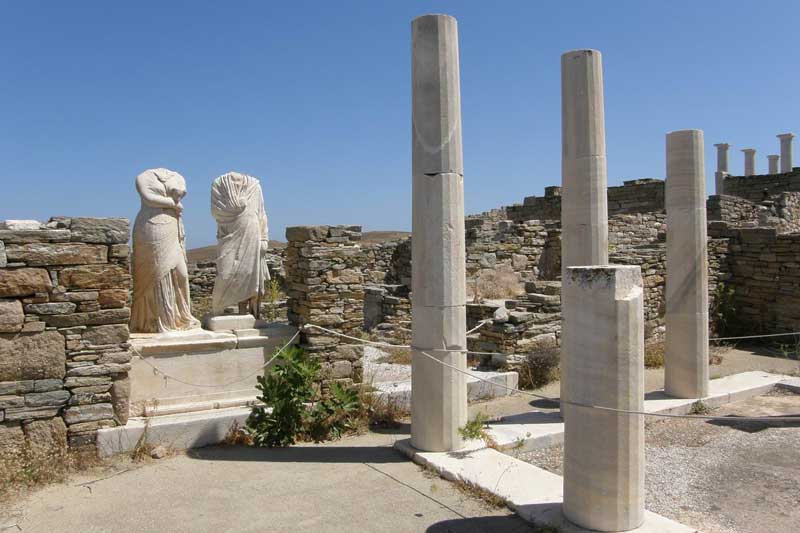
Merchant associations, domestic cults and architecture in late Hellenistic Delos
The lecture examines the material as well as the epigraphic evidence of merchant associations and domestic cults in late Hellenistic Delos.
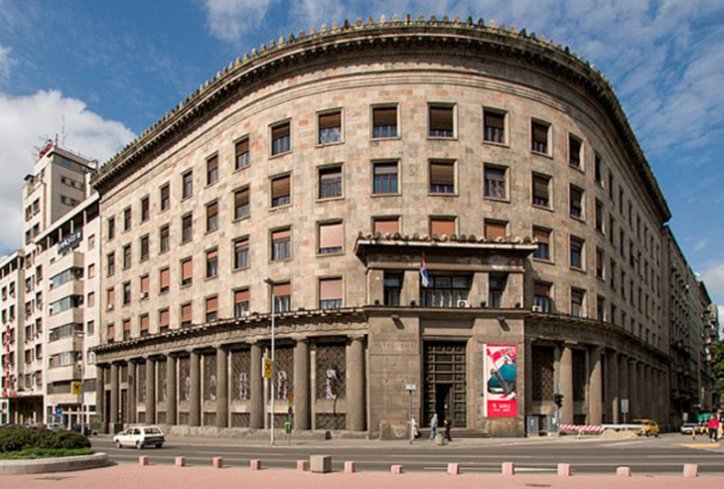
A 1st World War French-Serbian Military Hospital in Thermi/Sedes
Temporary photographic exhibition opening on December 22nd, in the Historical Museum of Serbia.
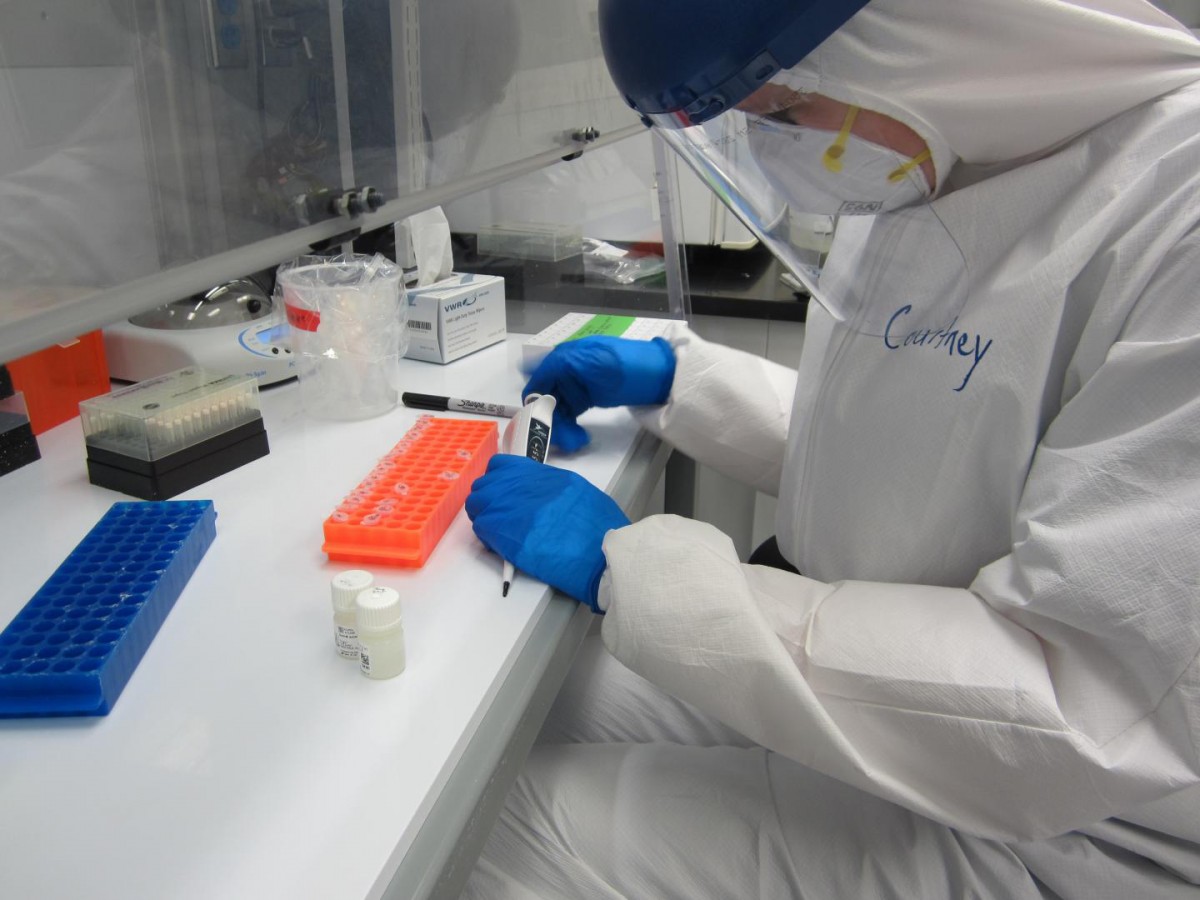
Researchers investigate ancient species in Gulf of Alaska
Invasive species have shaped island ecosystems and landscapes in the Gulf of Alaska, but their histories are unknown.
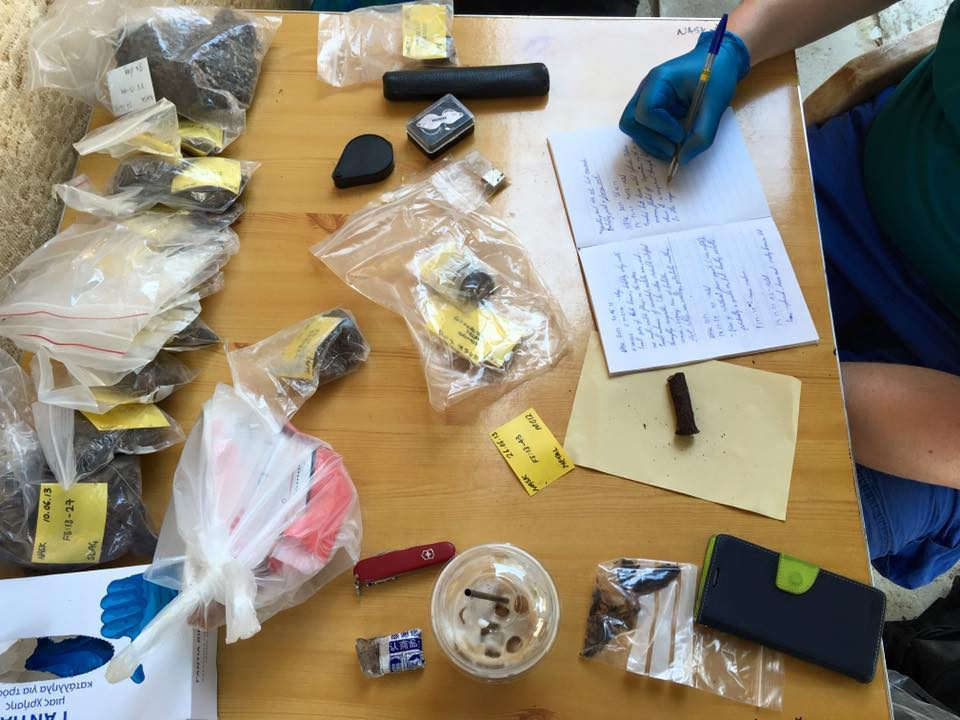
The Norwegian Institute at Athens Travel Stipend 2017
This grant is intended to support researchers who have a clear purpose and need for stay in Greece or outside of the country of their residence over a period of time.

Announcing a New Opportunity for Funding!
For the first time the Robin Hägg Fund is offeringa grant through the INSTAP Study Center for East Crete to support postdoctoral research in Greece focusing on Aegean Prehistory.
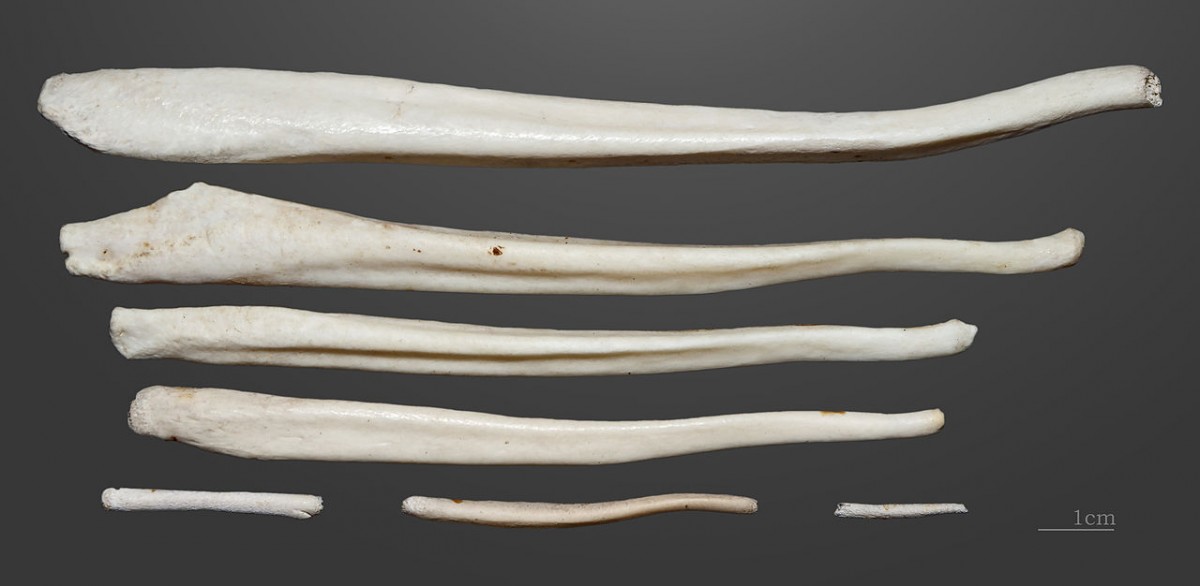
Study sheds light on the function of the penis bone in male competition
A new UCL study examines how the baculum (penis bone) evolved in mammals and explores its possible function in primates and carnivores.
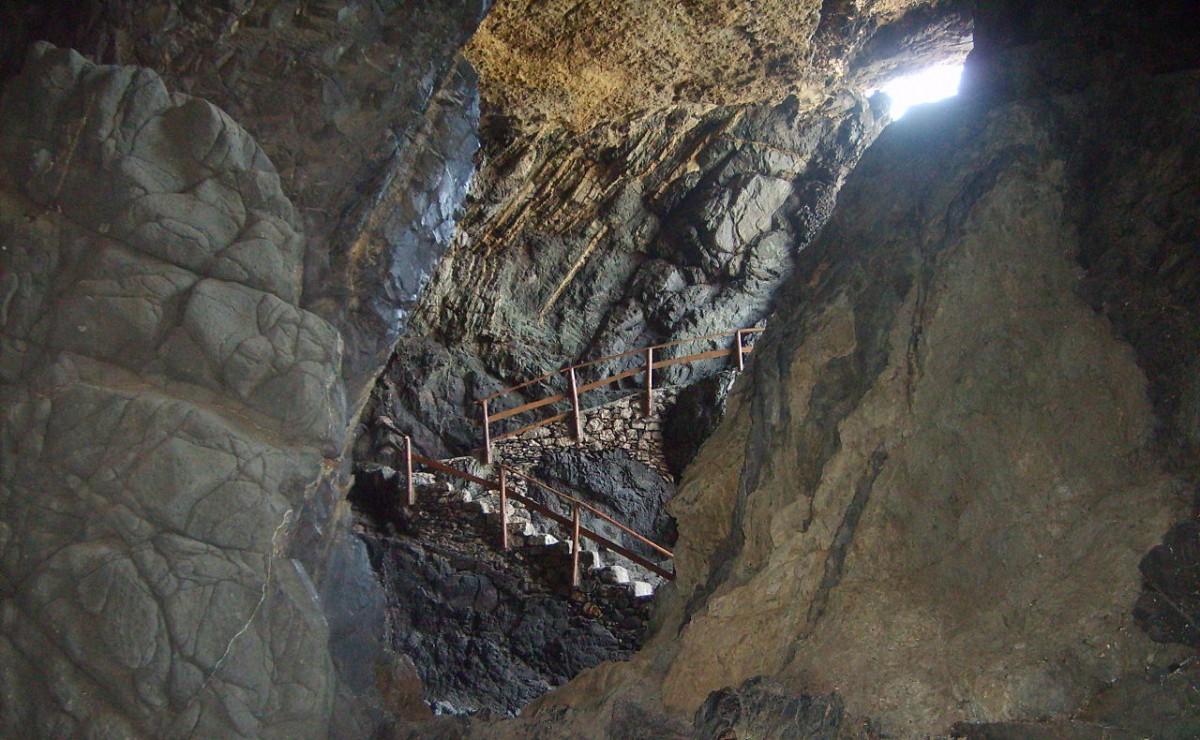
Europe’s earliest humans did not use fire
Studying dental plaque from a 1.2 million year old hominin archaeologists extracted microfossils to find the earliest direct evidence of food eaten by early humans.
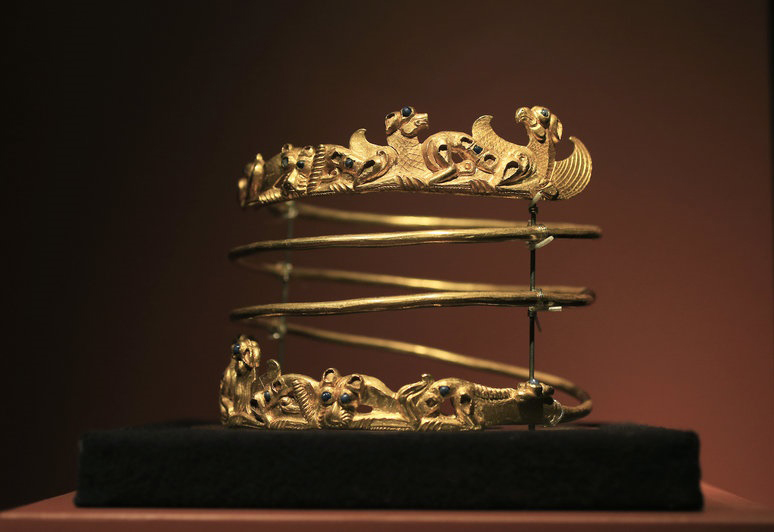
Crimean treasures to go to the Ukrainian State
A Dutch court ruled on December 14, 2016 that the Crimean artefacts loaned to the Allard Pierson Museum should return to Ukraine.
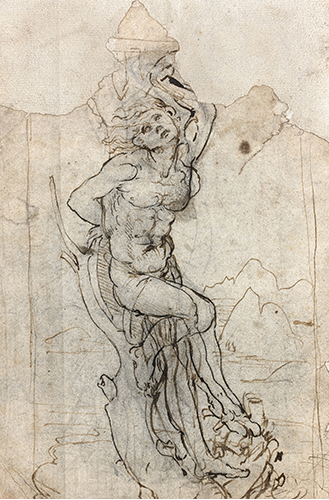
Unknown ‘sensual’ drawing by Leonardo da Vinci discovered in France
Tajan, the well-known French auction house announced the extraordinary discovery, the first in over fifteen years, of an exceptional work by the Italian Master Leonardo da Vinci.
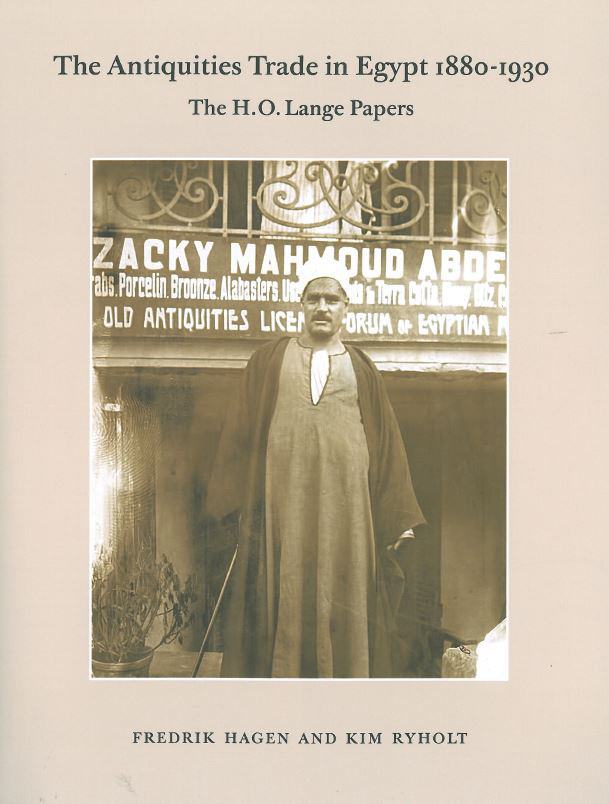
The Antiquities Trade in Egypt 1880-1930
The book presents the first in-depth analysis of the market of Egyptian objects on display in Western museums during its “golden age” in Egypt in the late 19th and early 20th Century.