Archaeological excavation unearths evidence of turkey domestication 1,500 years ago
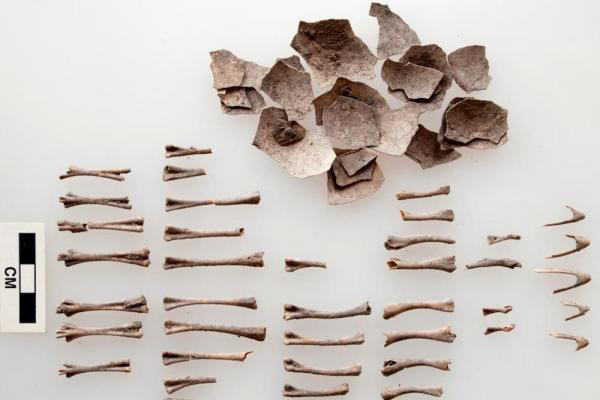
Archaeologists have unearthed a clutch of domesticated turkey eggs used as a ritual offering 1,500 years ago in Oaxaca, Mexico.
Living Fossil Genome Unveiled
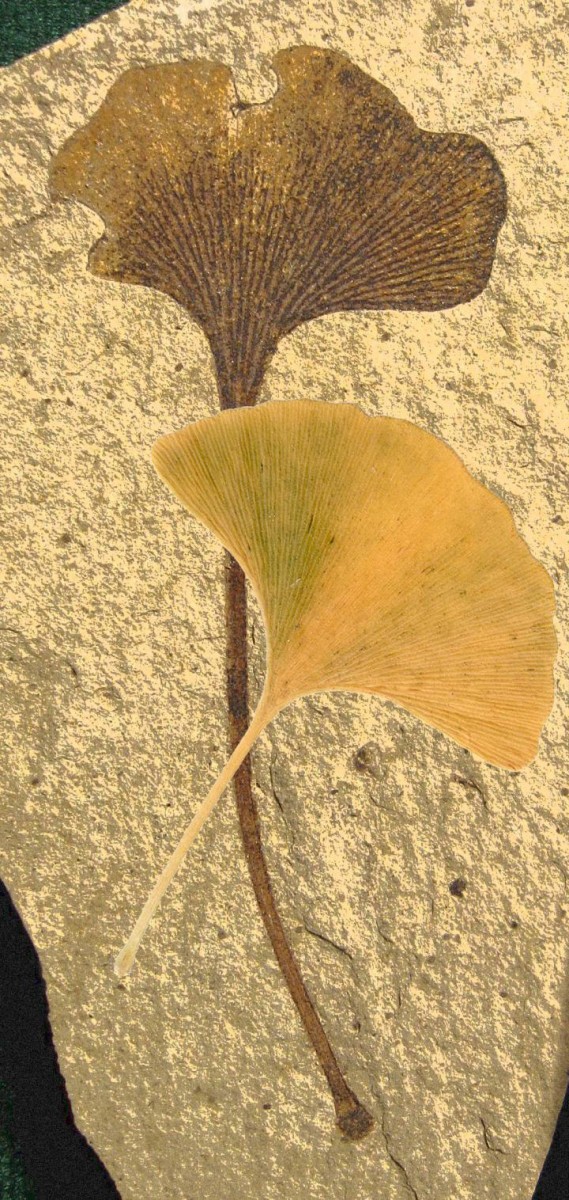
Researchers present the genome sequence of Ginkgo biloba, the oldest extant tree species
Archaeologists use IT to help uncover Israel’s past
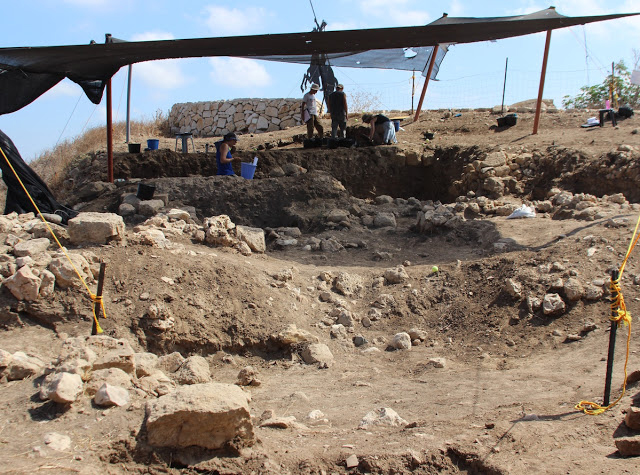
To help them preserve and keep record of historical sites and objects, Penn State archaeologists are using several information technologies while on location.
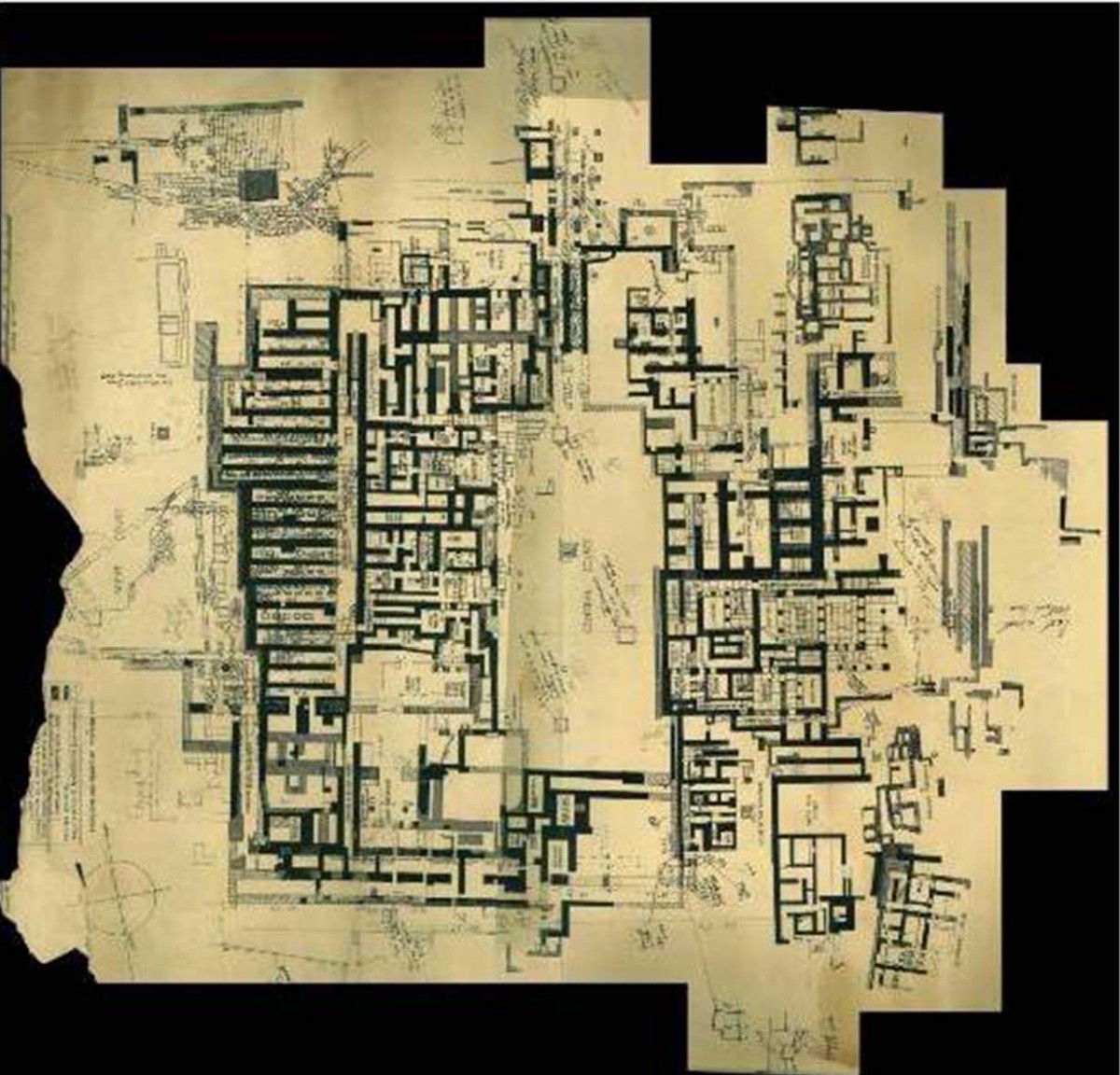
The making of a p(a)lace. Constructing society on the Kephala Hill at Knossos
In this Minoan Seminar Peter Tomkins will answer questions like how the Kephala Hill transformed from a place of residence to a place of ceremony.
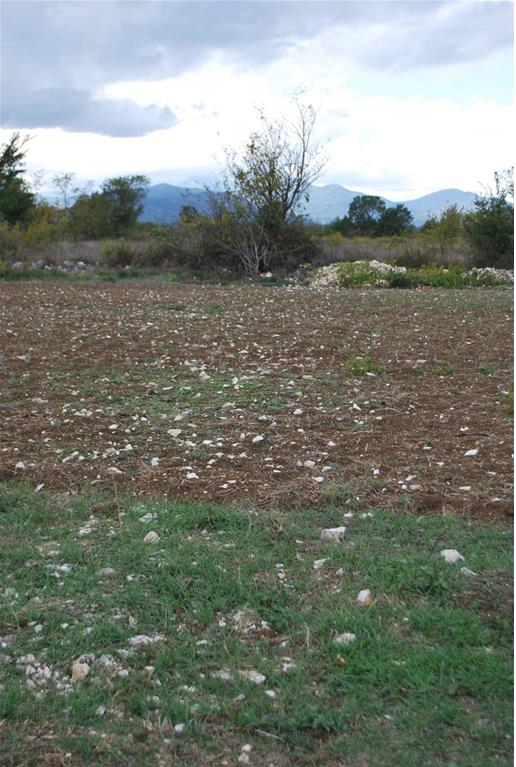
Archaeologists explore the mecca of Roman veterans in Bosnia and Herzegovina
Roman veterans and other settlers built their homes and villas two thousand years ago, guided by convenience, according to a study of Polish archaeologists in Bosnia and Herzegovina.
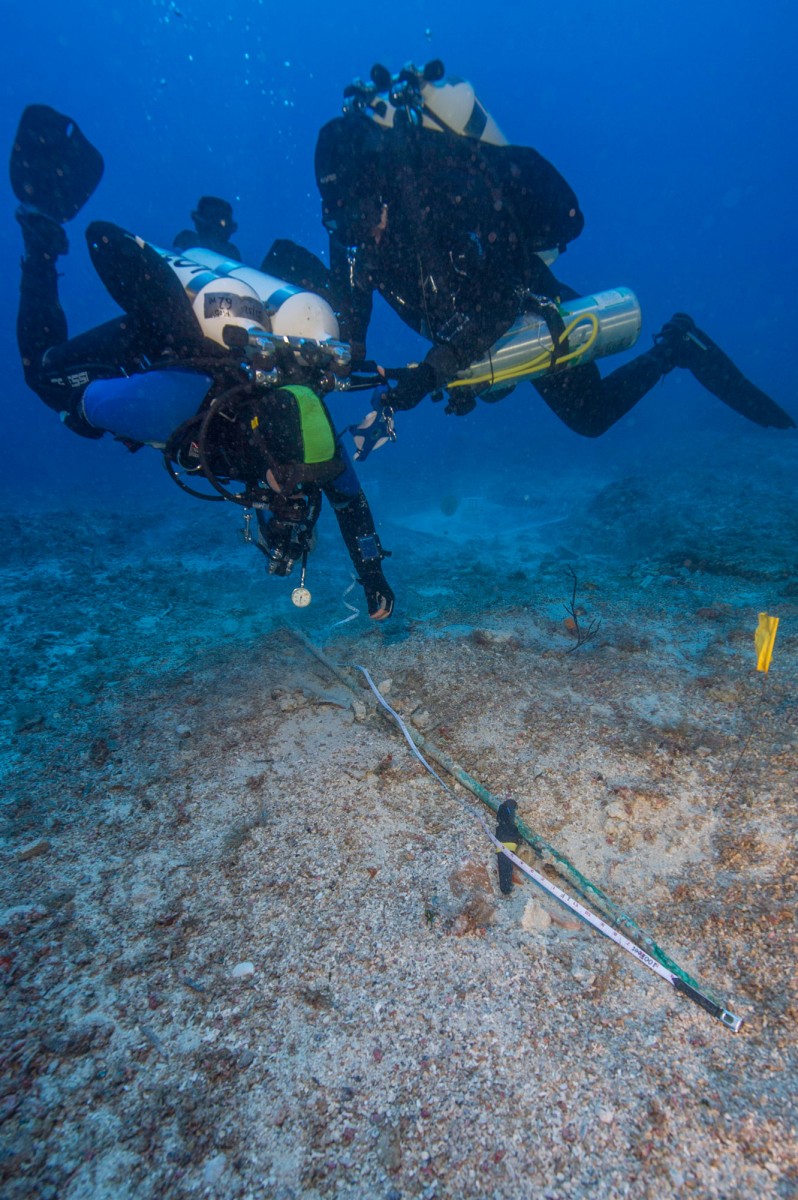
The Antikythera Shipwreck
The Aikaterini Laskaridis Foundation is pleased to present to the public for the first time the new findings from the renowned Antikythera Shipwreck.
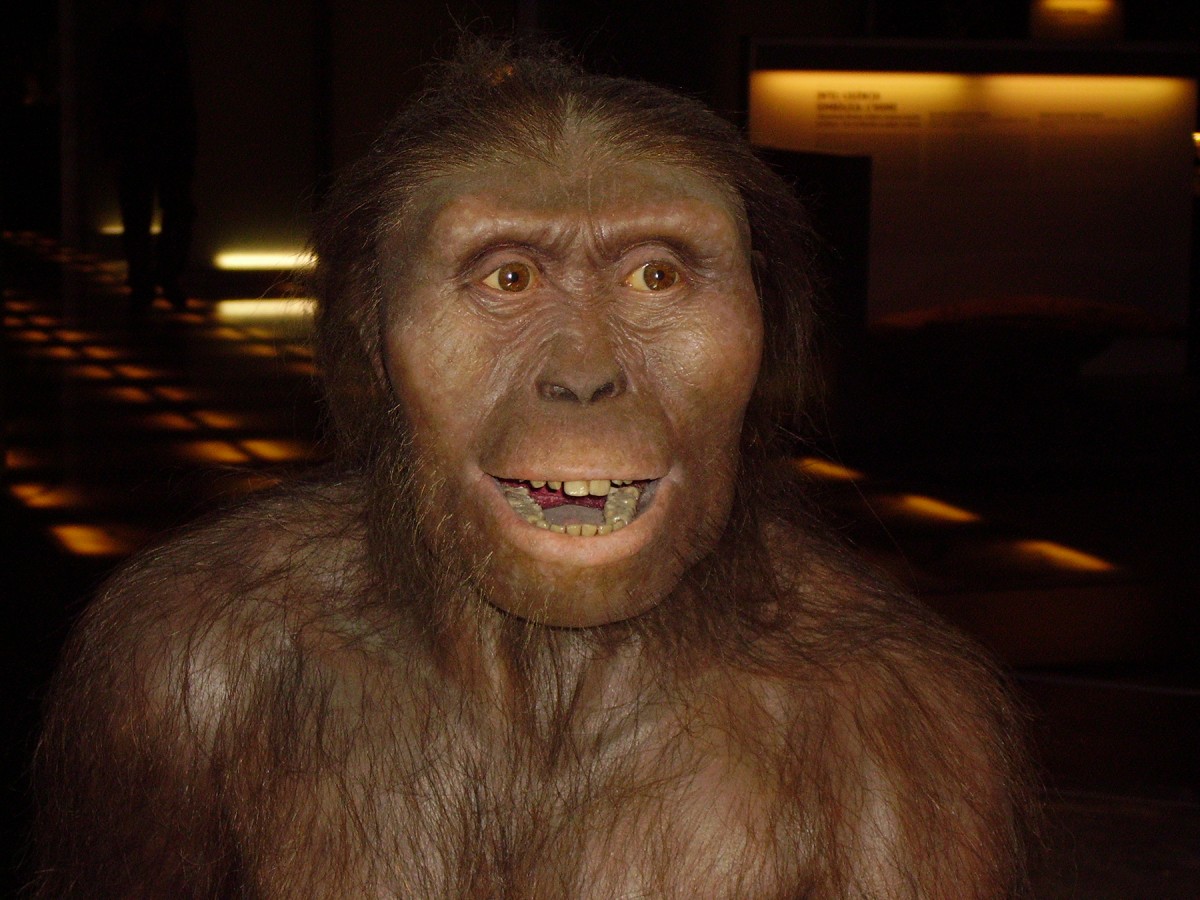
A new study verifies the varied diet of human species’ most remote ancestors in East Africa
Our most remote ancestors, hominines, had a diet richer and more varied that what it was thought until the present moment.
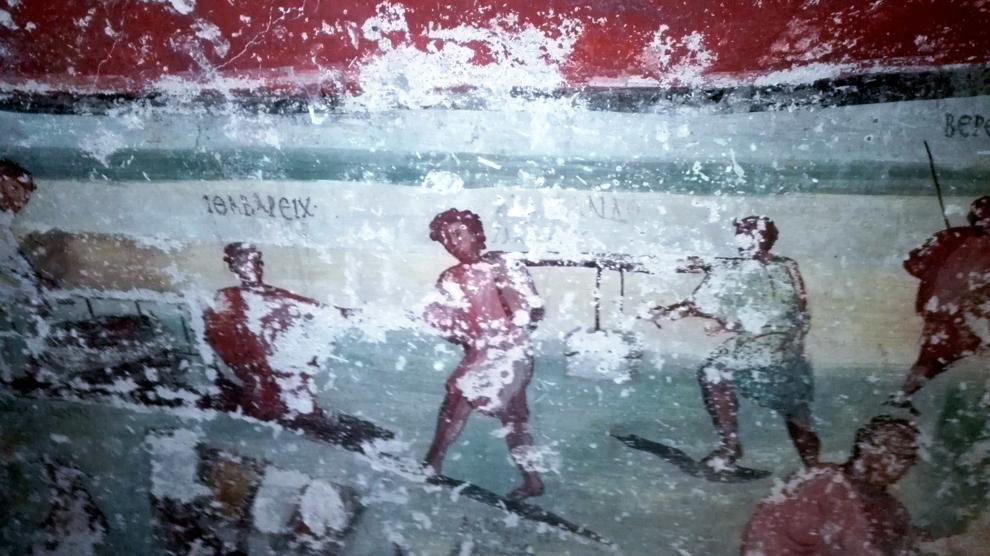
Early Byzantine tomb found in Beit Ras
A Byzantine tomb has been discovered in the northern city of Beit Ras, during works to expand the local sewerage network.
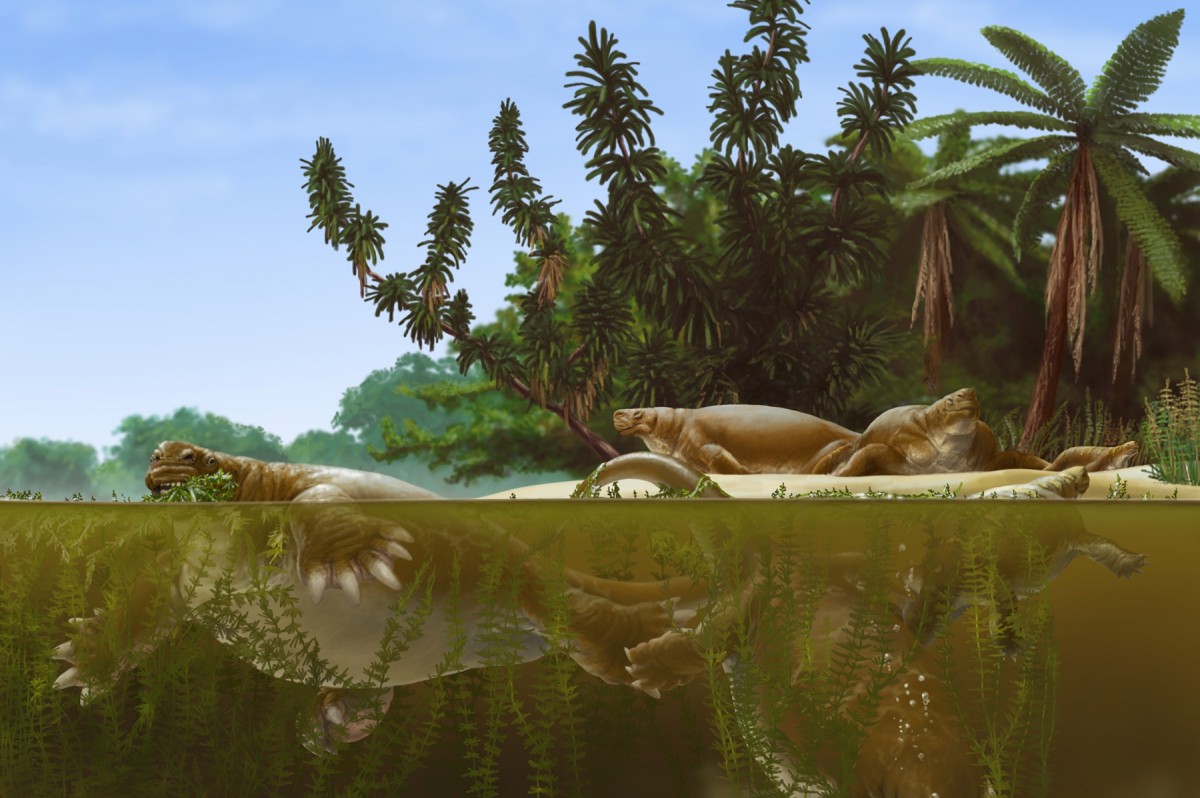
Diaphragm much older than expected
Researchers examined breathing in extinct caseids and came to the surprising conclusion that the diaphragm evolved about 50 million years earlier than previously assumed.
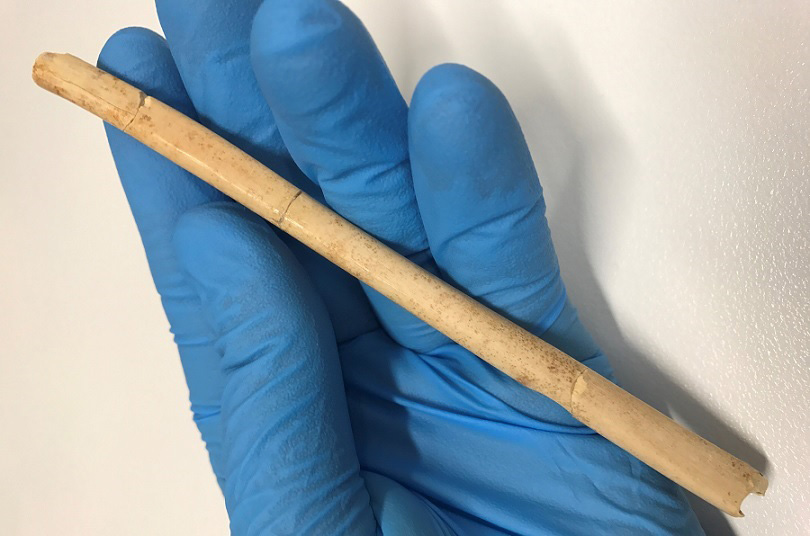
Kangaroo-bone nose piercing implement is Australia’s oldest Indigenous jewellery
Australia's oldest-known piece of Indigenous jewellery has been unearthed in the Kimberley region of northern Australia by archaeologists at The Australian National University.
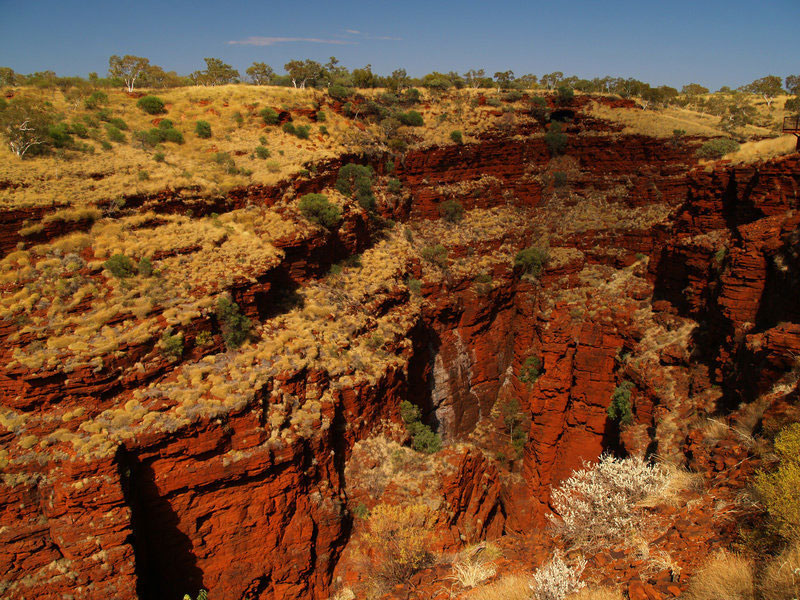
Life in Earth’s soils may be older than believed
Way before trees or lichens evolved, soils on Earth were alive, as revealed by a close examination of microfossils in the desert of northwestern Australia.
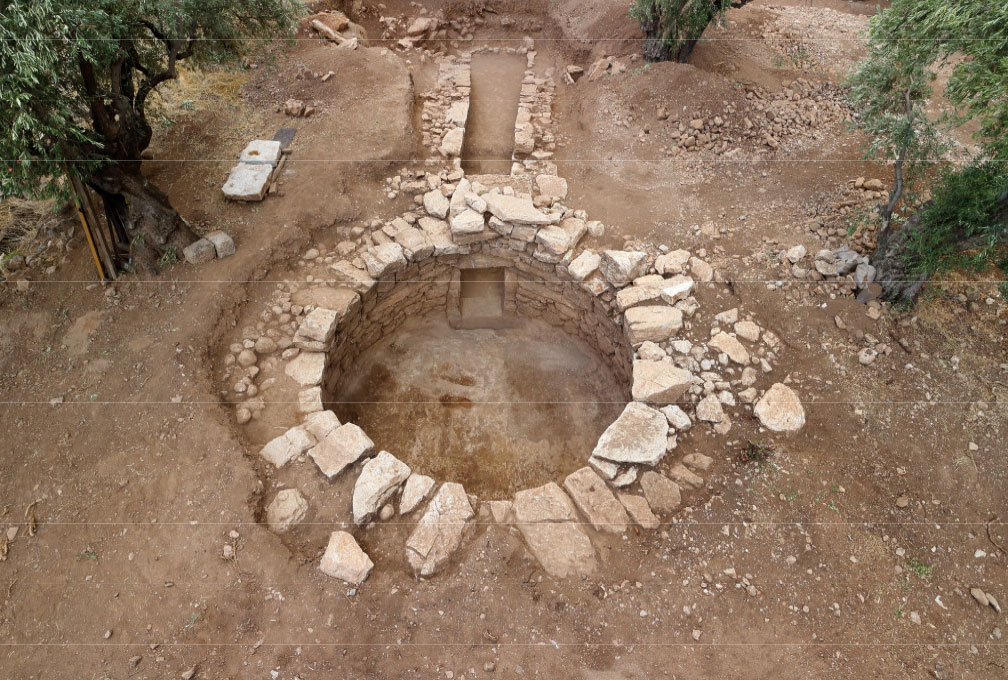
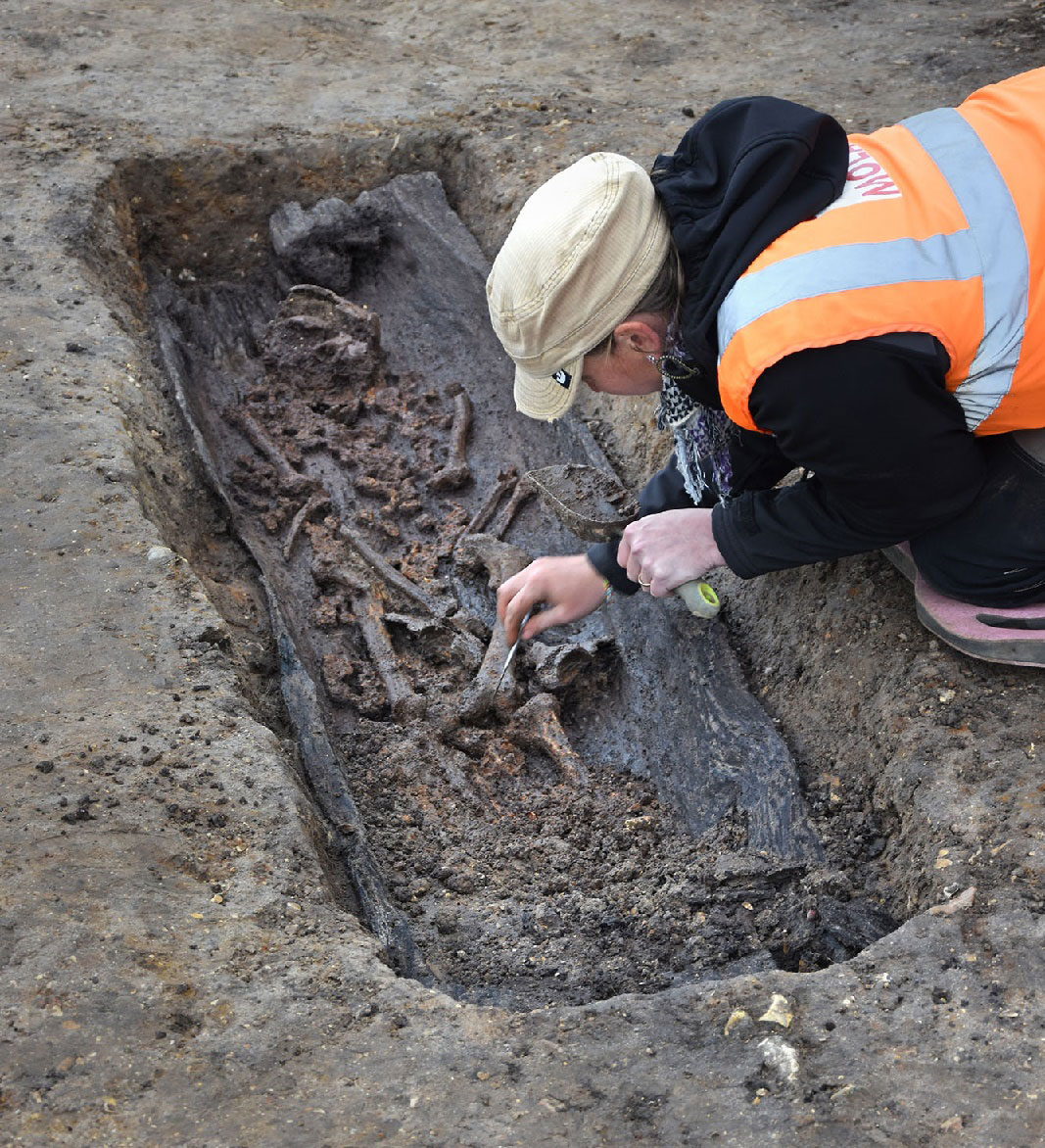
Discovery of rare Anglo-Saxon burials is revealed
Archaeologists have uncovered an important Anglo-Saxon cemetery in an excavation at Great Ryburgh in Norfolk.

Words and bones tell a similar story about deep history
Ancient language families linked to anthropological features, say Tübingen researchers.
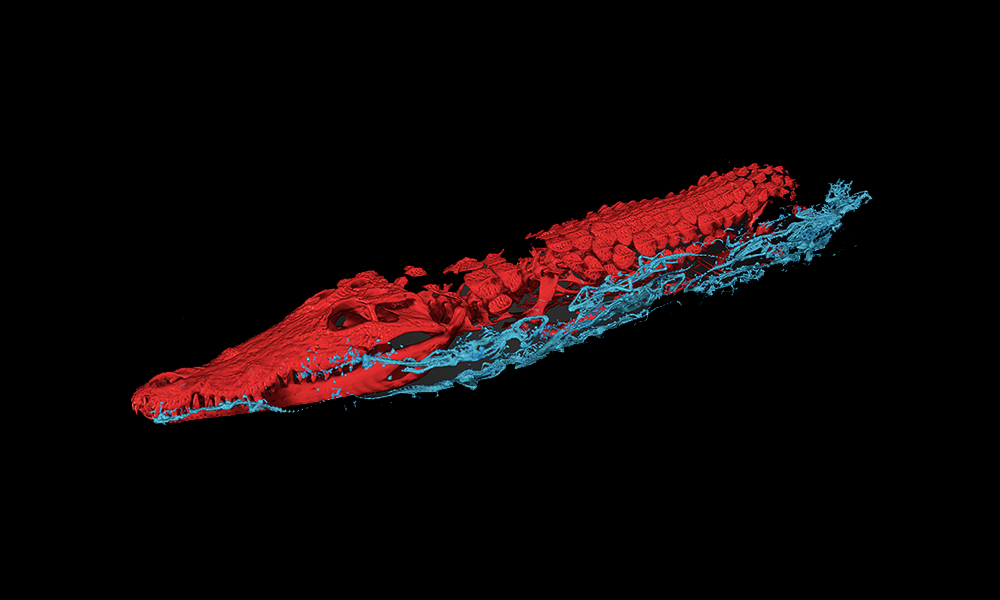
Egyptian giant crocodile mummy is full of surprises
The three-metre-long mummified Egyptian "giant crocodile", one of the finest animal mummies in the Dutch National Museum of Antiquities (Rijksmuseum van Oudheden), turns out to be literally filled with surprises.
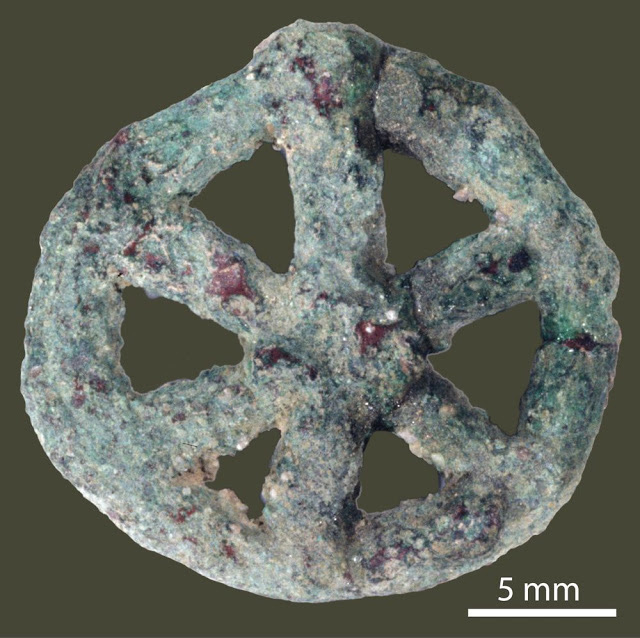
Novel imaging approach reveals how ancient amulet was made
Researchers have discovered how the earliest lost-wax cast object known was made, using a novel UV-visible photoluminescence spectral imaging approach.
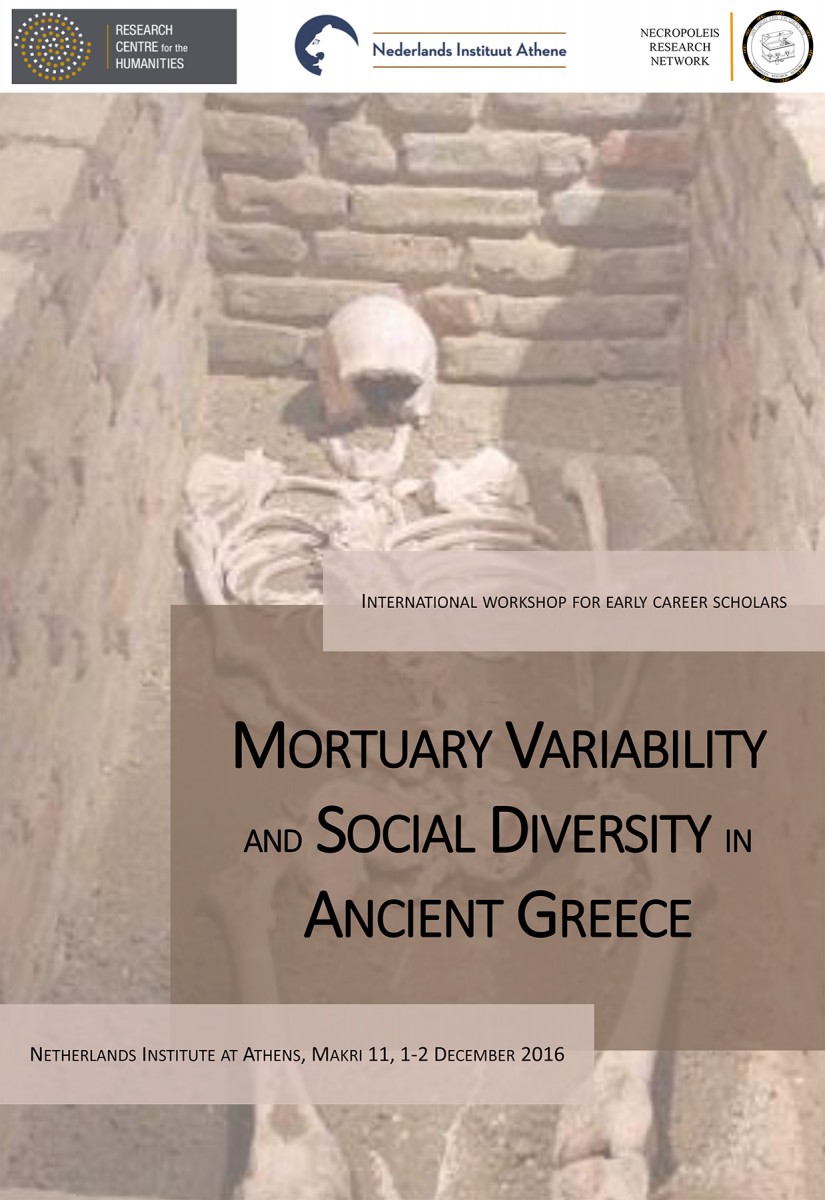
Mortuary Variability and Social Diversity in Ancient Greece
Workshop exploring how social structure of ancient Greece is reflected in the various funerary customs.
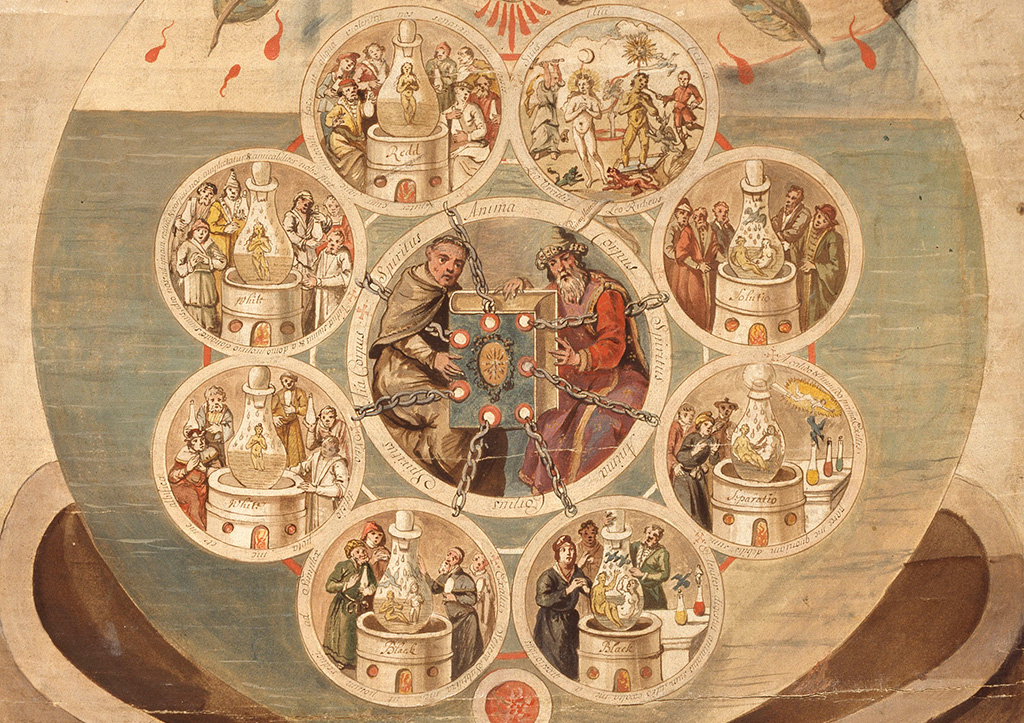
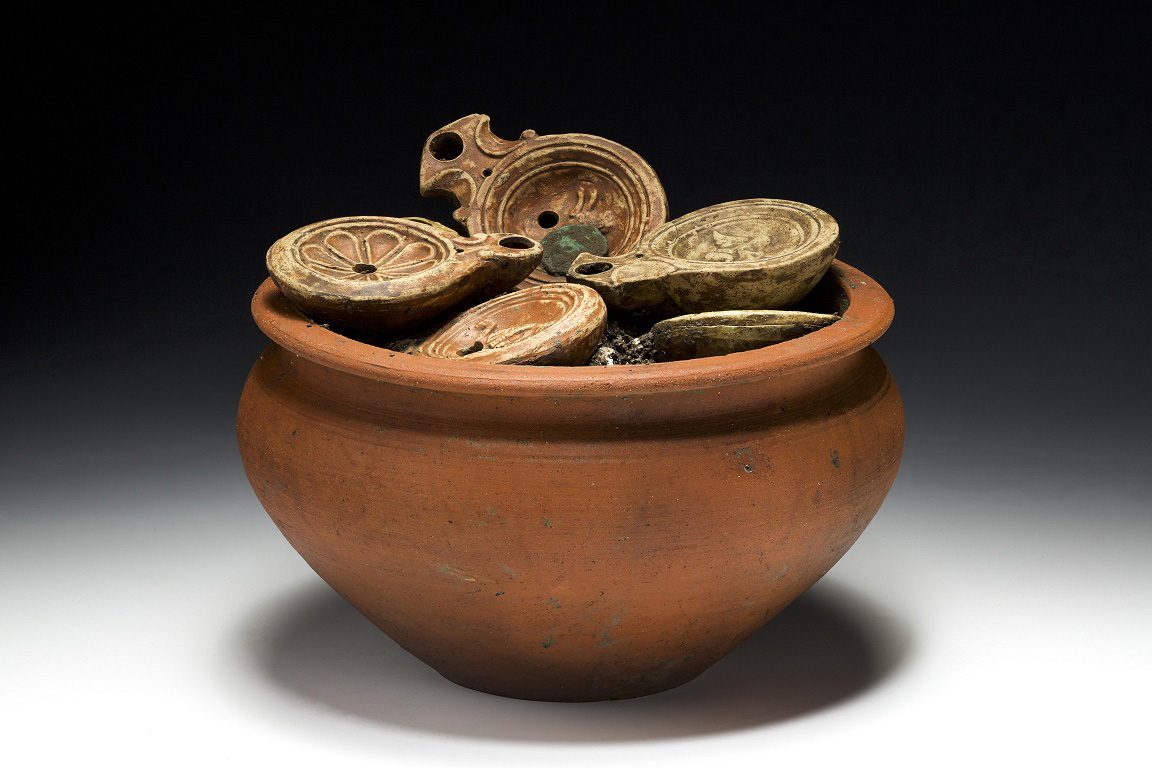
The secret of the 22 oil lamps
A Roman-era pot filled with oil lamps and coins puzzles Swiss archaeologist in Canton Aargau.
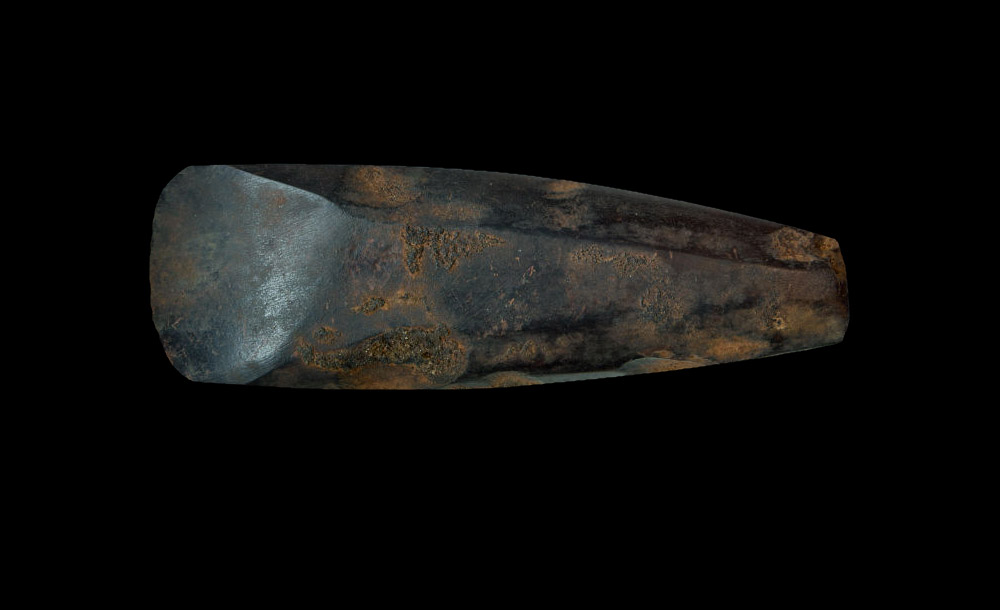
Archaeologists study earliest recorded human burial site in Ireland
Archaeologists have shed new light on the belief systems of early Mesolithic hunter-gatherers after analysing grave offerings from the earliest recorded human burial site in Ireland.
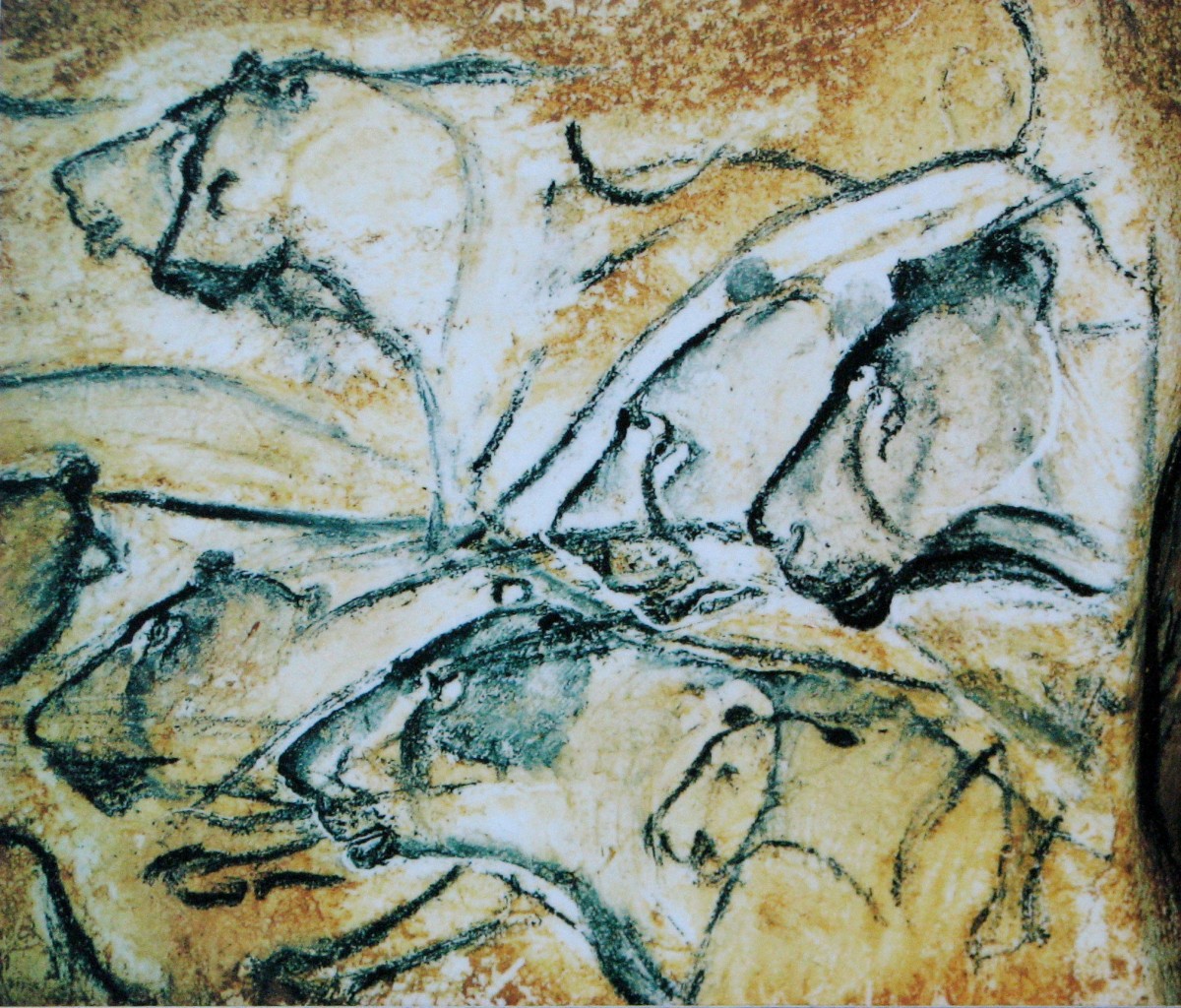
Autism and human evolutionary success
"It is the rise of collaborative morality that led to the possibility for widening the diversity of the human personality," researchers from University of York argue.
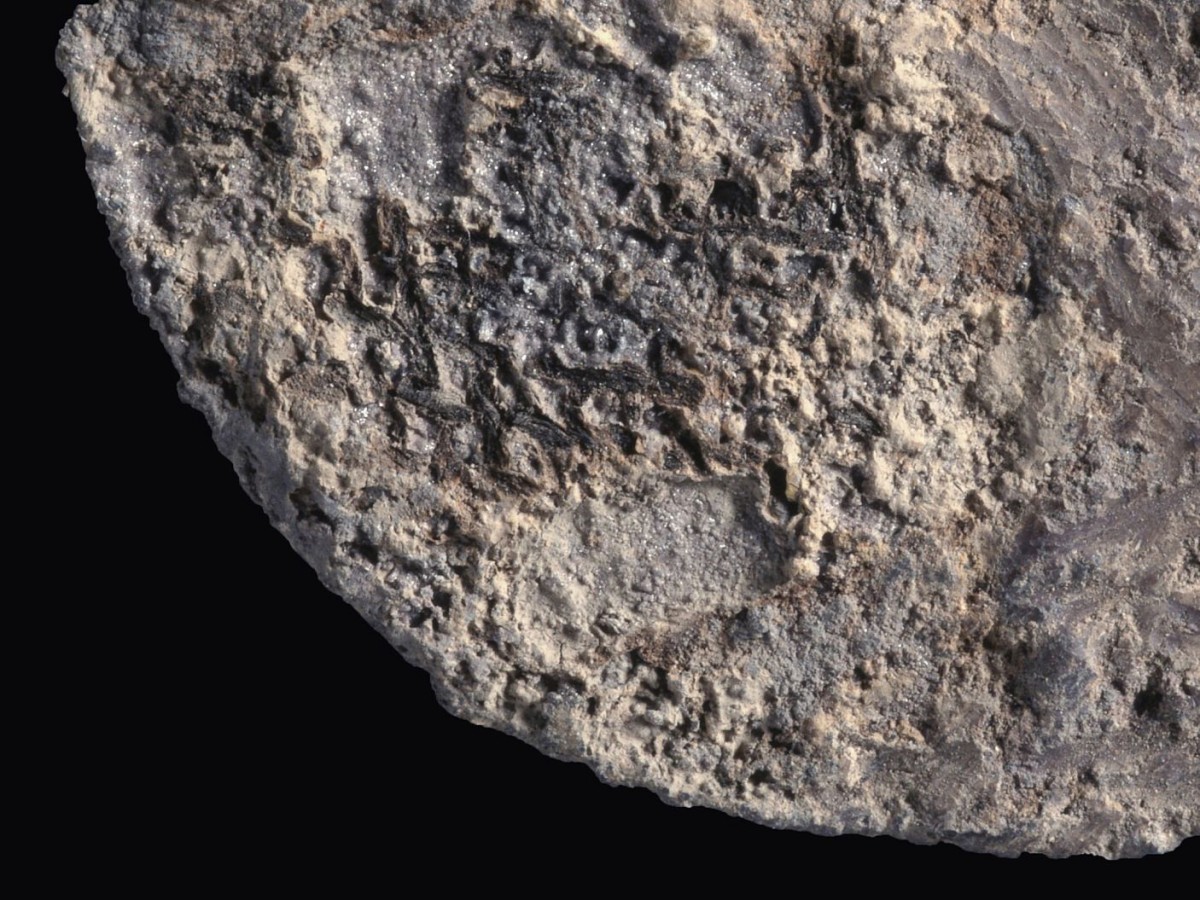
Rare cache of gold and silver offerings found in Canaanite Gezer
The trove was discovered within the foundations of a building, suggesting the objects were put there deliberately as offerings to the gods, to bless the building.
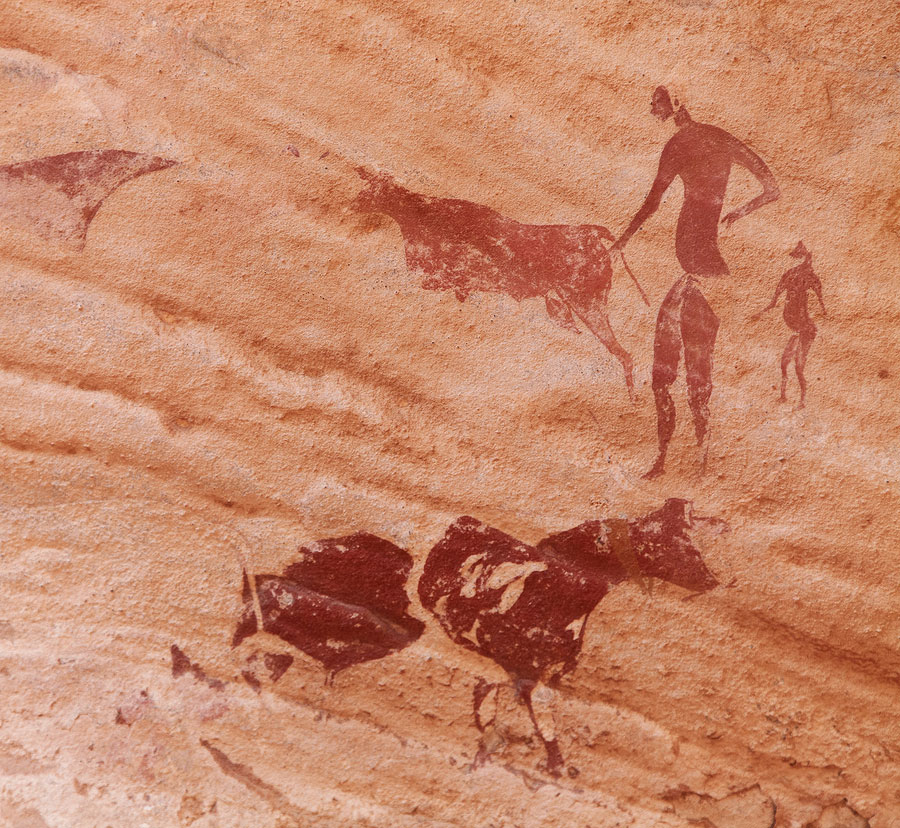
Early evidence of dairying discovered
New multidisciplinary study emphasises the existence of diverse use of animal products in the northern Mediterranean Neolithic.
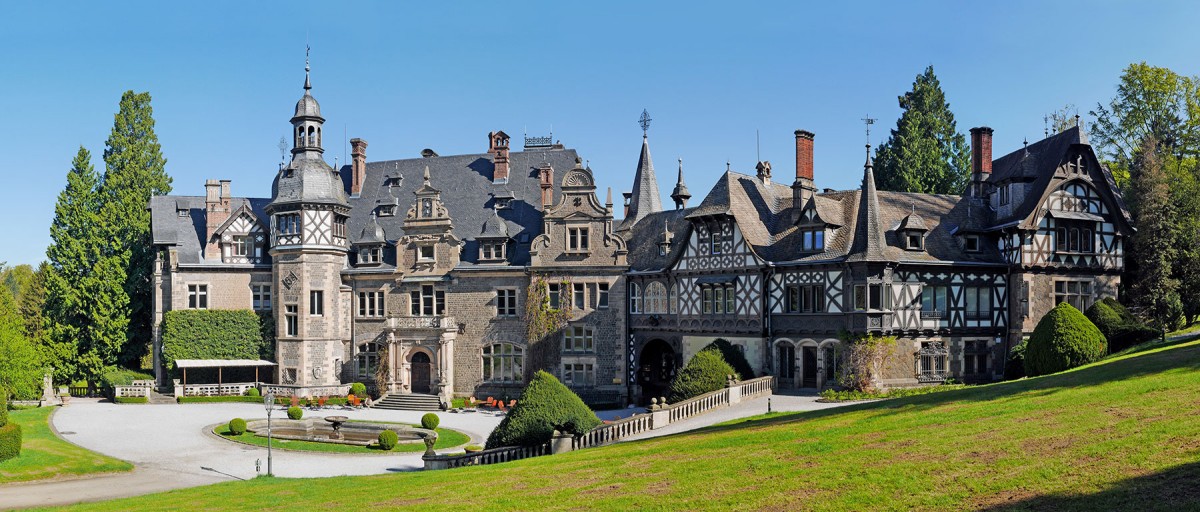
Reading history in antiquity
Conference examining the reader-response criticism and classical historiography.