
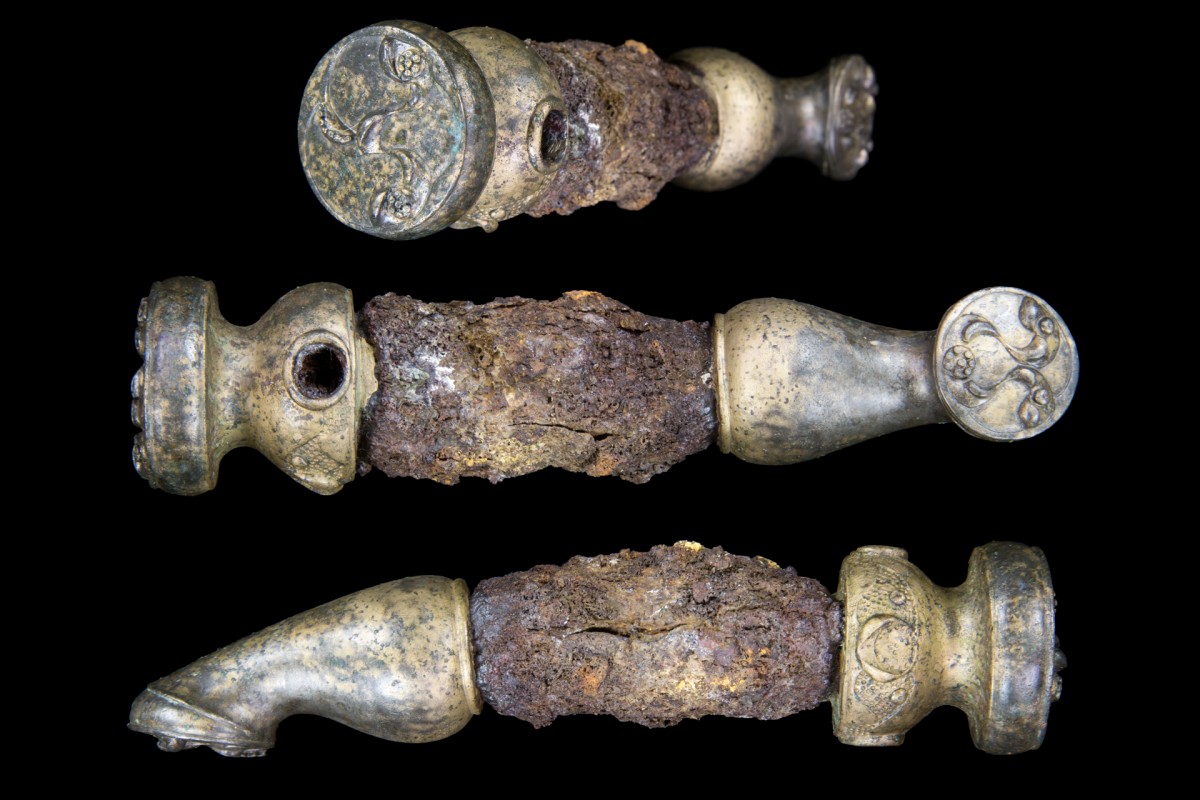
Bronze remains of Iron Age chariot discovered
Team uncovers a matching set of decorated bronze parts from a 2nd or 3rd century BC Celtic chariot at Burrough Hill Iron Age hillfort.
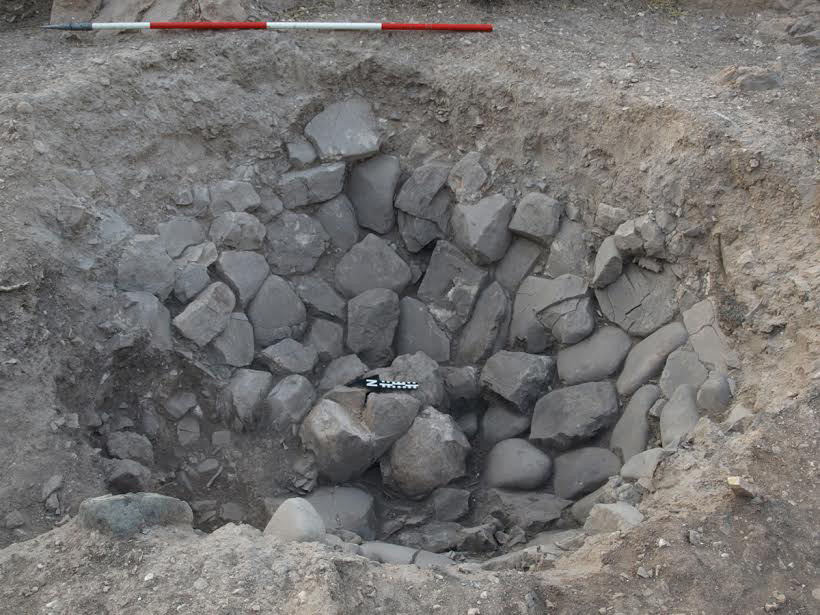
Pafos: Excavations at Prastio focused on prehistoric remains
This season the team targeted the prehistoric remains from this long-lived site.
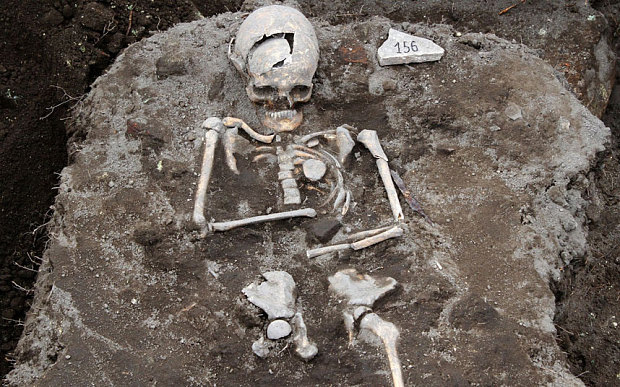
‘Vampire grave’ found in Perperikon
The skeleton of a young man pinned down through the chest with an iron rod was unearthed by Bulgarian archaeologists at the Thracian site of Perperikon
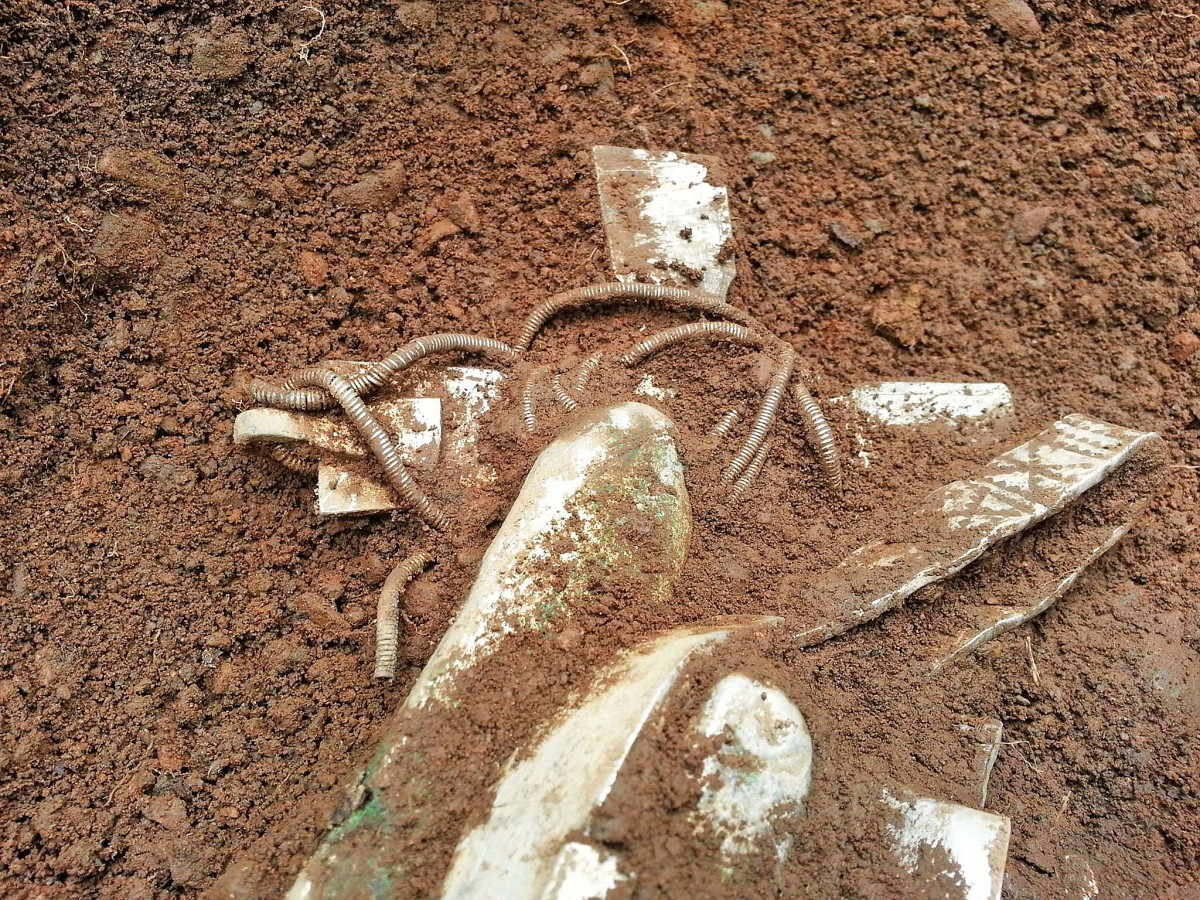
Spectacular Viking treasure hoard found in Scotland
One of the most important Viking hoards ever found in Scotland has just been announced.
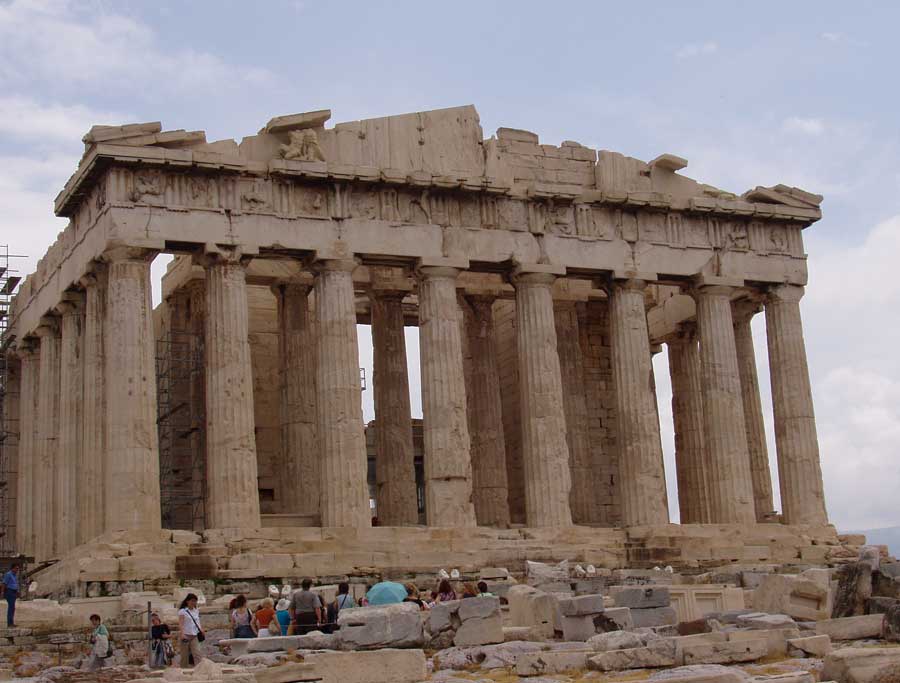
David Hill about the Parthenon sculptures: “Greece should consider a legal claim”
Greece should claim the Parthenon sculptures legally, according to the Chairman of the International Association for the Reunification of the Parthenon Sculptures David Hill.
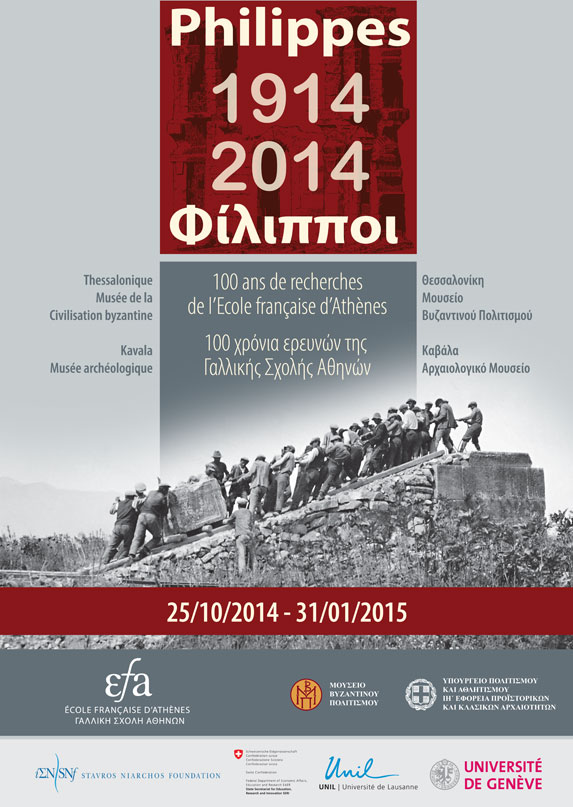
Philippoi 1914-2014
The exhibition "Philippoi 1914-2014: 100 years of research by the French School at Athens" narrates the history of excavations and surveys at Philippoi.
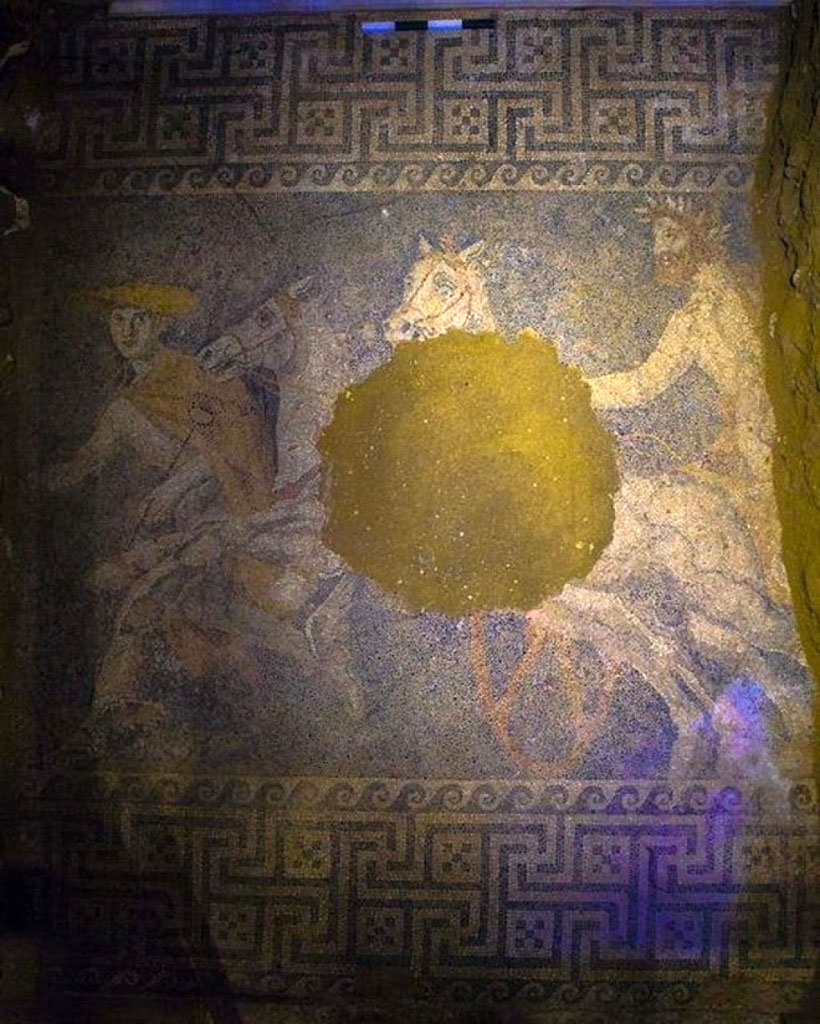
Impressive mosaic floor revealed on Kasta hill
During the ongoing excavations on the Kasta hill a mosaic floor has been revealed behind the Caryatids, measuring 4.5x3m.
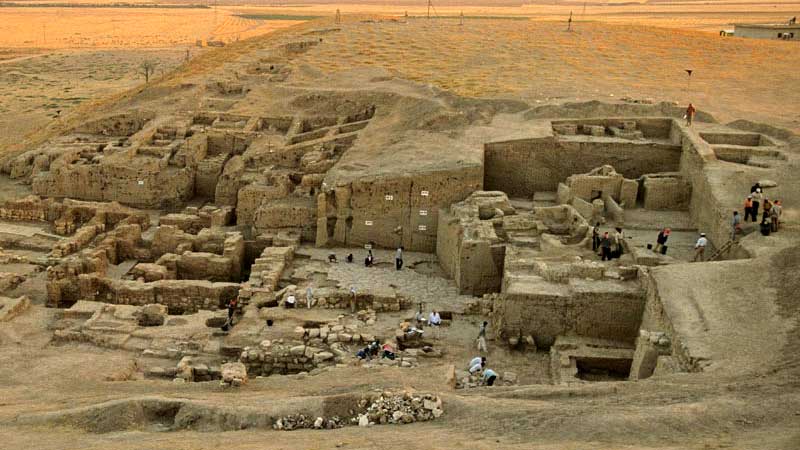
FeRA 24 (2014)
The new issue of the Frankfurter elektronische Rundschau zur Altertumskunde (FeRA) is available online.
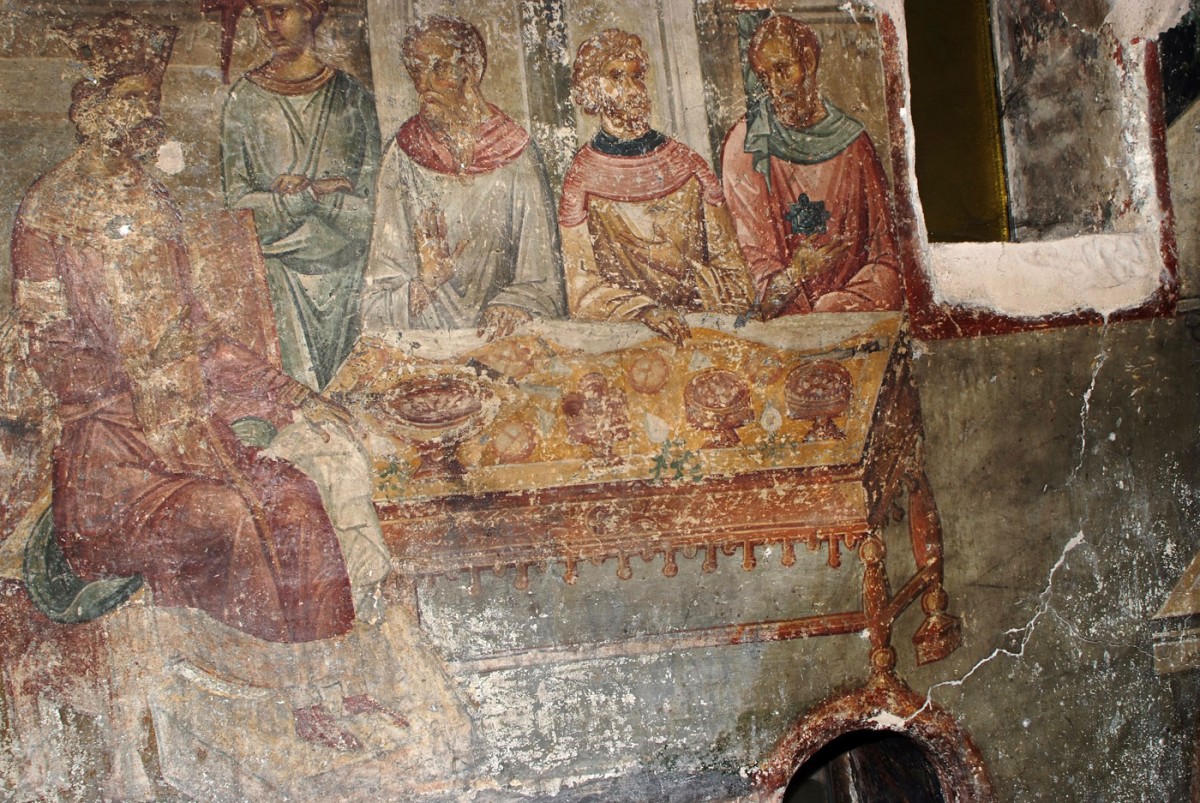
Different perspectives on Ancient Greek and Byzantine cuisine (Part II)
An in-depth account of the culinary delights in Byzantium.
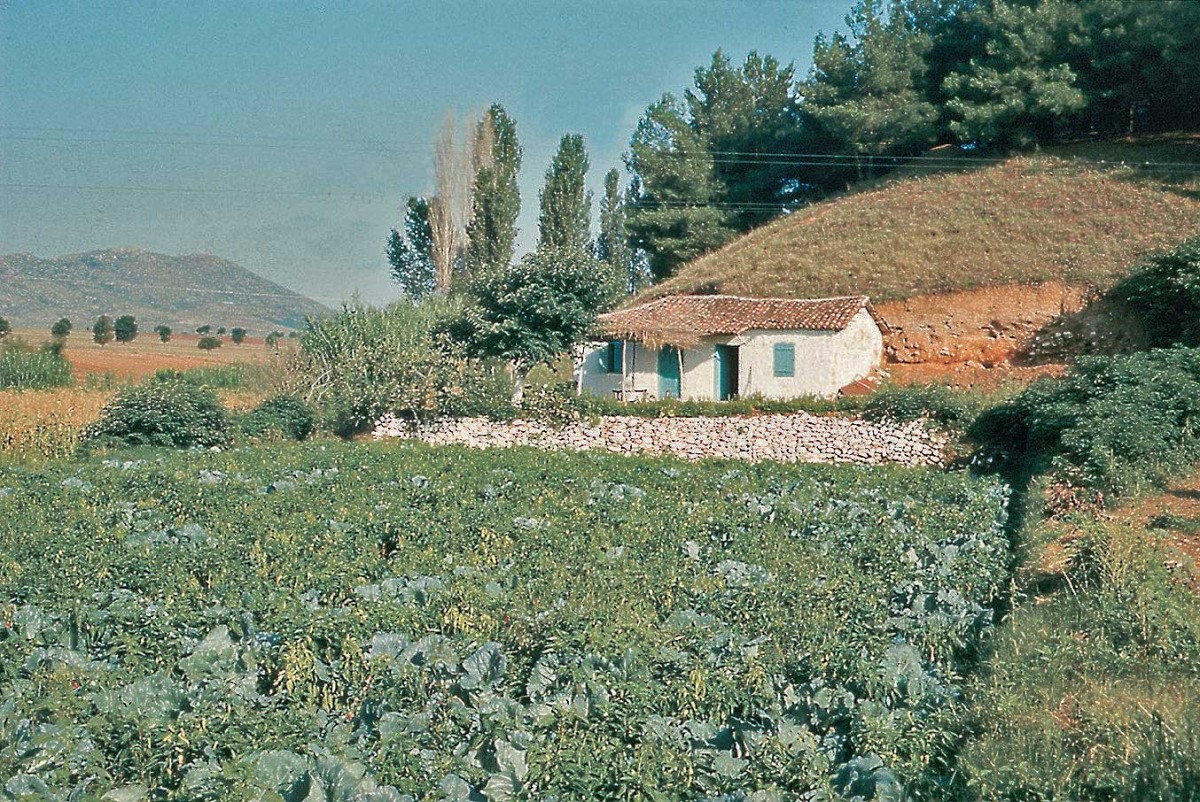
Greek Bronze Age ended 100 years earlier than thought
Conventional estimates for the collapse of the Aegean civilization may be incorrect by up to a century, according to new radiocarbon analyses.
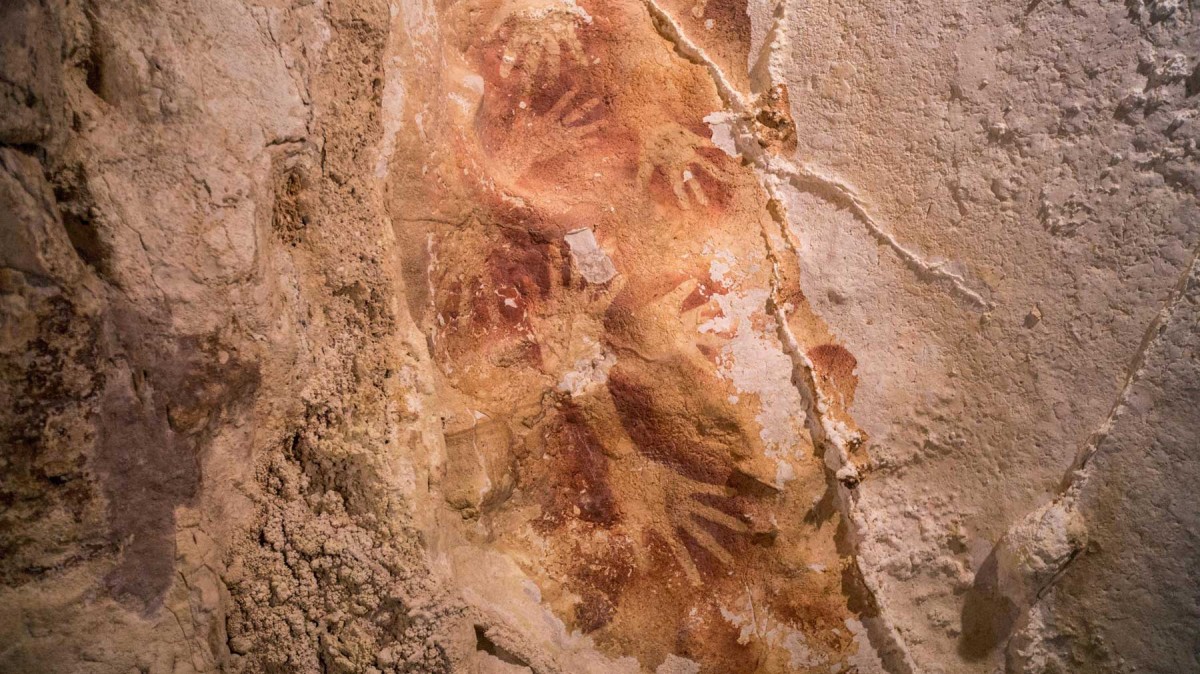
Rock art discovery paints new human history
The new findings in Indonesia challenge long-cherished views about the origins of cave art.
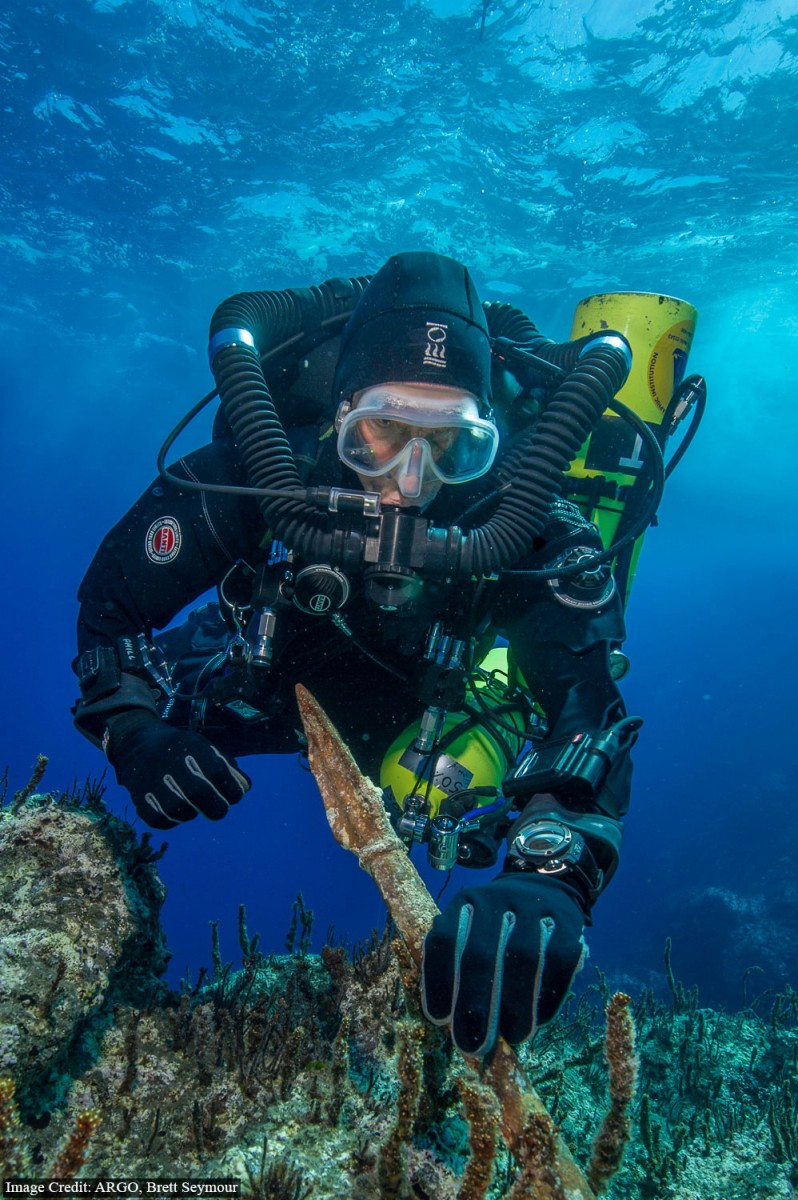
New Antikythera discoveries prove luxury cargo survives
During the latest expedition to Antikythera, tableware, ship components, and a giant bronze spear have been retrieved.
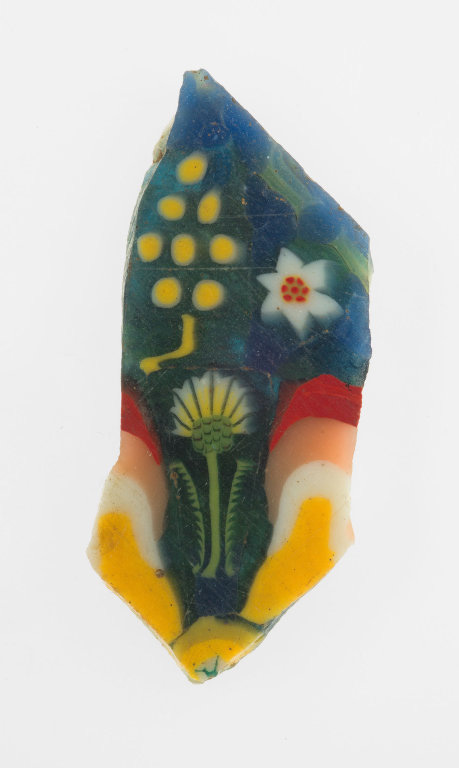
When the Greeks ruled Egypt
The exhibition "When the Greeks Ruled Egypt: From Alexander the Great to Cleopatra" opened yesterday, October 8, at the Institute for the Study of the Ancient World, New York University.
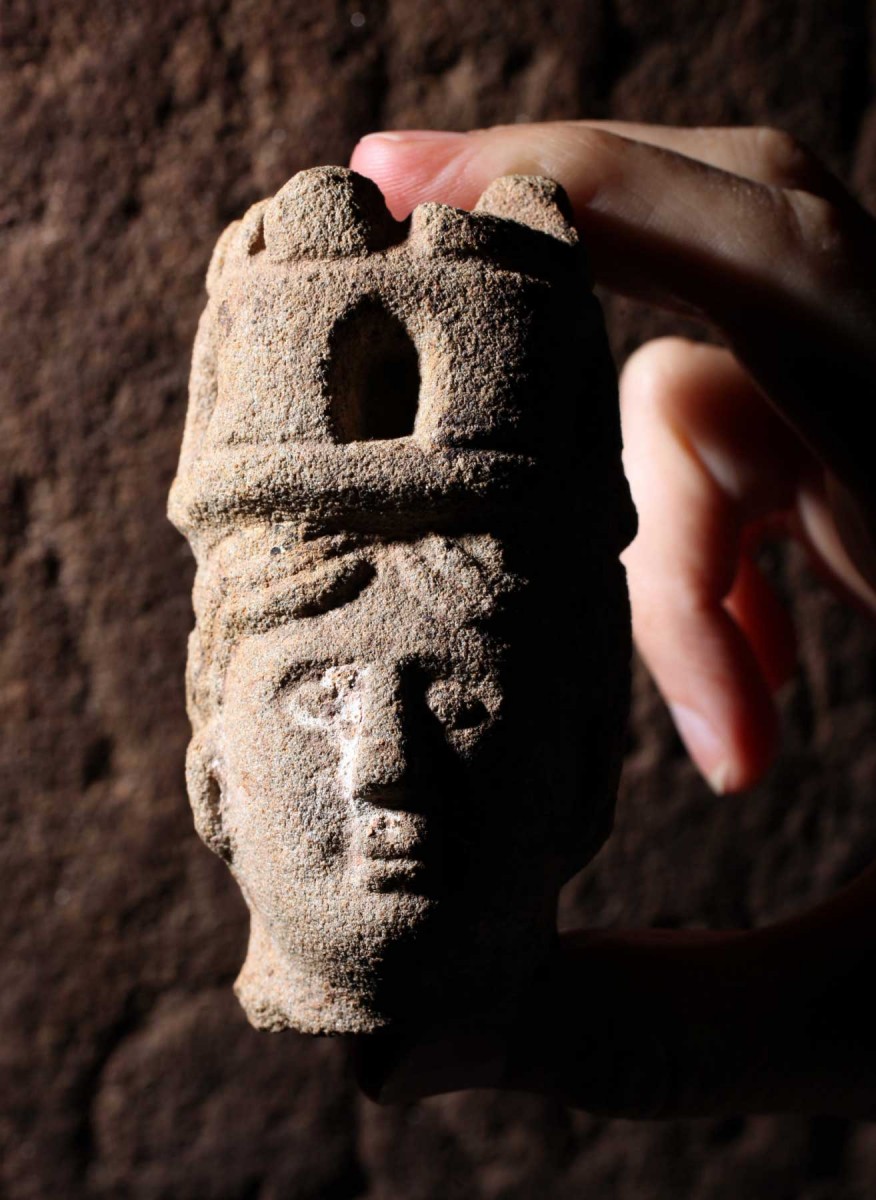
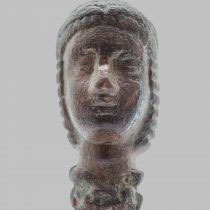
Small head of goddess Brigantia found by amateur archaeologist
A small, finely carved head of a goddess which is believed to date back to the 2nd century AD was discovered by a WallQuest volunteer digging at Arbeia Roman fort, situated at the eastern end of Hadrian’s Wall.
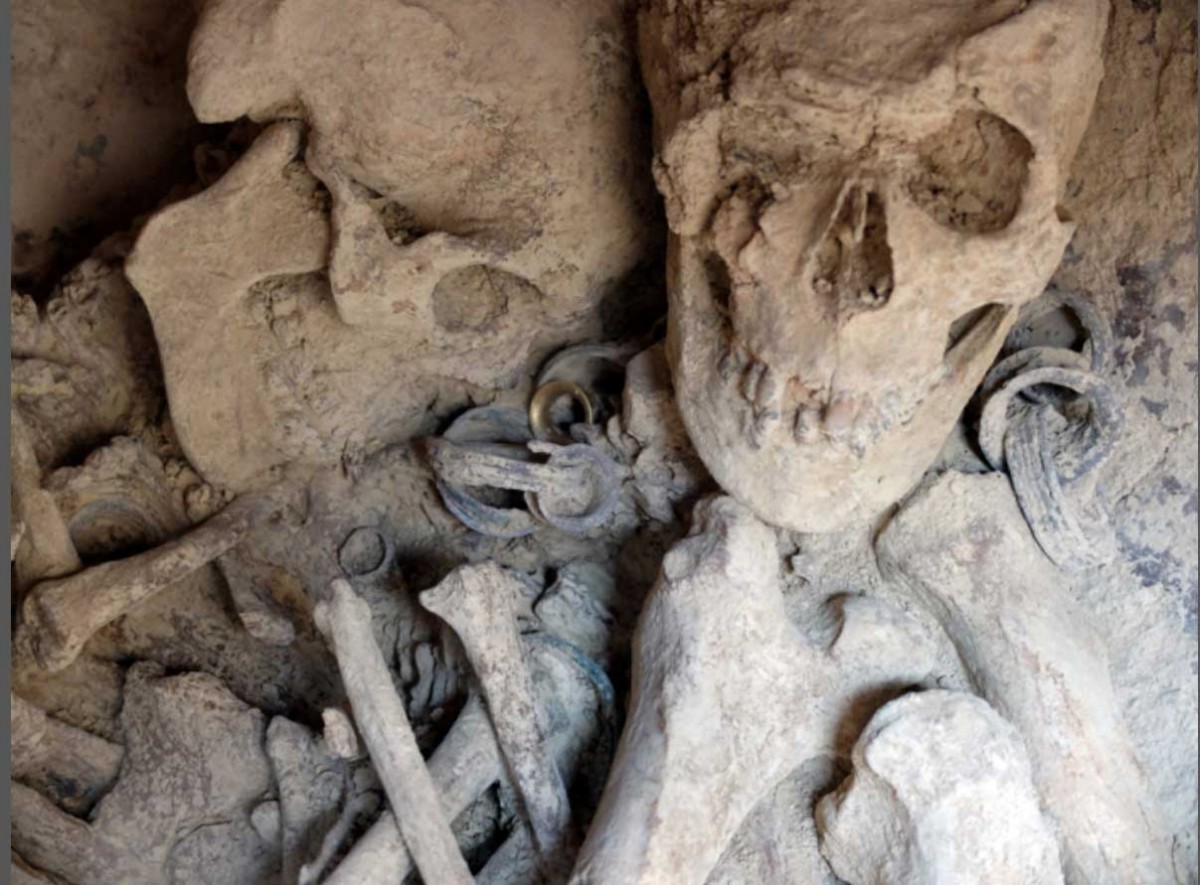
Bronze Age palace and grave goods discovered
The excavation conducted by the Universitat Autònoma de Barcelona has made evident the unique archaeological wealth of La Almoloya site, located in Pliego, Murcia, Spain.
Assistant Professor of Mediterranean Studies
The Department of Classical Studies at the University of Michigan has been authorized to fill a position beginning July 1, 2015 at the level of Assistant Professor.

Making Europe’s cultural heritage more open
One of the world’s most important historic book collections, from the Austrian National Library will be made freely available to the public via Europeana.eu.
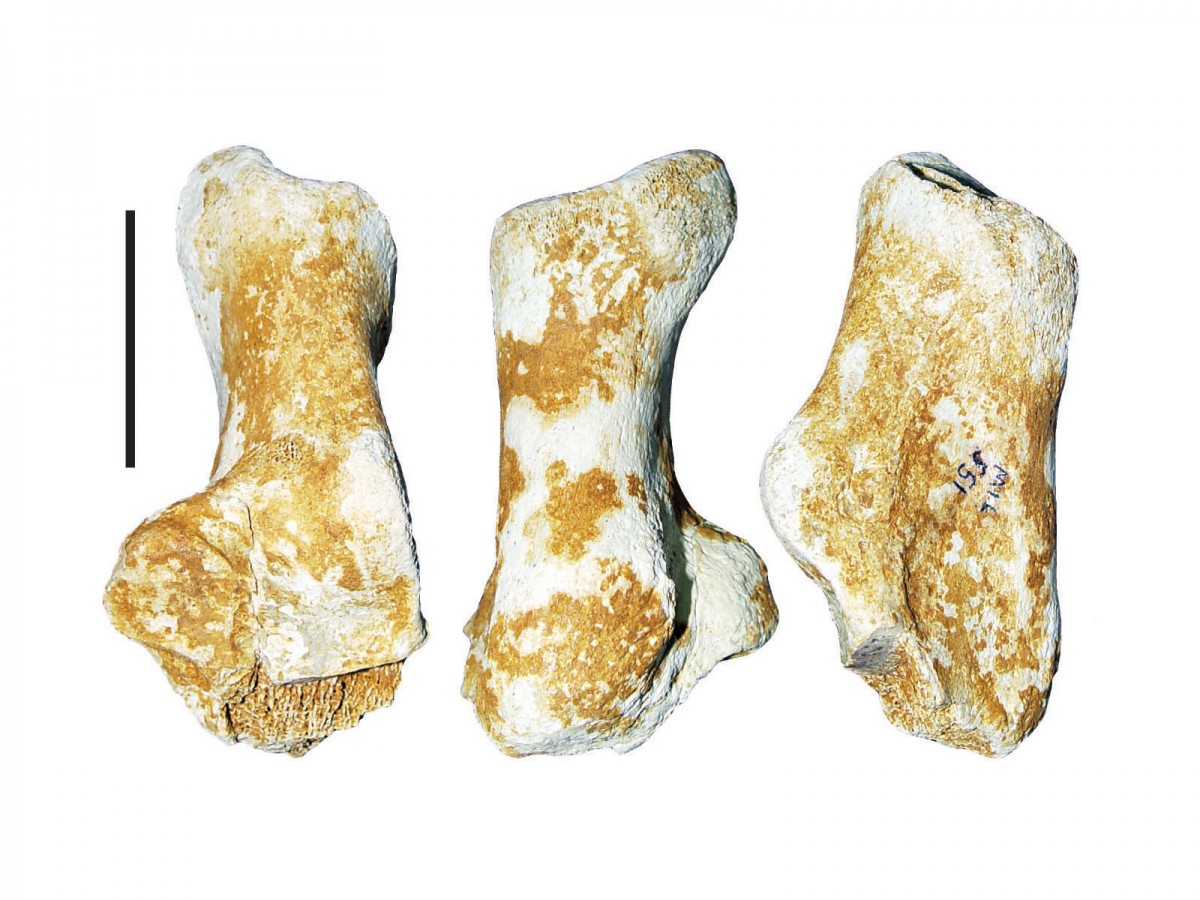
Fossil of giant 3-million-year-old bear found in Grevena, Greece
Fossil of a giant bear which lived three million years ago in Grevena, Greece, was found.
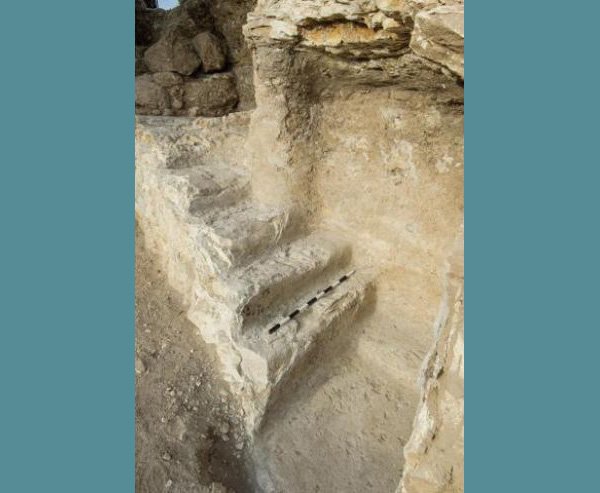
Ancient ritual bath and World War II graffiti revealed in Israel
A 1,900 year old ritual bath and graffiti left by Australian soldiers during World War II were exposed in Israel, during the archaeological excavations carried out by the Israel Antiquities Authority.
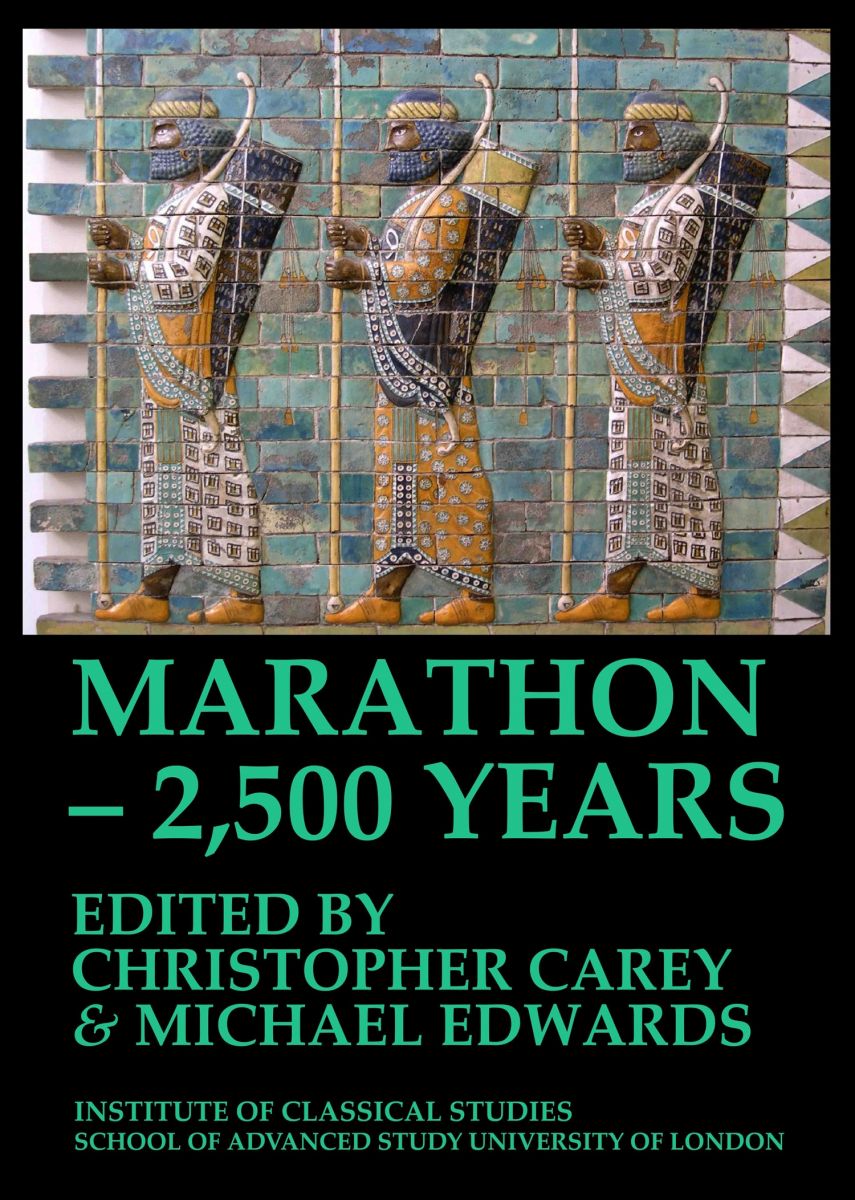
Marathon – 2,500 Years
This volume includes twenty-one papers originally presented at a colloquium hosted by the Faculty of Philology at the University of Peloponnese, Kalamata in 2010.
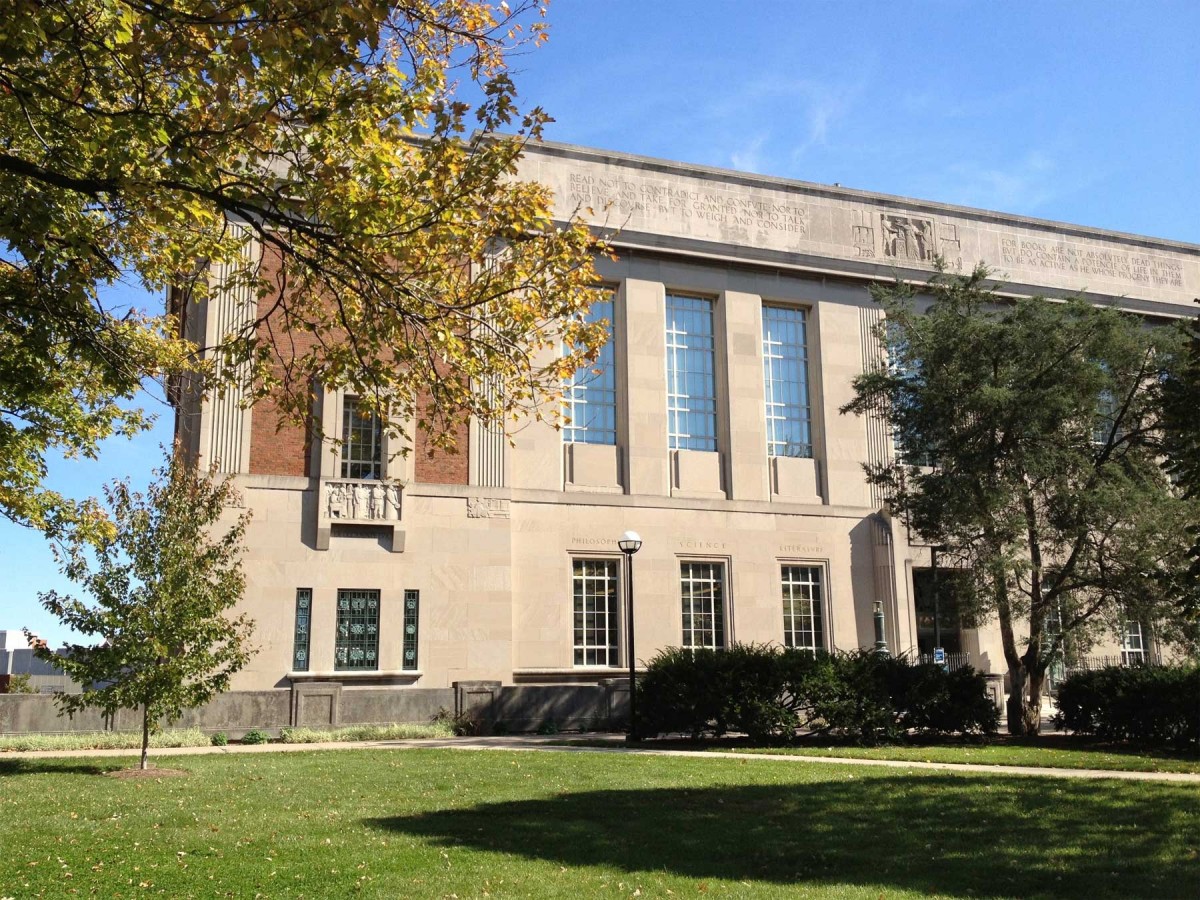
Margo Tytus Visiting Scholars Program
The University of Cincinnati Classics Department announces the Margo Tytus Visiting Scholars Program.
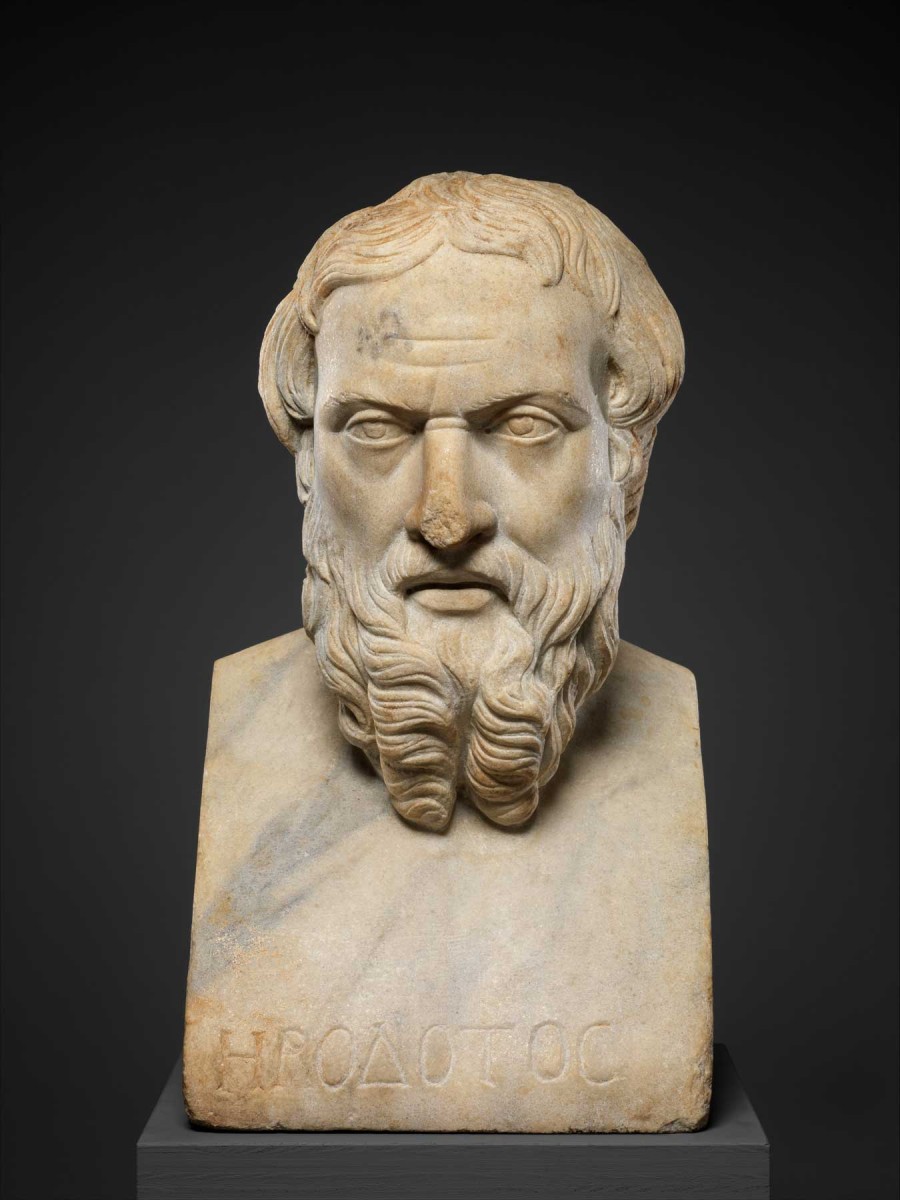
Explore ‘The Histories’ by Herodotus
Find out more about our Classical past by exploring the digital text of Herodotus’ ‘The Histories’ with online mapping and an interactive map-and-narrative timeline 'mashup'!
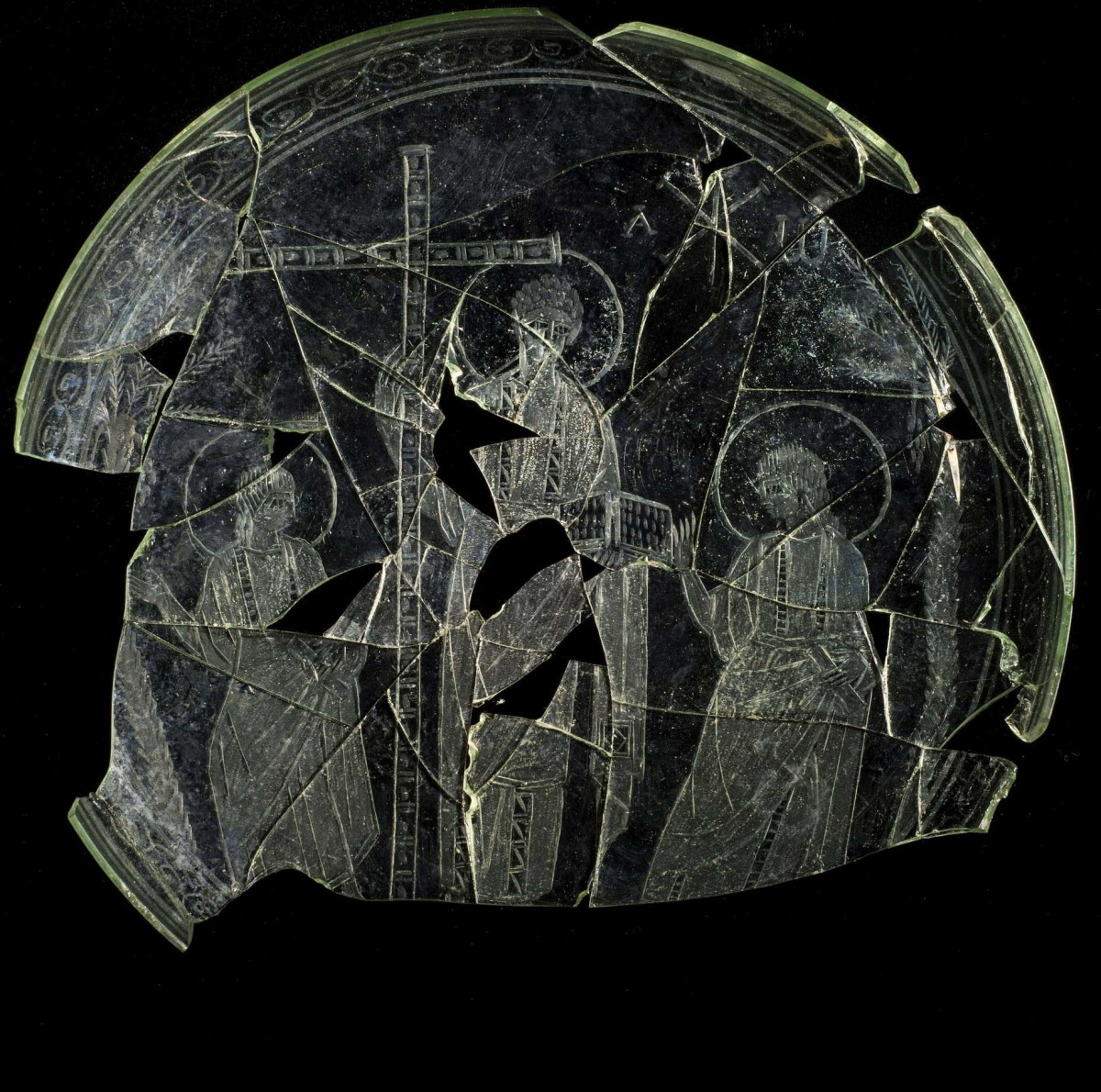
One of the oldest images of Jesus
Archaeologists in southern Spain found an engraved green glass paten on which they have identified one of the earliest images of Jesus.
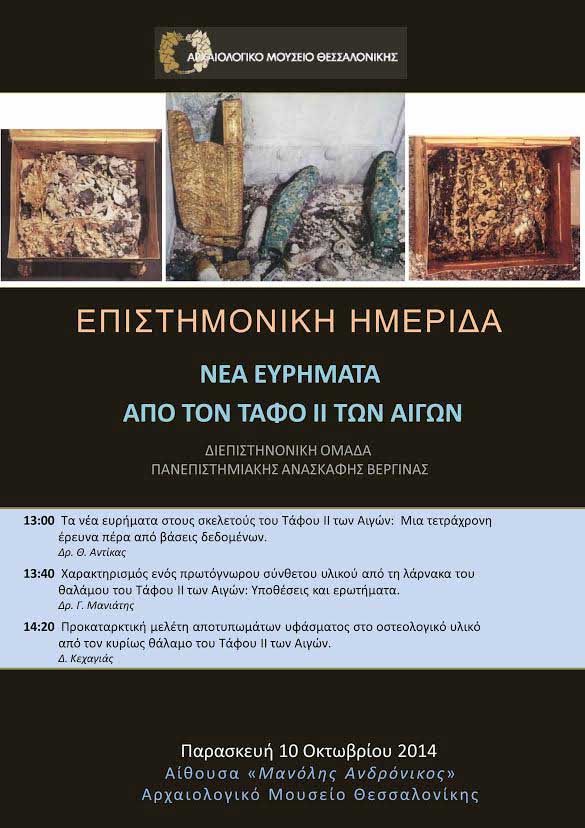
New finds from Tomb II, Great Tumulus, Aegae
Scientific meeting on "New finds from the skeletons of Tomb II at Aegae", to be held on Friday, October 10, 2014, at 13.00, at the Archaeological Museum of Thessaloniki.