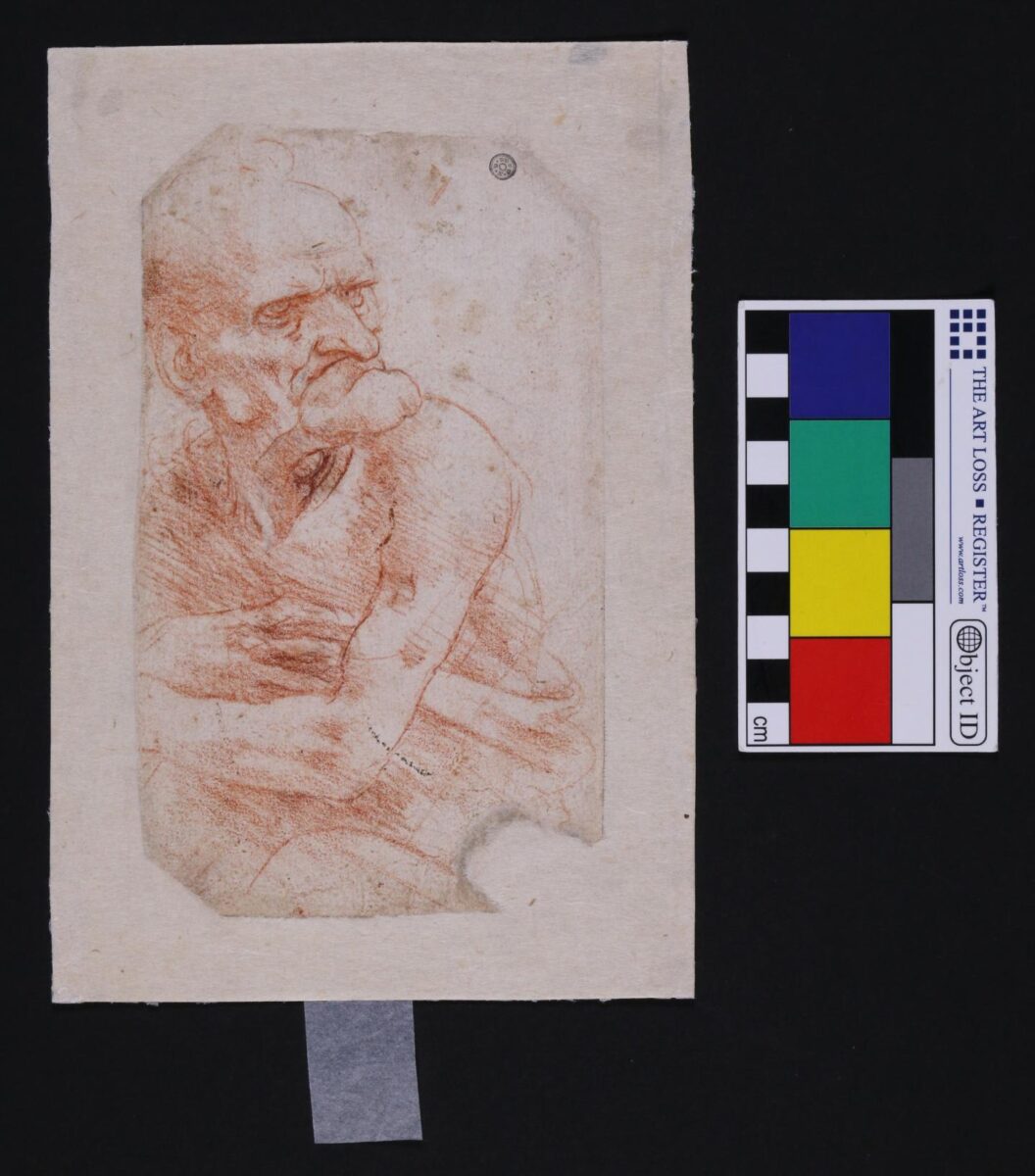
The microbiome of Da Vinci’s drawings
The microbial composition of art pieces can reveal interesting facts about their past and the journey they made.
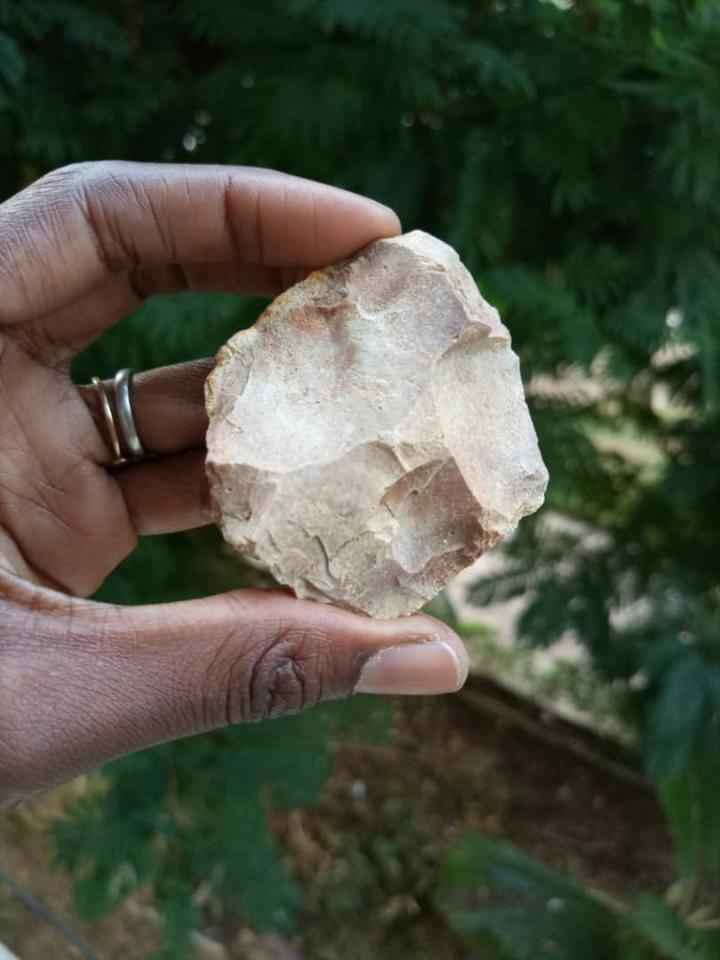
Middle Stone Age populations repeatedly occupied West African coast
Excavations at Tiémassas, Senegal, indicate roughly 40,000 years of behavioural continuity, in contrast to other African regions over this period.
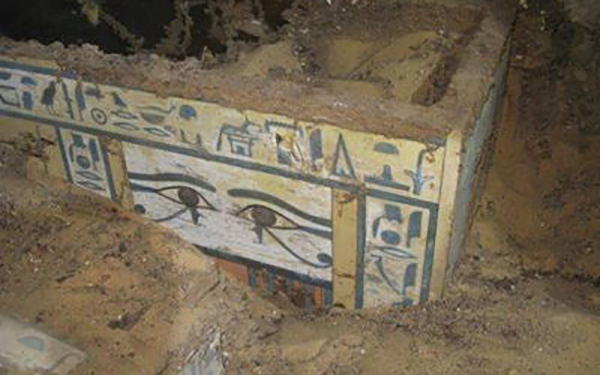
Ancient Egyptian tomb yields material evidence for gynecological treatment
An ancient Egyptian tomb of a noblewoman has yielded the first material evidence supporting the application of a certain gynecological treatment which was only known from medical papyri.
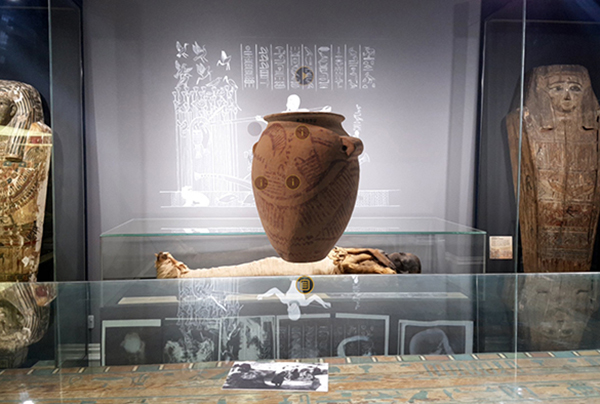
Garstang Museum to support development of 3D digital exhibitions
The University of Liverpool’s Garstang Museum of Archaeology secured £40,000 investment from the Art Fund to produce digital exhibitions using 3D imagery.
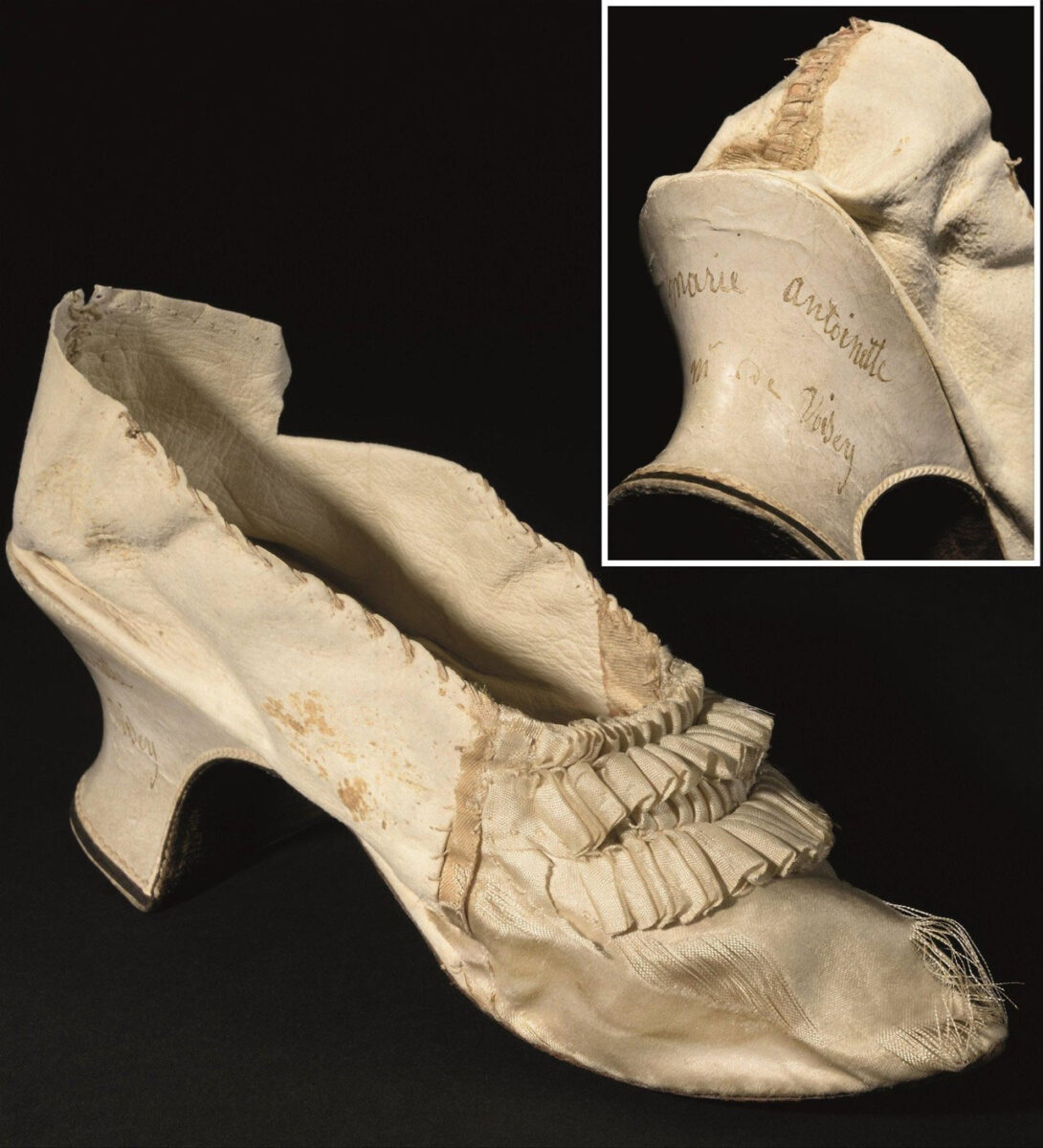
43,750€ for a shoe belonging to Marie Antoinette
Thanks to the "lively interest" shown by collectors, the price of the shoe far exceeded the initial estimate.
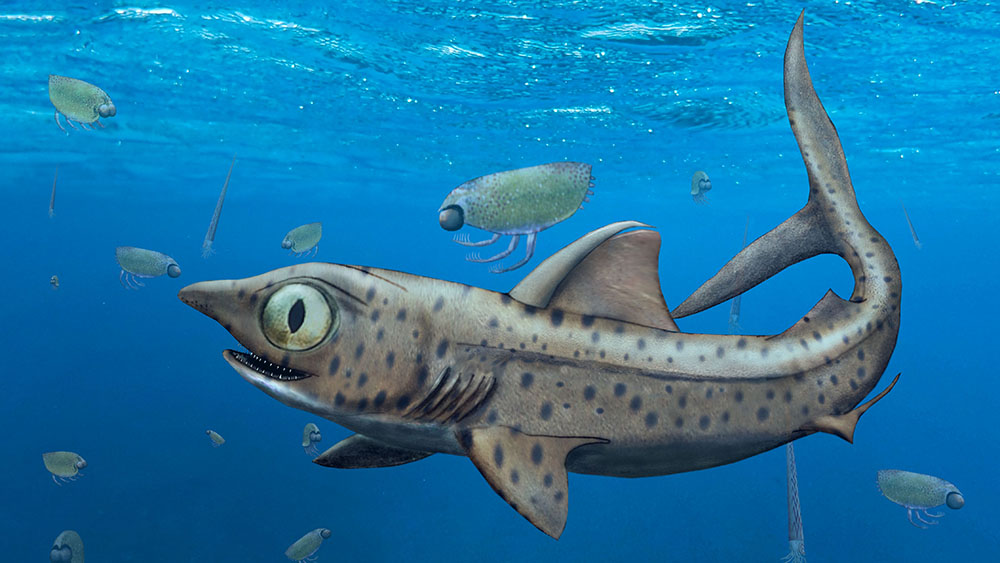
Prehistoric shark hid its largest teeth
Some, if not all, early sharks that lived 300 to 400 million years ago not only dropped their lower jaws downward but rotated them outwards when opening their mouths.
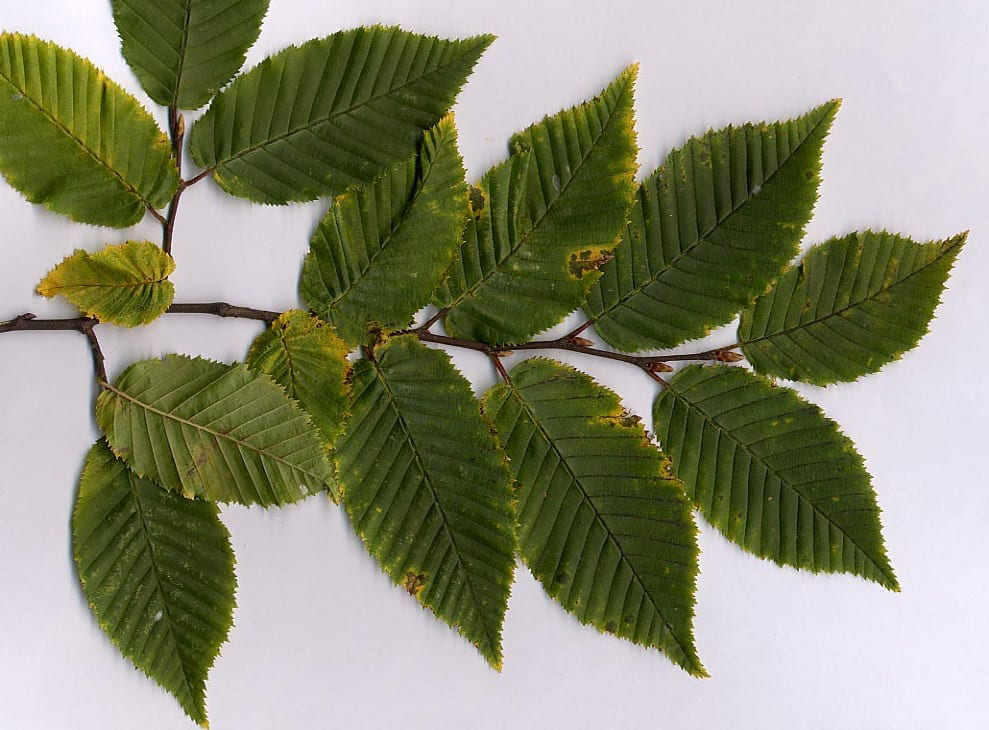
Transition to feudal living in 14th c. impacted local ecosystems
The findings illustrate the direct and significant impact the economic transformation of Lagow from a tribal to a feudal society had on the local ecosystem.
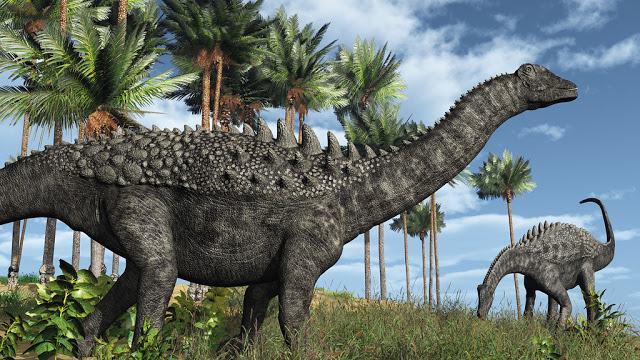
Dinosaurs were not in decline before asteroid hit
The researchers say that had the impact not happened, dinosaurs might have continued to dominate the Earth.
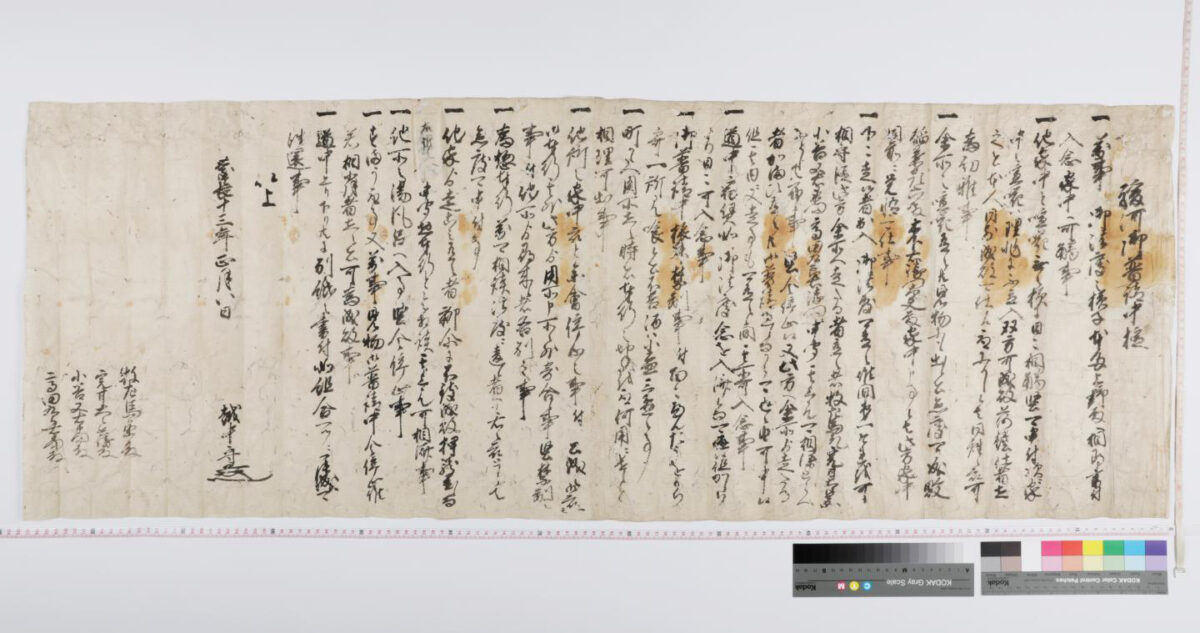
No drinking! No Fighting! The laws of early Edo Japan
The official document details how workers should act during the reconstruction of Sunpu Castle.
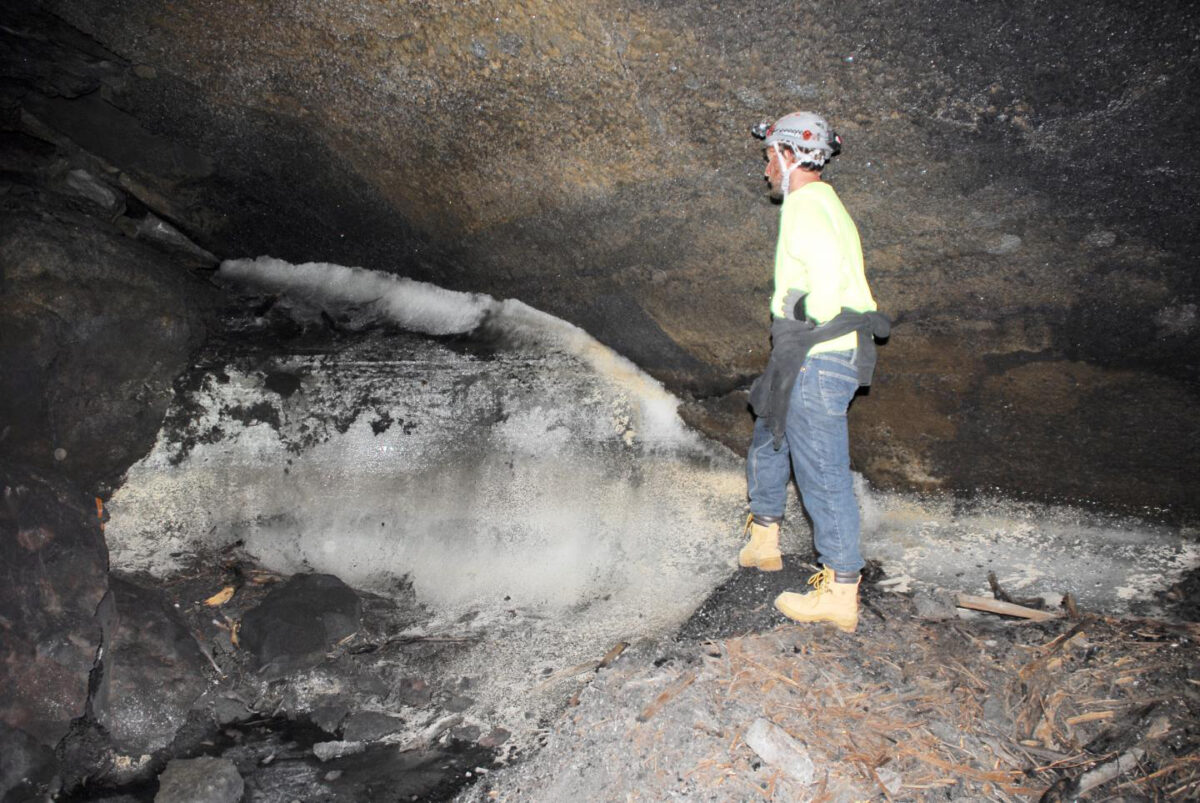
Ancestral Puebloans survived from ice melt in New Mexico lava tubes
A lava tube in the El Malpais National Monument yields centuries-old insights of survival in the face of harsh climate change.
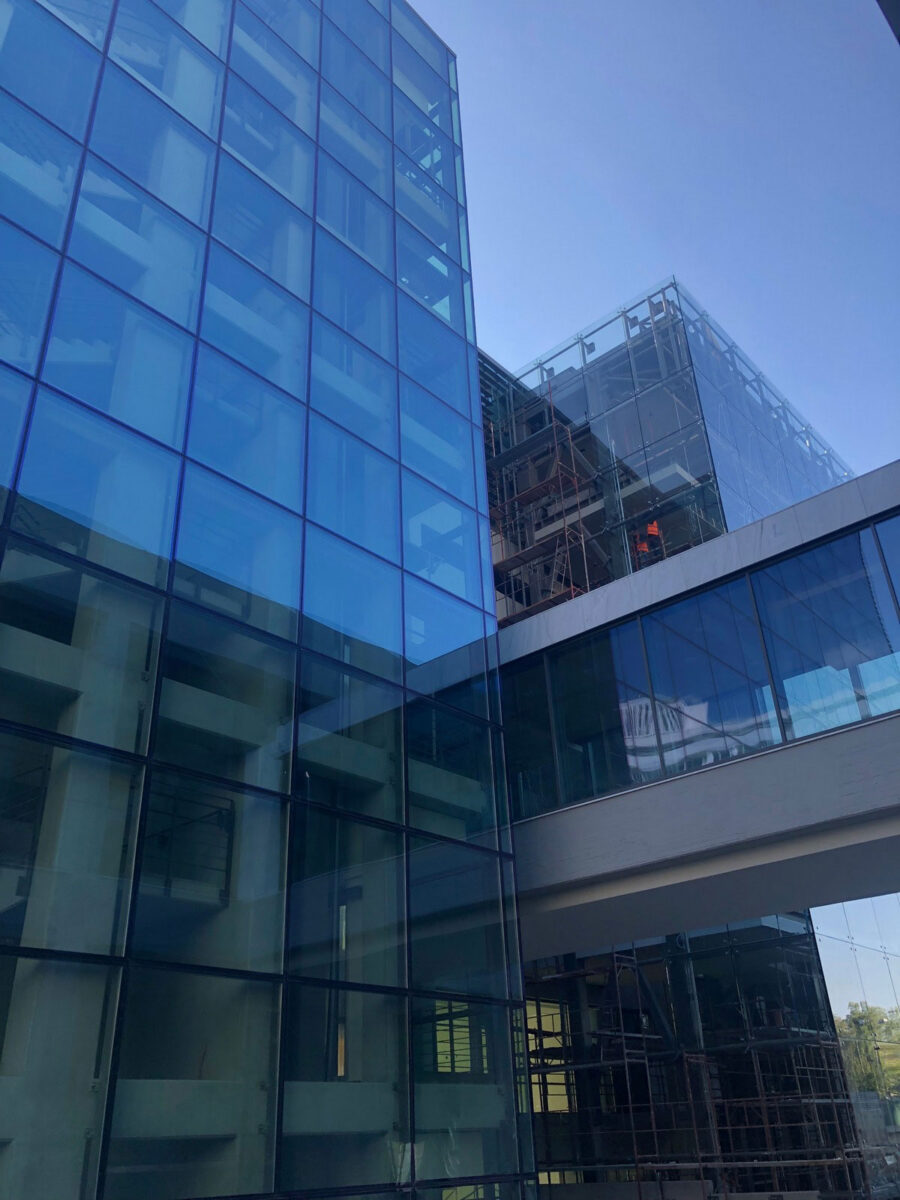
The course of work at the National Gallery
The National Gallery’s Digital Programmes project is also in progress, with a budget of 2,200,000€.
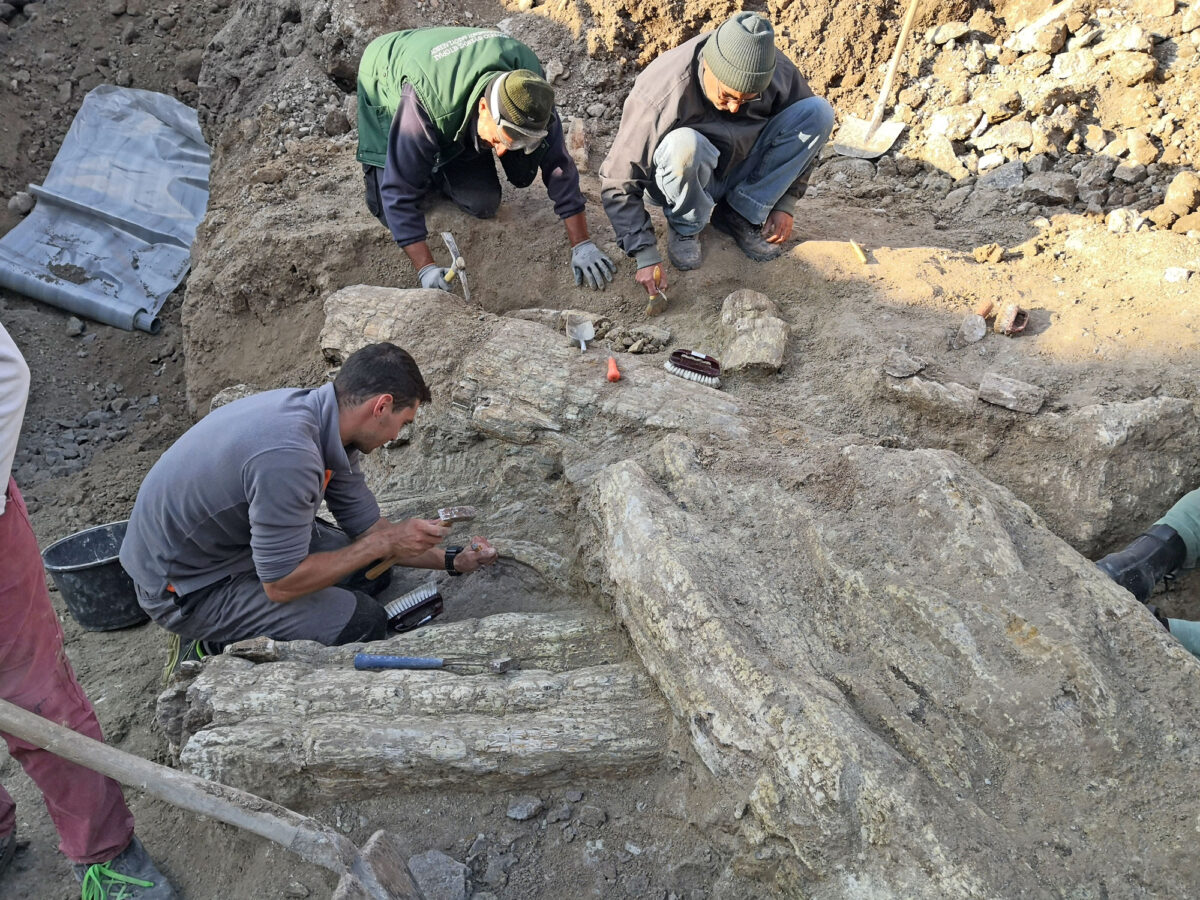
Another 14 fossilized trees found on Lesvos
The discovery was made during excavations for the construction of a drainage pipeline in the district of Akrochira.
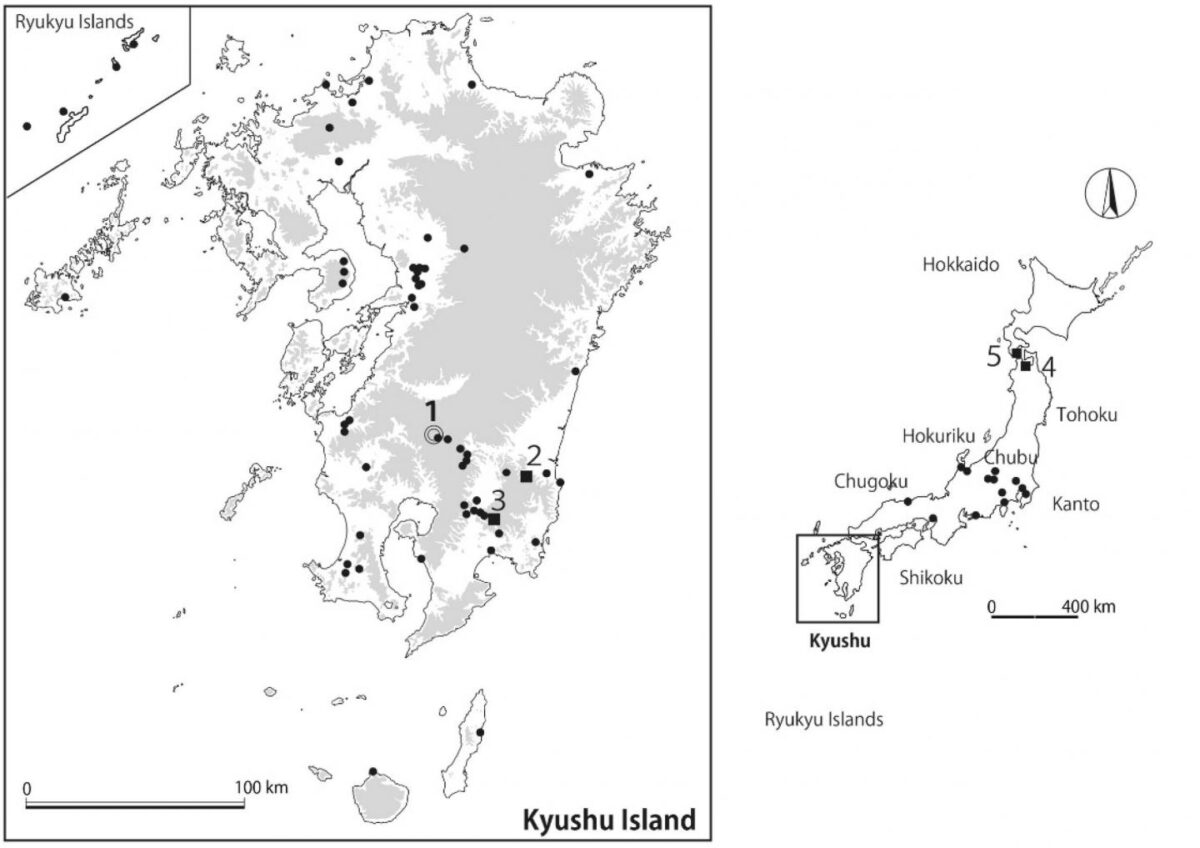
X-ray imaging of a beetle’s world in ancient earthenware
Using X-rays, Professor Hiroki Obata of Kumamoto University, Japan has imaged 28 impressions of maize weevils on pottery shards from the late Jomon period.
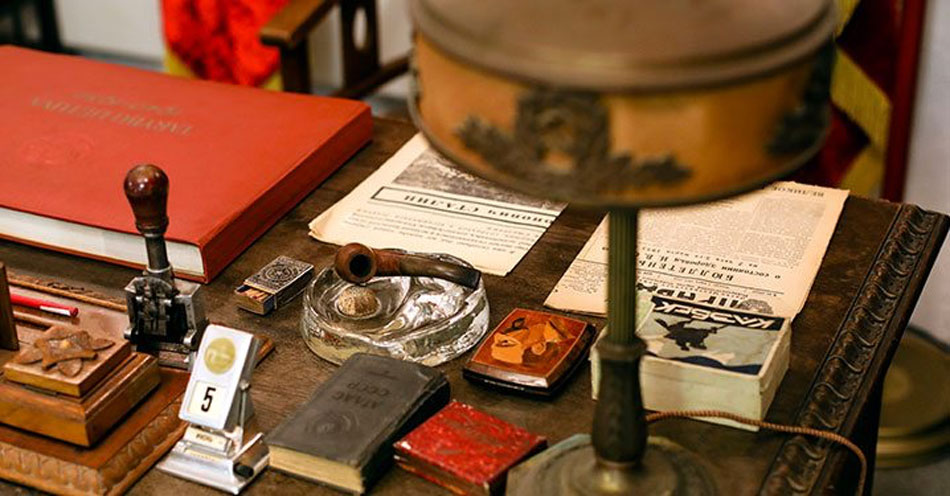
KGB Espionage Museum Collection up for auction
The museum has been permanently closed and its entire collection will be auctioned on February 13, 2021 at Julien’s Auctions in Beverly Hills.
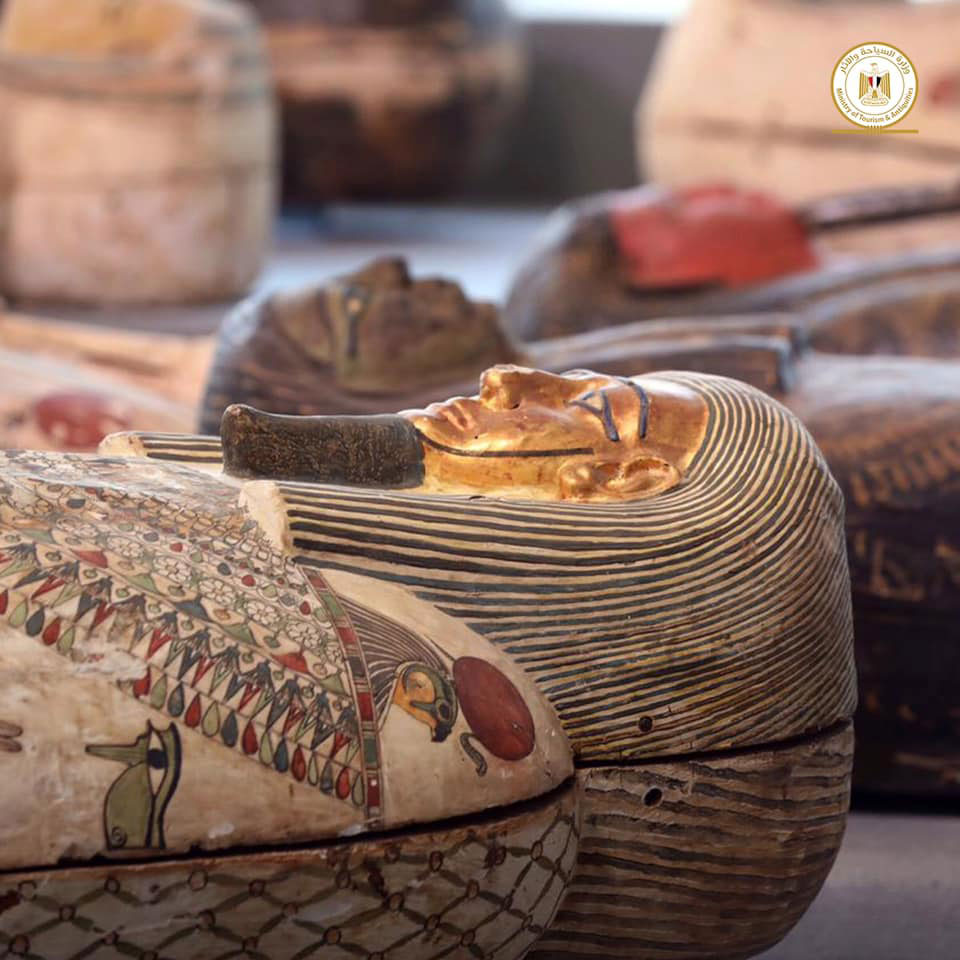
More than 100 sarcophagi found in Saqqara
The coffins are sealed and survive perfectly. The shafts also gave funerary masks and 40 wooden statues of Saqqara god Ptah Sokar.
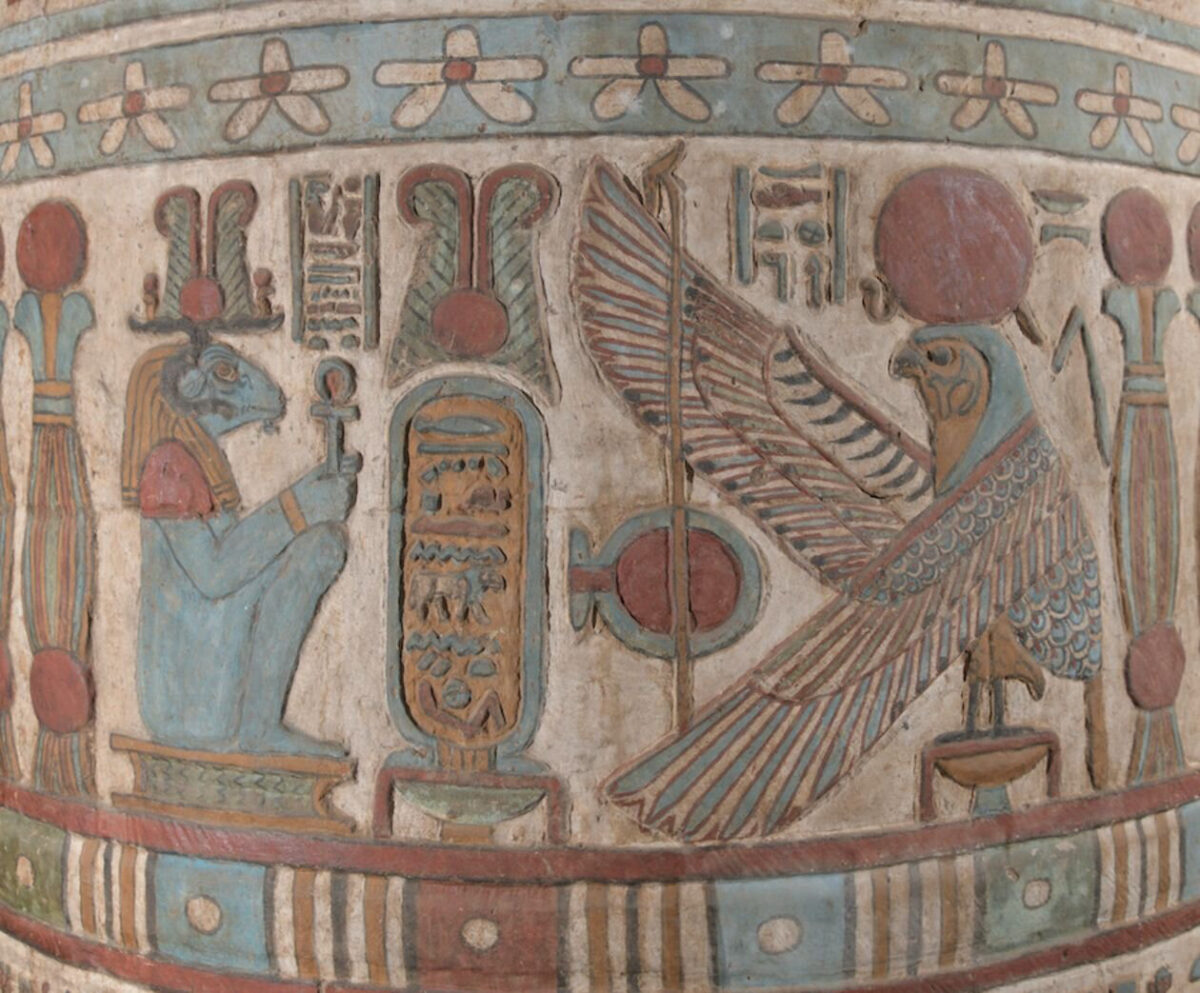
Original pigments of inscriptions at the temple of Esna found
More than 200 years after the rediscovery of an Egyptian temple, a German-Egyptian research team has uncovered the original colors of inscriptions that are around 2,000 years old.
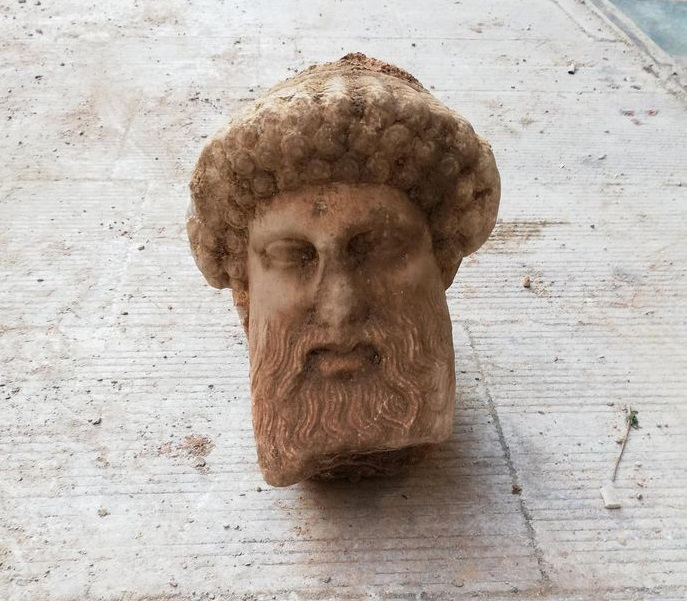
Head of Hermes found in downtown Athens
Last Friday, a Hermes head came to light during sewage works opposite the Ag. Irini temple in Aiolou street of downtown Athens.
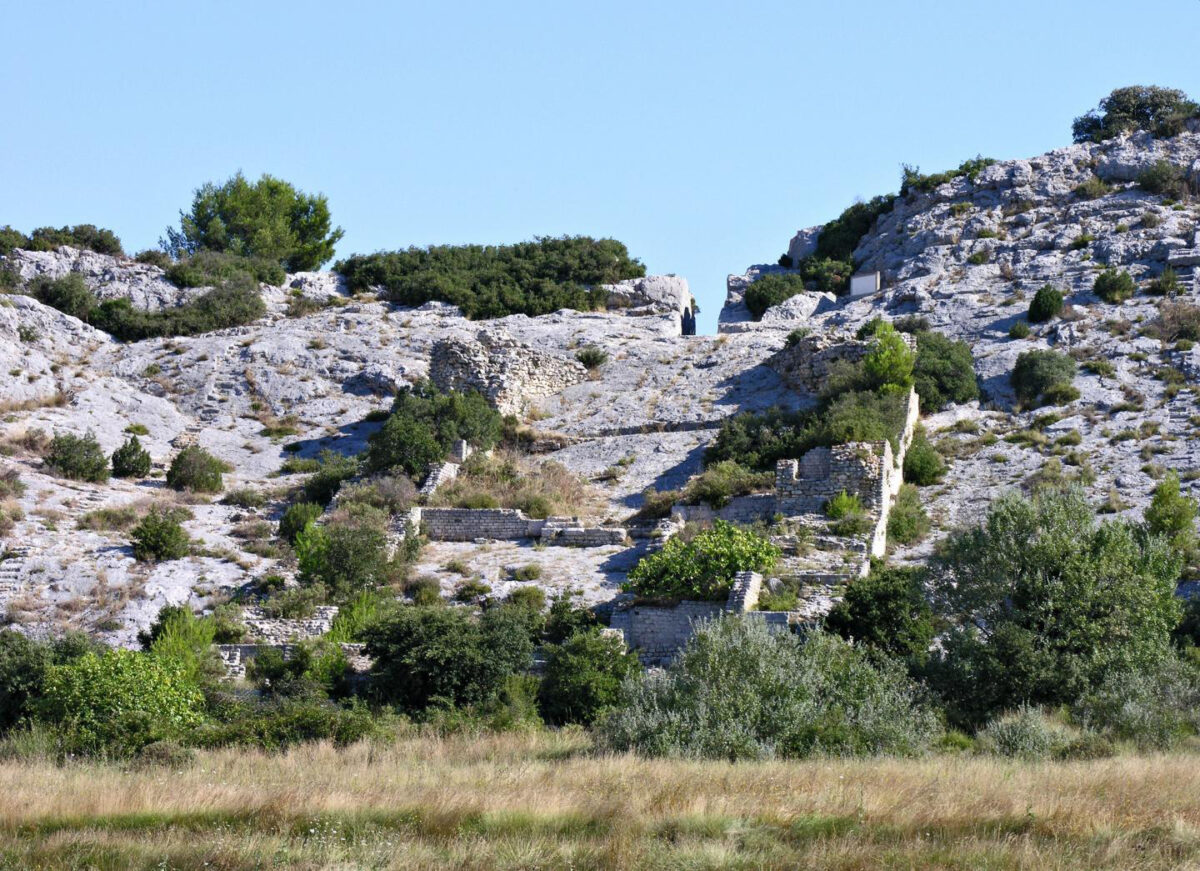
The world’s first industrial plant
An elbow-shaped water flume as a special adaptation for the Barbegal mill complex and a symbol of the ingenuity of Roman engineers.
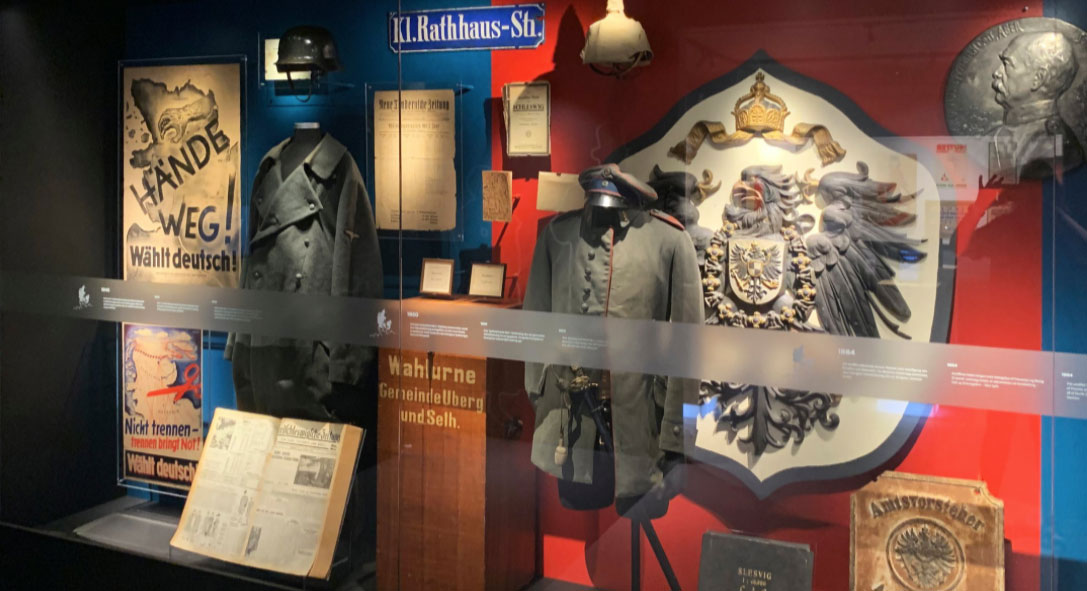
Nazi memorabilia stolen from museums
20 Nazi items were recently stolen from a museum in Denmark, including an SS uniform and the uniform of a Hitler Youth member.
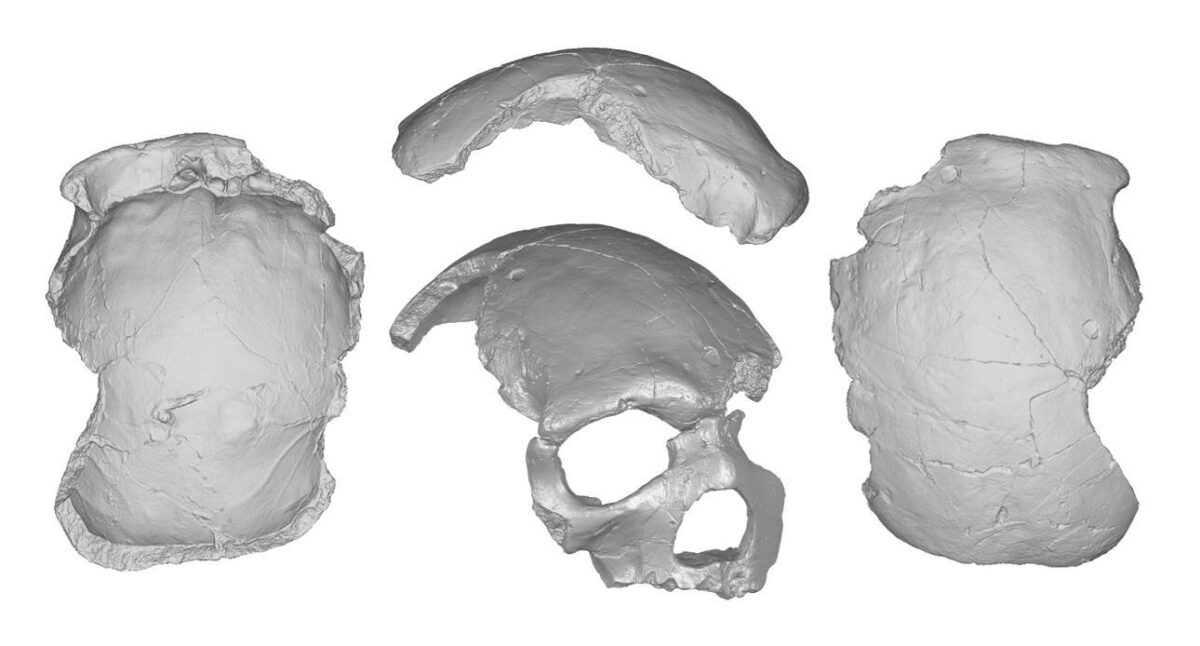
Florisbad skull reinforces the Mosaic Hypothesis of Human Evolution
The study describes the braincase traits of Florisbad, a fossil found in South Africa in 1932, and its similarities with other species like Homo sapiens, H. neanderthalensis and H. heidelbergensis.
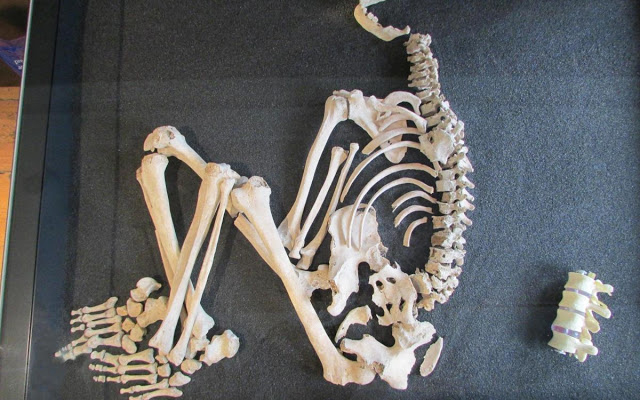
First known case of TB in Britain came from Continental Europe
A new study of the skeleton of an Iron Age man with the first known case of tuberculosis in Britain has shed new light on his origins.
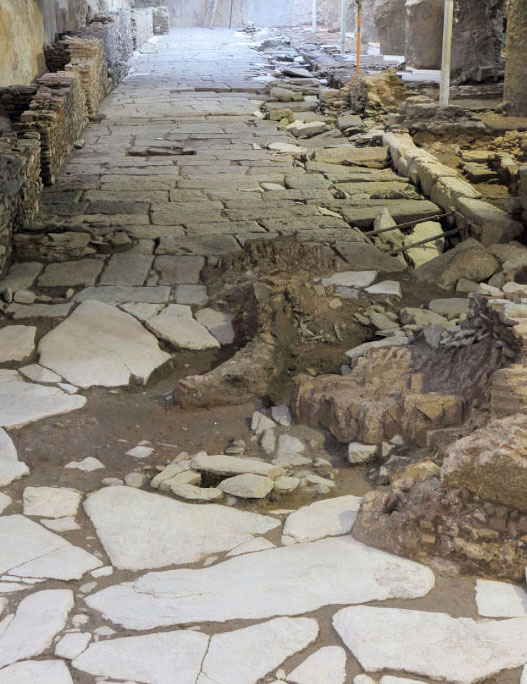
Council of State discusses transfer of Thessaloniki Metro antiquities
In the Plenary Session of the Council of State last Friday, the issue was discussed of temporarily transferring the antiquities.
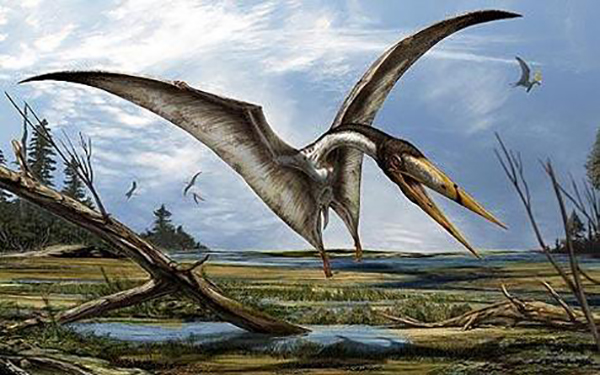
Fossil shark turns in to mystery pterosaur
Palaeontologists have made a surprising discovery while searching through 100-year-old fossil collections from the UK ‒ a new mystery species of pterosaur, unlike anything seen before.
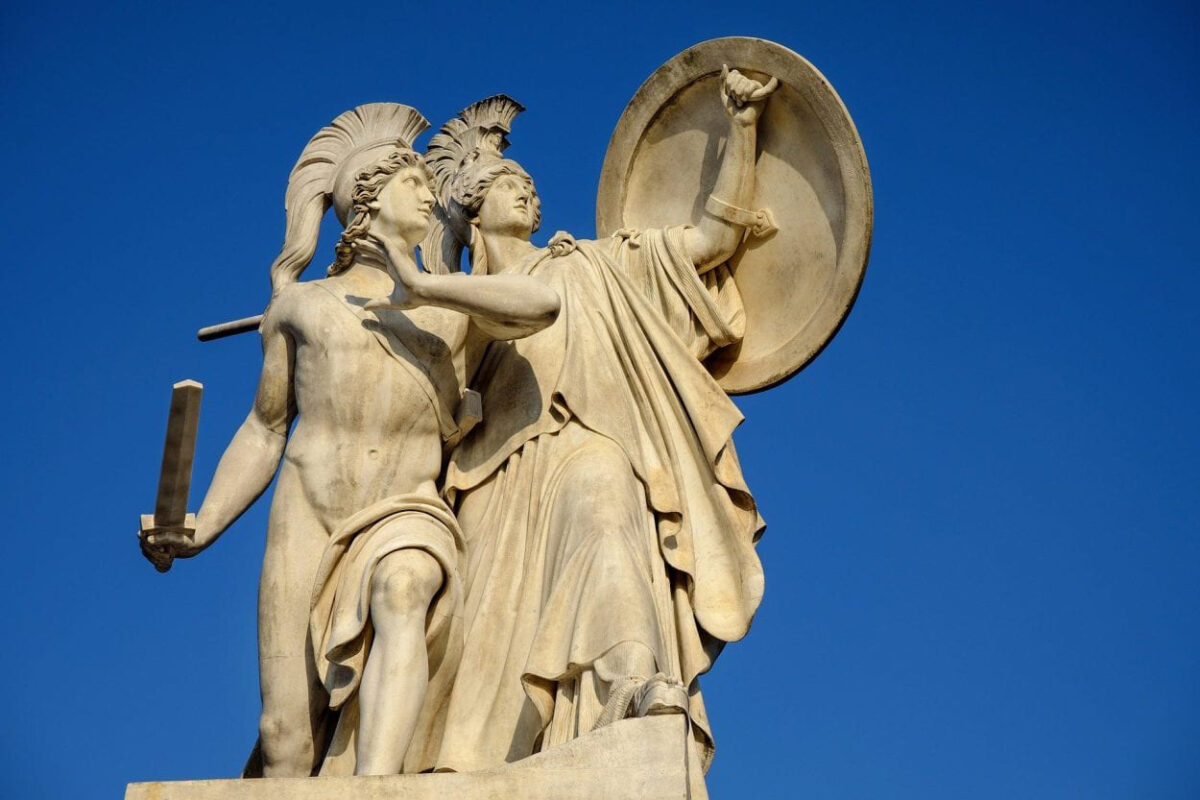
A resistant material against microorganisms to restore Cultural Heritage
Team created a biocide additive that can be incorporated into materials used to rebuild historic monuments and buildings.