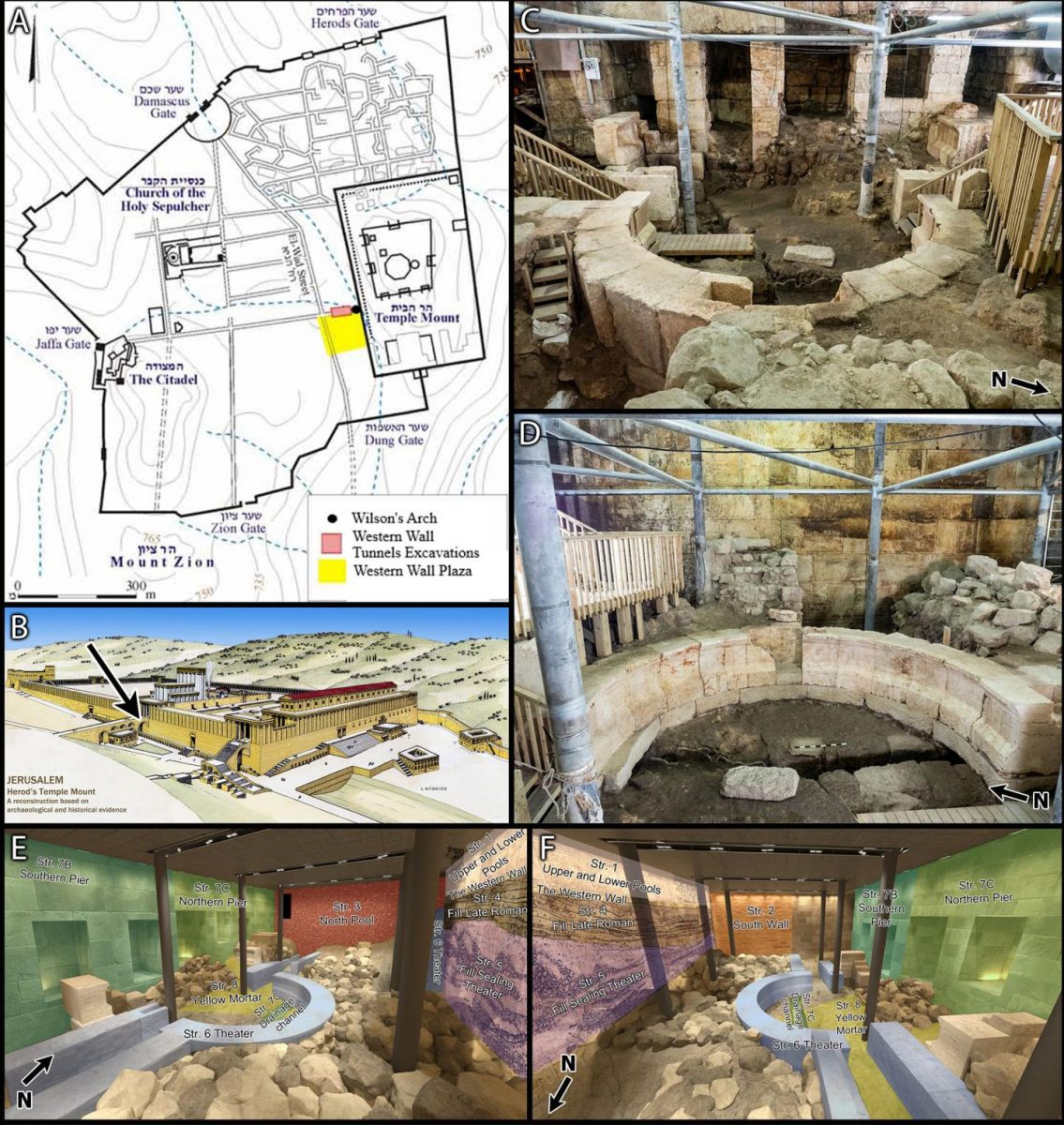
Pinpointing the origins of Jerusalem’s Temple Mount
Integrating radiocarbon dating and microarchaeology techniques has enabled more precise dating of the ancient Wilson's Arch monument at Jerusalem's Temple Mount.
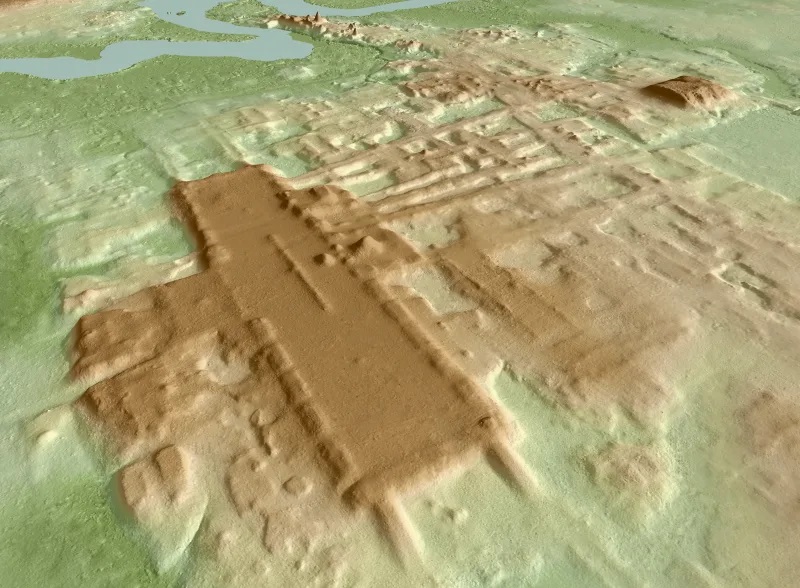
Largest, oldest Maya monument suggests importance of communal work
A University of Arizona discovery suggests that the Maya civilization developed more rapidly than archaeologists once thought and hints at less social inequality than later periods.
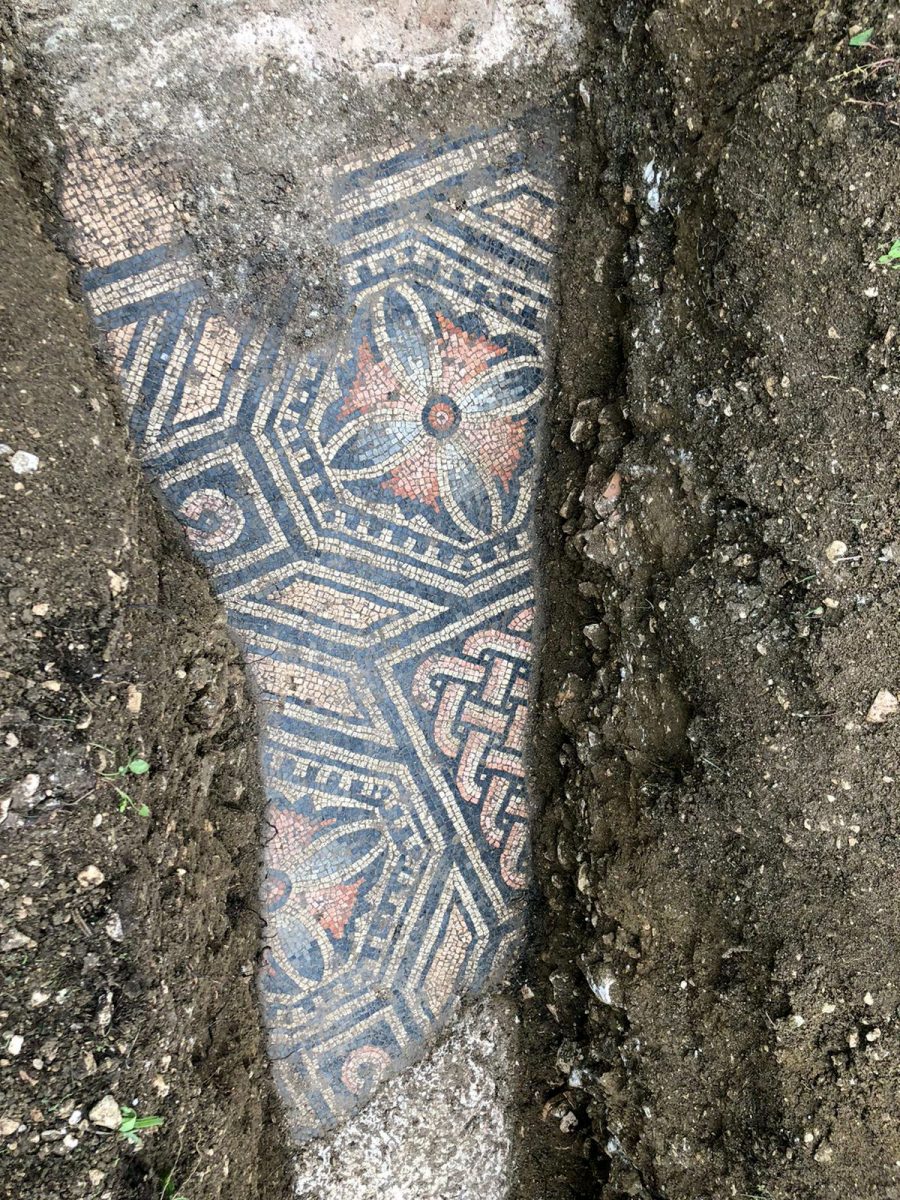
Perfectly preserved Roman mosaics discovered in vineyards
The mosaics were probably the structural components of a villa searched for a century by archaeologists.
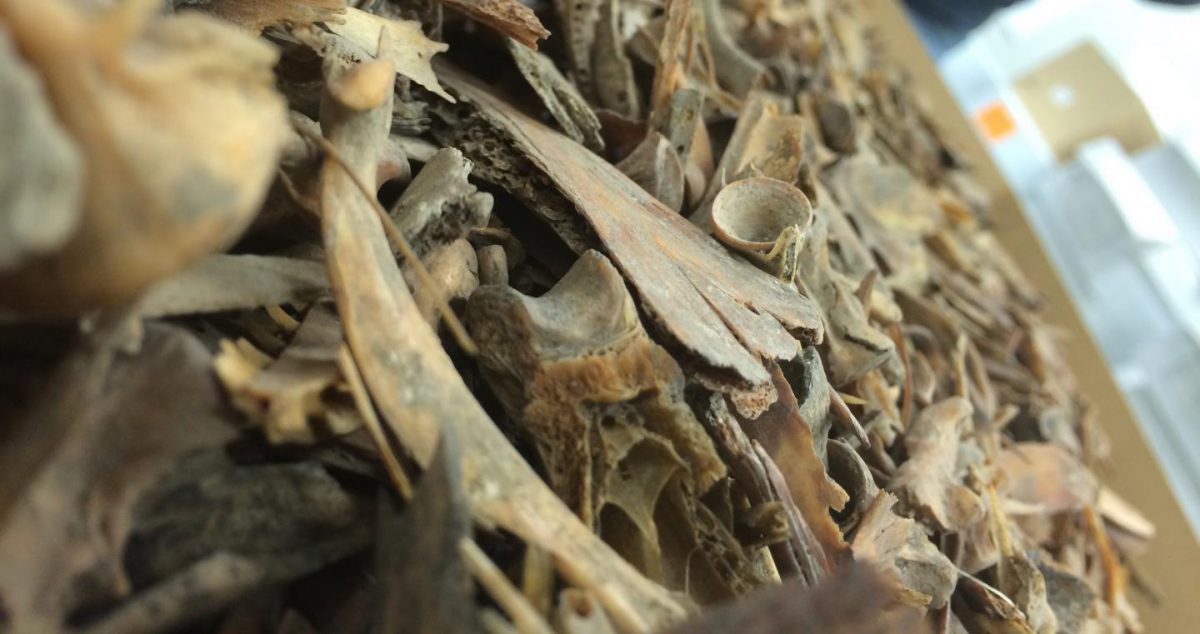
On the hunt for megafauna in North America
Research from Curtin University has found that pre-historic climate change does not explain the extinction of megafauna in North America at the end of the last Ice Age.
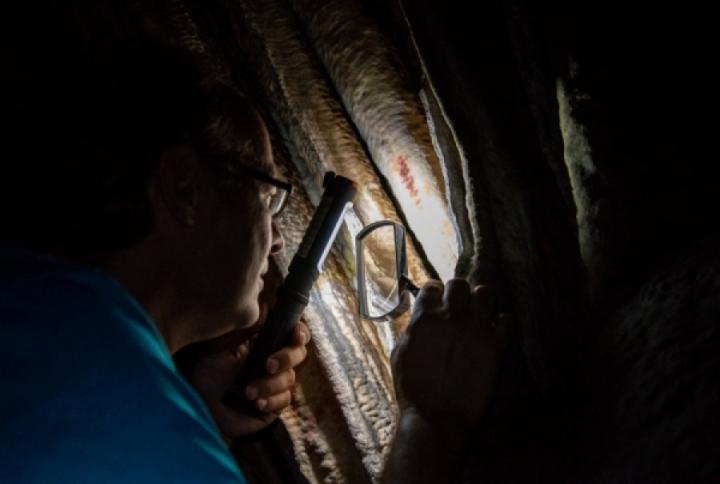
Doubts about the Nerja cave art having been done by Neanderthals
The research team analyzed several samples of calcite related to the chronometric test of a set of rocks in the Nerja Cave.
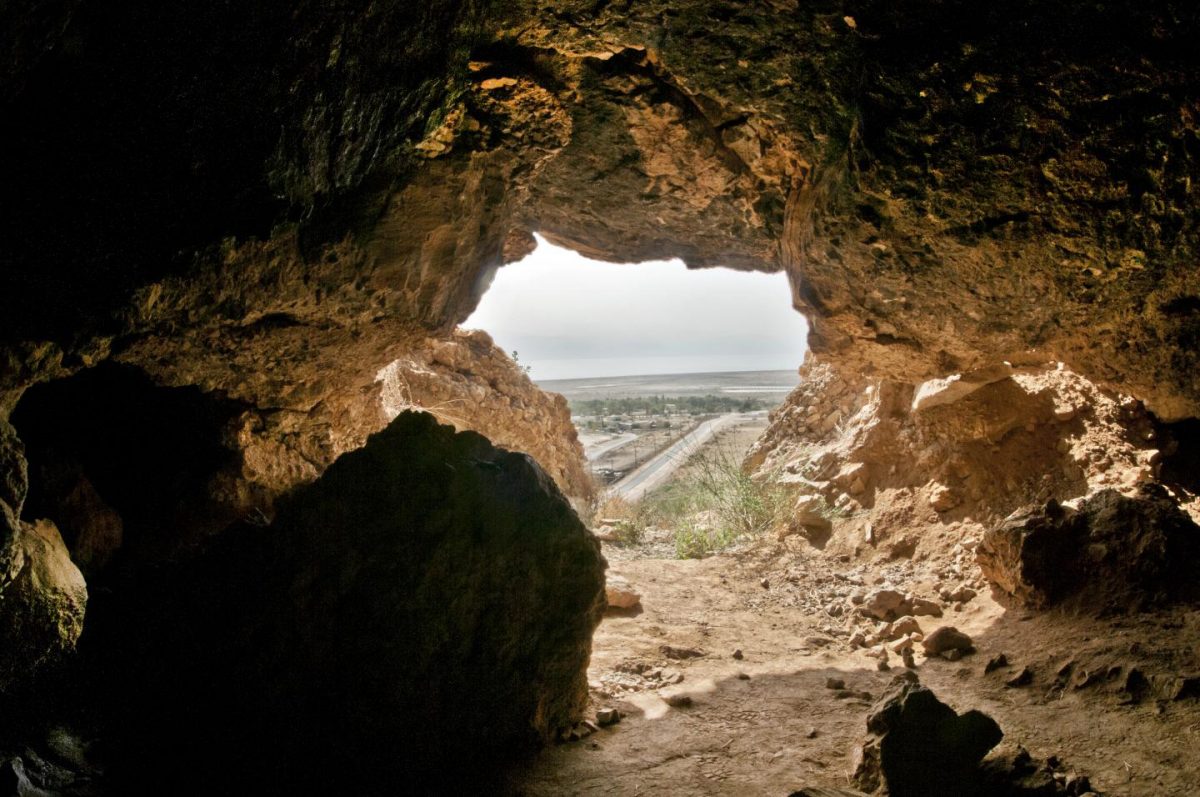
Piecing together the Dead Sea Scrolls with DNA evidence
DNA "fingerprints" lifted from the animal skins on which the texts were written help solve the Dead Sea Scrolls puzzle.
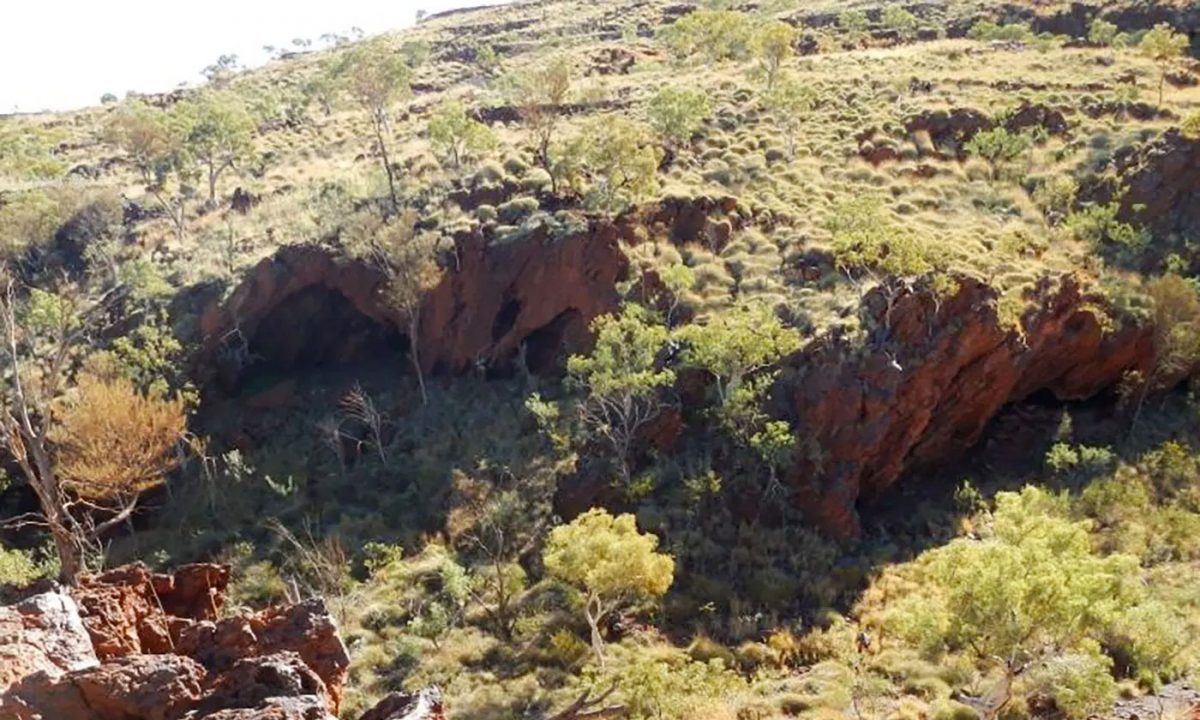
Mining company destroyed archaeologically valuable Aboriginal Cave
Anglo-Australian giant multinational mining cooperation admitted to have caused irreparable damages while using explosives to open an iron ore mine.
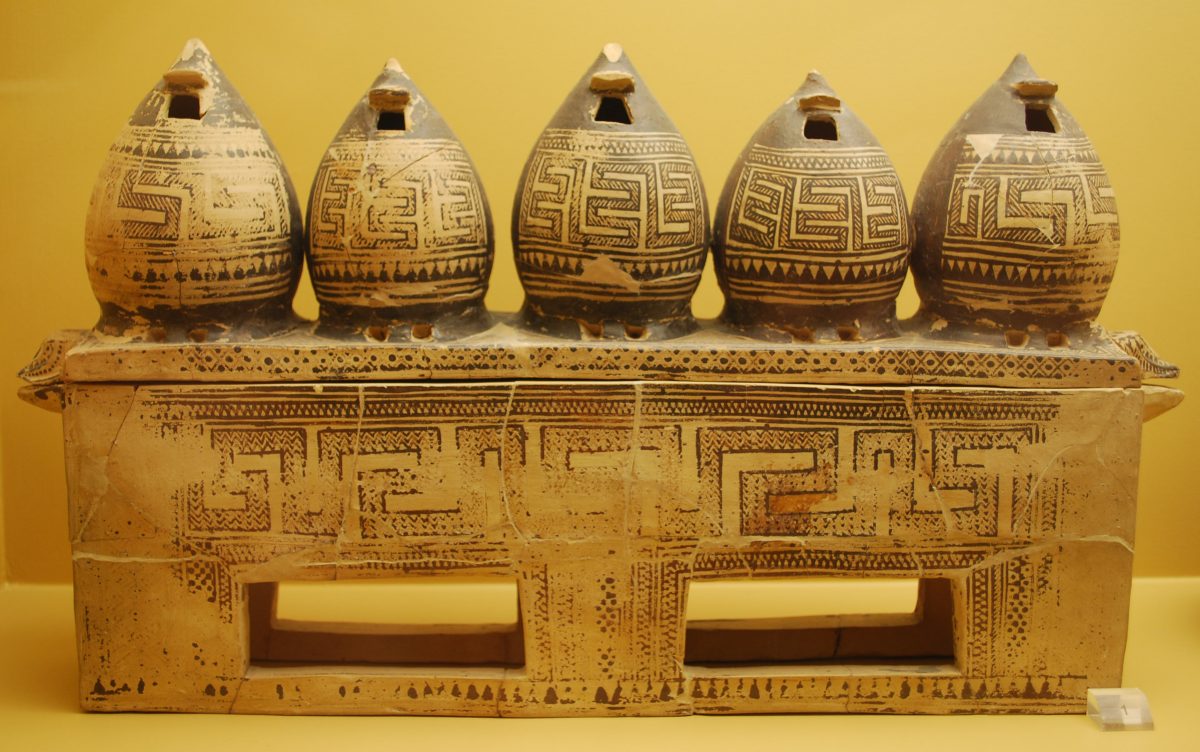
New C14 dates call into question the dating of Greek Antiquity
The findings of an international research project under the directorship of Stefanos Gimatzidis necessitate a radical revision of Greek chronology.
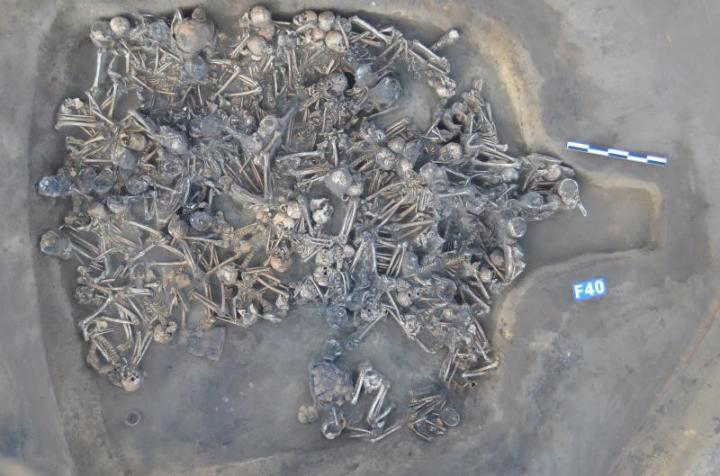
Subsistence change and human migration linked in northern China
Genetic analysis of 55 ancient individuals finds that genetic changes in Yellow River, West Liao River and Amur River populations correlate with the intensification of farming and the inclusion of a pastoral economy.
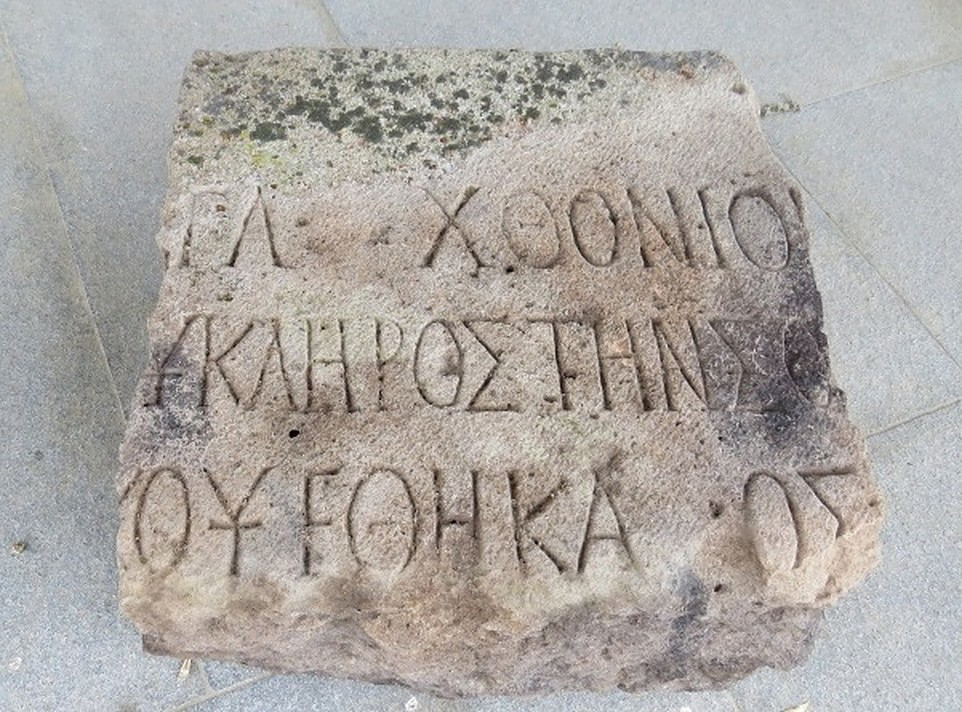
Ancient Greek inscription found in Roman Deultum
Archaeologists found a Greek inscription on a limestone sarcophagus at the Deultum-Debelt National Archaeological Reserve near Burgas (Bulgaria).
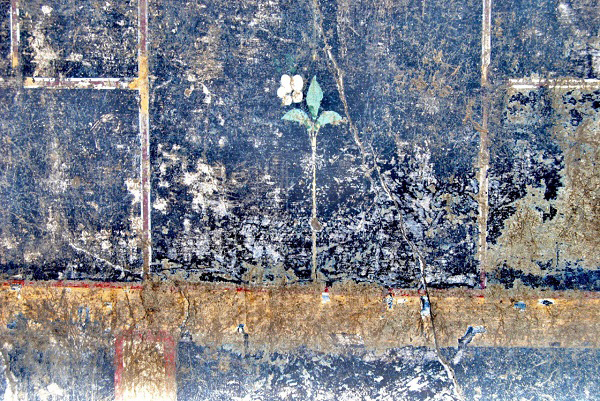
The vault of a cryptoporticus in Pompeii villa comes to light
The new excavations of Civita Giuliana are investigating the noble spaces of the suburban villa, and they are resurfacing little by little.

New masterpieces by Raphael discovered in the Vatican
These may be examples of the last work of the Renaissance painter before his sudden death in 1520.
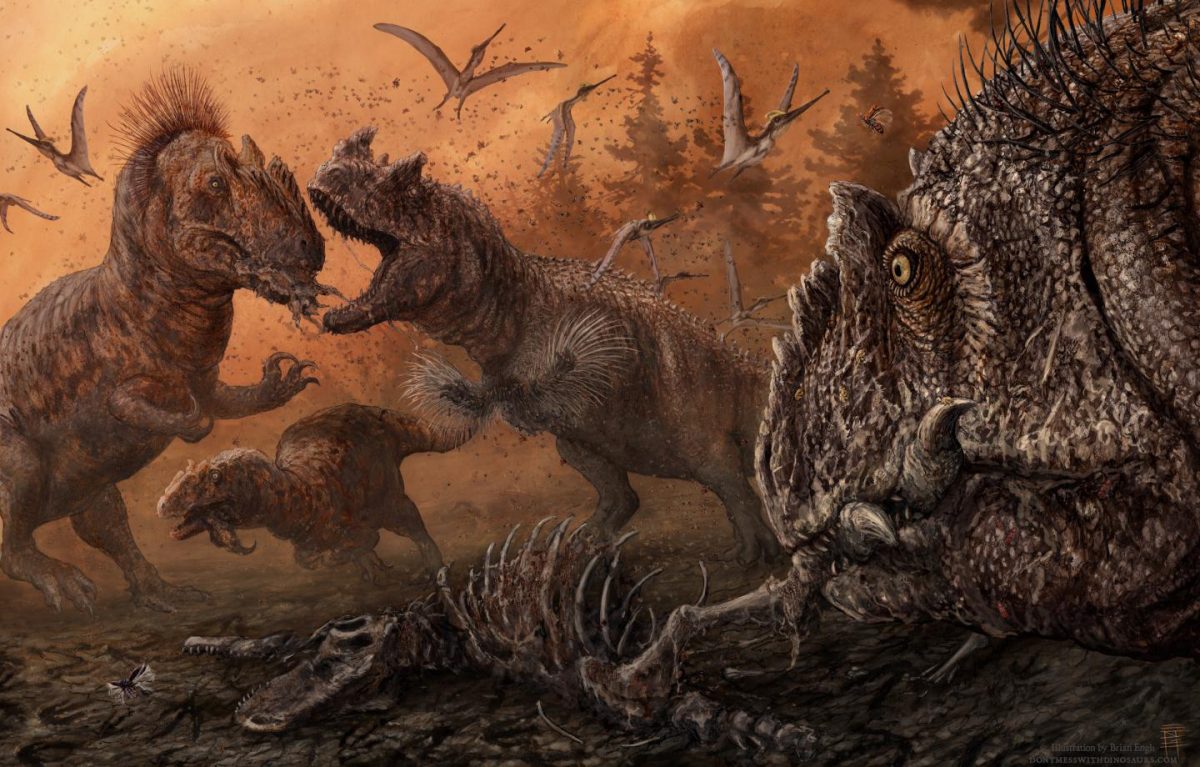
New study finds cannibalism in predatory dinosaurs
Researchers surveyed more than 2,000 bones from the Jurassic Mygatt-Moore Quarry.
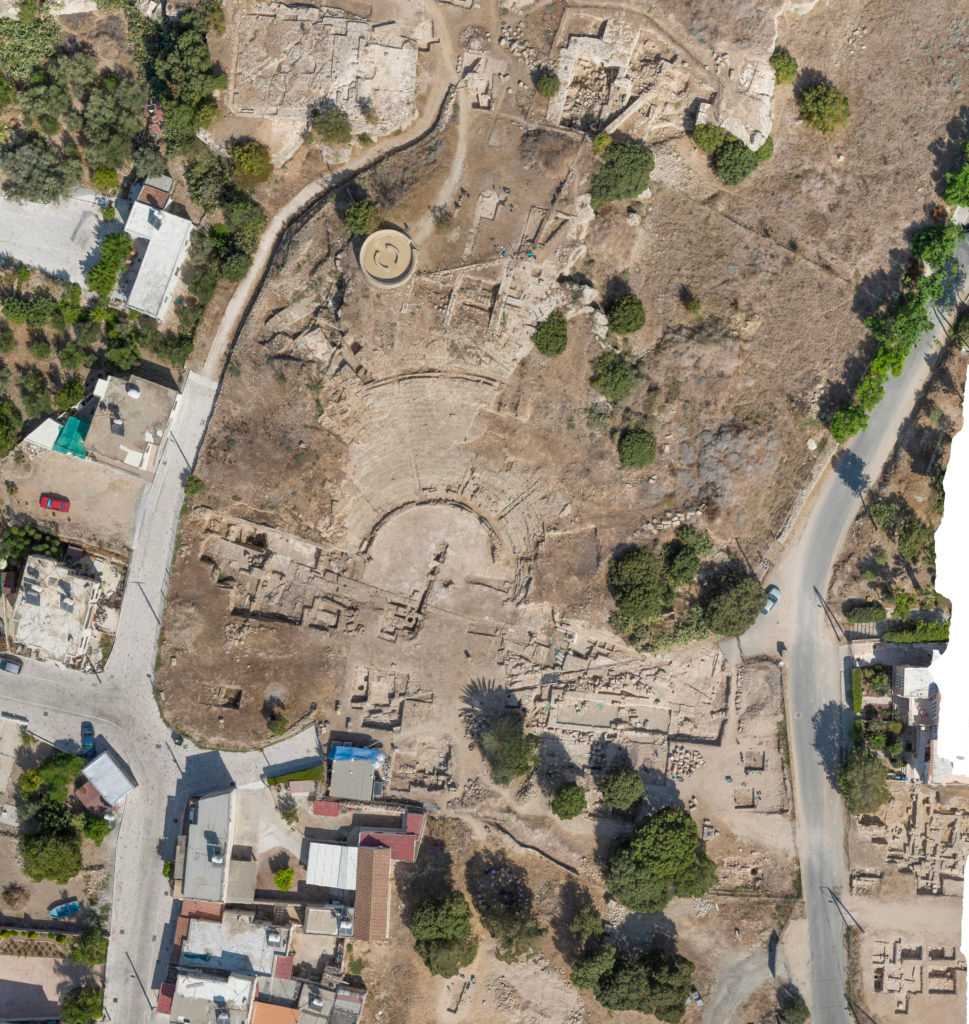
Archaeological sites and ancient monuments re-open
The Department of Antiquities, Ministry of Transport, Communications and Works announces that Museums, Archaeological Sites and Ancient Monuments will re-open to the public on 1 June 2020.
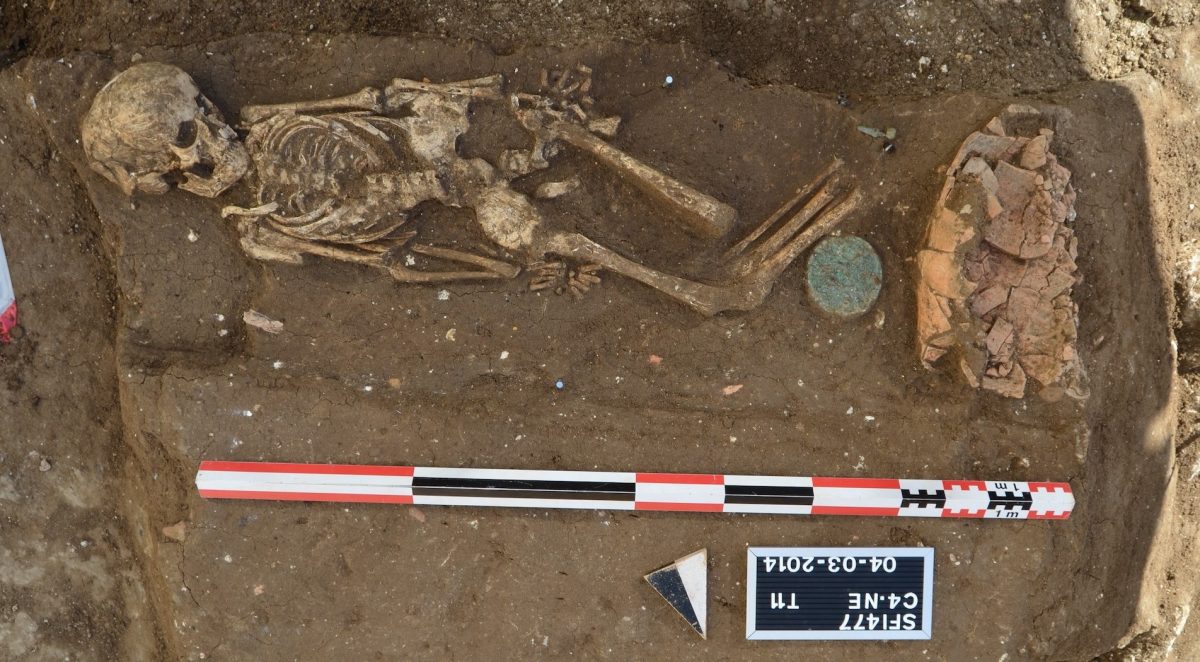
4,000 years of contact had little genetic impact in Near East
Only three periods had lasting effect on genetics of local people in Beirut.
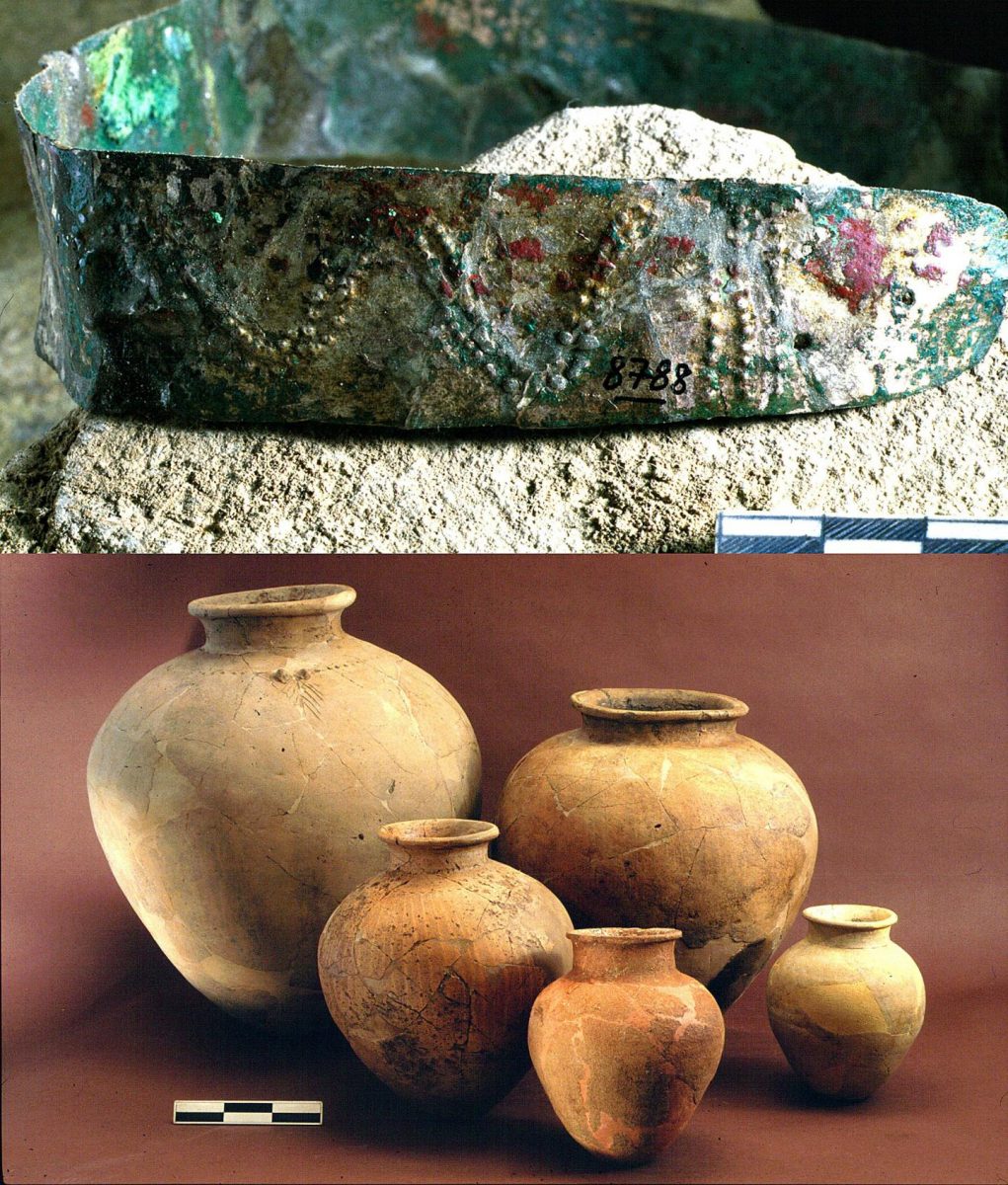
Human mobility and Western Asia’s early state-level societies
Archaeogenomic analysis of Anatolia, Northern Levant and the Southern Caucasus sheds light on population dynamics from the Neolithic to Bronze Age, as peoples transitioned from farming to pastoralist communities and early state-level societies.
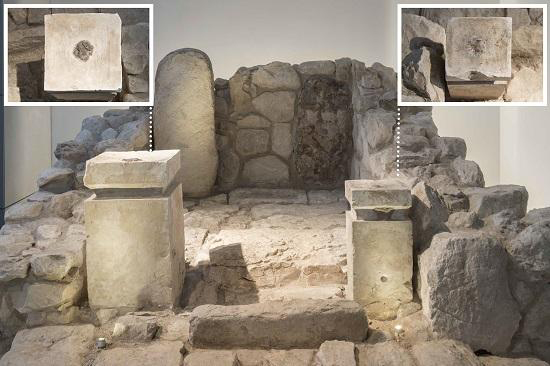
Cannabis and Frankincense at the Judahite Shrine of Biblical Arad
Analysis of the material on two Iron Age altars discovered at the entrance to the "holy of holies" of a shrine at Tel Arad in the Beer-sheba Valley, Israel, were found to contain Cannabis and Frankincense.
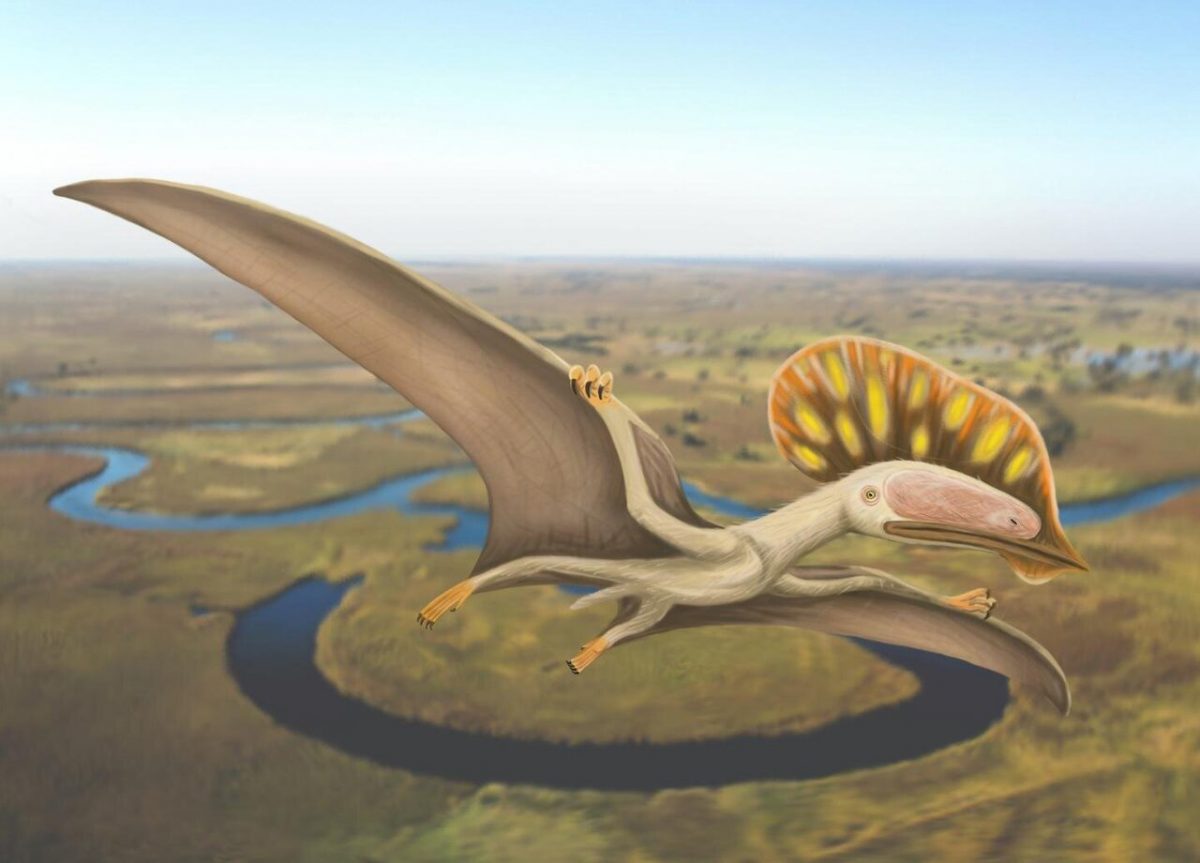
Chinese pterodactyl wings its way to the United Kingdom
The first ever specimen of a pterodactyl, more commonly found in China and Brazil, has been found in the United Kingdom.
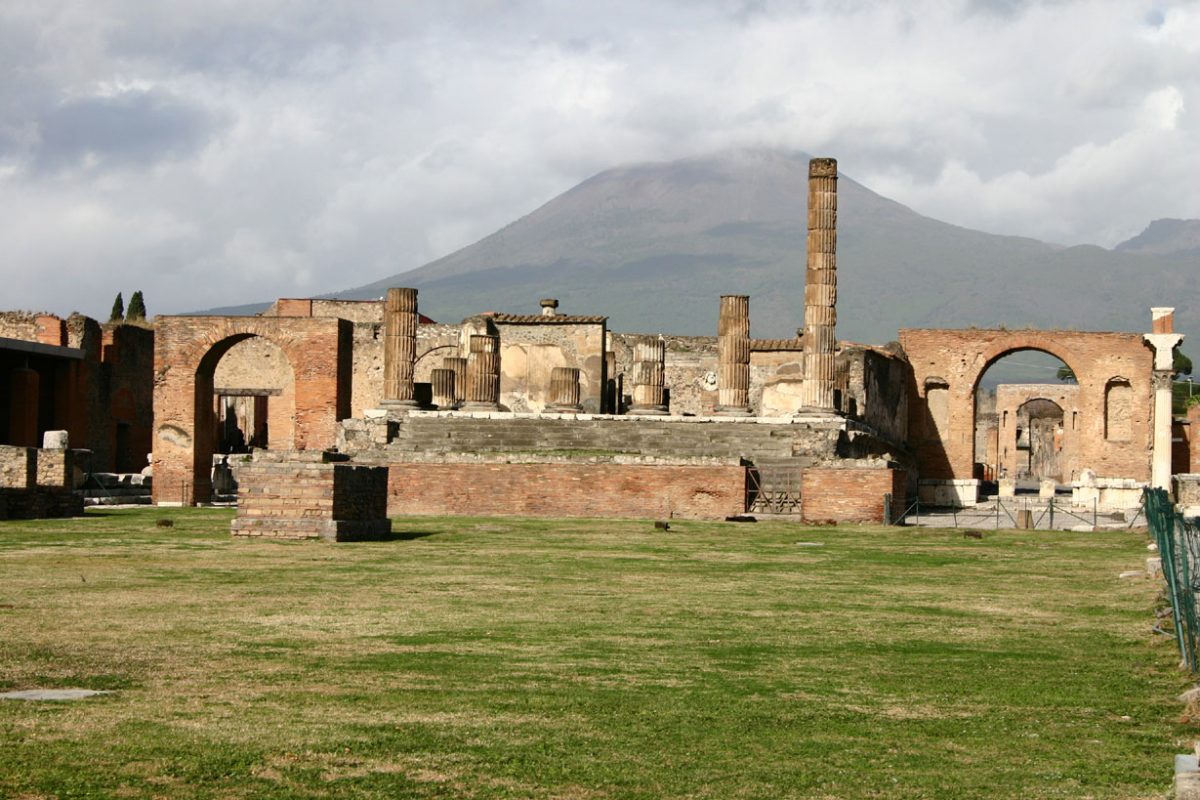
The archaeological site of Pompeii has reopened to the public
For this first phase of the reopening, scheduled to last two weeks, only a predetermined route may be followed.
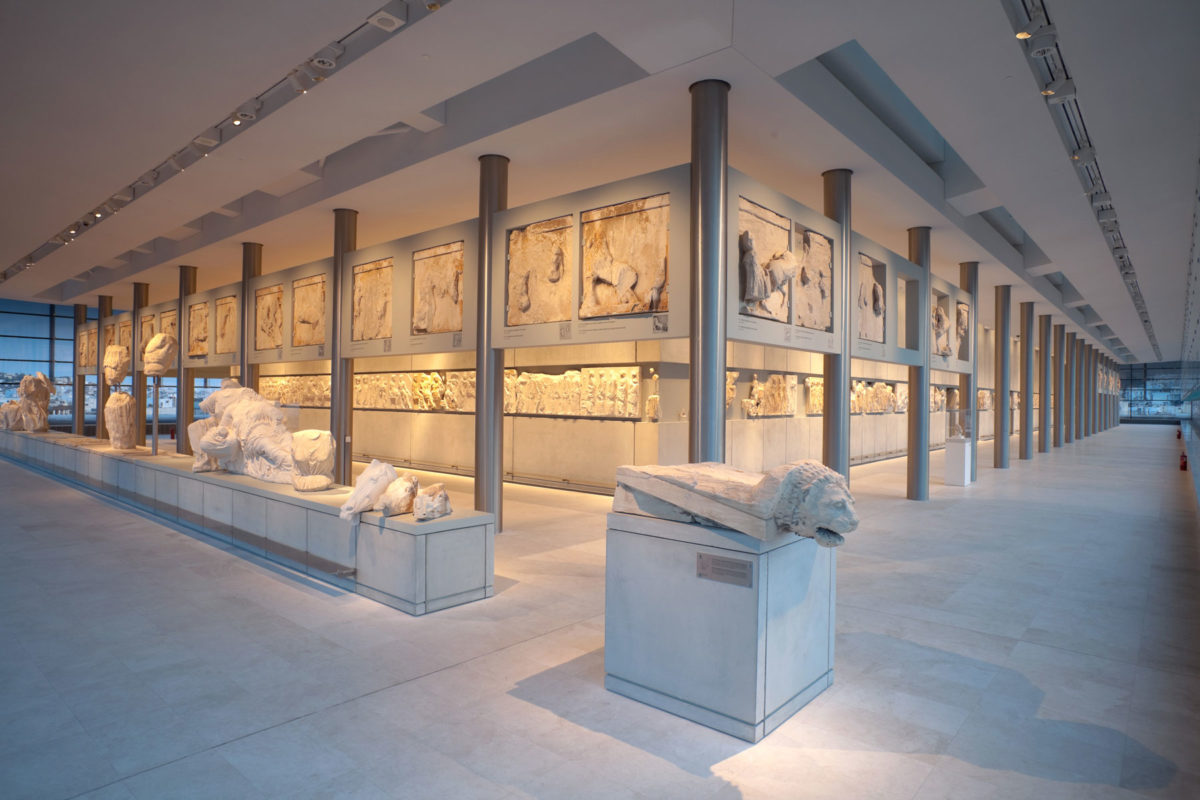
L. Mendoni: “It is time the British Museum reconsiders its position”
"International public opinion is now unreservedly in favour of the return of the Parthenon Sculptures to Athens" said the Minister.
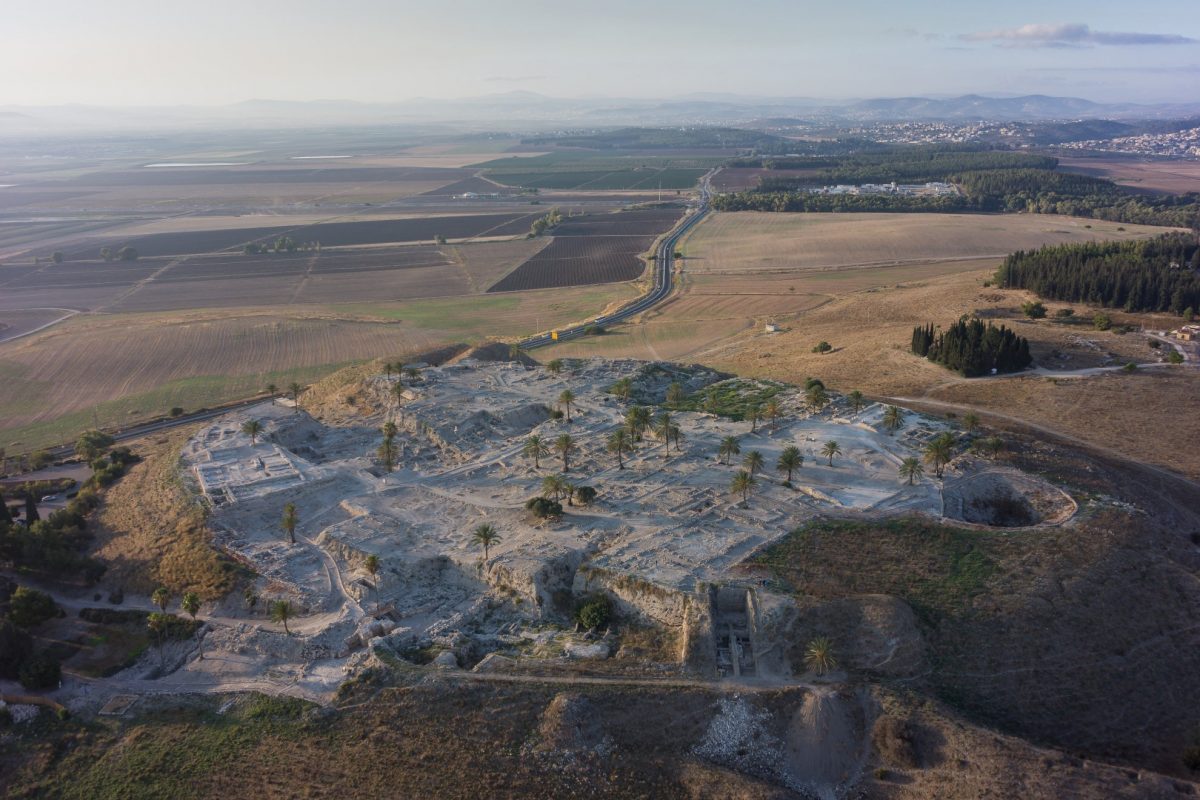
Who were the Canaanites?
Researchers reporting in the journal Cell on May 28 have new insight into the Canaanites’ history based on a new genome-wide analysis of ancient DNA collected from 73 individuals.
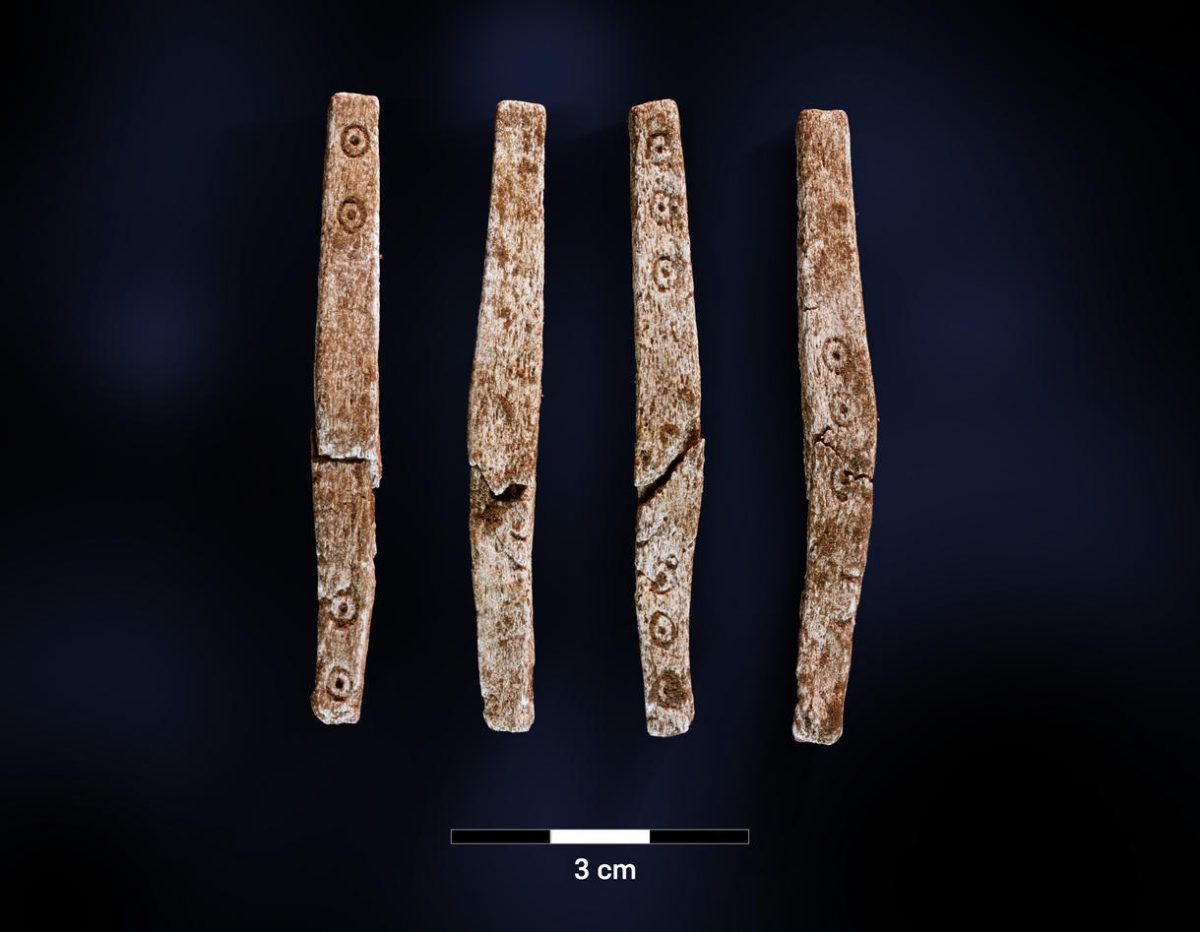
Roman Iron Age gaming pieces found in Norwegian Cairn
Archaeologists from the University Museum of Bergen have excavated a grave cairn in Western Norway and discovered several gaming pieces from the Roman Iron Age.
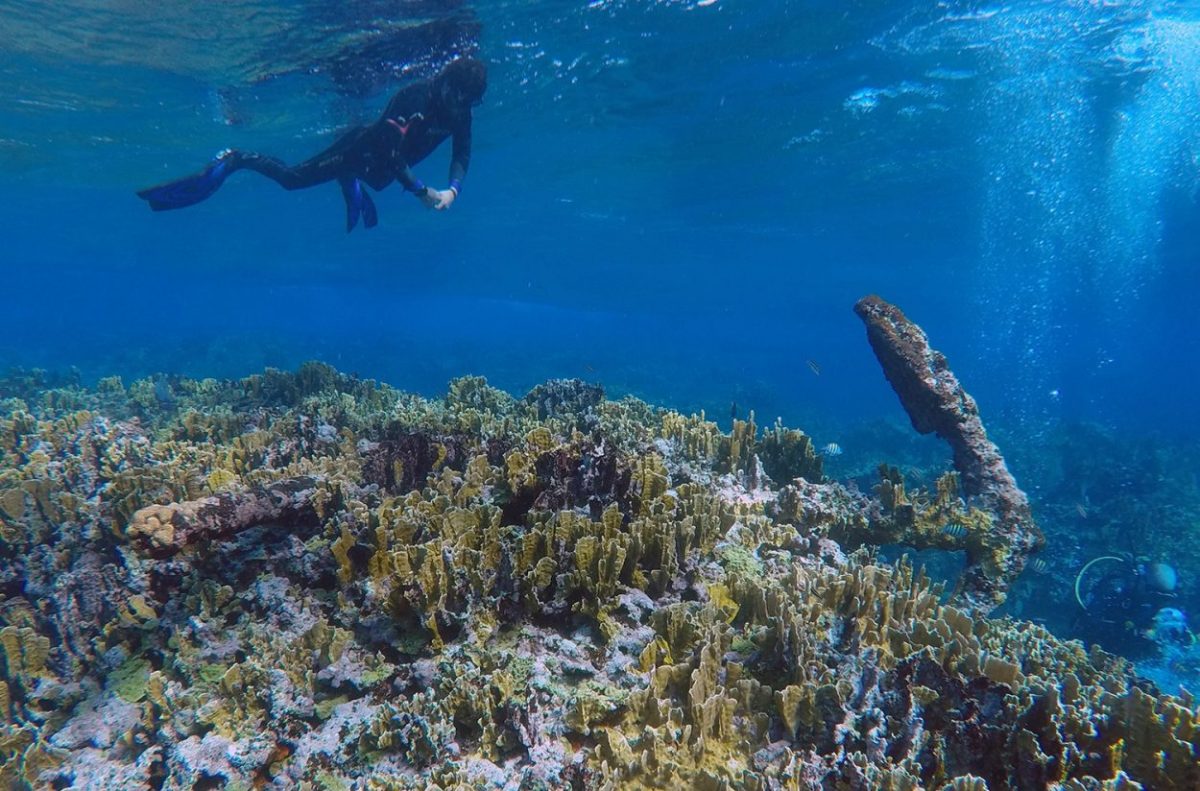
Underwater archaeologists from INAH discover 200-year-old wreck
The “Manuel Polanco” wreck, named after the fisherman who made the initial discovery whilst diving the Caribbean waters to find fish, lobsters or conch has been added to a national register of 70 shipwrecks in the Banco Chinchorro Biosphere Reserve.
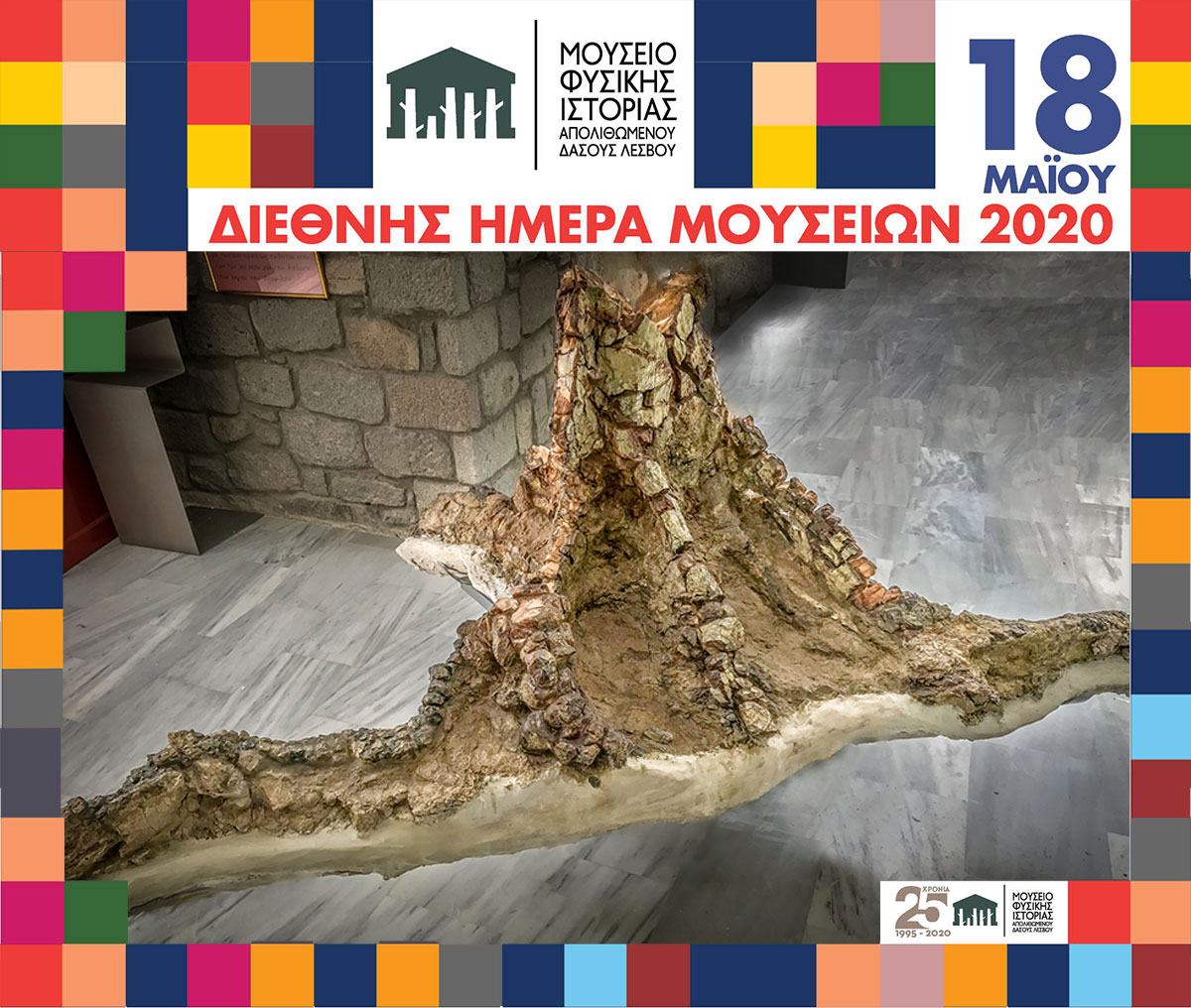
An 18 million year old fossilized tree trunk
It is a unique museum exhibit of its kind as it maintains the tree’s root system intact.