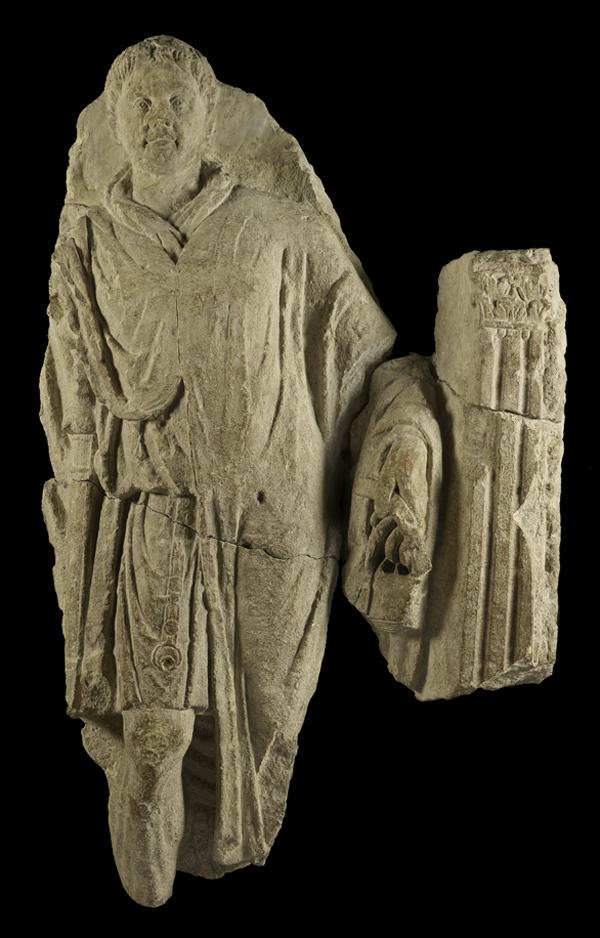
Bones of Roman Britons provide new clues to dietary deprivation
Researchers at the University of Bradford have shown a link between the diet of Roman Britons and their mortality rates for the first time, overturning a previously-held belief about the quality of the Roman diet.
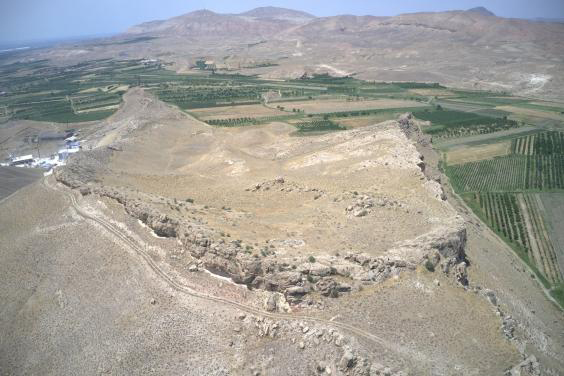
Major fortress-settlement in the Armenian Highlands excavated
A team of researchers and students from HKU unearthed huge storage jars, animal bones and fortress walls from 3,000 years ago in Armenia as they initiated the Ararat Plain Southeast Archaeological Project (APSAP) during the summer of 2019. APSAP is
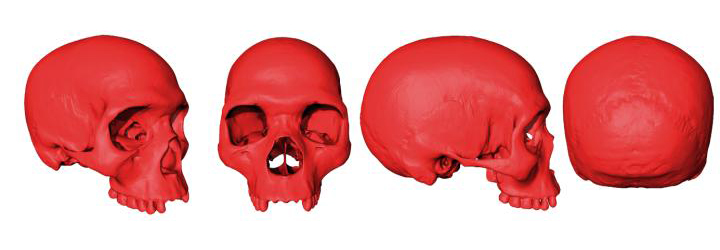
What the noggin of modern humans’ ancestor would have looked like
Virtual model of ancestor shared by all members of Homo sapiens.
Credit: © Aurélien Mounier / CNRS-MNHN
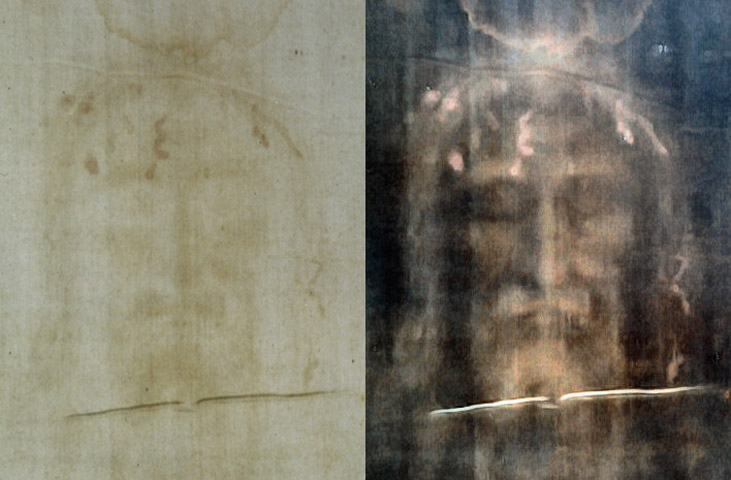
Traces of Byzantine coins found on the Holy Shroud
The discovery is included in a paper published by a team of researchers from the University of Padua in the Journal of Cultural Heritage.
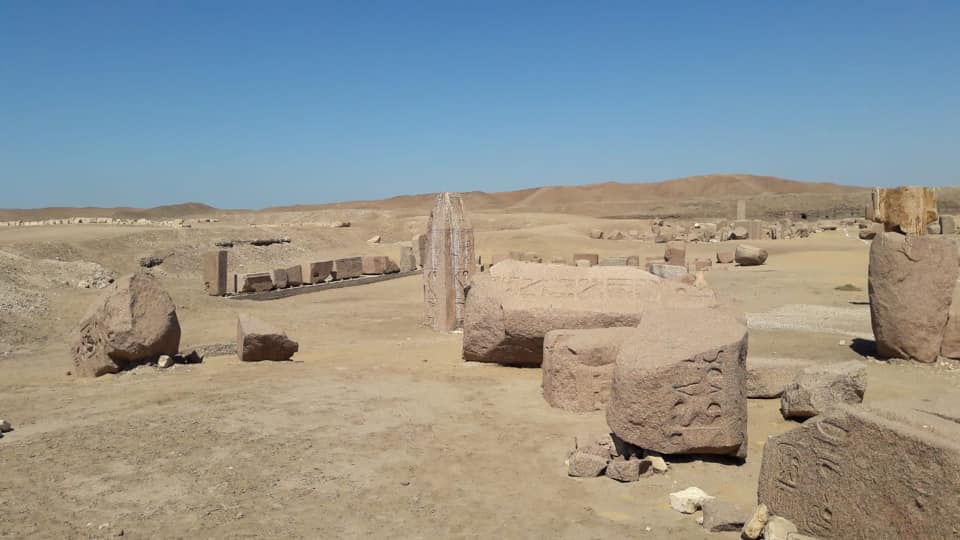
Obelisk of Ramesses II to be raised at Tahrir Square
Parts of one of Ramses II's obelisks have been moved from the archaeological site of San el-Hagar (Sharkia governorate) to Cairo.
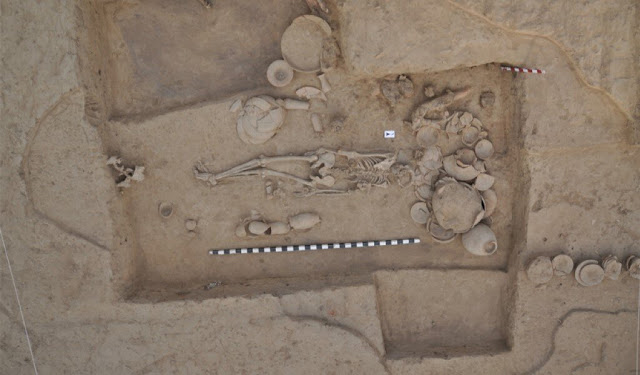
Largest-ever ancient-DNA study illuminates millennia of South and Central Asian prehistory
The study reveals in unprecedented detail the shifting ancestry of Central and South Asian populations over time.
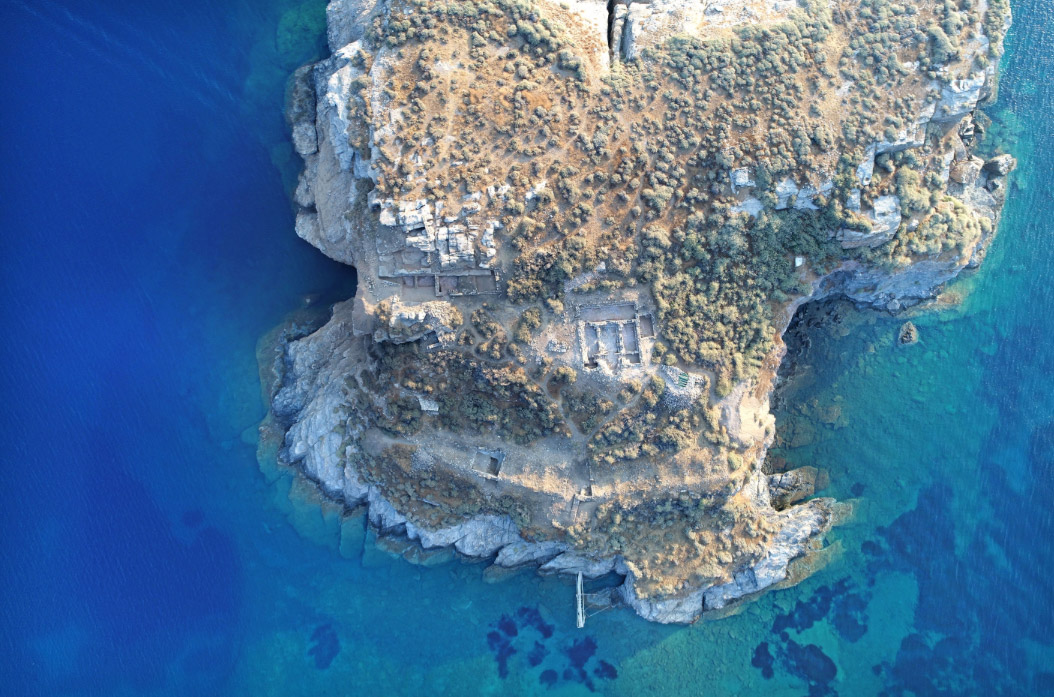
Important Finds at Vryokastraki
An Early Byzantine installation has been discovered with part of the coastal wall and gate, an Early Christian basilica, as well as monumental structures belonging to an important ancient sanctuary.
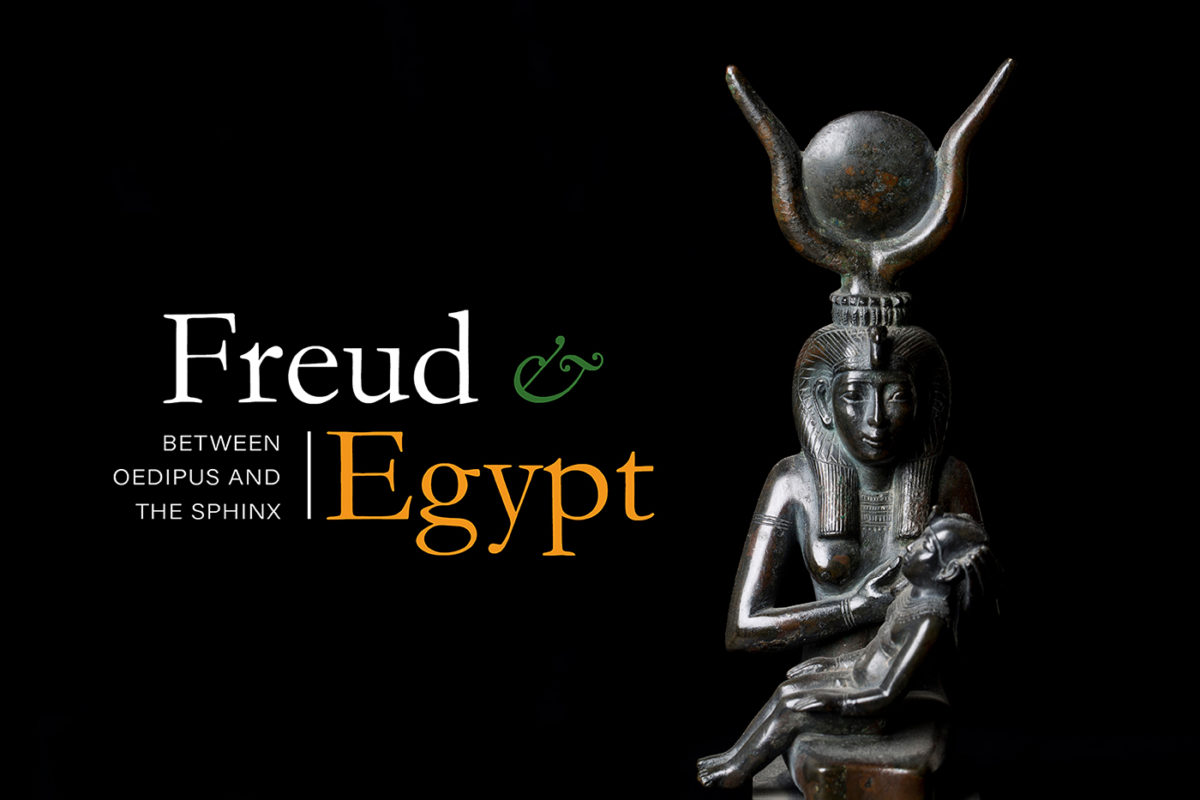
Between Oedipus and the Sphinx: Freud and Egypt
The exhibition explores Freud’s enduring fascination with Egypt evident both in his writings and in his collection of antiquities.
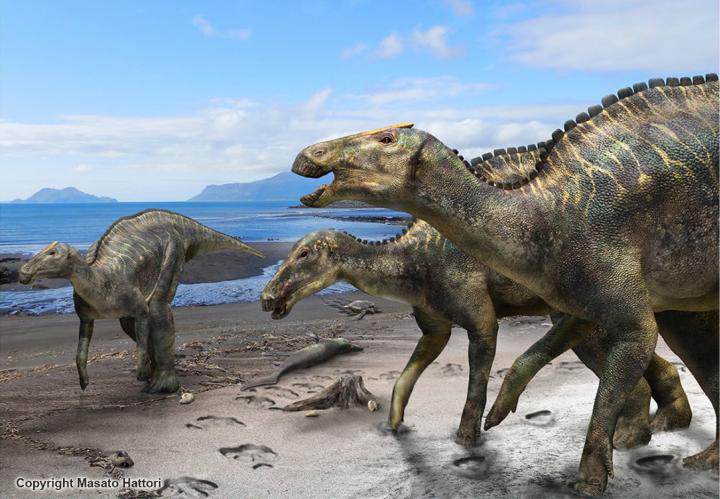
A new duck-billed dinosaur identified
The dinosaur, whose nearly complete skeleton was unearthed from 72 million year old marine deposits in Mukawa Town in northern Japan, belongs to a new genus.
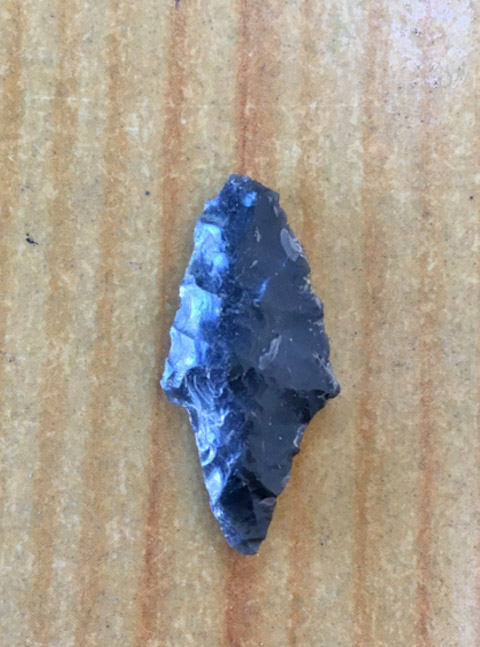
Prehistoric settlement unearthed on the outskirts of Karystos
An important prehistoric settlement has been unearthed after a two-year systematic excavation at the site of Gourimadi.
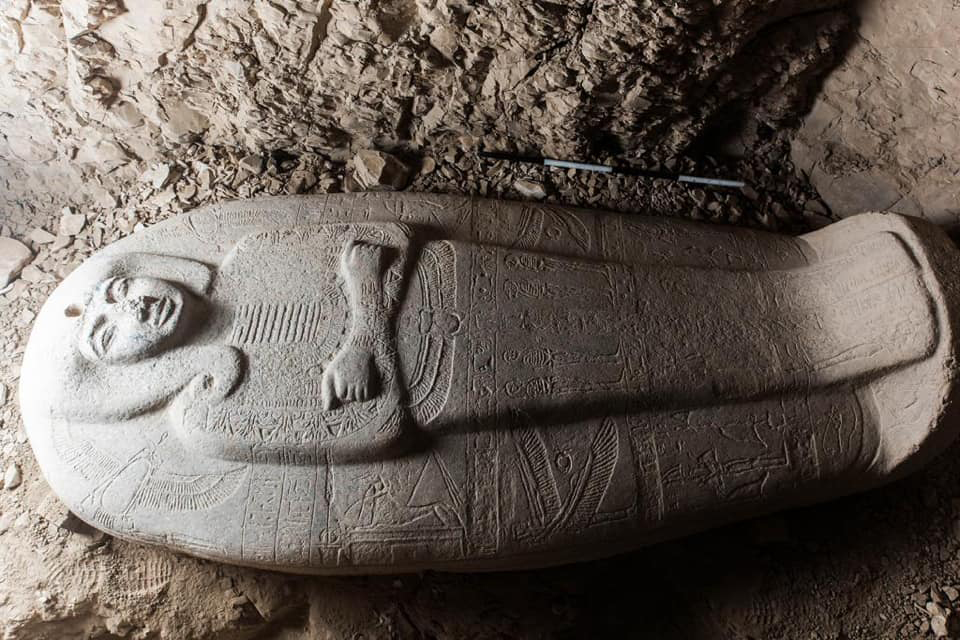
Ancient Egyptian Queen’s sarcophagus goes on display in Luxor Museum
More than two decades after its discovery, the Ministry of Antiquities will exhibit, for the first time, the sarcophagus of Queen Tausert, the last ruler of the 19th Dynasty.
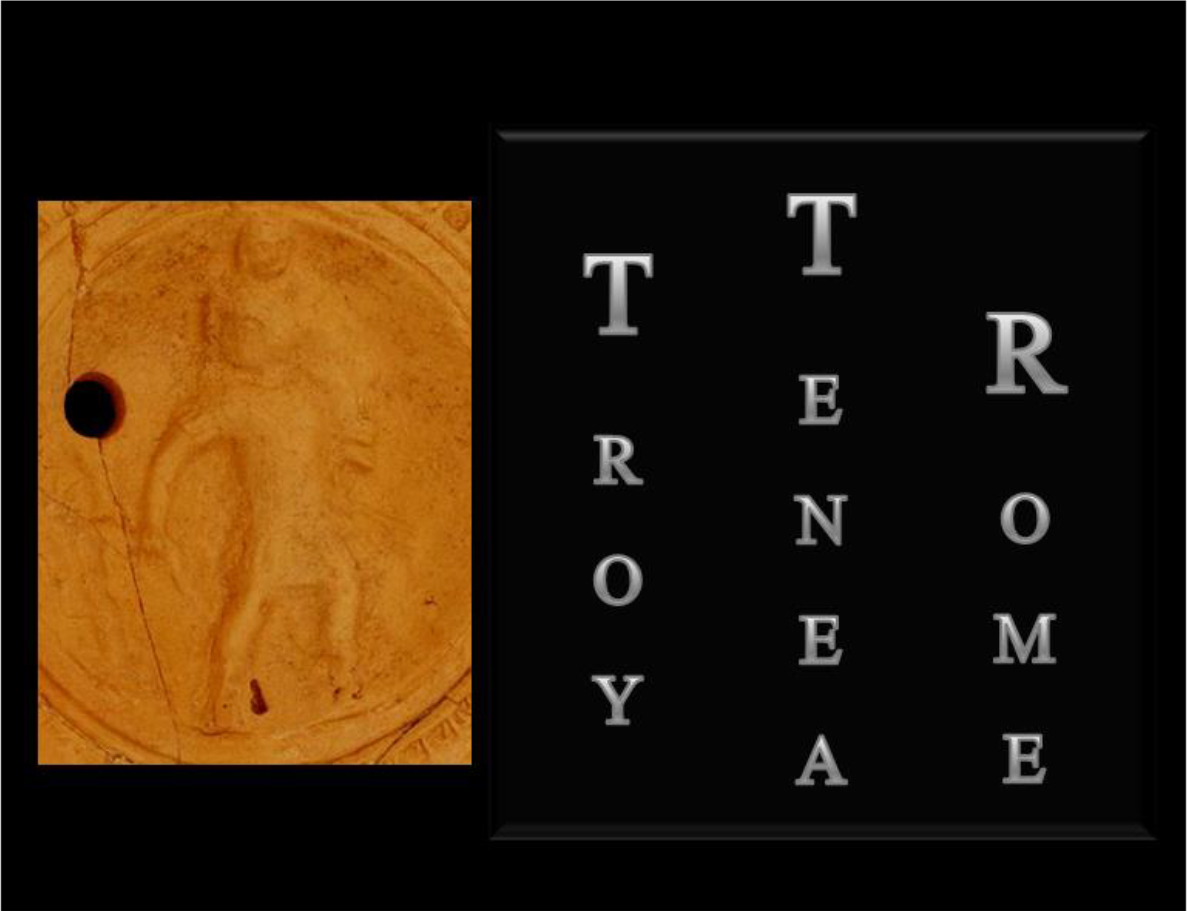
International Conference: Troy-Tenea-Rome
All interested in participating are asked to send title and short text regarding thier subject, by the 15th of September.
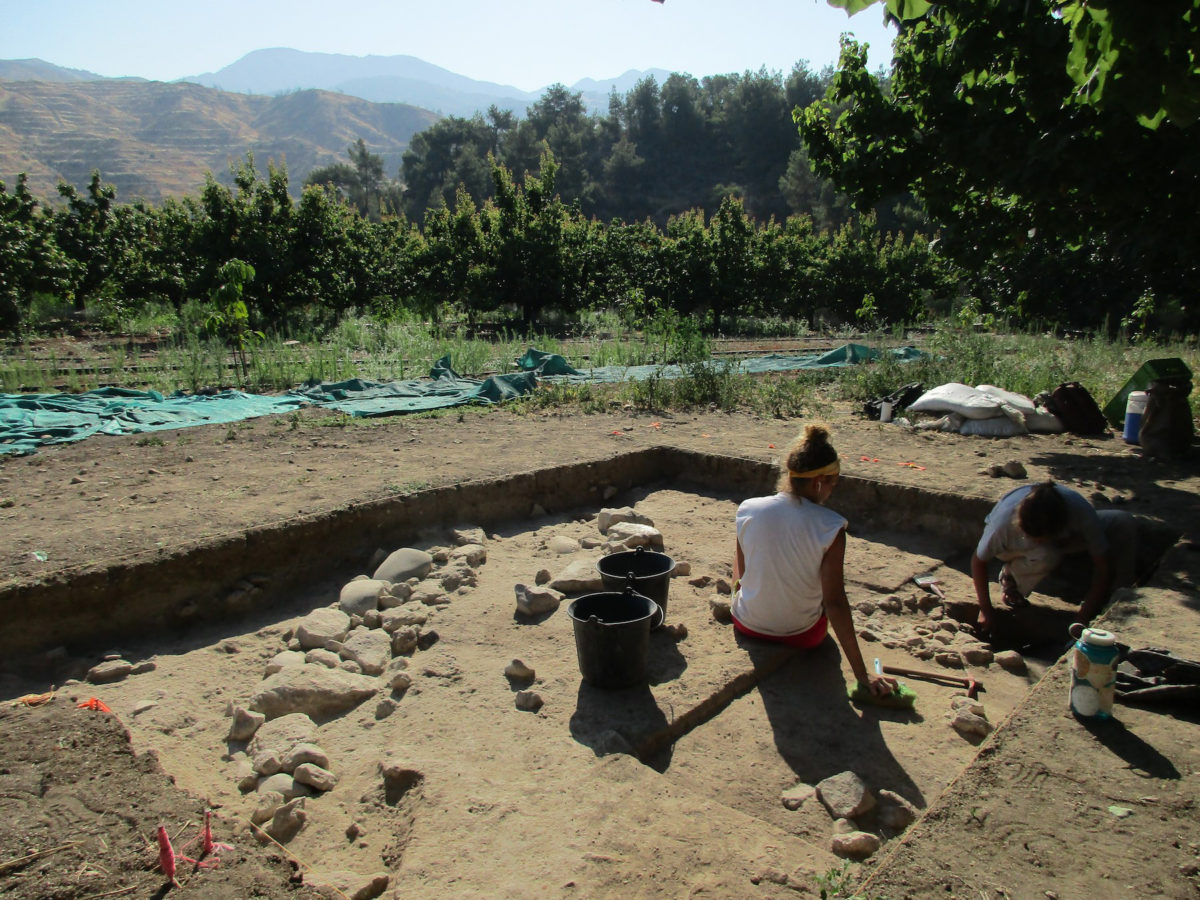
2019 season of the Makounta-Voules Archaeological Project completed
Excavations continued at the Makounta-Voules site focusing on a large ditch, a fire installation and a Chalcolithic round house.
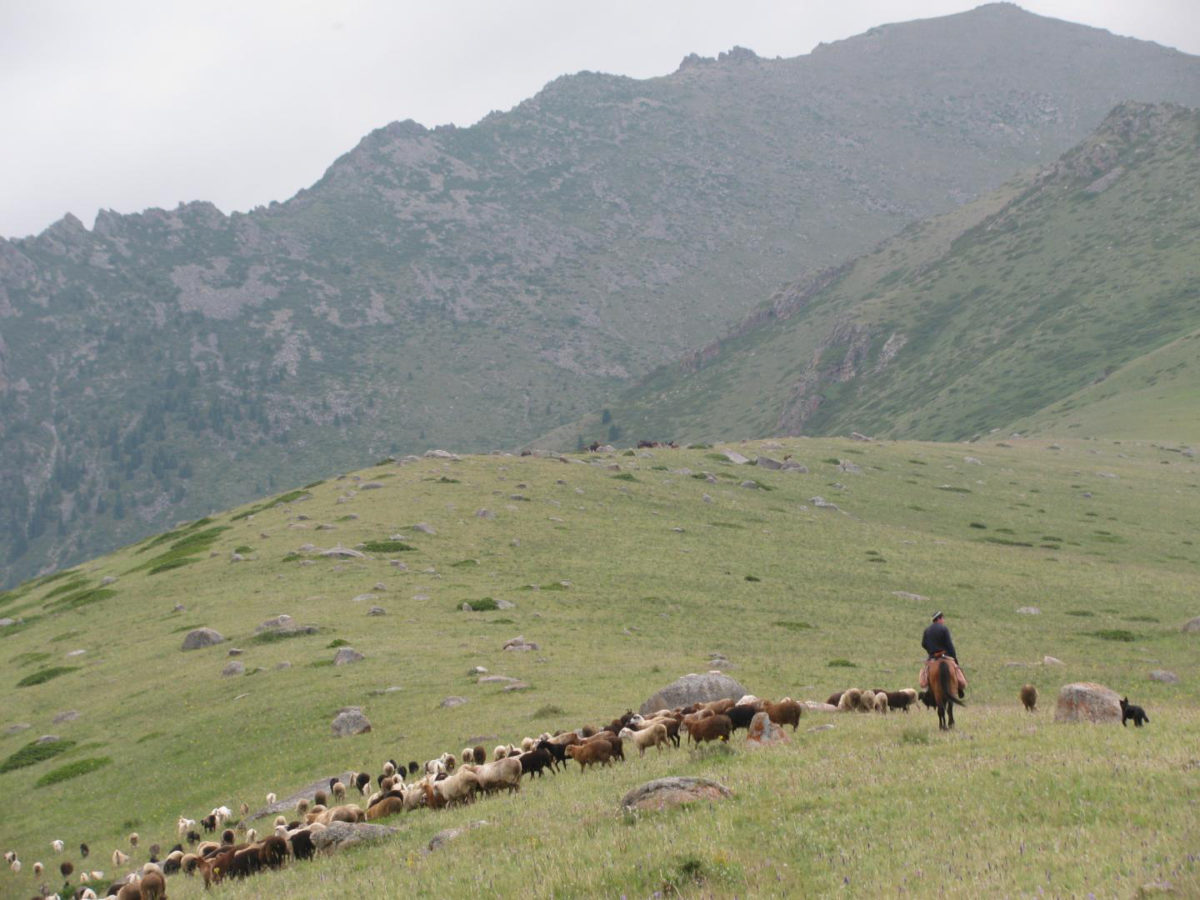
Livestock bones help date the earliest spread of millet grains outside China
New research uses DNA from the skeletal remains of sheep and goats to show that animals first domesticated in the Near East had reached eastern Kazakhstan by 2700 BC.
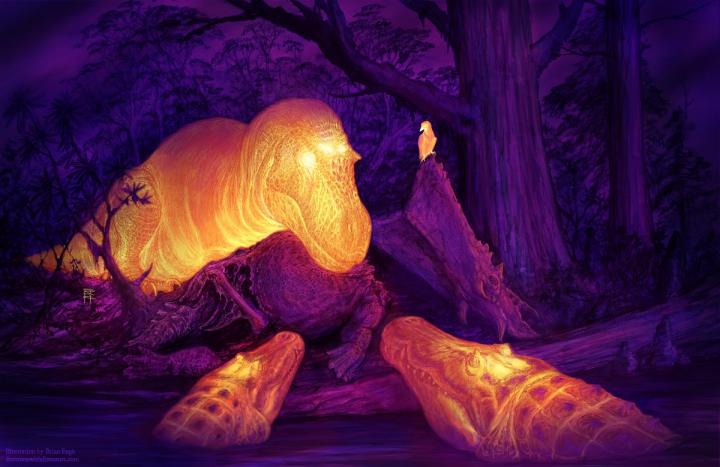
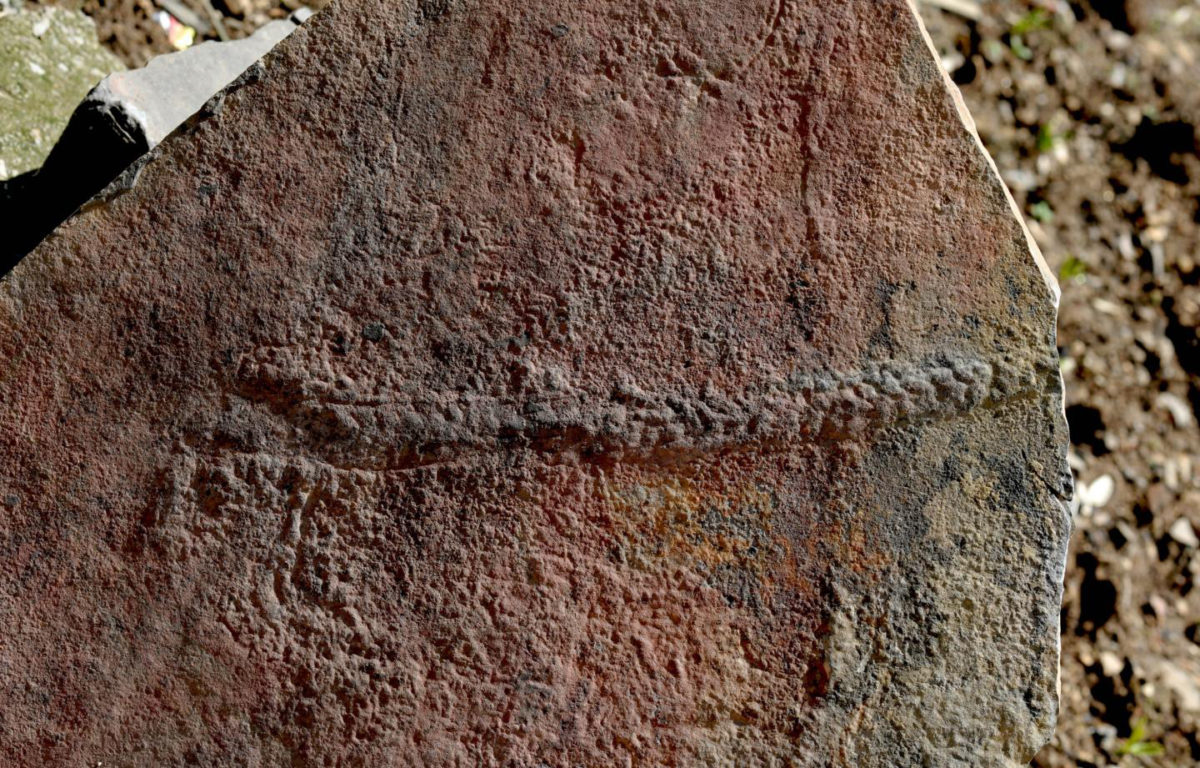
Fossils dating back 550 million years among first animal trails
'Mobility made it possible for animals to make an unmistakable footprint on Earth, both literally and metaphorically', Shuhai Xiao said.
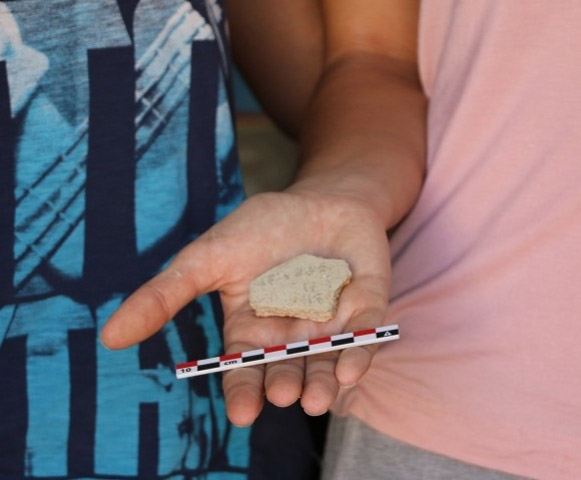
Historical discovery on the citadel of Ancient Paphos
This year’s excavation season took place in May-June 2019 and concentrated on the plateau of Hadjiabdoulla.
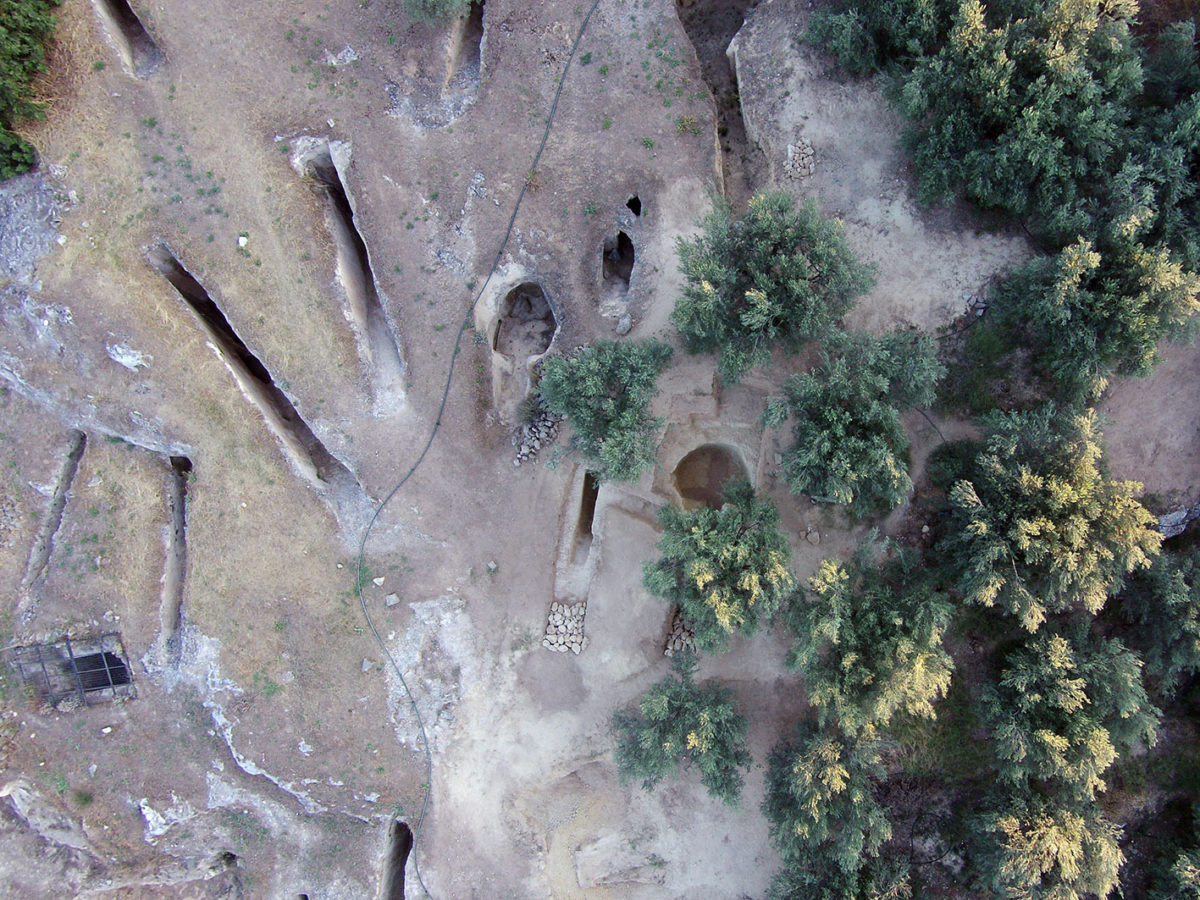
Two unplundered tombs discovered at Aidonia cemetery
The first of the two tombs which preserved its chamber roof contained two primary burials and the collected bones of 14 more individuals.
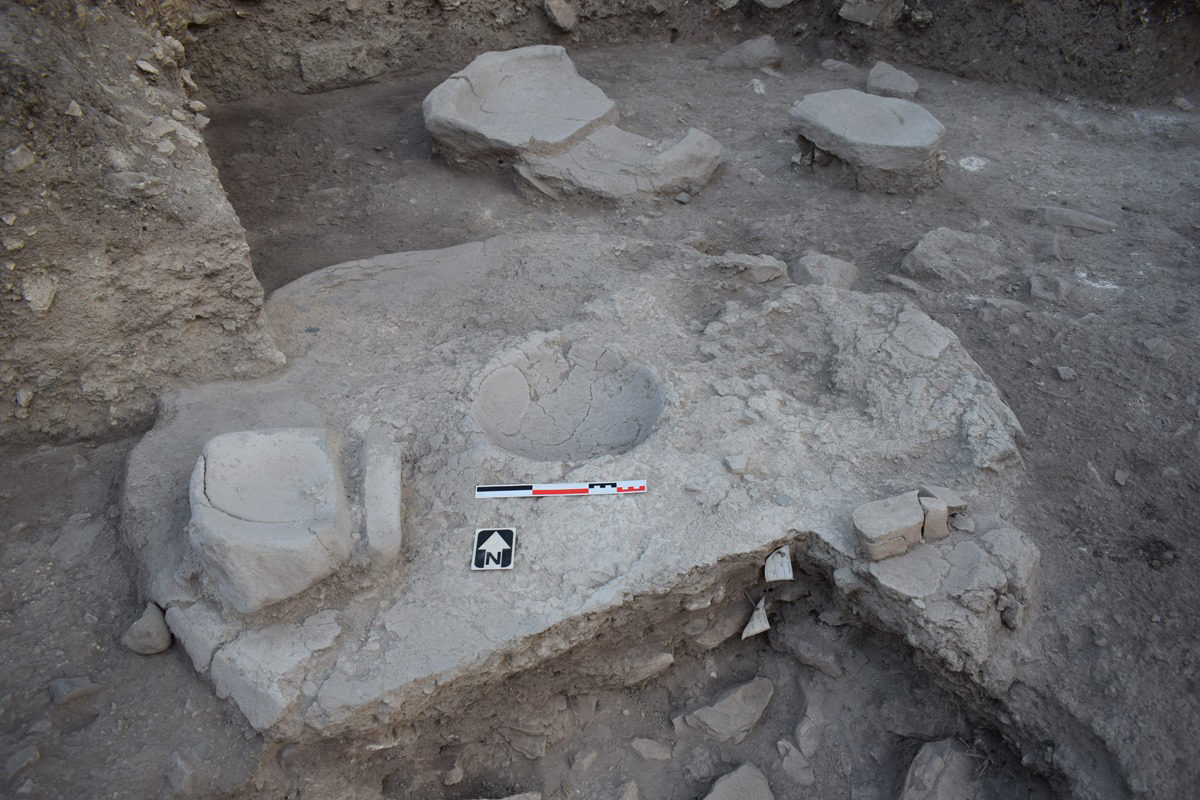
The eleventh season of excavations at Prasteio-Mesorotsos
This season, the team uncovered the interior space of a presumed Chalcolithic building, and focused on the earliest phases of the Bronze Age.
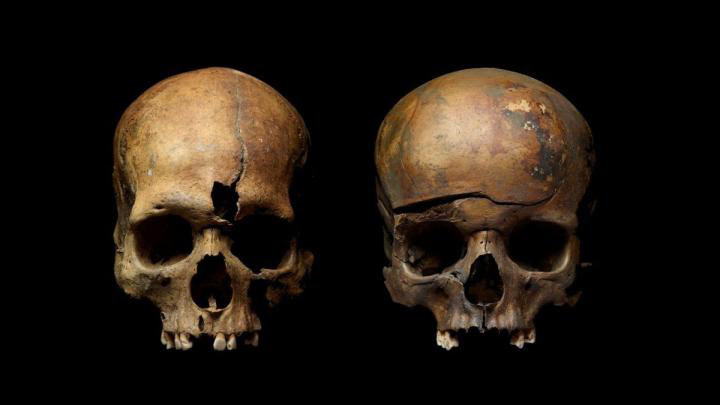
Genes reveal kinship between 3 victims of Mongol army in 1238 massacre
'In addition to recreating the overall picture of the fall of the city in 1238, we now see the tragedy of one family,' said Asya Engovatova, deputy director of the Institute of Archaeology, RAS, and head of excavations on the Yaroslavl site.
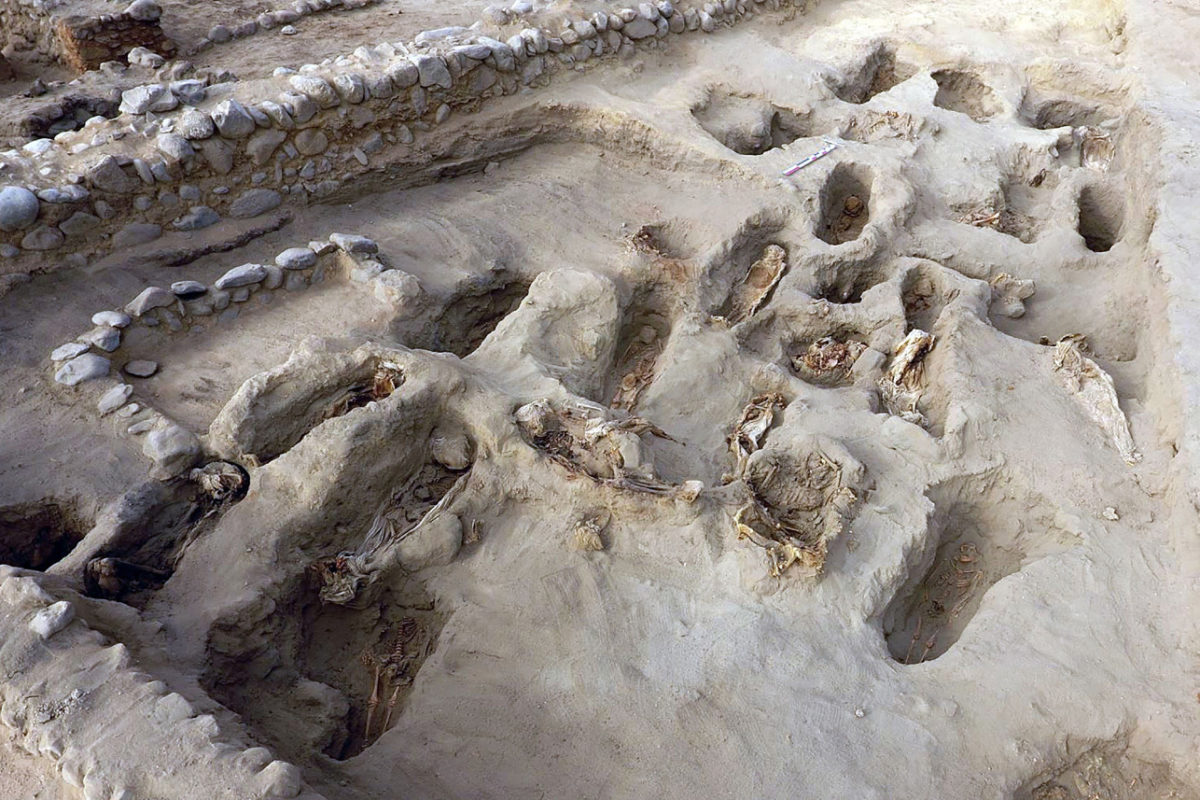
Remains of 227 sacrificed children unearthed in Peru
A mass child sacrifice was excavated at Huanchaco, 346 miles north of Lima, Peru.
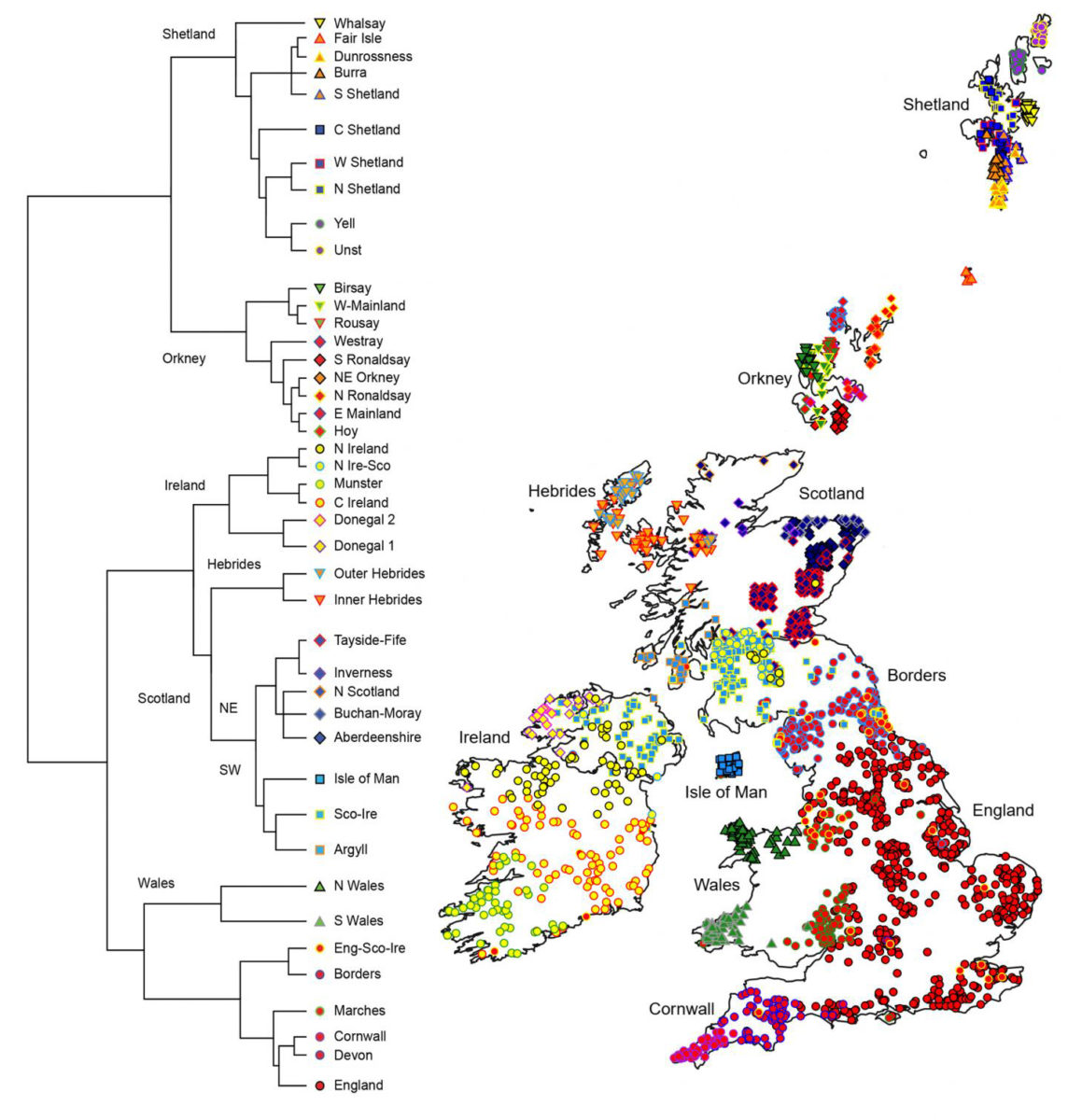
Scotland’s genetic landscape echoes Dark Age populations
The DNA of Scottish people still contains signs of the country's ancient kingdoms, with many apparently living in the same areas as their ancestors did more than a millennium ago.
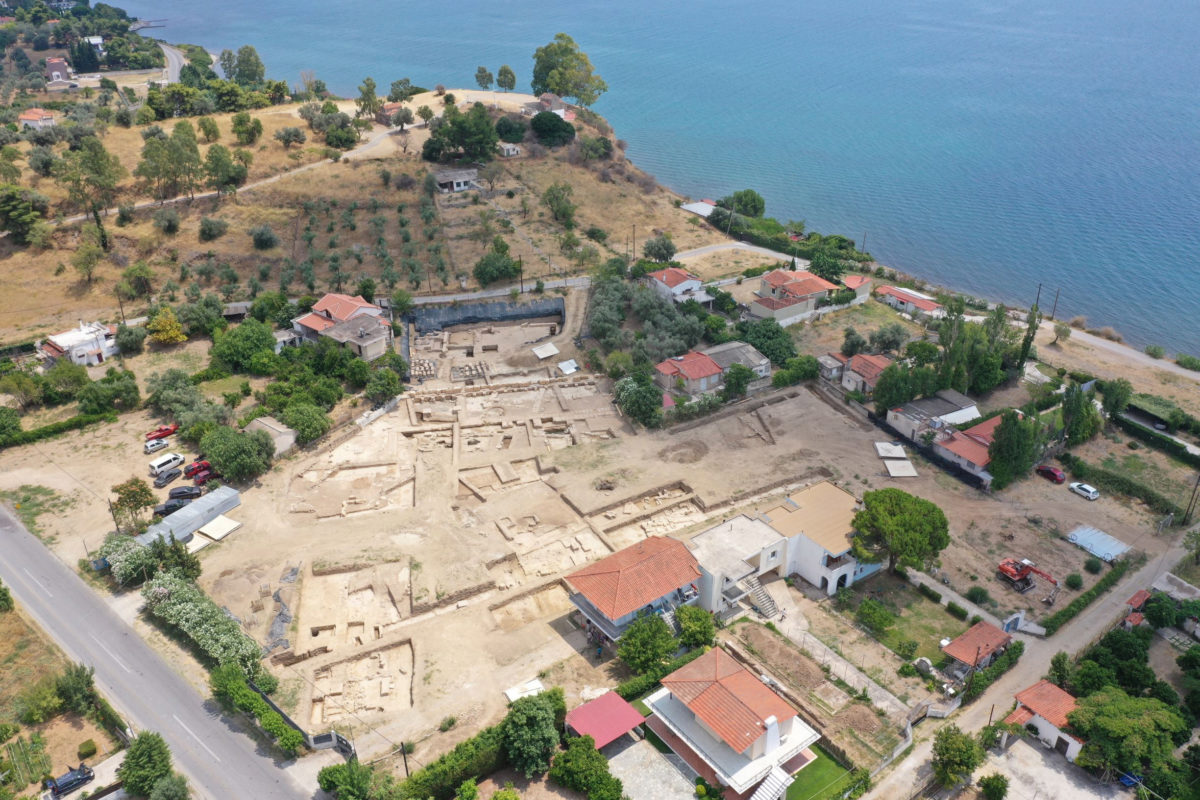
The toponym ‘Amarynthos’ is found for the first time on an inscription
As stated in the announcement by the Ministry of Culture and Sports, the inscription was found on a Roman fountain used for a second time and has not survived intact.
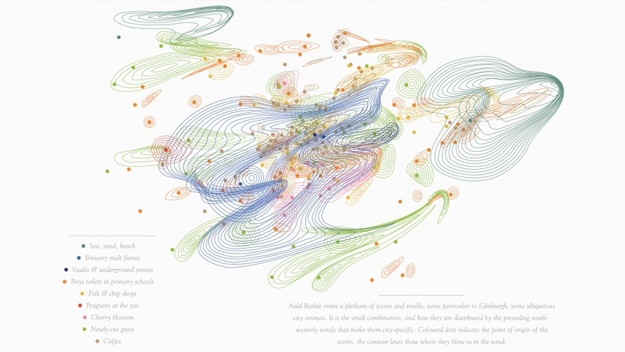
What does culture smell like?
Dora Goldsmith, Birthe Leemeijer and Dr. Kate McLean re-examine the way we experience history and urban life – translating smells into stories and maps.