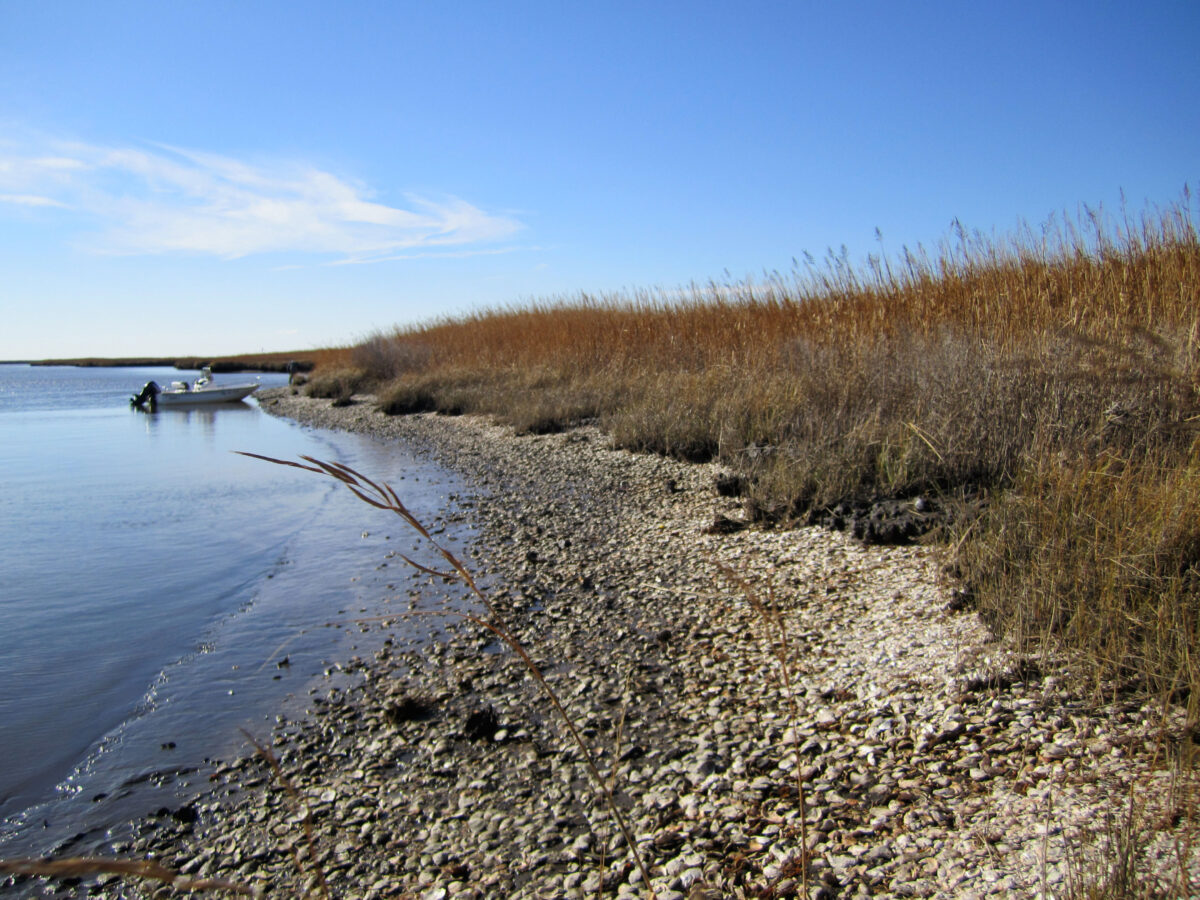
Indigenous oyster fisheries were hugely productive
Global study of indigenous oyster fisheries finds evidence of huge harvests spanning hundreds and even thousands of years.
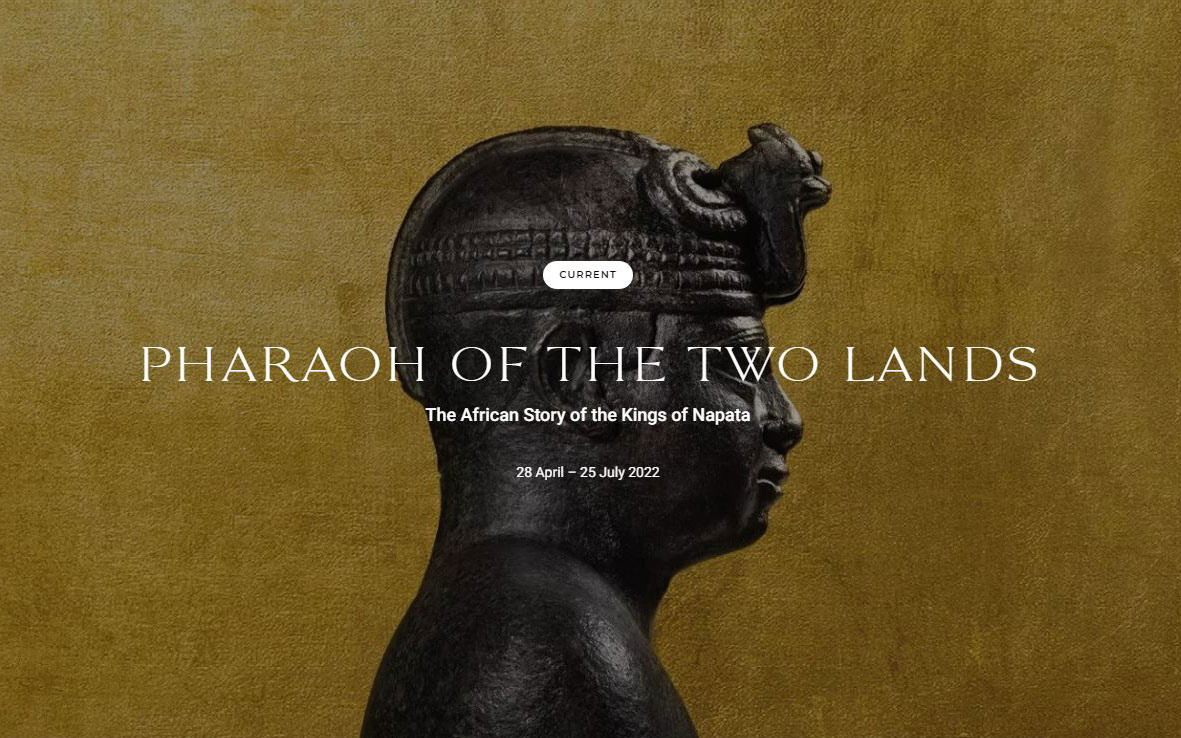
Pharaoh of the two lands at the Louvre
The exhibition highlights the importance of this vast kingdom, located in what is now northern Sudan.
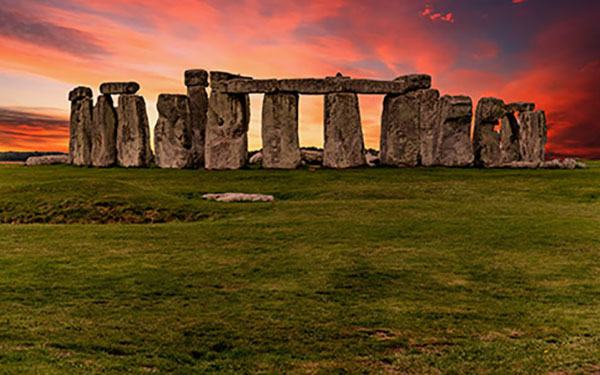
Study reveals Stonehenge landscape before the world-famous monument
Four thousand years before Stonehenge there was open woodland, with meadow-like clearings, inhabited by grazing animals and hunter-gatherers.
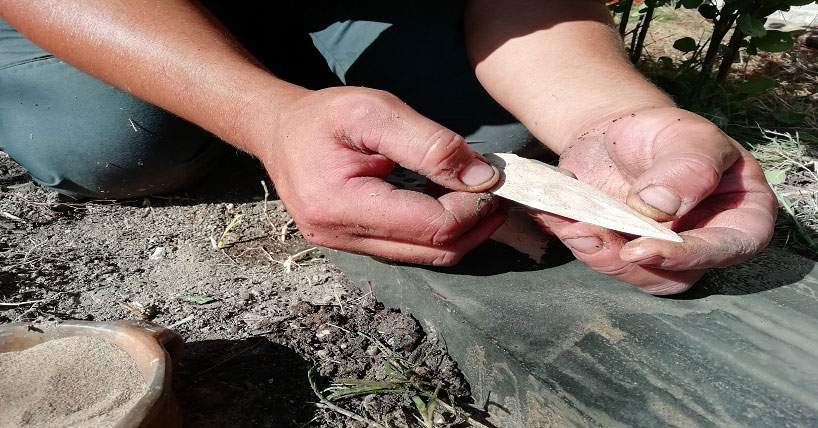
Research finally answers what Bronze Age daggers were used for
Analysis of Bronze Age daggers shows they were used for processing animal carcasses and not as non-functional symbols of identity and status.
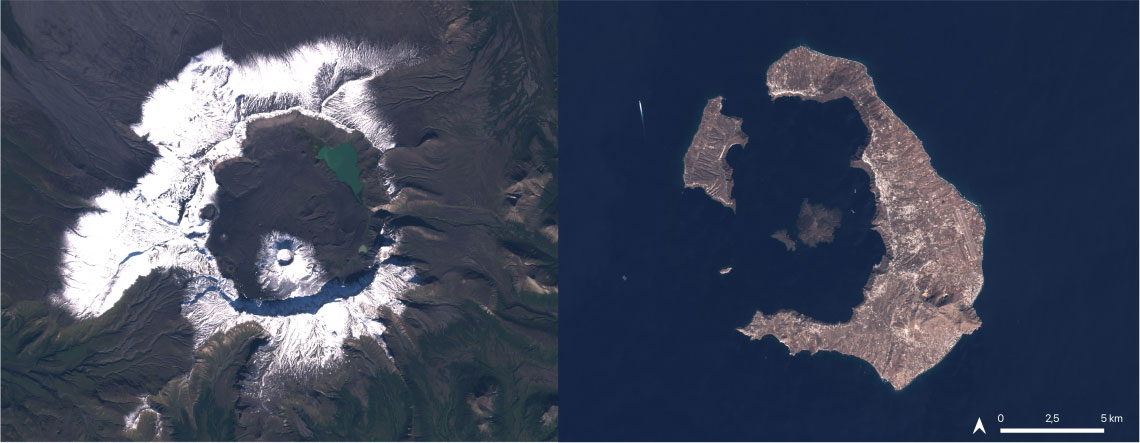
Researchers home in on Thera volcano eruption date
Experts identify one of the most climatically impactful volcanic eruptions and narrow down potential dates for the Thera volcano eruption.
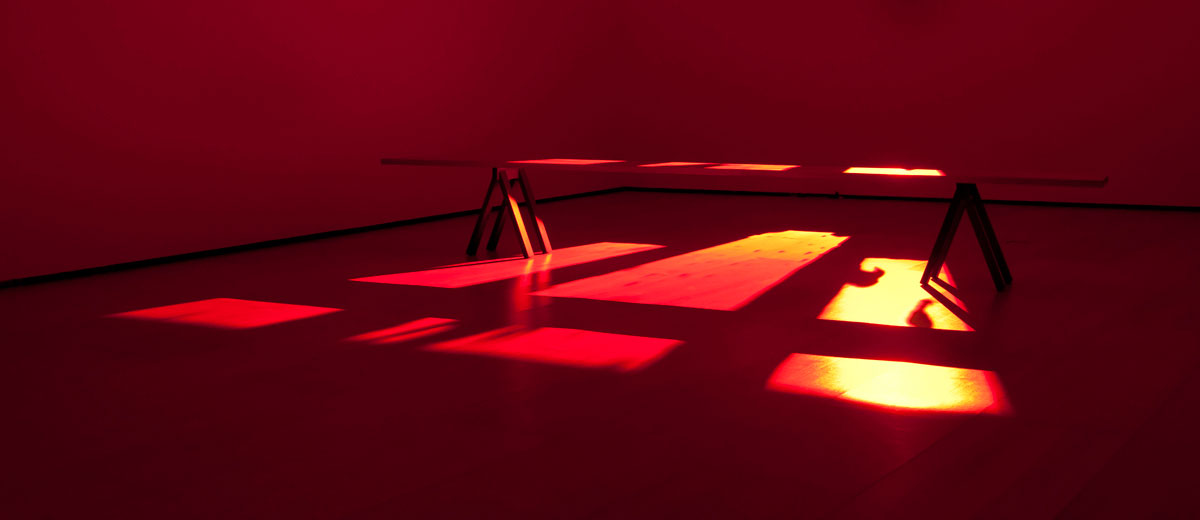
The D. Daskalopoulos Collection gift
A major body of important contemporary artworks from the D.Daskalopoulos Collection will be donated to 4 museums, in 3 countries over 2 continents.
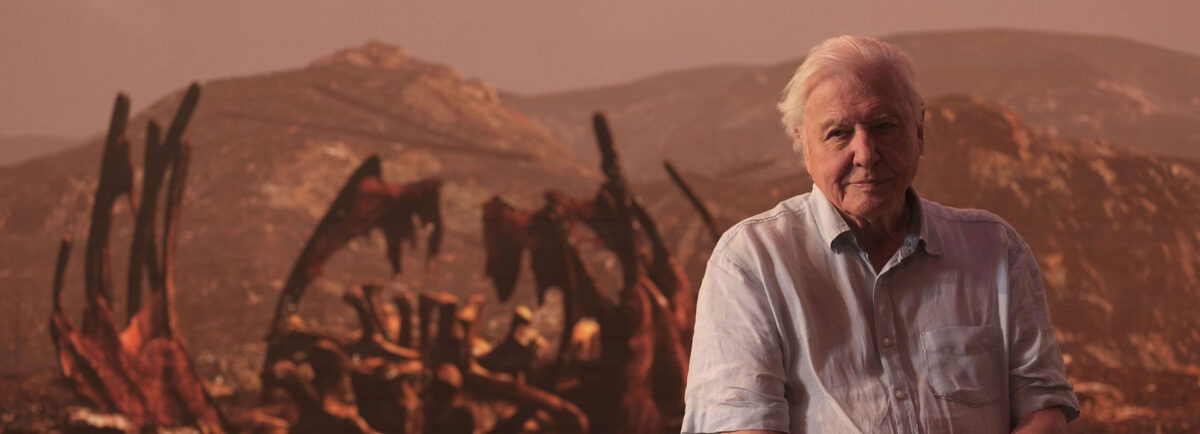
New palaeontology finds to feature in BBC One documentary Dinosaurs
Alongside other extraordinary treasures, these finds will feature in a new 90 minute film– Dinosaurs: The Final Day with David Attenborough which airs on 15 April on BBC One and iPlayer.
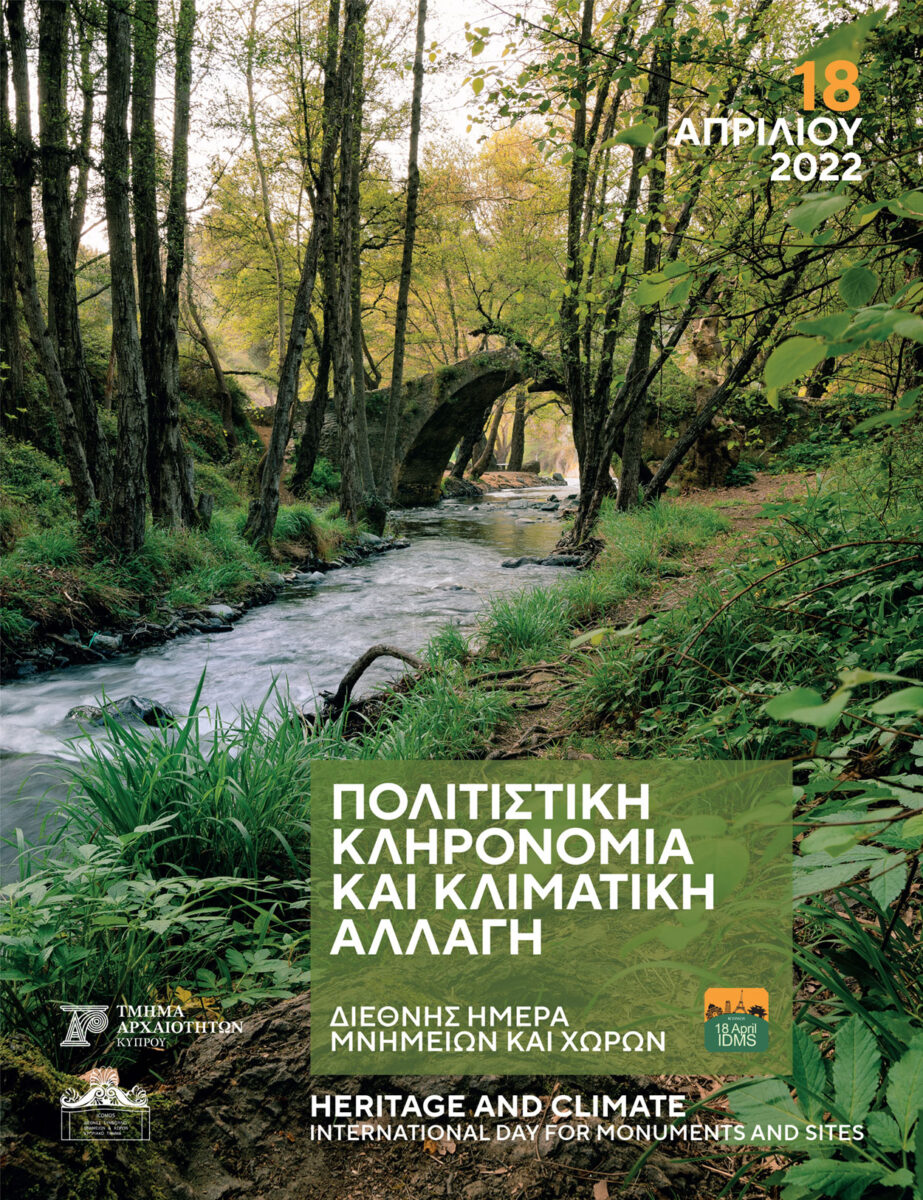
International Day for Monuments and Sites: Heritage and climate
The Department of Antiquities, Cyprus celebrates the International Day for Monuments and Sites on April 18, 2022.
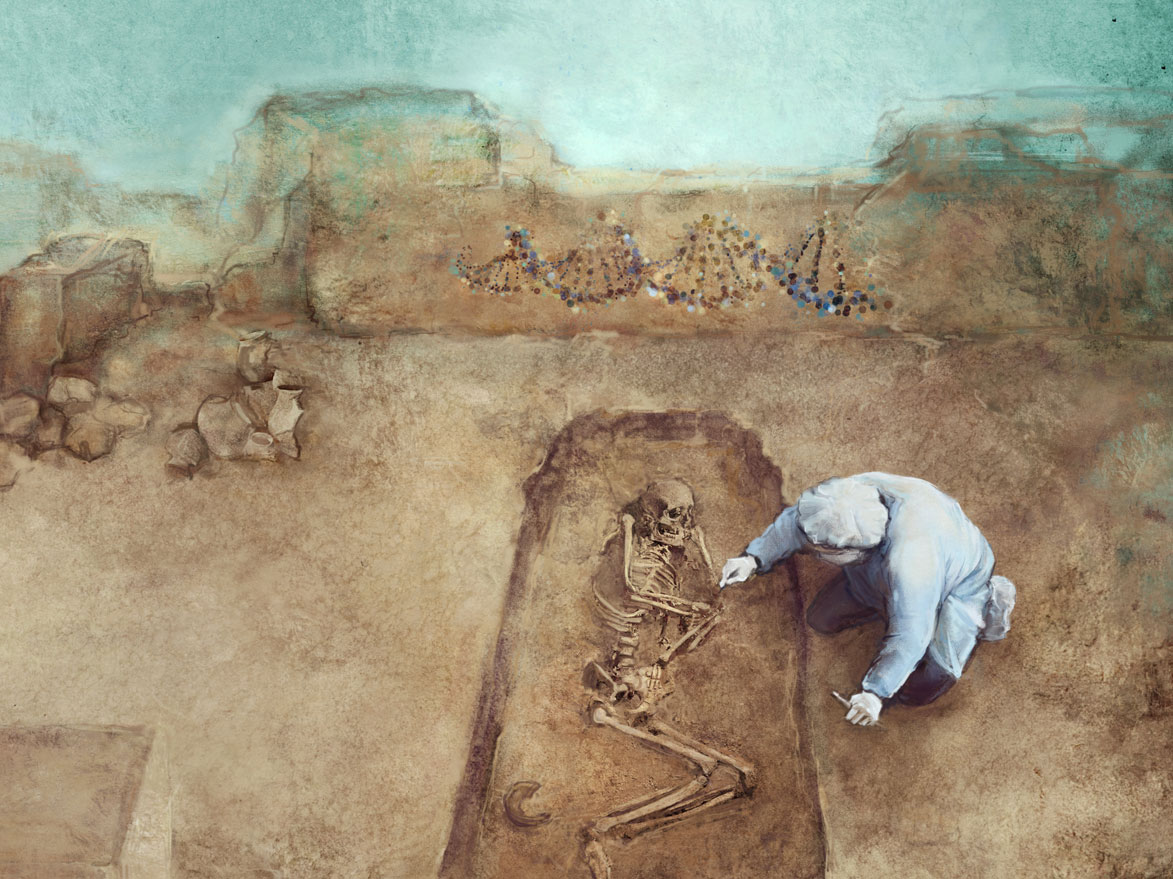
First European farmers’ heights did not meet expectations
A combined study shows that the switch from hunter-gatherers to farmers may have had negative health effects.
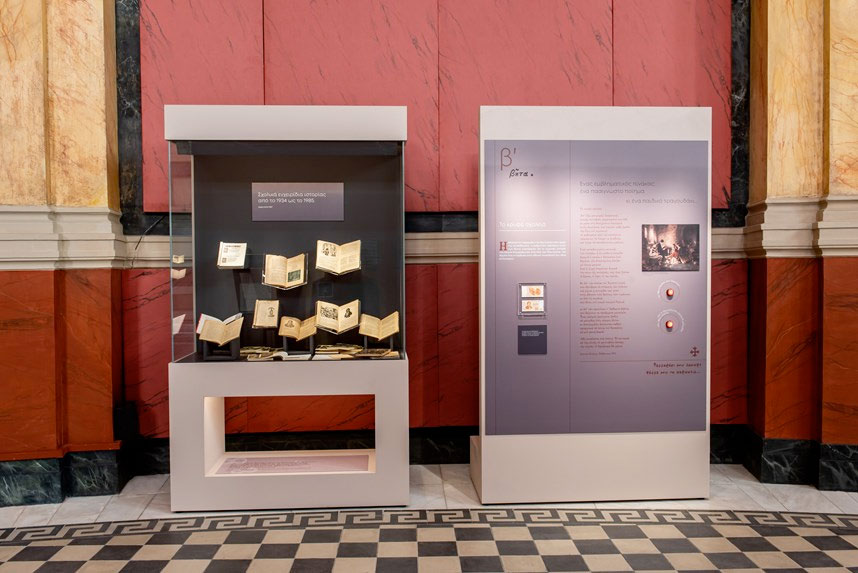
Learning to read and write from 1453 to the Greek War of Independence
Selected exhibits and contemporary interactive applications will attempt to provide answers to this essential but little-known aspect of Greek education before the Revolution of 1821.
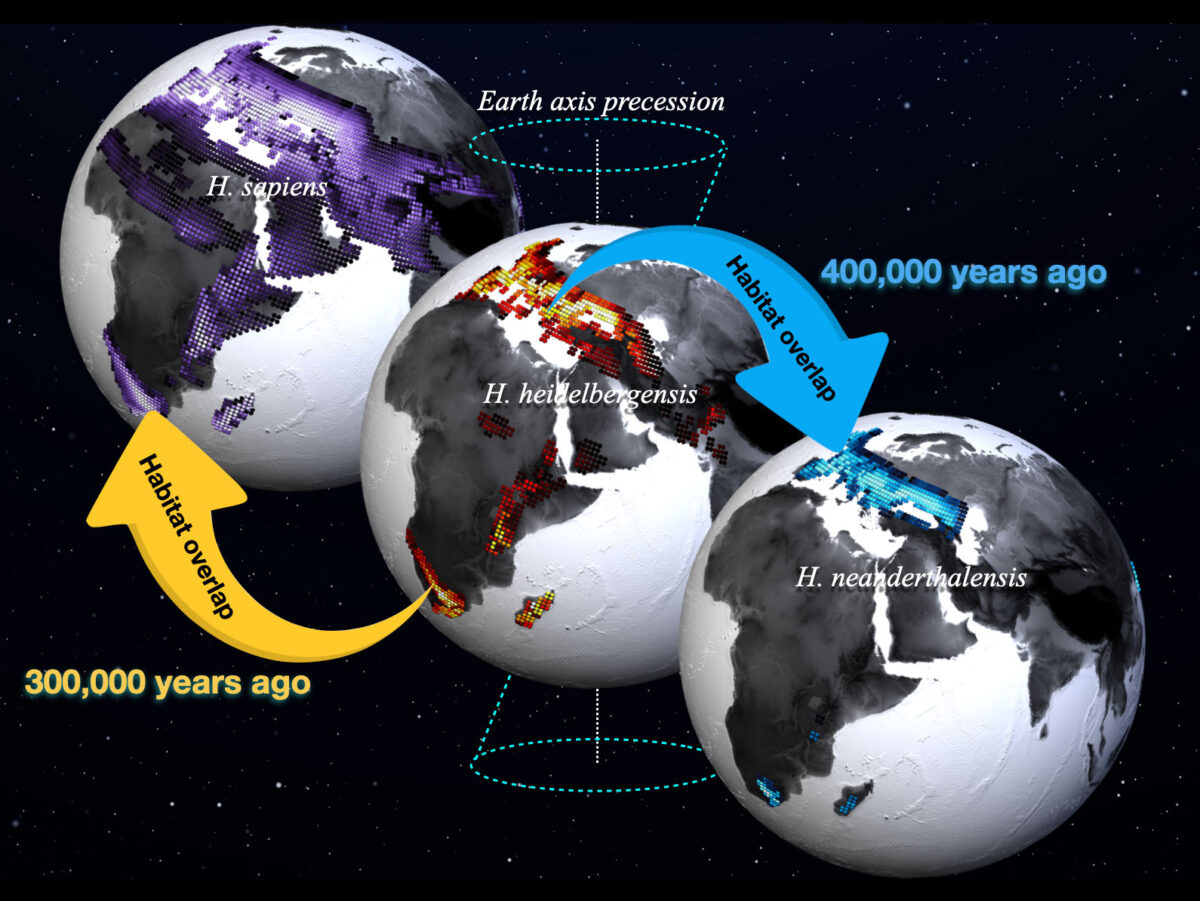
Early human habitats linked to past climate shifts
A study published in Nature by an international team of scientists provides clear evidence for a link between astronomically-driven climate change and human evolution.
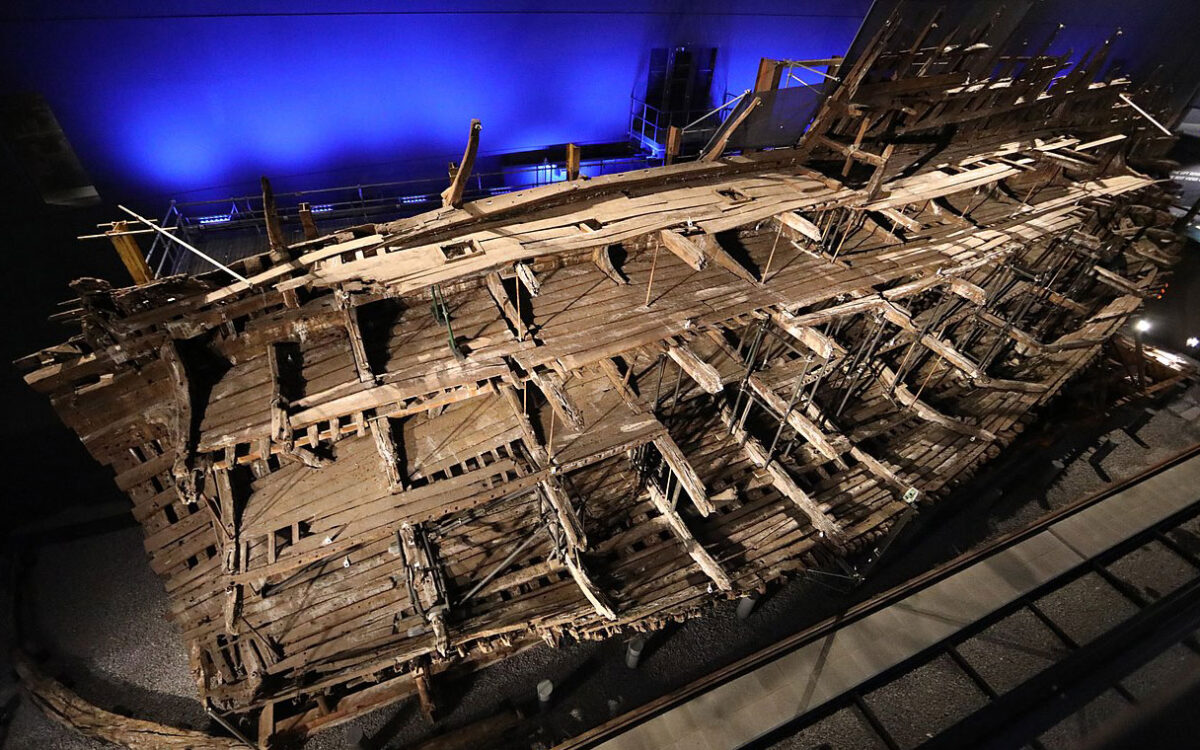
The race to preserve the bricks of a Tudor warship
Researchers used the UK’s national synchrotron to examine bricks used in the galley of the Mary Rose warship in two brick ovens to cook warm food for more than 400 sailors and soldiers.
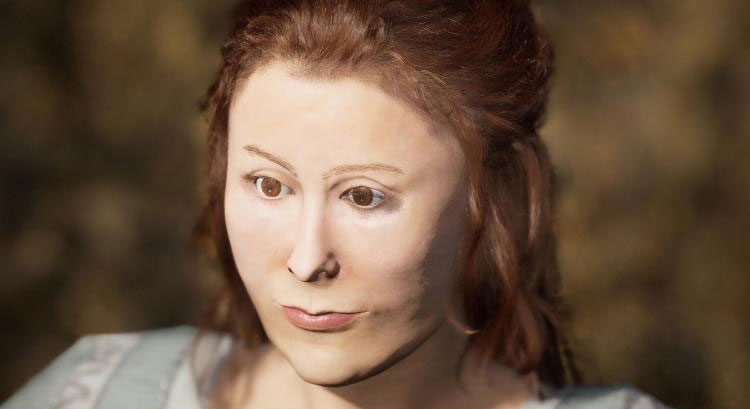
Αppearance of inhabitants of Upper Lusatia from 400 years ago recreated
The bust of an elderly man and digital images of a young woman and a young man are the results of research conducted on human skulls.
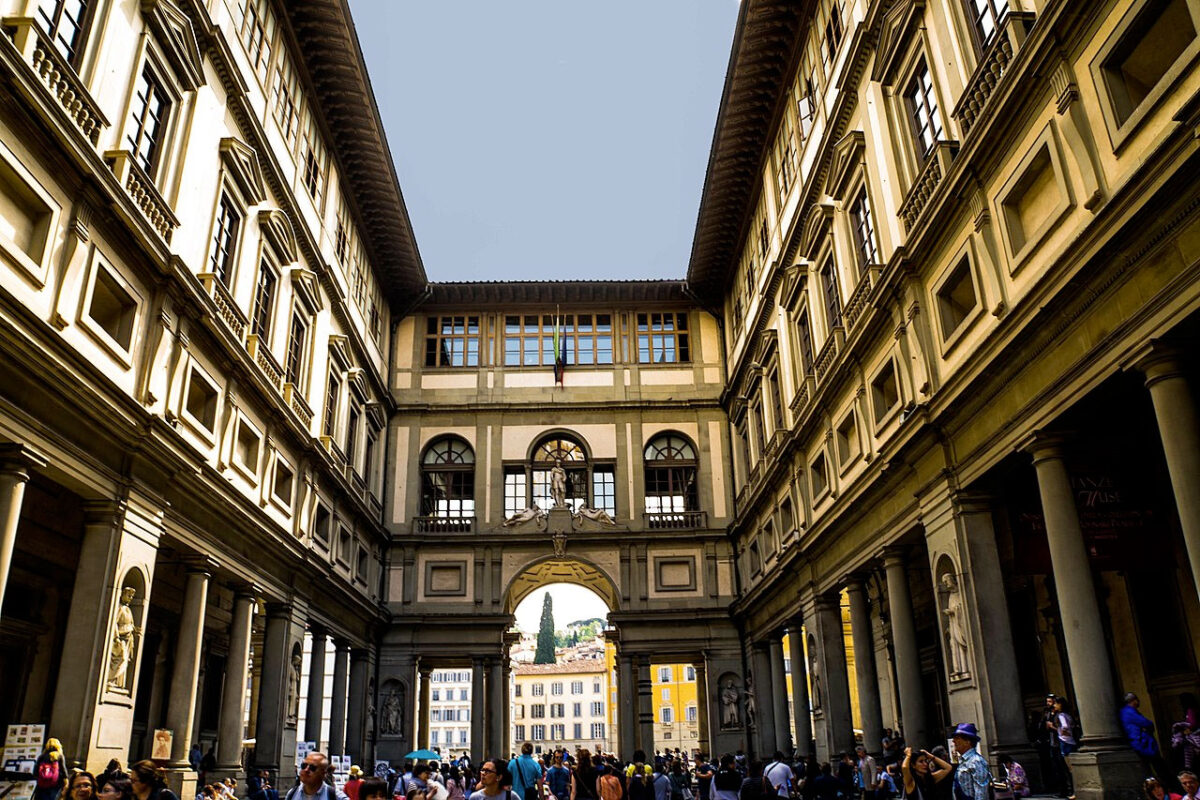
Uffizi Gallery: the most visited museum in 2021
After years of innovation under the German-born director Eike Schmidt, during which it has even expanded into contemporary art.
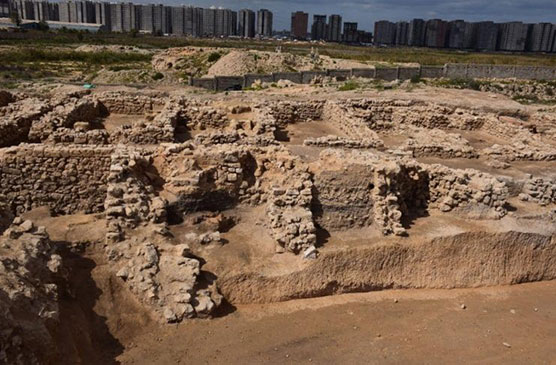
Amphora workshop uncovered in Tabba Matouh
Archaeologists have uncovered an amphora workshop at Tabba Matouh in west Alexandria, Egypt.
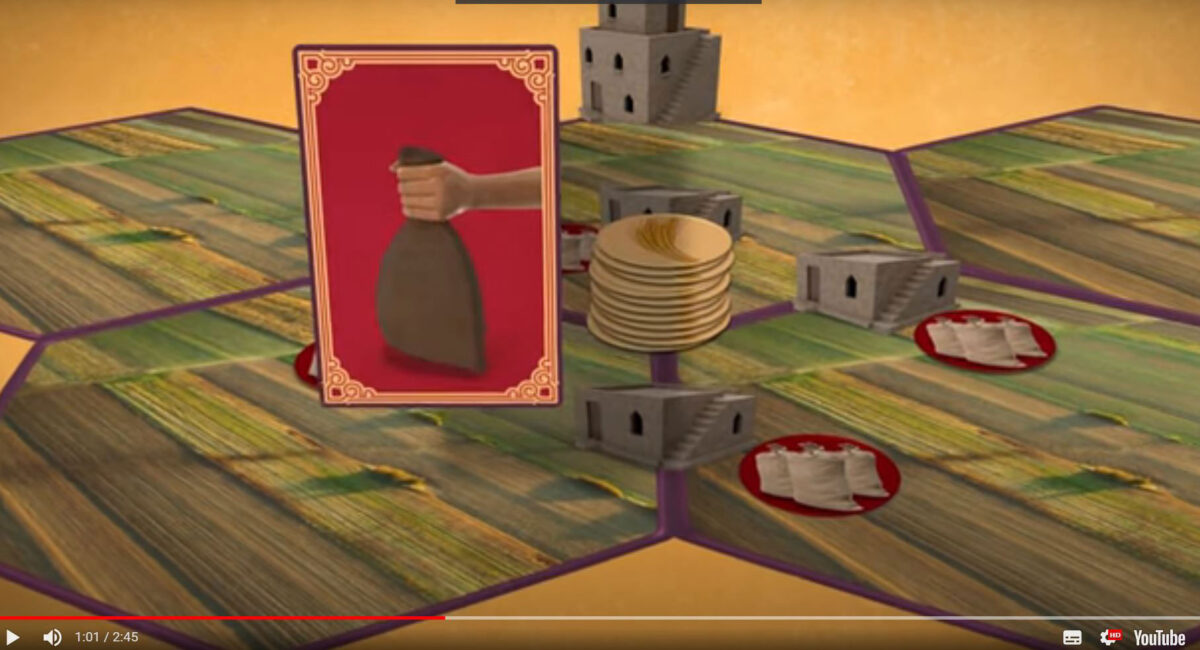
Study sheds new light on the origin of civilisation
The research sheds new light on the mechanisms by which the adoption of agriculture led to complex hierarchies and states.
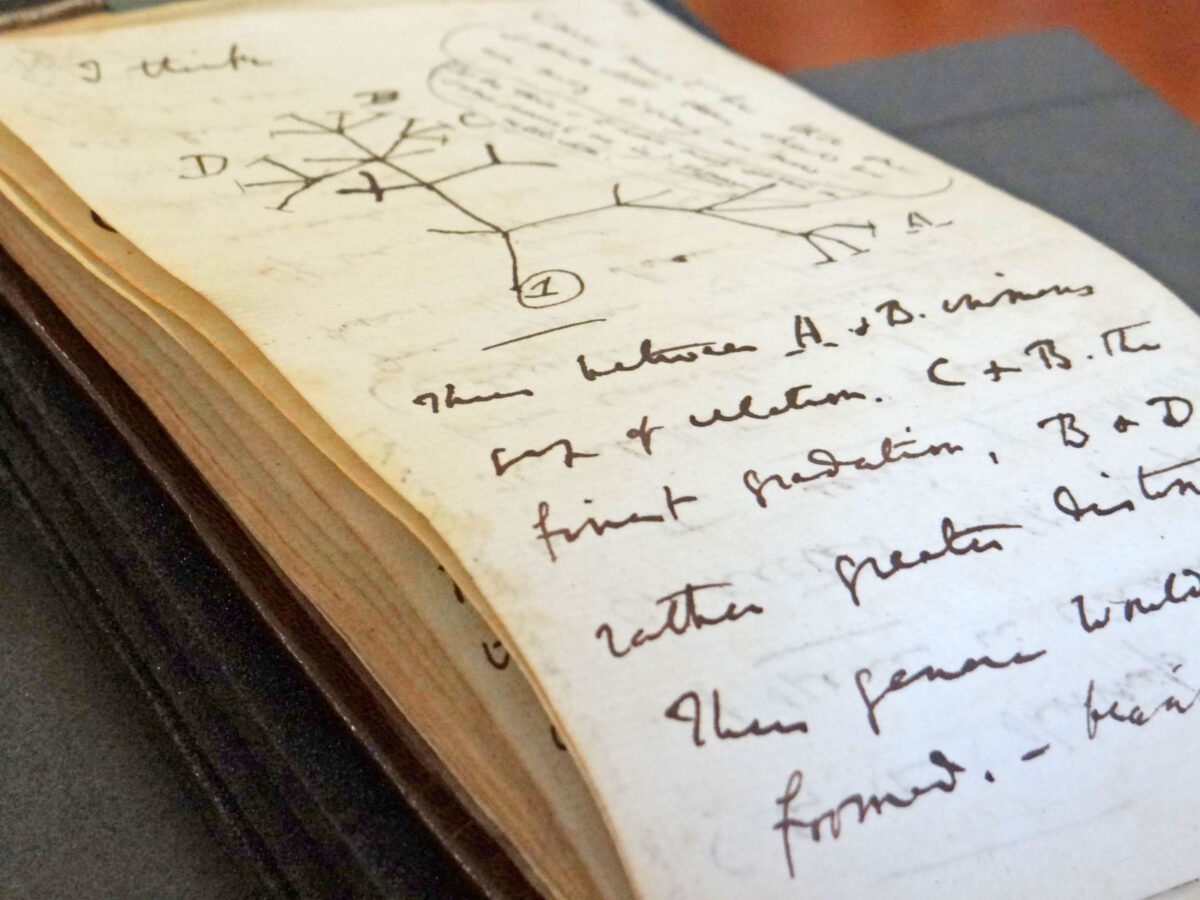
Two of Darwin’s notebooks returned to Cambridge
They had been missing for more than 20 years from the University of Cambridge in Britain and believed to have been stolen.
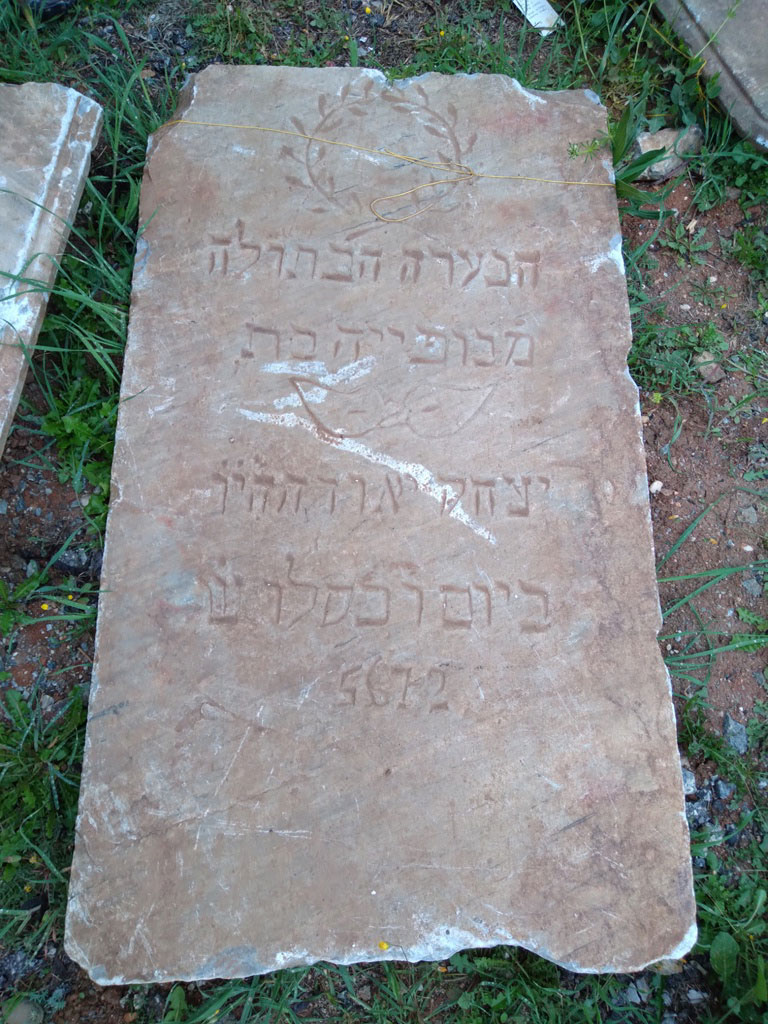
Jewish burial inscriptions discovered in the former P. Melas army camp
The Jewish cemetery of Thessaloniki was destroyed in December 1942 by the then occupying Germans.
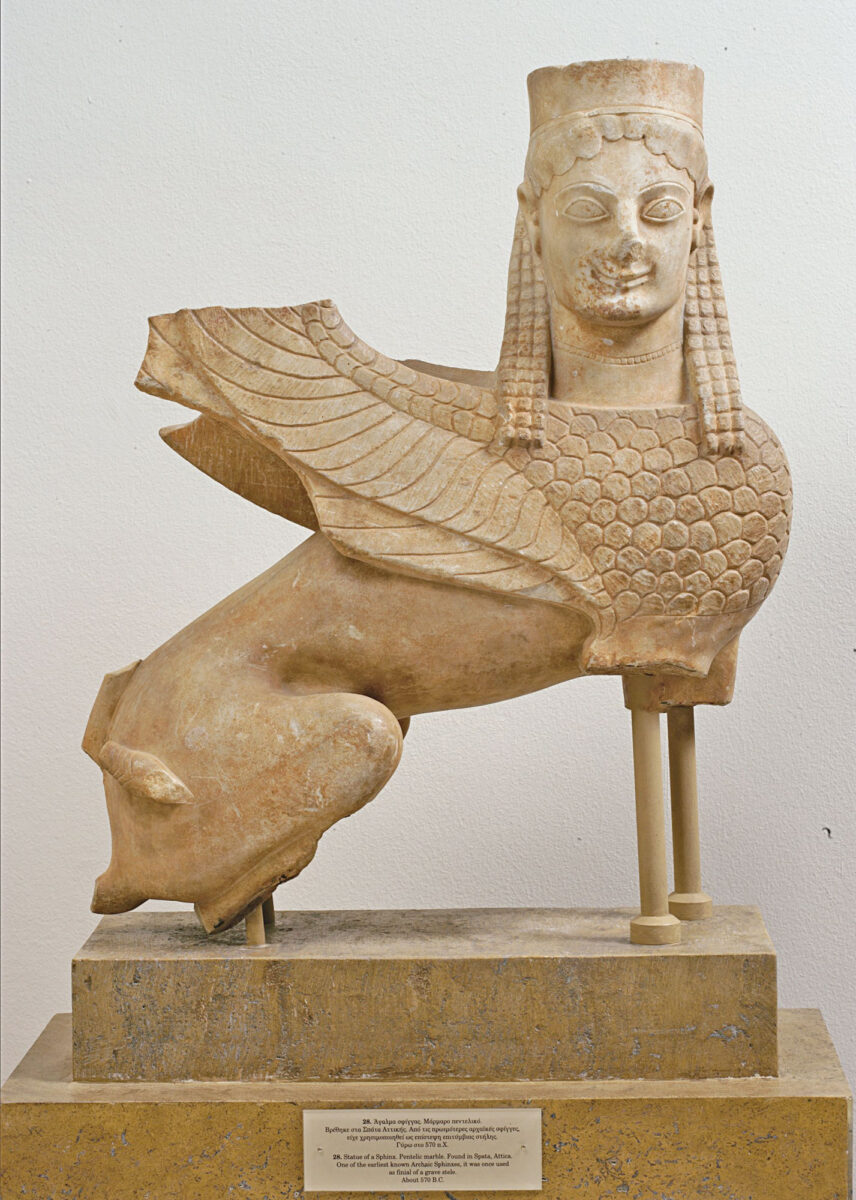
Chart the Seas of Ancient Greece in Melbourne exhibition
Open Horizons: Ancient Greek Journeys and Connections is co-created and presented in collaboration with the NAM (Athens).
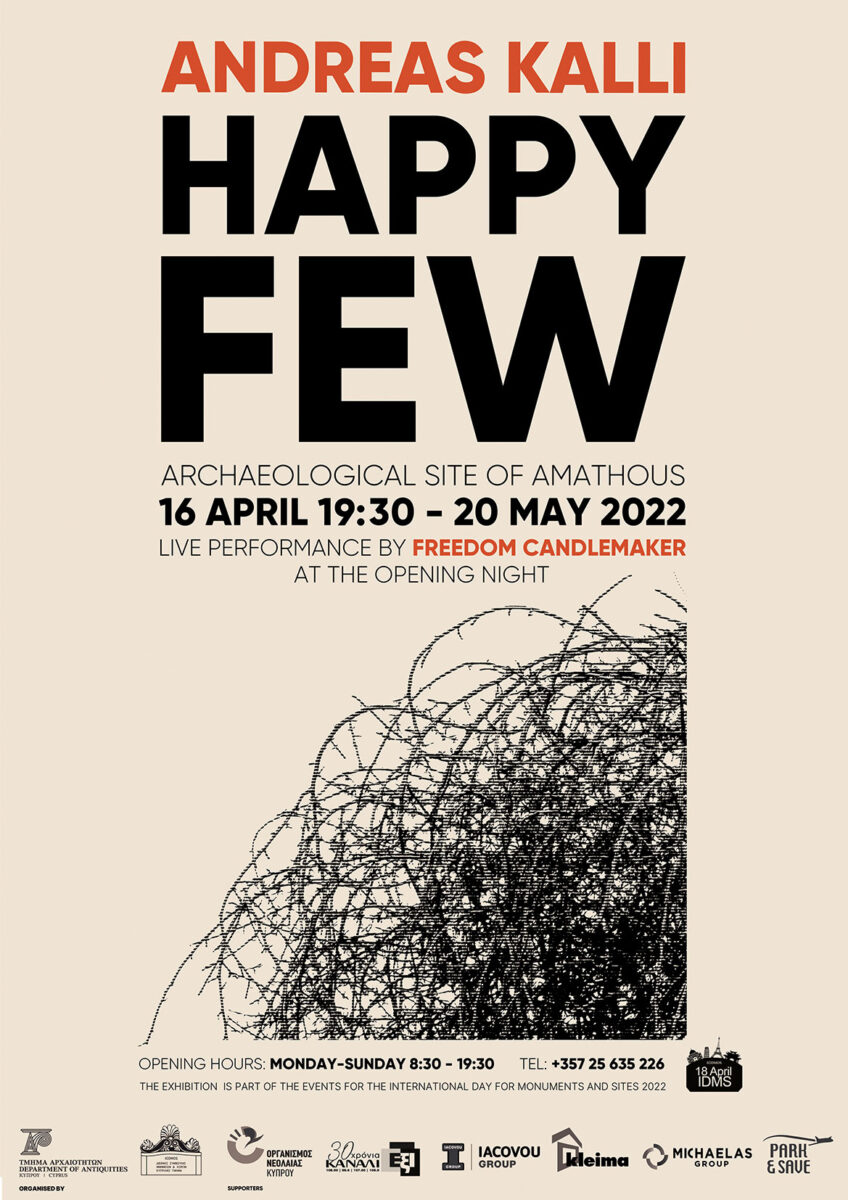
Contemporary art exhibition at the Amathous archaeological site
The exhibition "Happy Few" by Andreas Kalli opens at the Archaeological Site of Amathous, on Saturday the 16th of April 2022 at 19:30.
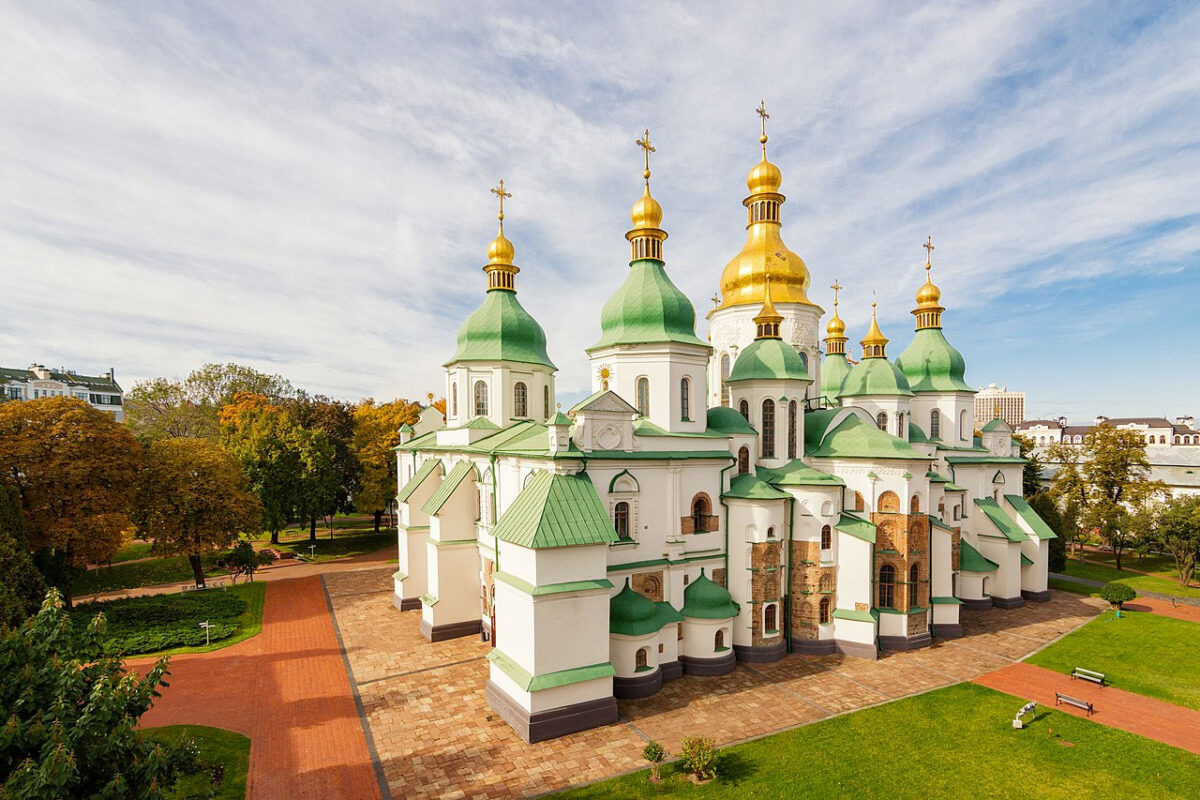
Ukraine: 53 cultural sites have been damaged
Among these are 29 religious sites, 16 historic buildings, four museums and four monuments, for which Unesco was able to confirm the damage through satellite photographs.
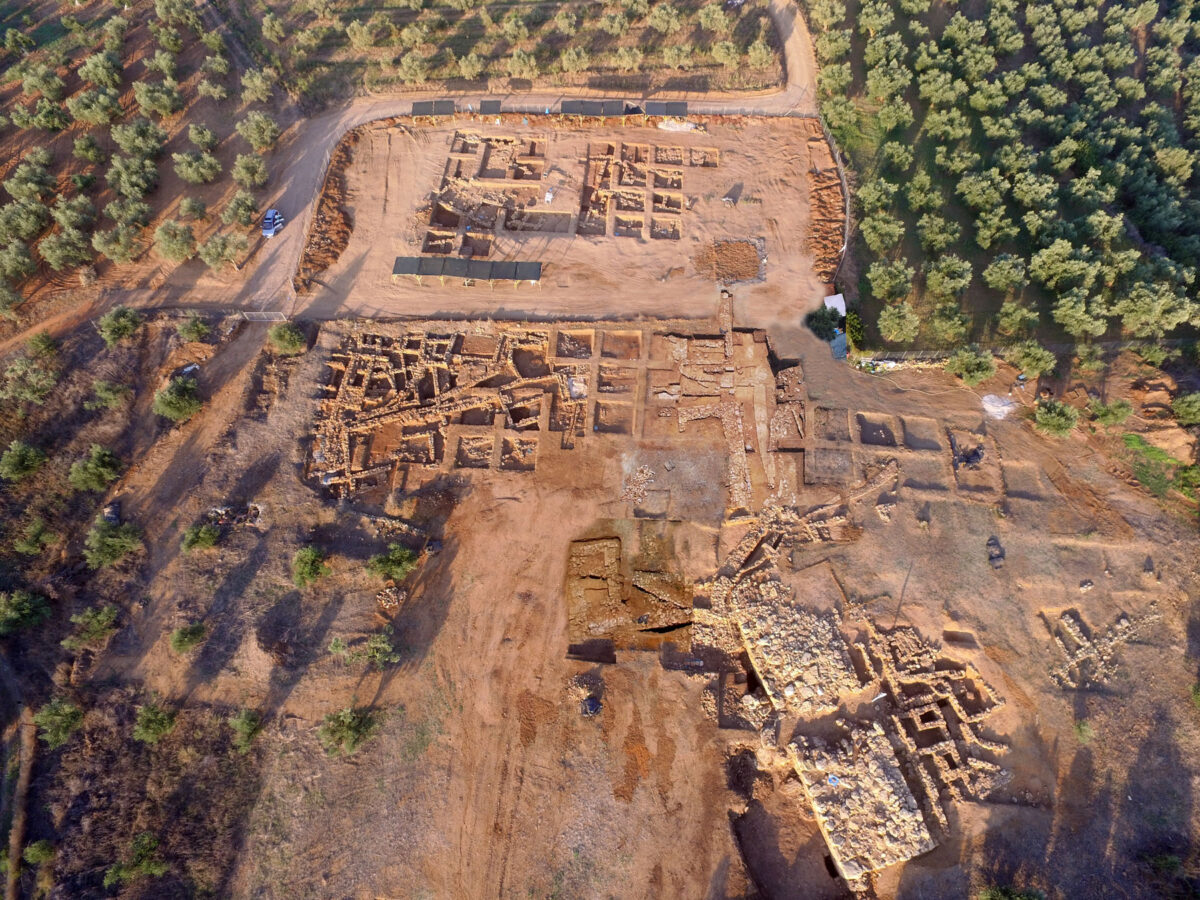
Μ. Cosmopoulos talks about the excavation at Iklaina
"The excavations at Iklaina shed new light on the mechanisms that led to the creation of the state as an institution", he said to the Athens and Macedonia News Agency.
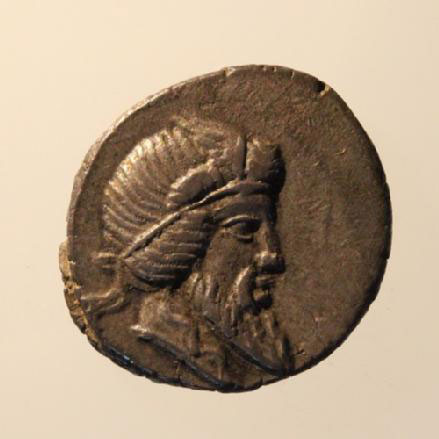
Research team sheds light on Roman financial crisis
New scientific analysis of the composition of Roman denarii has brought fresh understanding to a financial crisis briefly mentioned by the Roman statesman and writer Marcus Tullius Cicero.
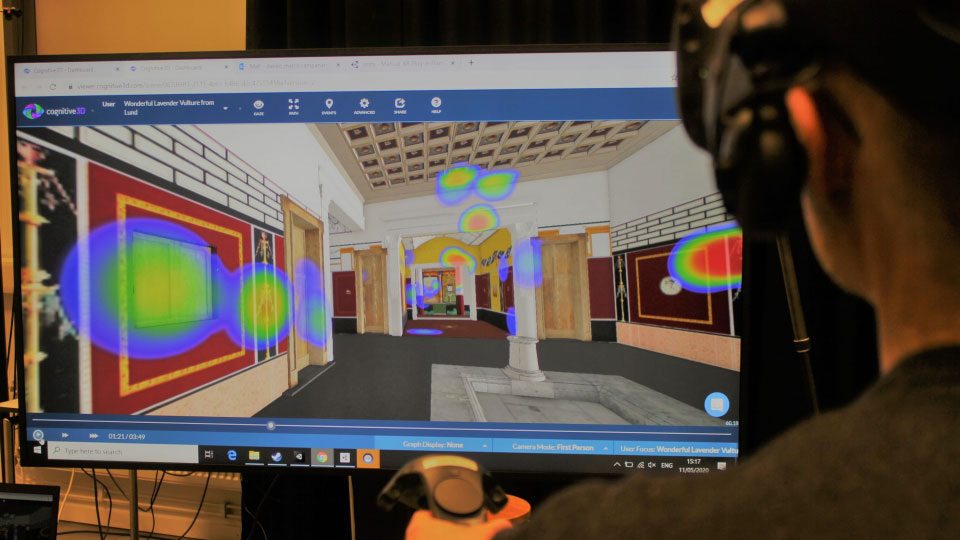
How did visitors experience the domestic space in Pompeii?
Researchers at Lund University in Sweden have used virtual reality and 3D eye-tracking technology to examine what drew the attention of the visitors when entering the stunning environment of an ancient Roman house.