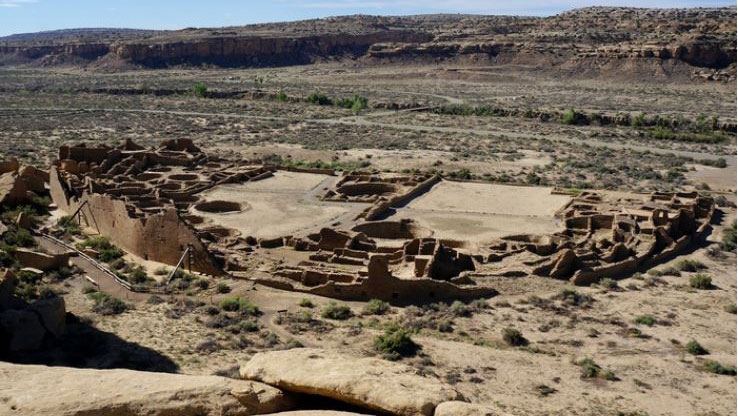
More than ceremonial, ancient Chaco Canyon was home
Early puebloans impacted the ecosystem around Chaco Canyon earlier than previously believed.
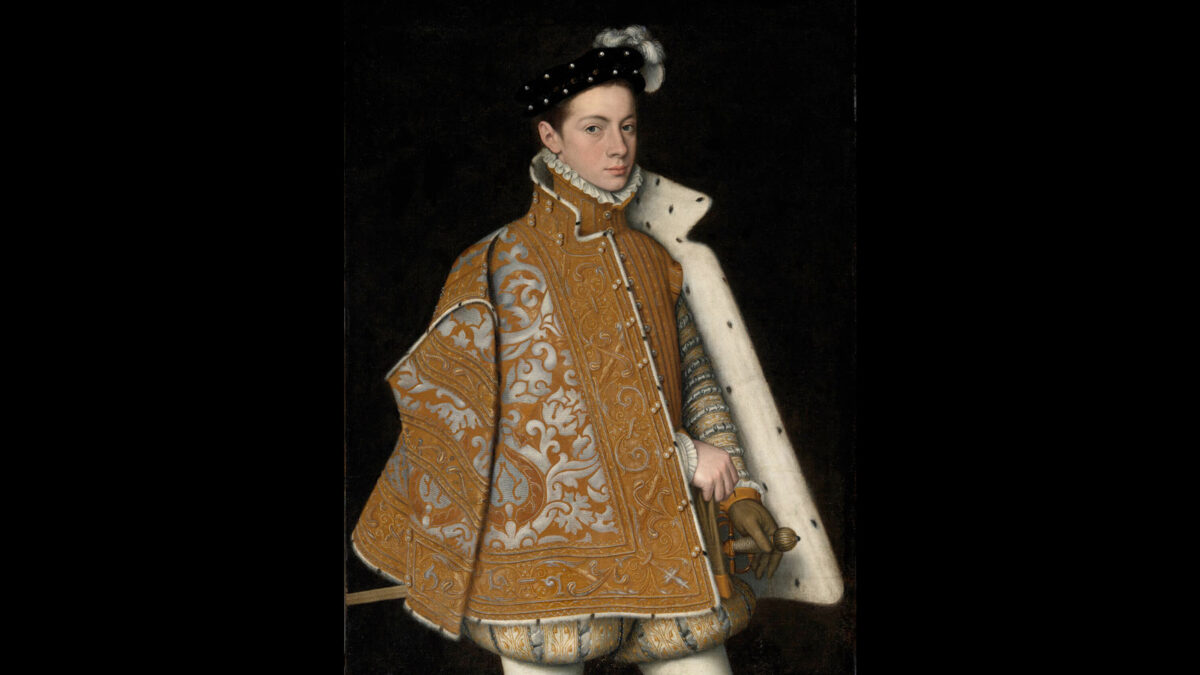
The Art of Menswear at the V&A
100 looks will be presented alongside 100 works of art - Renaissance paintings, sculptures and films - in three thematic sections: "Undressed", "Overdressed" and "Redressed".
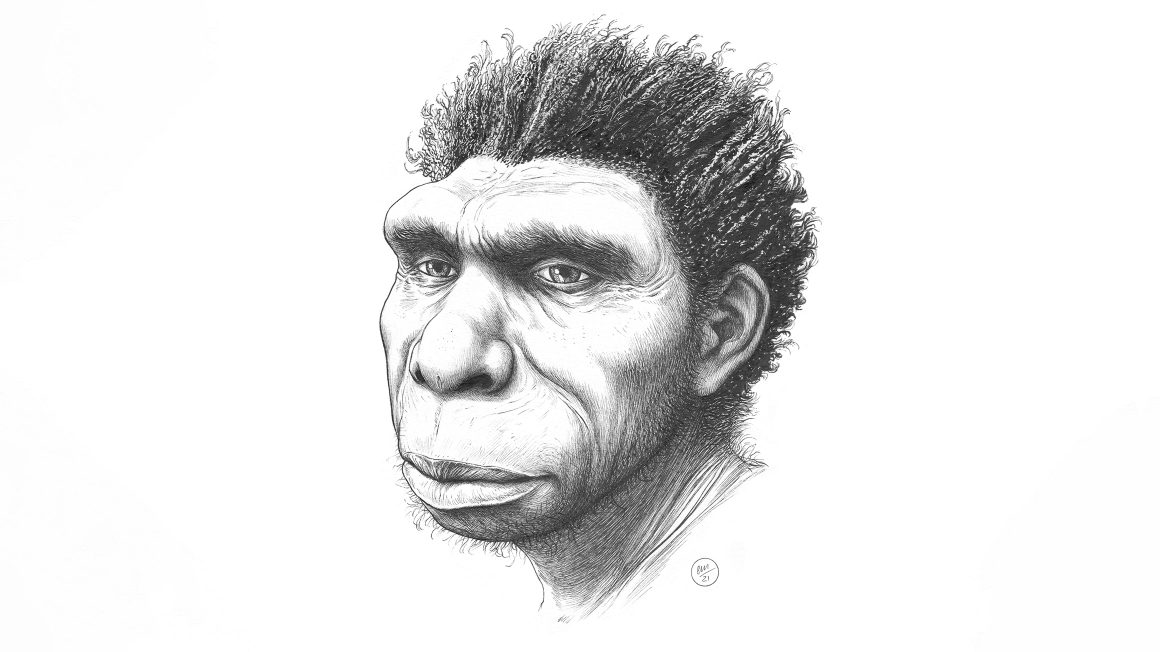
Experts name new species of human ancestor
This species lived in Africa during the Middle Pleistocene, around half a million years ago, and was the direct ancestor of modern humans.
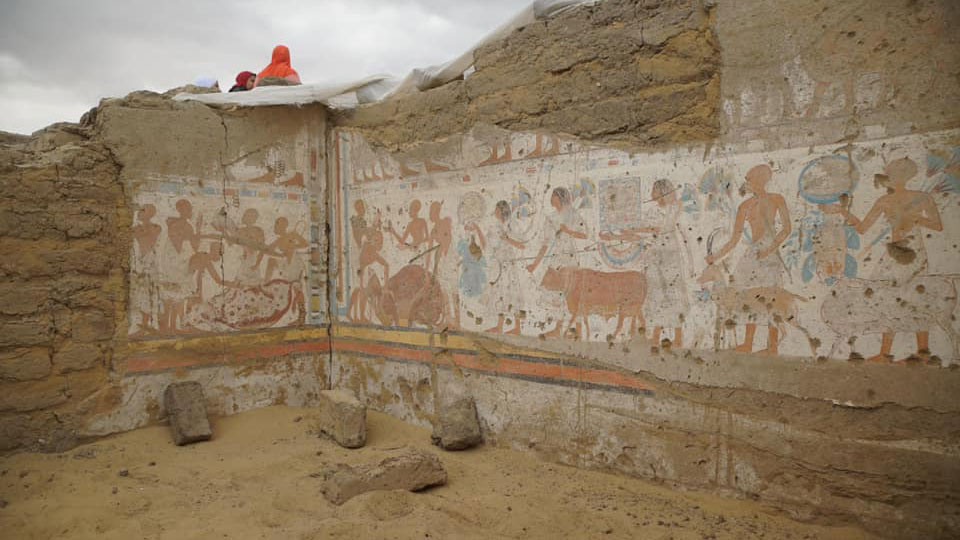
Uncovering the tomb of Ramesses II’s Head of the Treasury
The mission of the Faculty of Archeology, Cairo University, headed by Prof. Dr. Ola El-Aguizy, succeeded in excavating the tomb of Ptah-M-Wia, head of the treasury during the reign of King Ramses II.
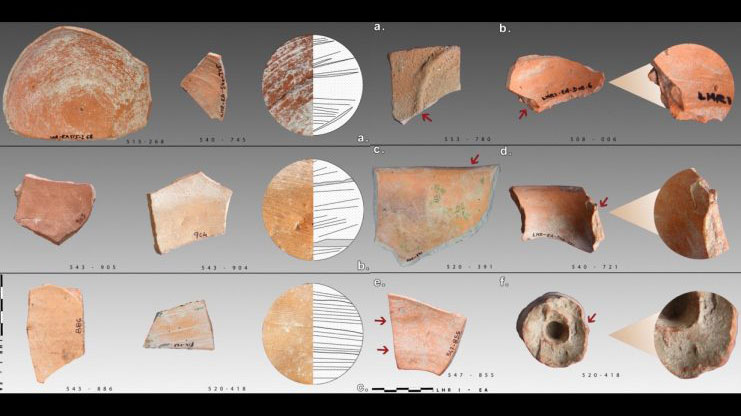
Rediscovering the ancient social networks of Indus Civilisation villages
Study of pottery vessels reveals how Indus peoples developed and adopted unique technologies in the third millennium BC.
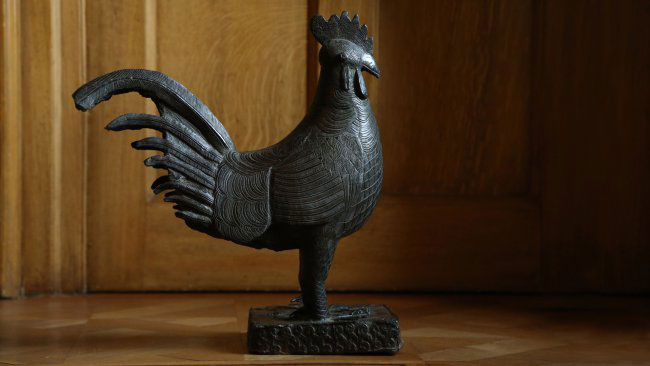
Jesus College returns Benin Bronze in world first
Delegates from Nigeria and Benin took part in a ceremony to complete the handover process and celebrate the rightful return of the Bronze.
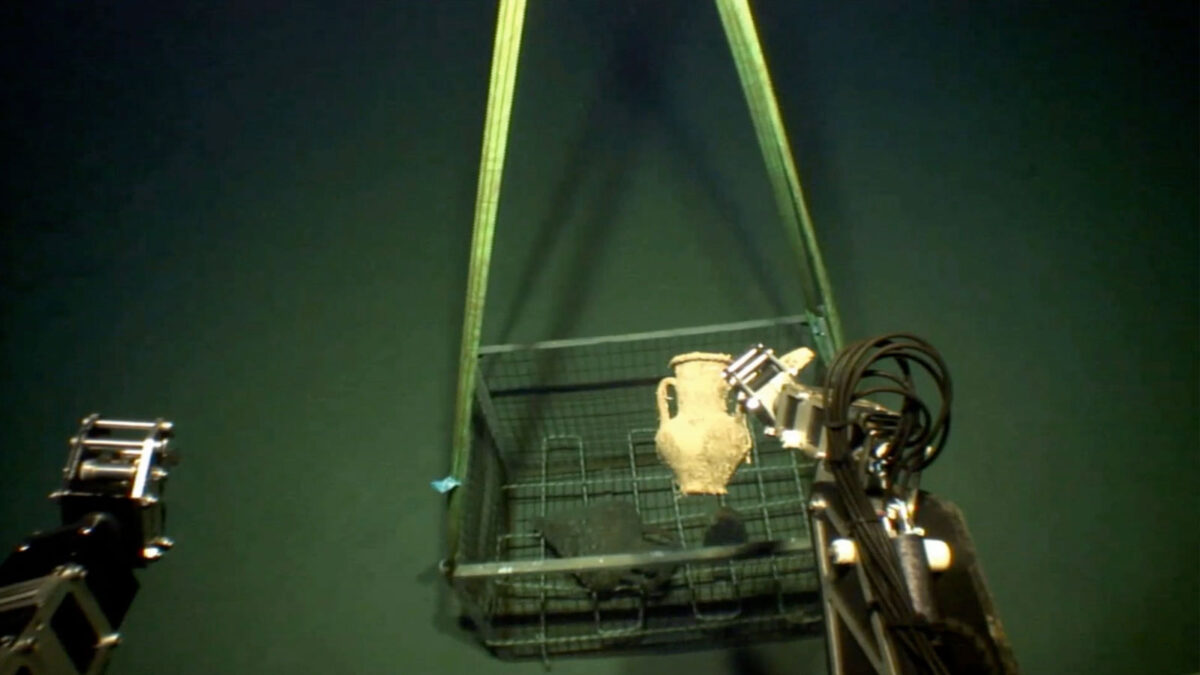
Classical era shipwreck in the Kythera-Neapolis straits investigated
It had been located in 2019 at a depth of 222 m in the Kythera-Neapolis straits during an optical survey of wiring for the transmission of electricity from Kissamos to Neapolis.
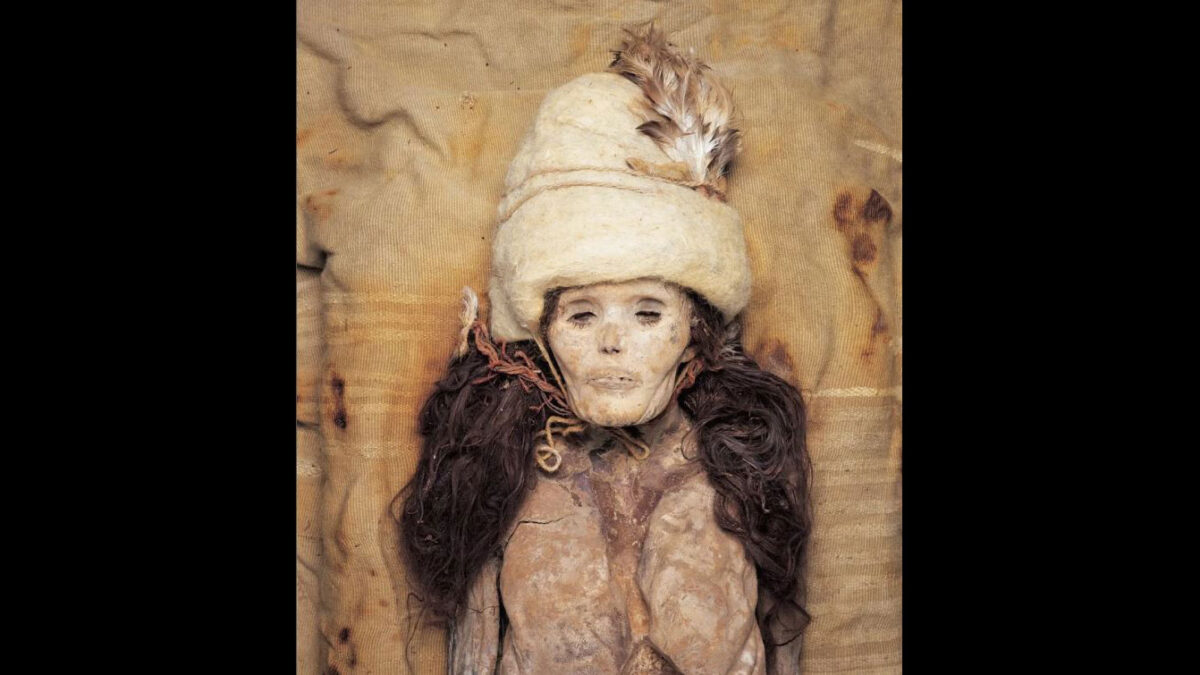
The surprising origins of the Tarim Basin mummies
Genomic study reveals an indigenous Bronze Age population that was genetically isolated but culturally cosmopolitan.
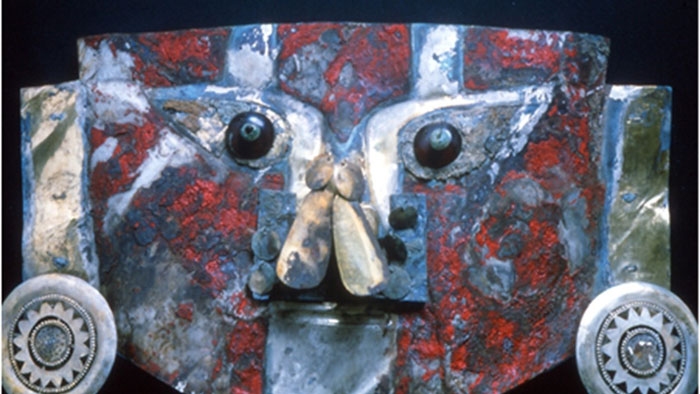
Red paint on gold mask from Peru contains human blood proteins
Thirty years ago, archeologists excavated the tomb of an elite 40–50-year-old man from the Sicán culture of Peru...
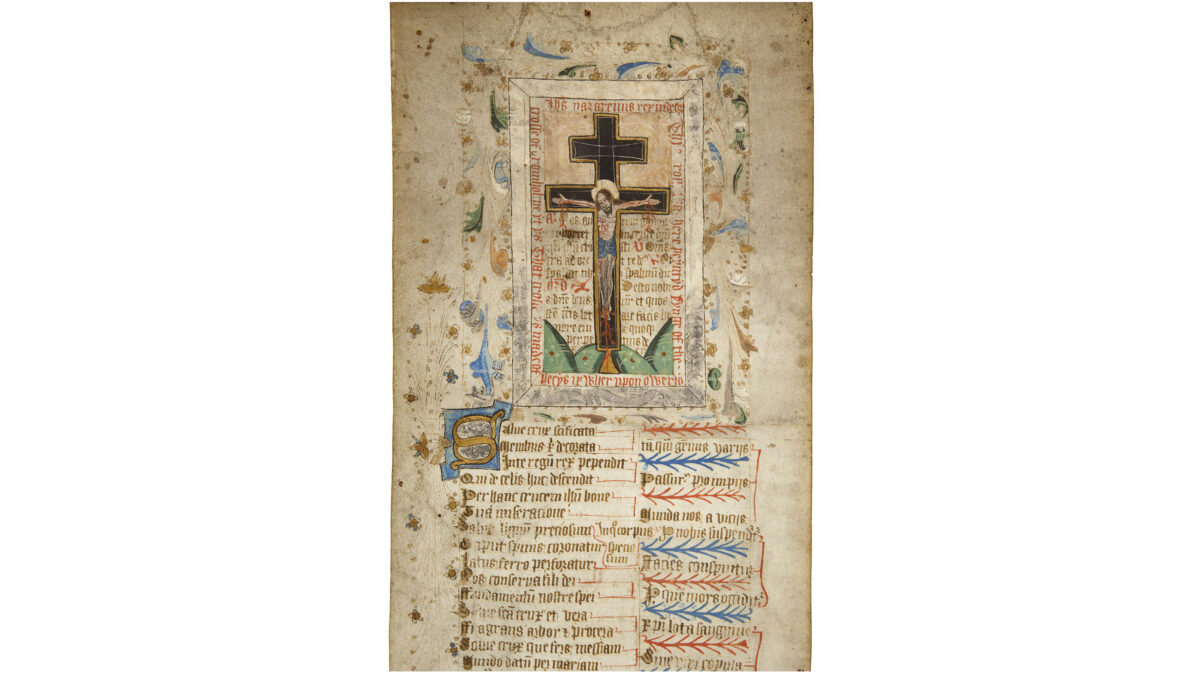
Publication of 500-year-old manuscript exposes medieval beliefs
A rare English illuminated medieval prayer roll, believed to be among only a few dozen still in existence worldwide, has been analyzed in a new study to expose Catholic beliefs in England before the Reformation in the sixteenth century.
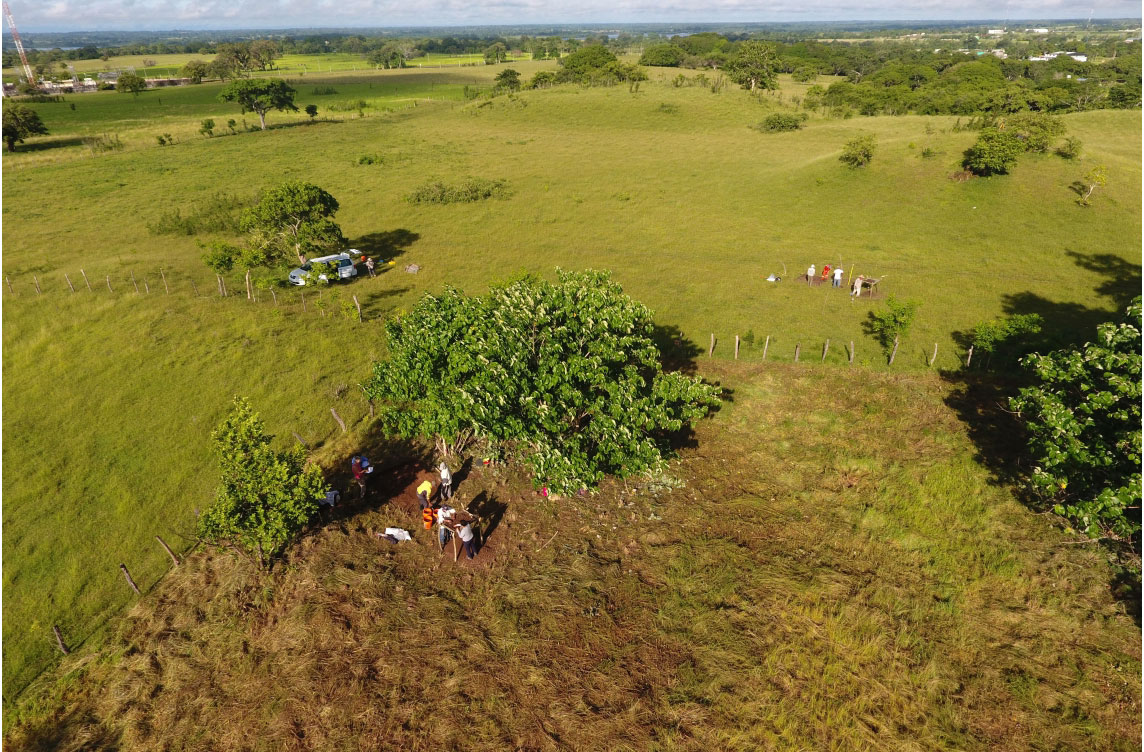
Nearly 500 ancient ceremonial sites found in Southern Mexico
The discovery shifts researchers' understanding of the relationship between the Olmec civilization and the subsequent Maya civilization.
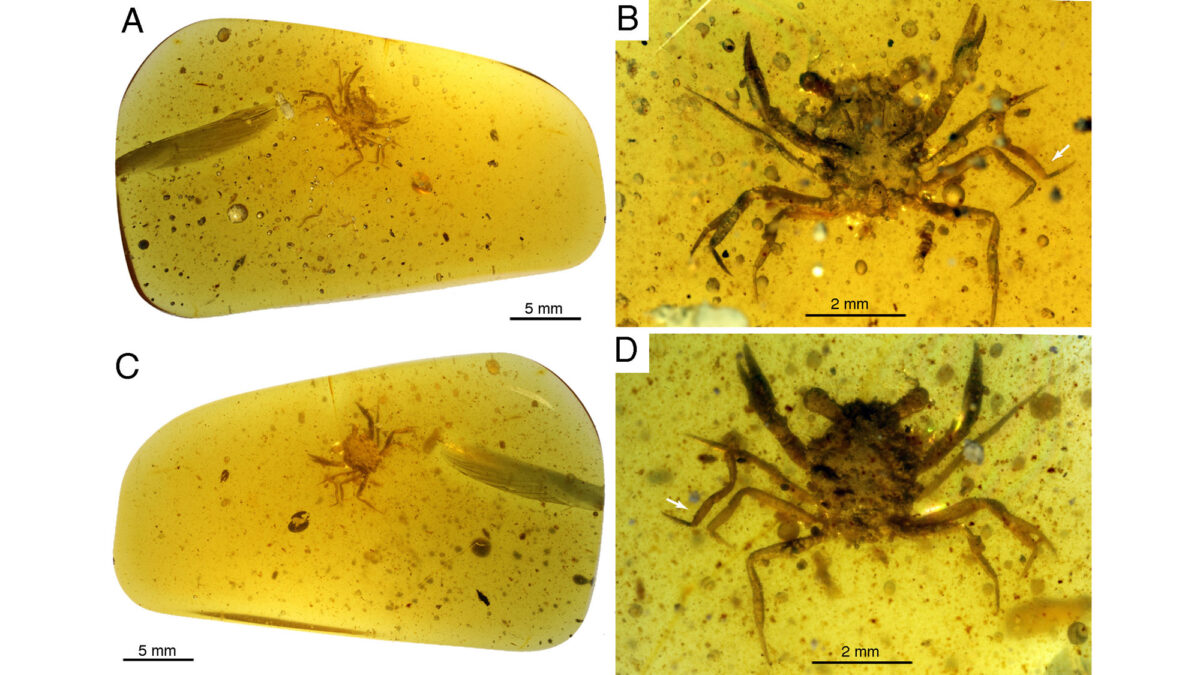
A tiny 100 million year old crab found in amber
It is the most ancient crab ever found, living in the time of the dinosaurs in a wooded region of Southeast Asia.
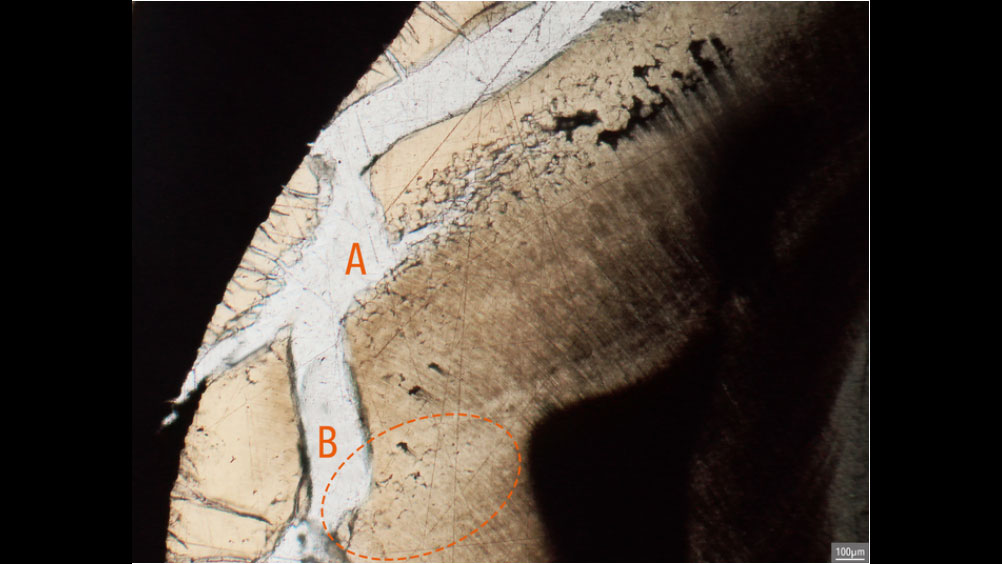
VUB-researchers identify interglobular dentine in cremated human teeth
As part of the Brussels Bioarchaeology Lab and the MARI and AMGC research groups, Dr. Barbara Veselka and Prof. Christophe Snoeck conducted burning experiments using an archaeological sample of 17 paired teeth.
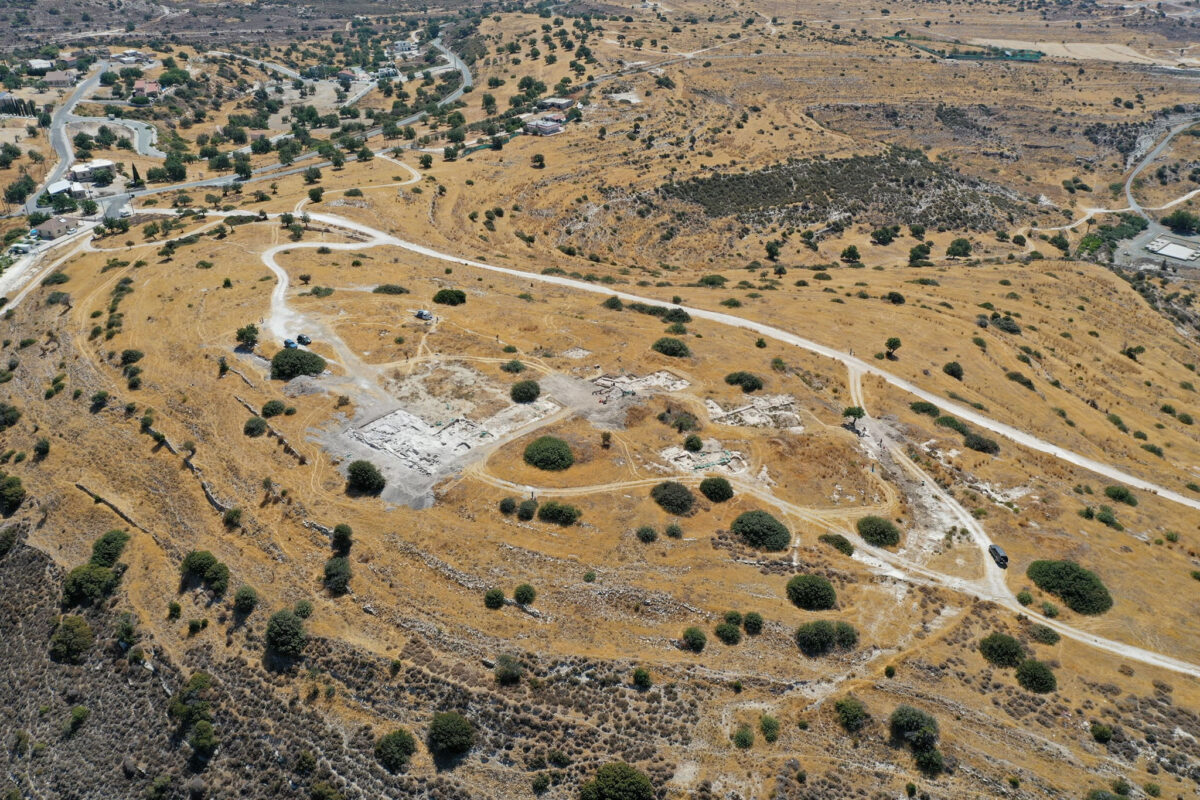
Erimi-Laonin 2021: the new findings
The Department of Antiquities, Ministry of Transport, Communications and Works announces the completion of the 2021 fieldwork season of the Italian Erimi Archaeological Project at Laonin tou Porakou.
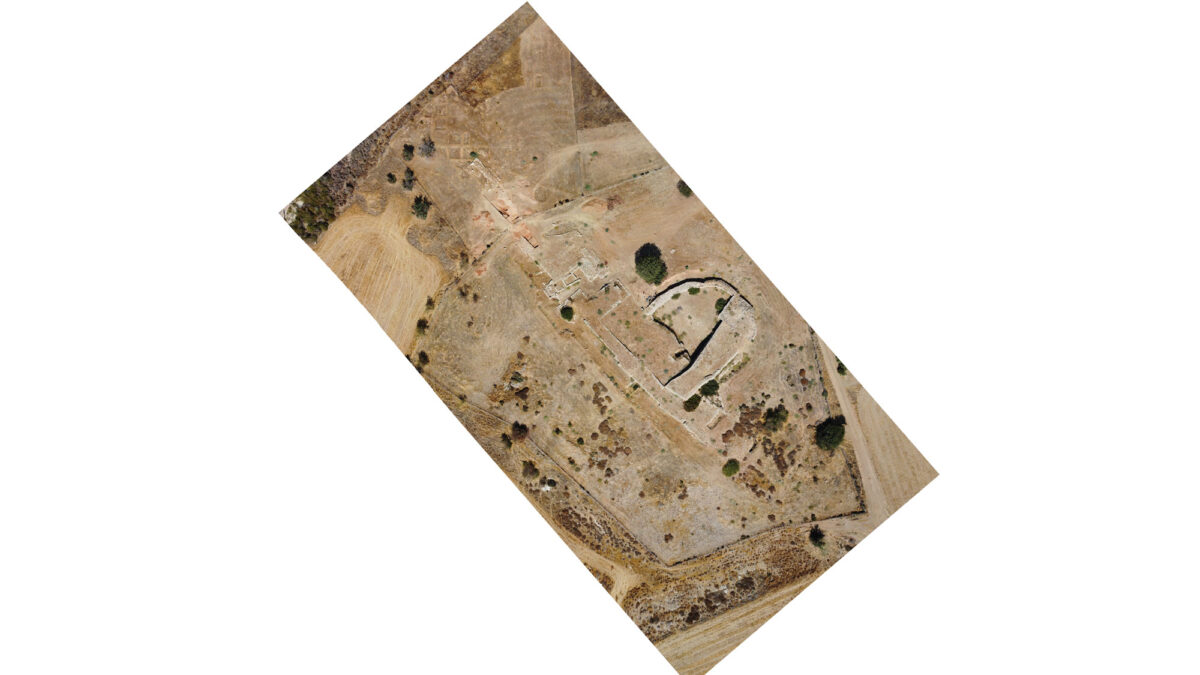
Kouklia-Marchello: Research of an important monumental wall
Several postgraduate students and PhD candidates participated in the excavations, which were directed by Associate Professor Konstantinos Kopanias.
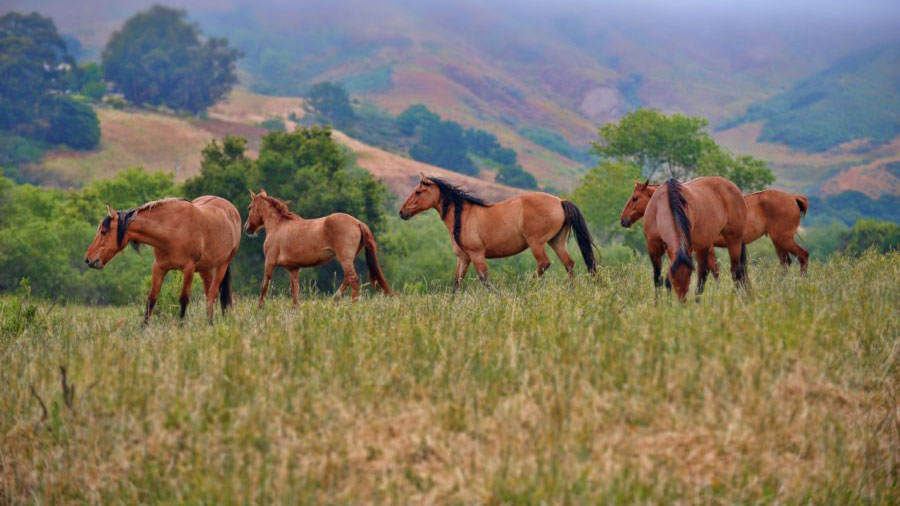
The Northern Caucasus focus of horse domestication for Eurasia proved
South Ural State University (SUSU) scientists and their foreign colleagues have continued study devoted to the time and place of horse domestication.
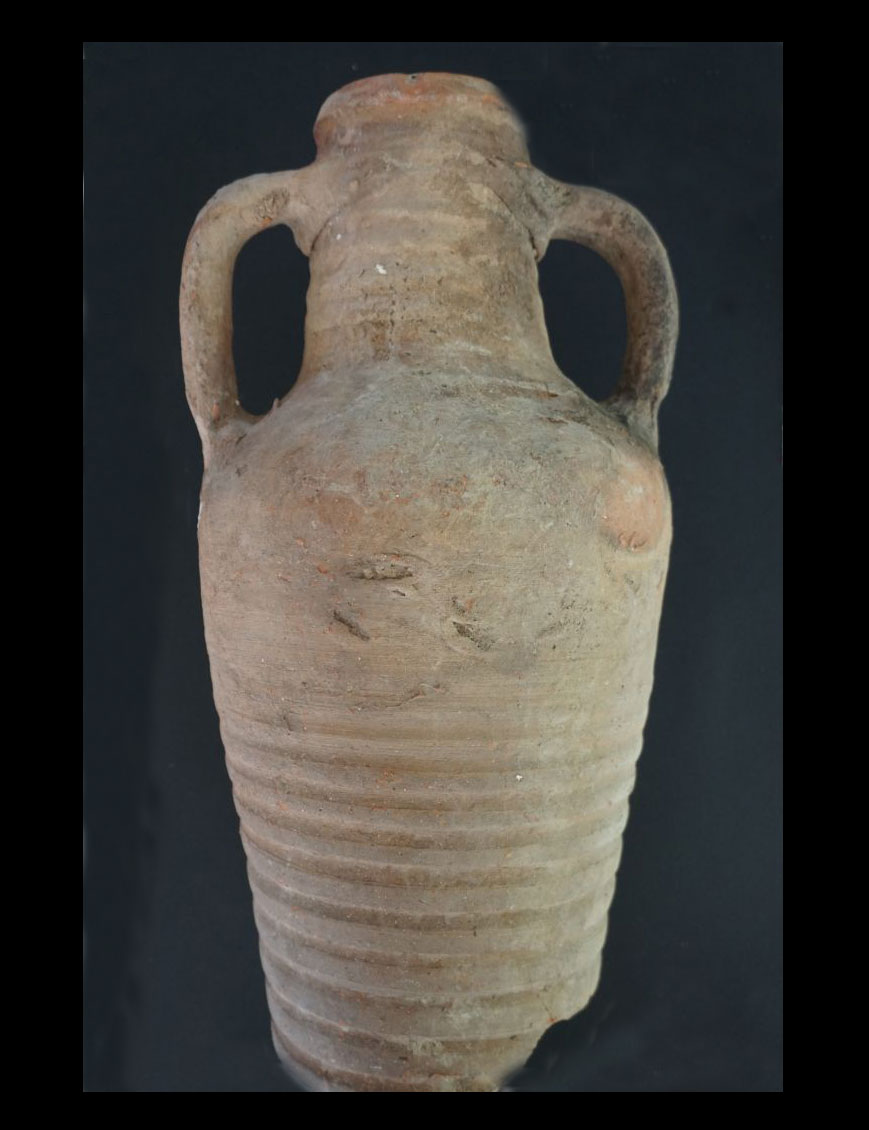
Researchers discover exclusive kitchenware set in Roman officer’s villa
An exclusive kitchenware set in the villa of a Roman officer in the legionary camp Novae in Bulgaria has been discovered by Polish archaeologists.
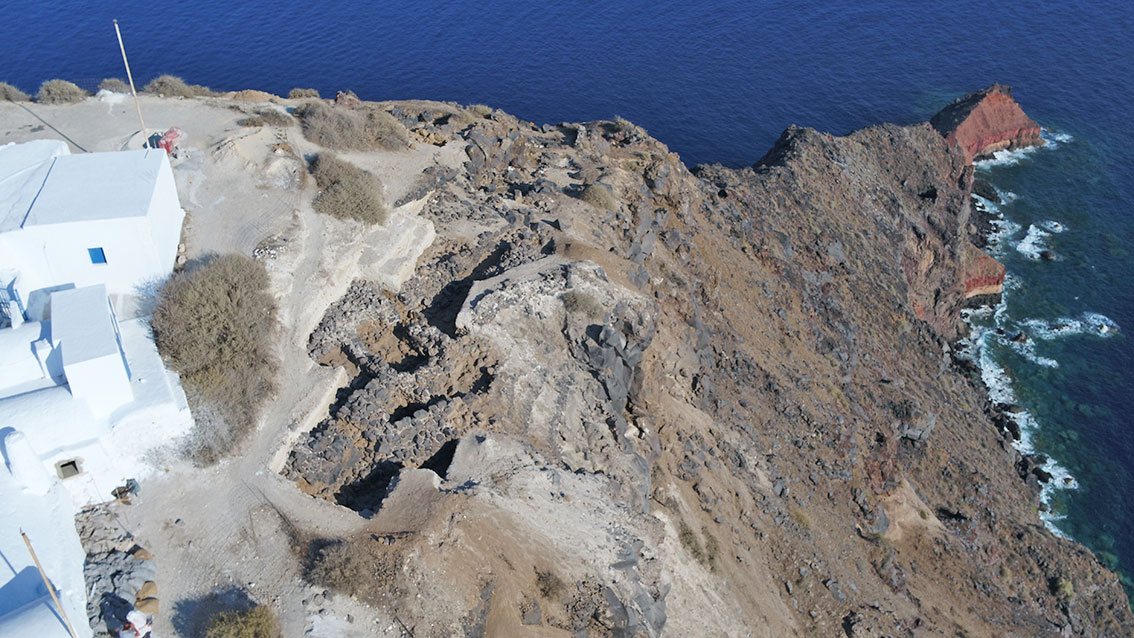
Therasia: the new excavation finds from the prehistoric settlement
The excavation concerns the exploration of the Early Cycladic and Middle Cycladic settlements situated around the monastery of Panaghia Koimisis at the island’s southern tip.
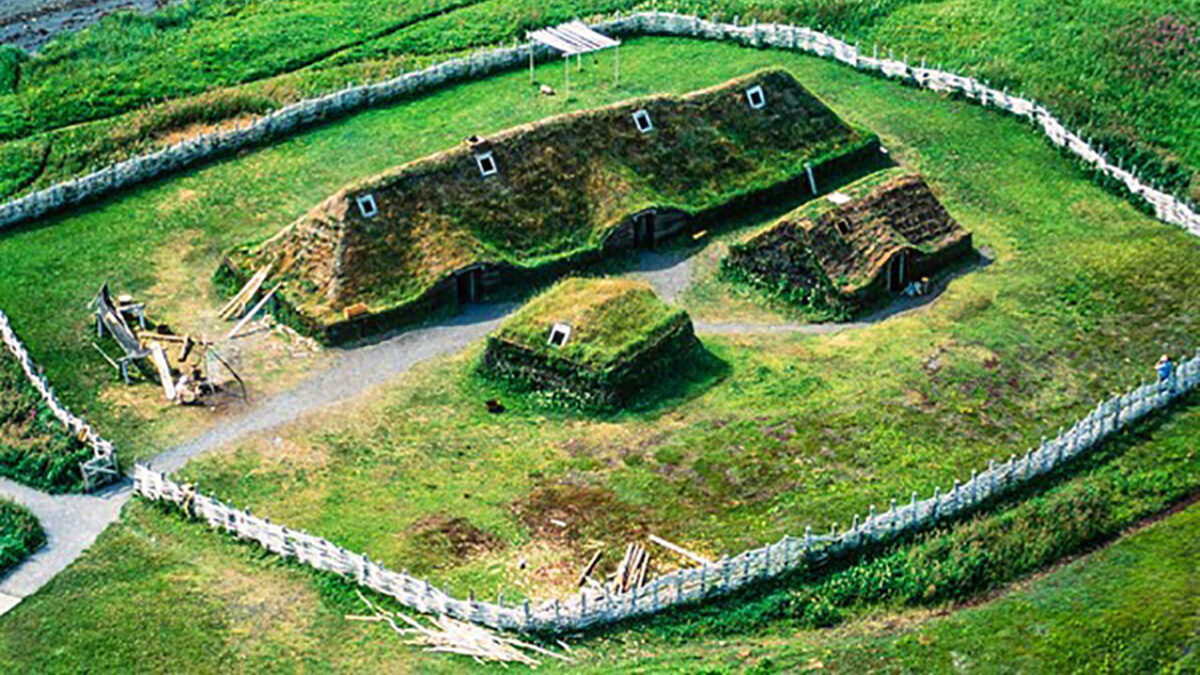
Europeans in the Americas 1000 years ago
Scientists of the University of Groningen and an international team of collegues, show that Europeans were already active in the Americas in 1021 AD.
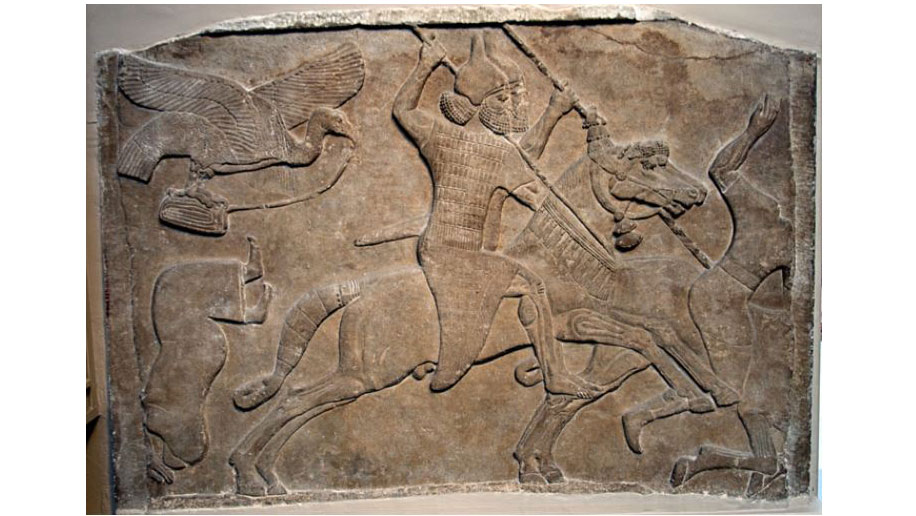
What drove the invention of military technologies?
New research applied to a rich historical dataset shed light on the evolution of weapons, armour and fortifications in human history.
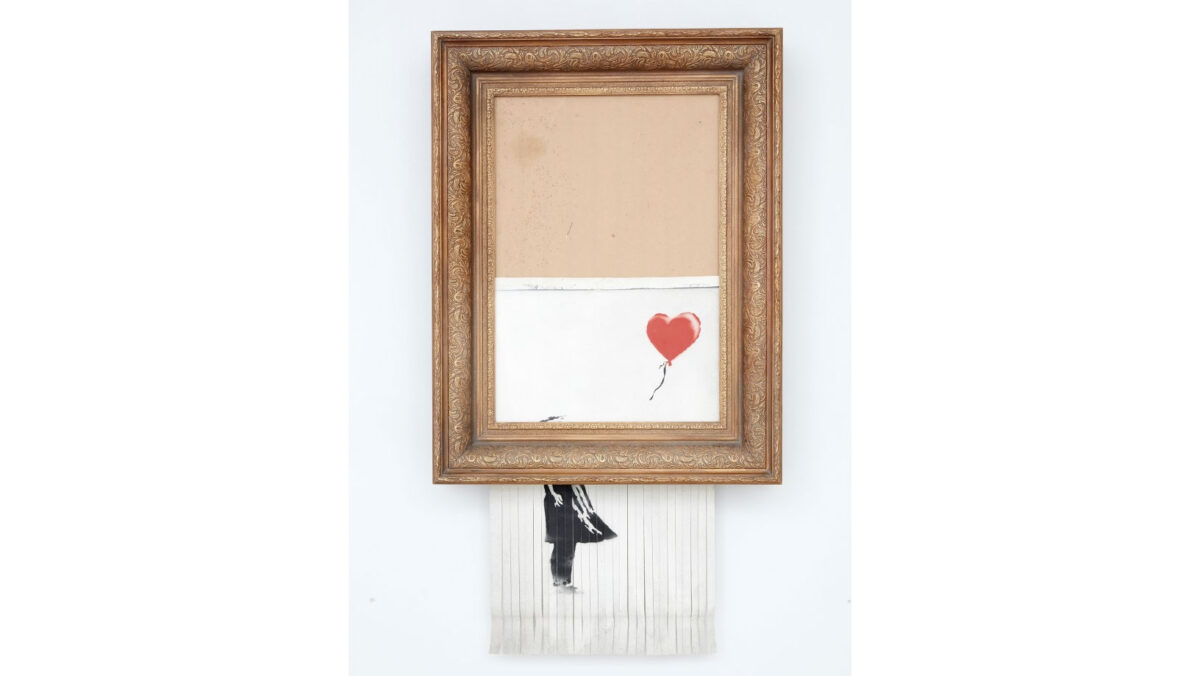
€21.8m for The Balloon Girl
The “Balloon Girl” graffiti stenciled on a wall on the South Bank of London in 2002 was considered Britain’s favourite work of art.
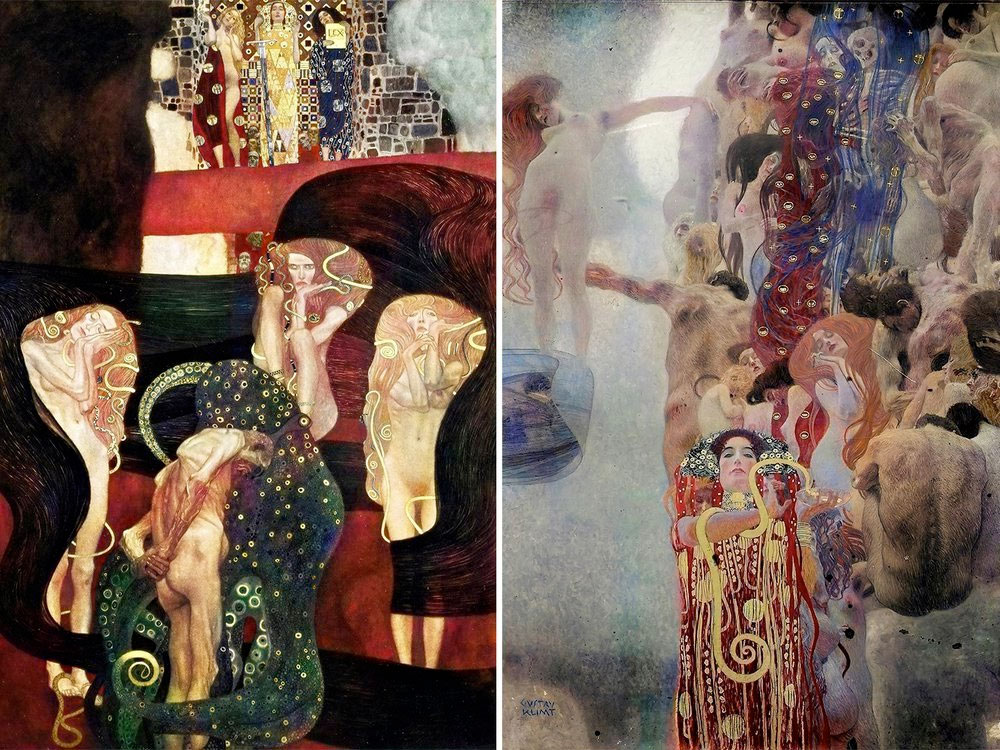
Klimt paintings reconstructed by artificial intelligence
Google used artificial intelligence to add colour to the black-and-white photographs of these lost works by the painter.
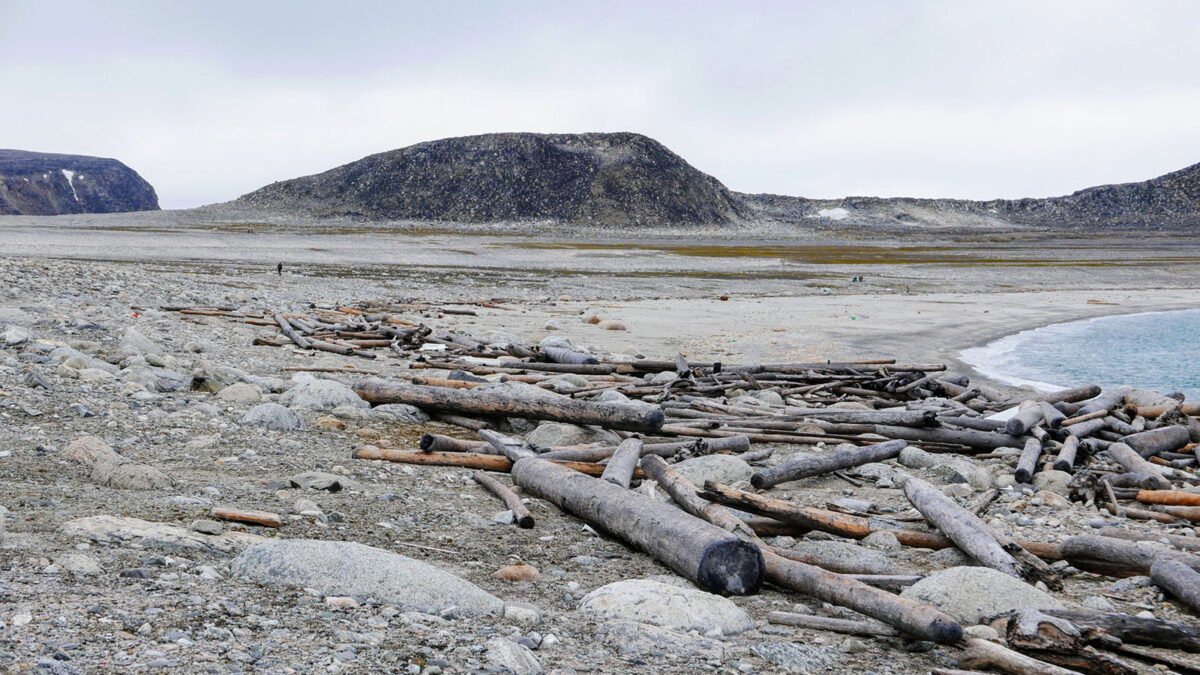
Ancient driftwood tracks 500 years of Arctic warming and sea ice
A new study reconstructs the path of frozen trees as they made their way across the Arctic Ocean over 500 years, giving scientists a unique look into changes in sea ice and currents over the last half millennium.
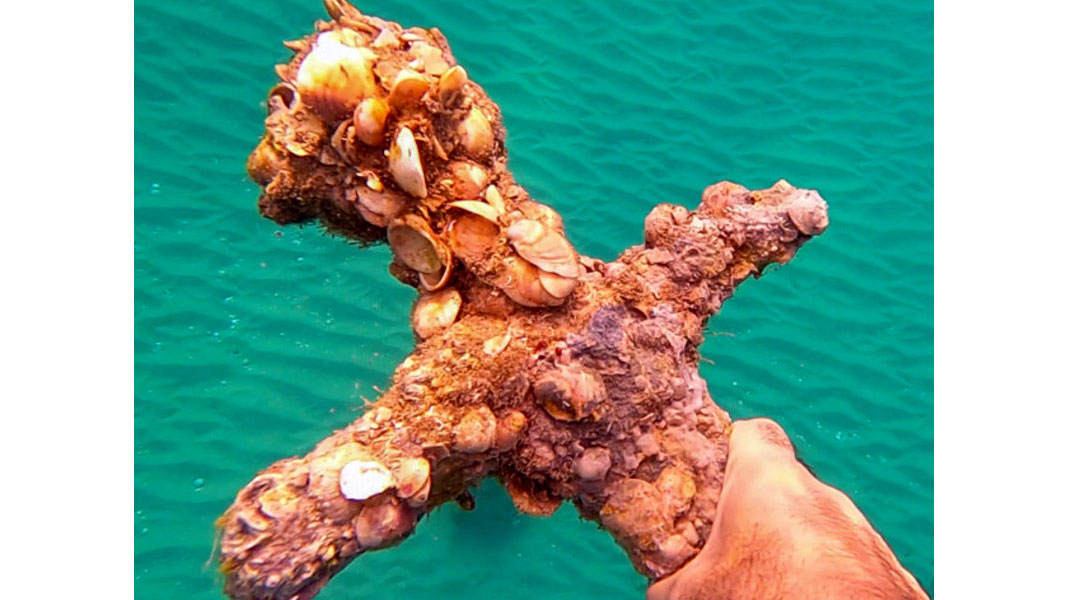
900-year-old crusader sword found on seabed off Israel’s coast
Atlit resident Shlomi Katzin was scuba diving last Saturday (16 October 2021) off the Carmel coast, when he was amazed to discover ancient artifacts on the seabed..