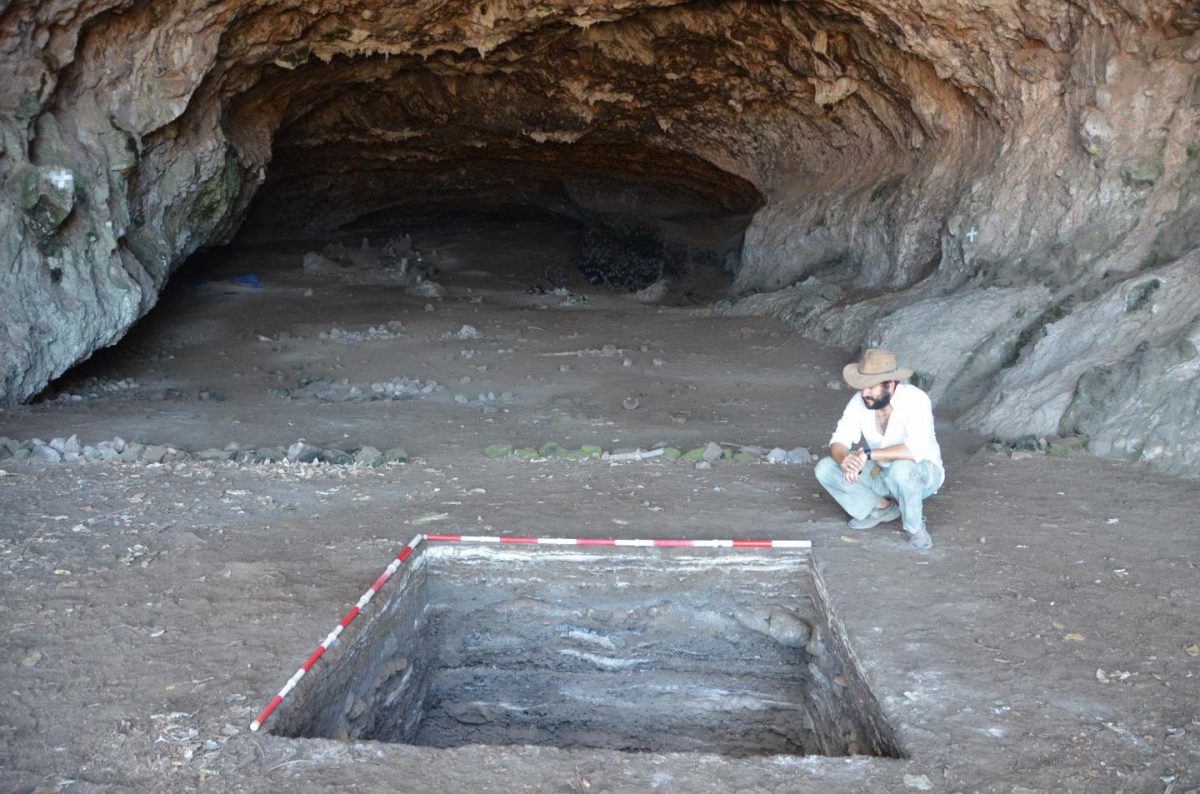
Evidence of Late Pleistocene human colonization of isolated islands
New isotopic study of fossil teeth shows flexible human adaptations to Pleistocene island life through time.
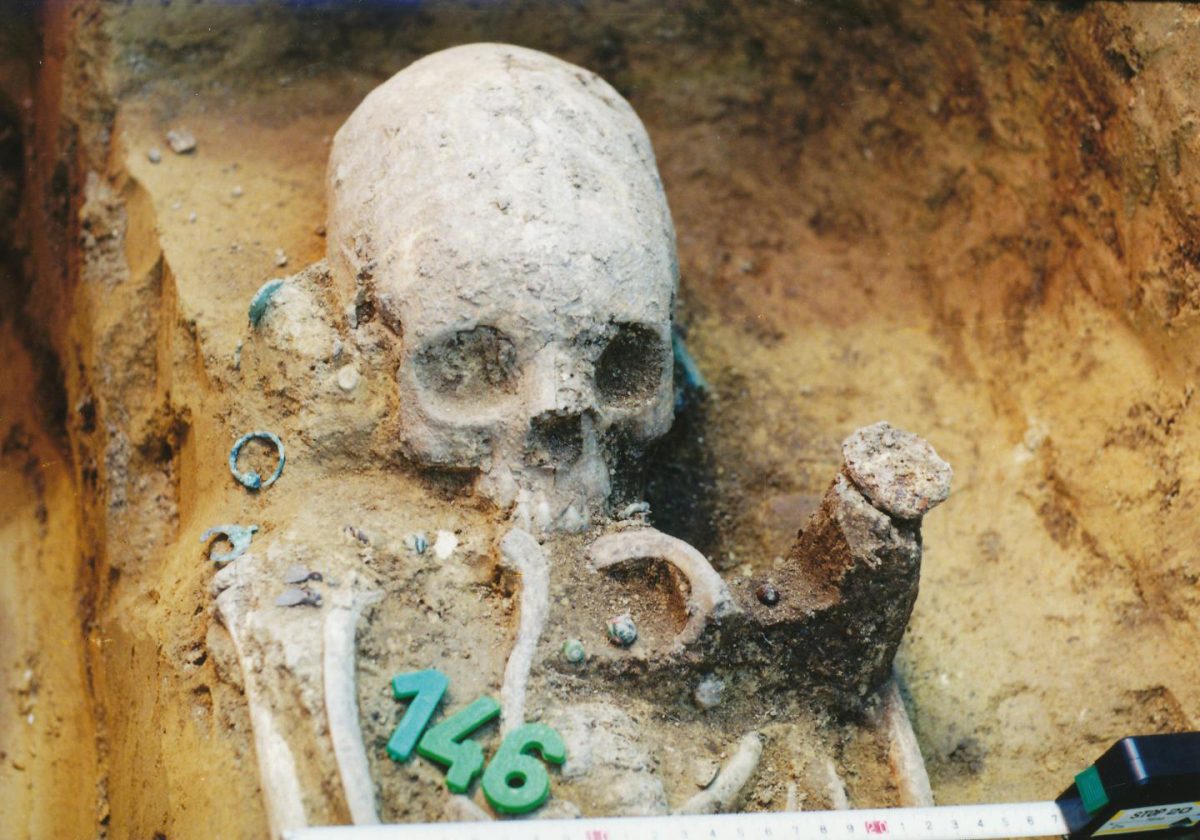
Deformed skulls reveal a multicultural community in transition
The ancient cemetery of Mözs-Icsei dülő in present-day Hungary holds clues to a unique community formation during the beginnings of Europe's Migration Period.
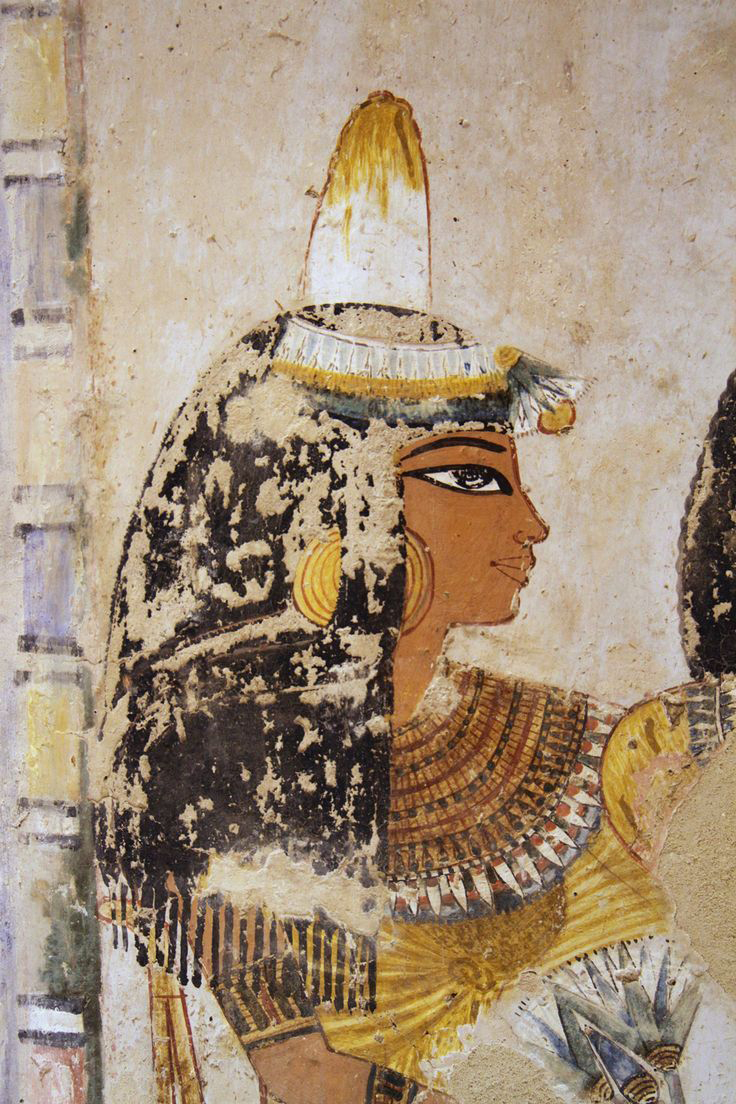
Ancient Egyptian Unguent Cones
PhD student of Egyptology Dora Goldsmith is offering a fun and educational online workshop this Sunday on the topic of unguent cones in ancient Egypt.
Classical Languages Summer School (CLaSS)
The Theological School of the Church of Cyprus (TSCC) launches in July 2020 the first Summer School in Cyprus focusing on the study of the classical languages.
Roman Society Museum & Heritage Summer Placement Scheme
Applications are invited for the Roman Society summer placement scheme.
Archaeological Atlas of Coptic Literature
The team of the ERC Advanced Grant “PAThs - Tracking Papyrus and Parchment Paths: An Archaeological Atlas of Coptic Literature” (Sapienza Università di Roma, P.I. Paola Buzi) announces the most recent outcomes of the project.
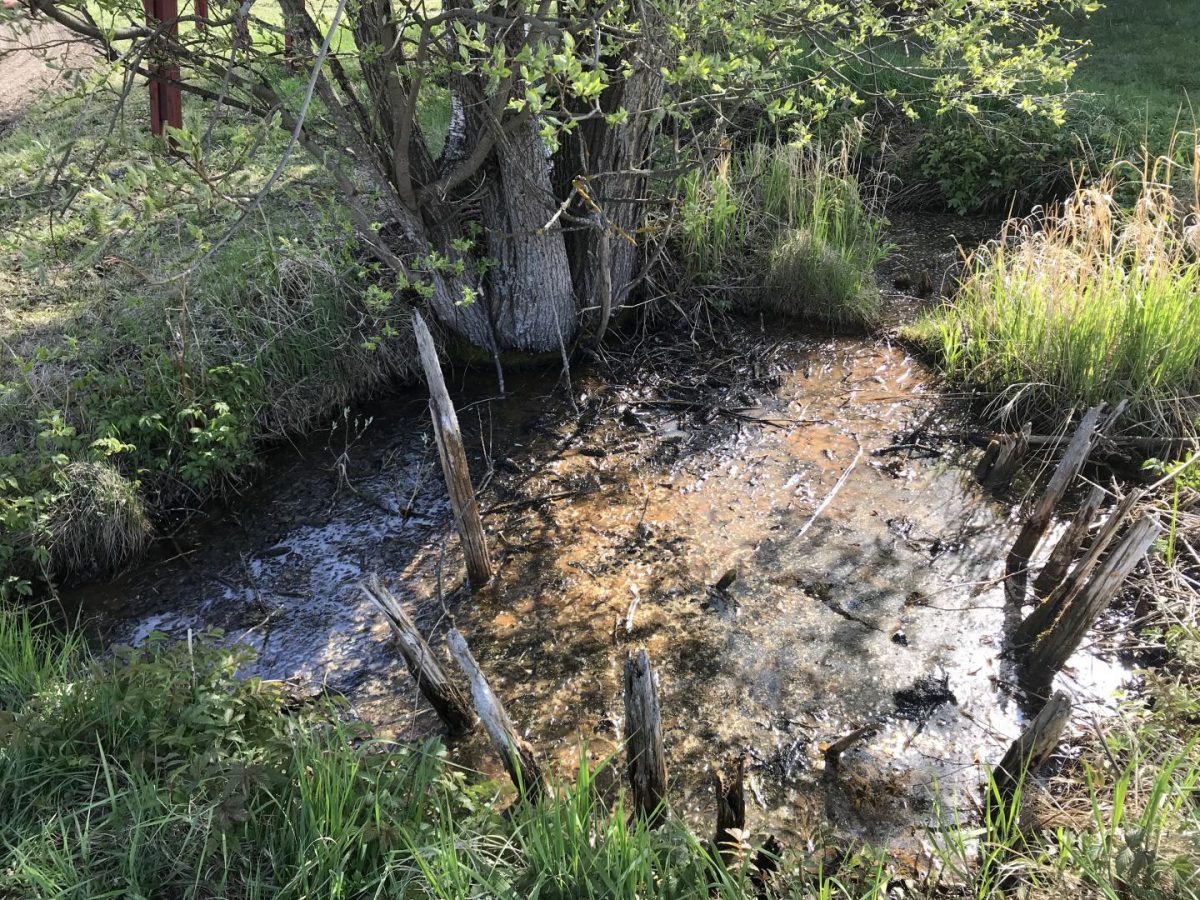
Diverse livelihoods helped Levänluhta people survive a climate disaster
A multidisciplinary research group coordinated by the University of Helsinki dated the bones of dozens of Iron Age residents of the Levänluhta site in Finland.
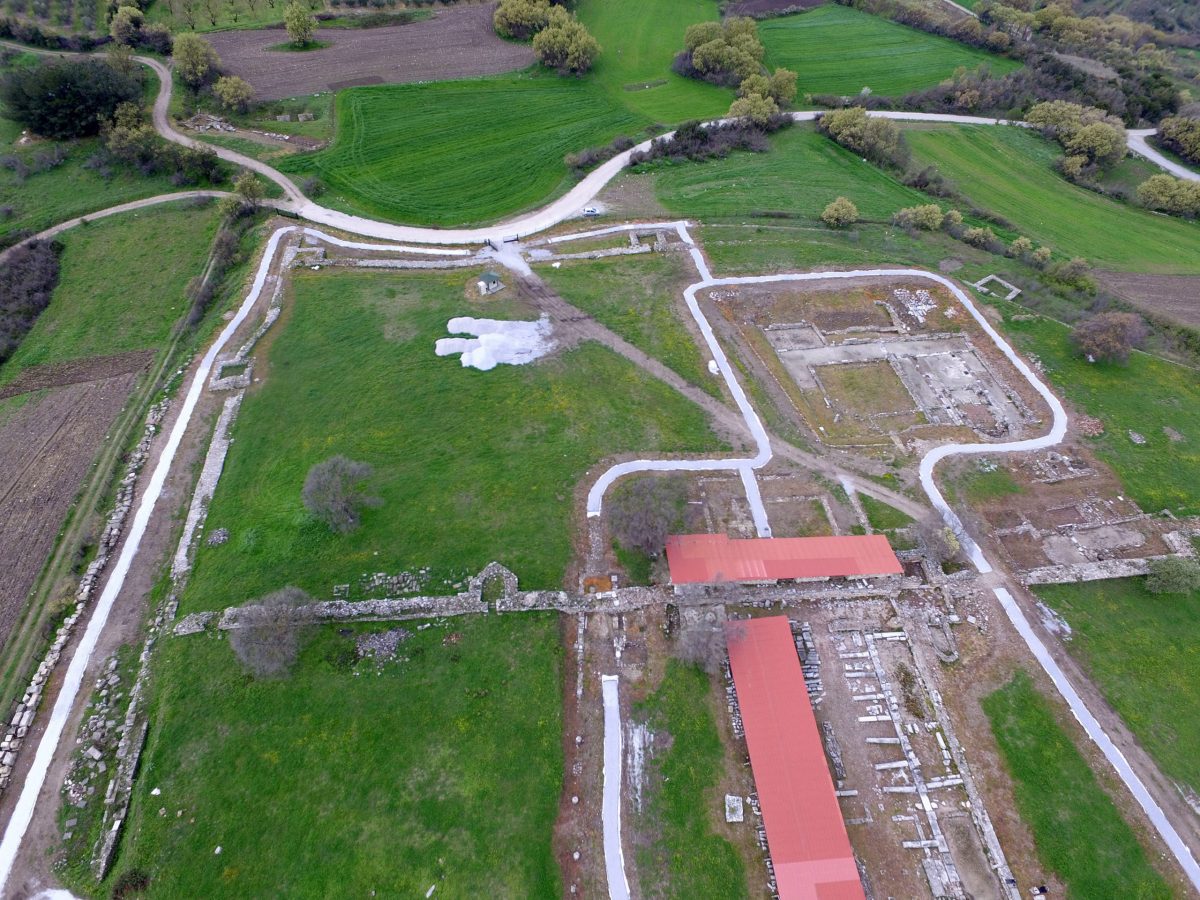
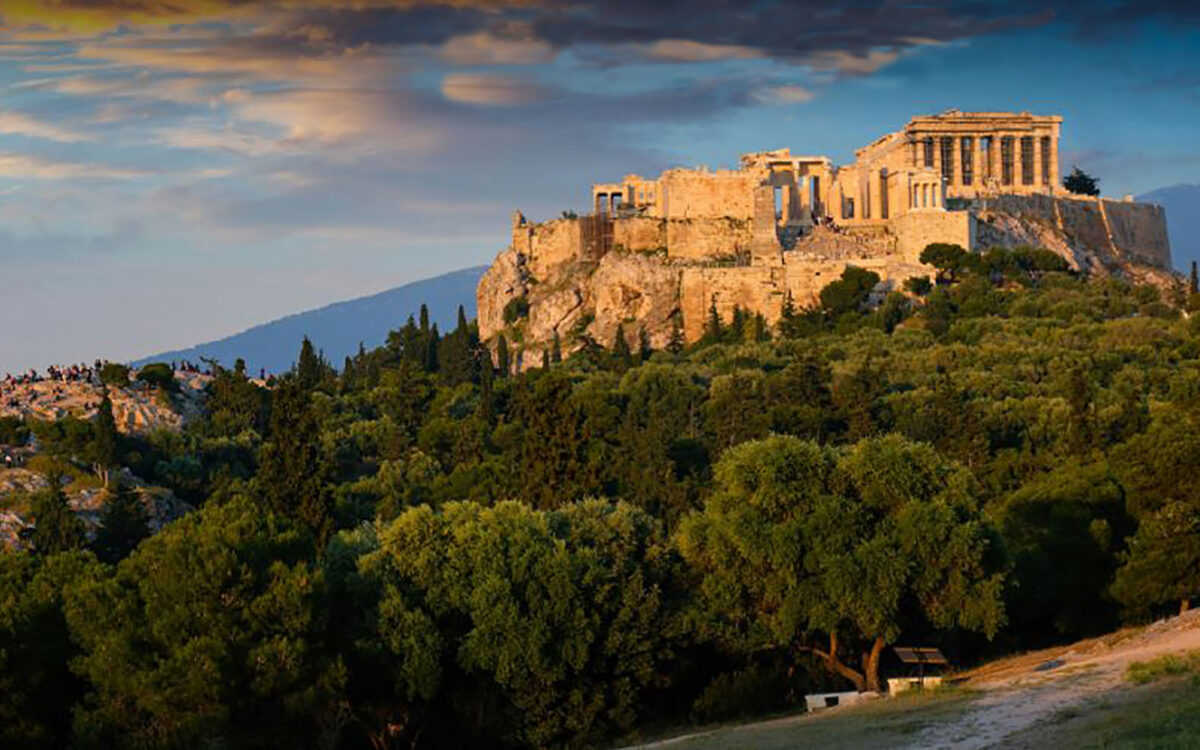
Progress of works in Amphipolis
Lina Mendoni requested a speeding up of procedures related to preparations of the static assessment and geotechnical study of the monument at the Kasta Tomb.
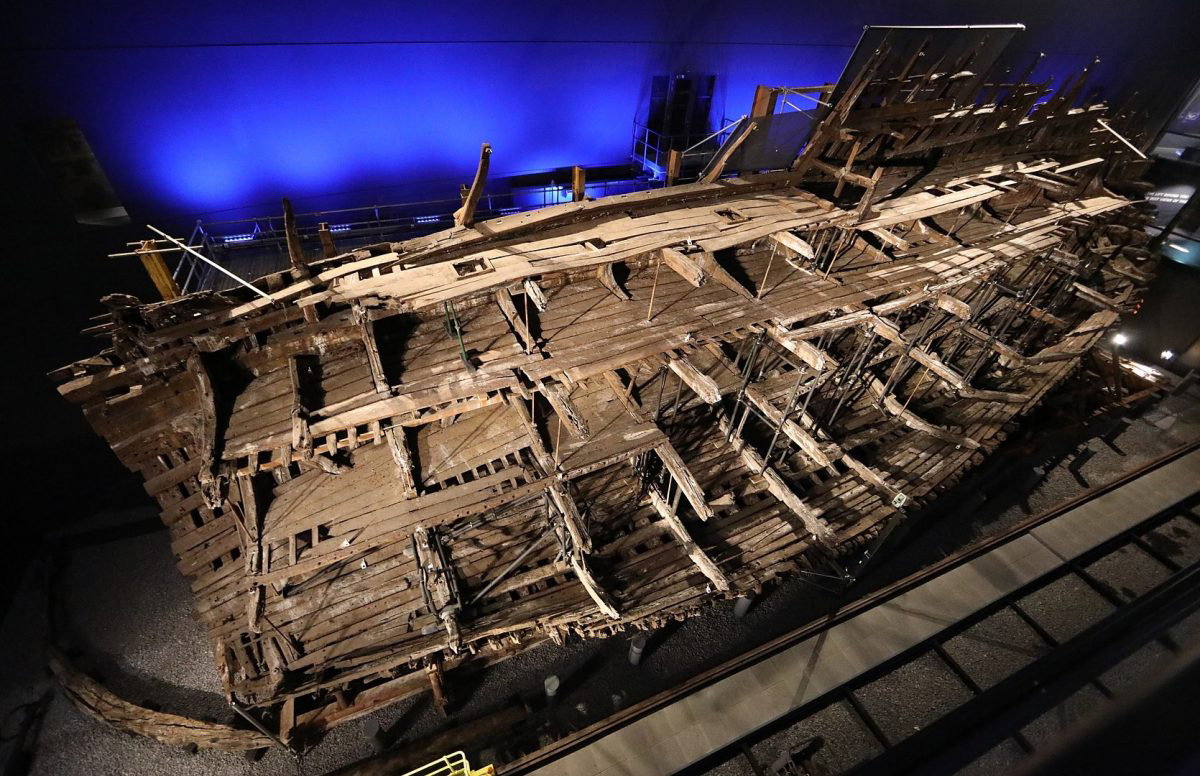
X-ray analysis sheds light on artefacts from Henry VIII’s warship
21st century X-ray technology has allowed University of Warwick scientists to peer back through time at the production of the armour worn by the crew of Henry VIII’s favoured warship, the Mary Rose.
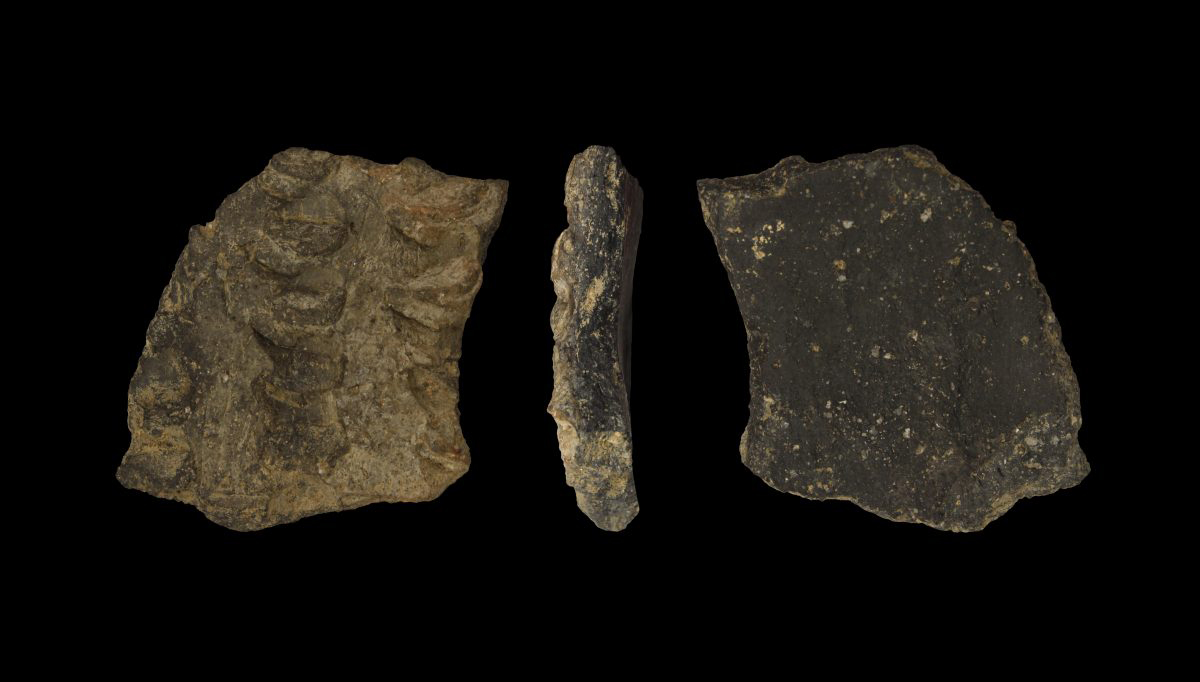
Study traces spread of early dairy farming across Western Europe
A study has tracked the shift from hunter-gatherer lifestyles to early farming that occurred in prehistoric Europe over a period of around 1,500 years.
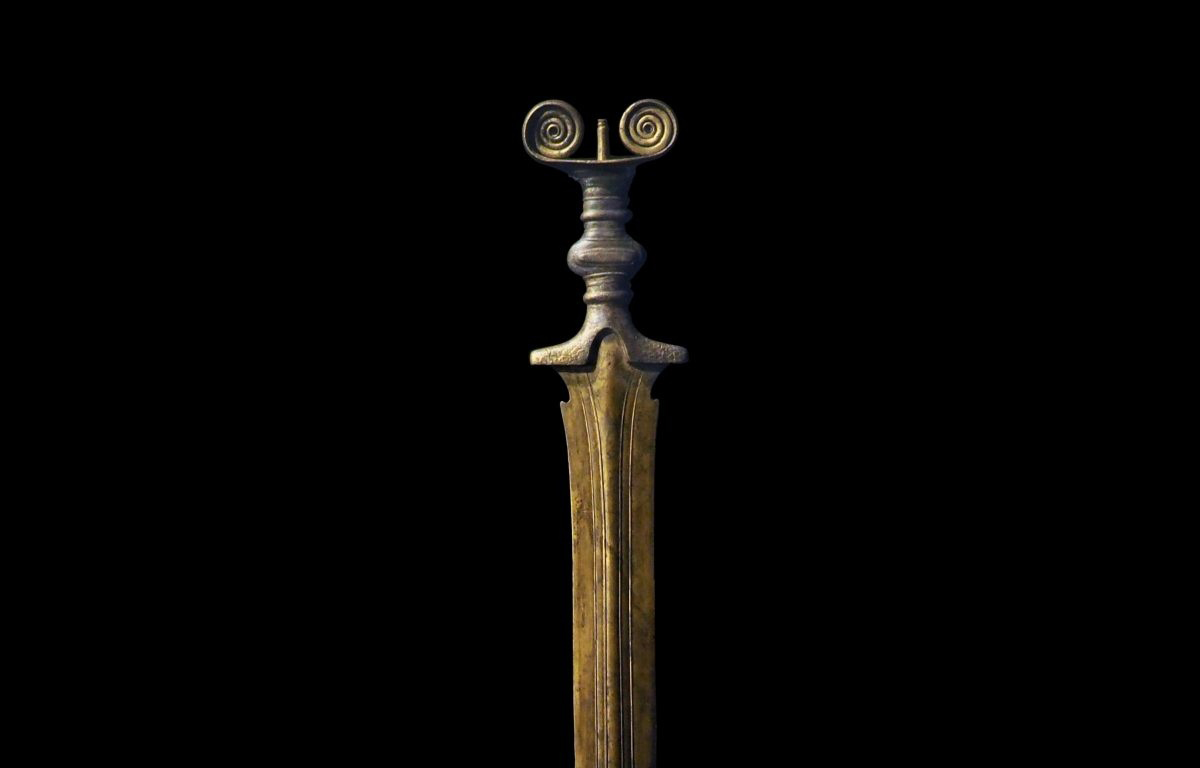
Bronze Age swords bear the marks of skilled fighters
Warriors during the Bronze Age used their weapons in skilful ways that would have required lots of training in specific techniques, researchers say.

Ottoman archives record the first meteorite victim
Stories of people killed by "stones that fell from the sky" date back to biblical times, but fewsuch cases have really been confirmed in modern times.
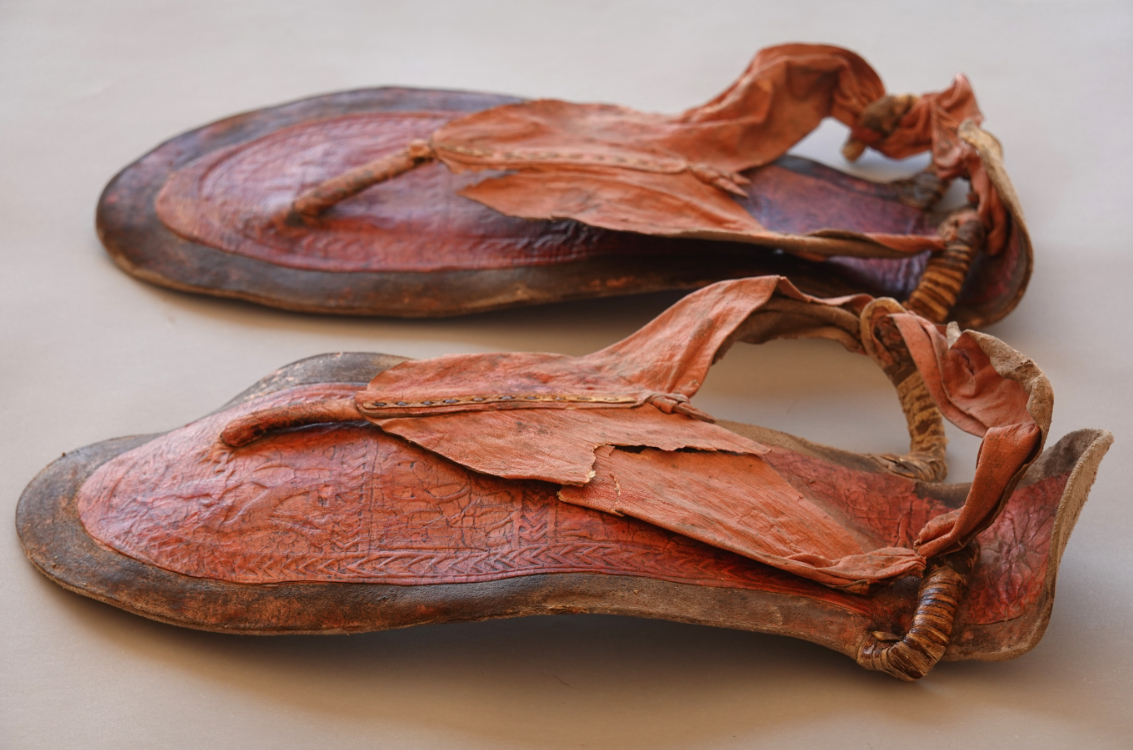
Rich burial of a teenage girl discovered in Egypt’s Dra Abu El Naga
The rich burial of a teenage girl was discovered in Egypt’s Dra Aby El Naga (West Bank, Luxor) by the Spanish-Egyptian mission working on the site.
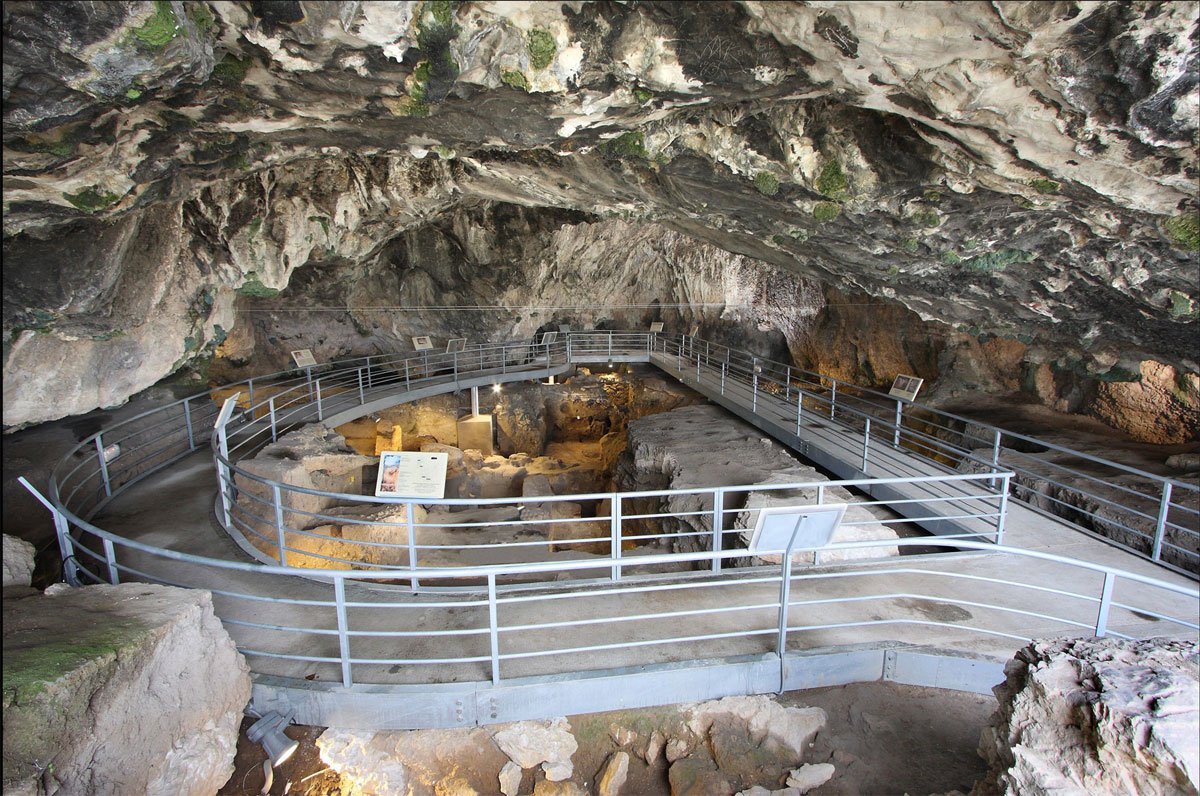
Theopetra Cave is to reopen to the public
Its operation had been suspended in June 2016 because of rockfalls in front of the cave entrance.
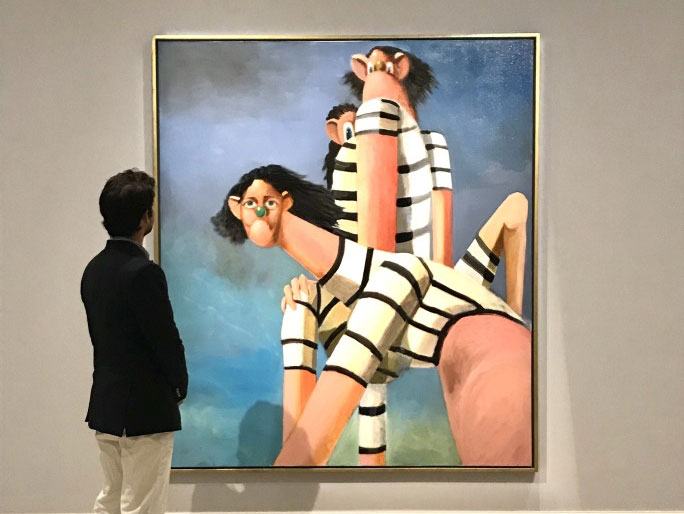
Contemporary Curated Realises the Highest Ever Total for an Online Sale
Online bidding battle takes George Condo's Quasi-Human Portrait to £1million / $1.3million - the highest price realised for a painting in an online sale at Sotheby's.
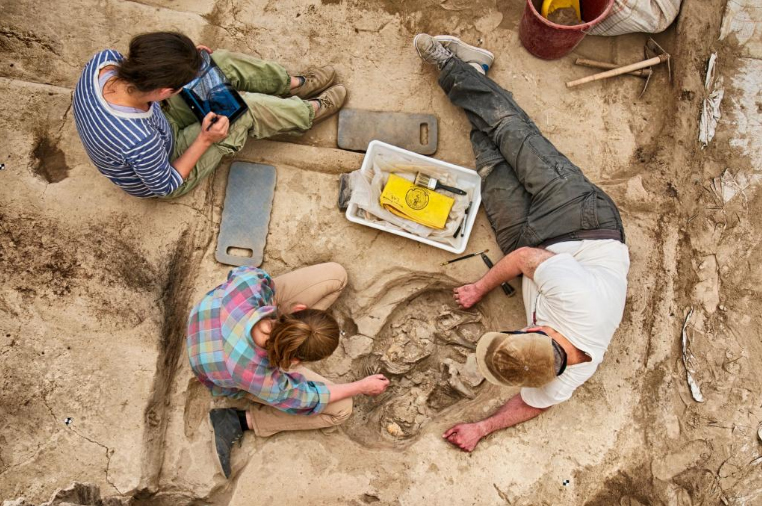
Residents of prehistoric settlements were buried in their own homes
Residents of an 8,000-year-old prehistoric proto-city could be buried in the houses where they lived, according to grim new research.
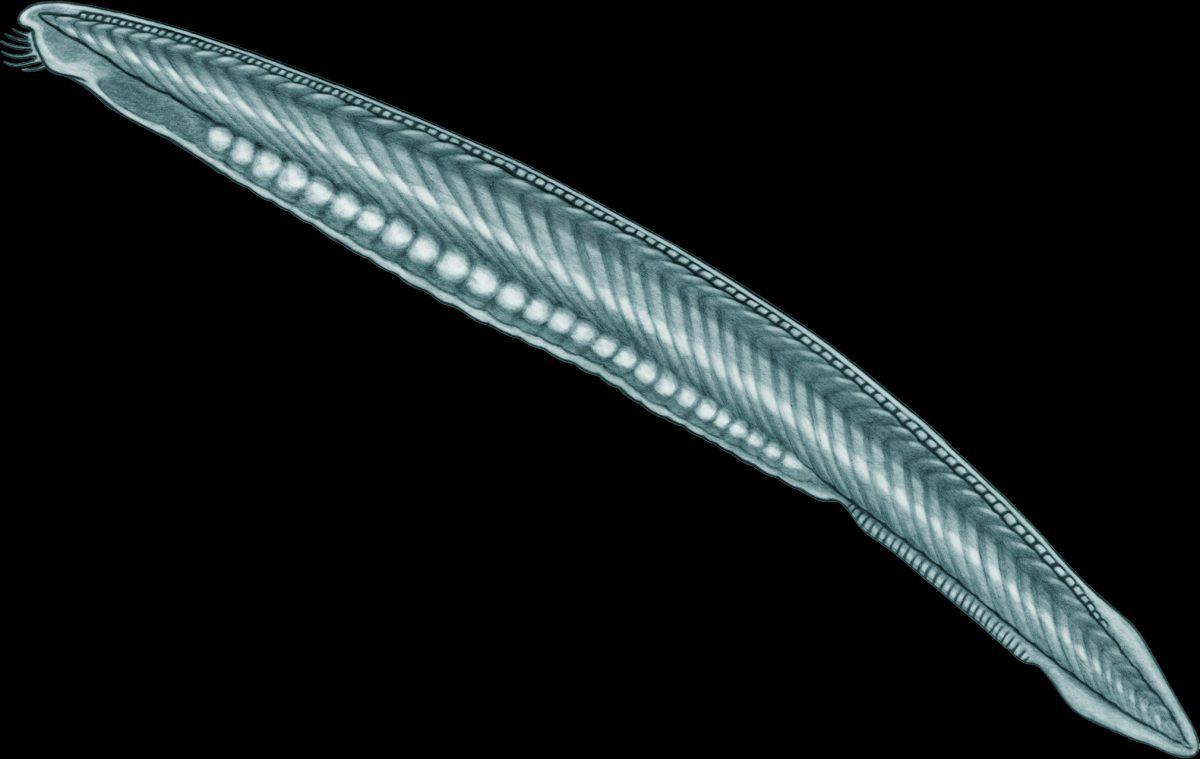
Promiscuity in the Paleozoic
Okinawa Institute of Science and Technology Graduate University researchers have used the chromosomes of living animals to uncover clues about our past.
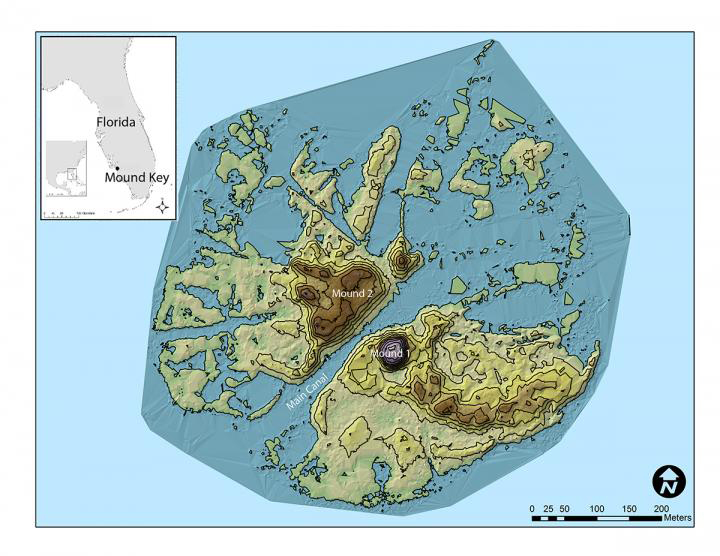
Florida’s Mound Key as location of elusive Spanish fort
Florida and Georgia archaeologists have discovered the location of Fort San Antón de Carlos, home of one of the first Jesuit missions in North America.
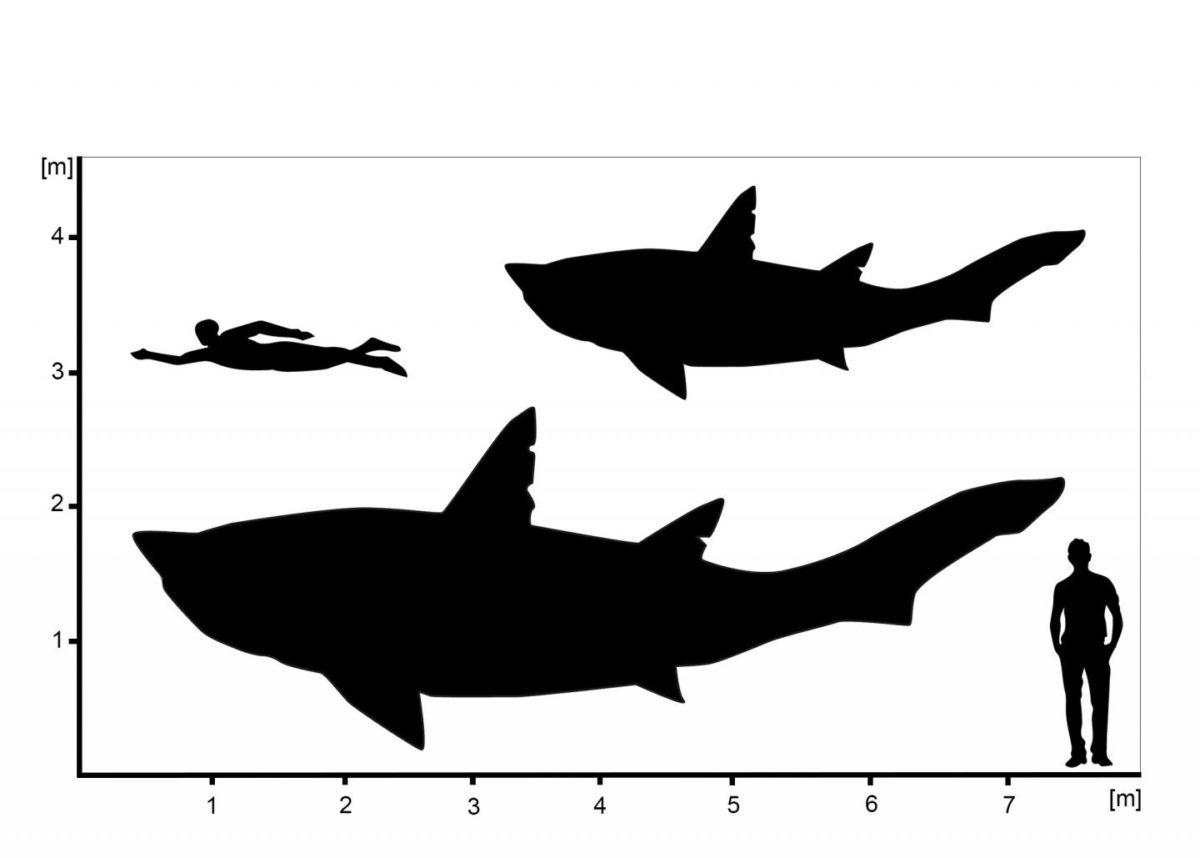
Giant teenage shark from the Dinosaur-era
Fossil vertebrae give insights into growth and extinction of an enigmatic shark group.
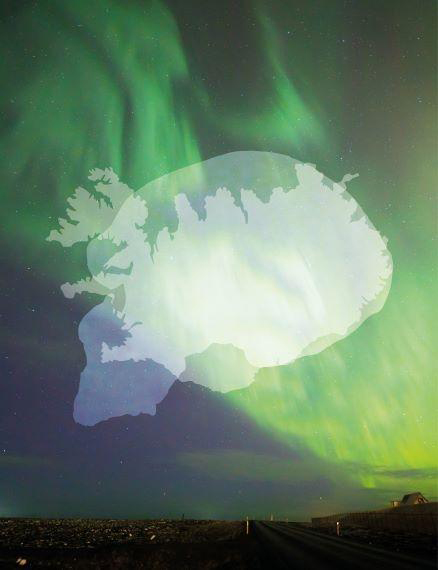
Icelandic DNA jigsaw-puzzle brings new knowledge about Neanderthals
An international team of researchers has put together a new image of Neanderthals based on the genes Neanderthals left in the DNA of modern humans when they had children with them about 50,000 years ago.
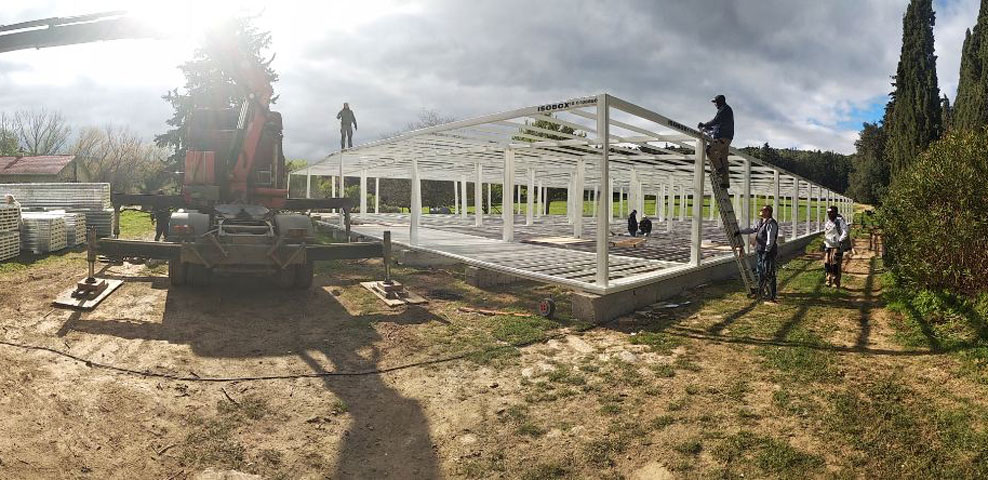
Works are progressing in the former royal estate of Tatoi
The draft of the Feasibility and Sustainability study was presented with an analysis of the estate’s basic features.
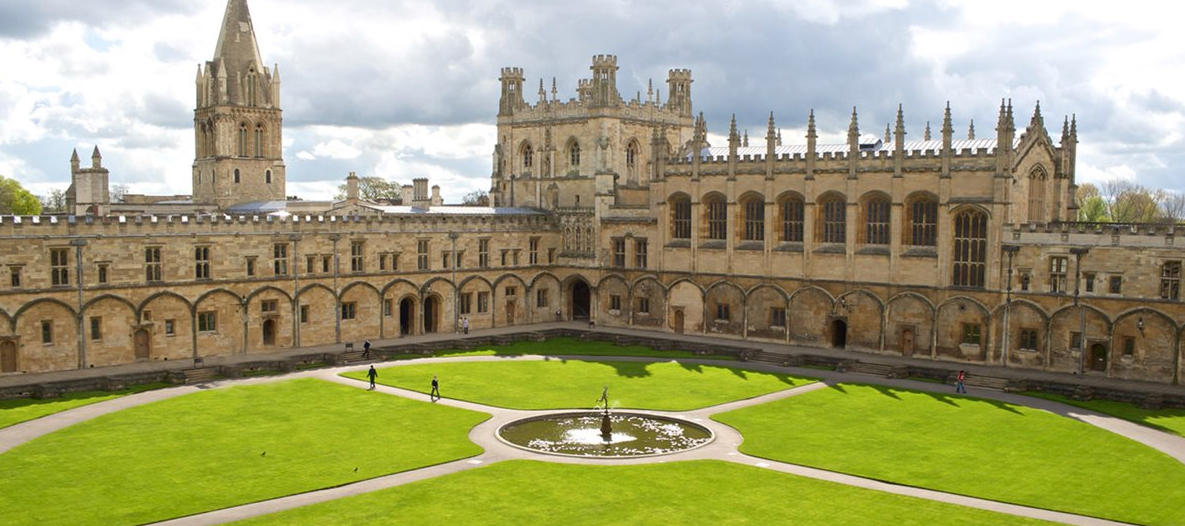
Junior Research Fellowship in Greek Mythology
Christ Church is advertising the Tower Junior Research Fellowship in Greek Mythology. The closing date is 14 May.
Virtual Public Lectures by the Egypt Exploration Society
During this troubling time, the Egypt Exploration Society has been working
hard to keep everyone Egyptological stimulated by offering a range of free
virtual public lectures.
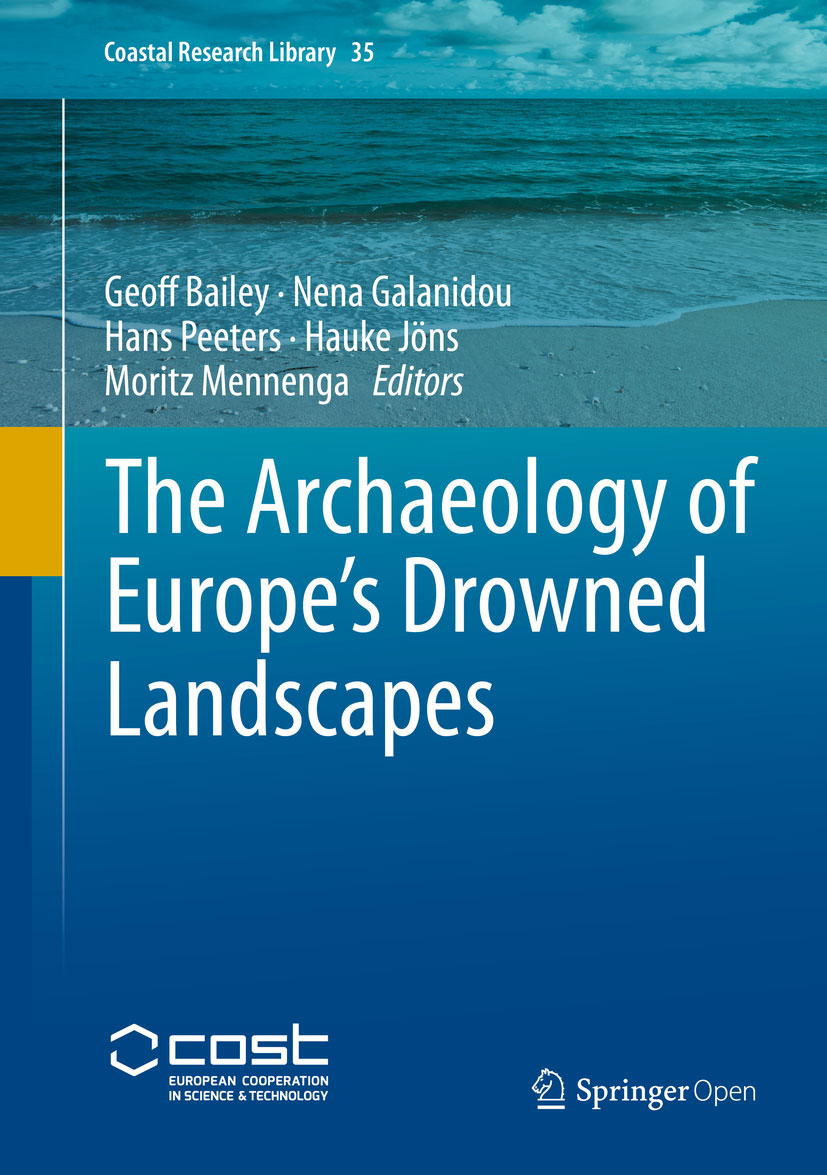
The Archaeology of Europe’s Drowned Landscapes
This open access volume provides for the first time a comprehensive description and scientific evaluation of underwater archaeological finds referring to human occupation of the continental shelf around the coastlines of Europe and the Mediterranean when sea levels were lower than present.