
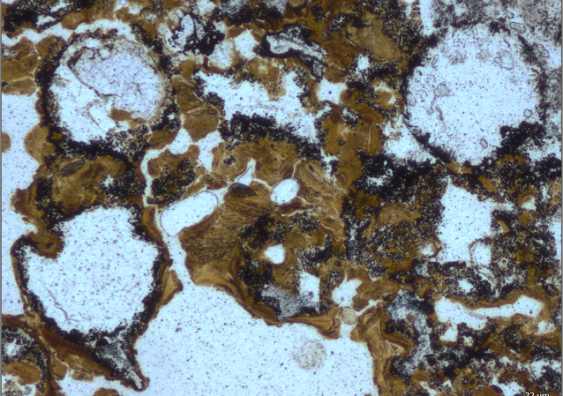
Oldest evidence of life on land found in 3.48 billion-year-old Australian rocks
Fossils discovered by UNSW scientists in ancient hot spring deposits in the Pilbara have pushed back by 580 million years the earliest known evidence for microbial life on land.
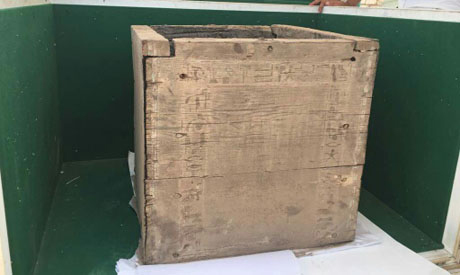
More finds in 13th Dynasty pyramid of Dahshur
The Egyptian archaeological mission from the Ministry of Antiquities uncovered the burial chamber of a 13th Dynasty Pyramid discovered last month in Dahshur archaeological site.

Divine Dialogues: Cy Twombly and Greek Antiquity
The exhibition showcases ancient artefacts side by side with works by contemporary American artist Cy Twombly.
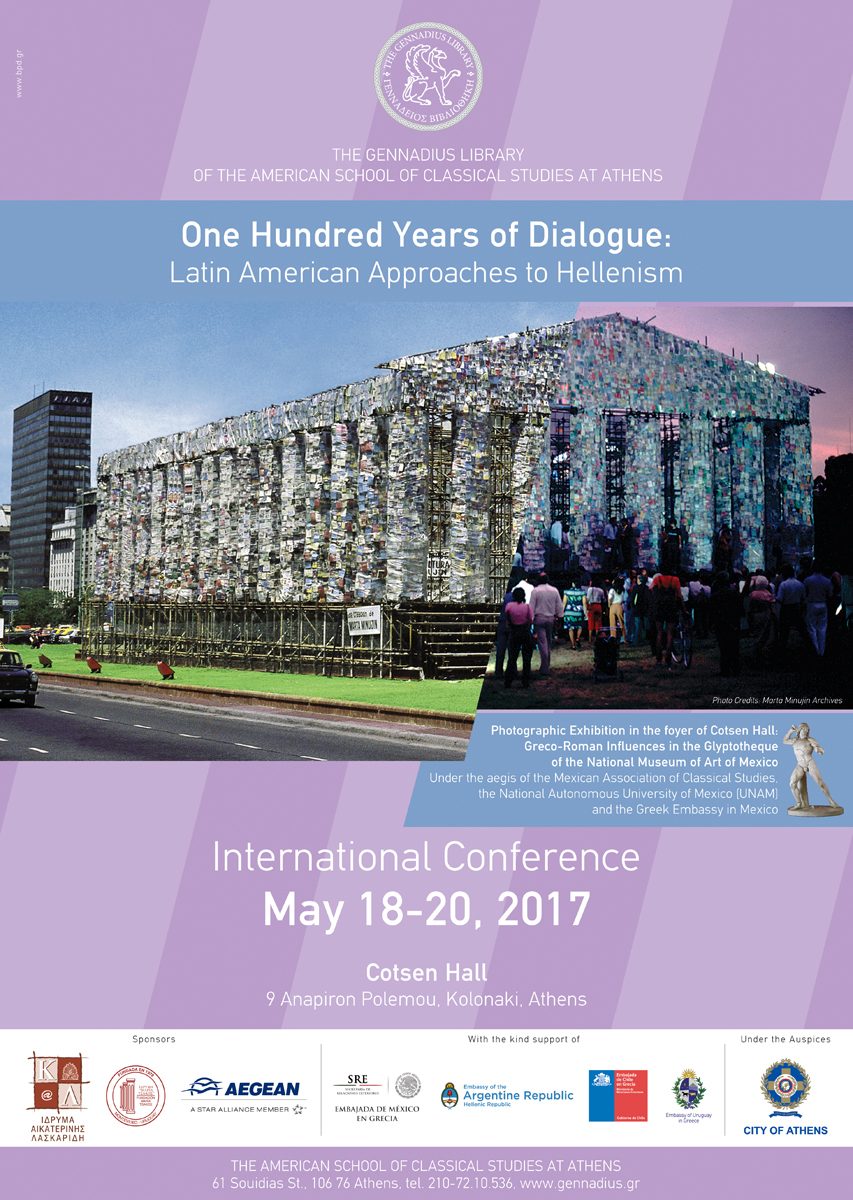
One Hundred Years of Dialogue: Latin American Approaches to Hellenism
Conference will deal with how Latin American scholars, poets, artists, and politicians understood, read, used, and represented Hellenism from antiquity to modern times.
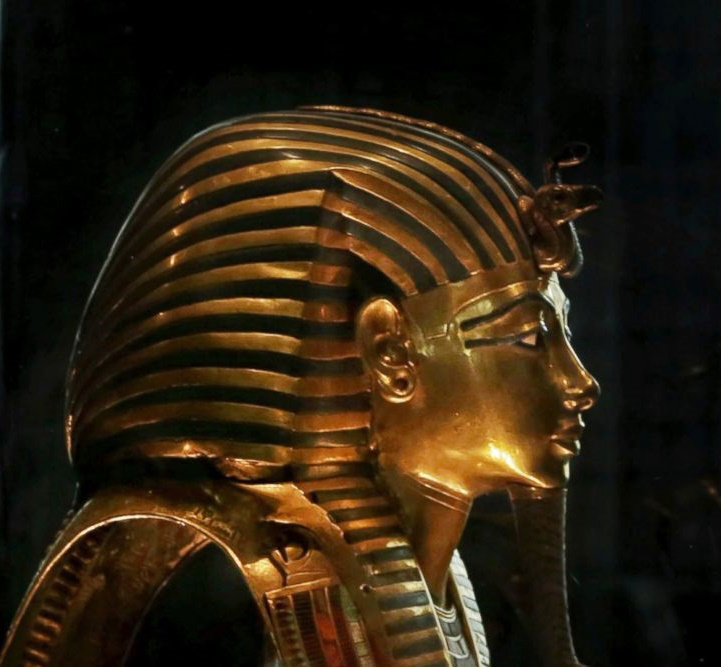
Expert meeting in Cairo over moving King Tut’s items
The safe transportation of King Tutankhamun's throne, chests and bed from the Egyptian Museum to the Grand Egyptian Museum was the main issue discussed by experts in Cairo.
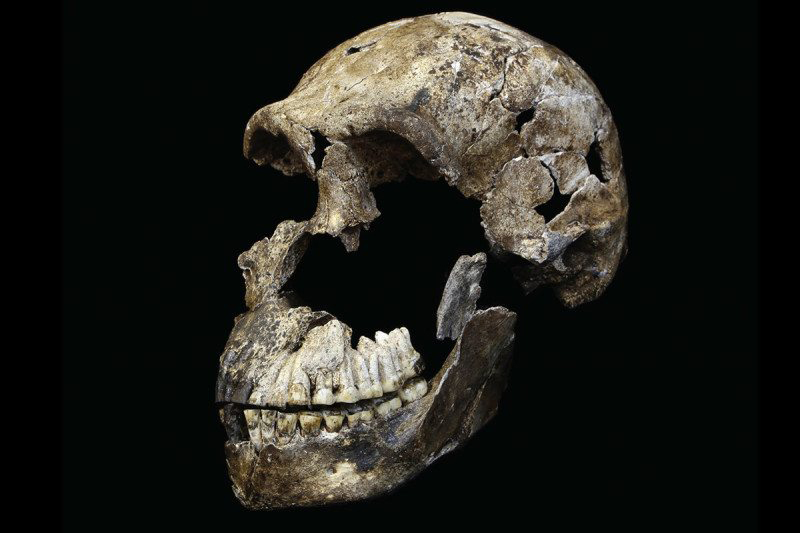
Young Homo naledi surprises
The Rising Star Cave system in South Africa has revealed yet more important discoveries.

House of European History: A place to debate, question and reflect on Europe’s history
From myths and discoveries to the chaos and cohesion of the 20th century, the House of European History will take visitors on a journey along the path of Europe’s history and challenge them to contemplate its future.
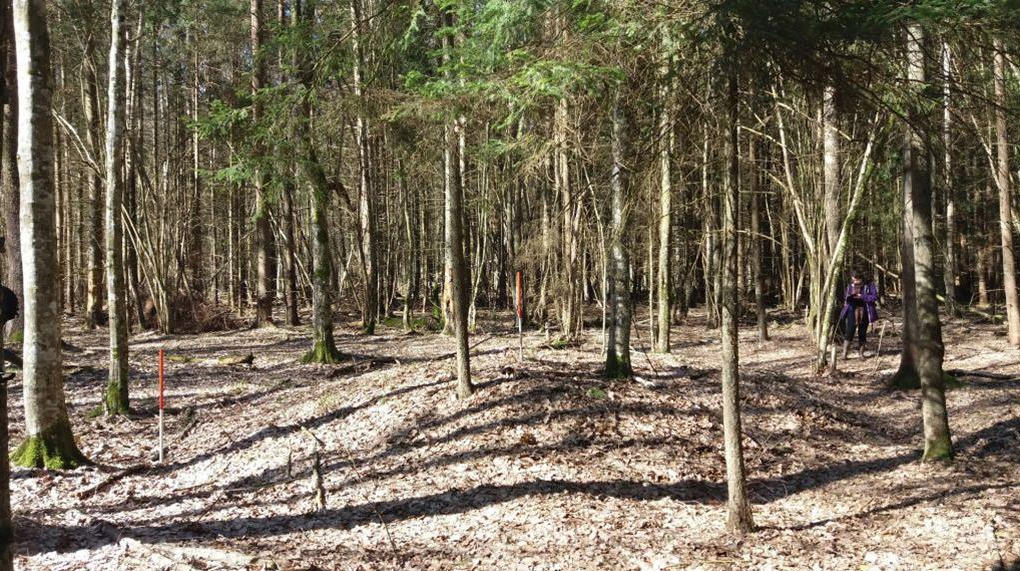
Barrows and outlines of ancient fields found in the Białowieża Forest
Archaeologists detected the ancient structures by using airborne laser scanning. Because of the strict regulations concerning the protection of the natural heritage in the park they can not conduct excavations there.
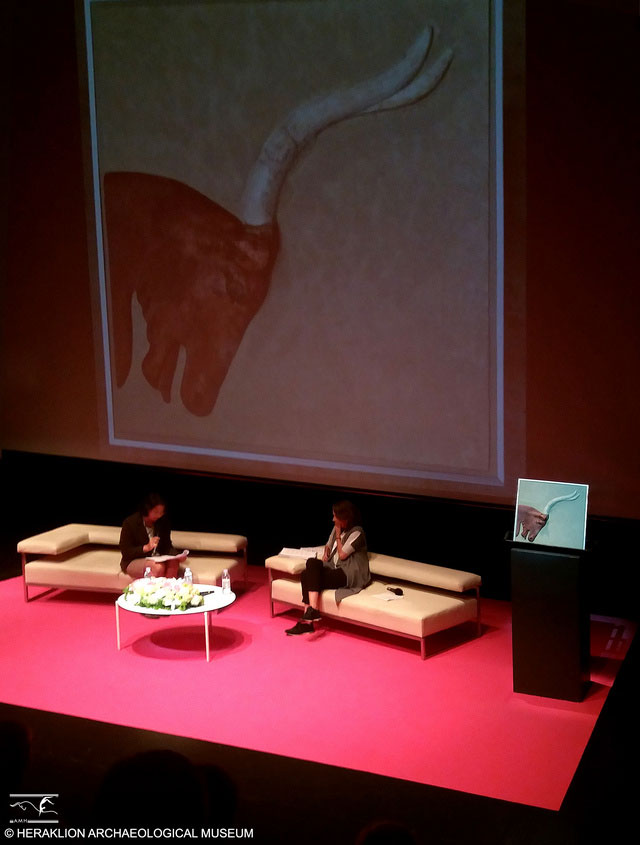
The Heraklion Archaeological Museum received a Special Commendation from EMYA
The Heraklion Archaeological Museum has been awarded a Special Commendation from the European Museum of the Year Award 2017 Judging Panel.

The Musée d’ethnographie de Genève received the EMYA 2017
The EMYA organised by the European Museum Forum (EMF), was presented at the 2017 Award Ceremony held in Zagreb, Croatia, in collaboration with Ethnographic Museum Zagreb, on 6 May 2017.

Archaeogeneticist pinpoints Indian population origins using today’s populace
PhD student Marina Silva has identified migrating humans from Africa, Iran and Central Asia over a period of 50,000 years.
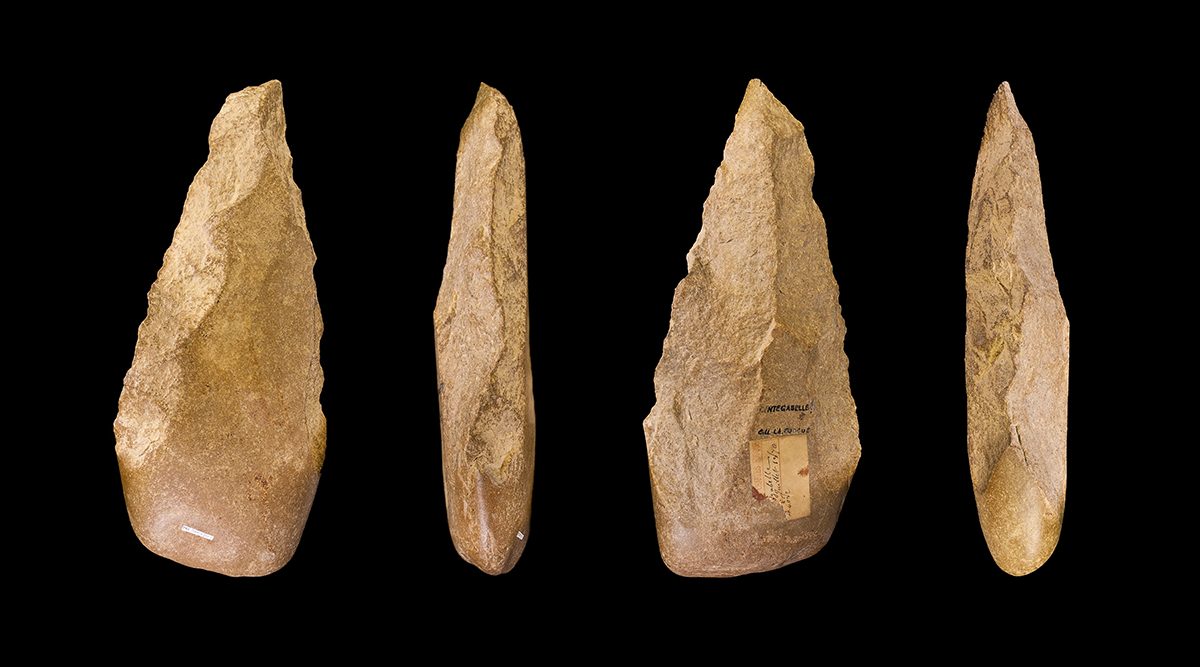
Changes in Early Stone Age tool production have ‘musical’ ties
New research suggests that advances in the production of Early Stone Age tools had less to do with the evolution of language and more to do with the brain networks involved in modern piano playing.
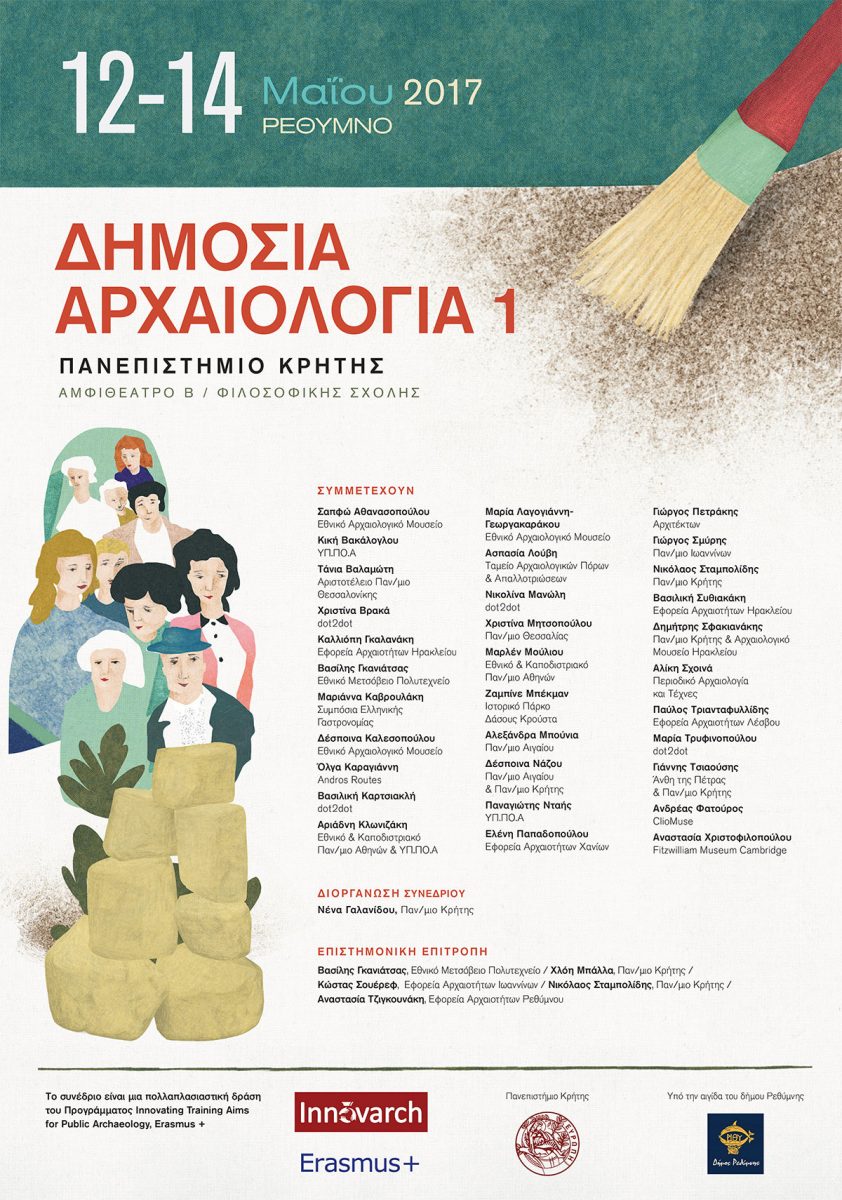
The first conference on Public Archaeology in Greece
The first conference on Public Archaeology in Greece will take place on May 12-14, 2017 at the University of Crete.
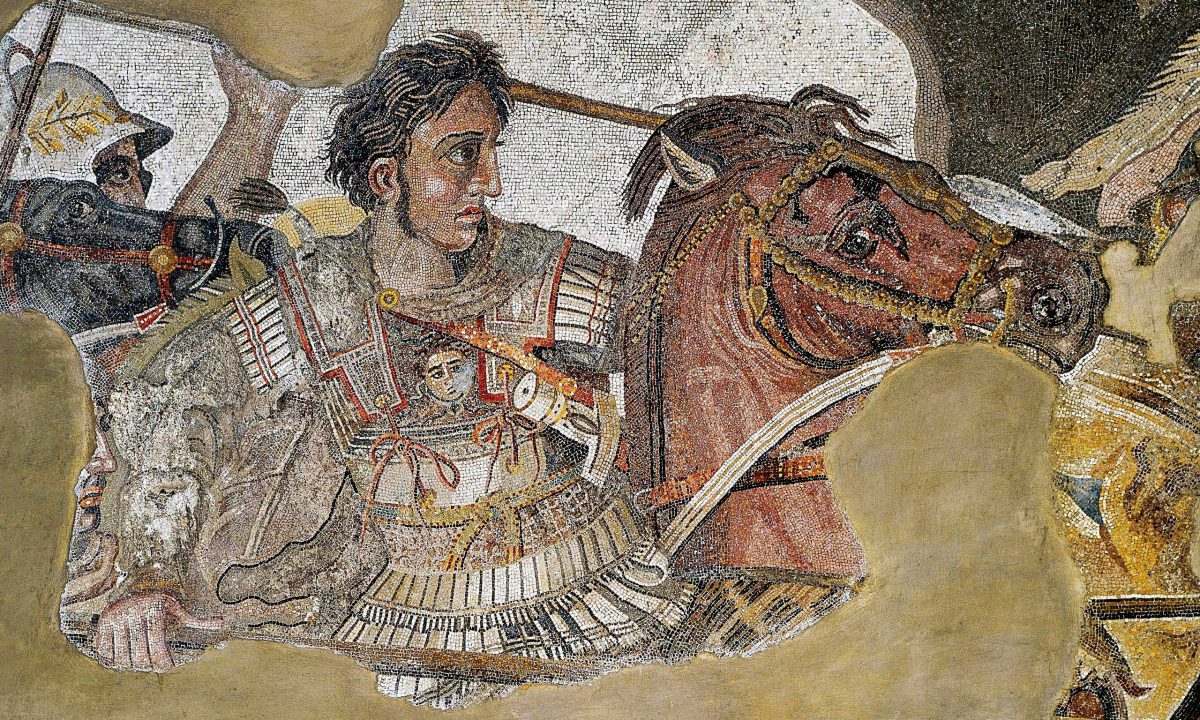
The Impact of Alexander’s Conquest
Conference about the impact of the Macedonian conquest (338-279 BC).
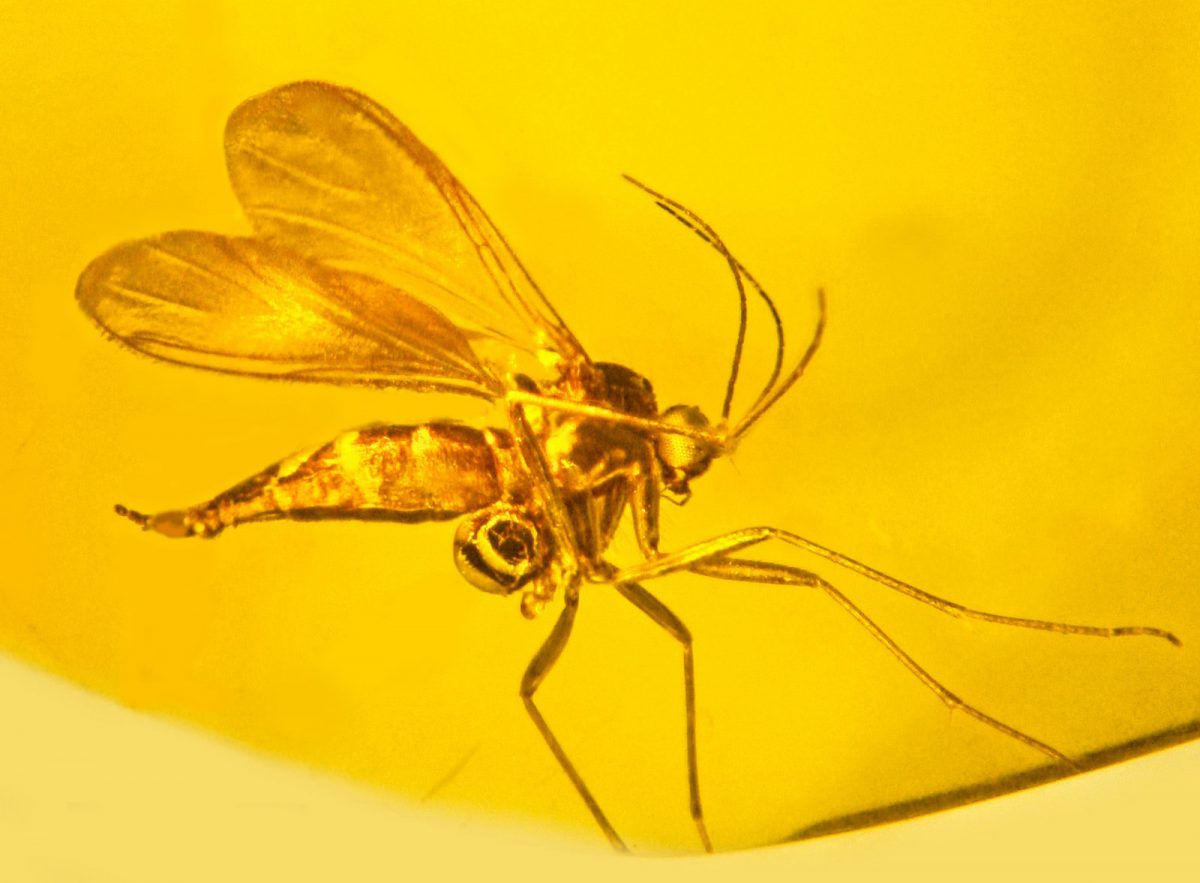
Researchers identify evidence of oldest orchid fossil on record
A newly published study documents evidence of an orchid fossil trapped in Baltic amber.
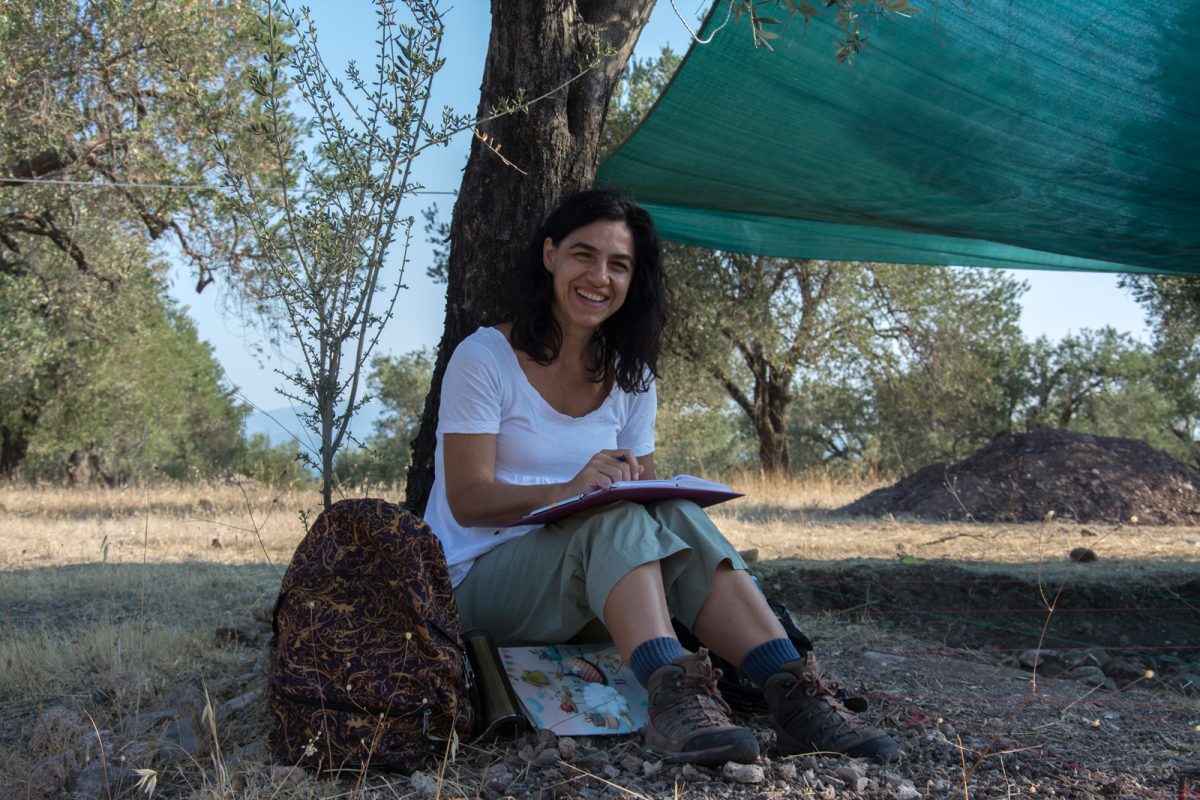
Stone Age and Public Archaeology
"By specializing in Palaeolithic Archaeology, I’m essentially taking a leap, going beyond the differences and reaching our deep roots to those things that unite humans as a species".
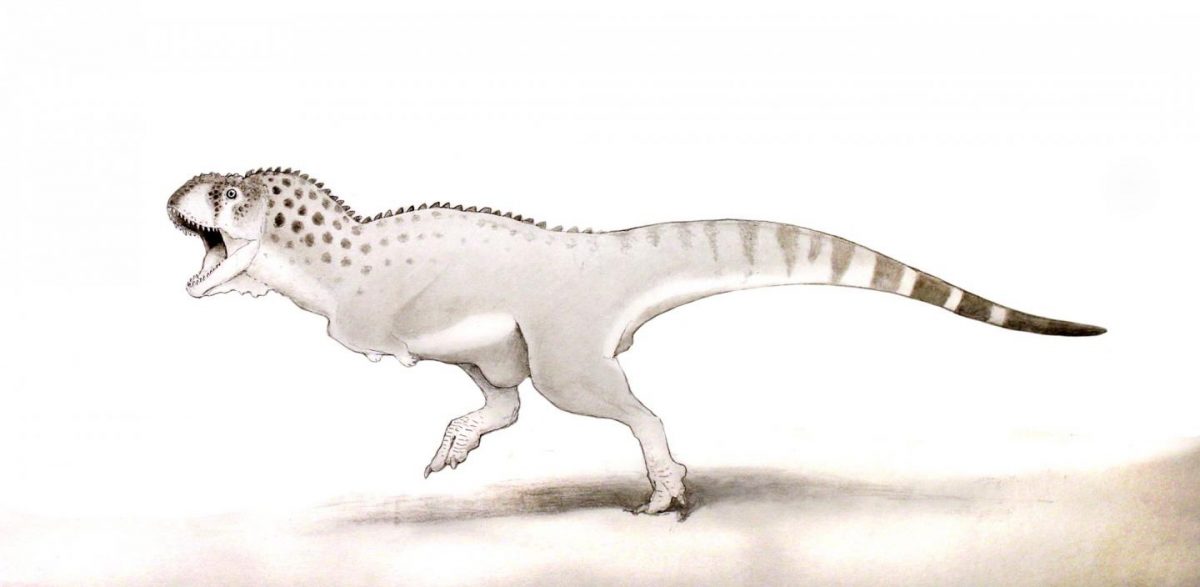
‘Last African dinosaur’ discovered in Moroccan mine
One of the last dinosaurs living in Africa before their extinction 66 million years ago has been discovered in a phosphate mine in northern Morocco.
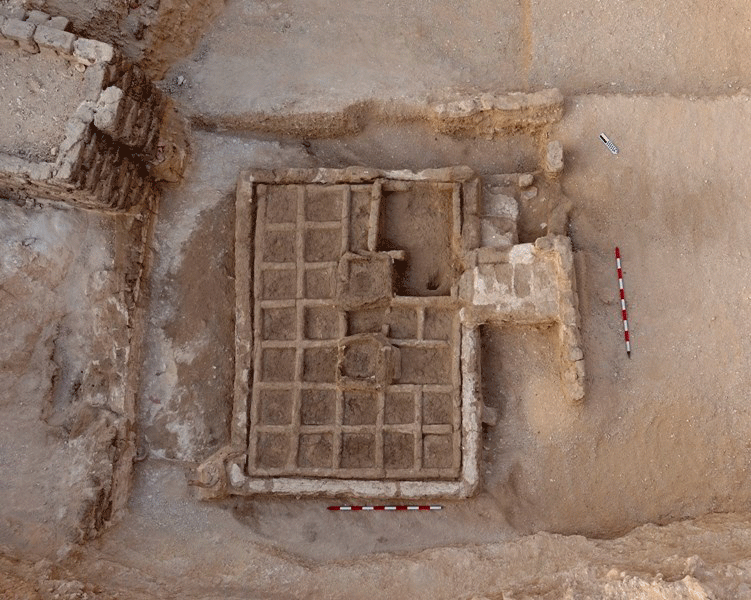
Ancient funerary garden discovered in Egyptian necropolis
Archaeologists in Egypt have discovered a unique ancient funerary garden on Luxor's west bank.
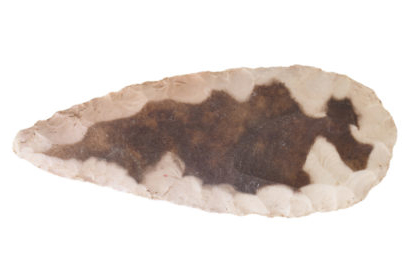
How migrations and other population dynamics could have shaped early human culture
Around 50,000 years ago, all of sudden, there was an explosion of new tools, art and other cultural artifacts. What caused that change?
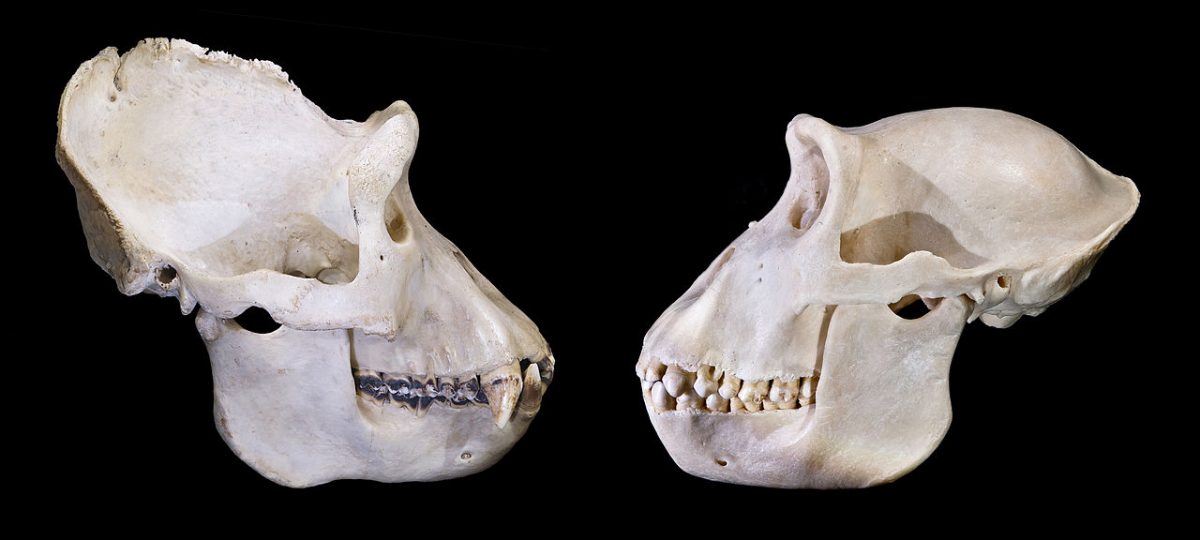
Study could provide first clues about the social lives of extinct human relatives
A new study from The Australian National University (ANU) of the bony head-crests of male gorillas could provide some of the first clues about the social structures of our extinct human relatives, including how they chose their sexual partners.

Responding to the global movement of people – learning to live with difference
Lecture by Prof. Andrea Witcomb. The event is presented by the Hellenic National Committee of ICOM.
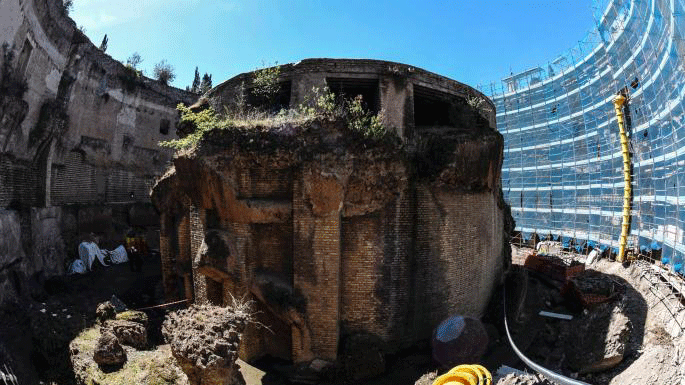
The Mausoleum of Emperor Augustus in Rome is finally under restoration
The mausoleum of Emperor Augustus in the centre of Rome will be restored and reopen to the public by April 2019.
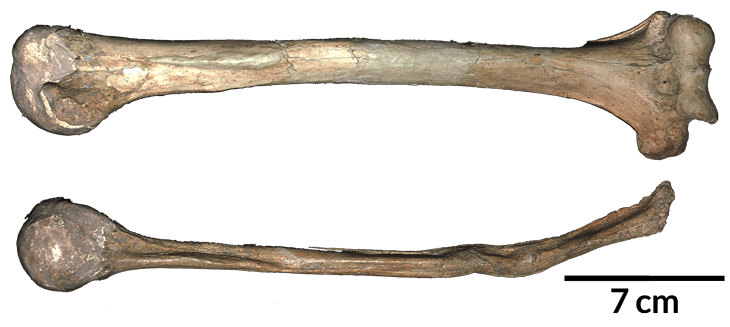
Neanderthal injury patterns cannot be compared to modern ones
A comparative analysis of Neanderthal bone fractures and modern day injuries attempts to define whether we can understand how Neanderthal trauma was caused.
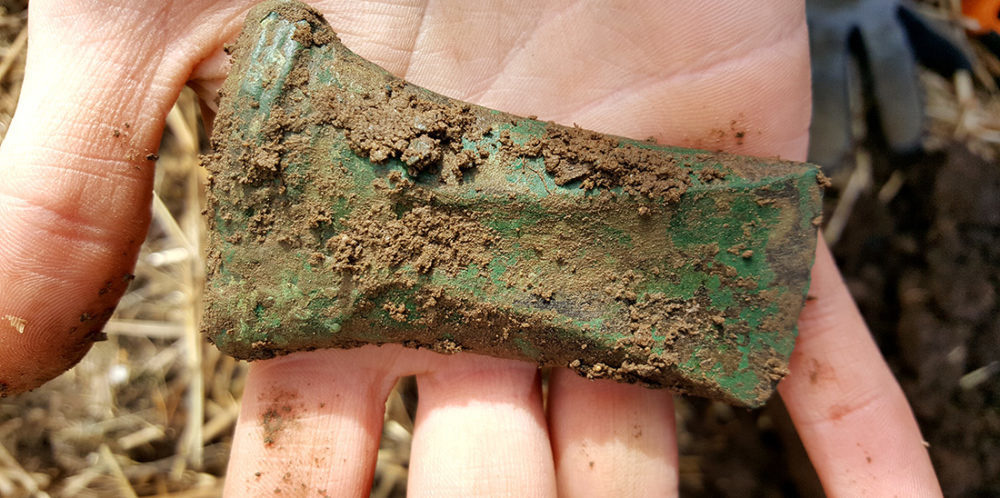
Three-thousand-year-old axes found in farmer’s field in mid-Norway
Some 3,000 years ago, 24 axes were cached in Stjørdal municipality, about 44 km east of Trondheim. They ’re now seeing the light of day once again.