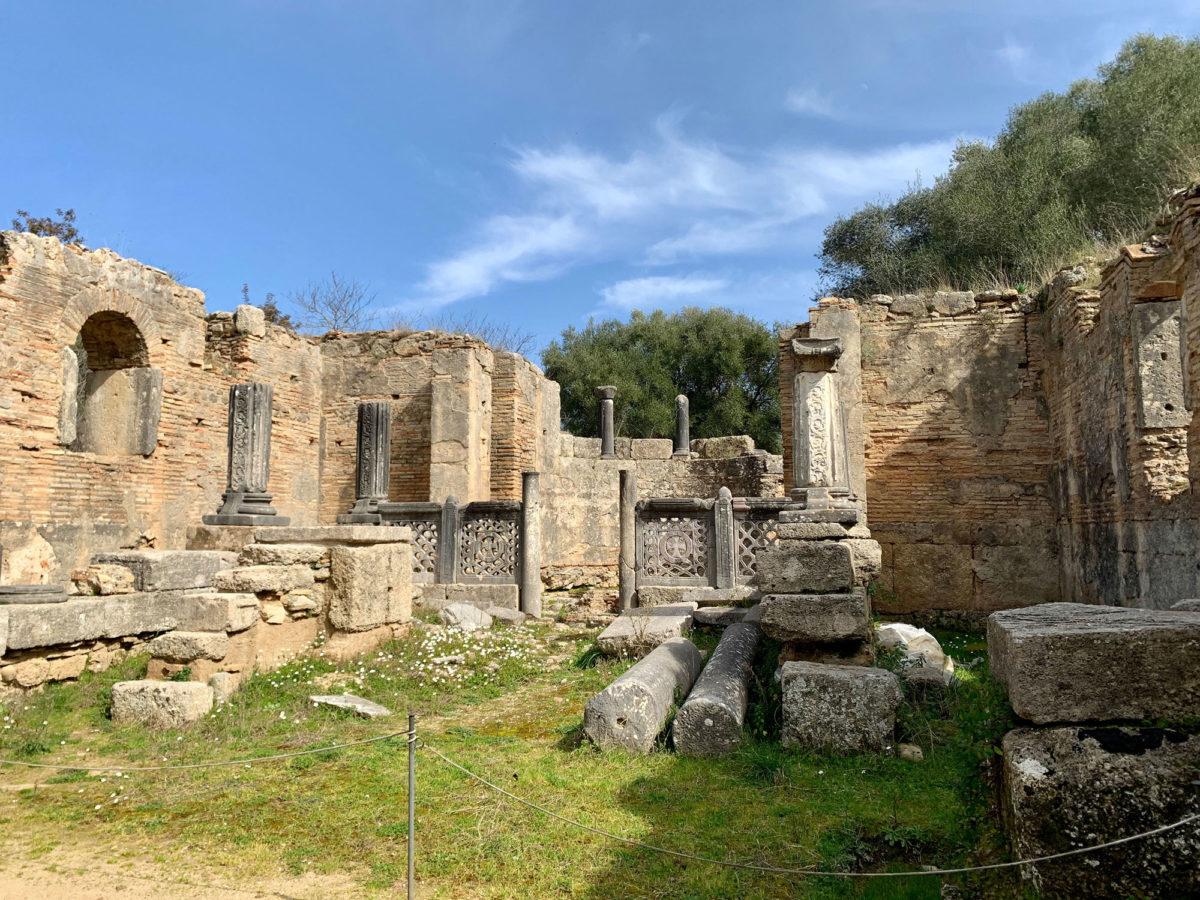
Olympia: Enhancement of the archaeological site’s Roman phase
It regards 6 buildings: the Baths of Nero, the Athletes’ Lesche, the Leonidaion Baths, the Baths of Kladeos, the South Baths and the Early Christian Basilica.
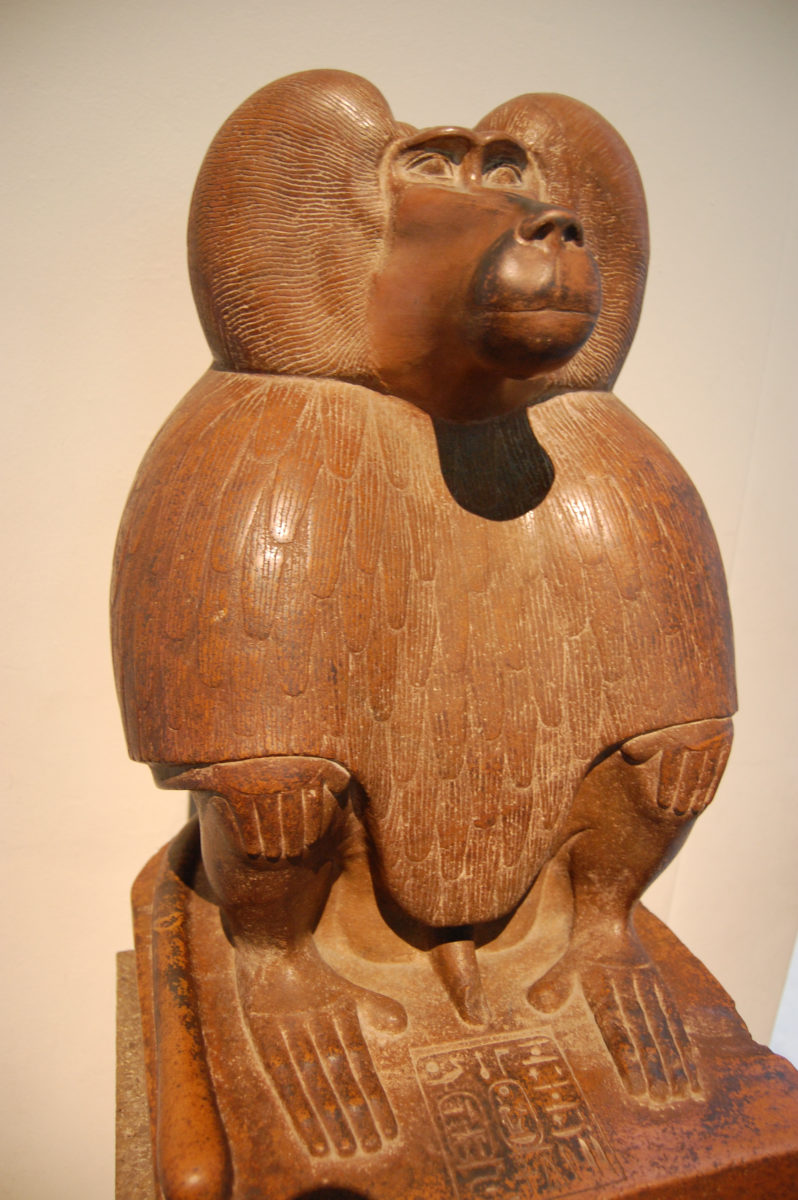
Baboons from ancient Egypt might hold the key to domestication mechanisms
When raised in captivity, such baboons were found to bearing a unique oral microbiome surviving in their dental plaque.
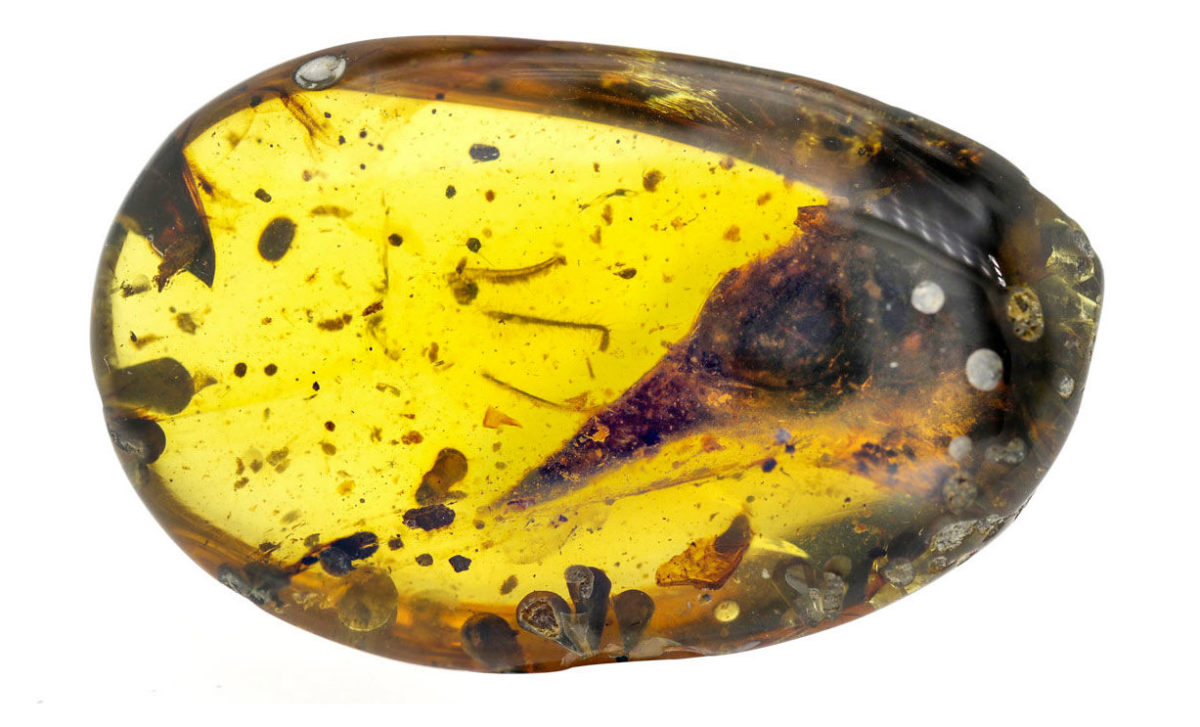
Hummingbird-sized dinosaur from the Cretaceous period of Myanmar
This discovery highlights the potential of amber deposits to reveal the lowest limits of vertebrate body size.
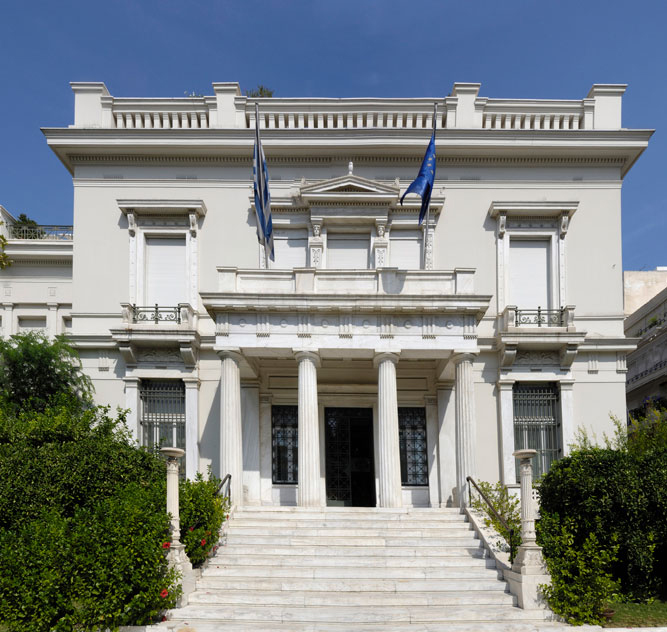
Announcement by the Benaki Museum
Until 30 March, the Museum will stay in contact with its audience and associates in the ways described in the announcement.
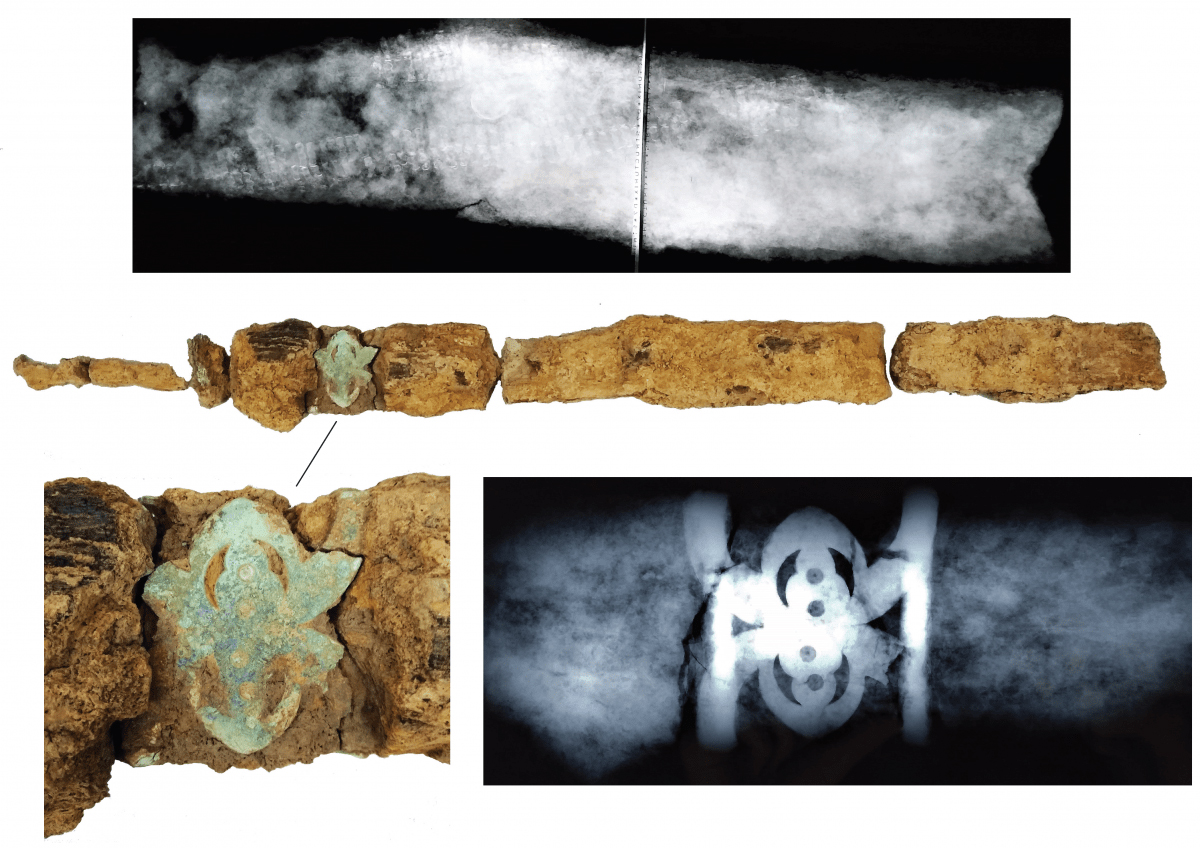
Iron Age ‘warrior’ burial with sword and spear
A richly-furnished grave belonging to an Iron Age ‘warrior’ buried 2,000 years ago has been uncovered in West Sussex by UCL archaeologists.
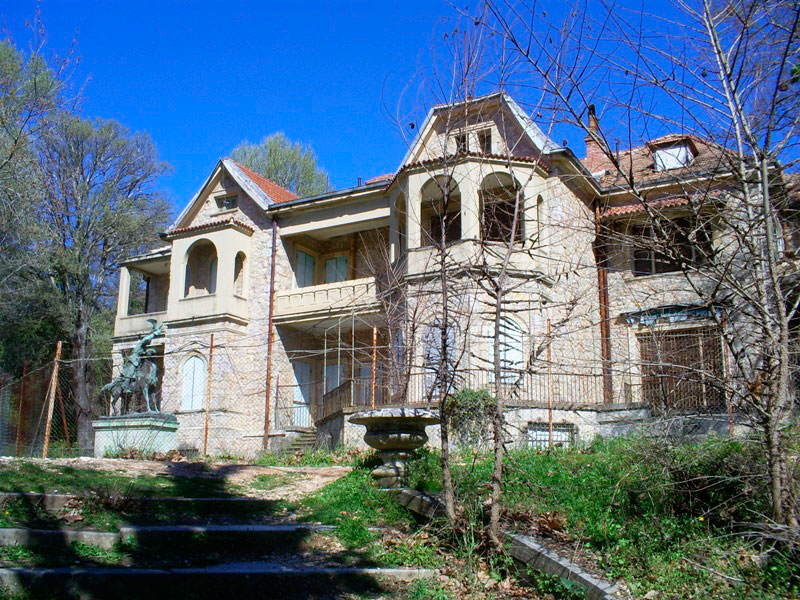
Tatoi Estate: The aim is to have completed the palace by 2023
In an interview on SKAI radio station, Minister of Culture and Sports L. Mendoni referred to the progress of work underway in Tatoi.
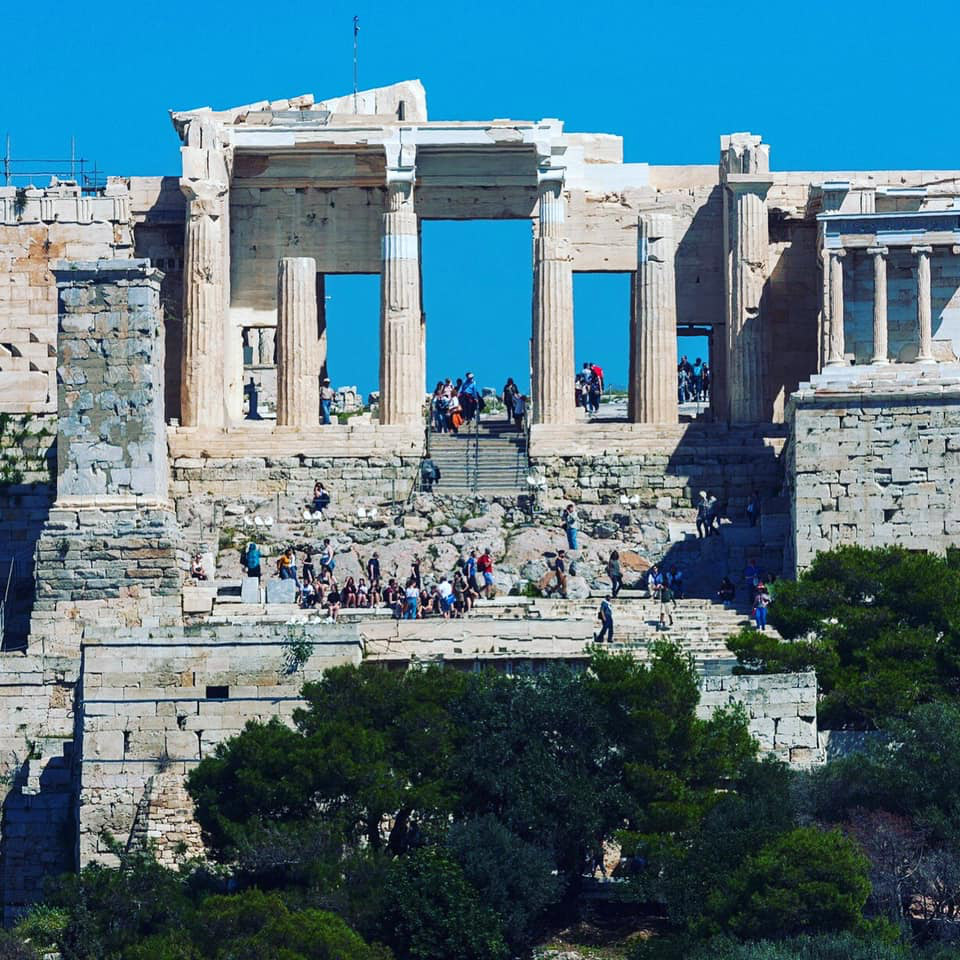
Closed museums and sites in Greece
Museums and archaeological sites in Greece will stay closed until March 30, 2020 due to lack of security personnel.
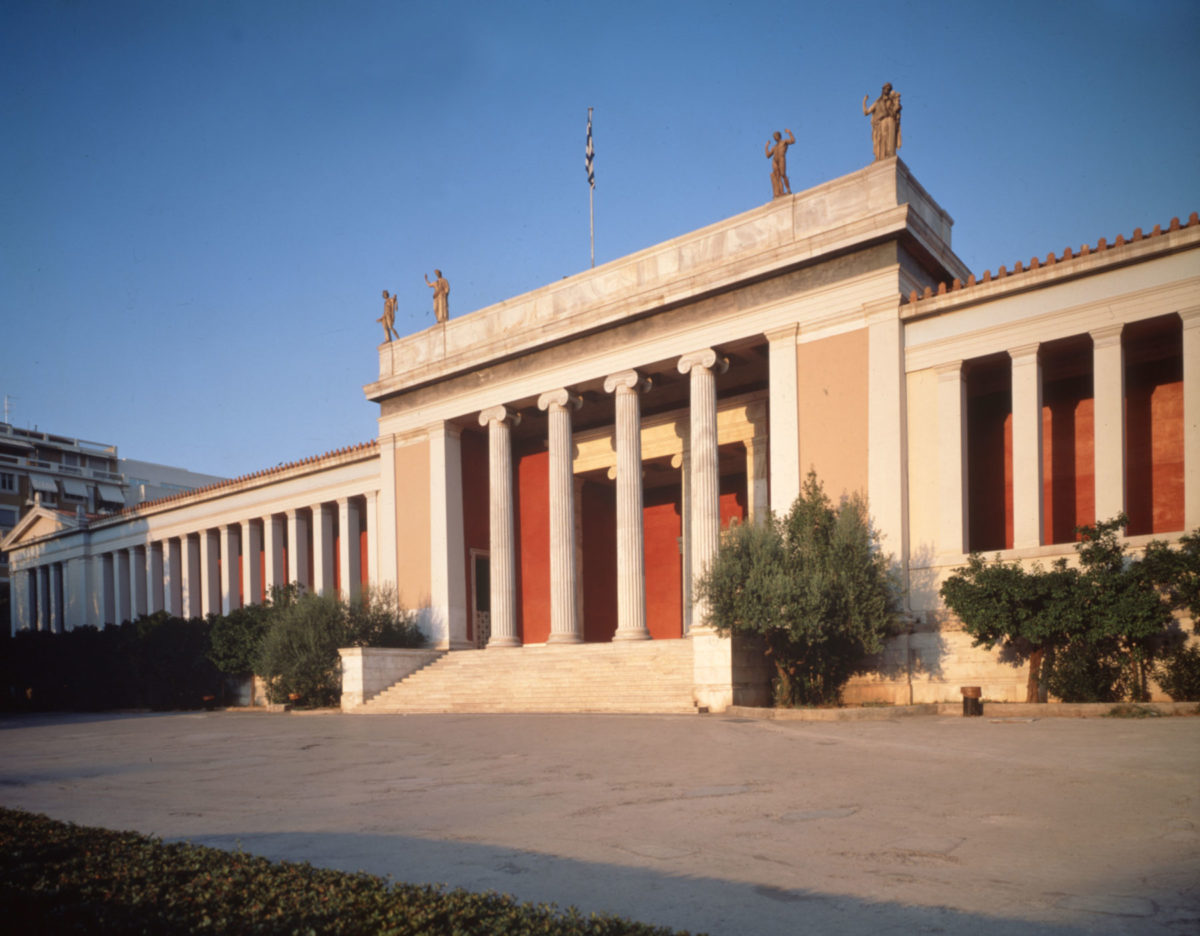
Need for immediate shutdown of museums across the country
"We urge the leadership of the Ministry of Culture to immediately react to an emergency and protect both employees and visitors", emphasizes the announcement.
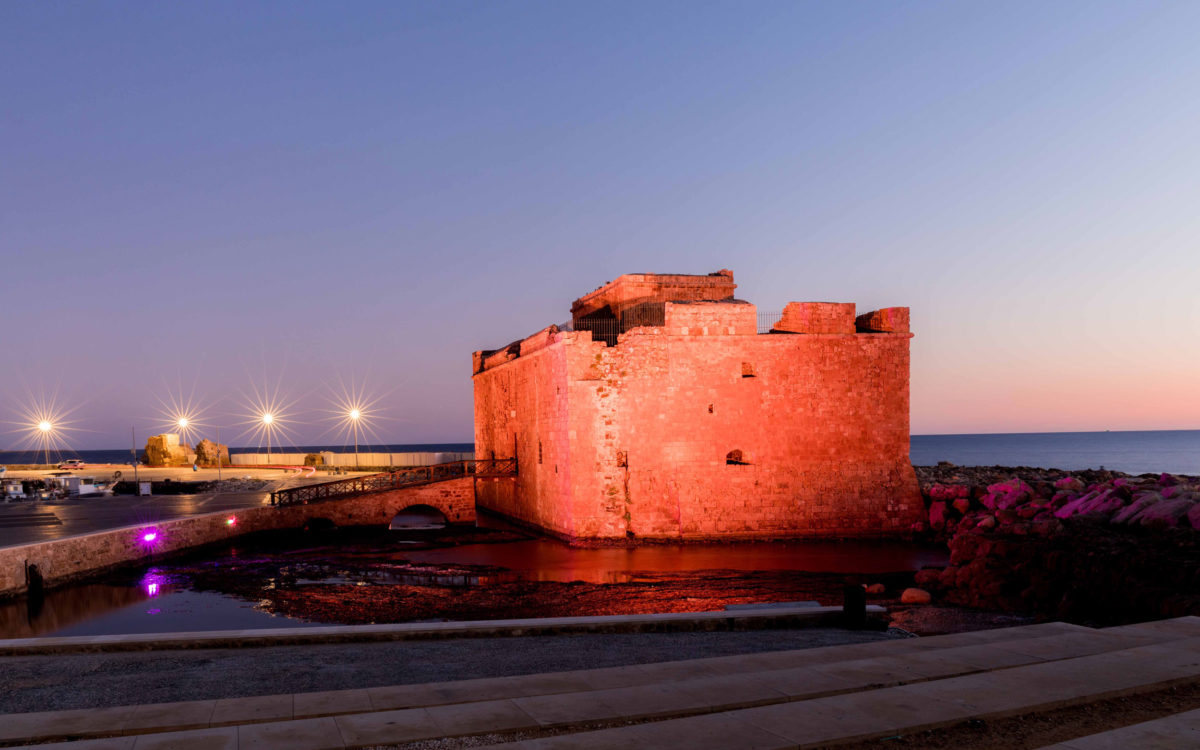
Museums and sites will remain closed in Cyprus
The Department of Antiquities apologises to the public for any inconvenience caused.
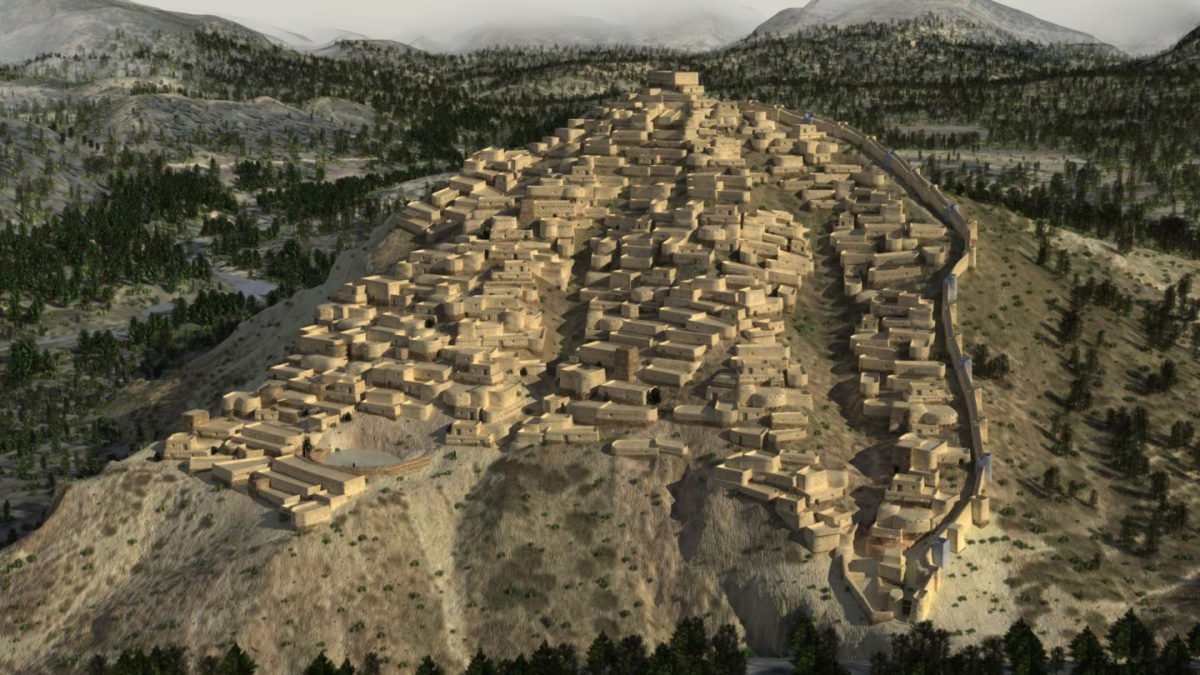
Bronze Age diet and farming strategy reconstructed
Cross-sectional study suggests similar diets but different management of livestock among communities and a larger share of animal protein restricted to very few members of the elite.
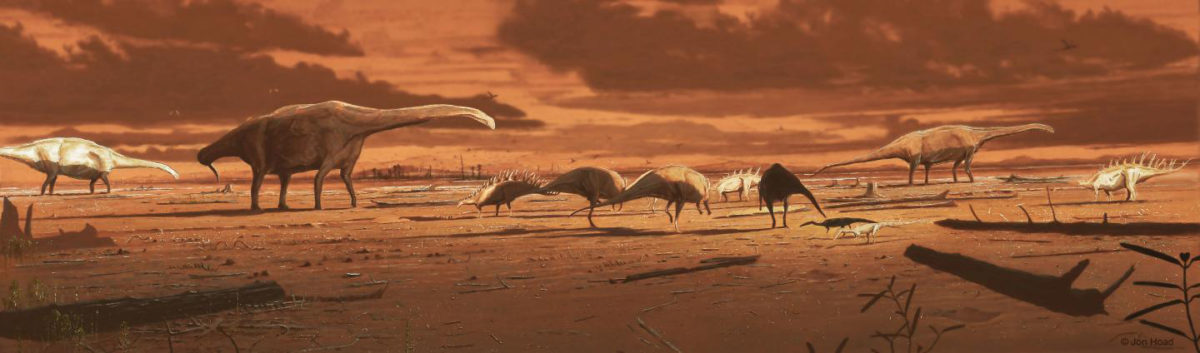
Dinosaur stomping ground in Scotland reveals thriving middle Jurassic ecosystem
During the Middle Jurassic Period, the Isle of Skye in Scotland was home to a thriving community of dinosaurs that stomped across the ancient coastline.
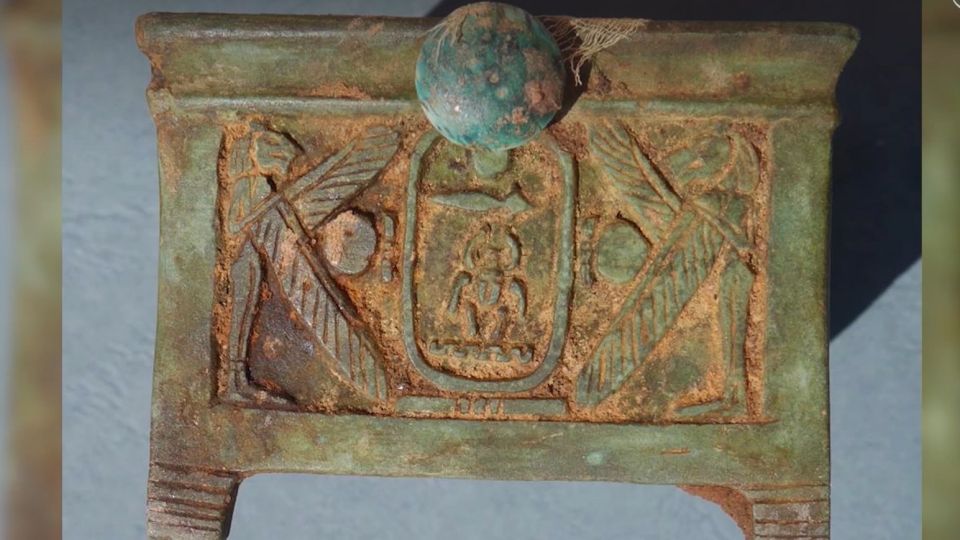
3,500-year-old box with Pharaoh name on it found in Egypt
Polish archaeologists have discovered a nearly 3,500-year-old chest under a rock debris near the famed temple of woman Pharaoh Hatshepsut, Egypt.
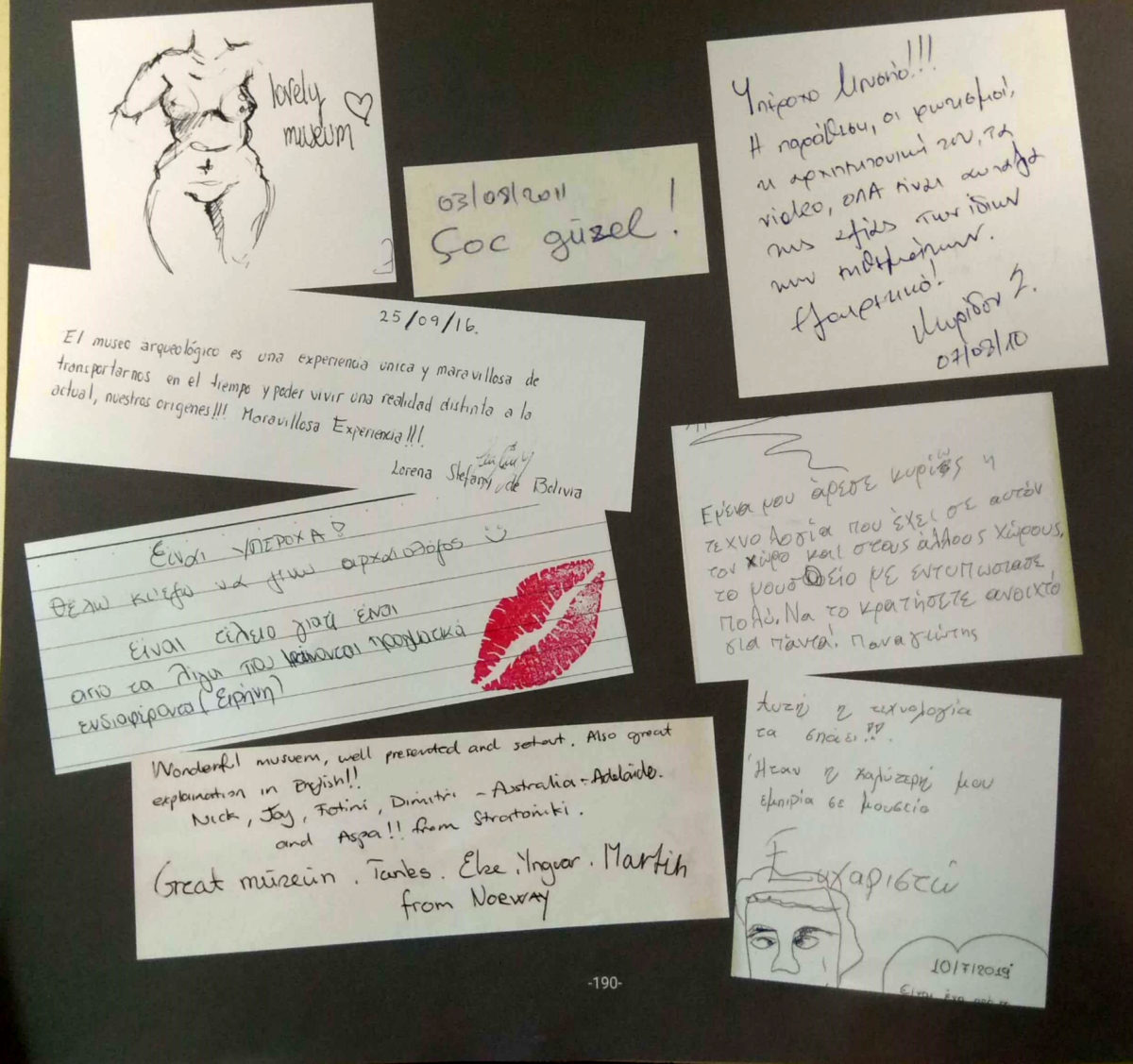
AMTΗ: More than 1 million visitors over recent years
Since its founding in 1962, the Archaeological Museum of Thessaloniki has been functioning as the Metropolitan Museum of Macedonia.
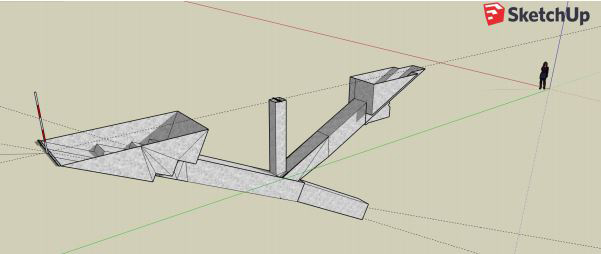
A theory on the Great Pyramid’s Trial Passages
A theory on the Great Pyramid’s Trial Passages sees the enigmatic structures as made to facilitate the iconic monument’s symbolic astronomical alignment.
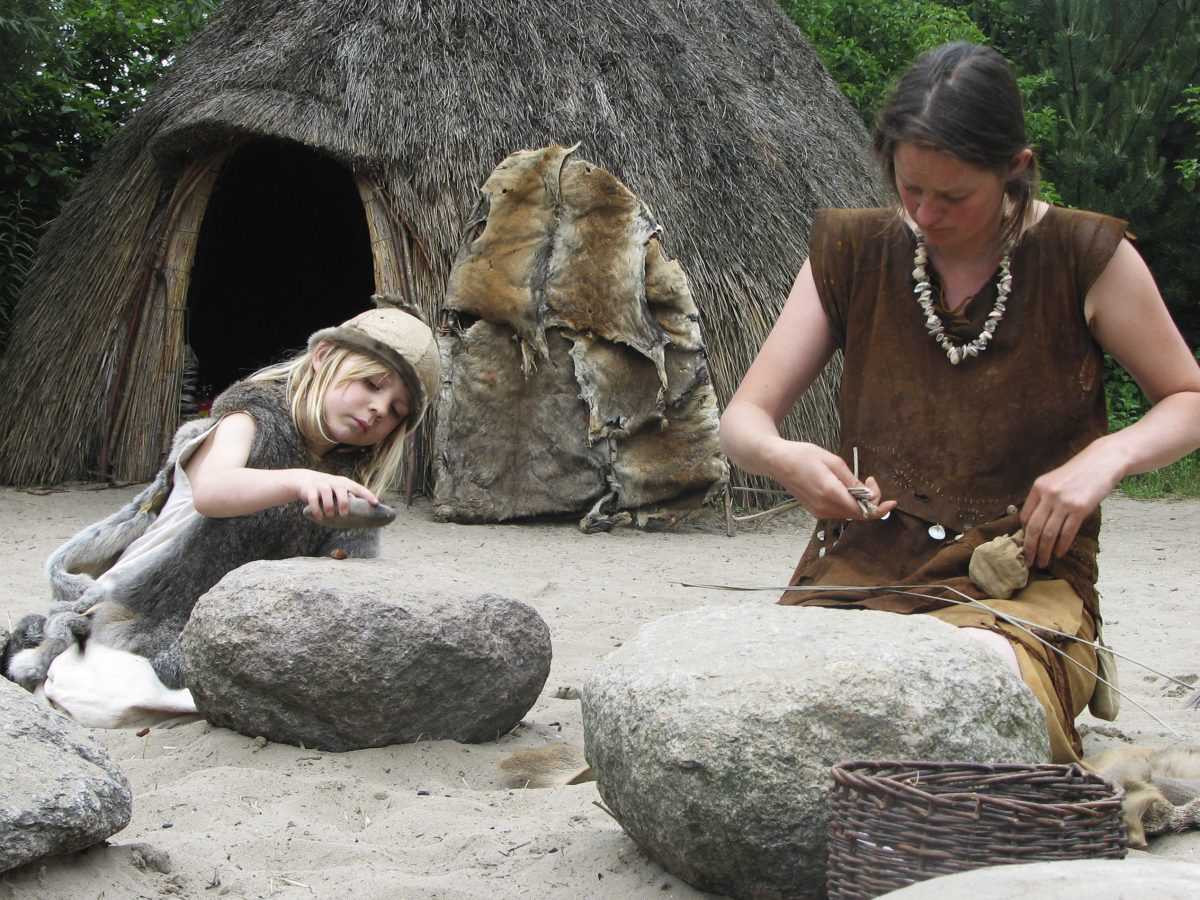
Task sharing in hunters-gatherers does not depend on the capacities of each gender
In current hunter-gatherer groups, women usually transport greater loads than men, therefore some scientists had indicated they were energetically more efficient when performing these tasks.
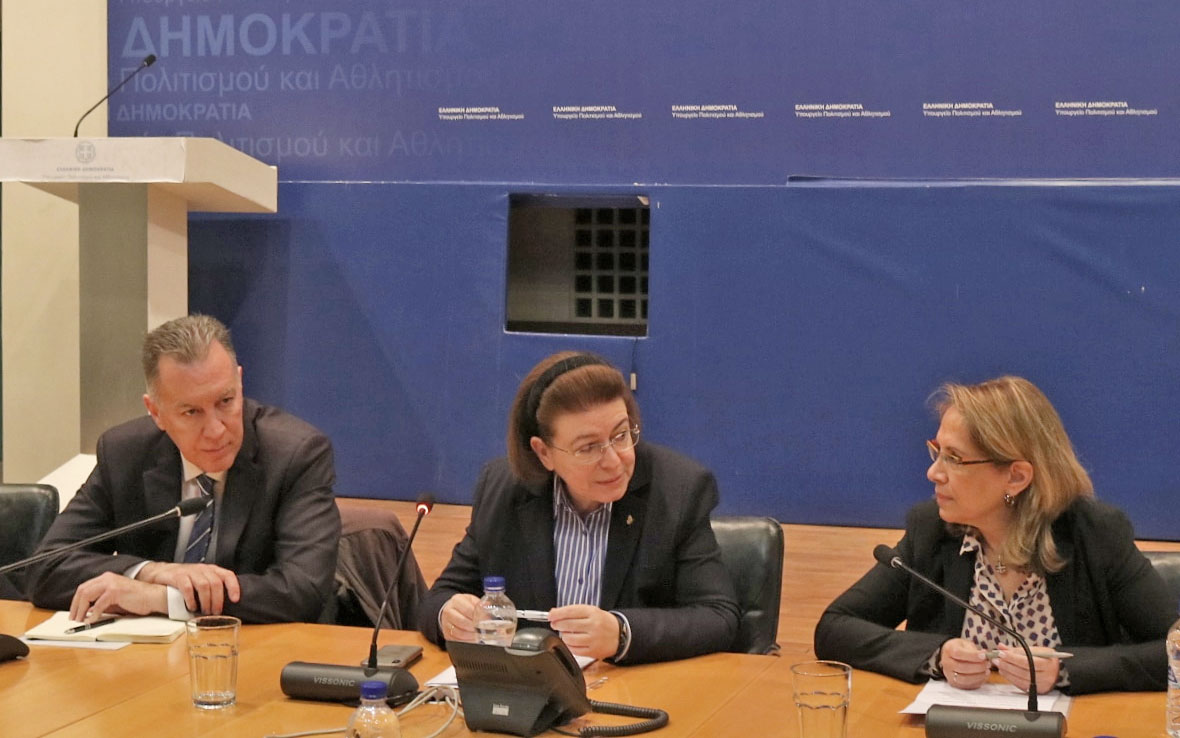
The Ministry of Culture goes ahead with reorganization of the Archaeological Receipts and Expropriation Fund
The Minister of Culture also announced the extension of the electronic ticket to archaeological sites and museums, a measure that had started in 2018.
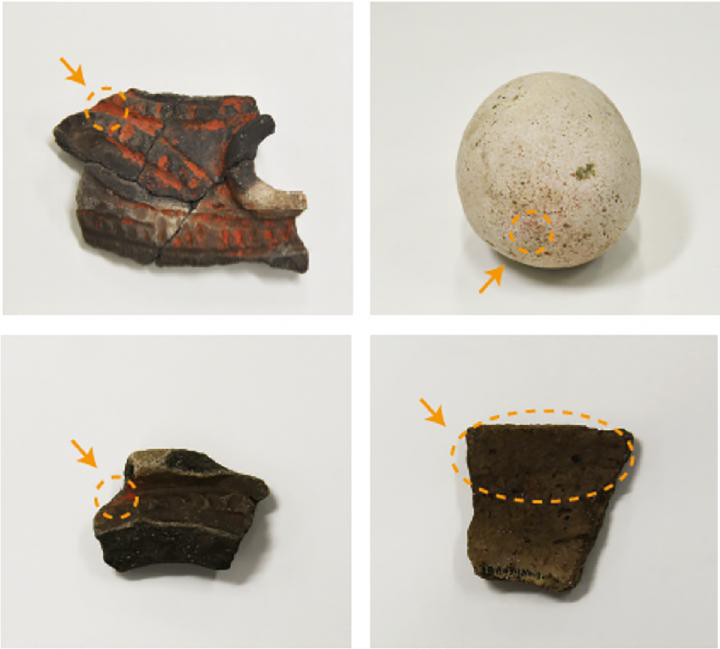
Sticky tape: A key ingredient for mapping artifact origins
Combining a highly sensitive sulfur analysis technique with simple sulfur-free tape is an effective and harmless way to test extremely small samples of vermilion.
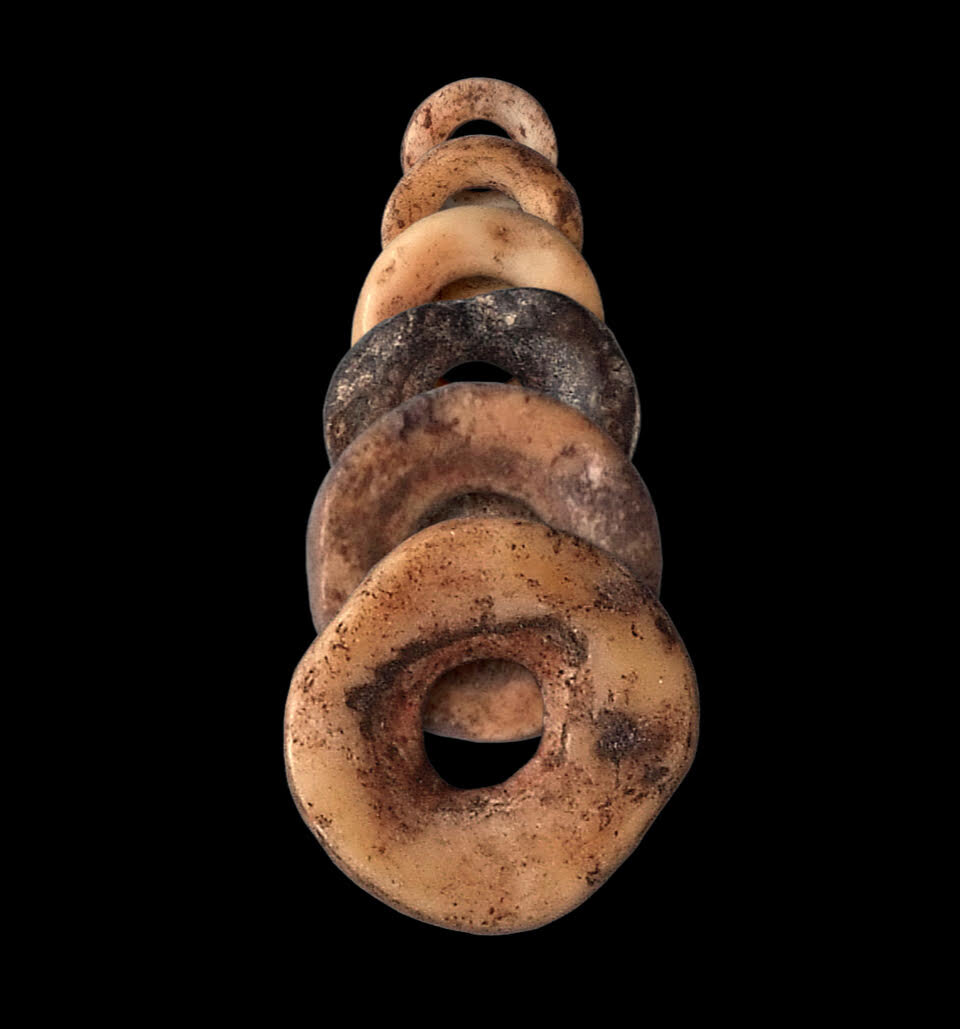
Study establishes eggshell beads exchanged over 30,000 years
Researchers establish that the practice of exchanging these ornaments over long distances spans a much longer period of time than previously thought.

The first big exhibition in Europe on the kimono
Over 100 kimonos highlight the contrasting variations of the most famous Japanese garment in the exhibition entitled “Kimono: Kyoto to Catwalk”.
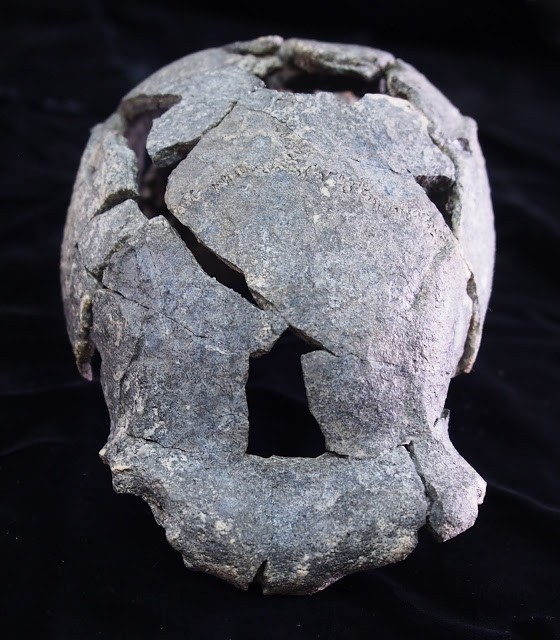
Smallest Homo Erectus Cranium In Africa
The crania found, assigned to Homo erectus, were associated with simple Oldowan-type (Mode 1) and more complex Acheulian (Mode 2) stone tool assemblages.
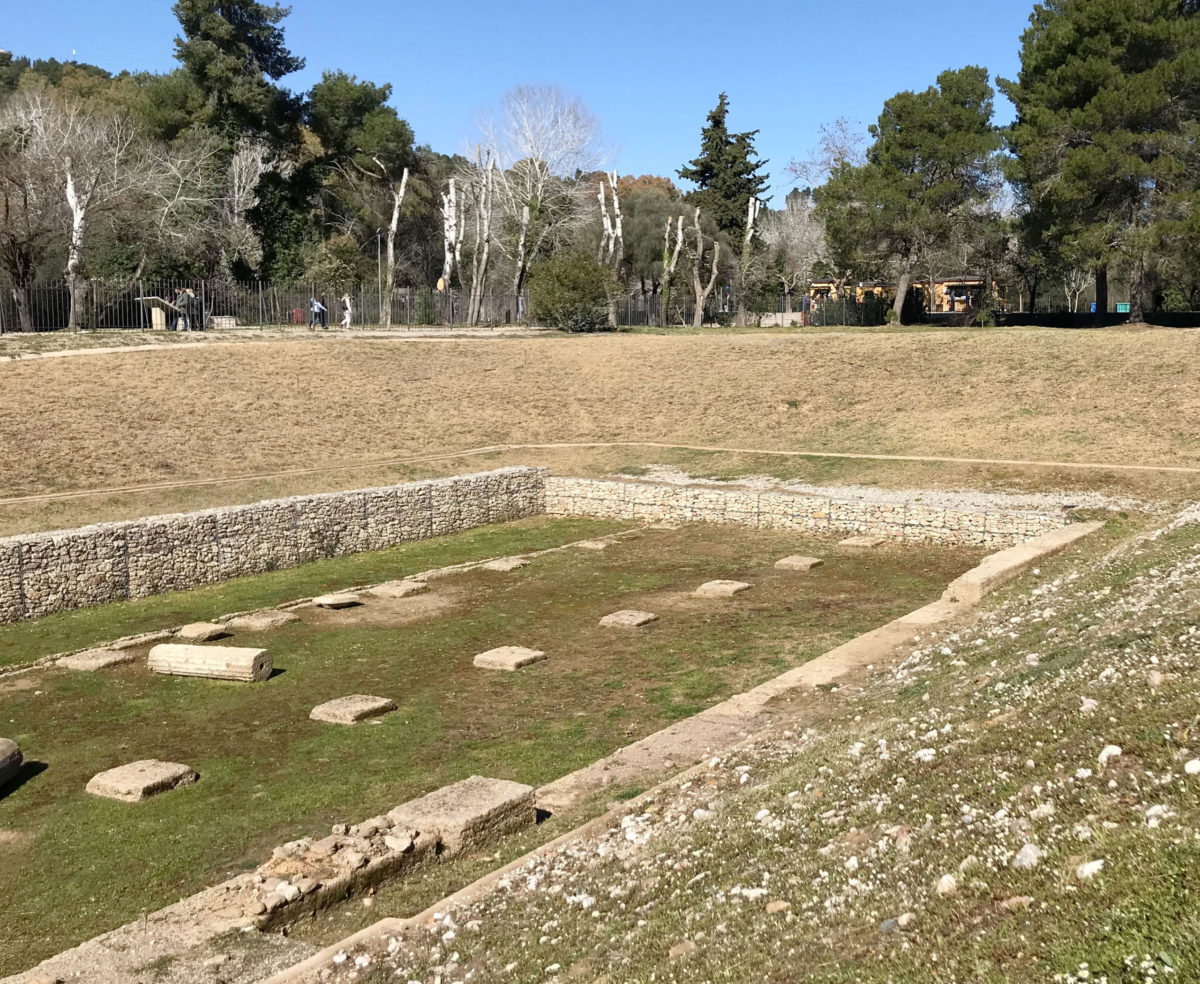
Inspection of Olympia conducted by Lina Mendoni
The Minister of Culture and Sports visited the archaeological site of Olympia, the Archaeological Museum and the Museum of the Ancient Olympic Games.
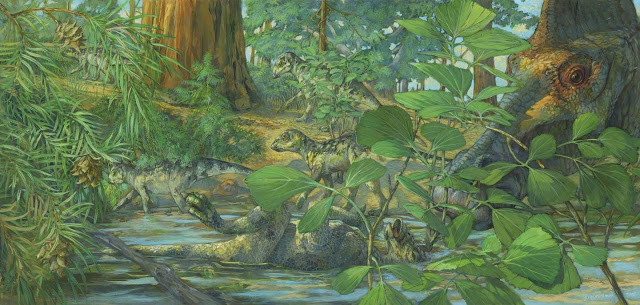
Cartilage cells, chromosomes and DNA preserved in dinosaur
Evidence of preserved fragments of proteins and apparent chromosomes within isolated cell-like microstructures in cartilage from a baby duckbilled dinosaur.

As ancient farming developed, so did cooperation — and violence
The growth of agriculture led to unprecedented cooperation in human societies, but it also led to a spike in violence, an insight that offers lessons for the present.

More than 4,000 visitors to the EMST over the first three days
Admission to the EMST is free during the trial period of its operation.