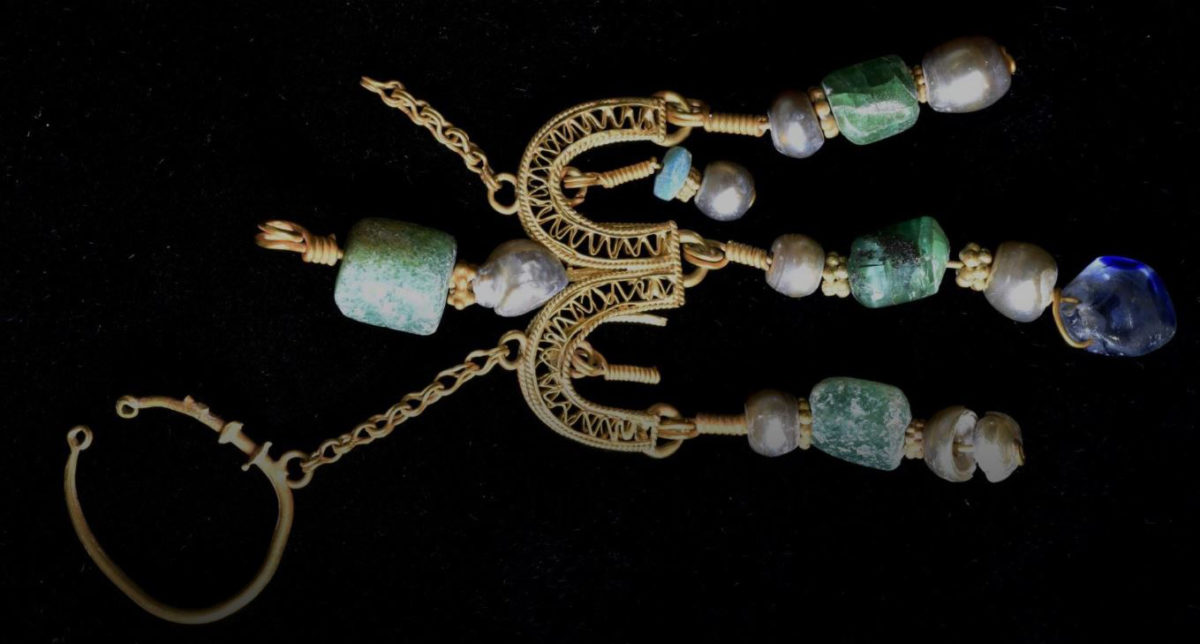
Archaeological evidence verifies long-doubted medieval accounts of First Crusade
An archaeological dig on Jerusalem’s Mount Zion has confirmed previously unverified details from the First Crusade in July of 1099.
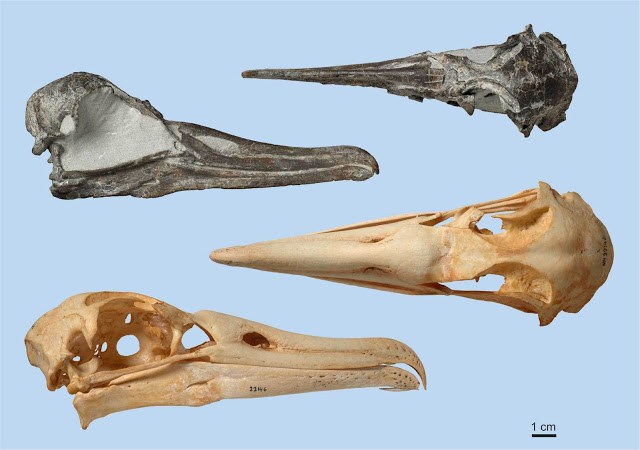
Slender-billed albatross skull from Pliocene discovered in New Zealand
Ornithologist Gerald Mayr, in conjunction with Alan Tennyson describe a previously unknown, extinct albatross species from the Pliocene.
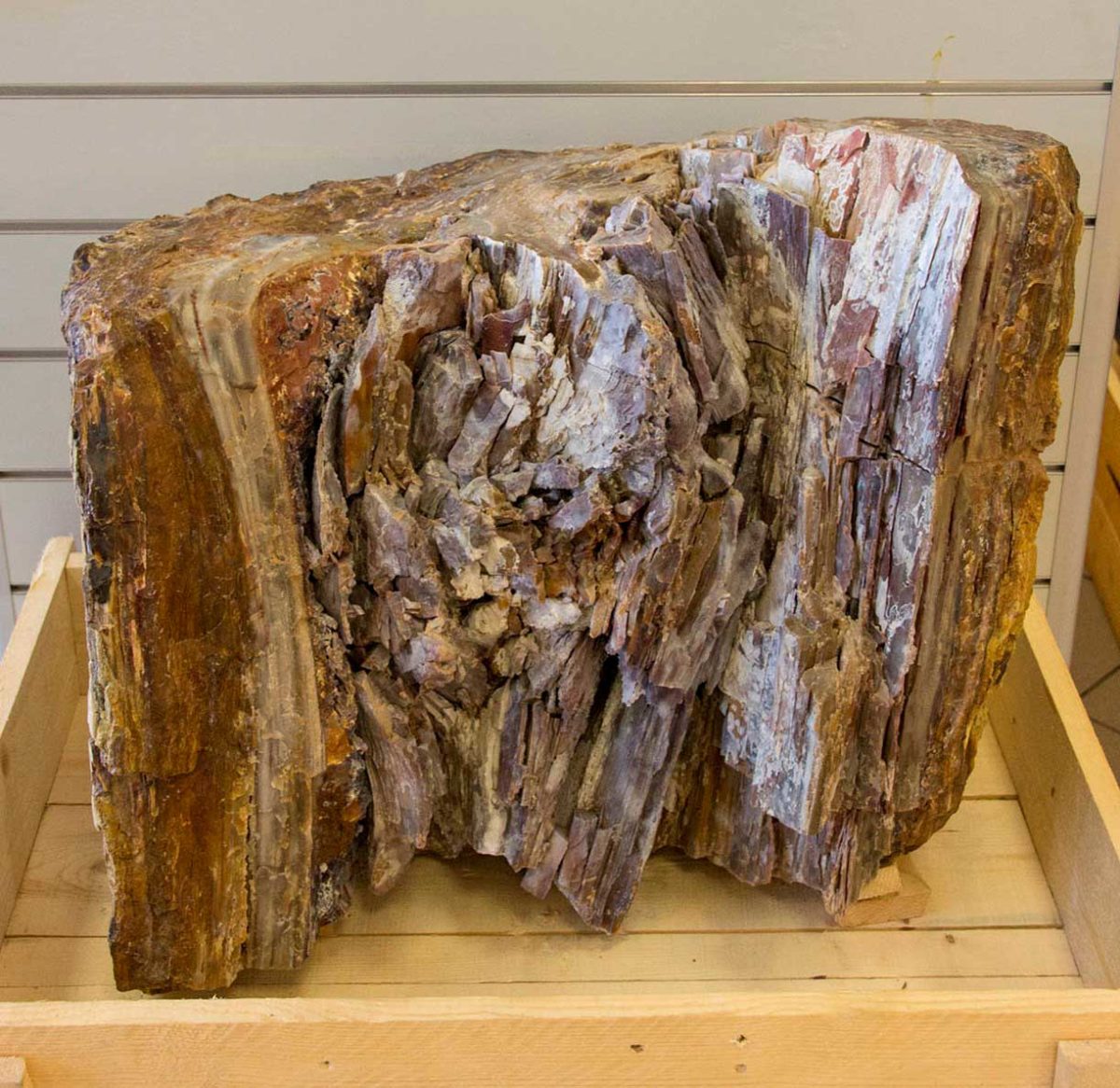
Mytilene: A 57-year-old tourist was arrested with fragments of the petrified forest
He is the third tourist to Lesbos this summer to have been arrested with parts of the petrified forest of western Lesvos.
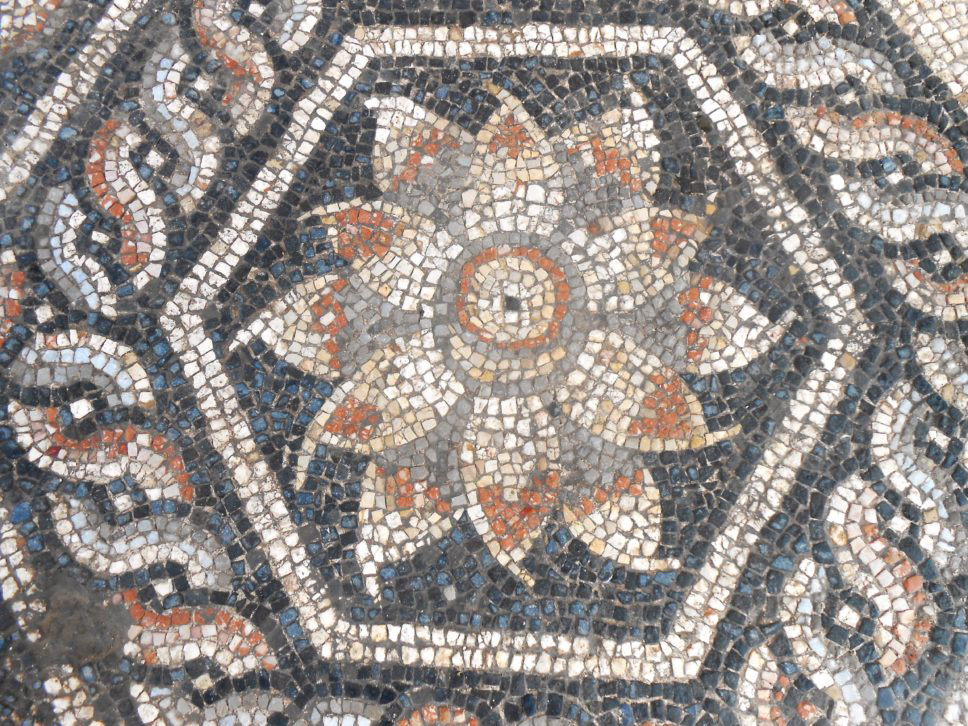
New Roman mosaic floor from Alexandria
Archaeologists of the Polish Centre of Mediterranean Archaeology, University of Warsaw expedition found a the floor mosaic at the Kom el-Dikka site.
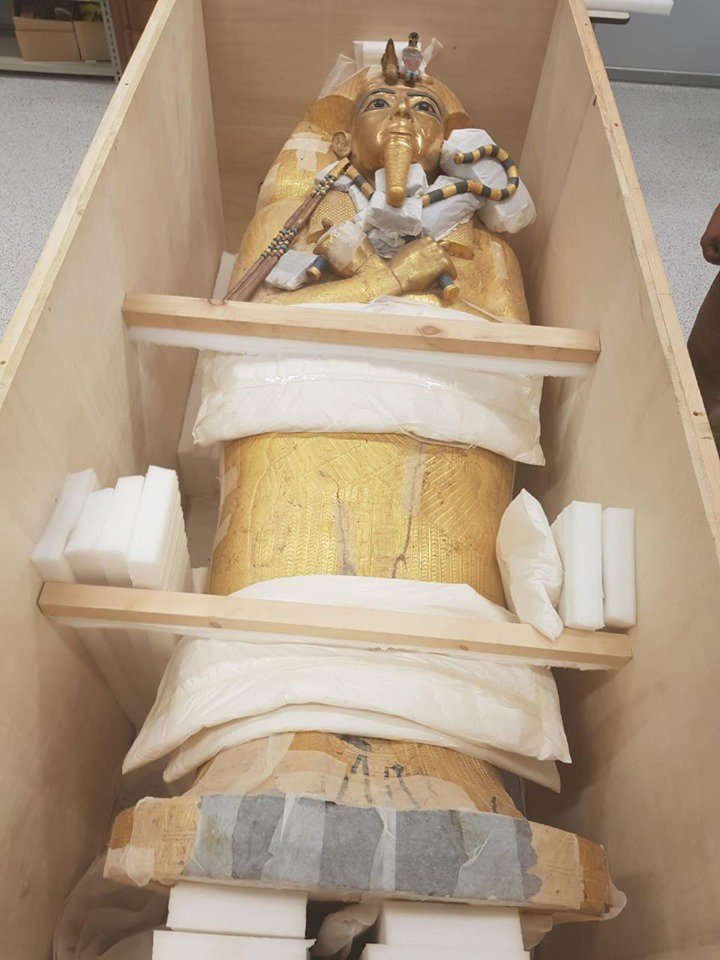
Tut’s golden coffin undergoes first restoration
It was transported to the GEM from the Valley of the Kings in Luxor in order to be restored for the first time since the tomb's discovery in 1922.
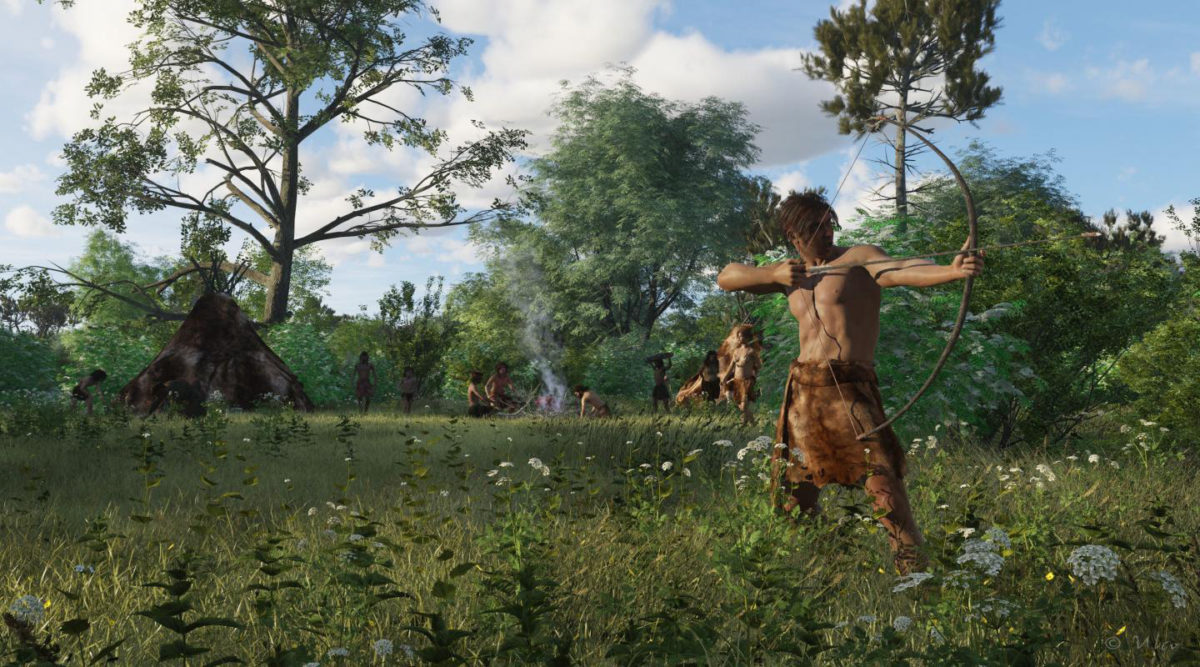
How did Mesolithic hunter-gatherers respond to changing climate?
The development of new hunting projectiles by European hunter-gatherers during the Mesolithic may have been linked to territoriality in a rapidly-changing climate.

Our Sacred Beauty – Byzantine icons from Thessaloniki
All icons exhibited highlight in a silent but dynamic way the sacred beauty that was born in the city of Thessaloniki.
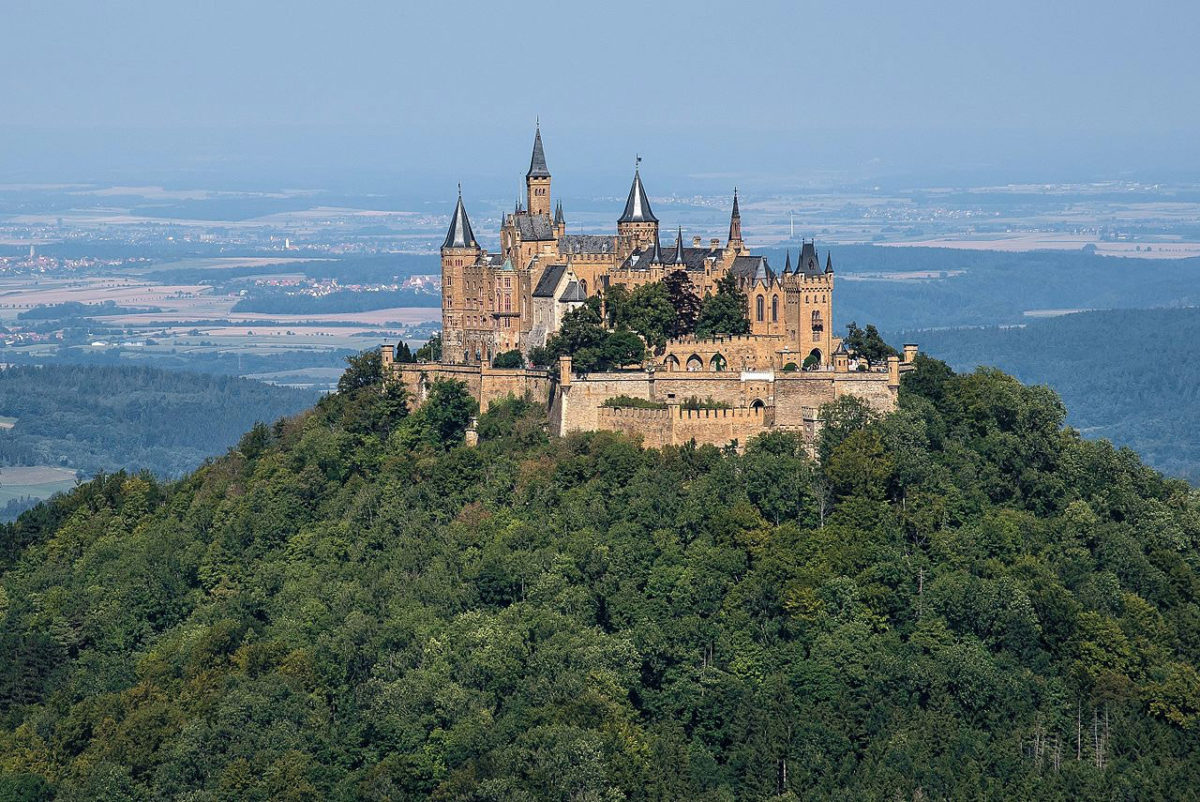
Heirs of last German Kaiser claim thousands of artworks
Negotiations are seen as continuing over a long period of time since “At the moment, the positions of the negotiating parties are still very far apart.”
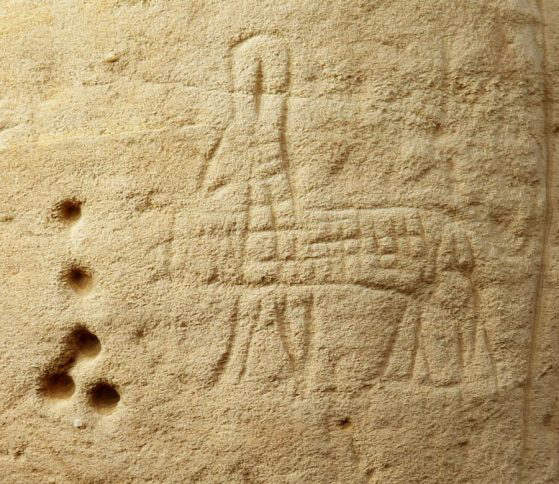
Graffiti as Devotion along the Nile
The Kelsey Museum of Archaeology next exhibition "Graffiti as Devotion along the Nile: El-Kurru, Sudan," will open on August 23, 2019.
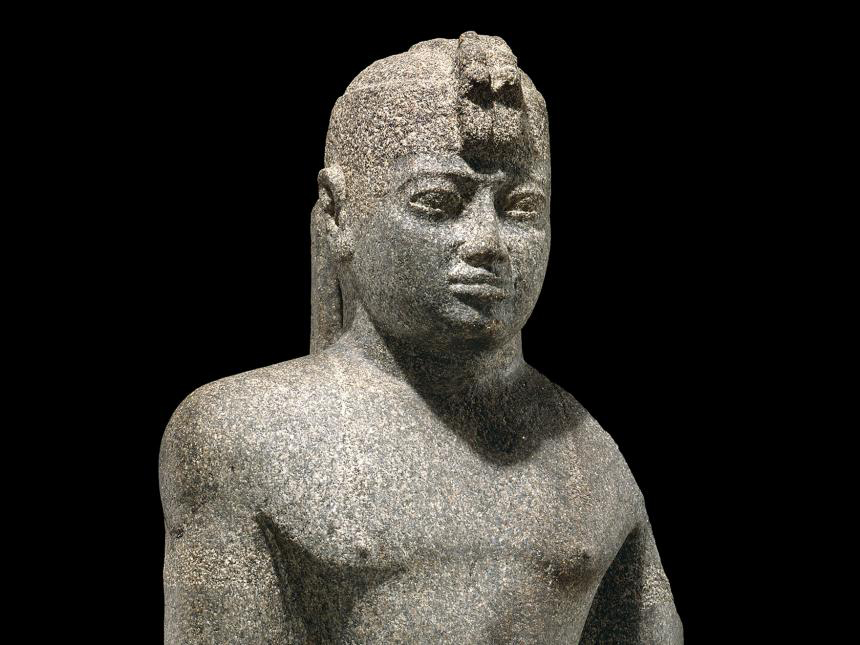
Ancient Nubia Now
“Ancient Nubia Now” features more than 400 highlights from the collection, many never before exhibited.
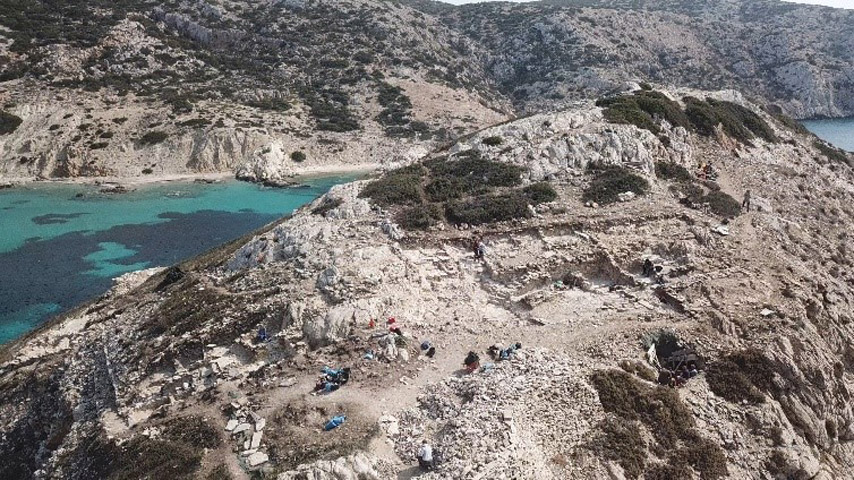
Article by the Independent on excavations at Dhaskalio
The building complex that came to light on the islet ‟changes archaeologists’ understanding of Prehistoric Greece”, says the article.
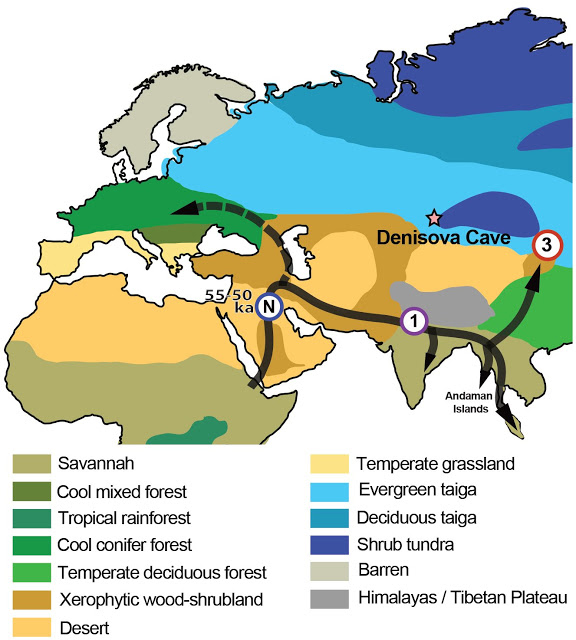
Out of Africa and into an archaic human melting pot
Genetic analysis has revealed that the ancestors of modern humans interbred with at least five different archaic human groups as they moved out of Africa and across Eurasia.
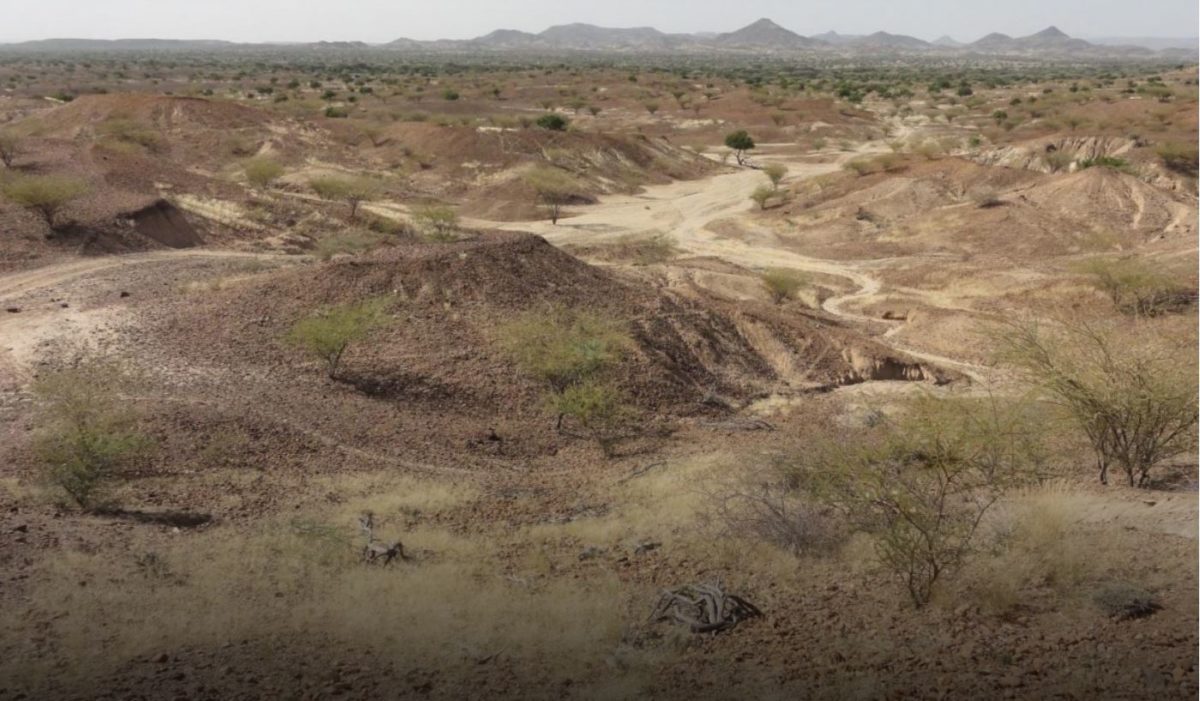
Fossil of smallest old world monkey species discovered in Kenya
Researchers have announced the discovery of a tiny monkey, Nanopithecus browni that lived in Kenya 4.2 million years ago.
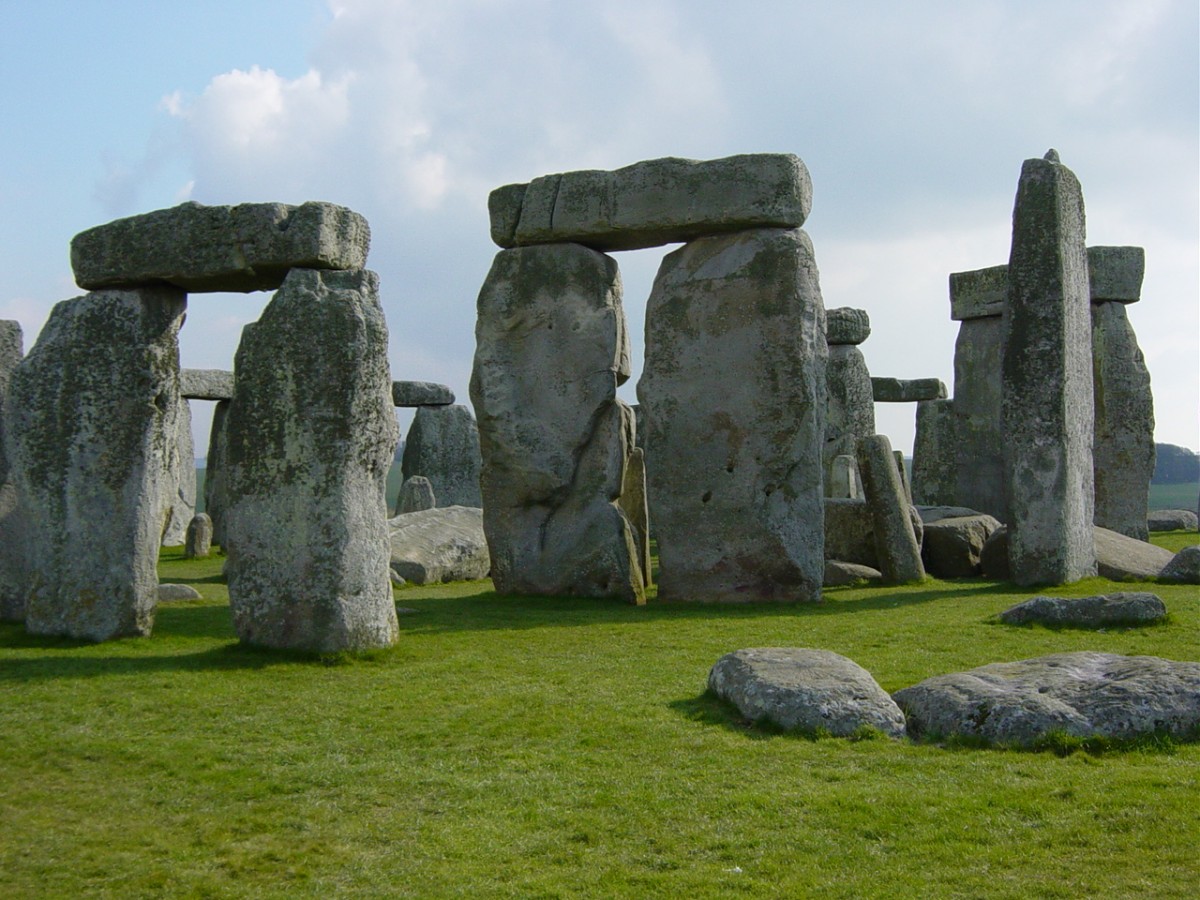
Stonehenge may have been built using lard
Pig fat could have been used to grease the sledges used to transport the massive stones of Stonehenge into position.
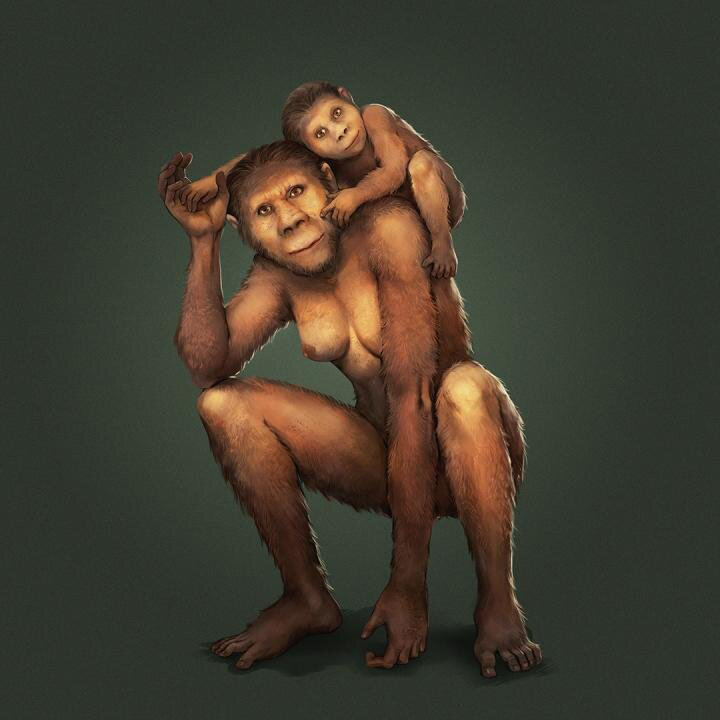
Maternal secrets of our earliest ancestors unlocked
A stunning new research result published today in Nature reveals for the first time the parenting habits of one of our earliest extinct ancestors.
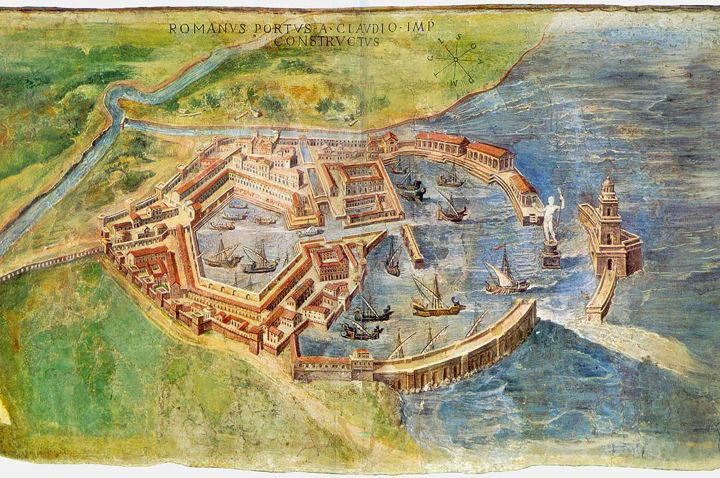
Ancient Roman port history unveiled
Researchers successfully reconstructed anthropic influences on sedimentation, including dredging and canal gates use, in the ancient harbour of Portus.

Two pyramids opened to the public in Egypt
The Antiquities Minister Khaled el-Anany has announced that the two pyramids are being opened to the public for the first time since 1965.
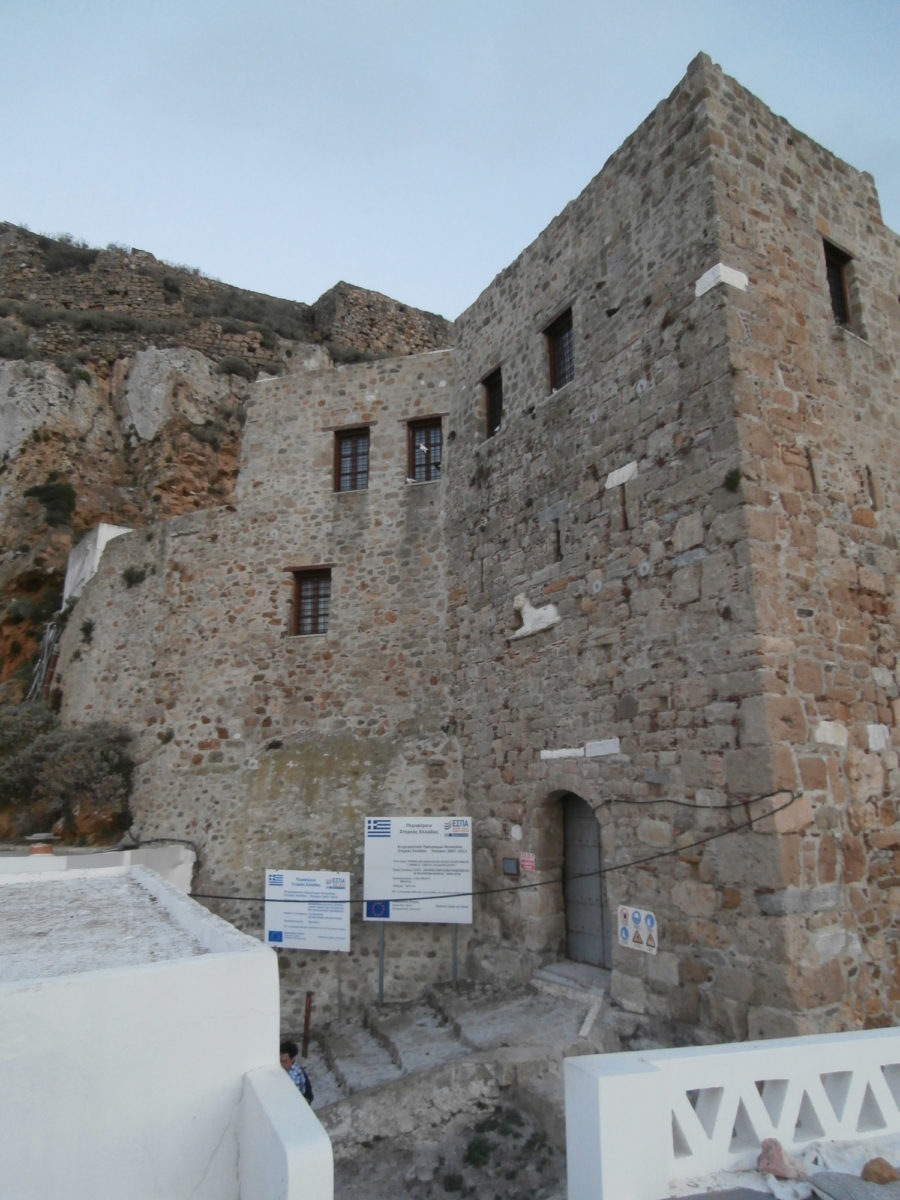
The archaeological site of Skyros Castle opens to the public
The site has been continuously inhabited since prehistoric times until the early 20th century.
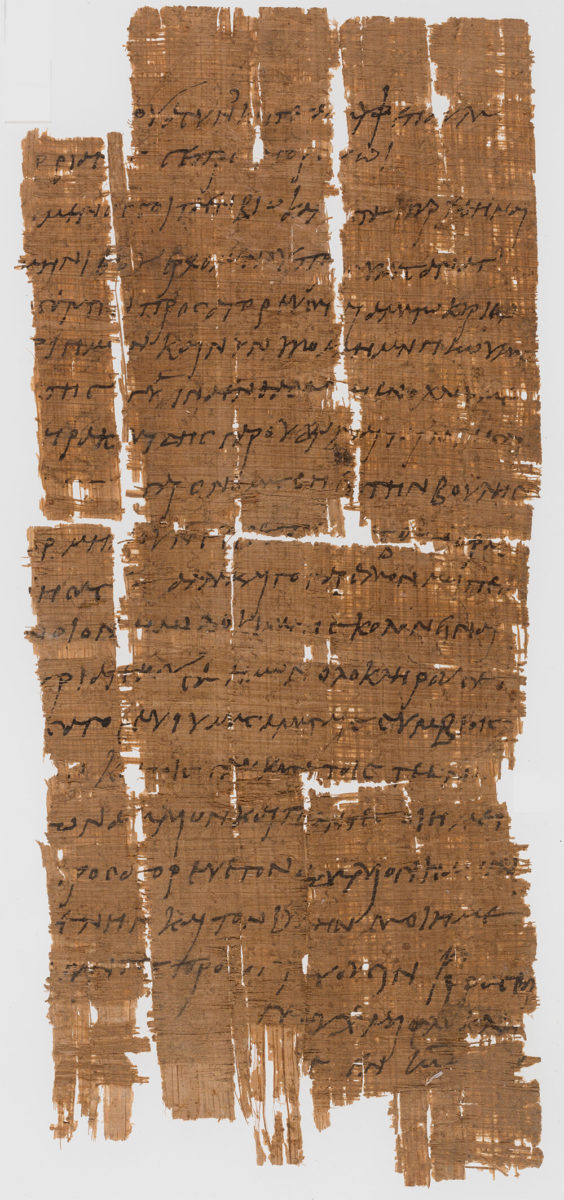
The world’s oldest autograph by a Christian is in Basel
A letter in the Basel papyrus collection describes day-to-day family matters, and yet is unique in its own way.
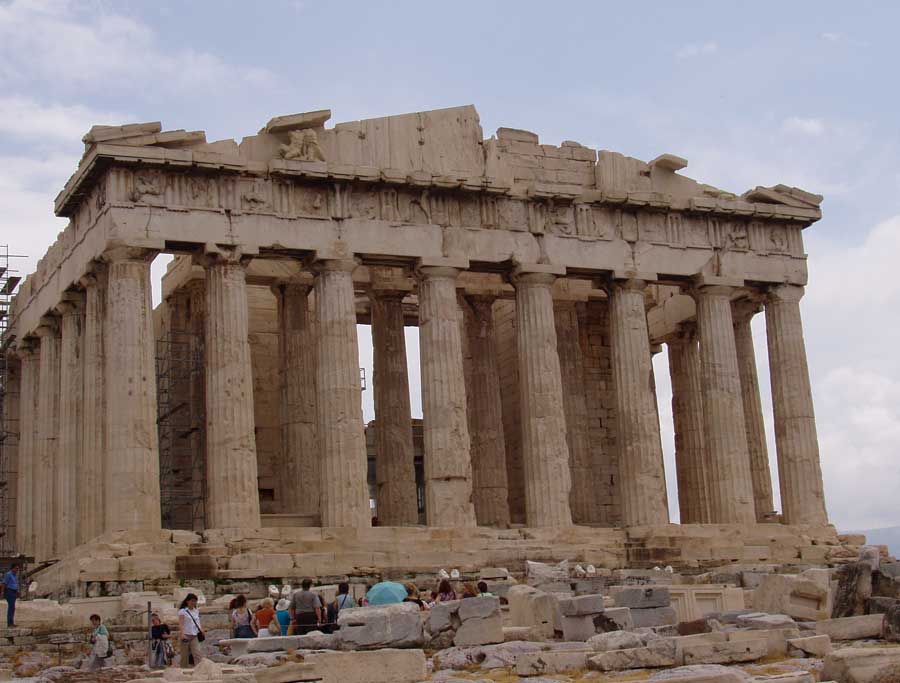
Doctor and nurses on the Acropolis
On Wednesday an army doctor was sent to the cloakroom at the main entrance of the Acropolis, following a request made by Lina Mendoni to the minister of National Defence. Retired major general Dr Antonios Avgerinos, president of the Hellenic
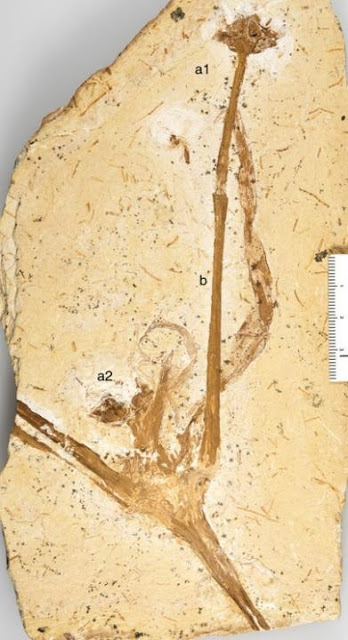
Oldest Completely Preserved Lily Discovered
Cratolirion bognerianum was found in calcareous sediments of a former freshwater lake in Crato in northeastern Brazil.
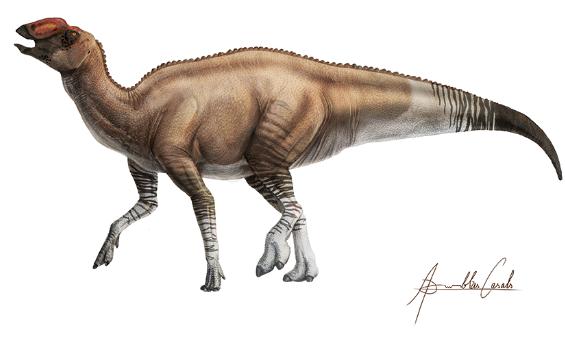
Strange new species of duck-billed dinosaur identified
The jaw and other characteristics of the specimen show that it does not fit with the main group of duck-billed dinosaurs known as Saurolophidae.
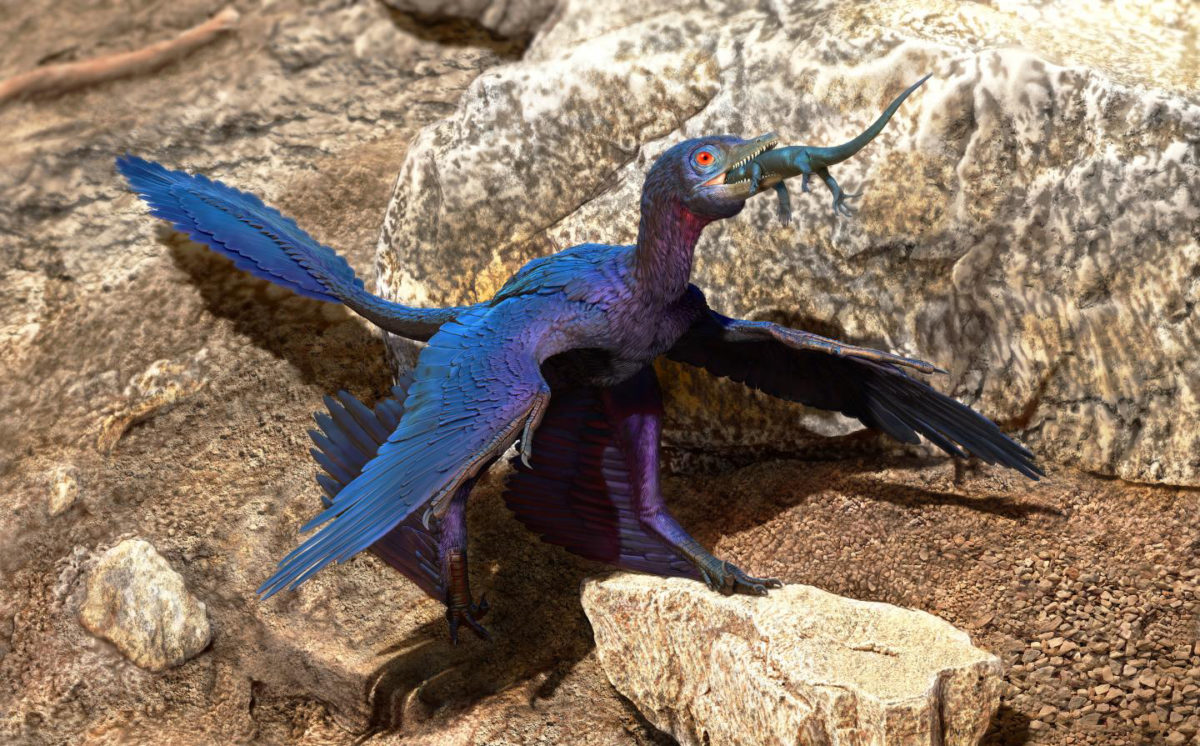
New species of lizard found in stomach of microraptor
Paleontologists have discovered a new specimen of the volant dromaeosaurid Microraptor zhaoianus with the remains of a nearly complete lizard preserved in its stomach.
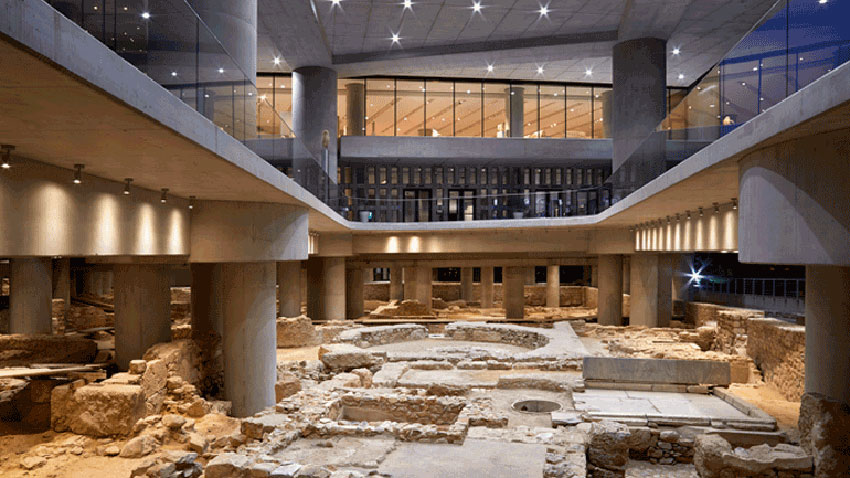
Walking in the ancient neighborhood of the Acropolis Museum
The Acropolis Museum has launched a new cycle of presentations titled "Walking in the ancient neighborhood of the Acropolis Museum".