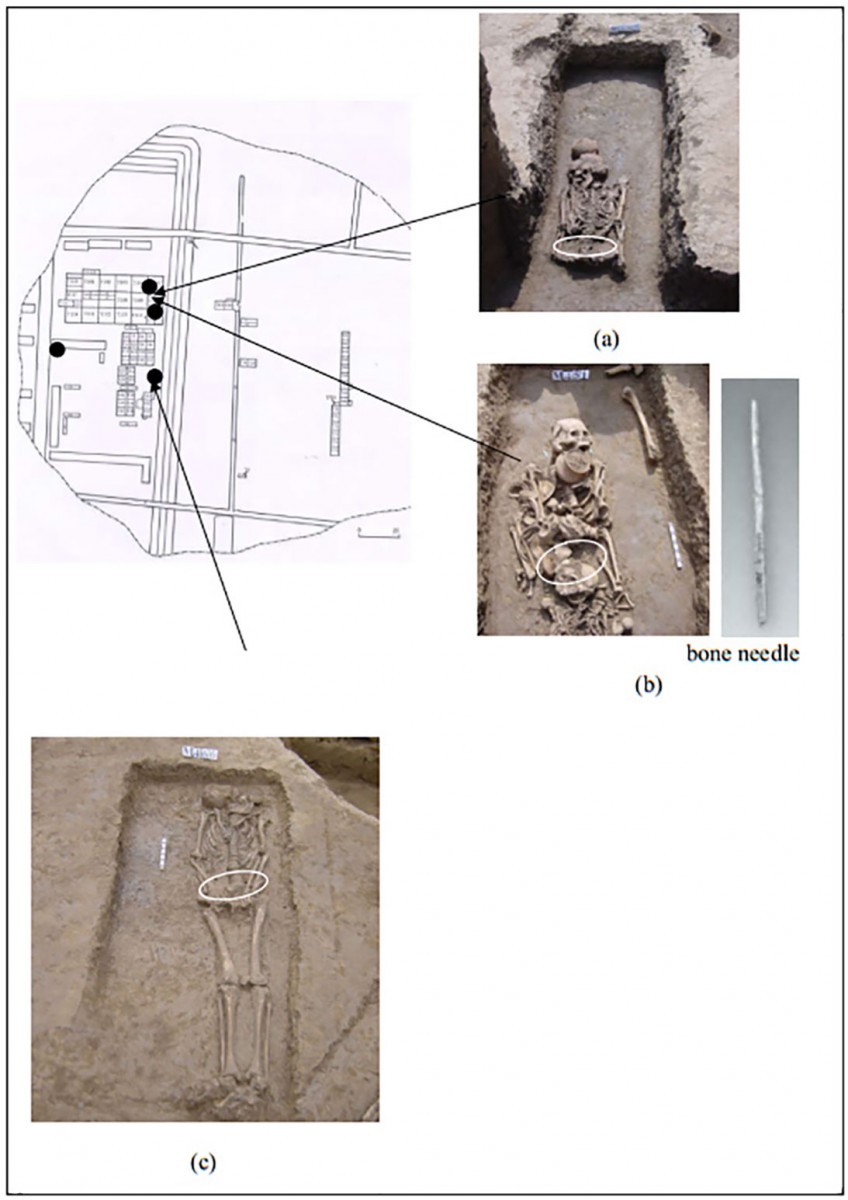
Scientists Find Human Probably Made Silk 8500 Years Ago
Researchers uncovered biomolecular evidence of silk from 8,500-year-old tombs at the Neolithic site of Jiahu.
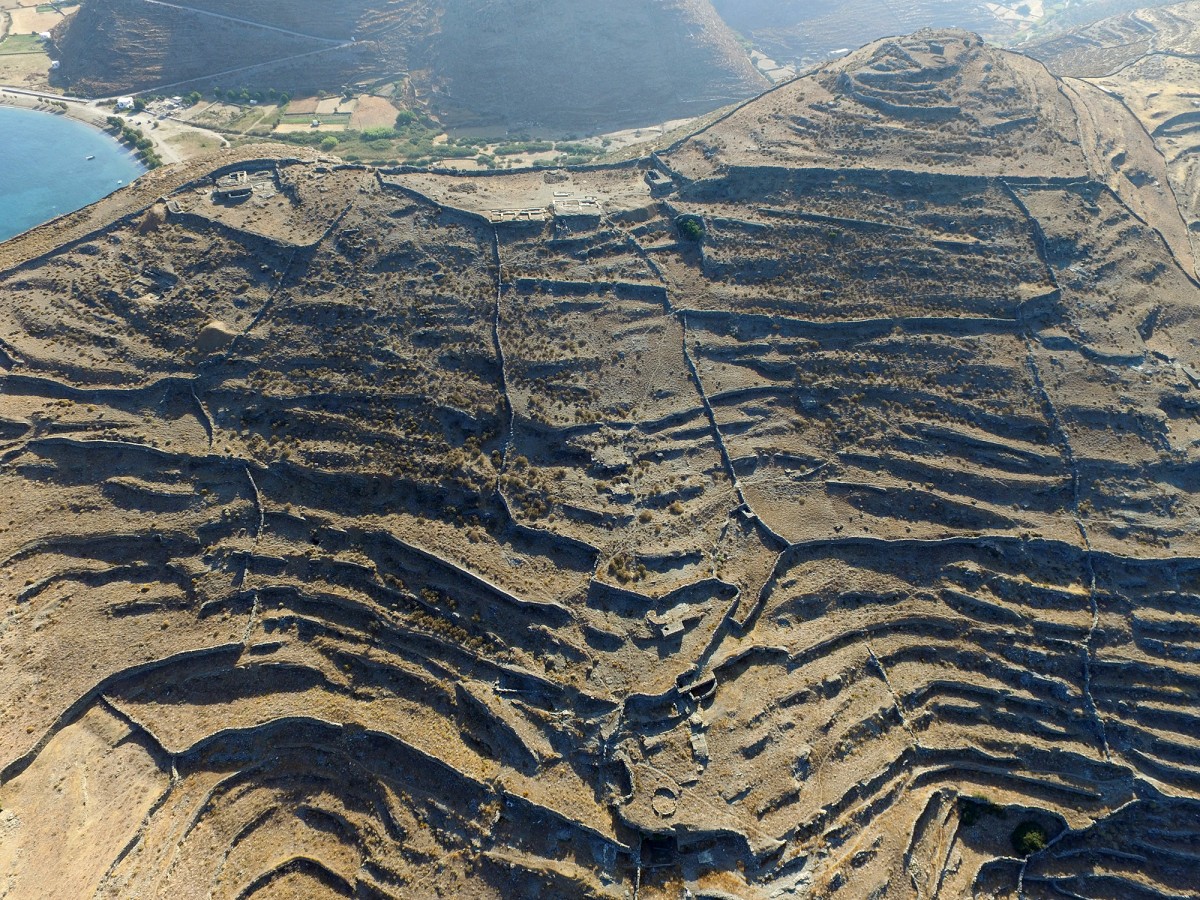
Archaeologists have identified the Asklipieion on the island of Kythnos
Many impressive finds came to light in 2016 on Kythnos, at the site “Vryokastro”.

Hokusai beyond the Great Wave
“Hokusai beyond the Great Wave” will be shown at the British Museum from 25 May through 13 August 2017.
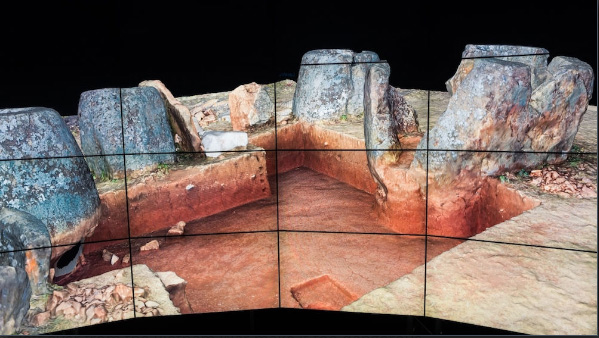
Drone technology used to uncover the mysteries of the Plain of Jars
Using drone technology and virtual reality tools, archaeologists have created a 3D virtual-reality model of one of Asia's most mysterious archaeological sites – the Plain of Jars in Laos.
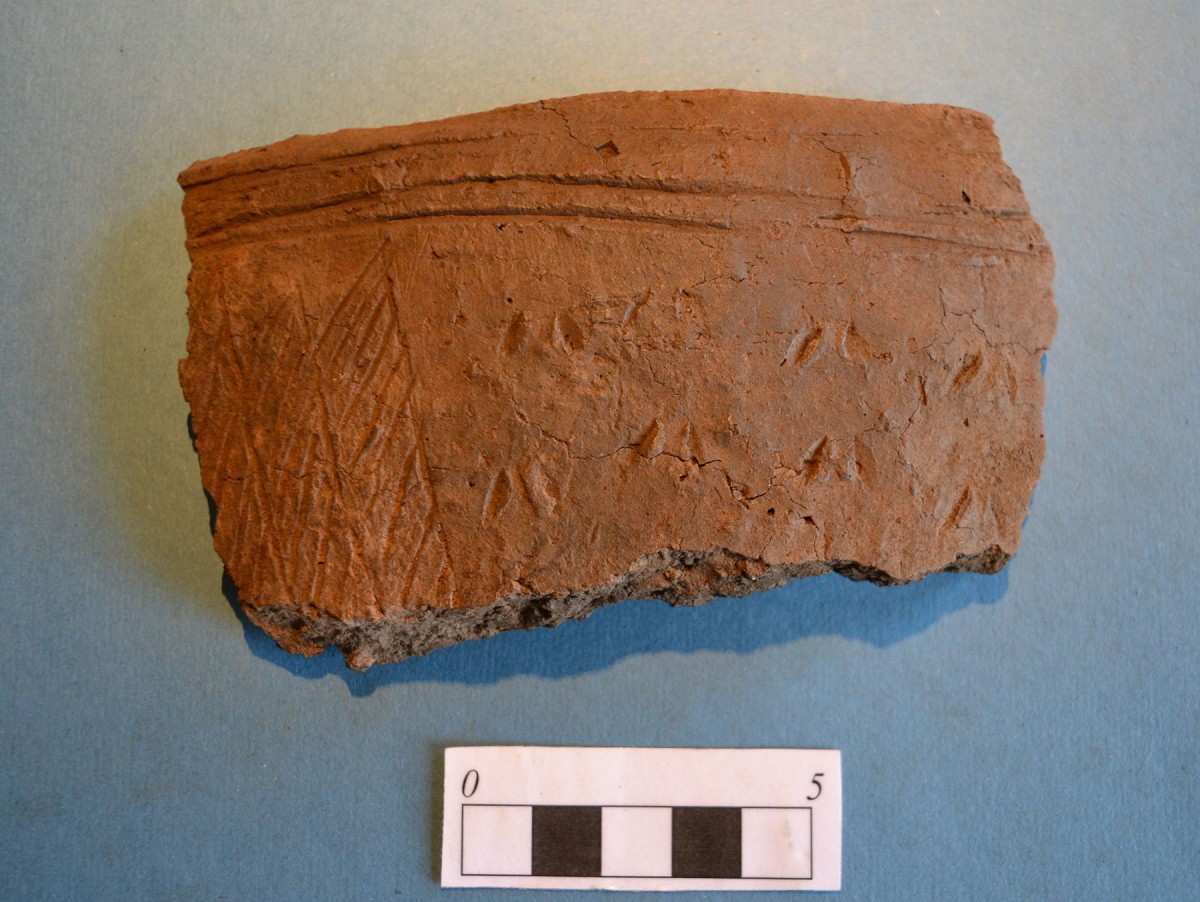
30 pieces of distinctive Neolithic pottery discovered in Scotland
Around 30 pieces of “grooved-ware” pottery were excavated from a pit during archaeological monitoring of pipeline works in March this year, at Kincaple.
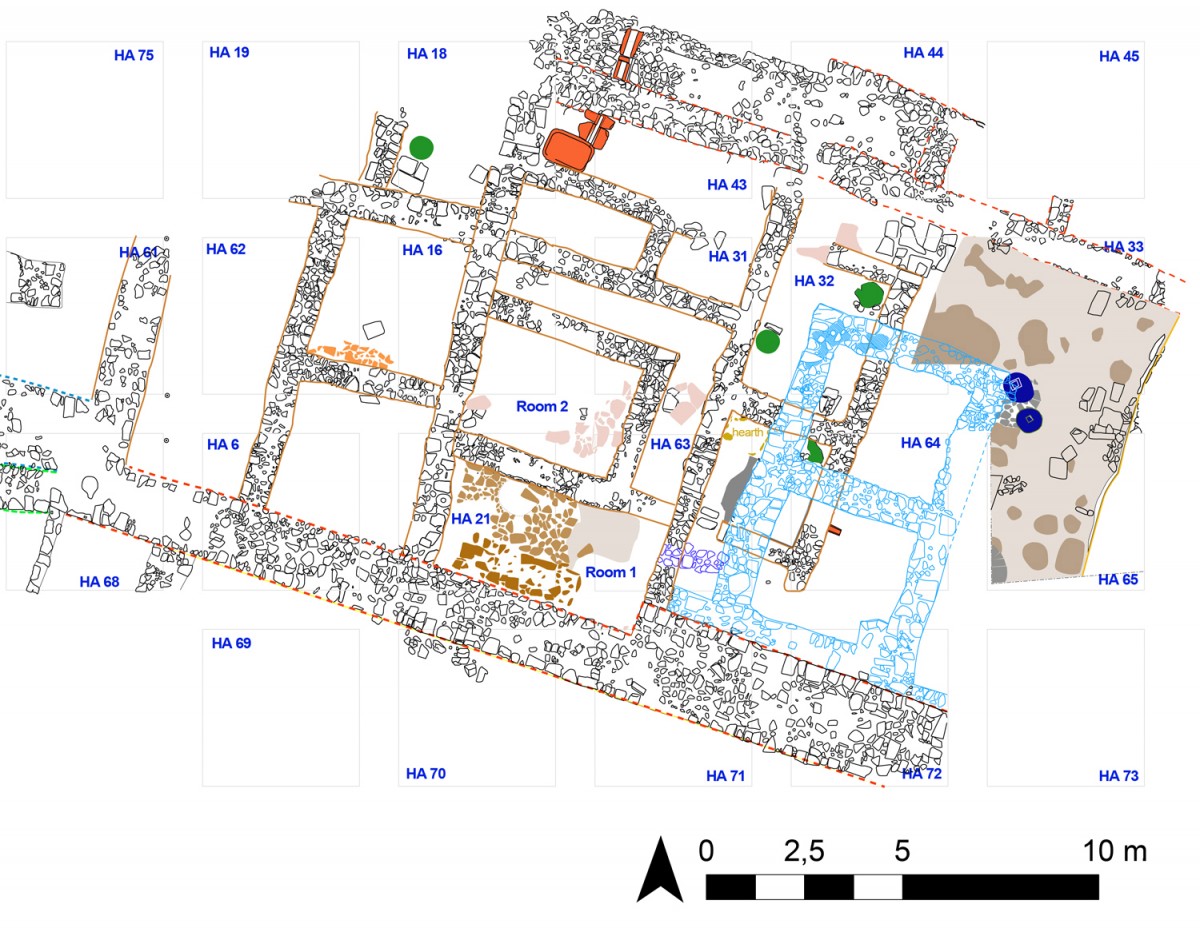
Results of the excavations at Kouklia-Palaepaphos, 2016
The 2016 excavations were conducted in two phases between May and October on the plateau (citadel) of Hadjiabdoulla and on the nearby impressive man-made mount of Laona.
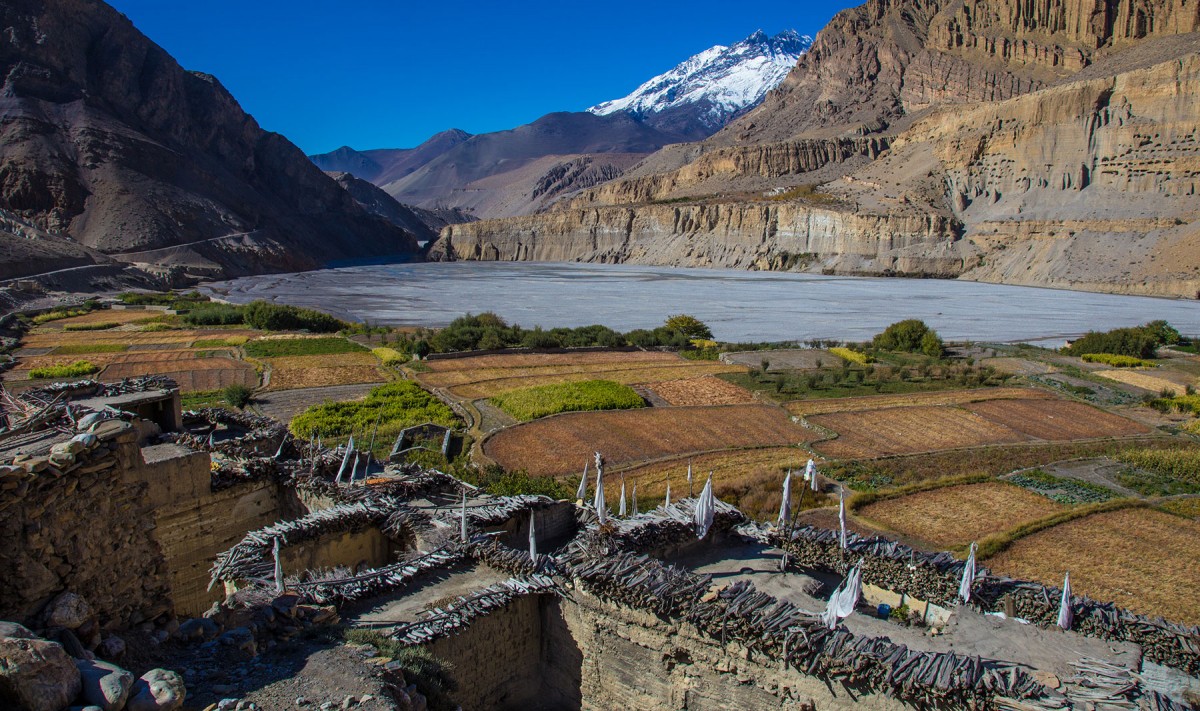
Research sheds new light on high-altitude settlement in Tibet
Humans likely established permanent settlements on the high-altitude Tibetan Plateau between 13,000-7,400 years ago.
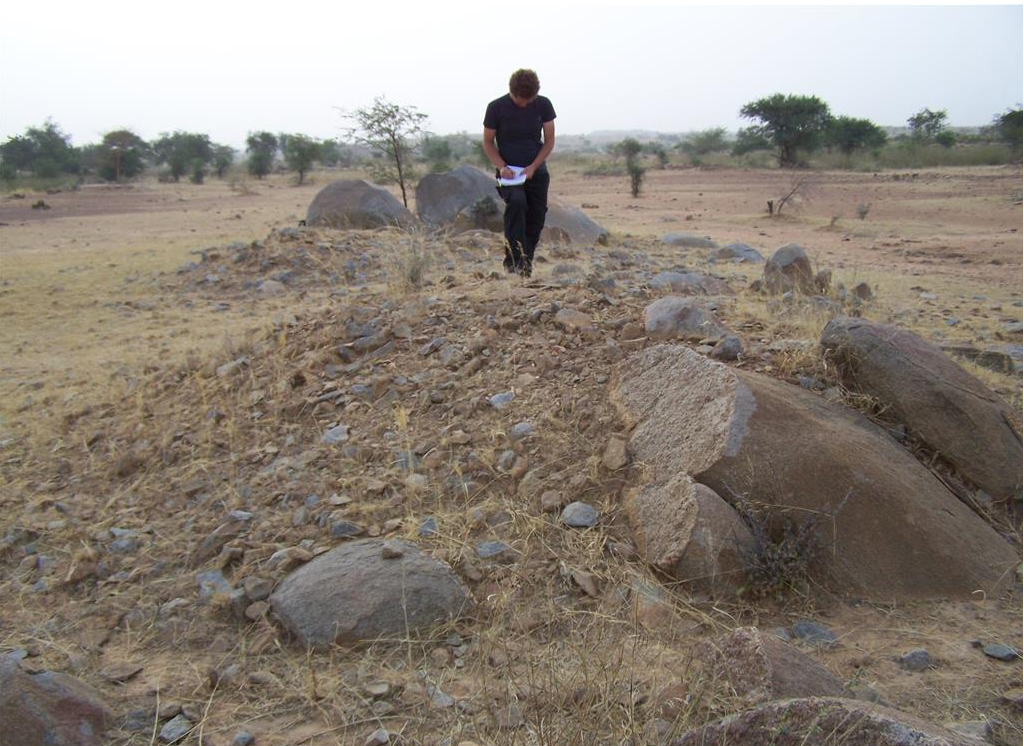
First Polish archaeological research project in Burkina Faso
Some of the oldest known traces of settlements known to date in the region, as well as new information on the Kurumba community are the biggest discoveries of this year's Polish first archaeological research in Burkina Faso.
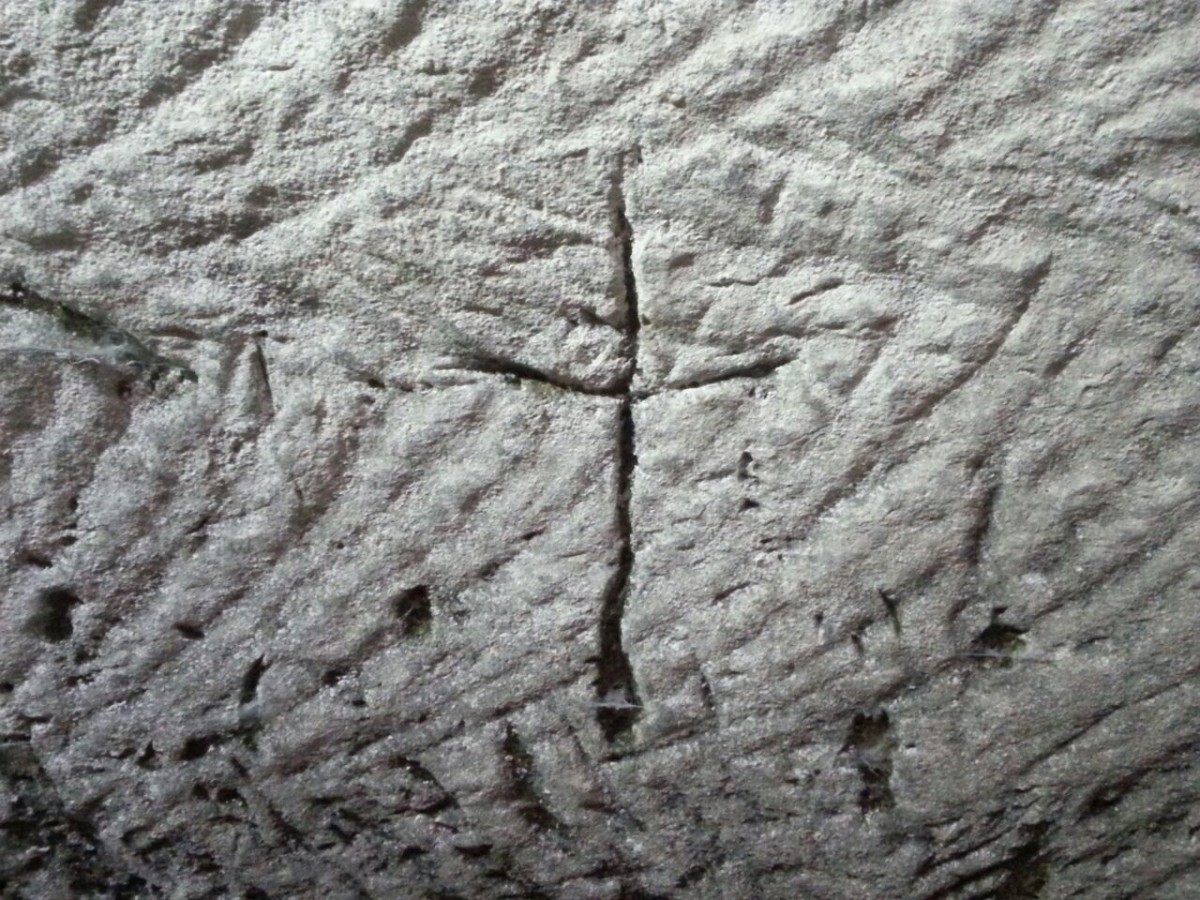
Engravings of a seven-branched menorah discovered in water cistern
A rare and intriguing discovery was revealed this weekend by hikers exploring a water cistern in the Judean Shephelah: on the walls of the cistern were incised ancient engravings of a seven-branched menorah and a cross.
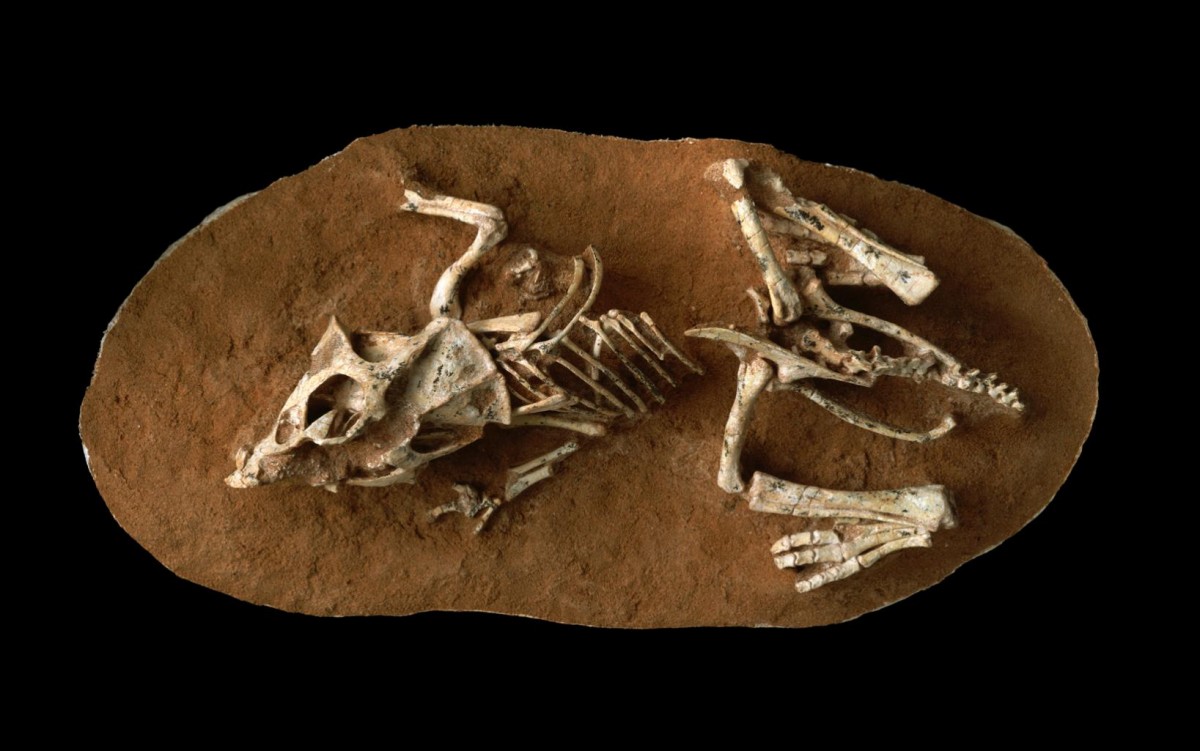
Dinosaur eggs took 3 to 6 months to hatch
New research on the teeth of fossilized dinosaur embryos indicates that the eggs of non-avian dinosaurs took a long time to hatch–between about three and six months.
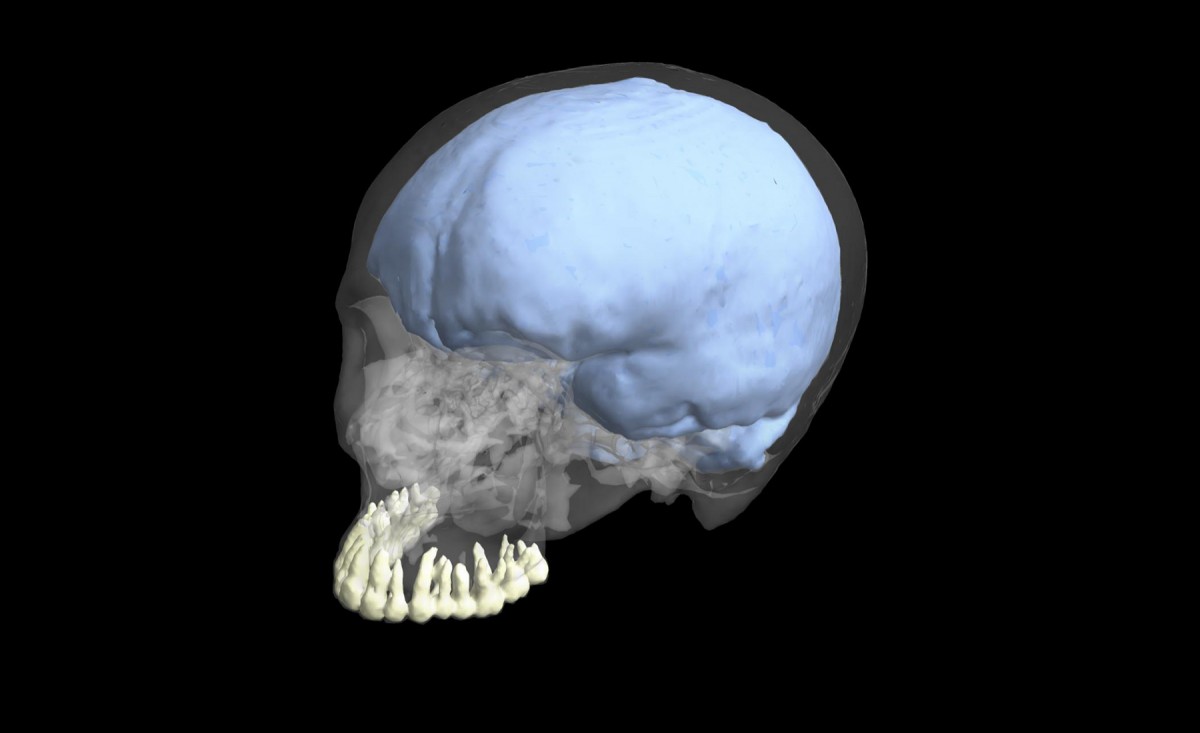
Evolution of brain and tooth size were not linked in humans
Whereas brain size evolved at different rates for different species, especially during the evolution of Homo, the genus that includes humans, chewing teeth tended to evolve at more similar rates.
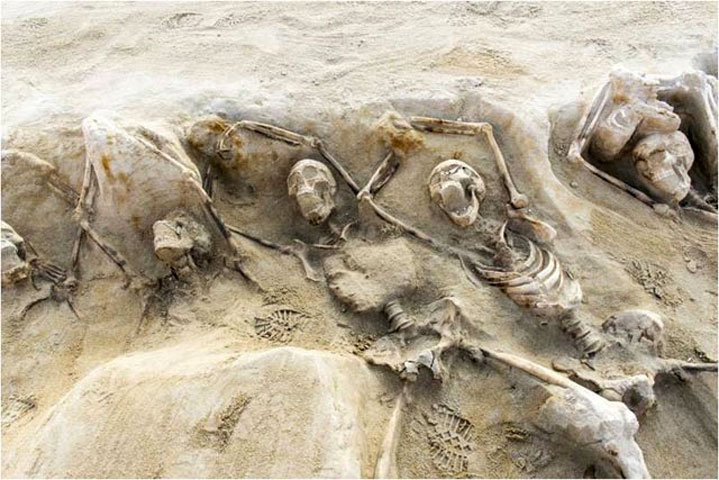
Worldwide interest in the captives of Phaleron and the Antikythera “Man”
Two Greek archaeological finds are on the 2016 annual list of the 10 most important discoveries in the world, according to ‟Archaeology” magazine.
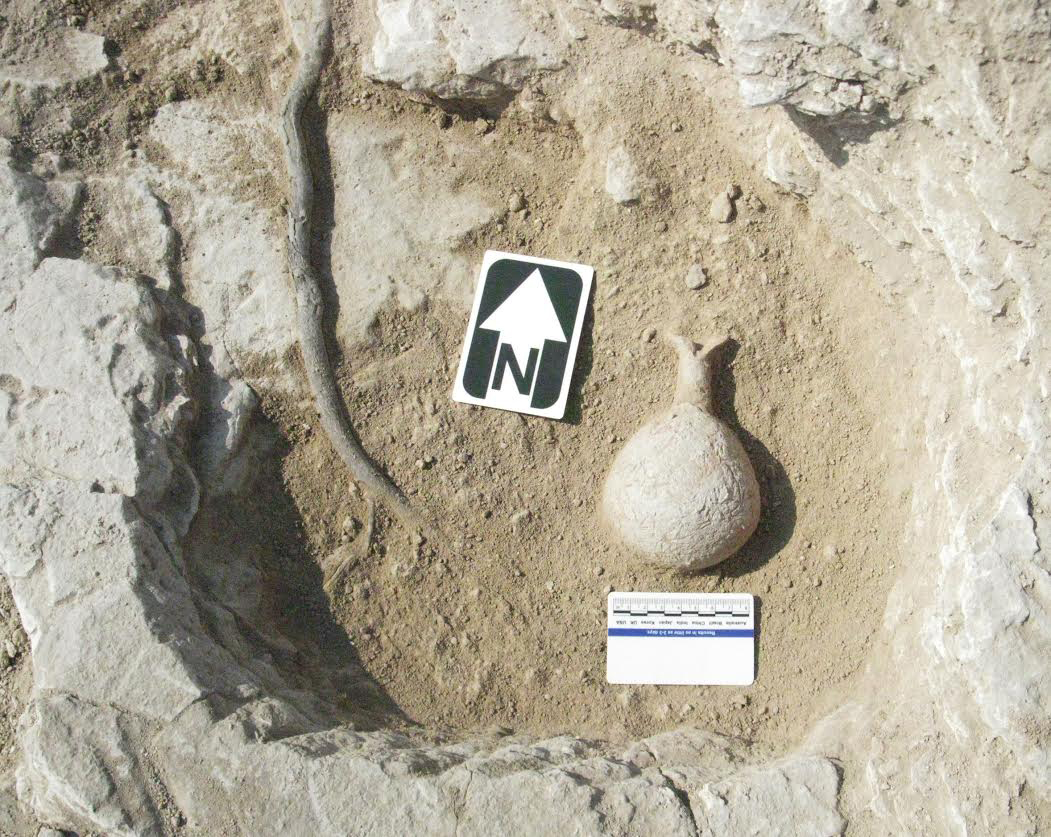
Two areas investigated at Erimi-Laonin tou Porakou
Results of this year's fieldwork season undertaken by the Italian Archaeological Mission at the site of Erimi-Laonin tou Porakou, Cyprus.
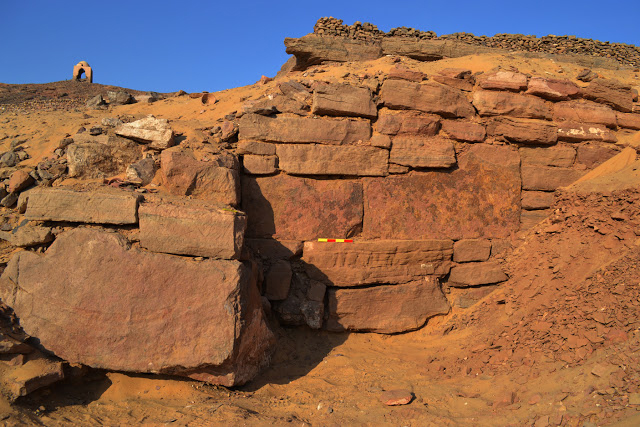
Compelling evidence for new tombs at Qubbet el-Hawa in Aswan
The discovery of a two-metre high ancient retaining wall below the visitors’ pathway in the northern part of the West Aswan cemetery at Qubbet el-Hawa was announced by the Ministry of Antiquities.
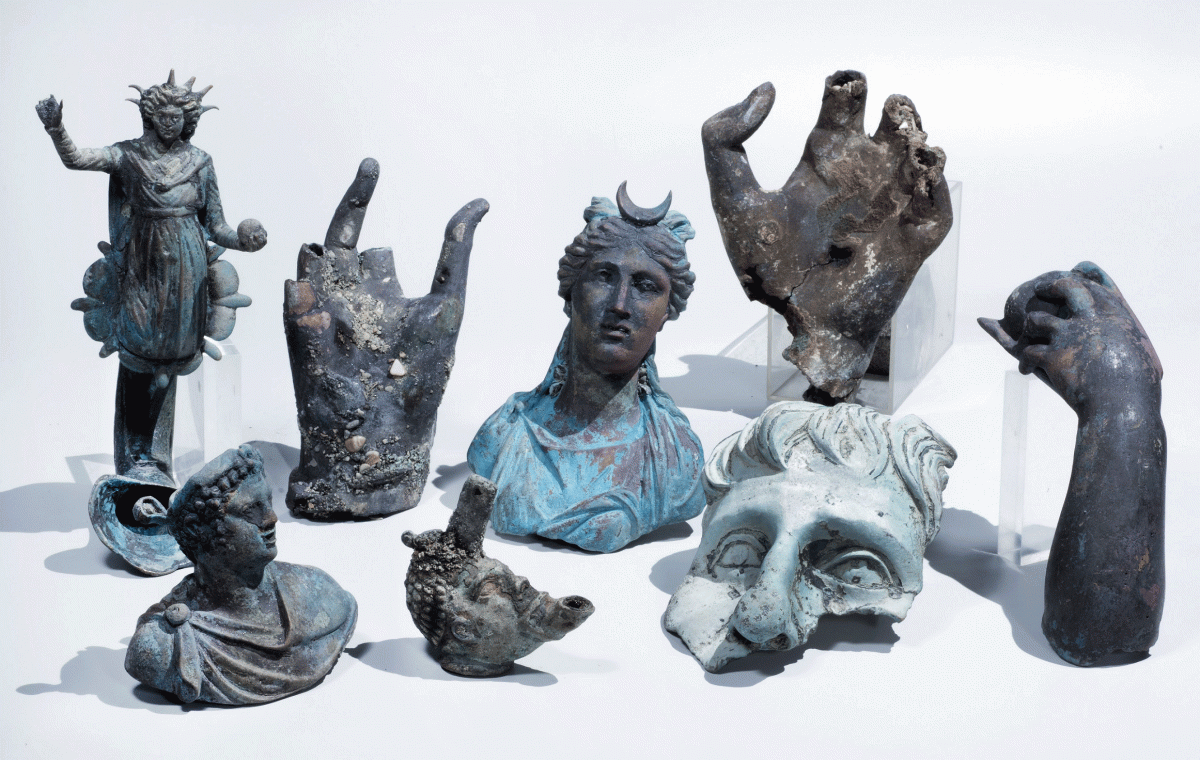
The most exciting archaeological discoveries of 2016
2016 has been a year copious with archaeological discoveries. Here is a list of the 10 most exciting ones.

J. Paul Getty Museum acquires rare first-century carved gem
The J. Paul Getty Museum recently acquired at auction a rare first-century carved gem depicting a seated nude woman and standing nude man, likely the goddess Aphrodite and her lover, Adonis.
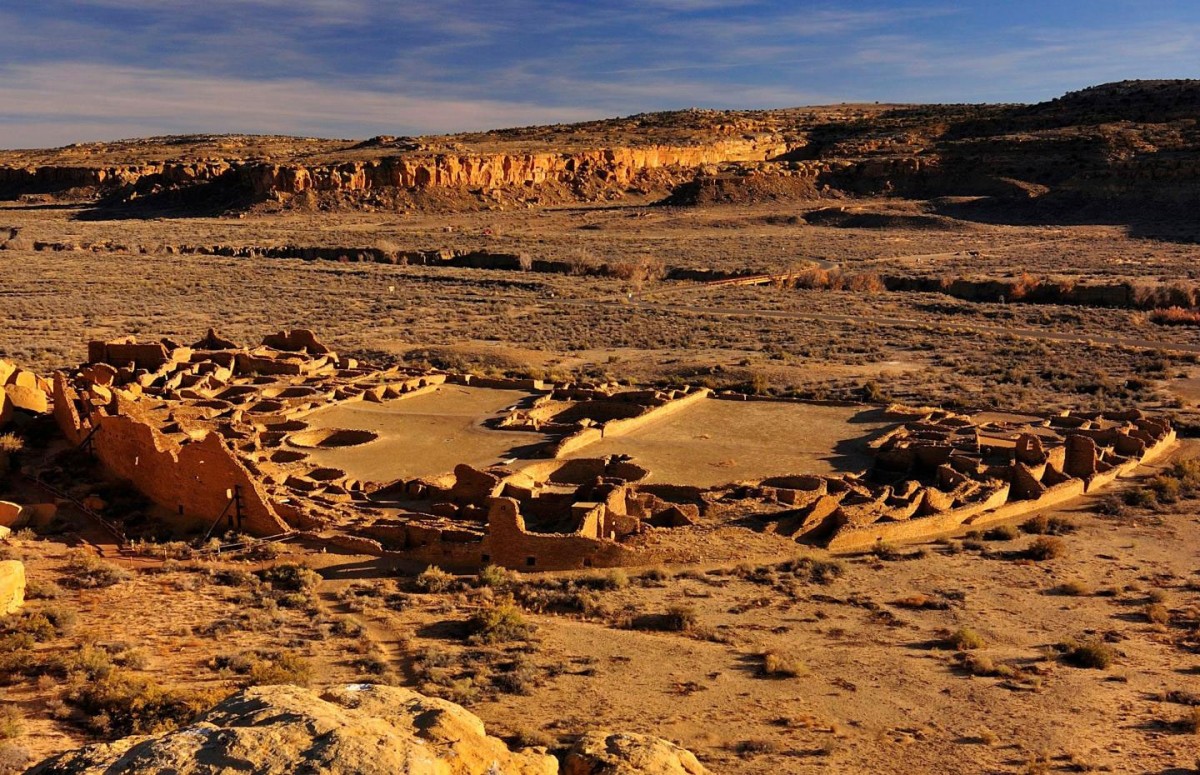
Computer models find ancient solutions to modern problems
Washington State University archaeologists are at the helm of new research using sophisticated computer technology to learn how past societies responded to climate change.
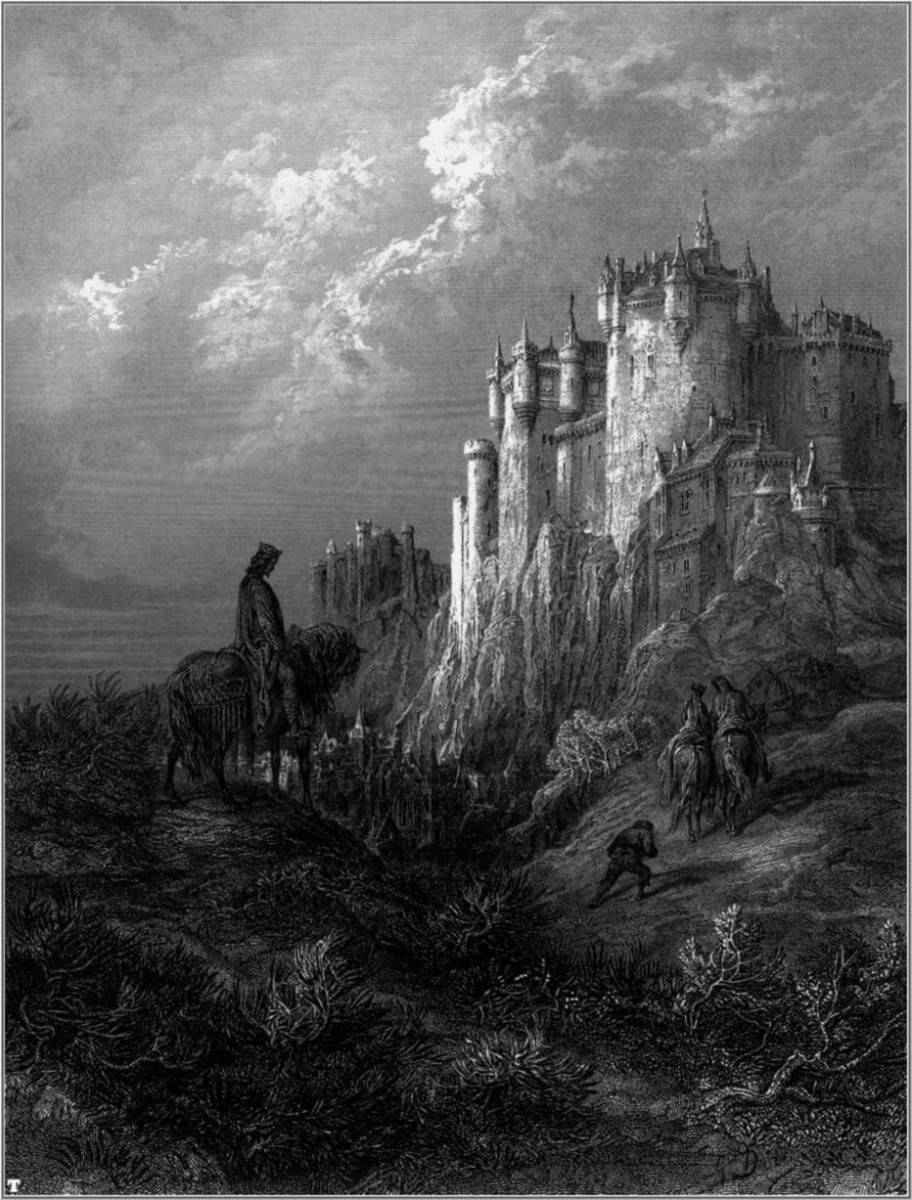
Possible location of King Arthur’s Camelot found
The quest to find King Arthur’s Camelot has puzzled and intrigued scholars and fans for a thousand years. Now, the search may finally be over.
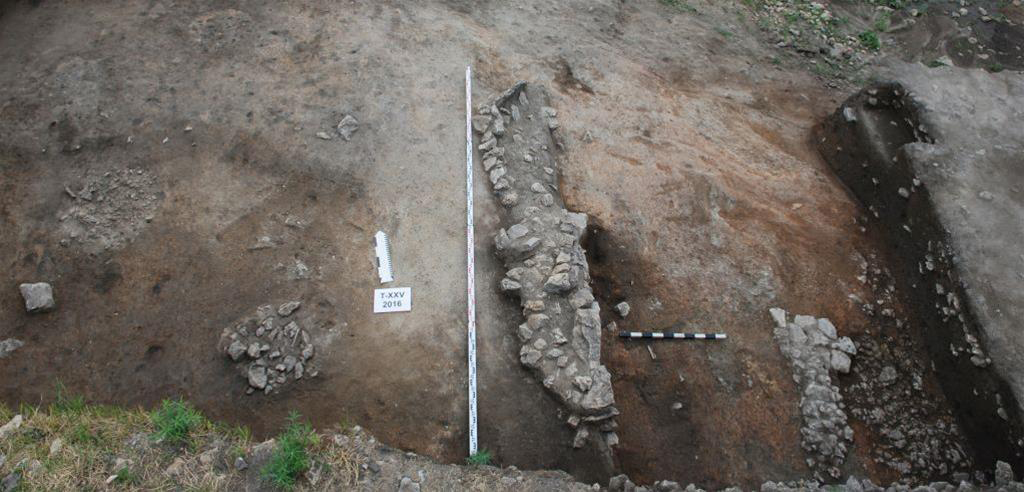
Ancient Greek colony in Russia had complex system of fortifications
Fortifications in the remote Greek colony 2,000 years ago in Tanais were more complex than previously thought.
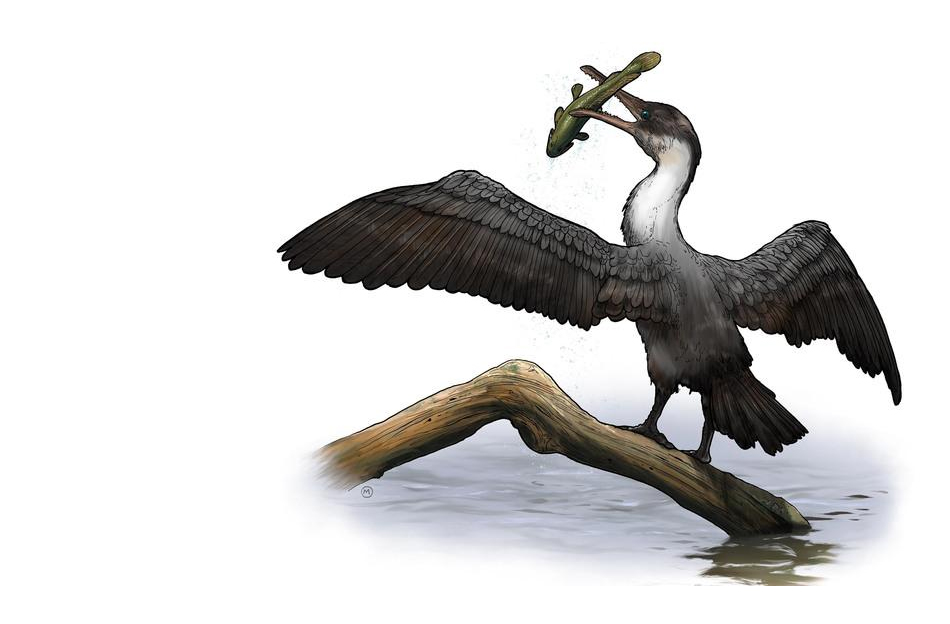
New prehistoric bird species discovered
A team of geologists at the University of Rochester has discovered a new species of bird in the Canadian Arctic.
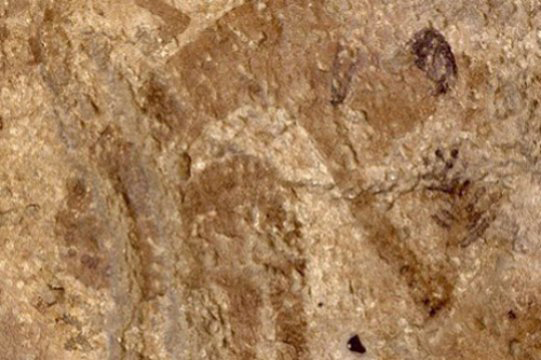
Earliest evidence discovered of plants cooked in ancient pottery
A team of international scientists, led by the University of Bristol, has uncovered the earliest direct evidence of humans processing plants for food found anywhere in the world.

Nepal: Post-disaster excavations at earthquake-damaged Jagannath and Gopinath Temples
UNESCO has commissioned post-disaster rescue excavations at earthquake-damaged monuments within the Kathmandu Valley UNESCO World Heritage Site.
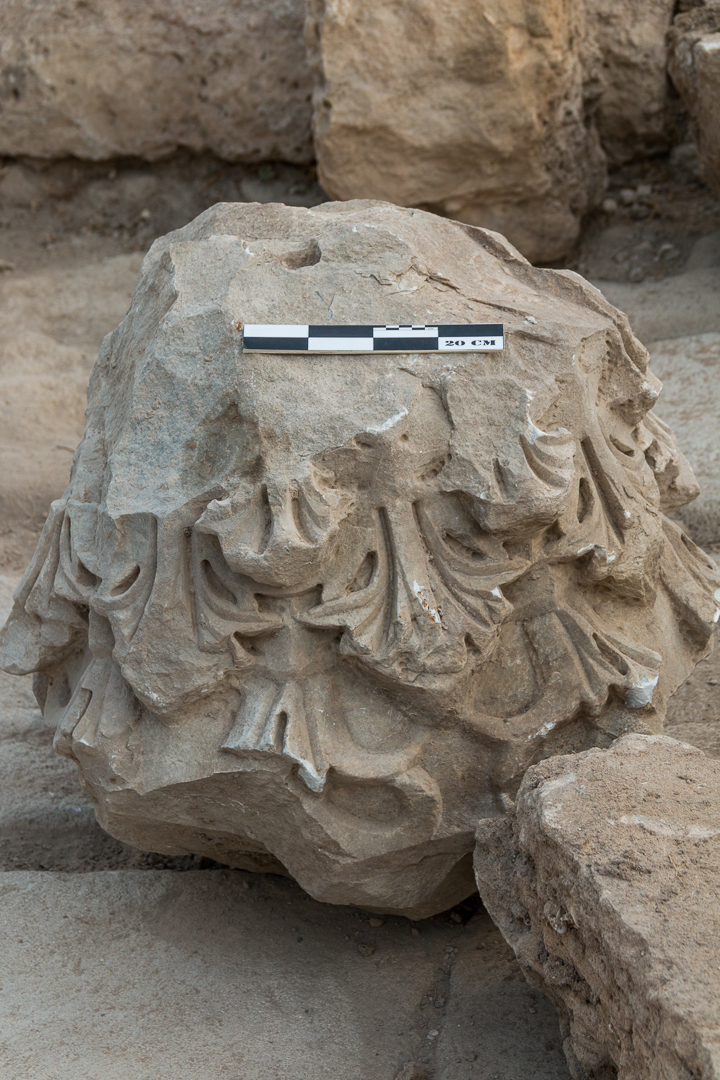
Nea Pafos: The ancient theatre area was a major hub of activity
It was constructed around 300 BC and used for performance and entertainment for over six centuries until the 4th century AD.
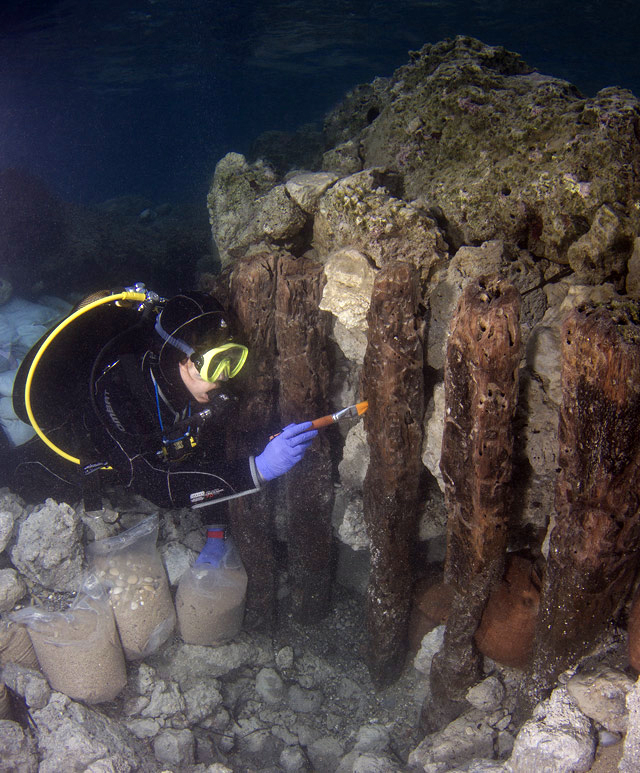
Underwater archaeological surveys of the ancient harbour at Lechaion
The most significant results of this year's surveys.