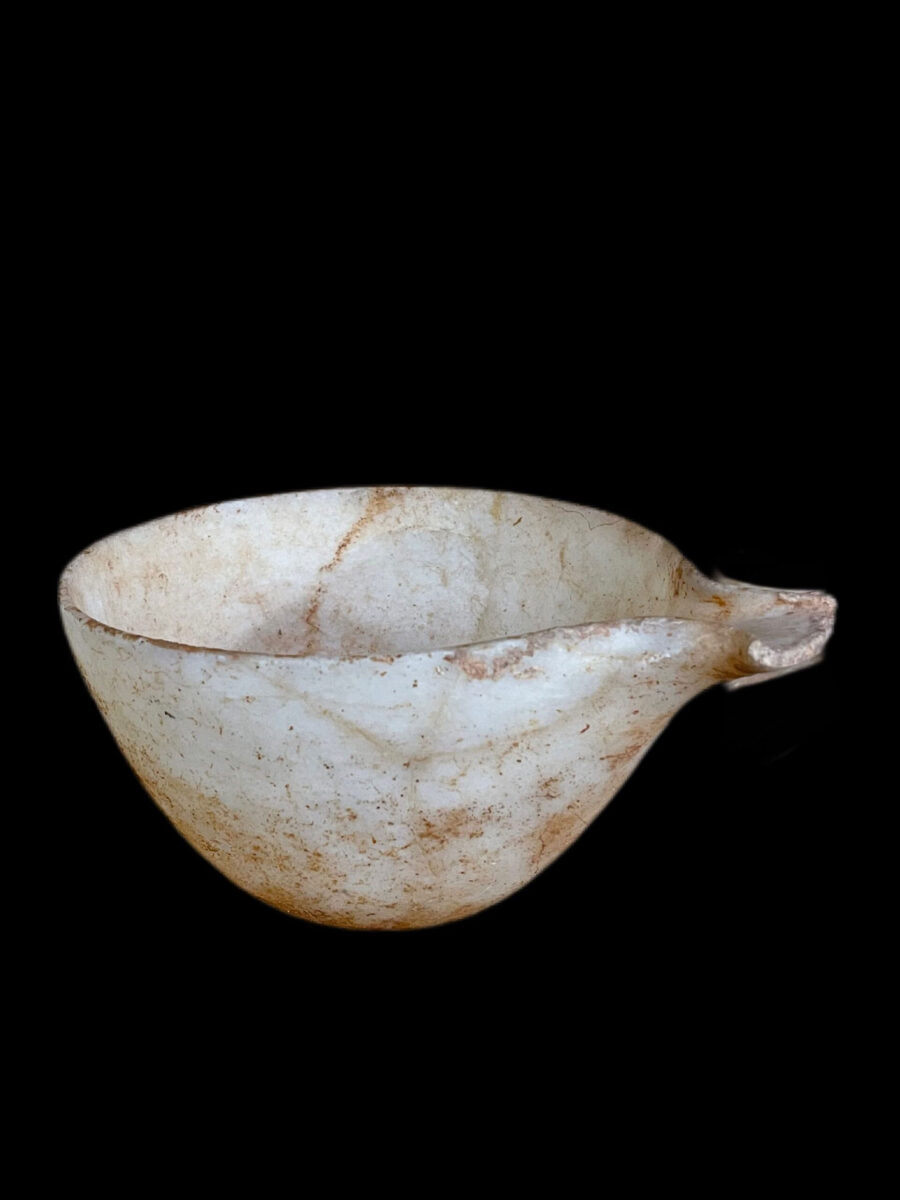
55 antiquities valued at more than $20 million repatriated to Greece
Manhattan District Attorney Alvin Bragg announced the return of 55 antiquities, including “The Kouros,” to the people of Greece.
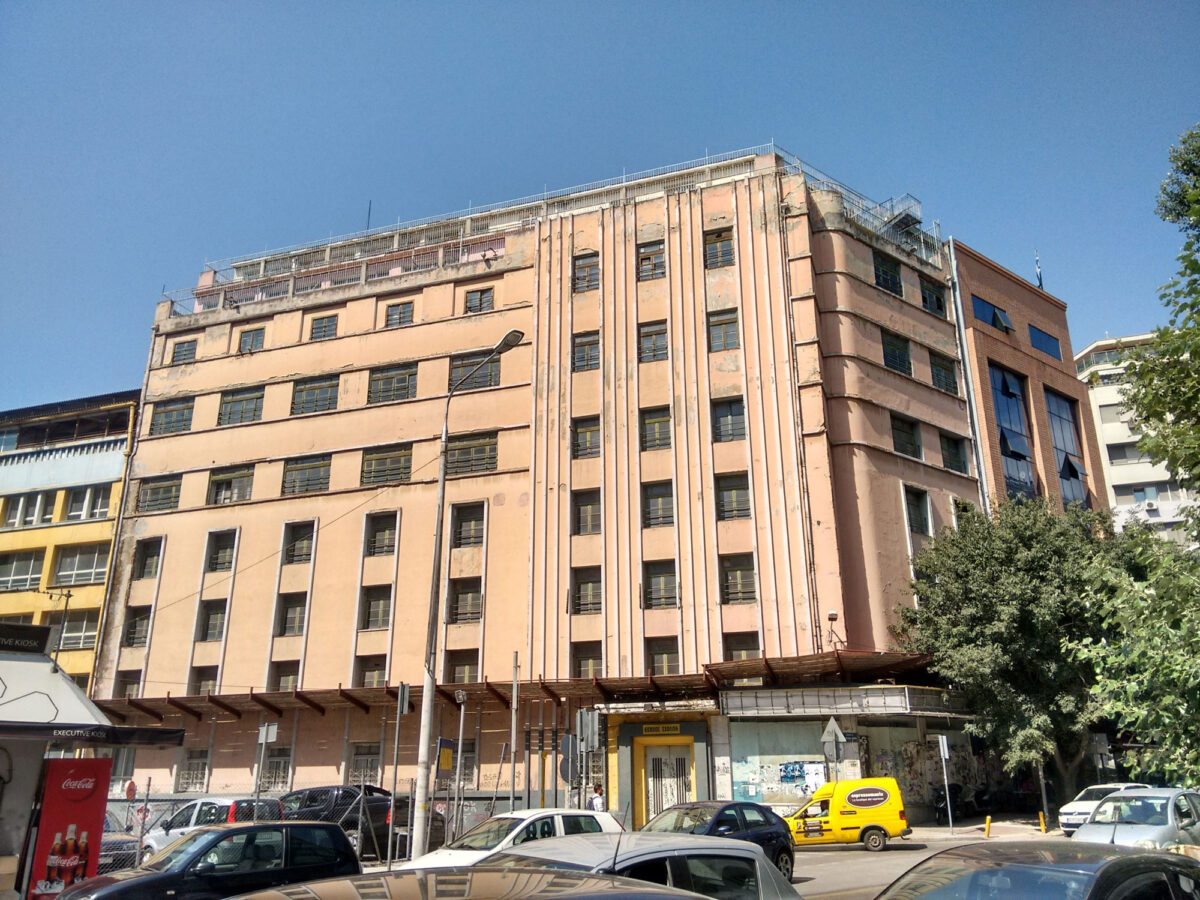
Memories of tobacco merchants and tobacco
Memories of an activity that flourished for decades are now well preserved in buildings that have stood the test of time.
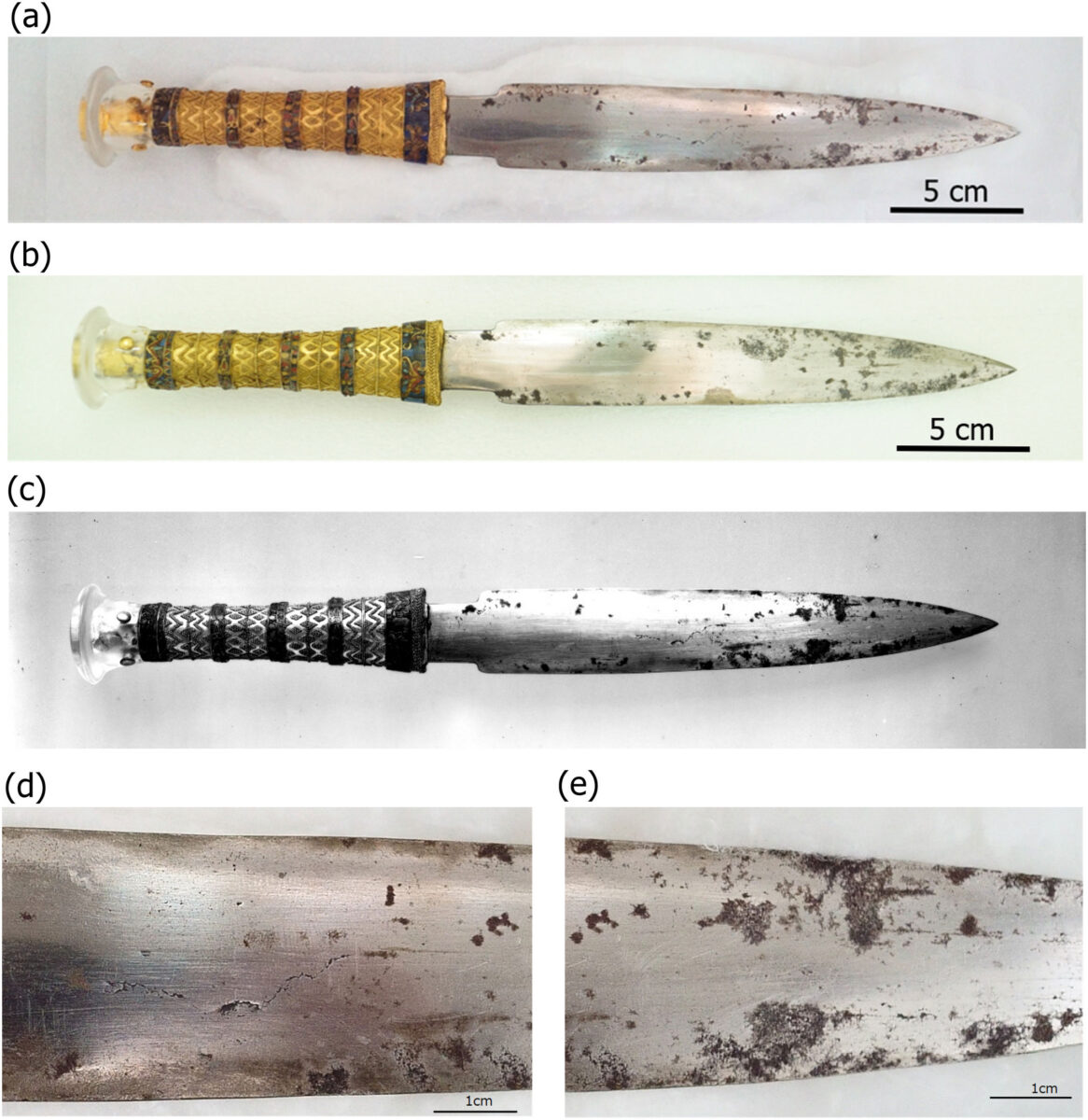
Tutankhamun’s meteoric iron dagger: a royal gift from Mitanni?
Α team from Japan related the dagger's material and manufacturing methods with data from the Amarna Letters.
Point of entry into past centuries
The open-access portal of the Academy project "Prize Papers" launches with deep insights into about 1,500 capture trials.

Gutenberg Research Award of JGU for Wil Roebroeks
Most prestigious research award of Johannes Gutenberg University Mainz goes to Dutch archaeologist, Wil Roebroeks.
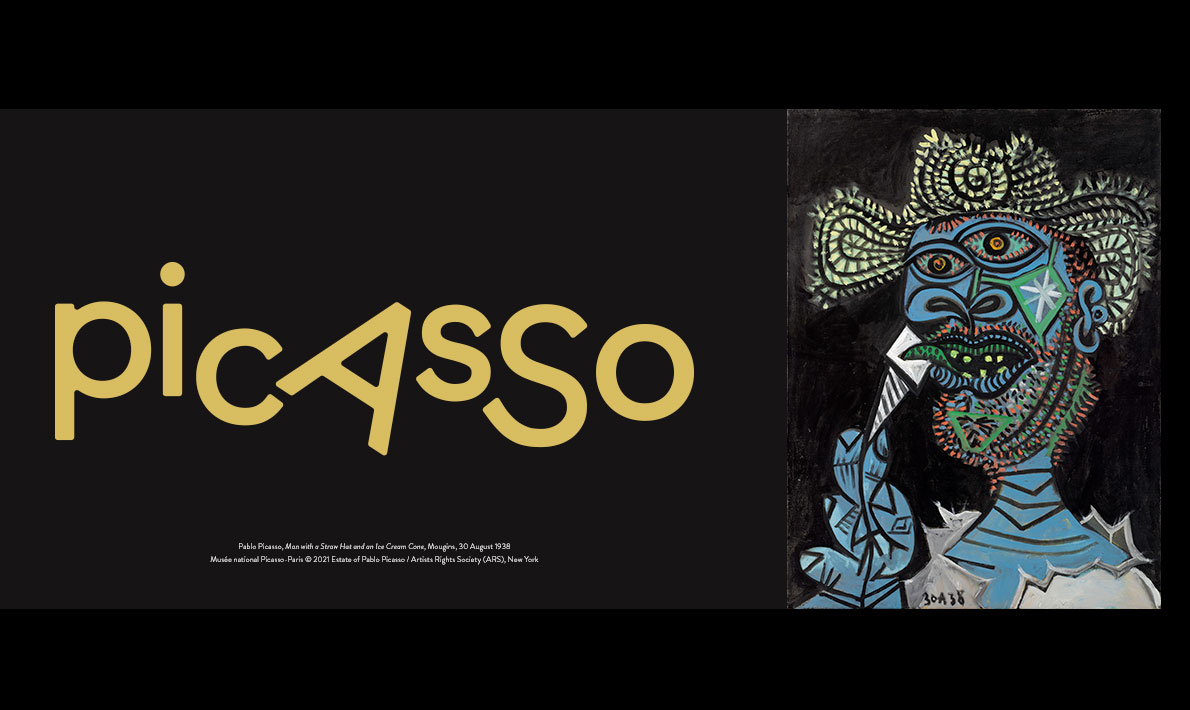
Picasso and the Allure of the South
Works by Pablo Picasso inspired by the Spanish-French border region are on display at the museum in Florida.
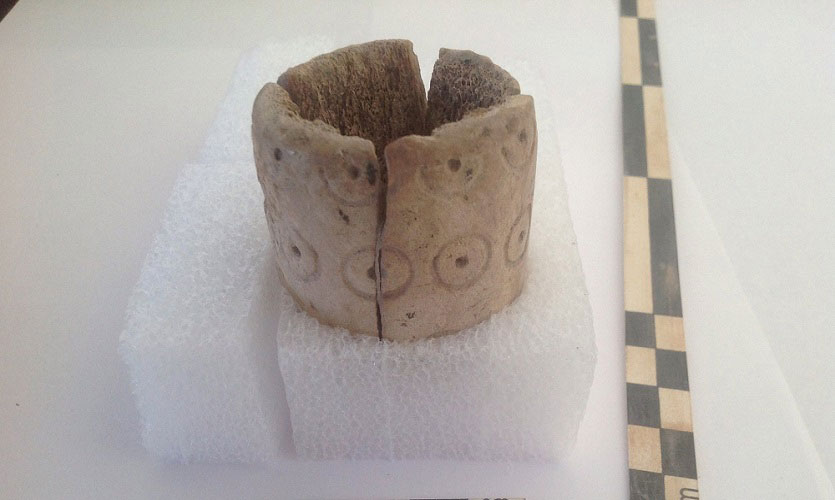
Dazzling Iron Age discovery in the North West of England
Dr Kevin Cootes, senior researcher at Liverpool John Moores University, said they had found ‘a dazzling time capsule of over 5,000 artefacts’, dated from 800BC.
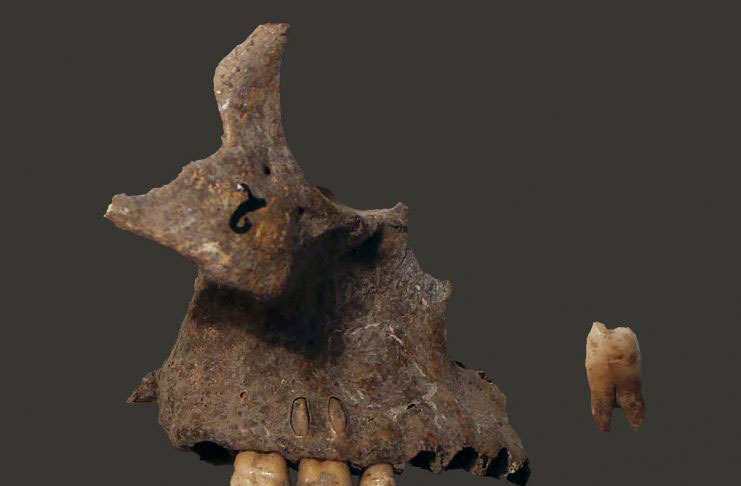
350 years old remains in a Stone Age site in Portugal
The burial of this man in an 8,000-years old site could be an example of the maintenance of African cultural beliefs and practices by African people translocated to Europe.
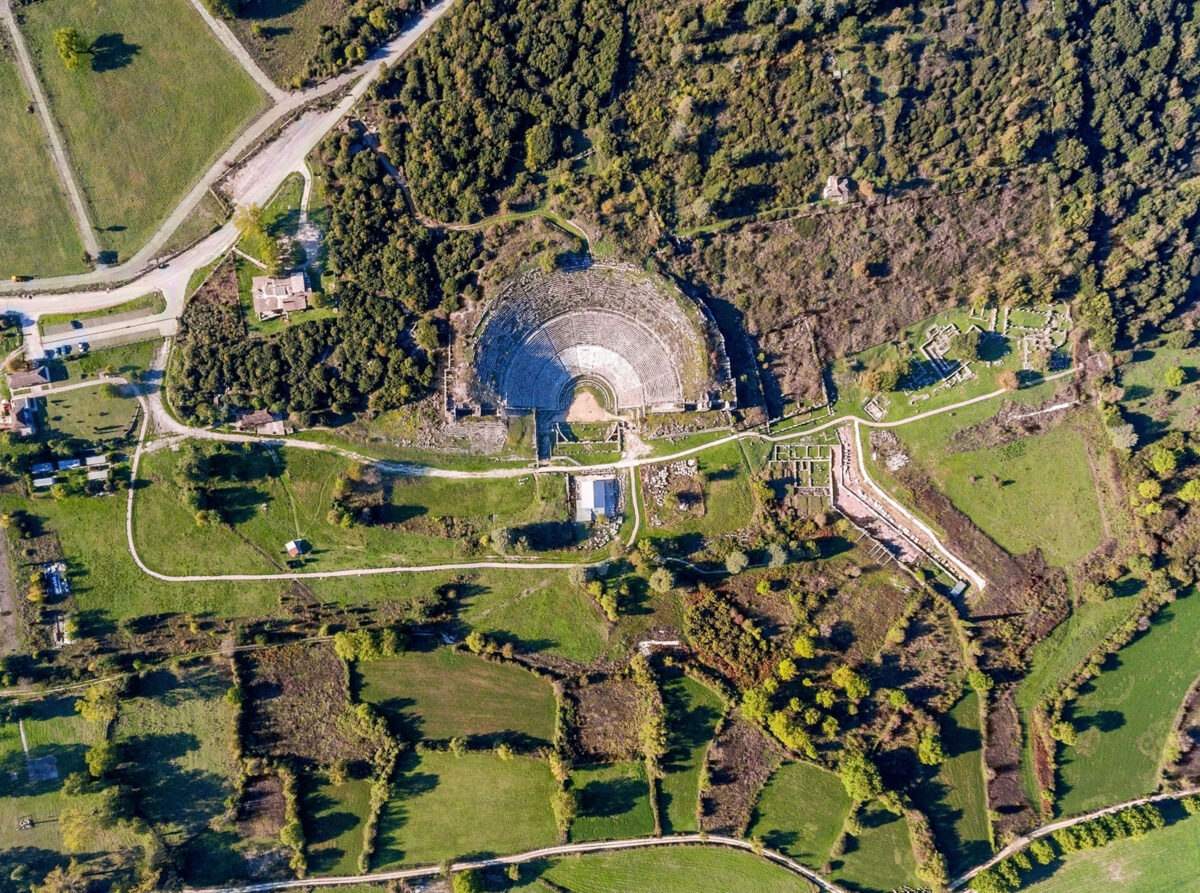
Restoration works continue in the Ancient Theatre of Dodona
"Go ahead" from the Central Archaeological Council for the continuation of conservation and restoration of the koilon of the Ancient Theatre.
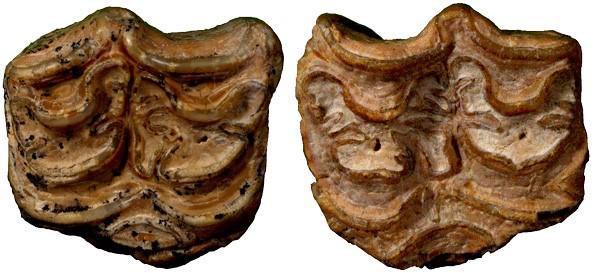
Pattern of North-South extinction in a group of primitive horses confirmed
The CENIEH participates in a study on the fossil finds of Hipparion ambiguum, an extinct genus of the Equidae family, and the most recent remains of the genus found in North Africa.
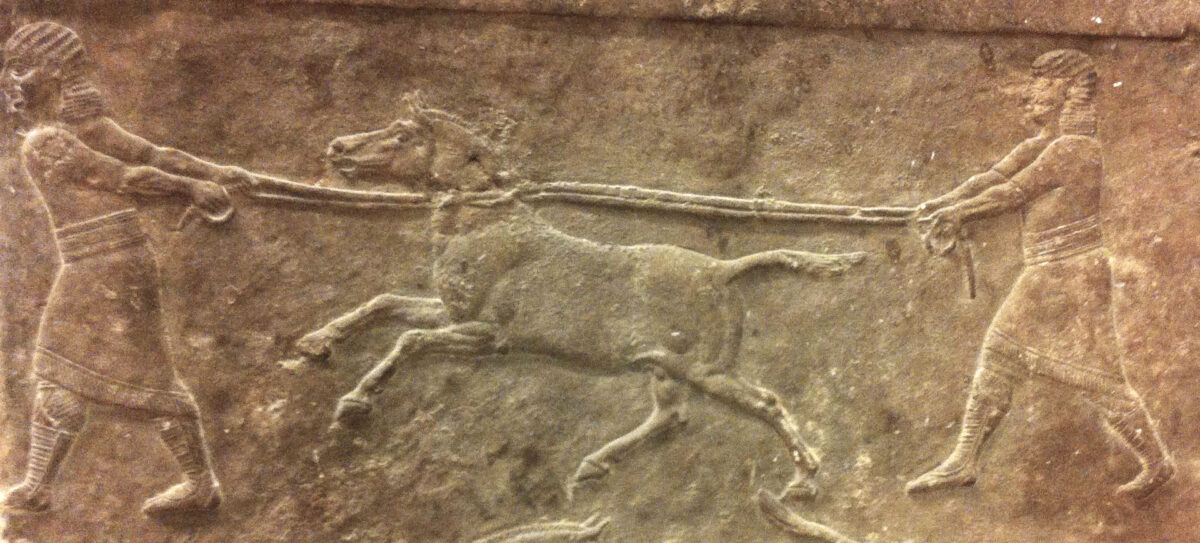
Before horses, ass hybrids were bred for warfare in Mesopotamia
Before the introduction of the domestic horse in Mesopotamia, valuable equids were being harnessed to ceremonial or military four wheeled wagons and used as royal gifts, but their true nature remained unknown.
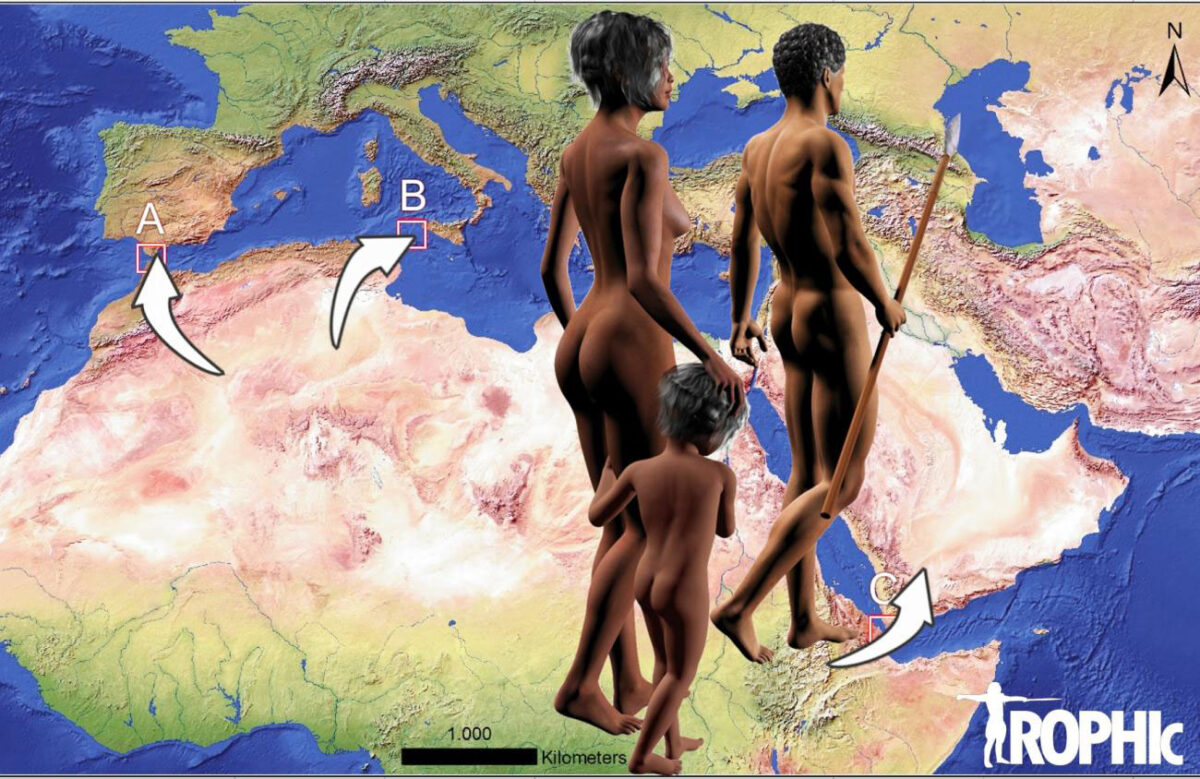
Modern humans did not enter Europe by sea, recent study shows
Researchers assess possible emergence from Africa over the Gibraltar, Sicily and Bab-al-Mandab straits using a computational model.
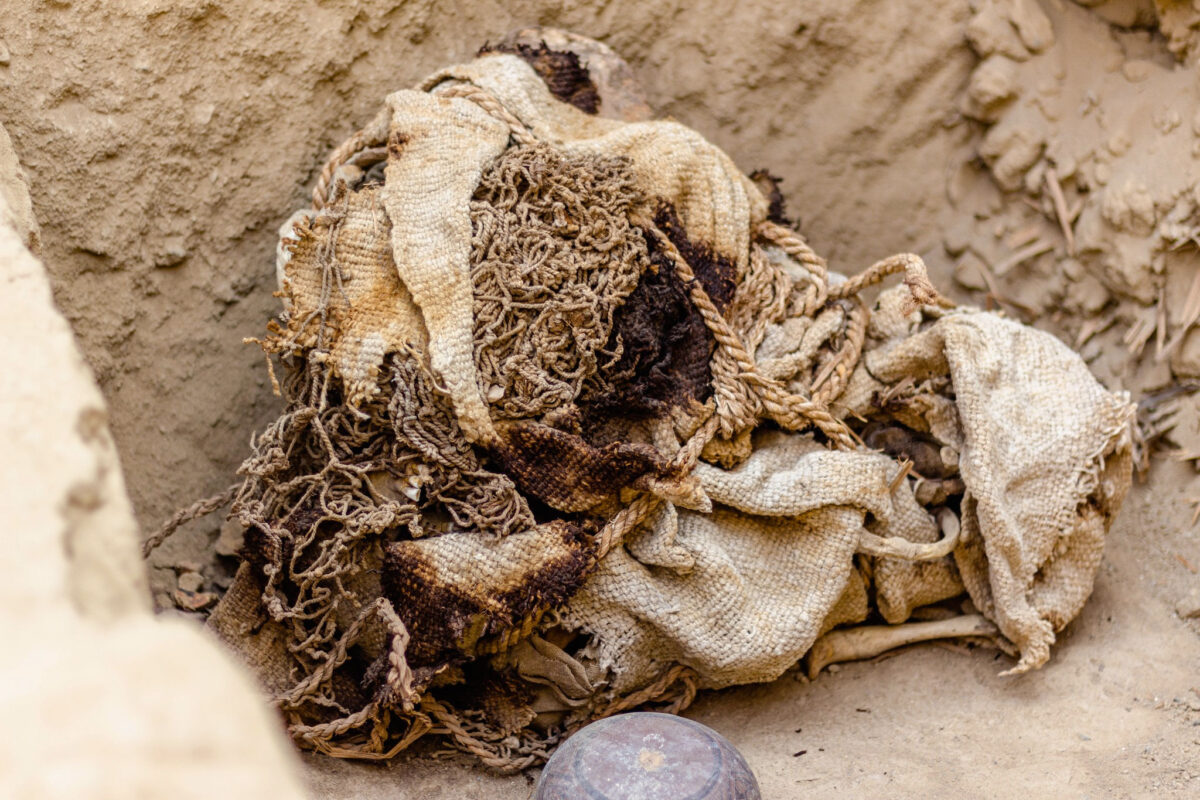
The mummies of six likely sacrificed children were found in Peru
The remains of seven adults, who had not been mummified, were found a short distance away.
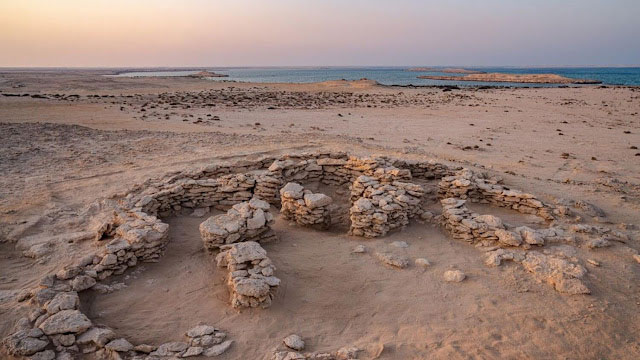
New Abu Dhabi archaeological discoveries reveal 8,500 year old buildings
Archaeologists from the Department of Culture and Tourism - Abu Dhabi (DCT Abu Dhabi) have unearthed evidence of the earliest known buildings in the UAE and the broader region.
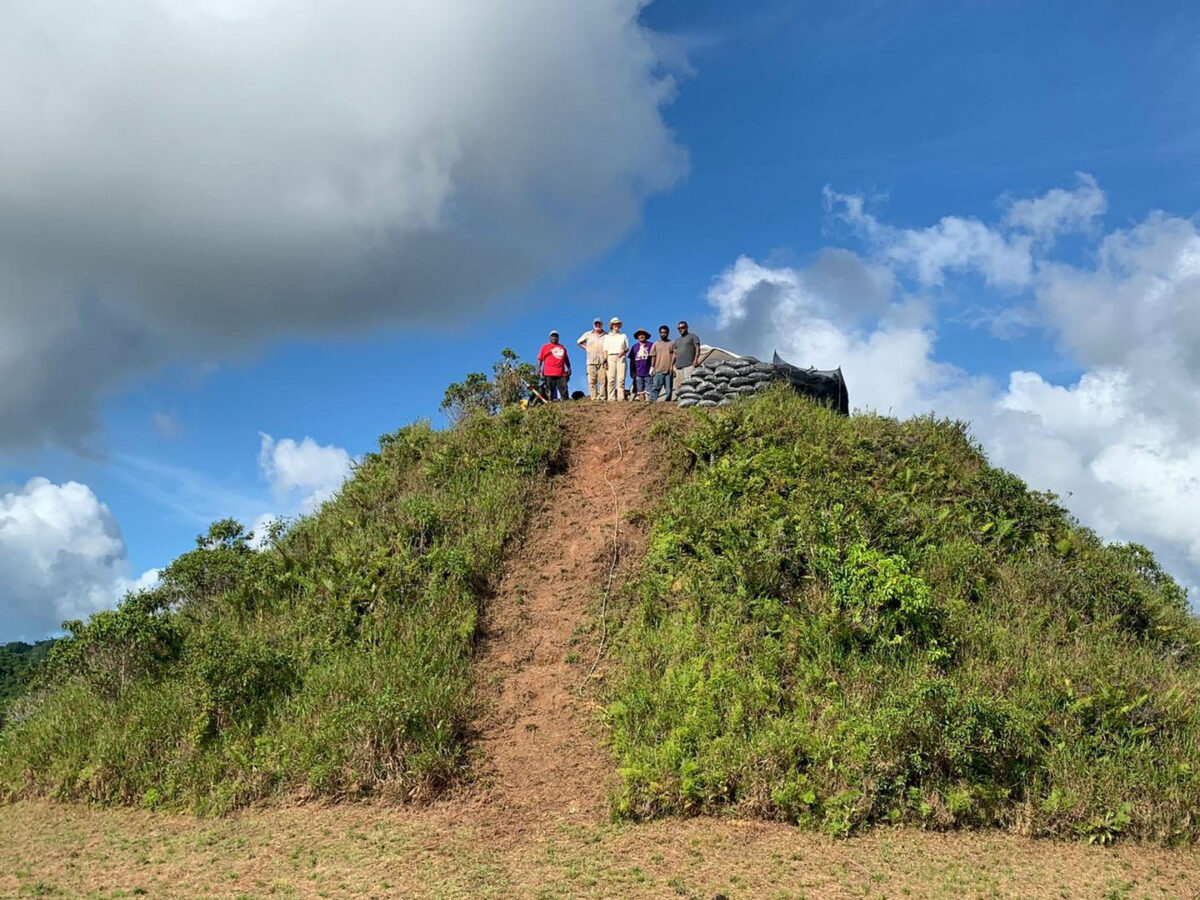
The green pyramids of Palau: a geo-archaeological project
Horticulture and eternal rest of the mighty: geo-archaeological research project on the island of Babeldaob, Micronesia.
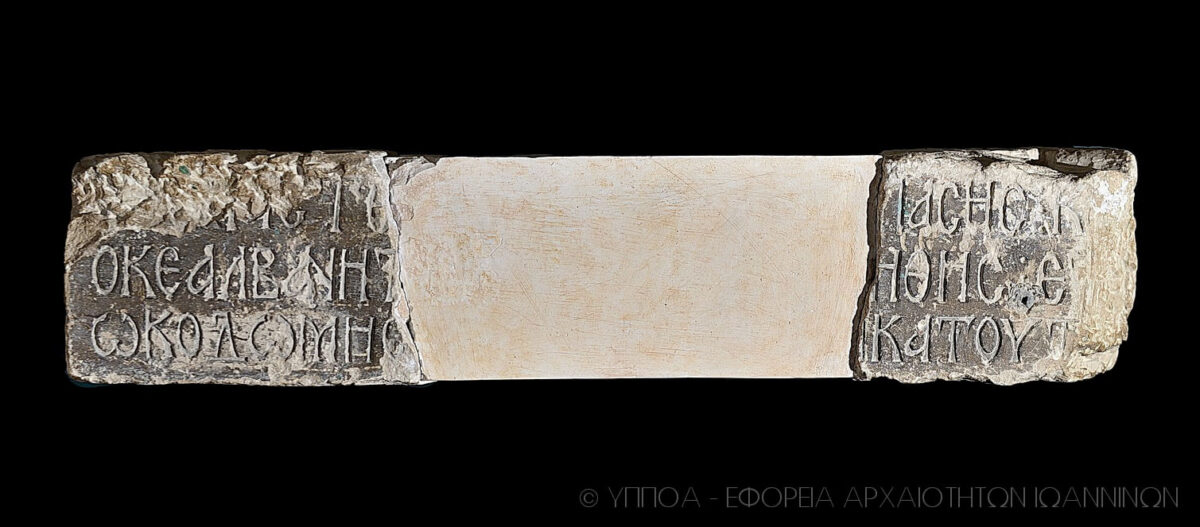
A distant Epsilon … from the Dodona Oracle
The Ephorate of Antiquities of Ioannina continues its successful practice of the digital exhibition "Details"with monthly posts on its Facebook page.
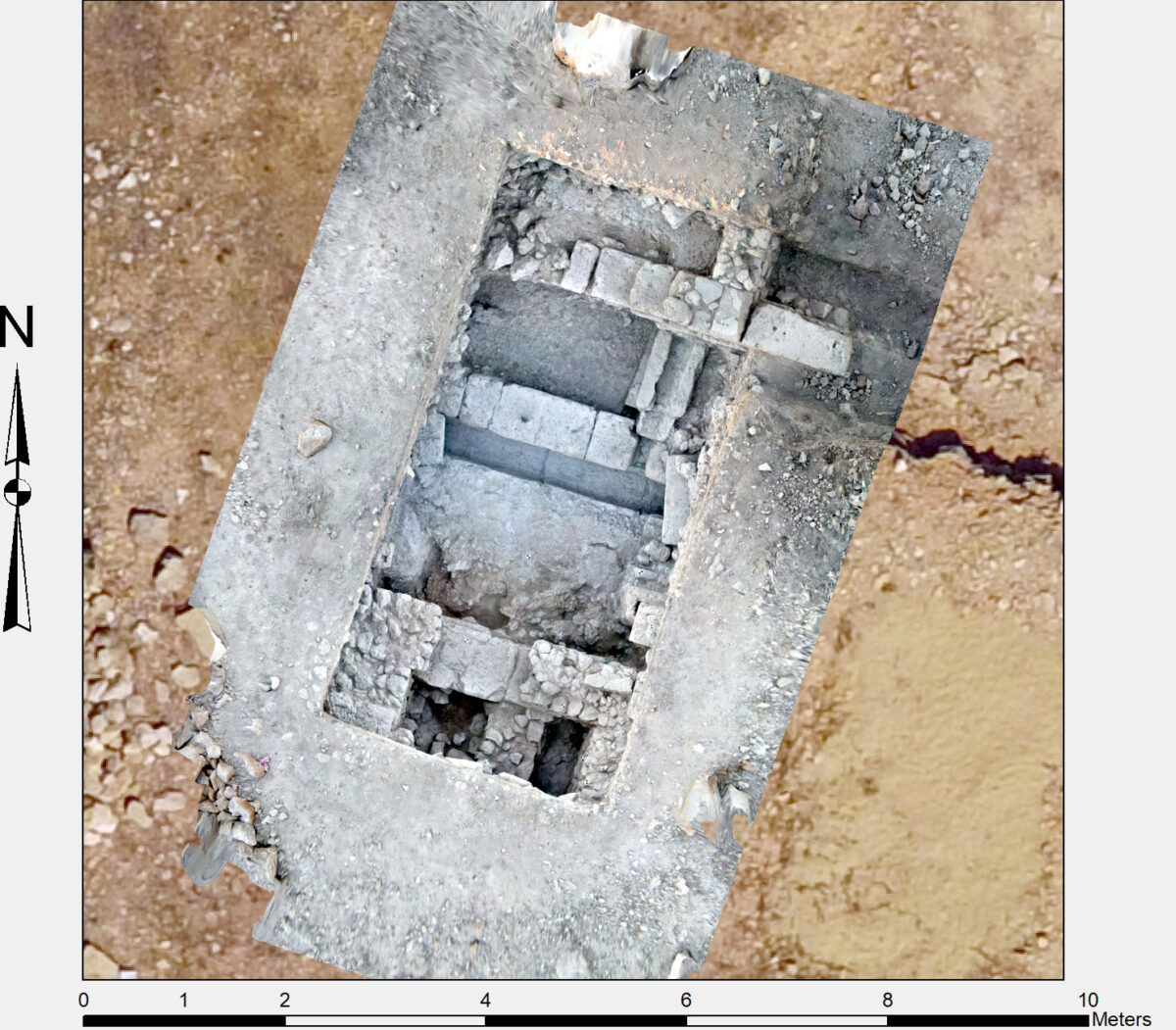
Polish excavations at Kato Paphos
The expedition completed the second research season implementing the project: "MA-P Maloutena and Agora in the layout of Paphos".
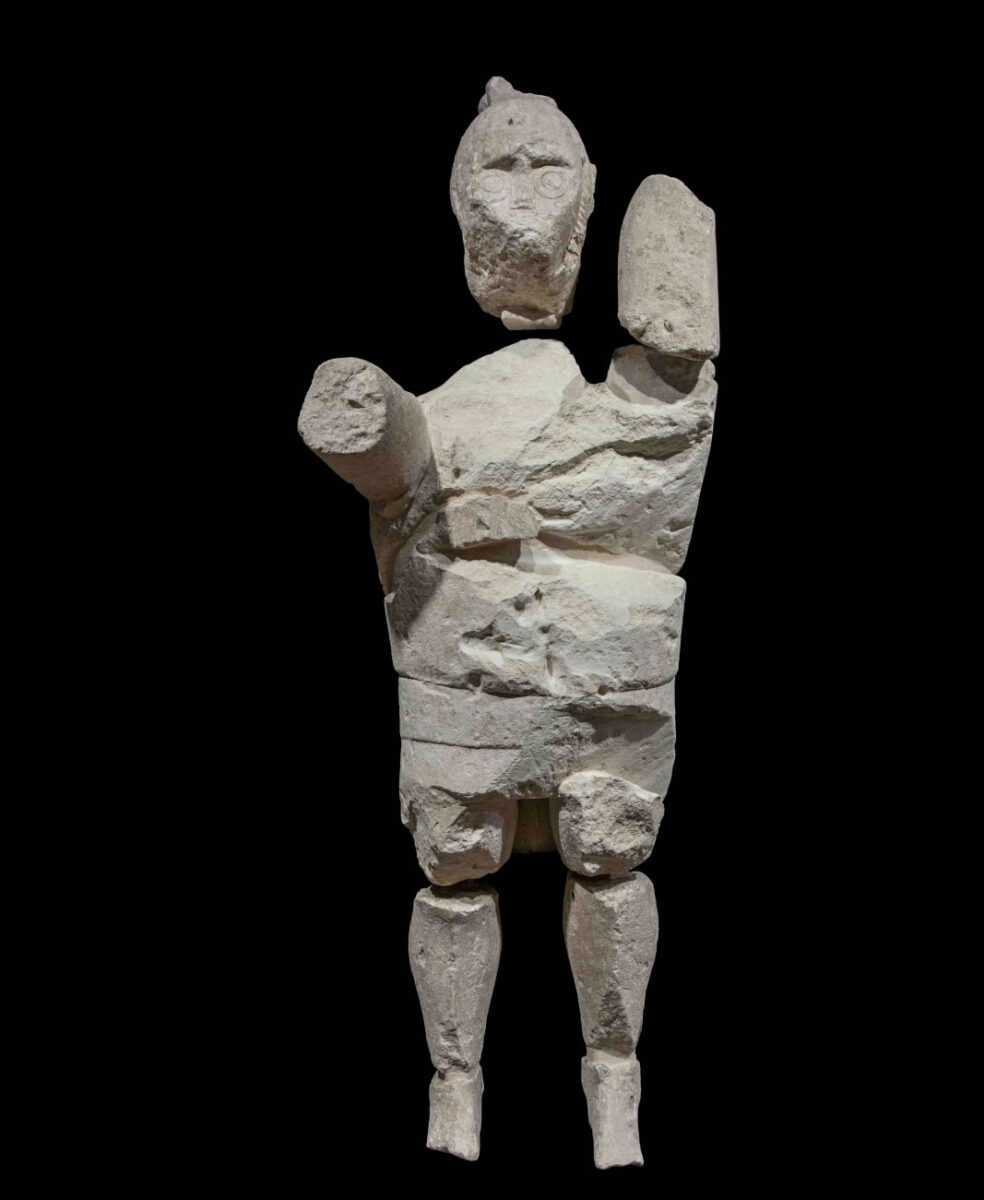
A giant from Sardinia at the Archaeological Museum of Thessaloniki
Through 188 exhibits, the visitor will have the opportunity to get acquainted with one of the most fascinating cultures of the Mediterranean.
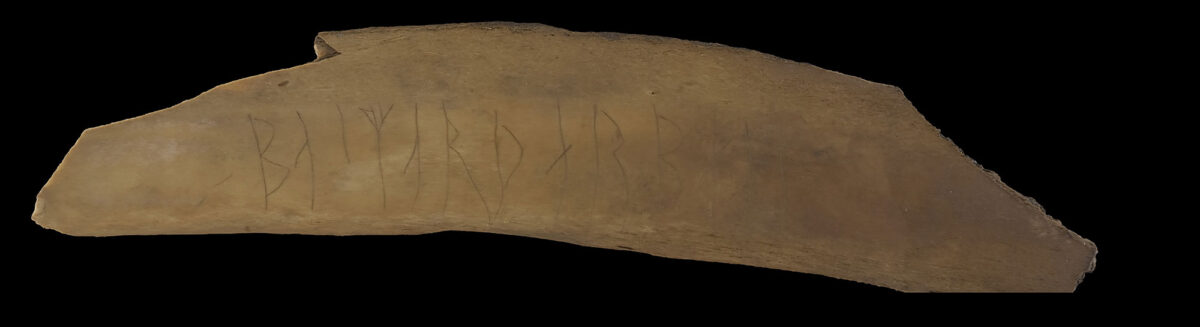
Rare rune finds unearthed during excavations in Oslo
Runologist Kristel Zilmer from the Museum of Cultural History, University of Oslo, has interpreted the new runic inscriptions.
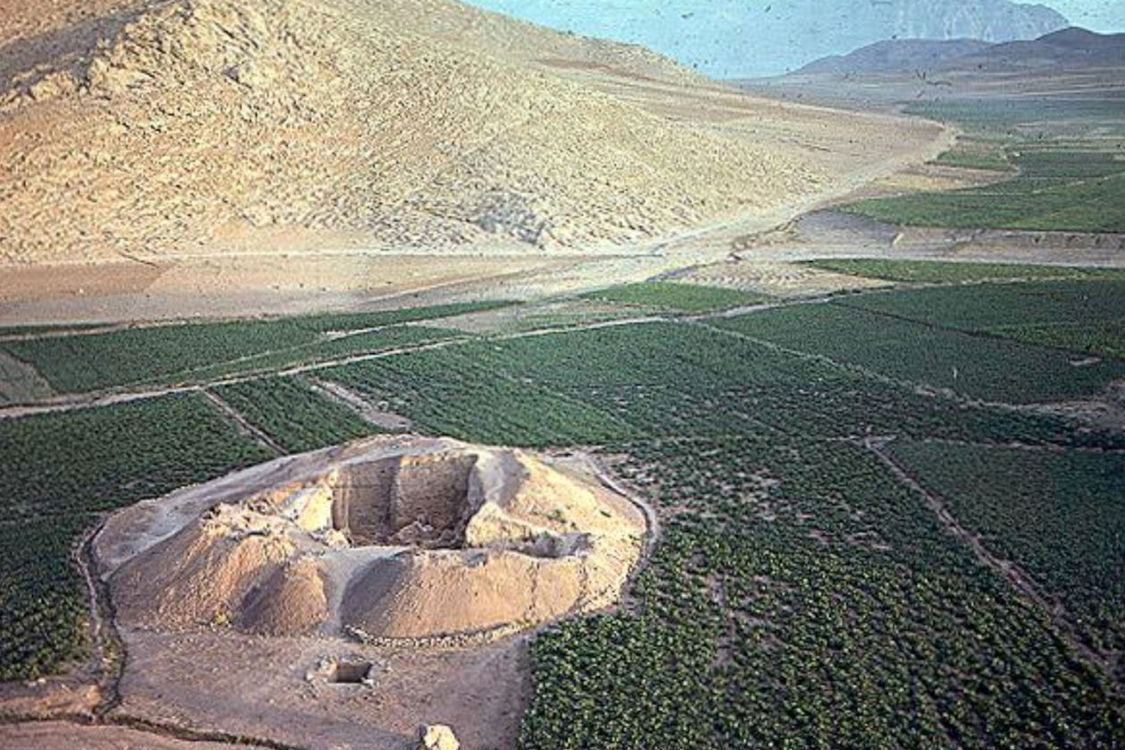
Sifting through archives to rediscover Iran’s ‘Treasure Valley’
An anthropology professor turned to part of an orphaned collection of artifacts assembled half-a-century ago by Canadian archaeologist Philip Smith.
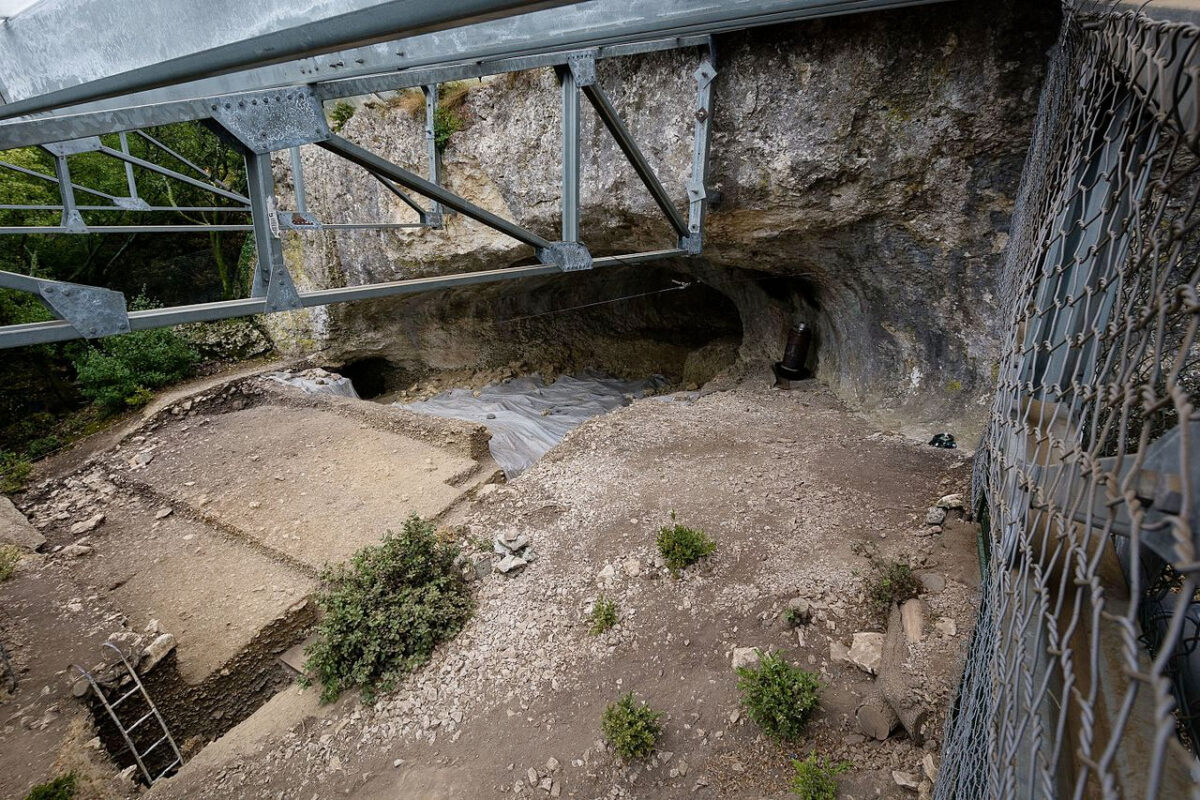
The first Homo sapiens arrived much earlier in Western Europe
54,000 year old stone tools and a child’s tooth found in a cave in southern France are the earliest evidence of their presence.
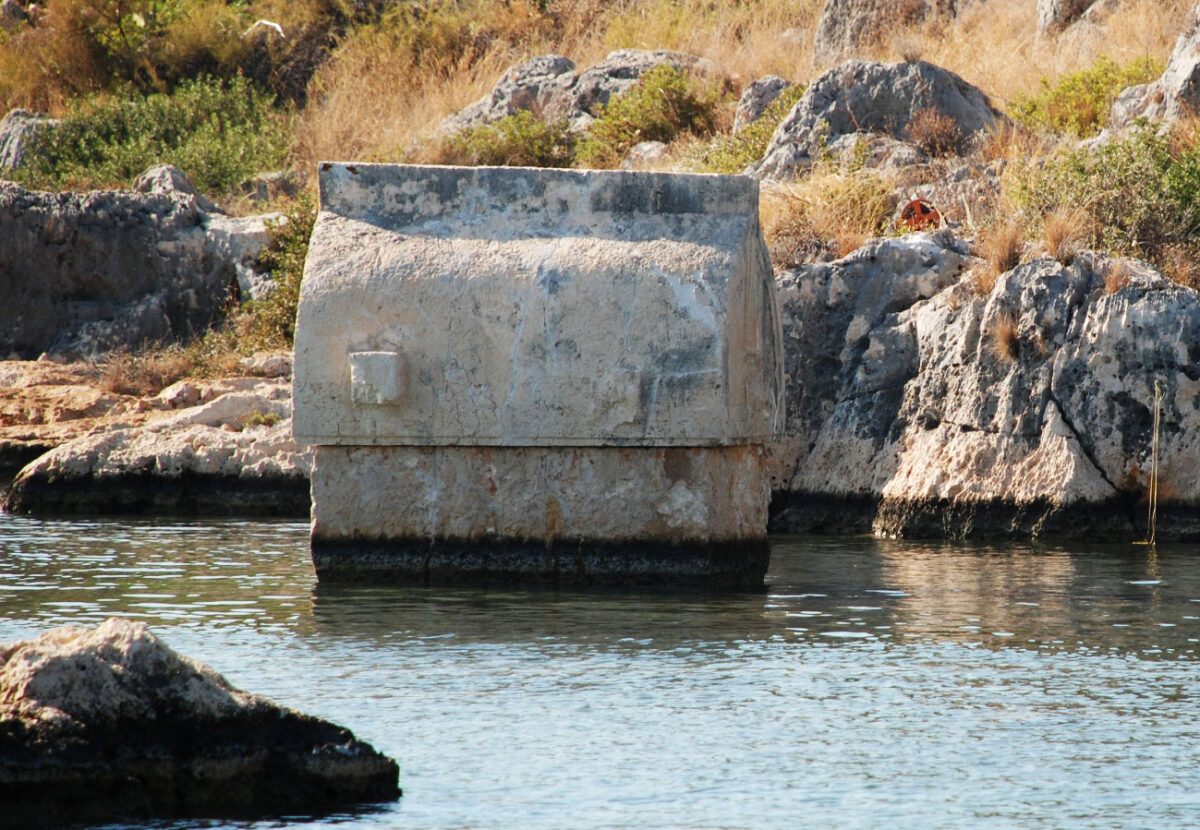
Decolonize research to save heritage threatened by climate change
Climate change threatens to destroy invaluable heritage sites and traditions in marginalised countries – but empowering local people is key to adaptation.
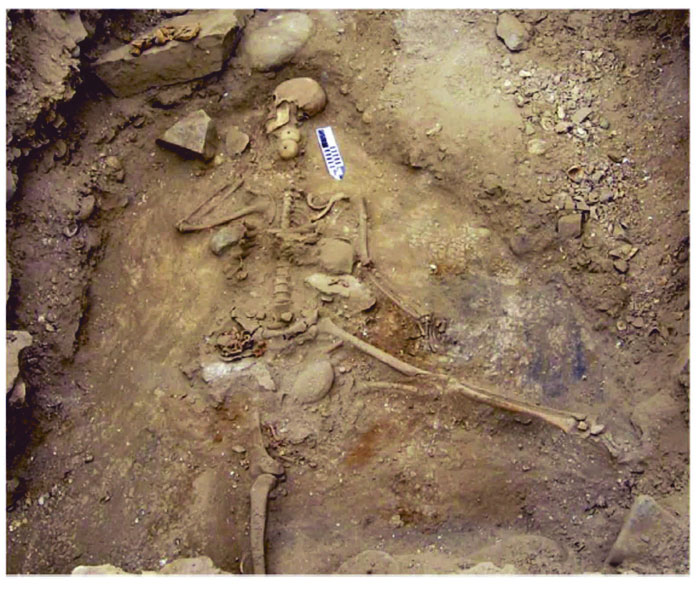
Enhanced forensic test confirms Neolithic fisherman died by drowning
A new study has confirmed saltwater drowning as the cause of death for a Neolithic man whose remains were found in a mass grave on the coast of Northern Chile.
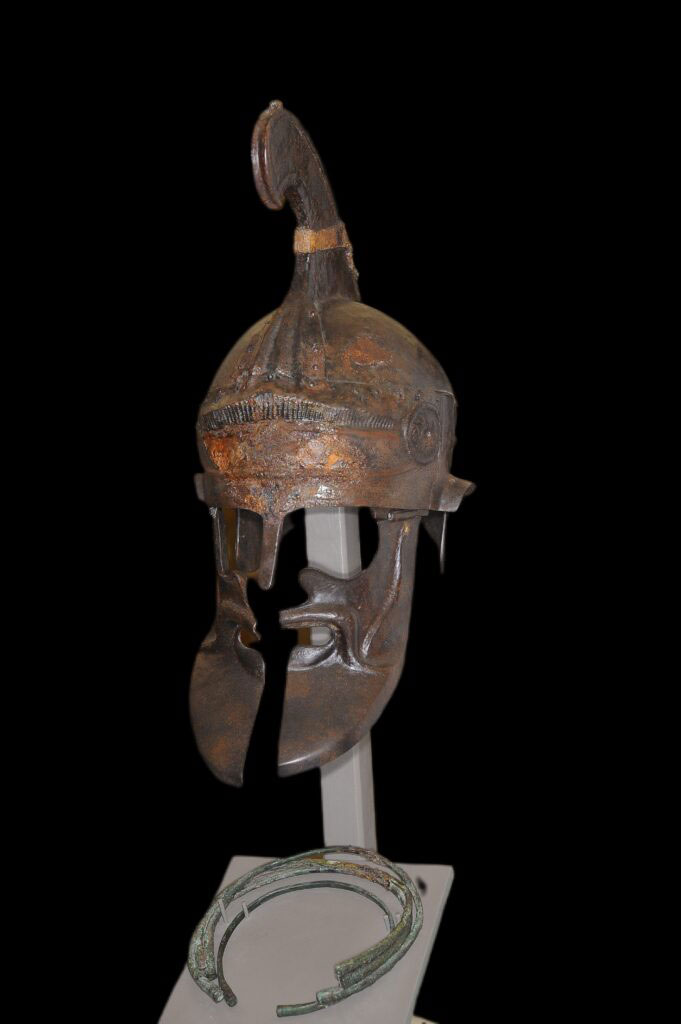
Helmet likely belonging to Philip of Macedon Returned to Bulgaria
On February 10, Manhattan District Attorney Alvin Bragg announced the return of “The Helmet,” an antiquity seized from Michael Steinhardt.