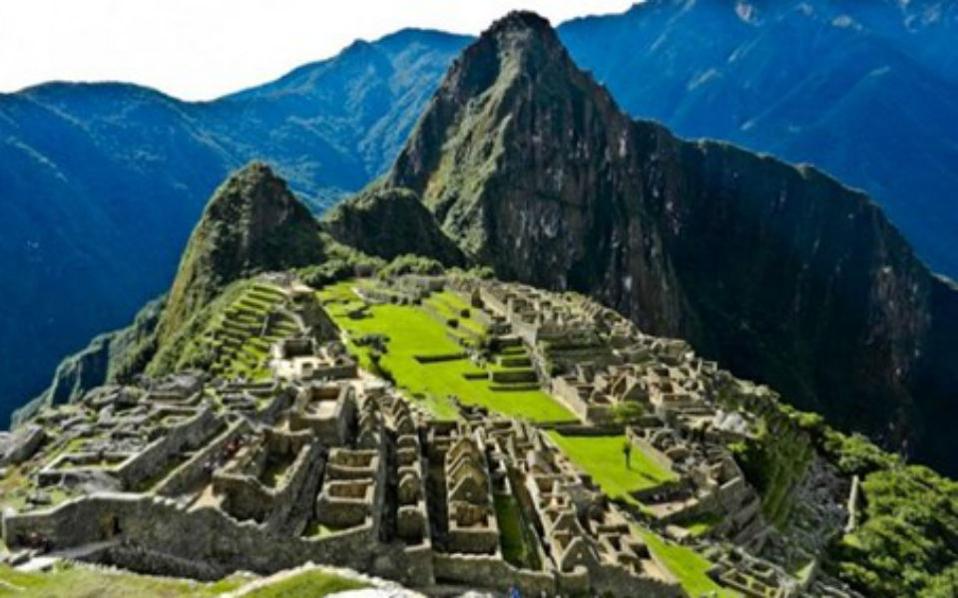
Machu Picchu: Ancient Incan sanctuary intentionally built on faults
Detailed geoarchaeological analysis that suggests the Incas intentionally built Machu Picchu in a location where tectonic faults meet.
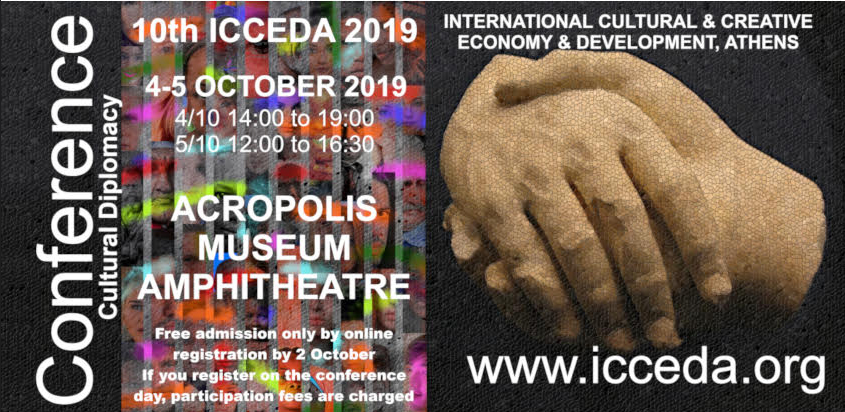
10th ICCEDA 2019
Conference about aspects of cultural diplomacy in the EU, its basic principles, the challenges in the field of cultural management, effective practices, the role of local cultural actors etc.
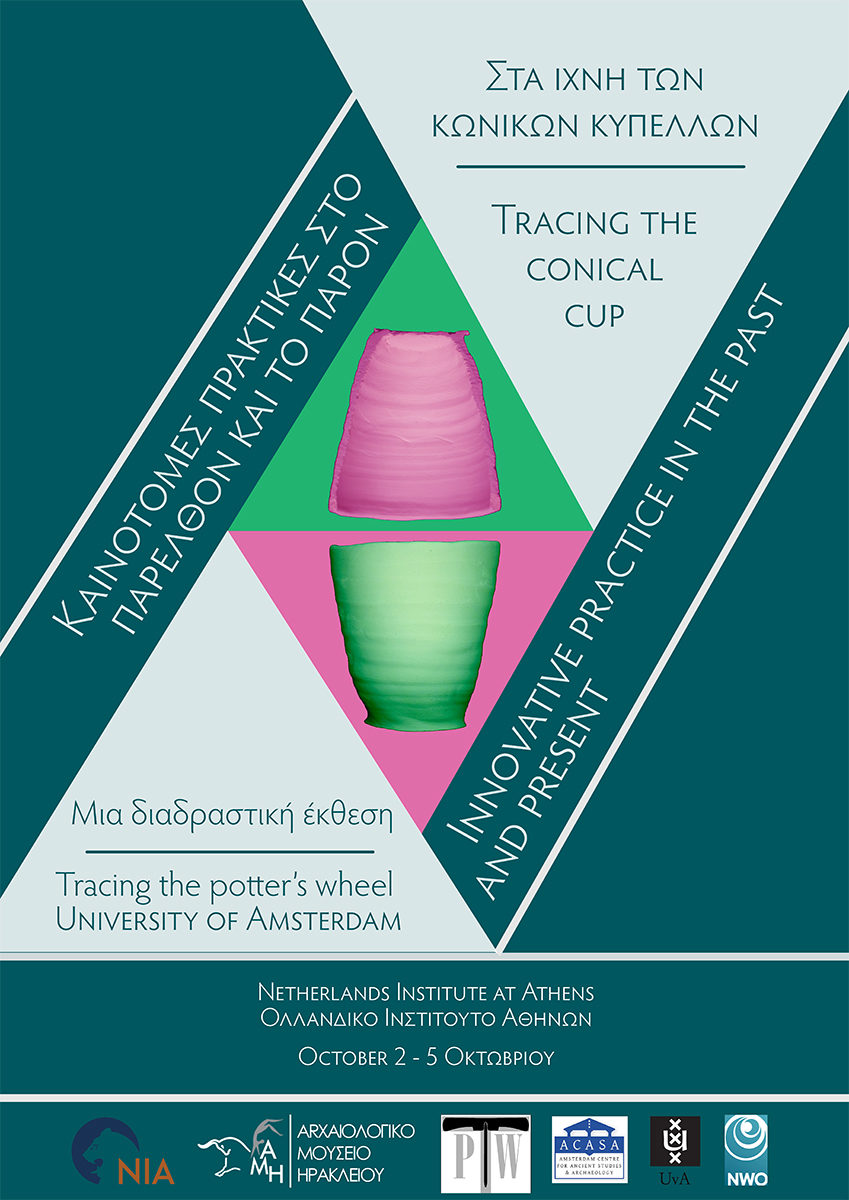
Tracing the Conical Cup
What made these cups so popular? And how can archaeologists begin to answer such questions?
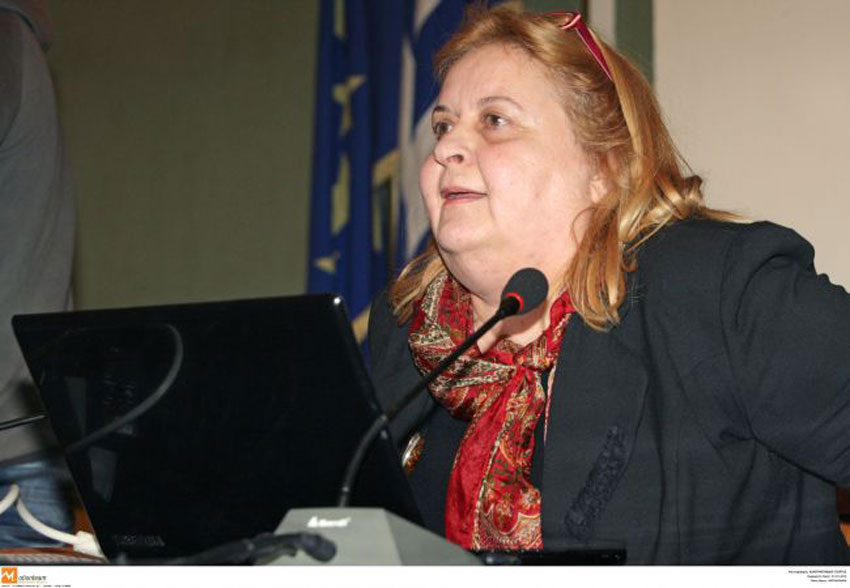
“Amphipolis is an ecumenical monument”
After introducing the public to the history of the area during its heyday, in the years of Alexander the Great, but also in the Roman and Byzantine eras, Mrs Peristeri referred to the history of its excavations.
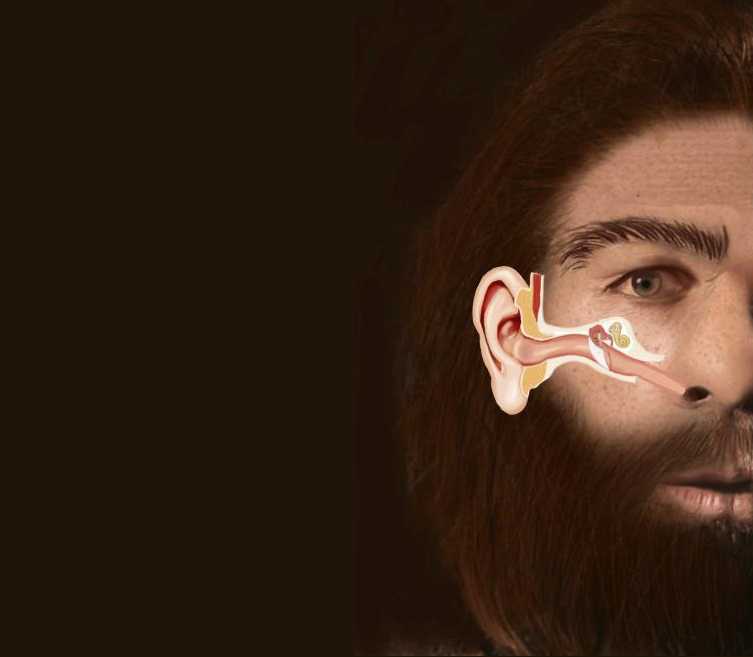
Did a common childhood illness take down the Neanderthals?
What killed off the Neanderthals, and why did Homo sapiens thrive even as Neanderthals withered to extinction?
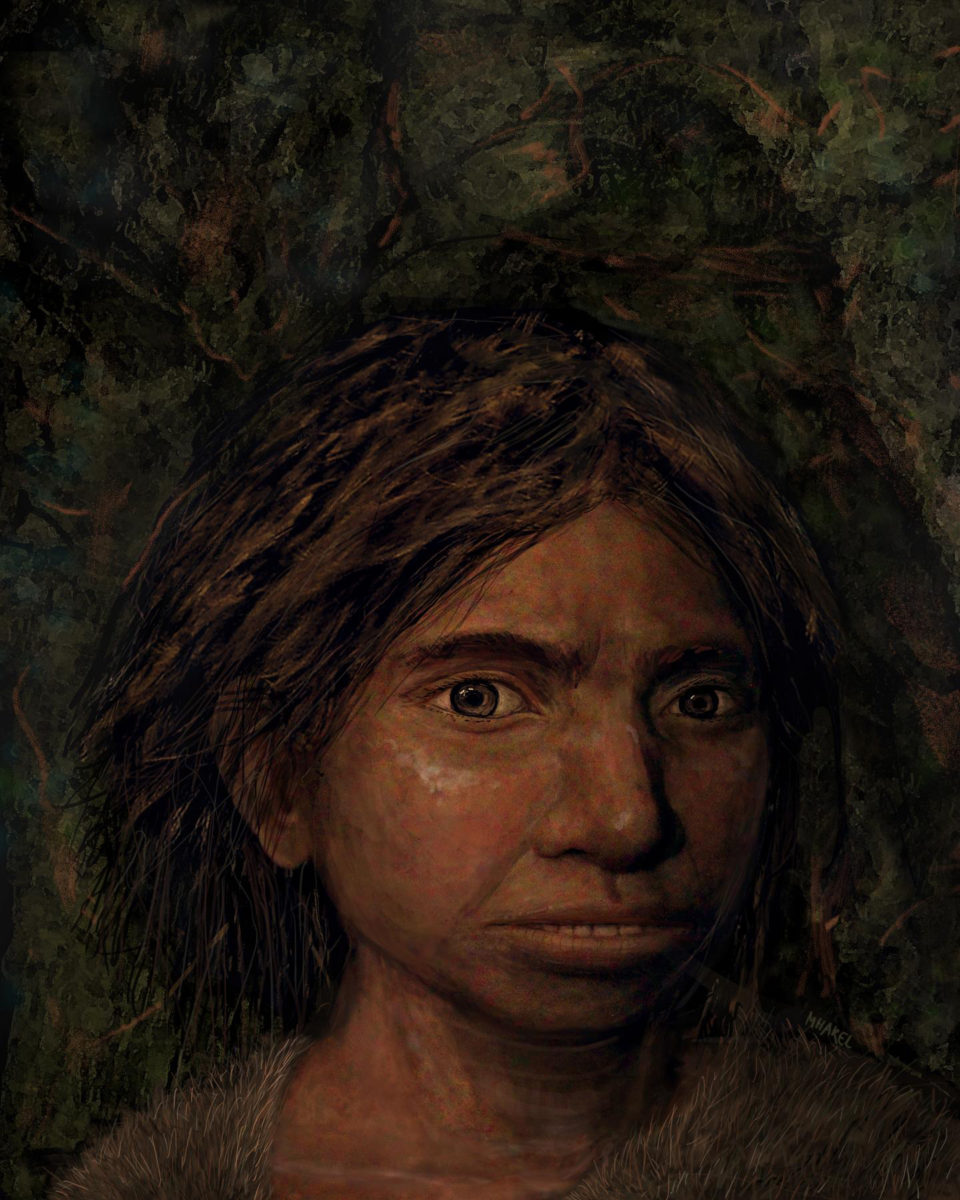
First glimpse at what ancient Denisovans may have looked like
Researchers have produced reconstructions of these long-lost relatives based on patterns of methylation in their ancient DNA.
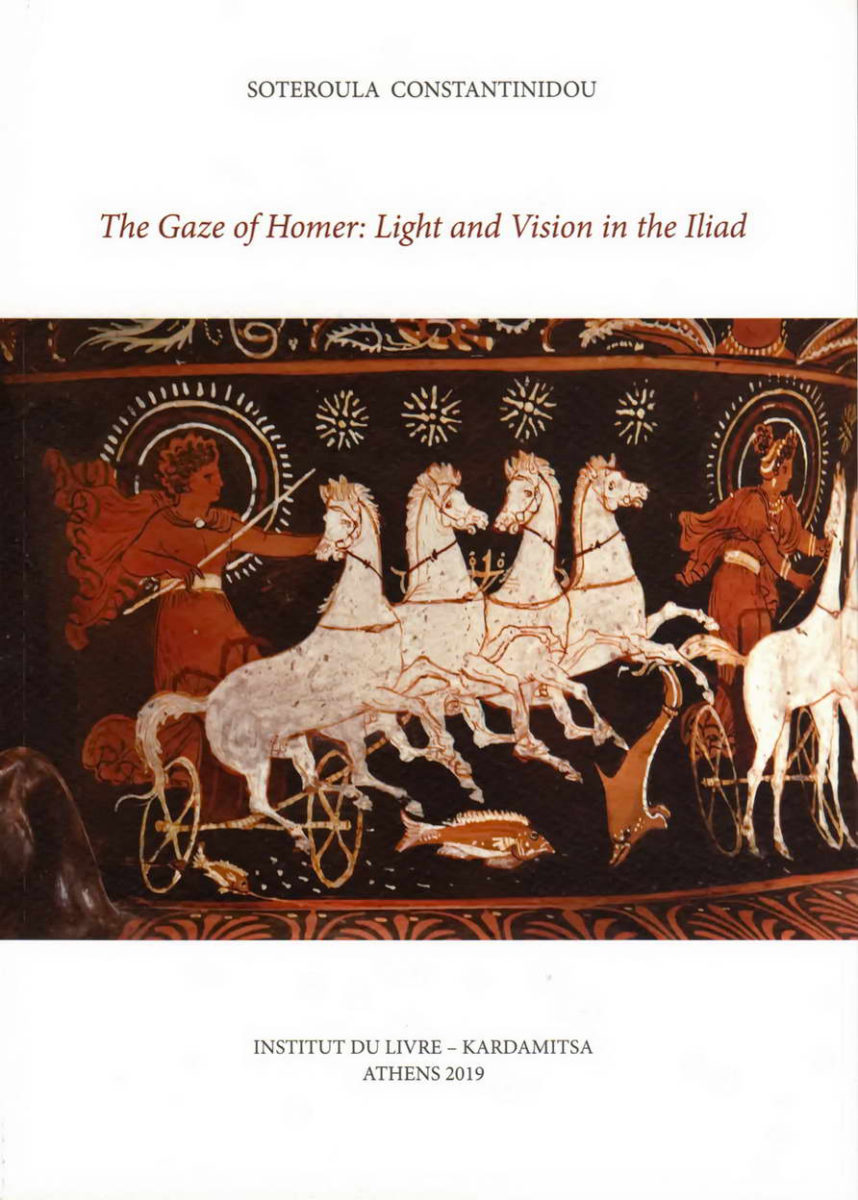
The Gaze of Homer: Light and Vision in the Iliad
This study is an overall investigation of the Homeric visual perceptions and the function of vision in the Iliad, with an emphasis on the various forms that light takes in this epic within natural phenomena, typical scenes, similes, etc.
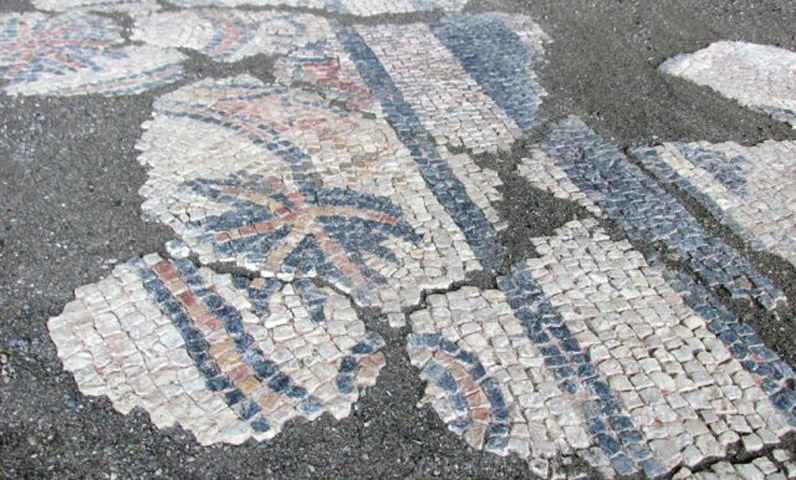
Mosaic of the 3rd c. came to light in Bosnia-Herzegovina
Archaeologists unearthed this particular mosaic during work carried out at an archaeological site known as the "Roman municipium".

New Classicists conference
King's College London is making a call for posters for the upcoming conference on Saturday December 7, 2019.
Vacancies in the Anchoring Innovation programme
The Anchoring Innovation programme, the classics research programme run at several Dutch universities, advertises 9 new Anchoring positions (5 PhDs, 4 postdocs).
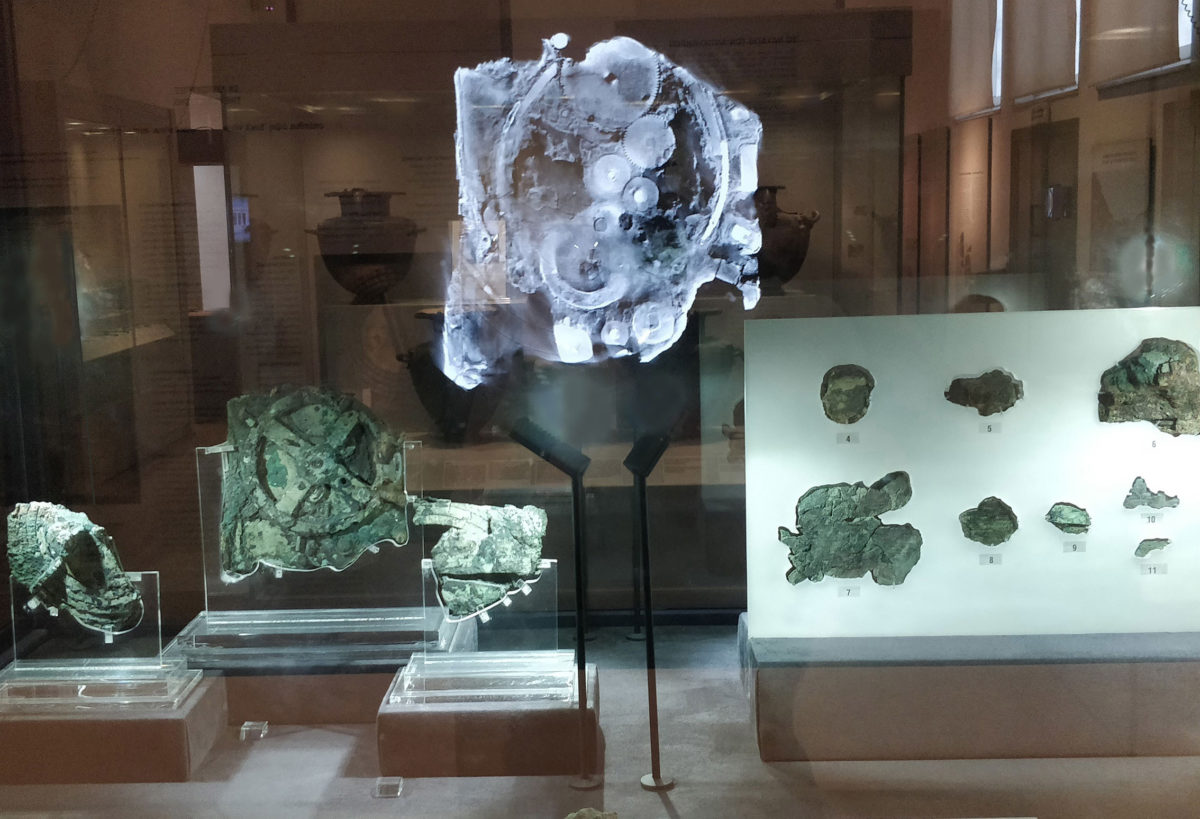
The Antikythera Mechanism and the Moon
Professor of Space Physics at Athens University Xenophon Moussas will again welcome those wishing to go on an imaginary trip to the Moon to reveal its secrets to them.
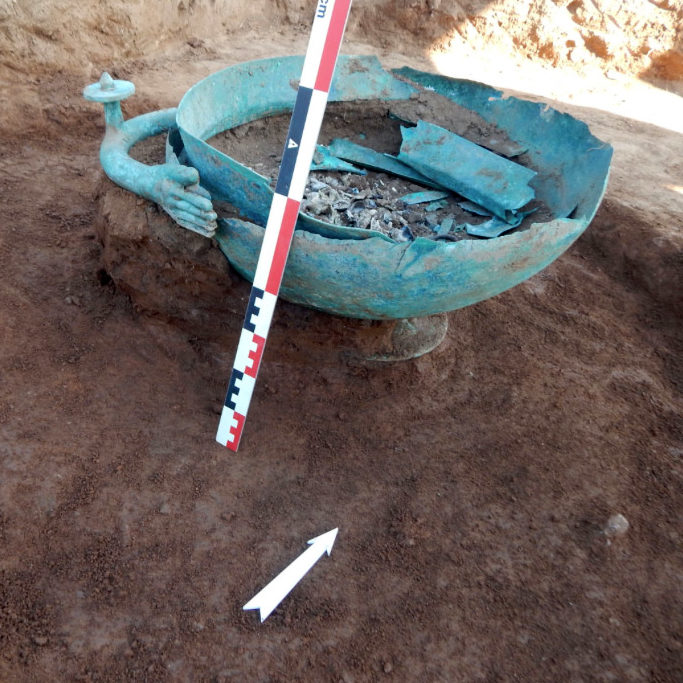
Impressive finds at Achlada, Florina
Over 200 burials have been discovered during a rescue excavation in its sixth year at the archaeological site of Achlada, Florina, which is becoming one of the most important in Macedonia.
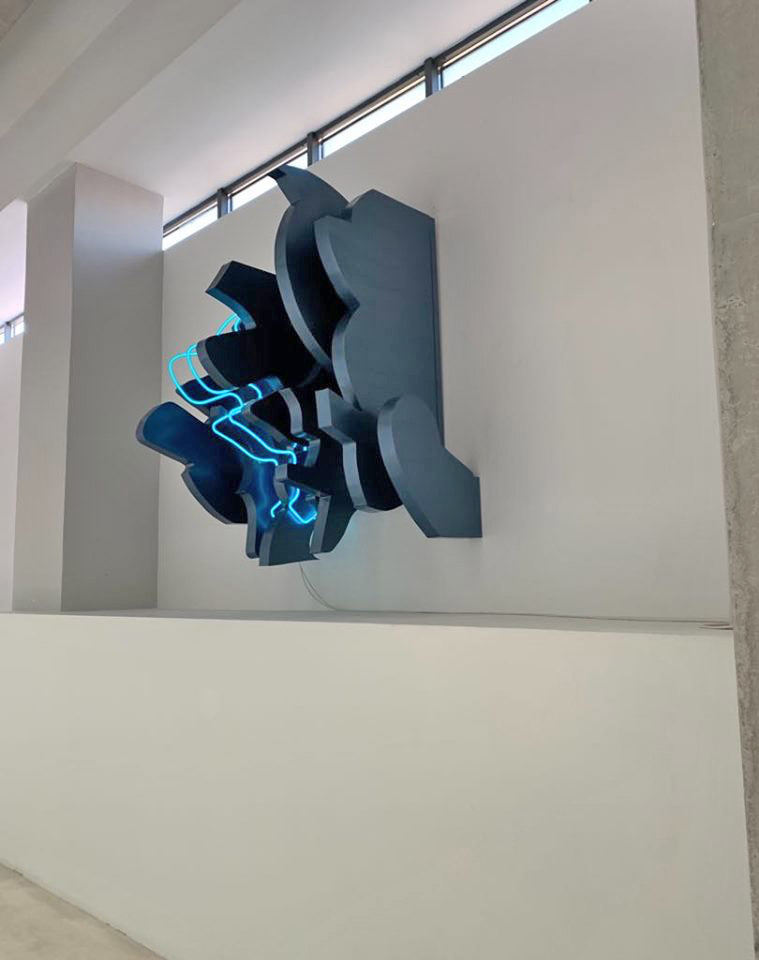
National Museum of Contemporary Art, Athens: Will it open in February 2020?
The transitional administration of EMST, Dimitris Antonakakis and Syrago Tsiara, presented the minister with the problems it is facing.
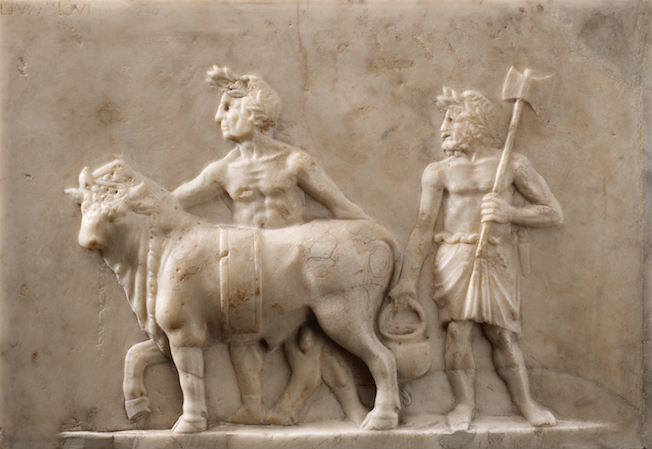
Workshop on the Archaeology of Pilgrimage in Ancient Italy
The subject of ancient pilgrimage is attracting increasing interest and this workshop aims to contribute to the on-going discussion.
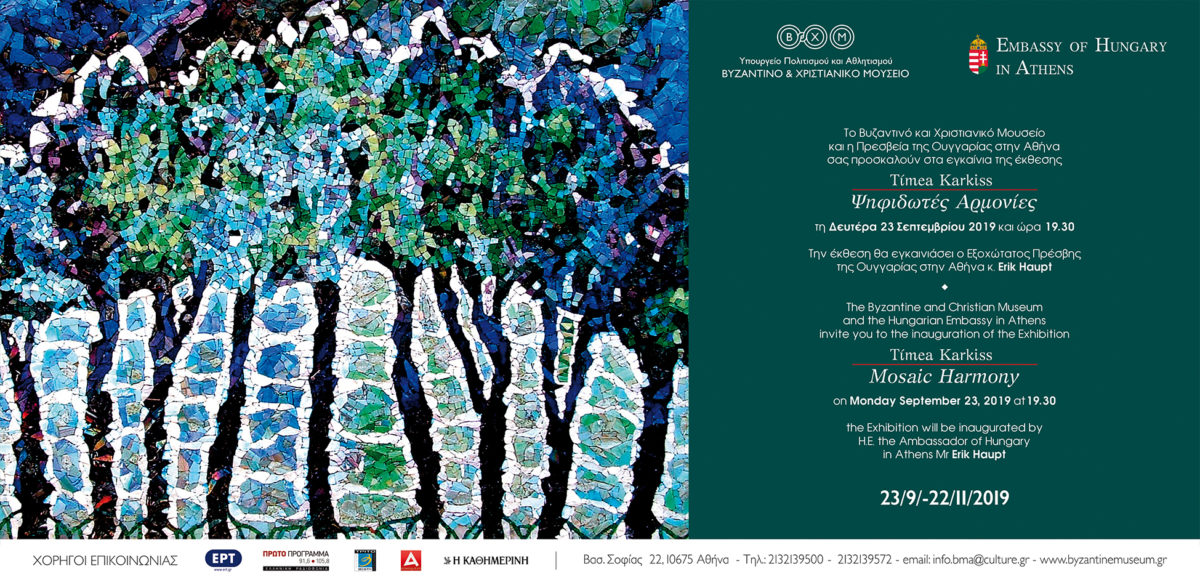
Tímea Karkiss: Mosaic Harmony
The exhibition features a wide selection of mosaic artworks of Tímea Karkiss from the past 15 years.
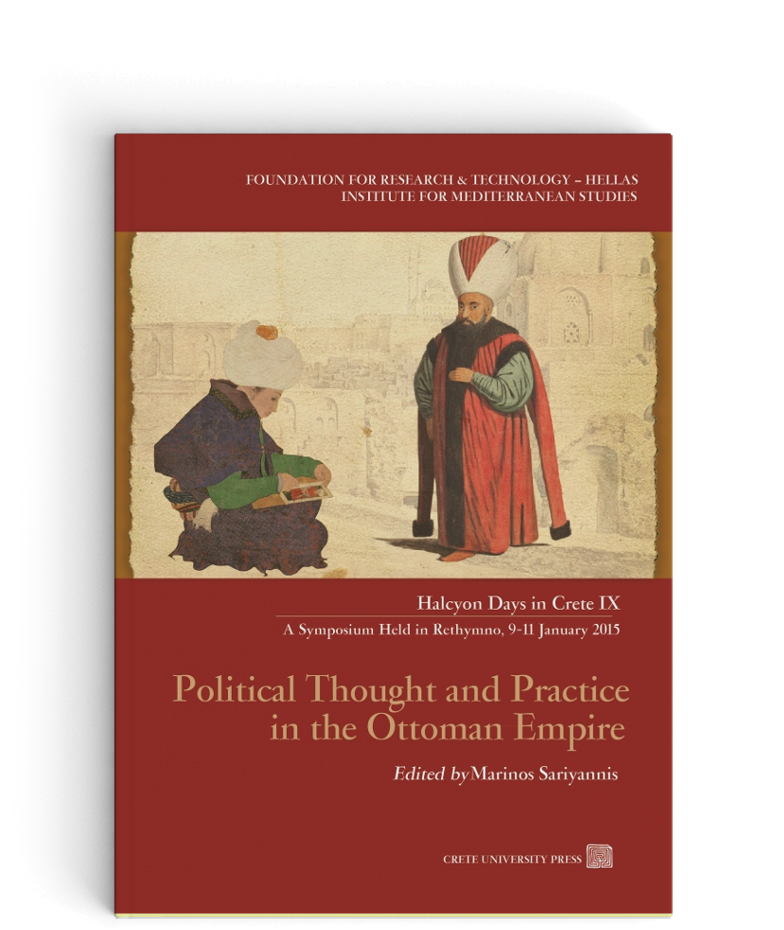
Political Thought and Practice in the Ottoman Empire
This volume aims to explore Ottoman political thought and seeks answers to questions such as those: Did Ottoman political thinkers precede policy-makers in proposing reform, or did political writers feel surpassed by developments with which they did not agree?

Yiorgis Yerolymbos “Mare Liberum”
Skoufa Gallery presents Yiorgis Yerolymbos’ solo photography exhibition.
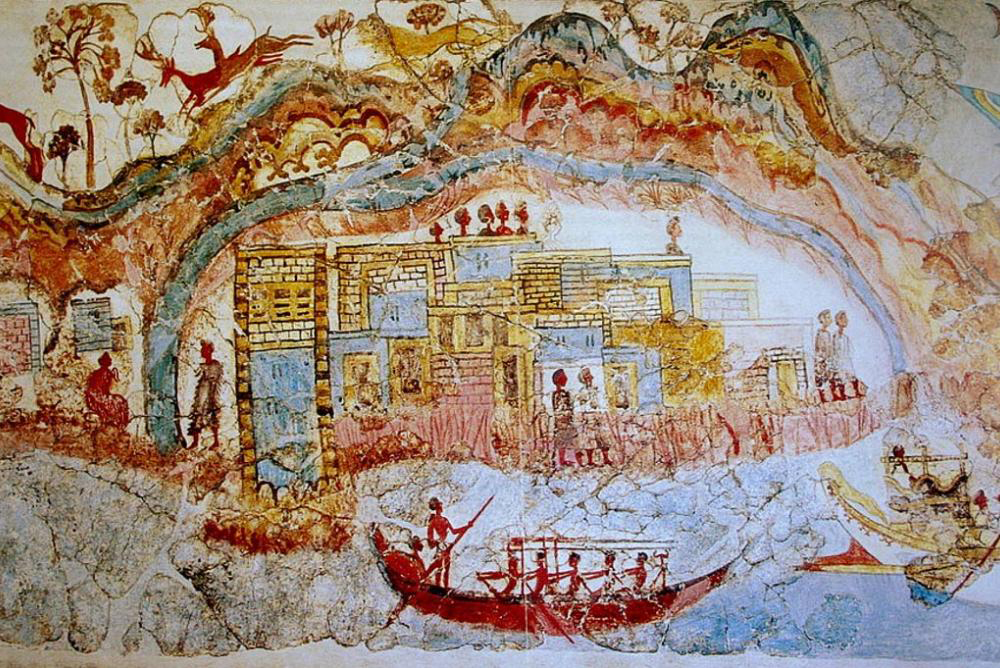
William & Mary Fall Lecture Series
Three lectures will take place at the Department of Classical Studies at William & Mary this fall.
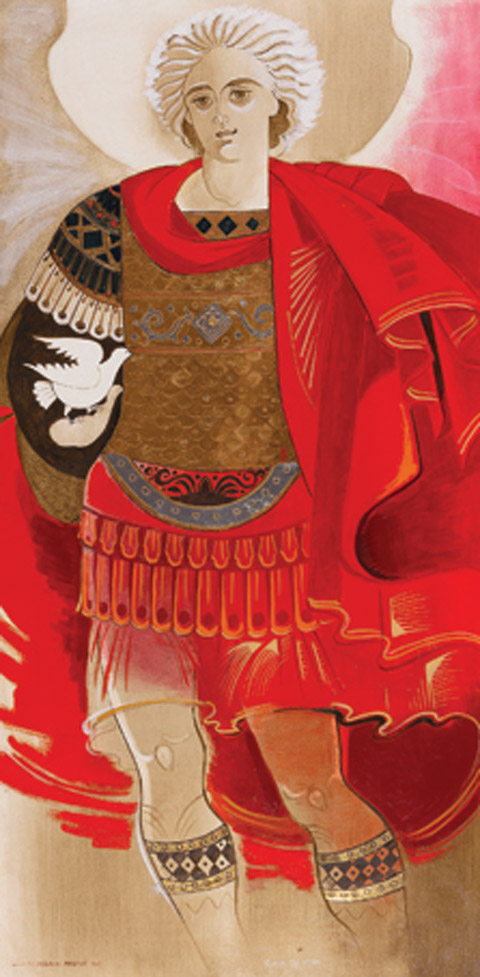
Zoe Skiadaressis: Angels and Landscape
Being taught by Yannis Moralis and Spyros Papaloukas, Zoe Skiadaressis incorporates in her work forms of tradition, urban and folklore.
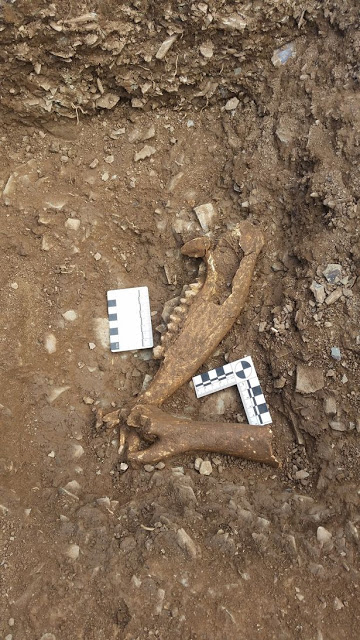
Discovery of rare Roman cattle bones sheds new light on ancient farming
The “incredibly rare” discovery of Roman cattle bones by archaeologists has shed new light on how ancient farmers butchered and sold meat.

Common carp aquaculture in Neolithic China
An international team of researchers analyzed fish bones excavated from the Early Neolithic Jiahu site in Henan Province, China.
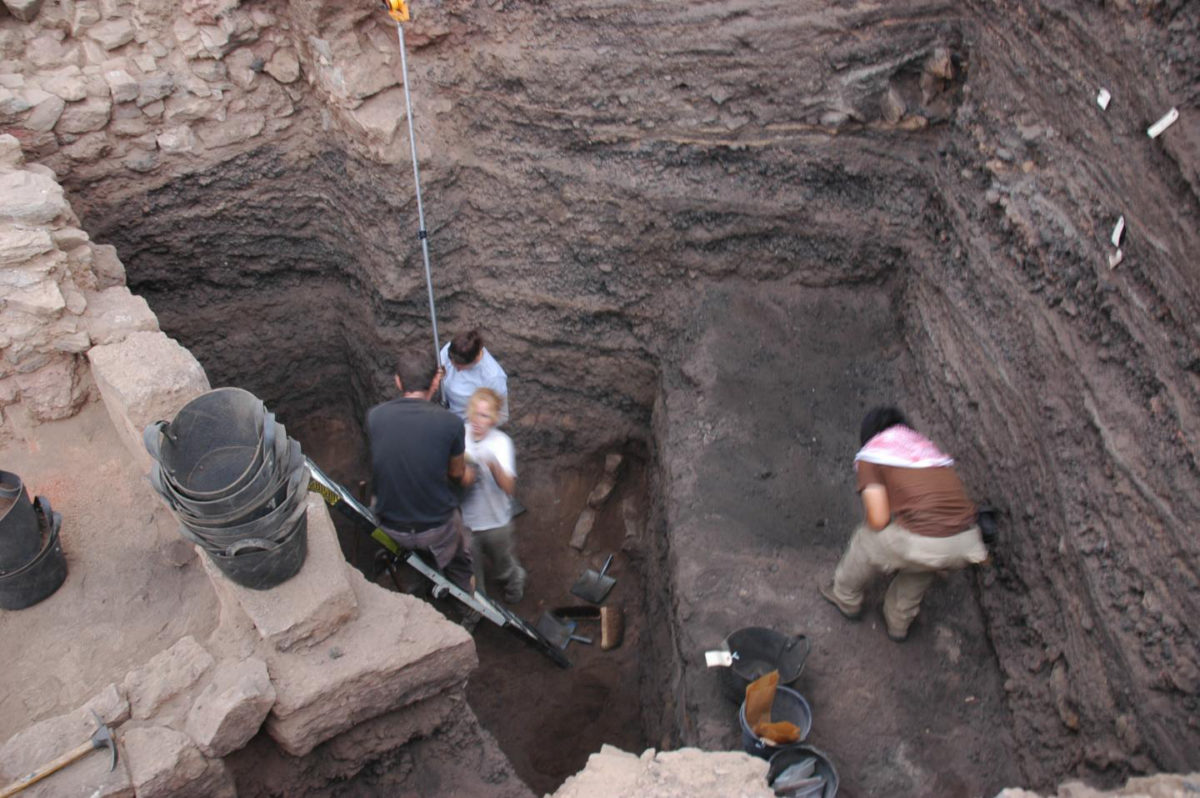
Tel Aviv University researchers discover evidence of biblical kingdom in Arava Desert
Findings also suggest pharaoh's influence on Edom turned kingdom into copper powerhouse, say TAU researchers.
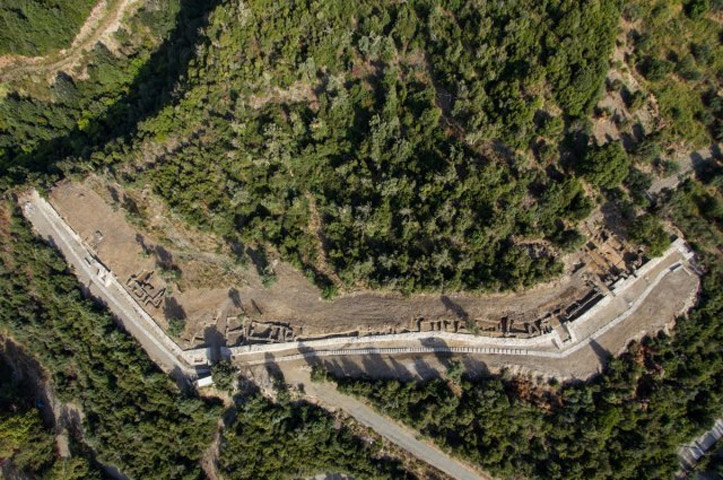
Becoming familiar with the Velika Castle
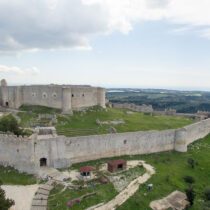
Research on the Castle of Velika still has a long way to go, since only the finds in 0.74 of an acre out of 3 have been unearthed and studied.
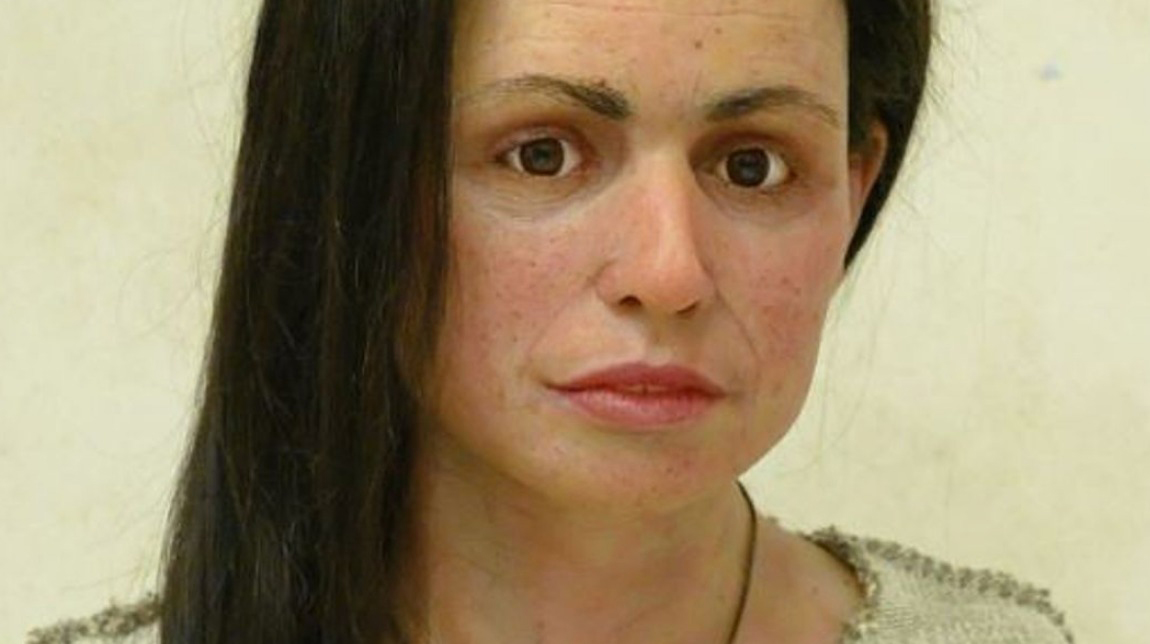
Unveiling of ‘Calpeia’
Her remains had been found and excavated, by archaeologists working with the Gibraltar National Museum, from a cave burial near Europa Point in 1996.