
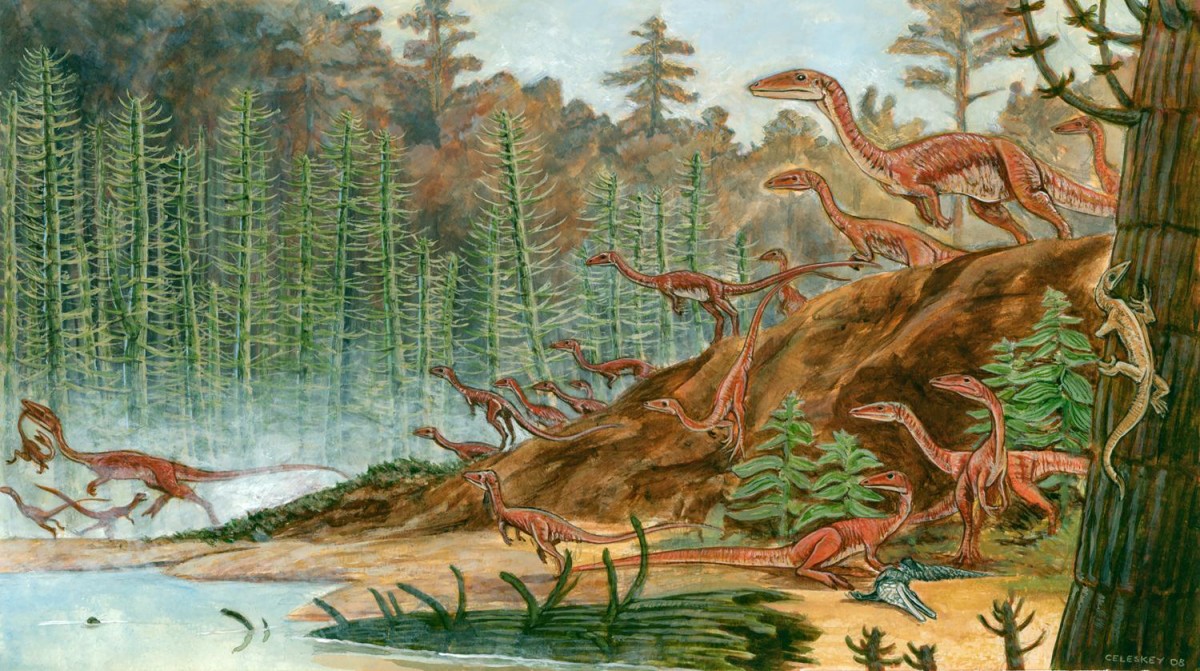
Geoscientists size-up early dinosaurs, find surprising variation
Variation in growth patterns among early dinosaurs may have provided an advantage in surviving the harsh environment at the end of the Triassic Period approximately 201 million to 210 million years ago.
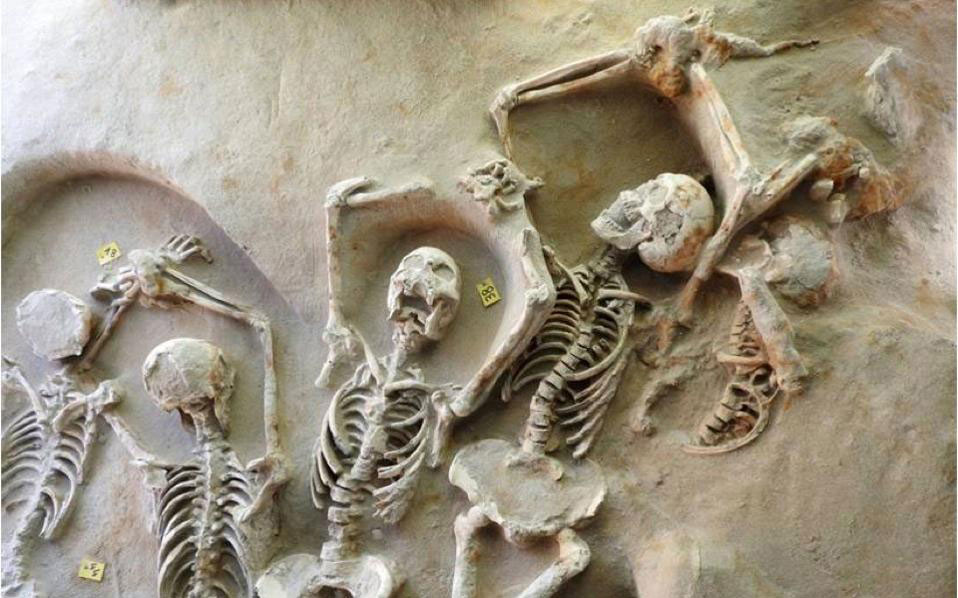
Skeletons from the Phaleron necropolis to be scrutinized
Archaeologists at the Phaleron Delta necropolis seek the help of specialists to decipher the mystery of shackled skeletons and mass graves.
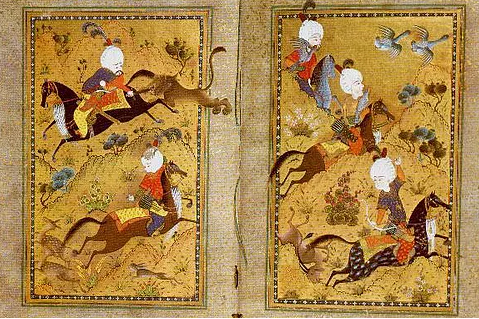

From Versailles to Canberra: Treasures from the Palace
For the first time ever, the treasures from Versailles will travel from France to Australia to entice visitors into a world of power, passion and luxury through the exhibition Versailles: Treasures from the Palace.
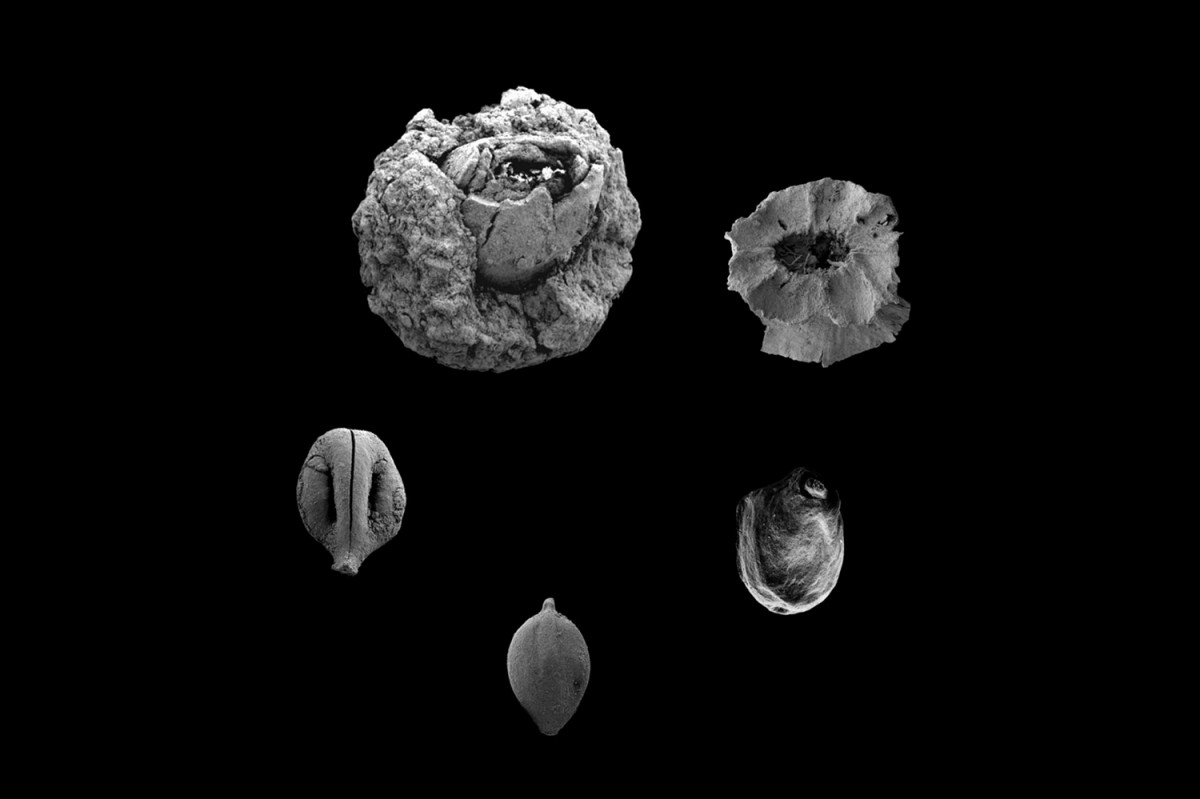
Secrets of the paleo diet
A tiny grape pip (scale 1mm), left on the ground some 780,000 years ago, is one of more than 9,000 remains of edible plants discovered in an old Stone Age site in Israel on the shoreline of Lake Hula.
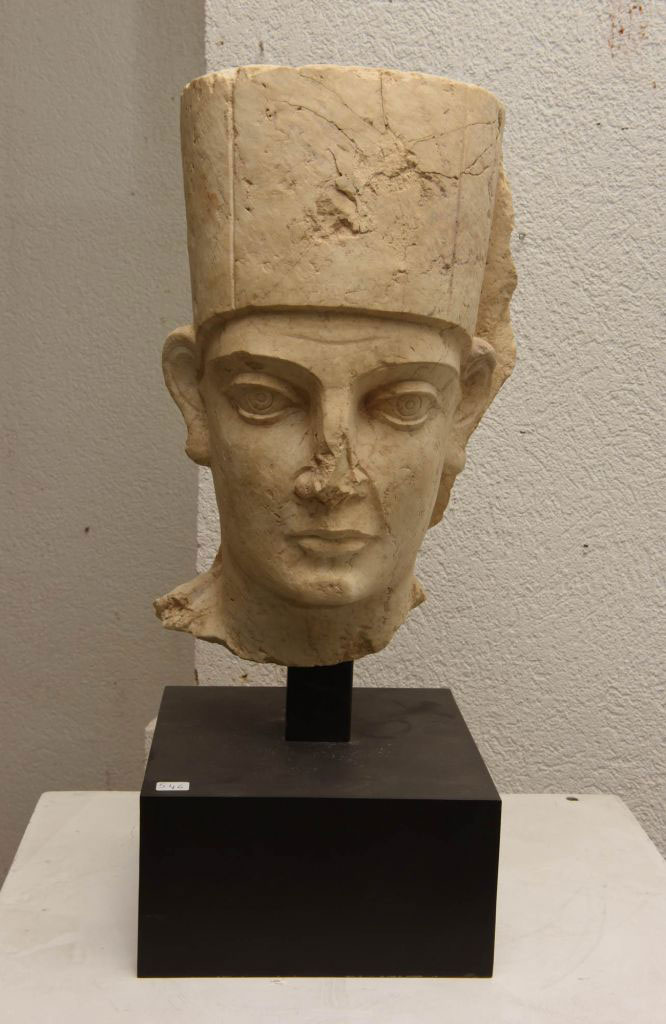
Looted antiquities seized in Switzerland
Nine artefacts confiscated by Swiss authorities from the Geneva Free Ports on Friday are looted relics from Yemen, Libya and the Palmyra site in Syria.
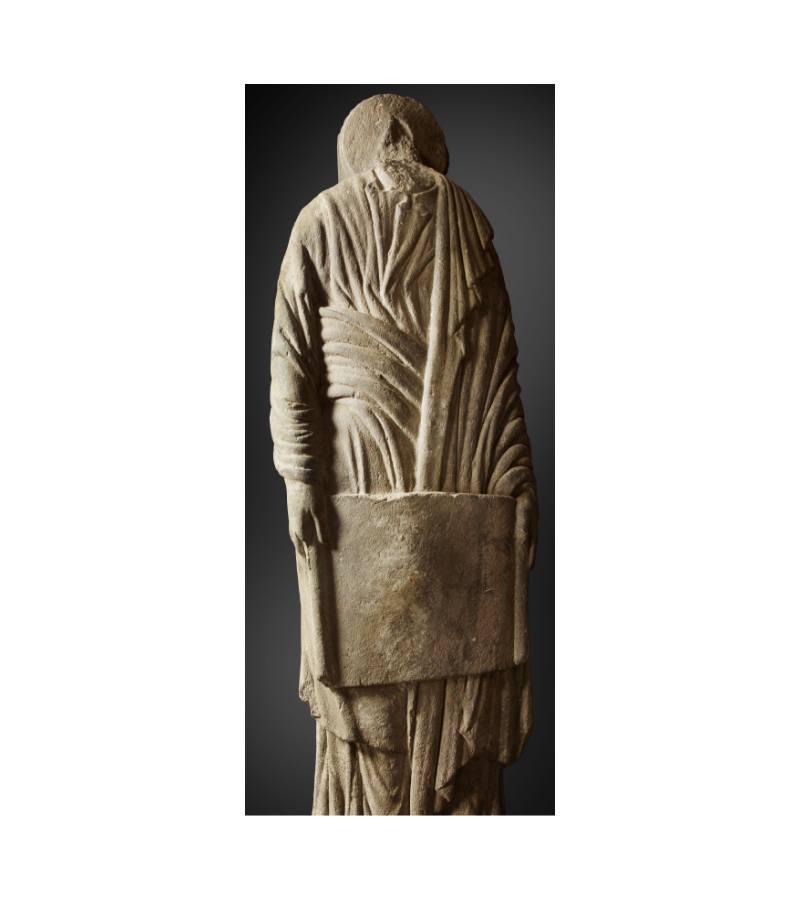
Master Mateo in the Museo del Prado
The Museo Nacional del Prado is exhibiting 14 sculptures from the Portico of Glory and the dismantled choir of the cathedral of Santiago de Compostela, some of them together again for the first time 500 years.
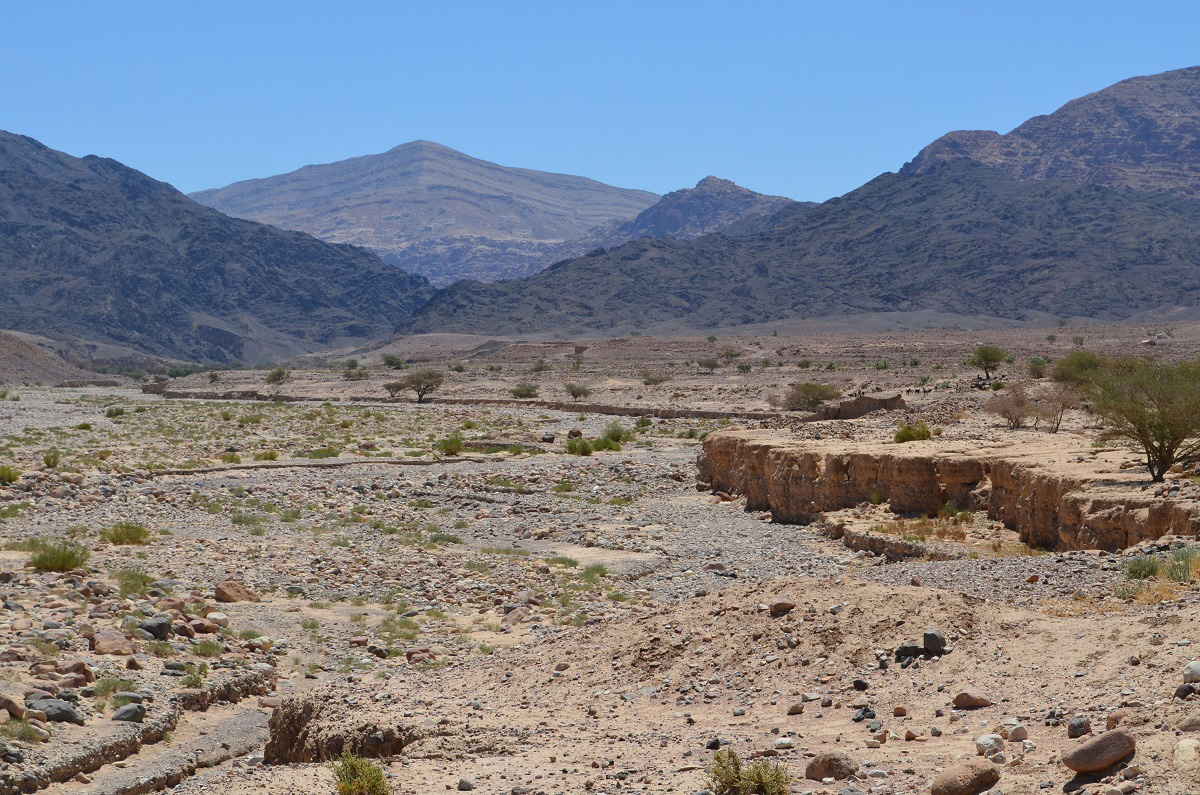
Ancient pollution hints at possible early copper smelting in Jordan
Industrial pollution may seem like a modern phenomenon, but in fact, an international team of researchers may have discovered what could be the world’s first polluted river, contaminated approximately 7,000 years ago.
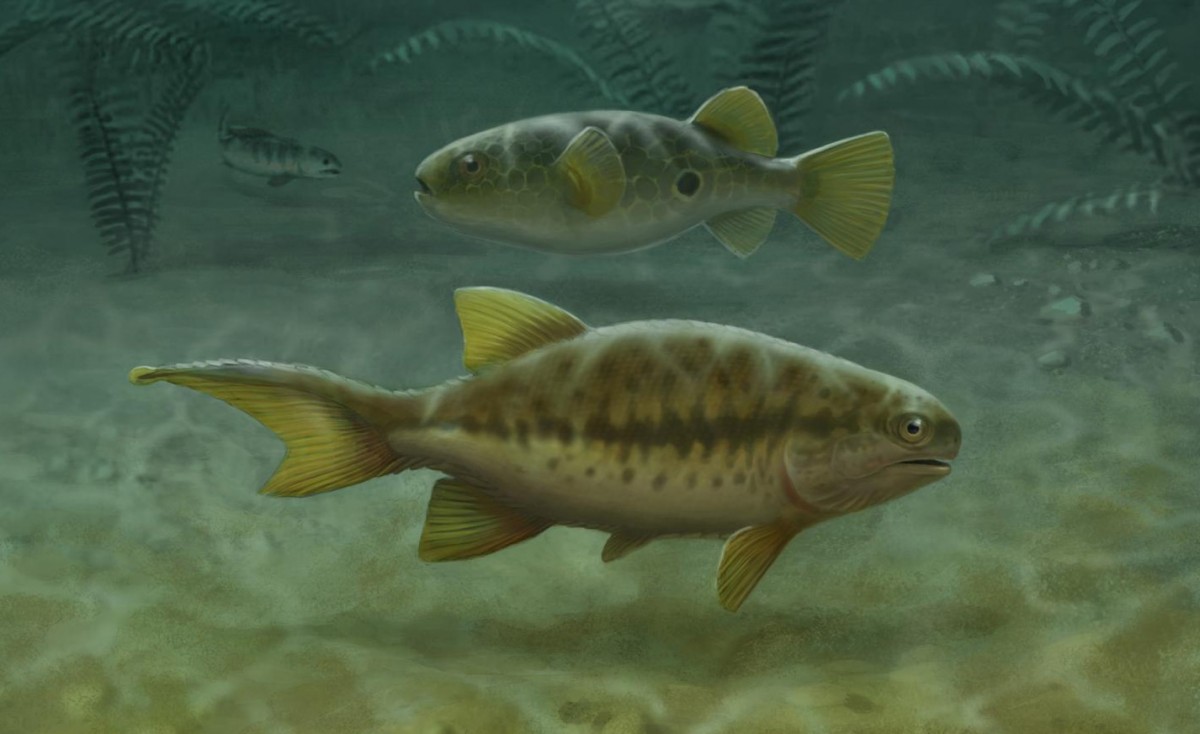
Fish fossils reveal how tails evolved
A new study reveals that the tails of fish and the tails of tetrapods, or four-limbed animals, are in fact entirely different structures, with different evolutionary histories.
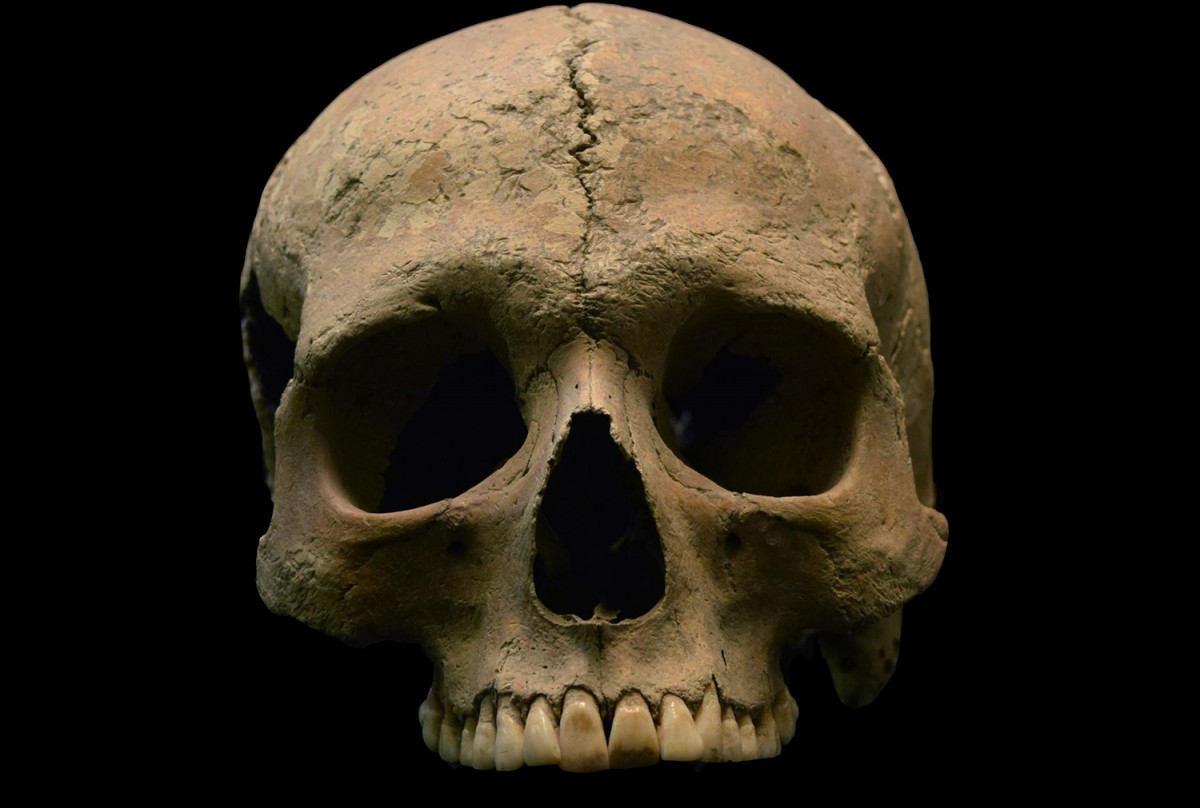
Οverwhelming evidence of malaria’s existence 2,000 years ago
An analysis of 2,000-year-old human remains from several regions across the Italian peninsula has confirmed the presence of malaria during the Roman Empire.
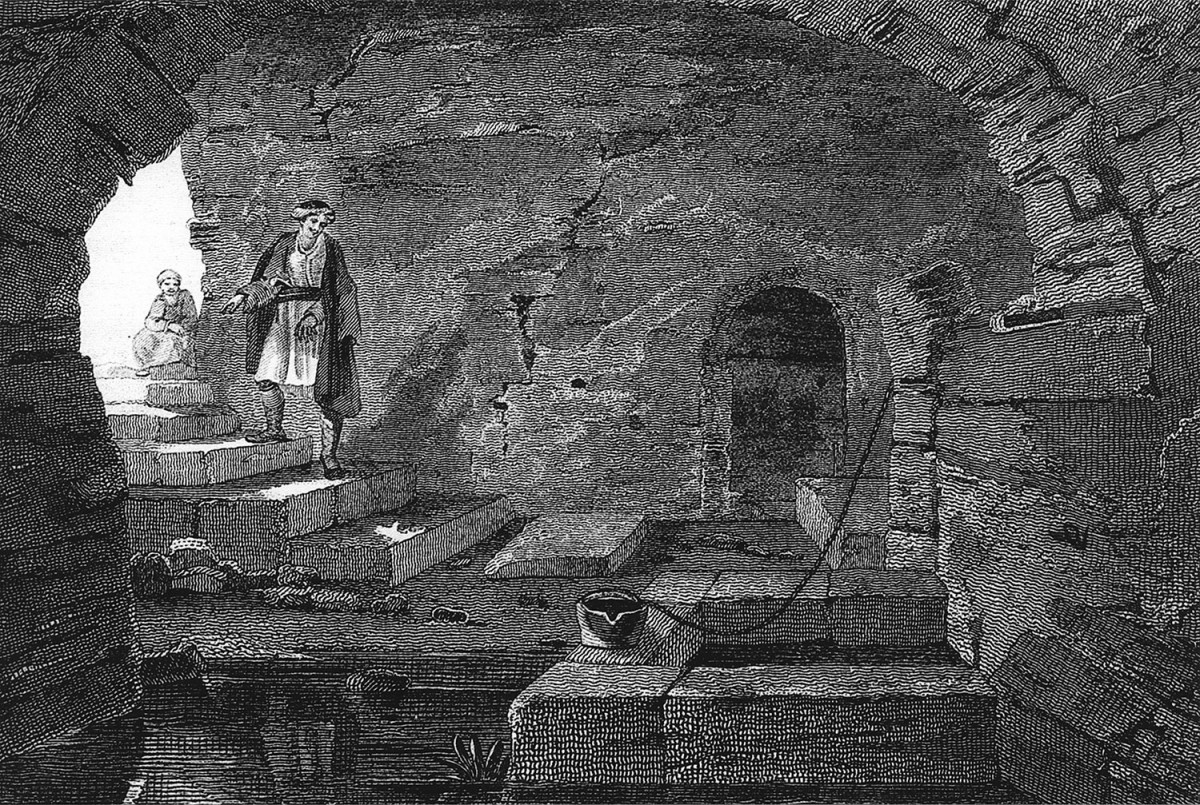
The feast of Saint Andrew and customs of his popular cult
The popular cult of St. Andrew includes beliefs, fears, hopes and perceptions, customs and habits of a magical, superstitious character.
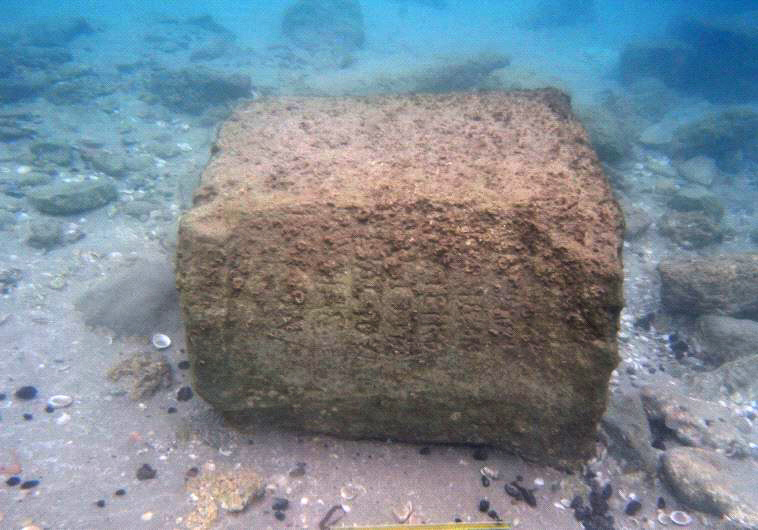
Archaeologists uncover name of Roman Prefect of Judea before Third Jewish Revolt
A rare inscription from the period preceding the Bar Kochba revolt permits for the first time the definite identification of Gargilius Antiques as the Roman prefect of Judea at that time.
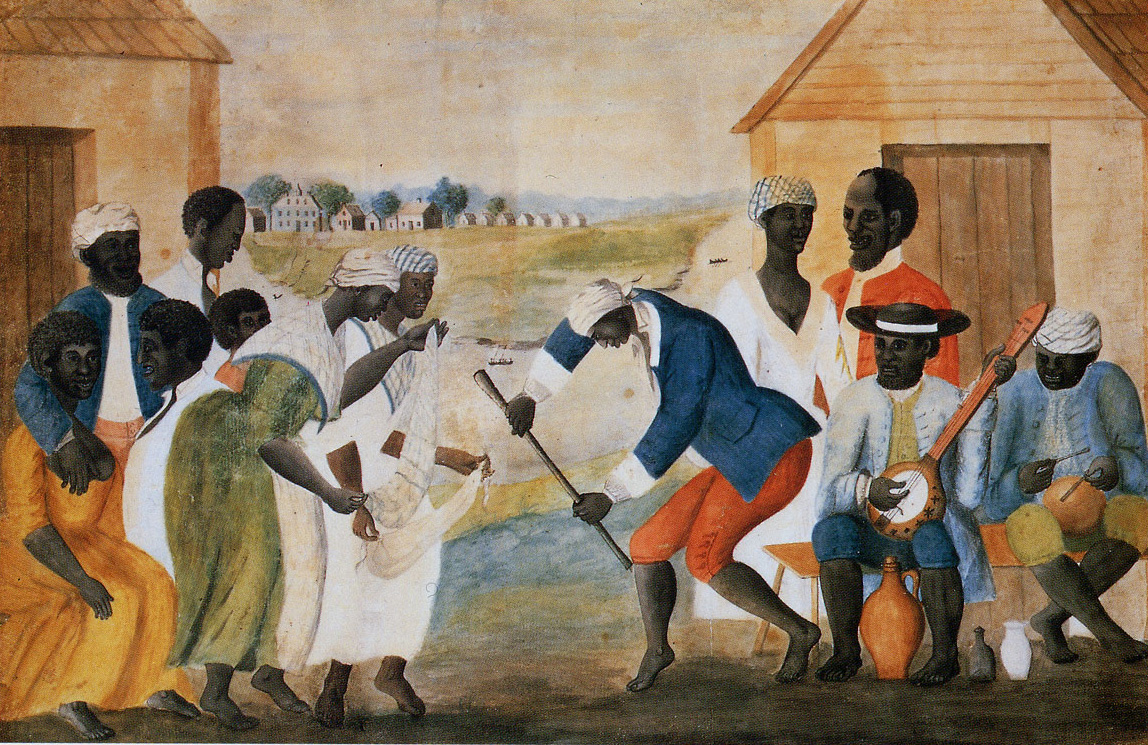
Before race mattered
Prejudice did exist but it took forms dictated by the preoccupations of a society concerned with behaviour, dress and manners.
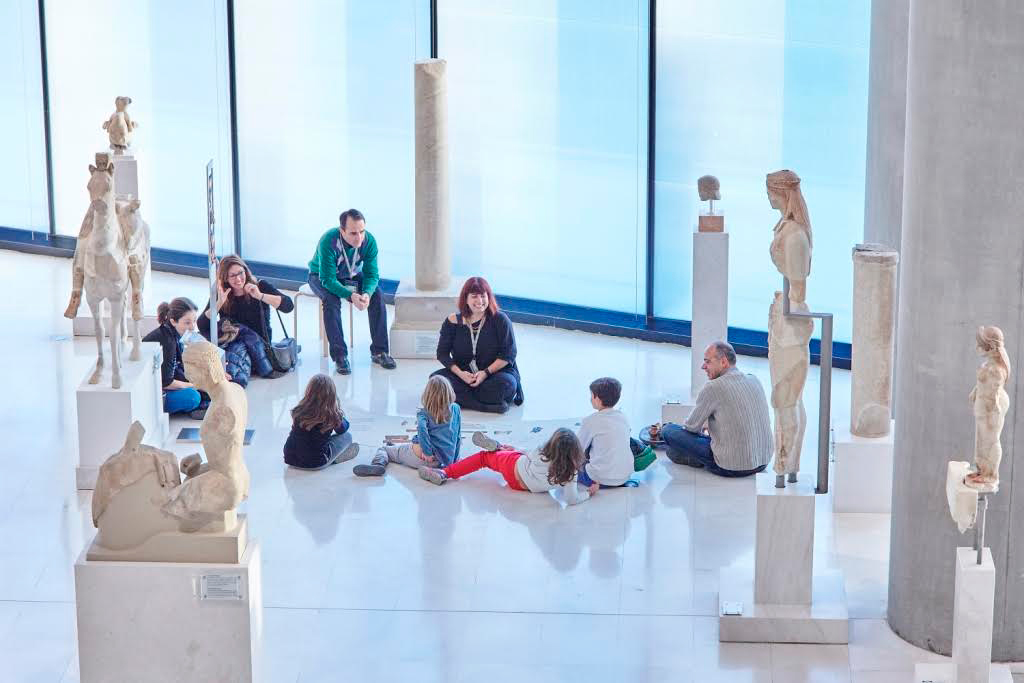
Christmas program at the Acropolis Museum
With imaginative children’s workshops, gallery talks for adults, Christmas tunes, harp melodies in the Parthenon Gallery and more surprises, the Museum will welcome its visitors during the month of December.
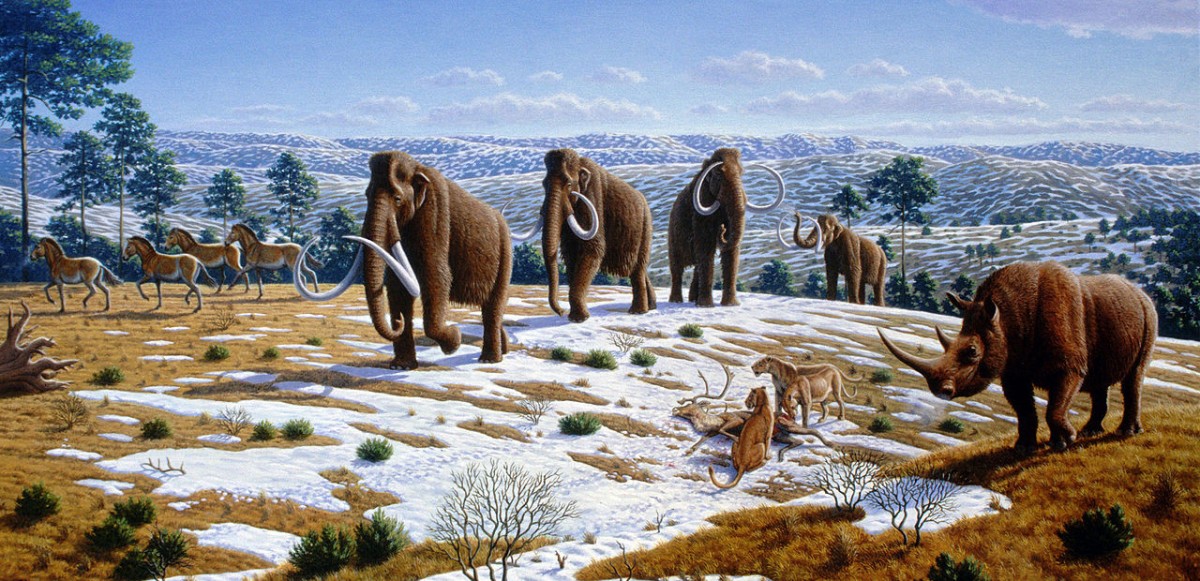
Ice Age hunters destroyed forests throughout Europe
Large-scale forest fires started by prehistoric hunter-gatherers are probably the reason why Europe is not more densely forested.
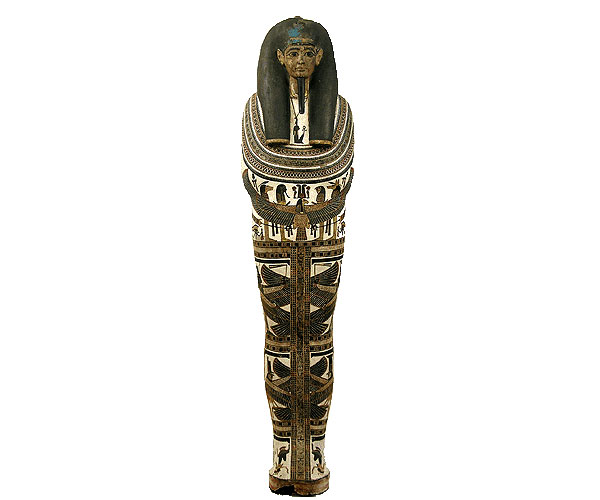
NAM: Egyptian mummies to be scanned
Mummies from the Collection of Egyptian Antiquities of the National Archaeological Museum of Greece are on their way to the CT scanner of the Medical Centre of Athens.
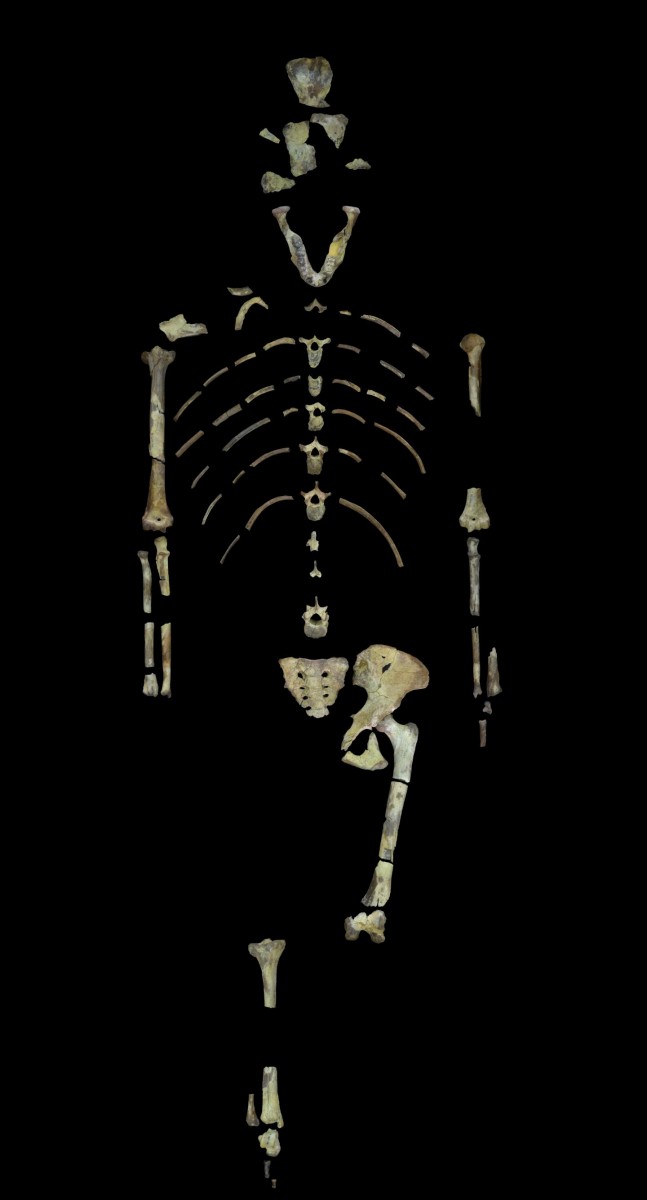
Bone scans suggest early hominin ‘Lucy’ spent significant time in trees
Scans of bones from “Lucy,” the 3.18 million-year-old Australopithecus afarensis fossil, suggest that the relative strength of her arms and legs was in between that of modern chimpanzees and modern humans
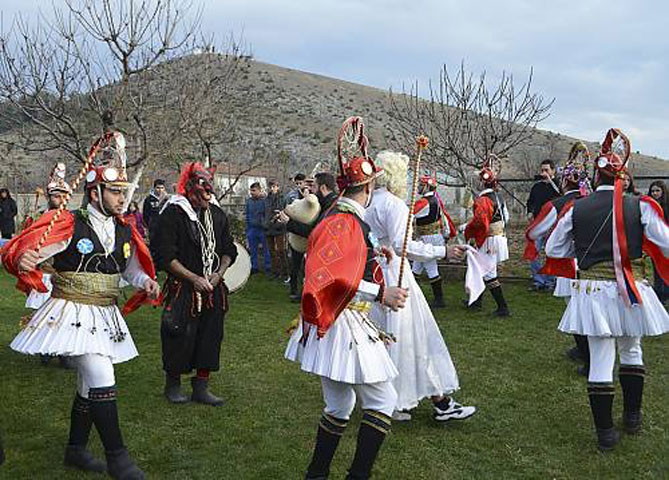
Momoeria dancers inscribed as Intangible Cultural Heritage of Humanity
The Momoeria dancers have been inscribed in 2016 on the Representative List of the Intangible Cultural Heritage of Humanity.
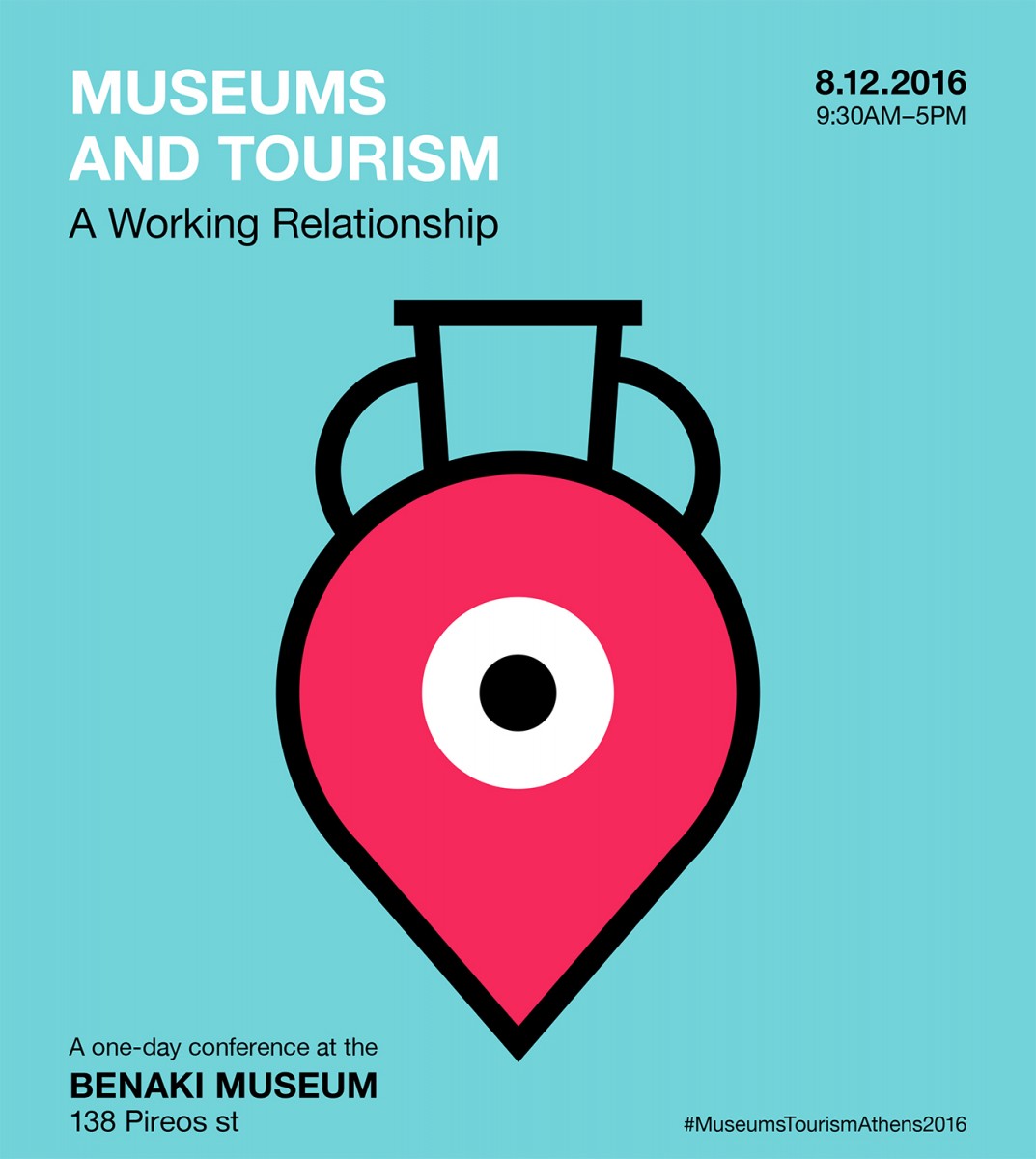
Museums and tourism: a working relationship
The conference "Museums and tourism: a working relationship" will be held at the Benaki Museum on Thursday, December 8, 2016.
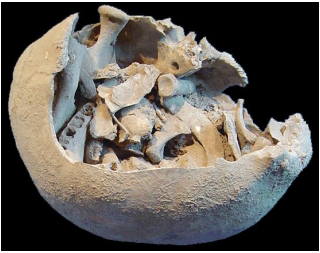
Funerary rituals involving the reduction of fresh corpses discovered in Brazil
Findings from Lapa do Santo show oldest evidence in the continent of humans performing elaborated funerary rituals based on the manipulation and reduction of fresh corpses and the reorganization of body parts.
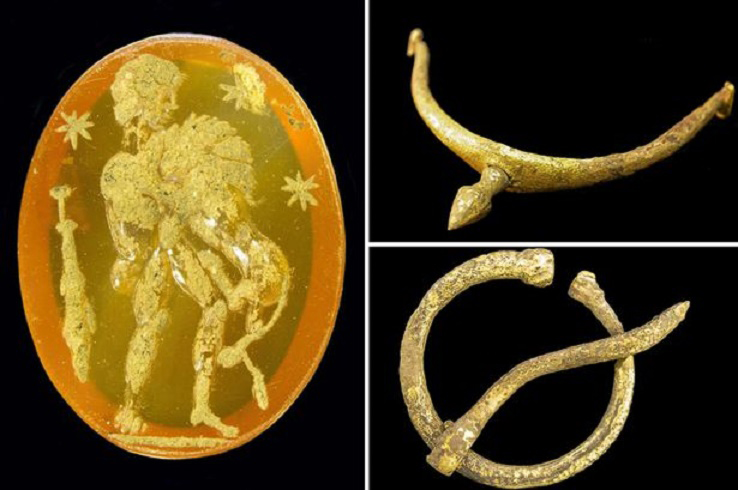
All that glittered was not gold in Roman Britain
An in-focus display of artefacts found by archaeologists as part of major project to upgrade the A1 to a motorway in North Yorkshire opened at the iconic Bowes Museum in Barnard Castle on Saturday 26 November 2016.
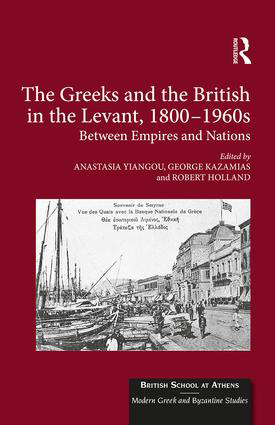
The Greeks and the British in the Levant, 1800-1960s
This book explores the concept of ‘the Levant’ as a component of the regional and international system during the age of imperialism.
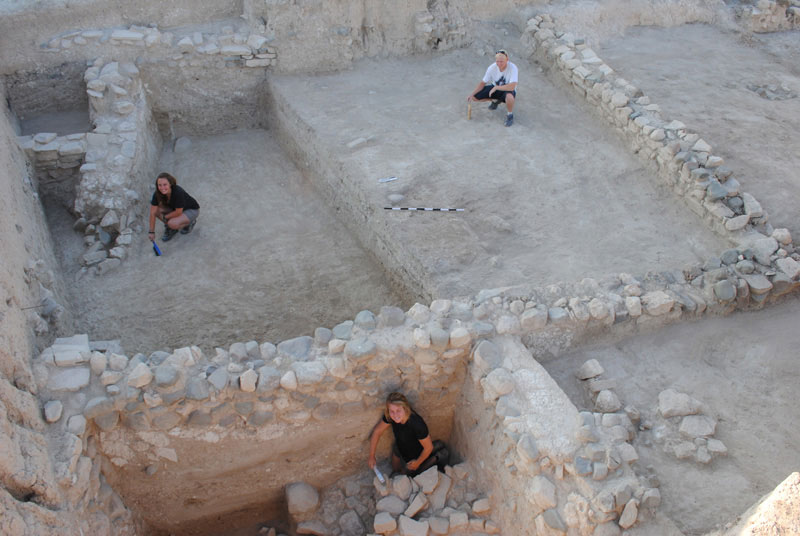
Excavation results at the site of Politiko-Troullia
The 2016 archaeological investigations featured expanded analysis of archaeological evidence excavated and surveyed between 2004 and 2016 at the Bronze Age community of Politiko-Troullia.
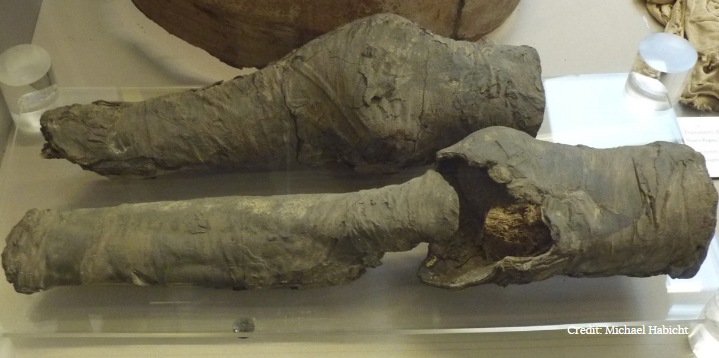
Mummified legs might belong to Queen Nefertari
Multidisciplinary study of the mummified legs found in 1904 in the debris of Queen Nefertari's tomb shows they might belong to the famous queen.