
New technology takes students back 2 million years
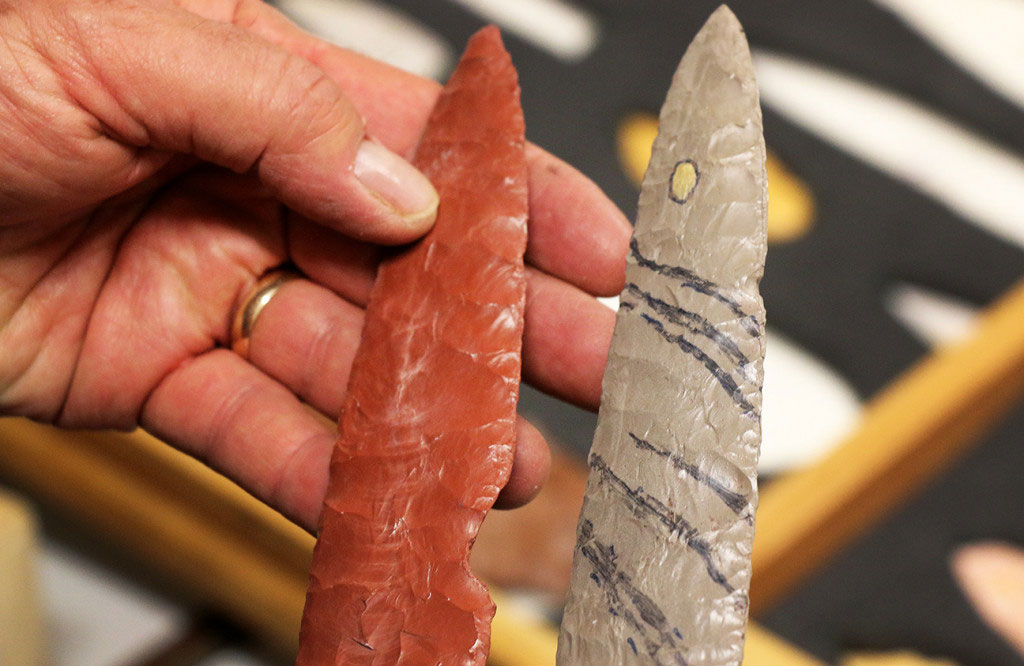
Thanks to Northern Arizona University’s lithic casting lab, students are getting to work directly with Stone Age artifacts, using new technology to create replicas.
The Neolithic settlement of Toumba Kremastis Koiladas (Part 1)
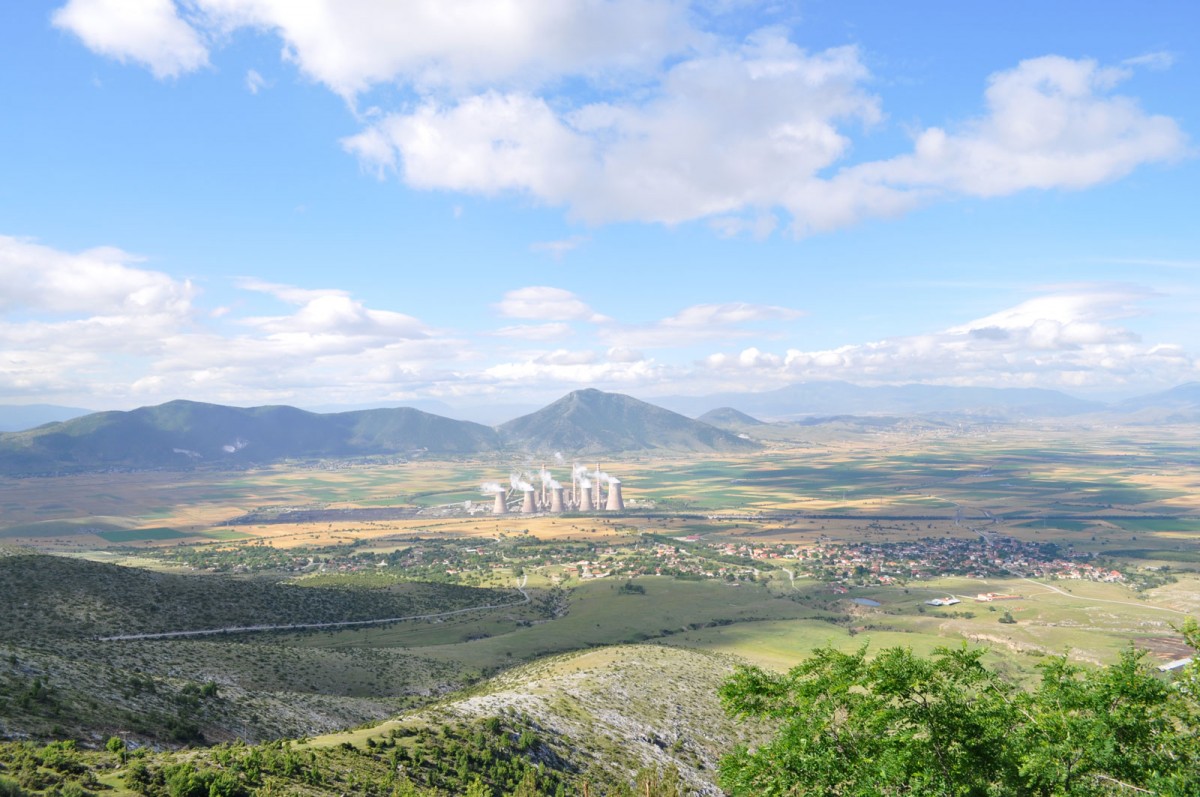
The site was located in 1985, 15klms north east of the town of Kozani, on the southeast boundary of the basin of Kitrini Limni (Yellow Lake or Sari Göl) and outside the area covered by the marsh of that name, drained in the 1950s.
Stone Age “eco” home found at Stonehenge dig
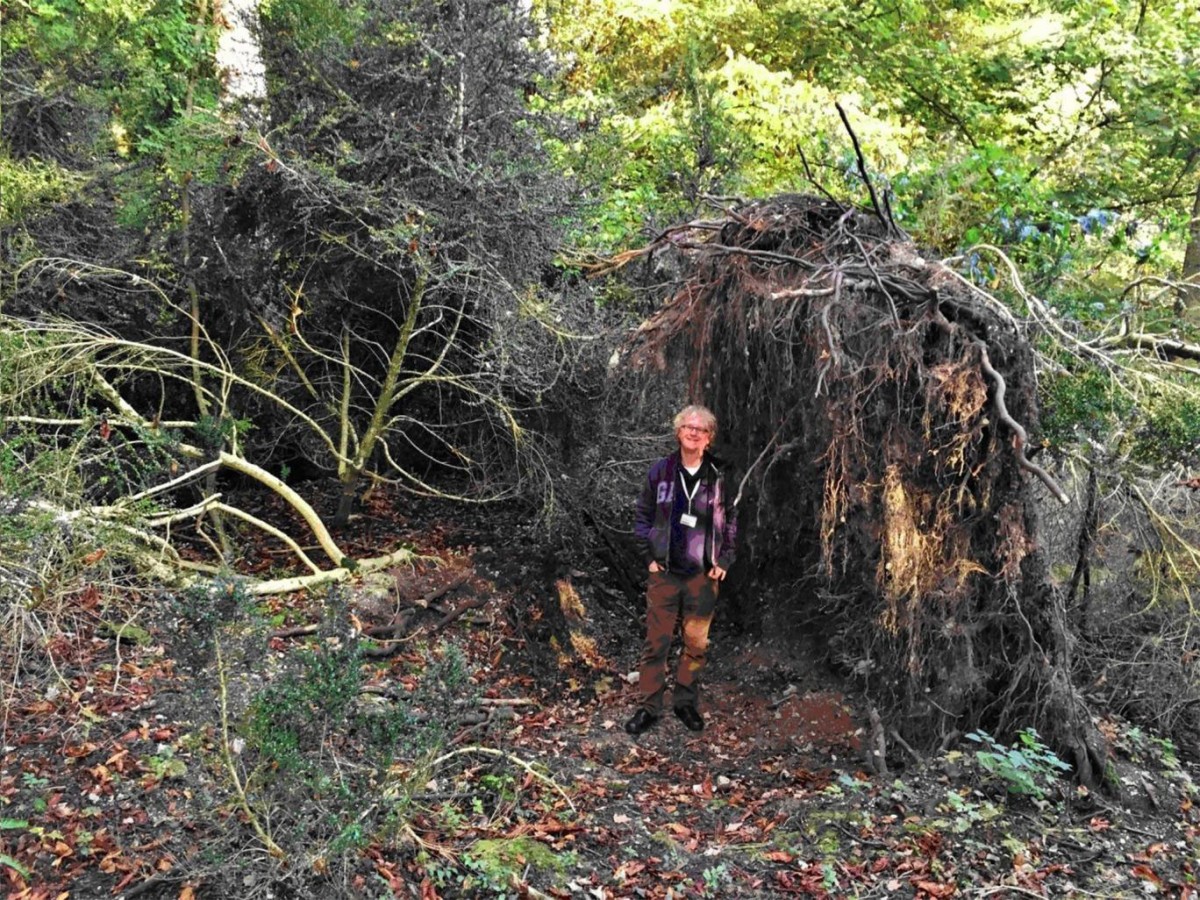
The ground-breaking discovery of a Stone Age “eco” home could be under threat if controversial Government-backed plans for a tunnel go through the ancient site.

Mount Athos and western women 1880-1980
Women have long interacted with the Holy Mountain—visually and imaginatively, through the mediation of objects and people, of pictures and words. A lecture by Veronica della Dora.
Extinct ape species resets the scale on humans’ ancestors
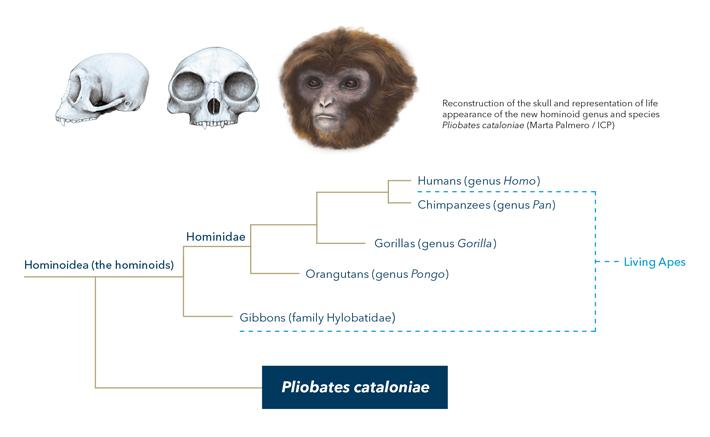
Newly discovered Pliobates cataloniae roamed Earth 11.6 million years ago.
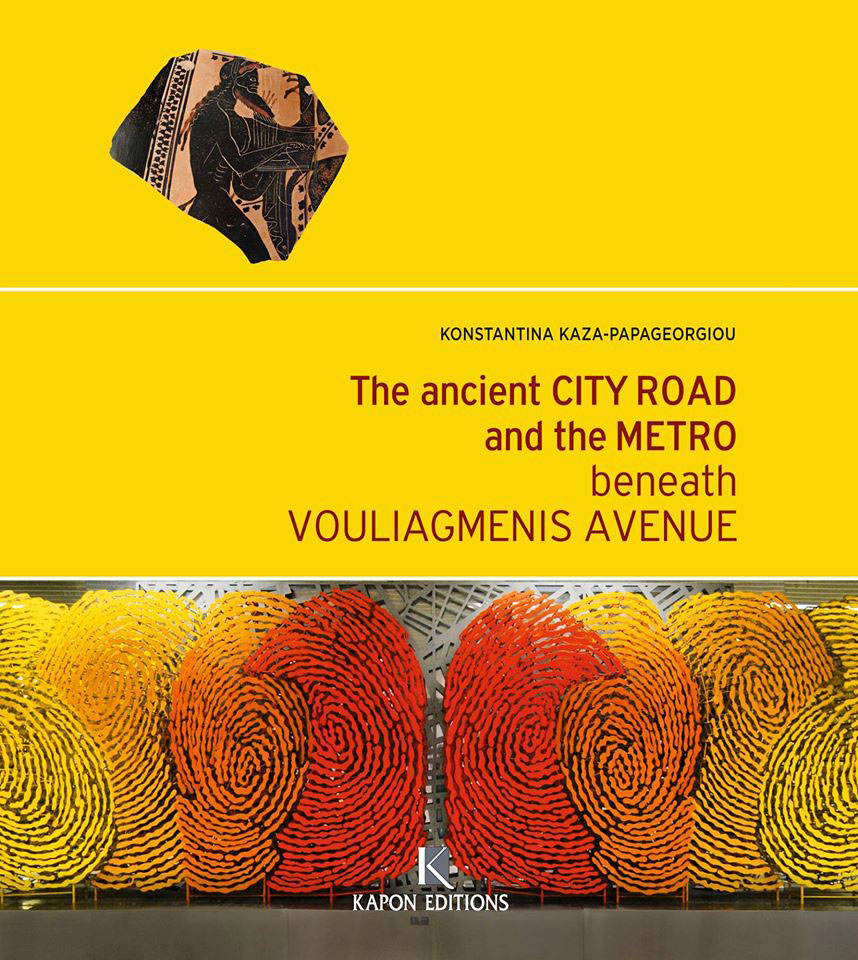
The ancient City Road and the Metro beneath Vouliagmenis Avenue
This book presents the results of the excavations conducted by the Archaeological Service of the Ministry of Culture along Vouliagmenis Avenue and in the underground Line 2 of the METRO whose seven stations serve the southern areas of Athens.
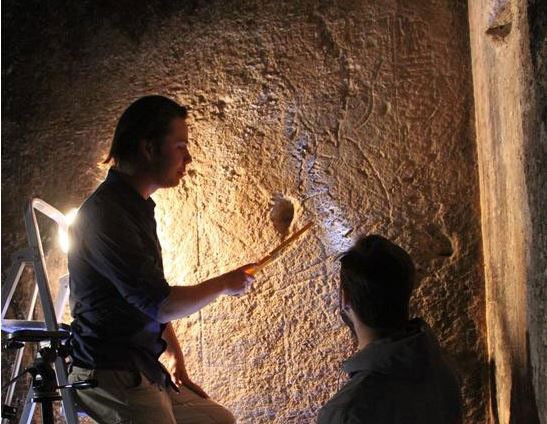
Hatshepsut’s Temple at Gebelein is getting rediscovered
The poor conditions of its decoration as well as the (seemingly) lack of royal names from its inscriptions made the site a never ending puzzle for scholars. Till now.
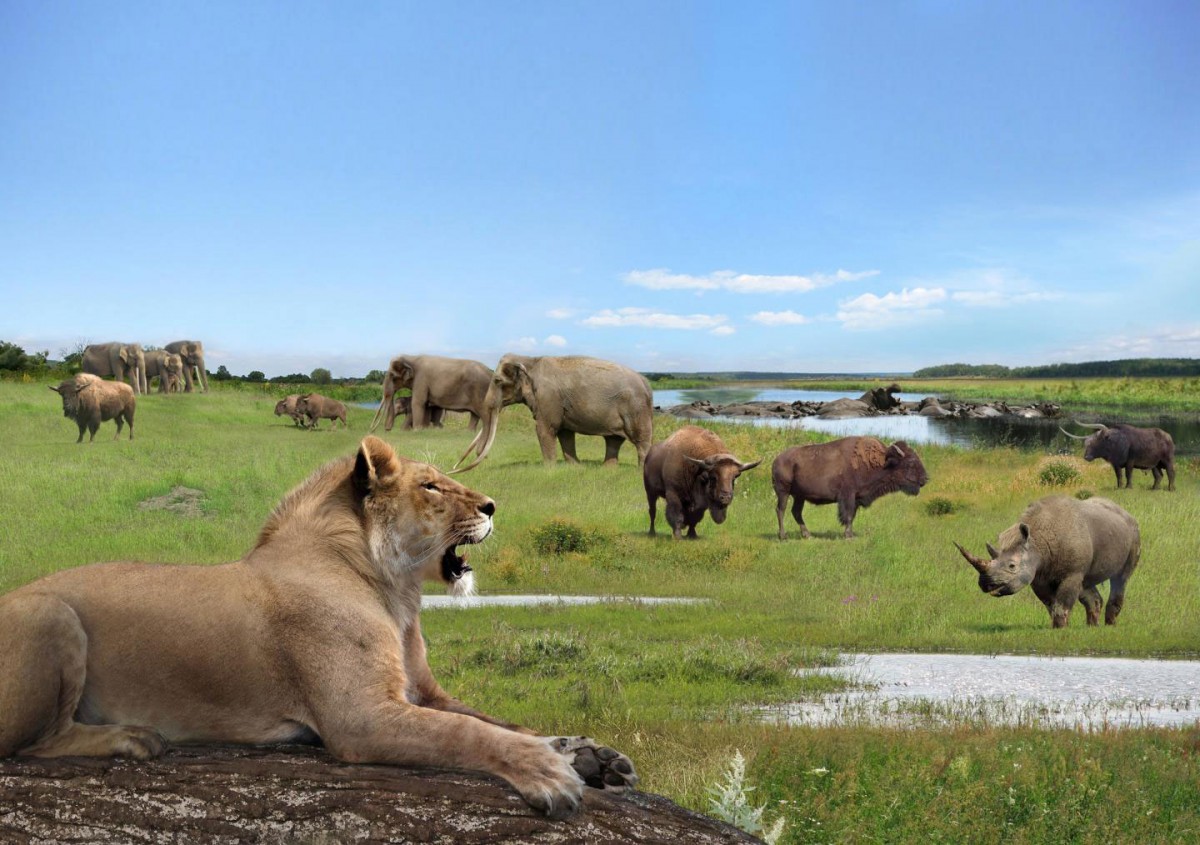
Extinction of Pleistocene herbivores induced major vegetation and landscape changes
The extinction of large herbivores such as mammoths could explain massive prehistoric changes in vegetation and landscape structure.
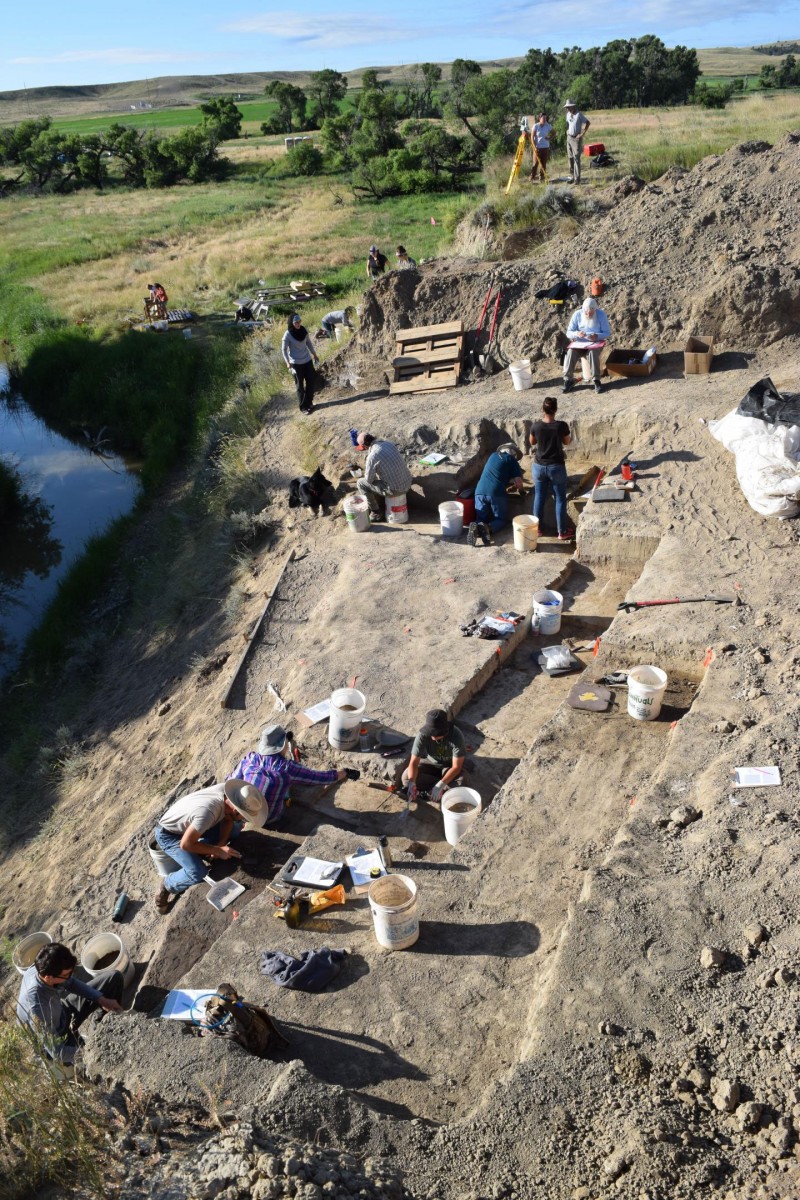
Research backs human role in extinction of mammoths, other mammals
Radiocarbon analysis of the decline and extinction of large mammals in the Americas lends support to the idea that hunting by humans led to the animals' demise.
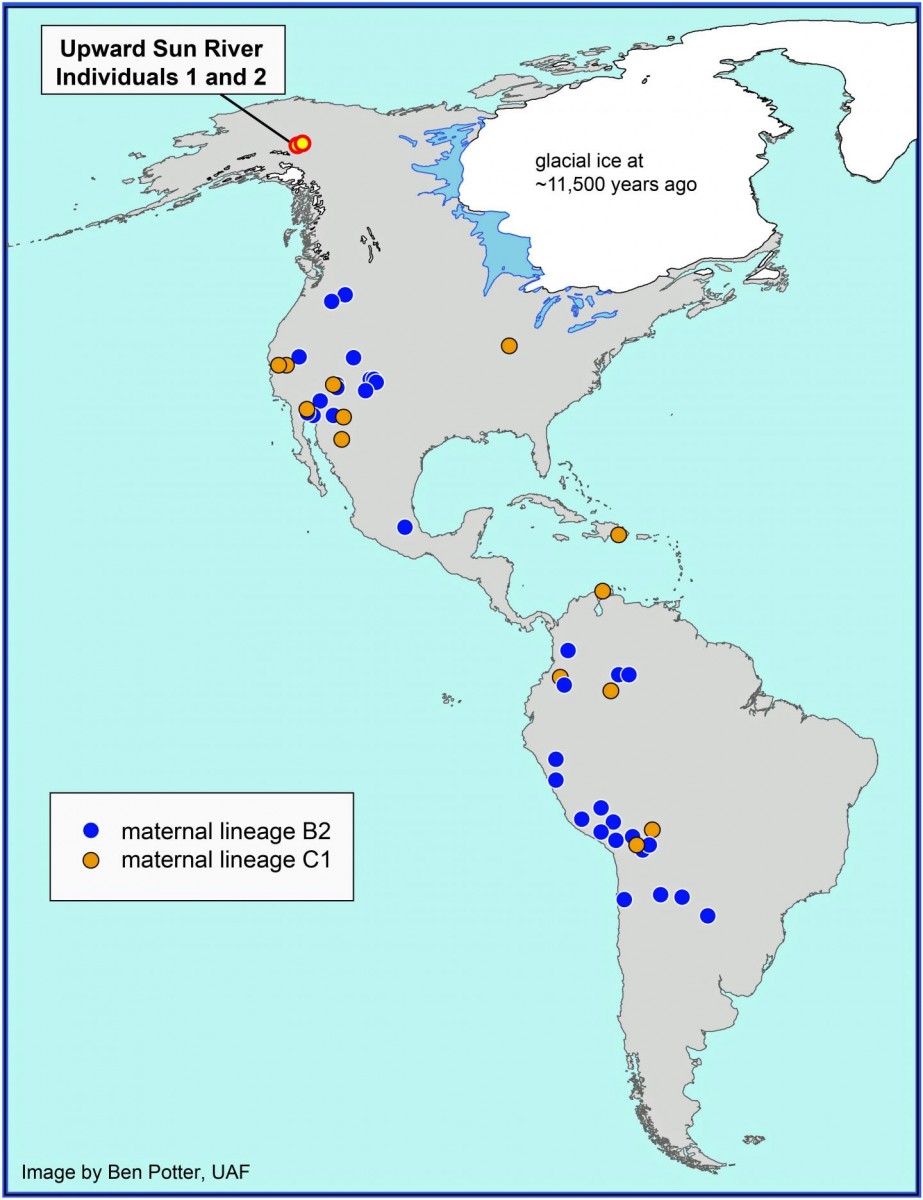
Ancient babies boost Bering land bridge layover
University of Utah scientists deciphered maternal genetic material from two babies buried together at an Alaskan campsite 11,500 years ago.
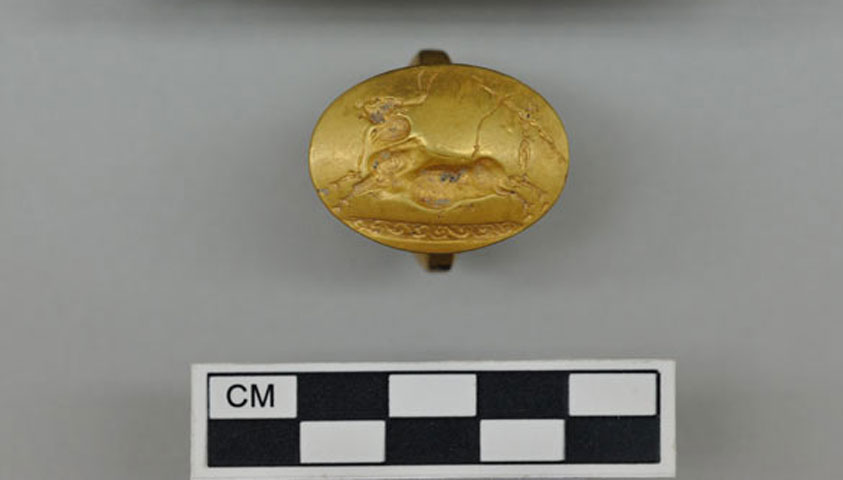
Rare archaeological finds in Pylos
An international team of archaeologists led by UC researchers discovered a Bronze Age warrior’s tomb in Pylos filled with more than 1,400 objects.
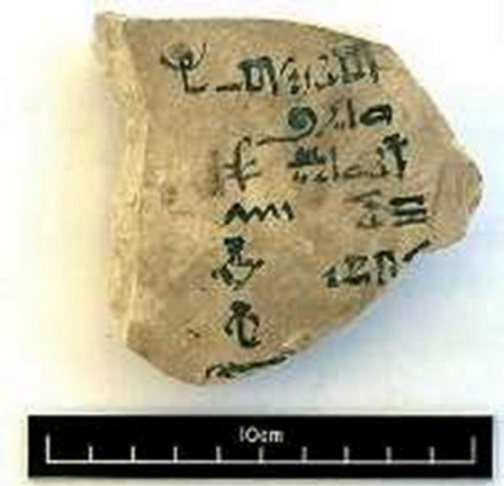
Ancient Egyptian word list is earliest known abecedary
This ancient Egyptian word list of the fifteenth century BC is the earliest known example of a list arranged according to their initial sounds. It gives a vital insight into the earliest known stages of the alphabet.
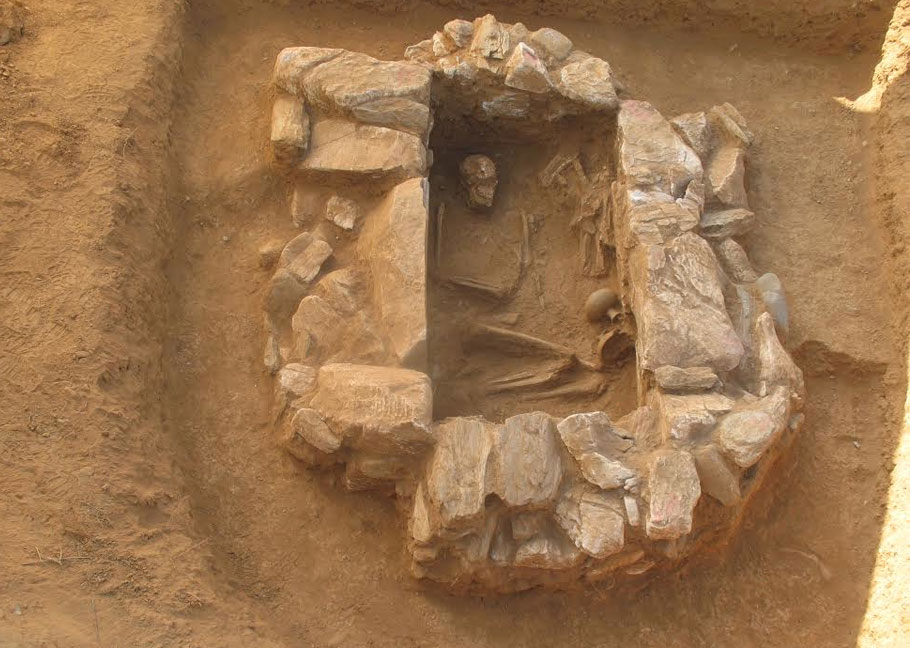
Mytilene: Stone-built cist grave revealed
An unlooted stone-built cist grave of the Mycenaean period came to light on Lesvos during improvement works on a rural road.
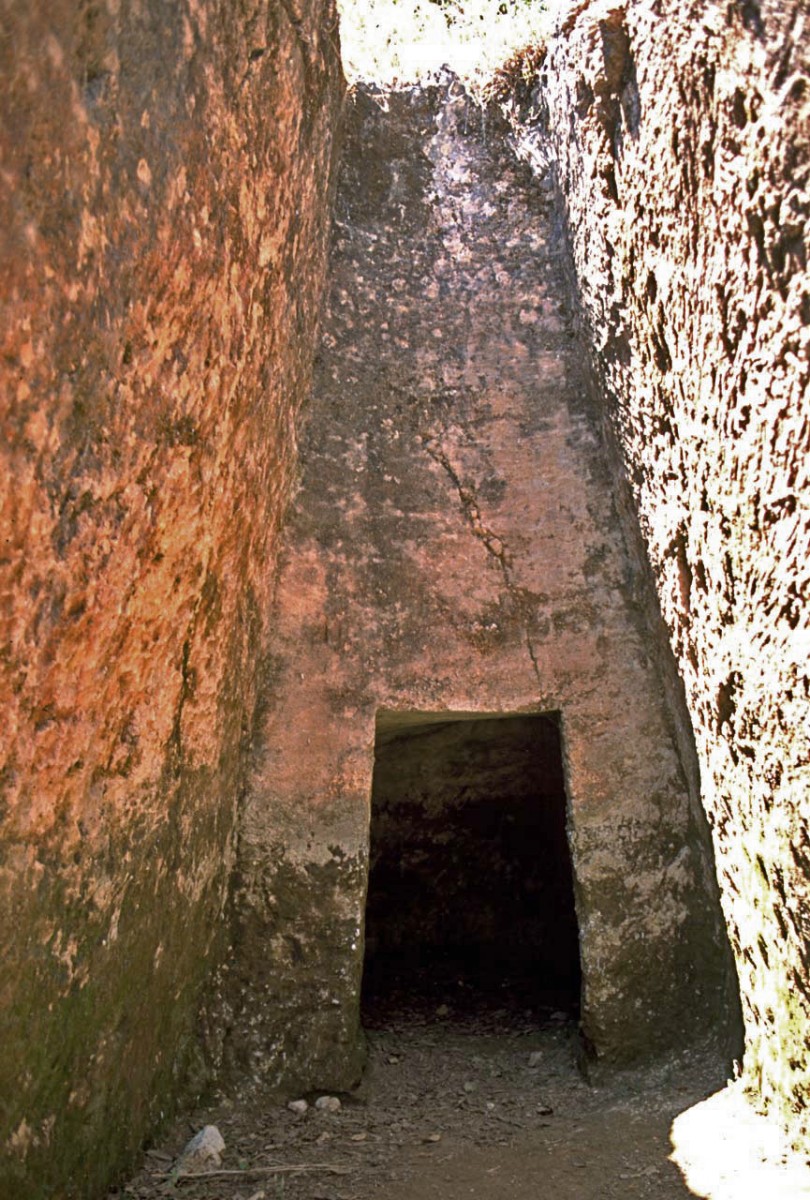
LM III mortuary practices in west Crete
Seminar about the systematic study of data from the cemeteries of Armenoi and Maroulas, Rethymno.
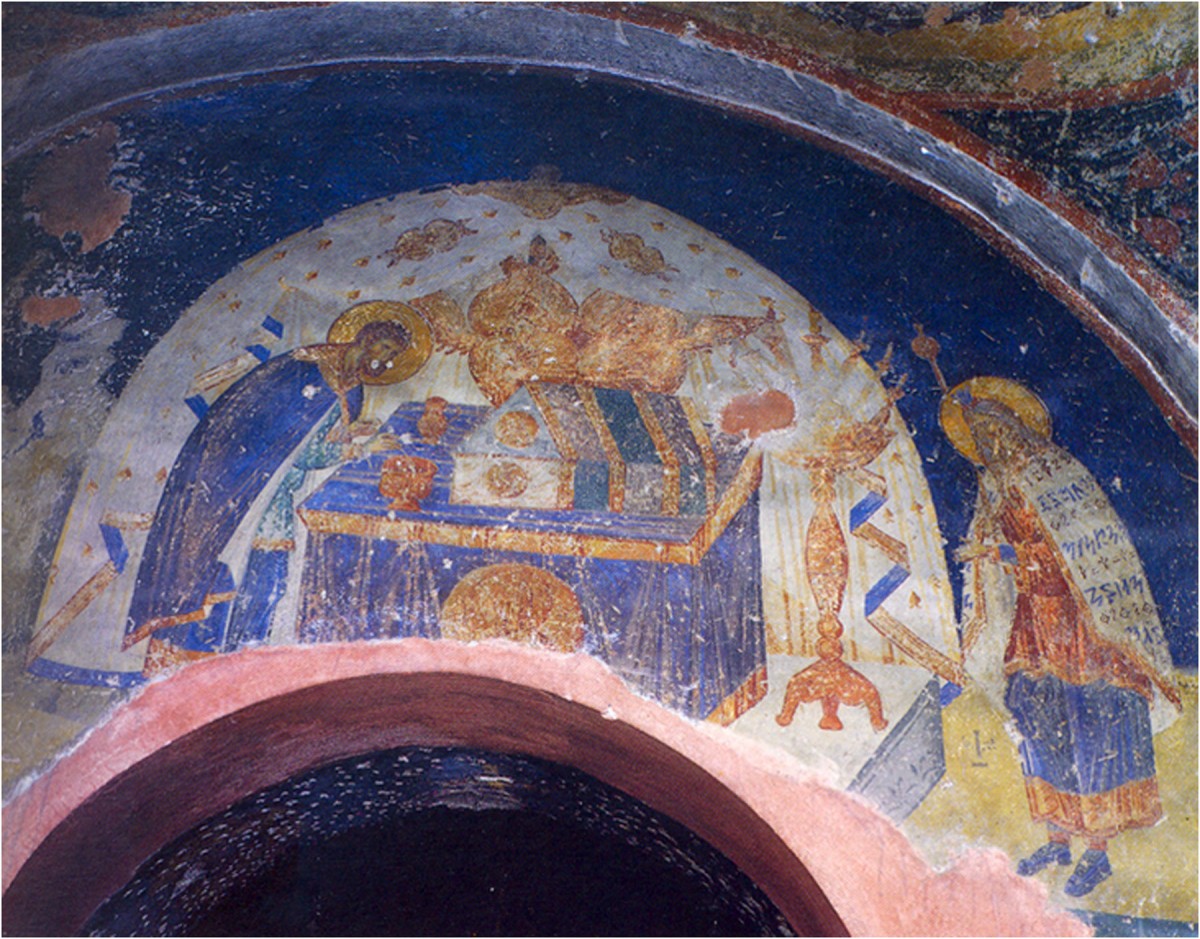
Light and lighting devices in wall paintings of Byzantine churches in Thessaloniki
In this paper the type of lighting sources and the rendering of light depicted on murals of Byzantine churches are being discussed.
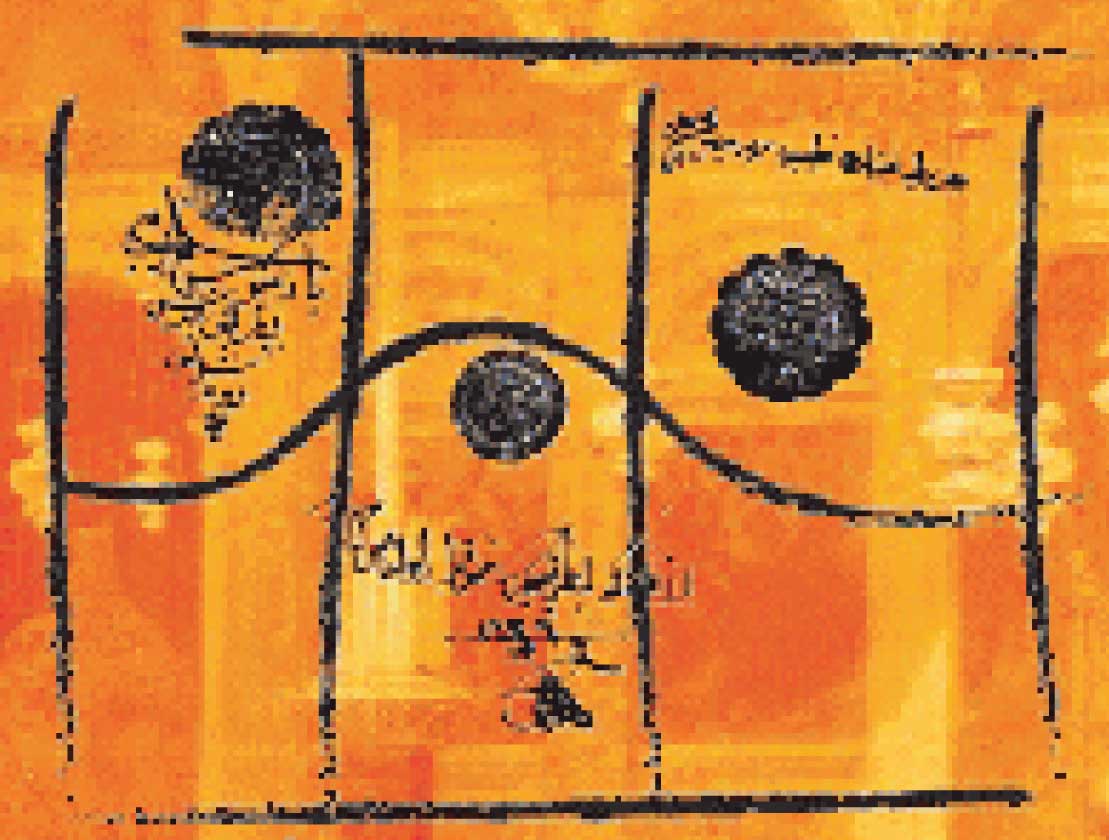
A Reassessment of the Eastern Patriarchates in the Ottoman Empire
A Dialogos lecture, given by Dr Hasan Çolak (Leiden University).
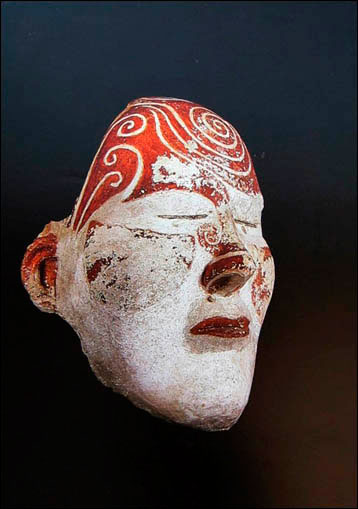
New finds shed light on ancient Siberian war race looks
Archaeologists in Kemerovo region have unearthed a collection of death masks from a tomb with up to 30 burials.
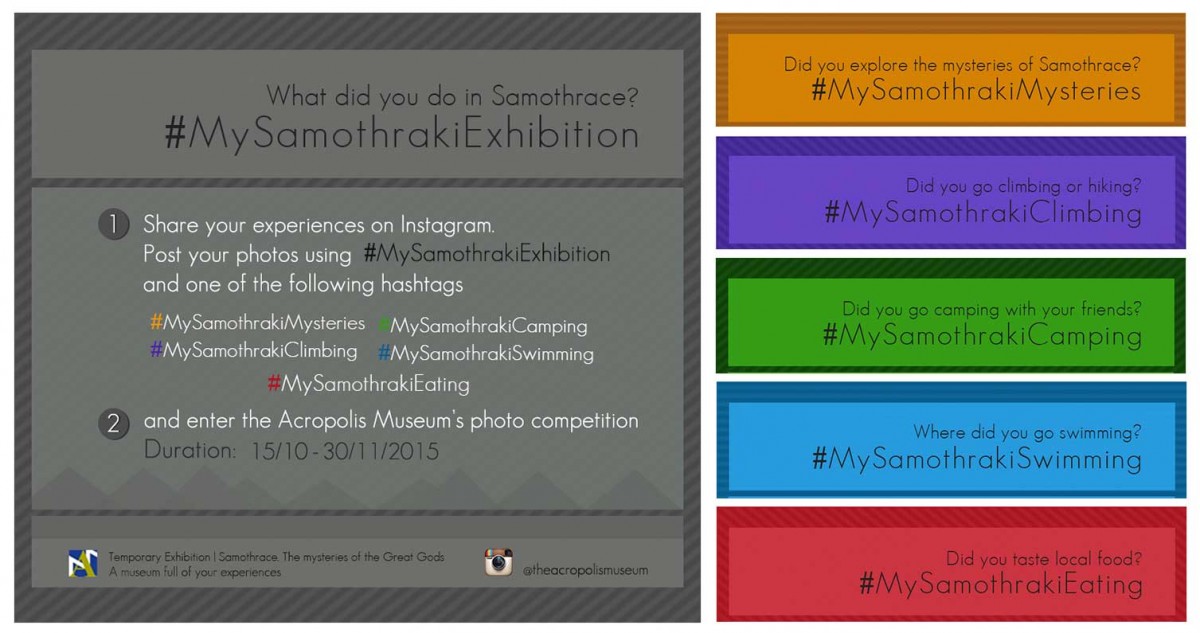
Acropolis Museum photo competition
The Museum invites everyone to create a digital gallery together comprised of a collection of photos where experiences and memories of Samothrace meet the island’s archaeological mysteries.
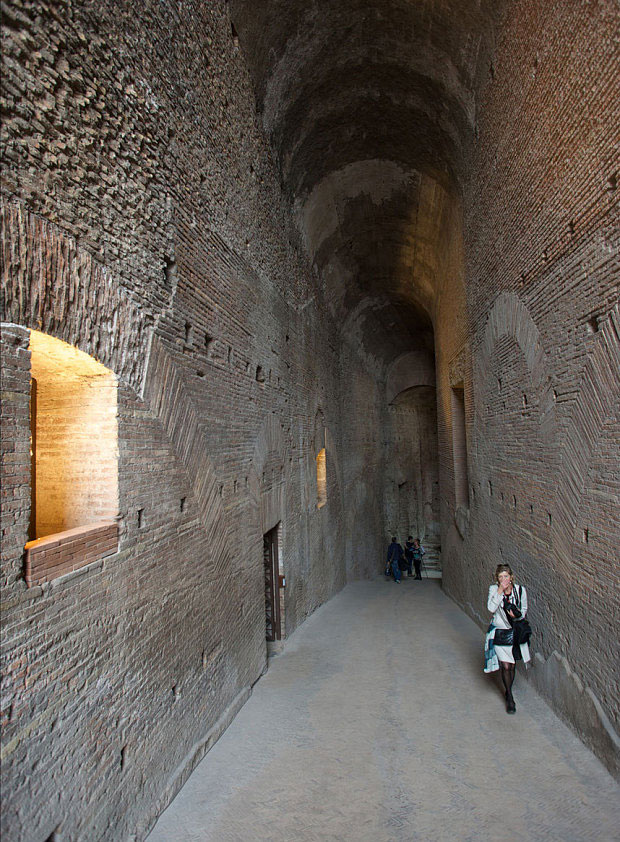
Hidden imperial passageway open to the public in Rome
A 2,000 year-old restored passageway connecting the Roman Forum and Palatine Hill in Rome is now restored and open to the public.
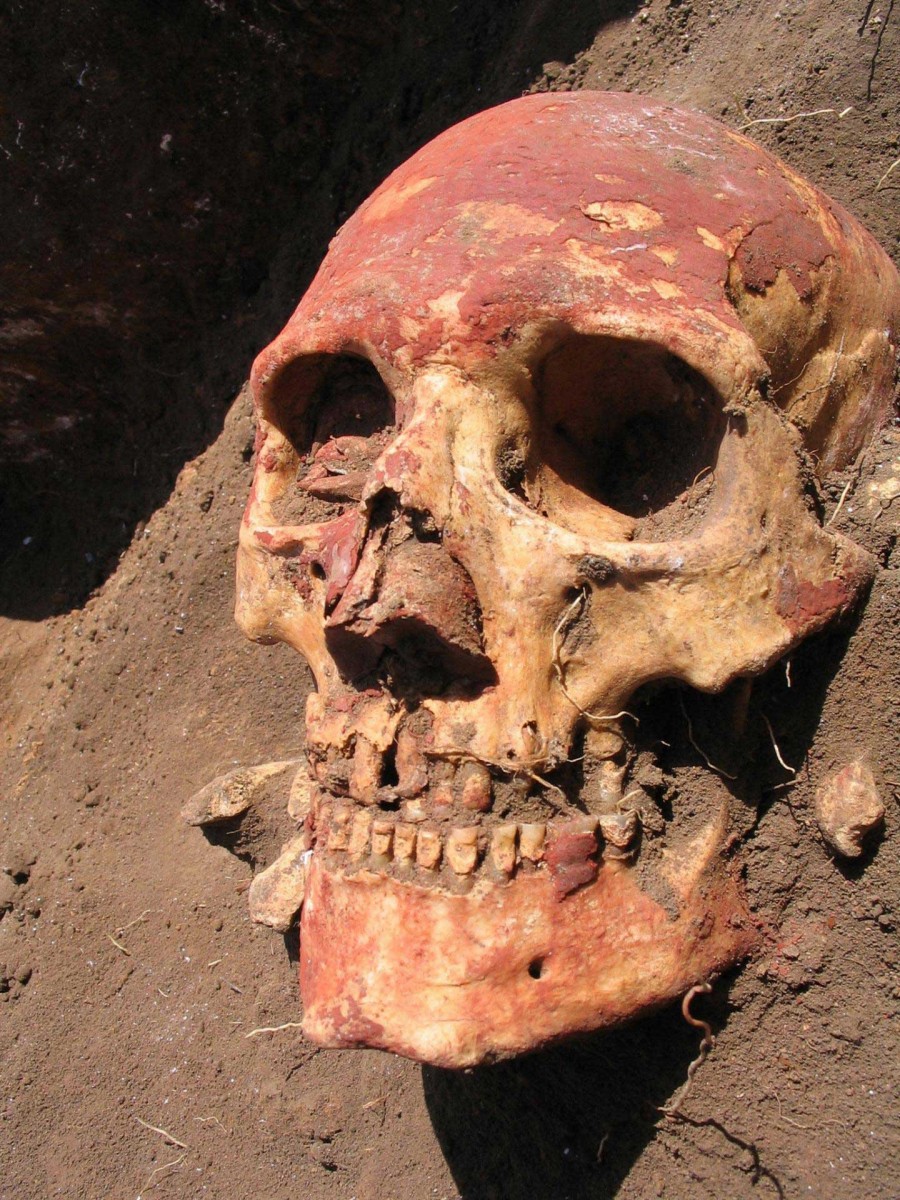
Plague in humans ‘twice as old’ but didn’t begin as flea-borne
New research using ancient DNA has revealed that plague has been endemic in human populations for more than twice as long as previously thought.
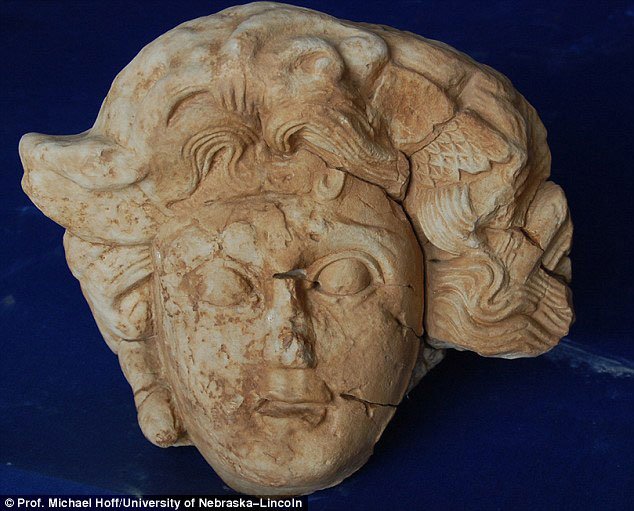
Marble Medusa Head found in southern Turkey
Archaeologists in southern Turkey have discovered a marble head of Medusa.
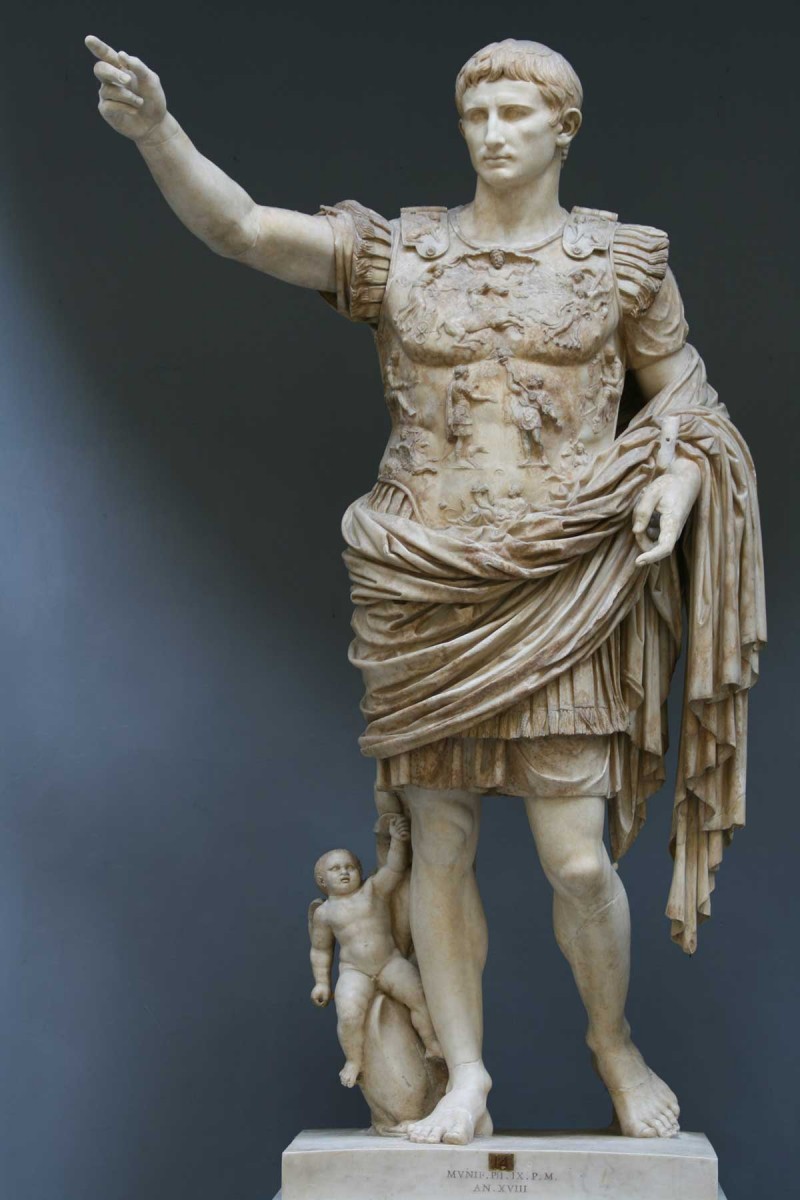
Grounding Ancient Imperialism
The conference aims to bring together graduate students from various subdisciplines in Classics and related fields to reflect on the emergence of ancient empires.
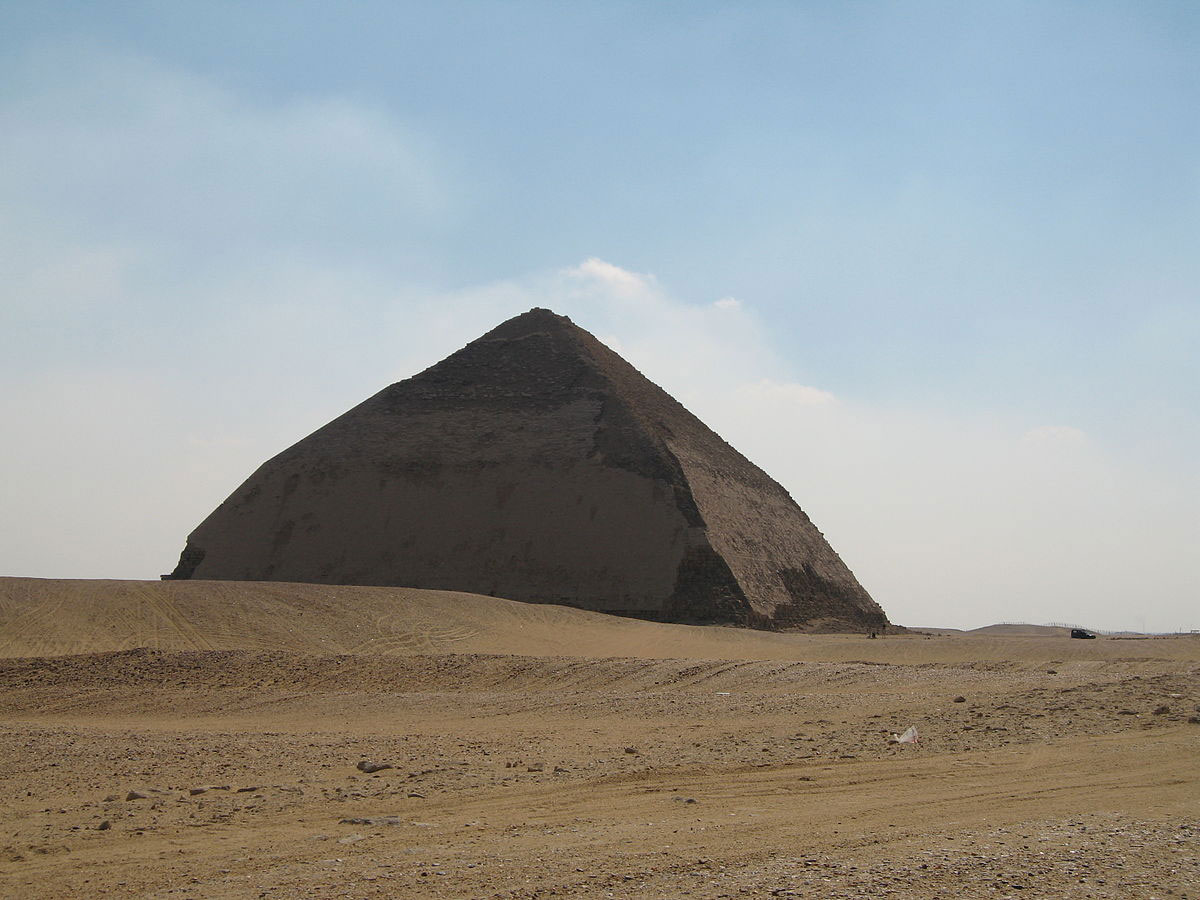
“Scan Pyramids” project to begin at the end of October
An international scanning project aiming to reveal the mystery as to what lies within the pyramids of Egypt is due to start at the end of October.
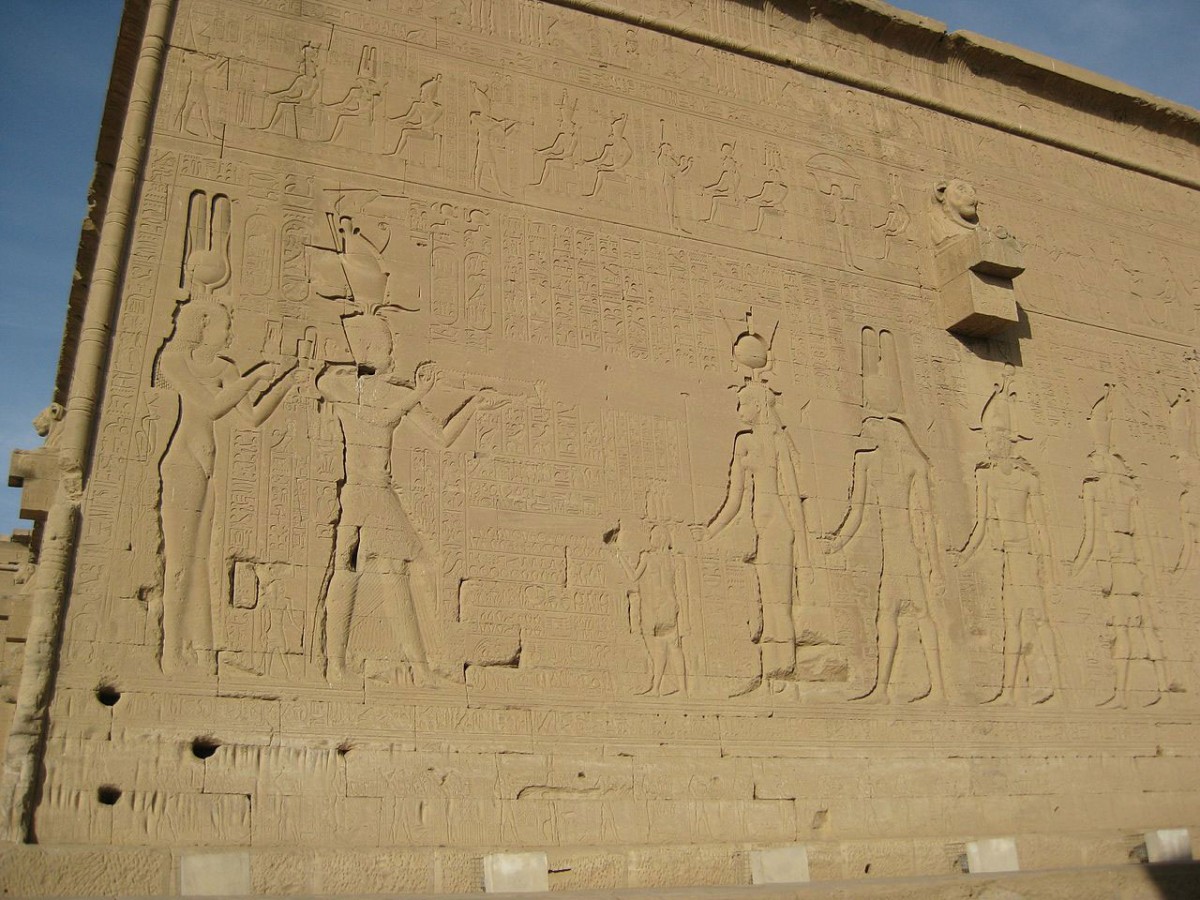
Snake unlikely to have killed Cleopatra
Academics at The University of Manchester have dismissed the long-held argument that the ancient Egyptian queen Cleopatra was killed by a snake bite.