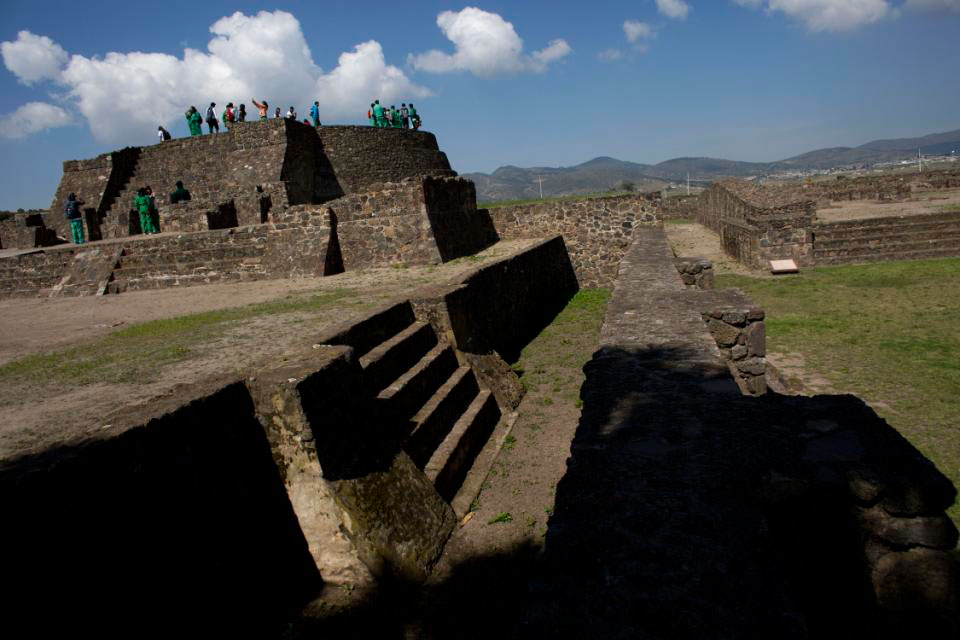
Excavations reveal evidence on Spaniards sacrificed by Aztec peoples
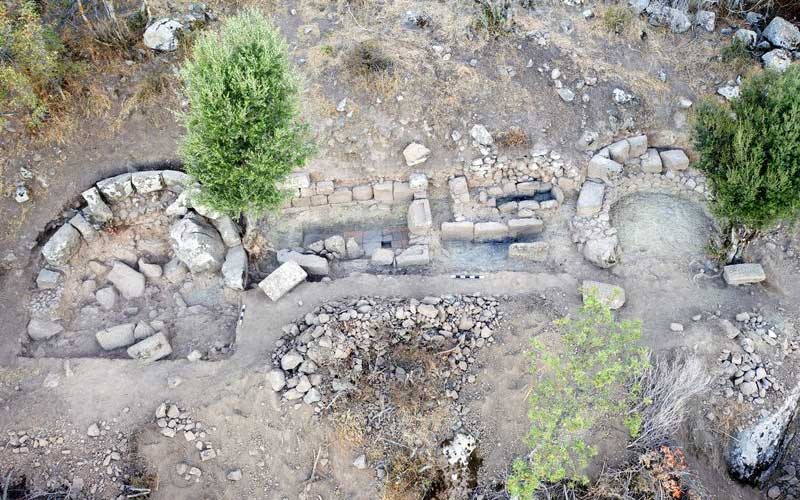
Excavations have shown that about a year after Hernan Cortes arrived in Mexico, a convoy was captured by Aztec-allied native defenders, sacrificed and probably eaten.
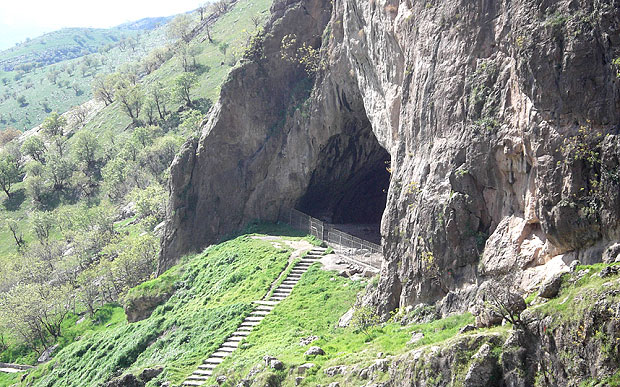
Neanderthals didn’t include flowers in burials
Traces of pollen found at Shanidar site were due to wind and insect patterns and not Neanderthal burial rituals, research shows.
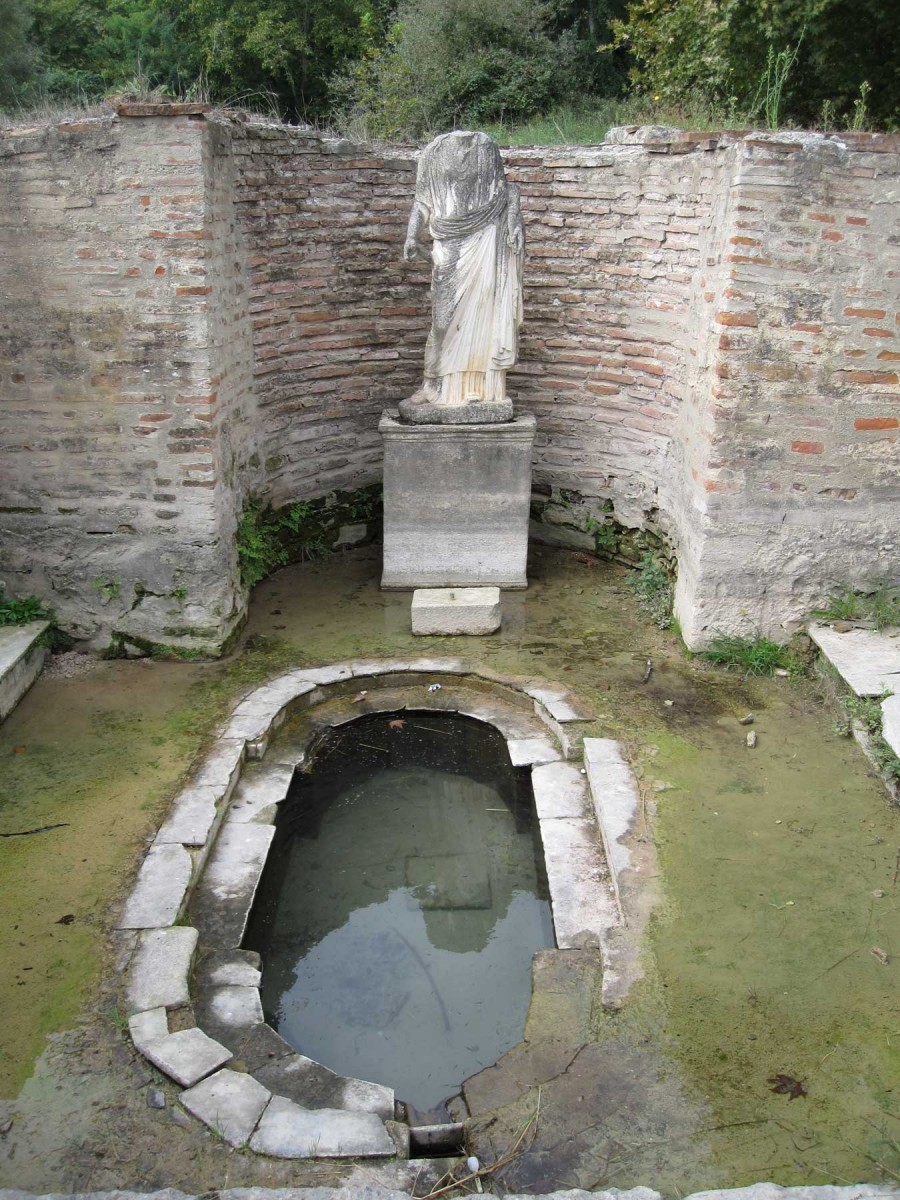
The Olympian Gods in New York
“Dion: Gods and mortals” is the title of the exhibition featuring archaeological treasures from the sacred Macedonian city, to be presented in New York in 2016.
Possible return of Erechteion fragments to Greece
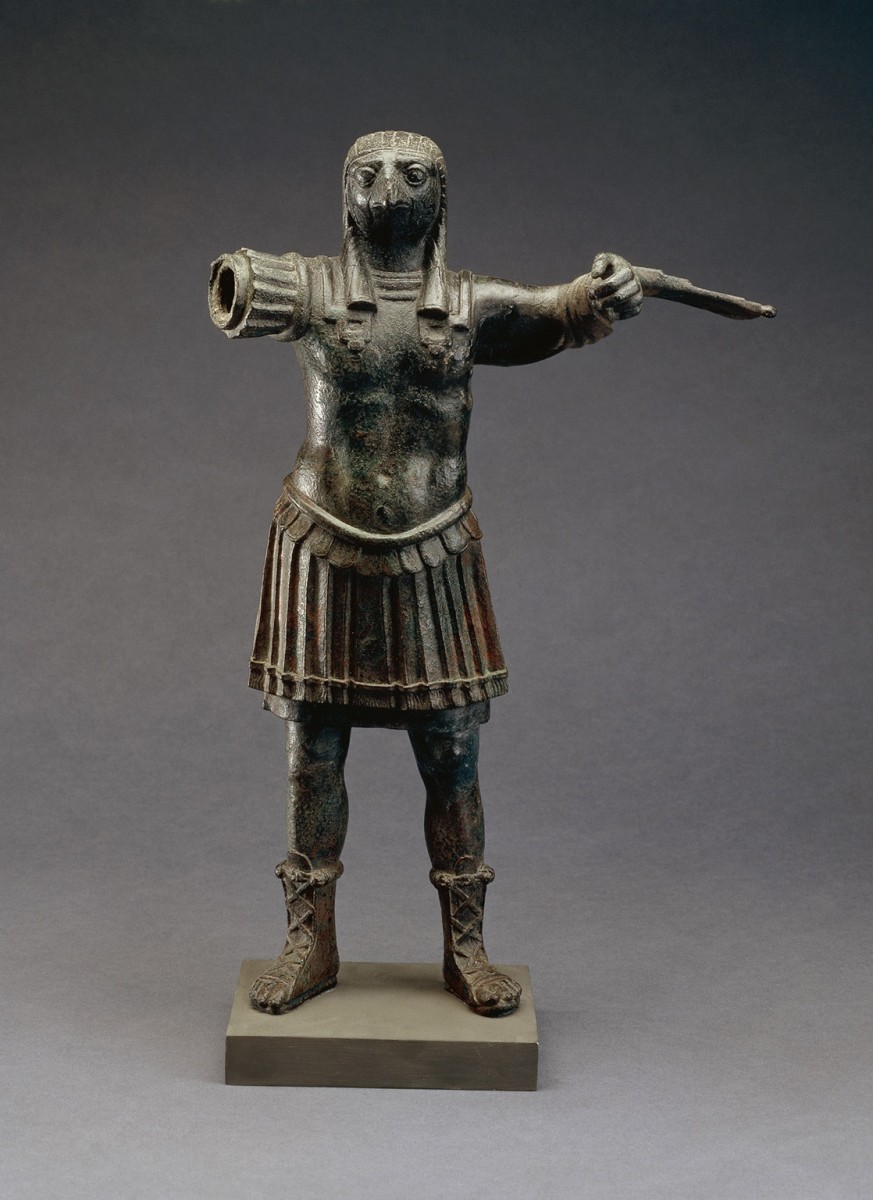
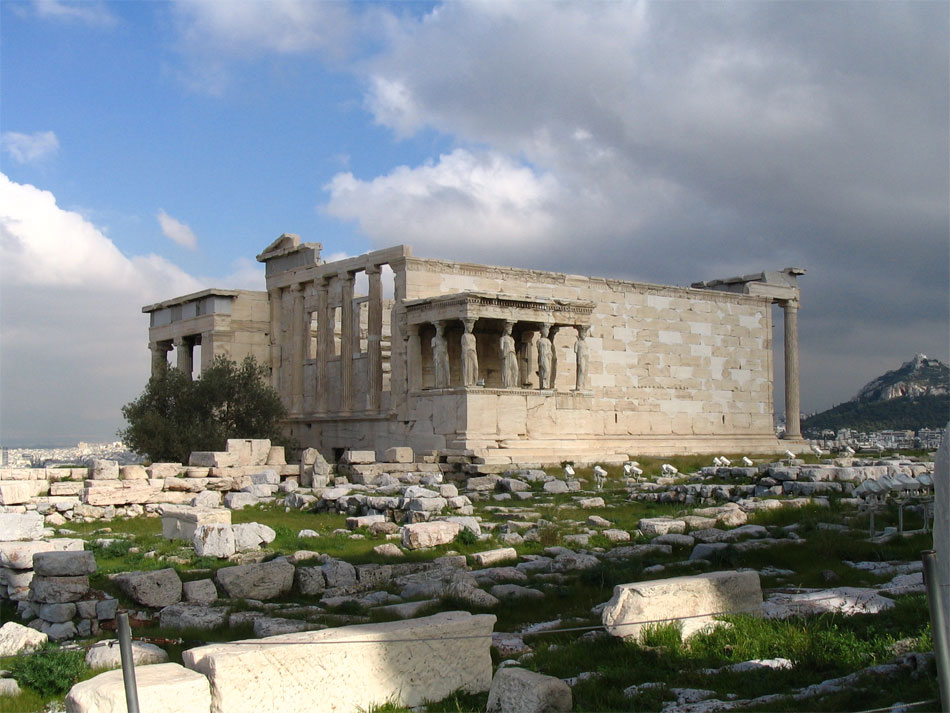
Professor Reinhard Stupperich has announced the intention of the Museum of Ancient History at Heidelberg University to return fragments from the Erechteion to Greece.
Scotland inhabited 3000 years earlier than previously thought
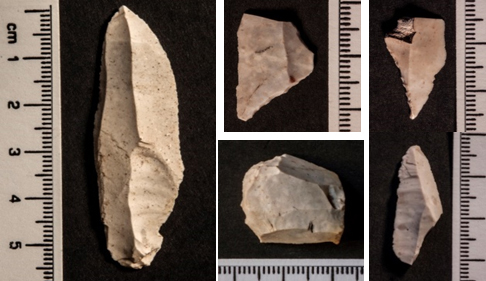
Archaeologists from the University of Reading have found the earliest dated evidence for human activity in Scotland - with a helping hand from a herd of pigs.
The Theopetra Cave in Thessaly: a 130,000 year old prehistory (Part 2)
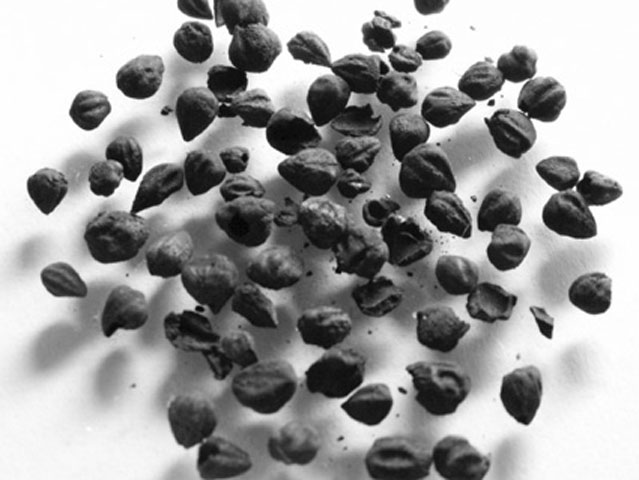
Part two of the special issue on Theopetra focuses on archaeobotanical remains and the radiocarbon survey.
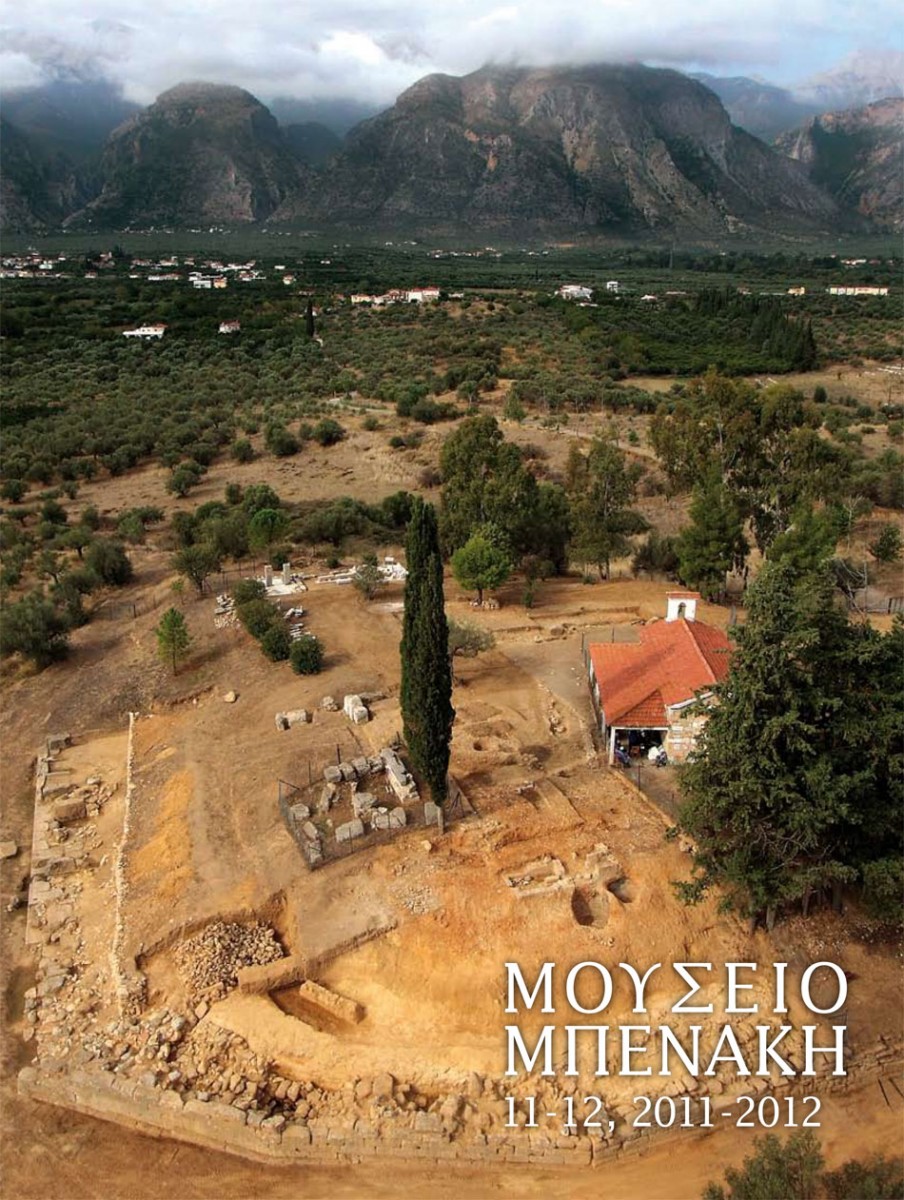
Mouseio Benaki 11-12, 2011-2012
The latest issue of the Benaki Museum journal (11-12, 2011-2012) has just been published.
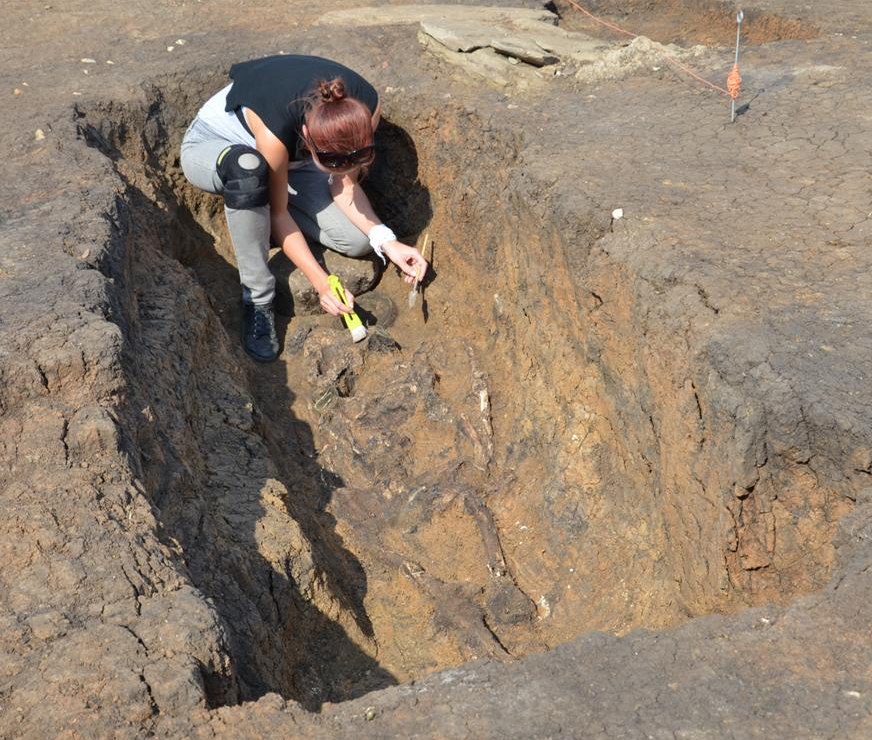
Unique Germanic burial in the Czech Republic
Scientists from the Institute of Archaeology, University of Rzeszów studied the grave of an important representative of the Germanic people Marcomanni in Nezabylice in the north-western Czech Republic.
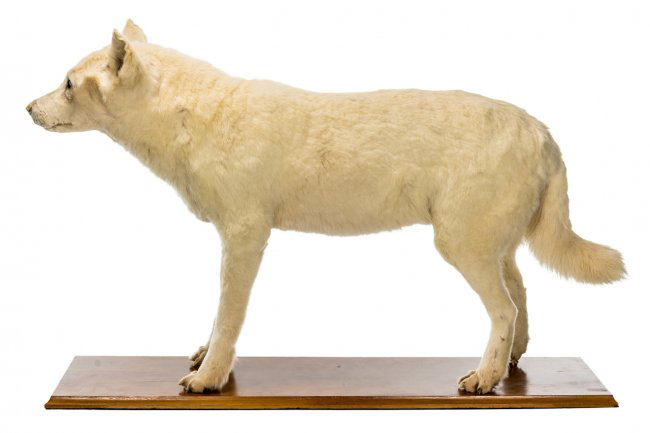
Otago researchers sequence extinct dog genomes
The genetic heritage of New Zealand’s first dog, the now extinct kurī, is being unravelled by University of Otago scientists using state-of-the-art ancient DNA analysis.
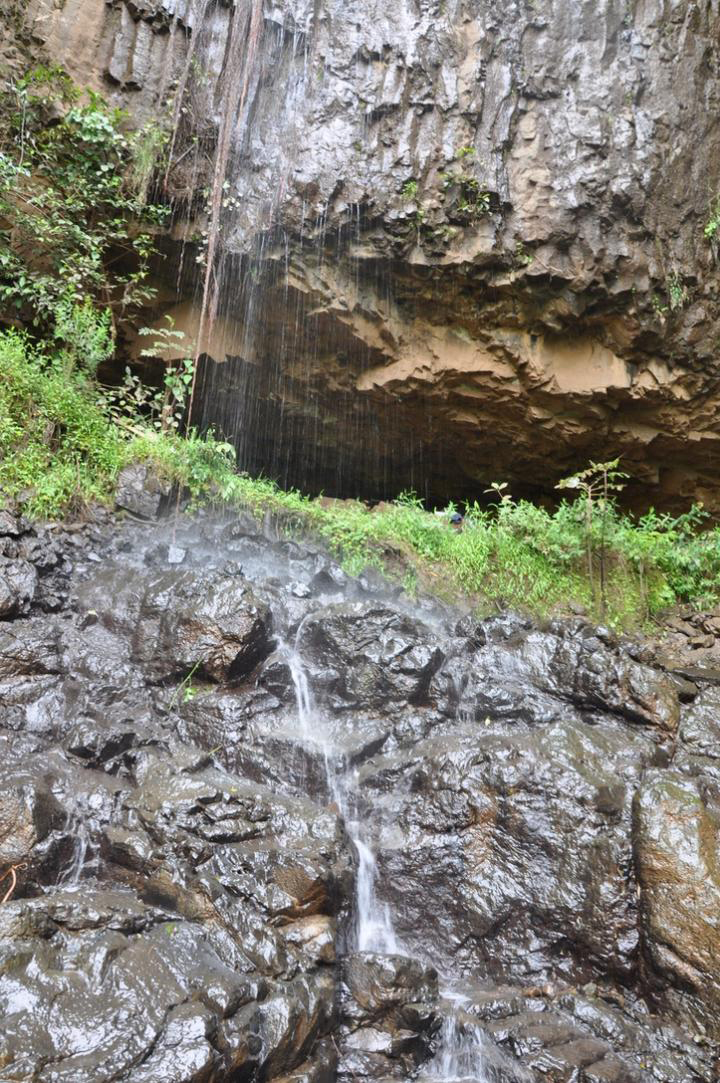
Ancient genome from Africa sequenced for the first time
The first ancient human genome from Africa to be sequenced has revealed that a wave of migration back into Africa from Western Eurasia around 3,000 years ago was up to twice as significant as previously thought.
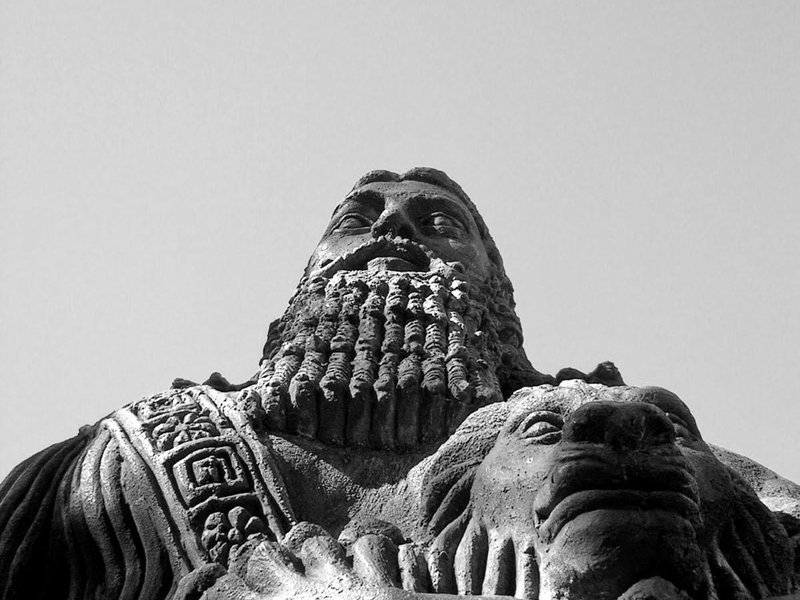
Iraqi Museum discovers missing lines from the Epic of Gilgamesh
The Sulaymaniyah Museum in the Kurdistan region of Iraq announced that it discovered 20 new lines of the Babylonian-Era poem.
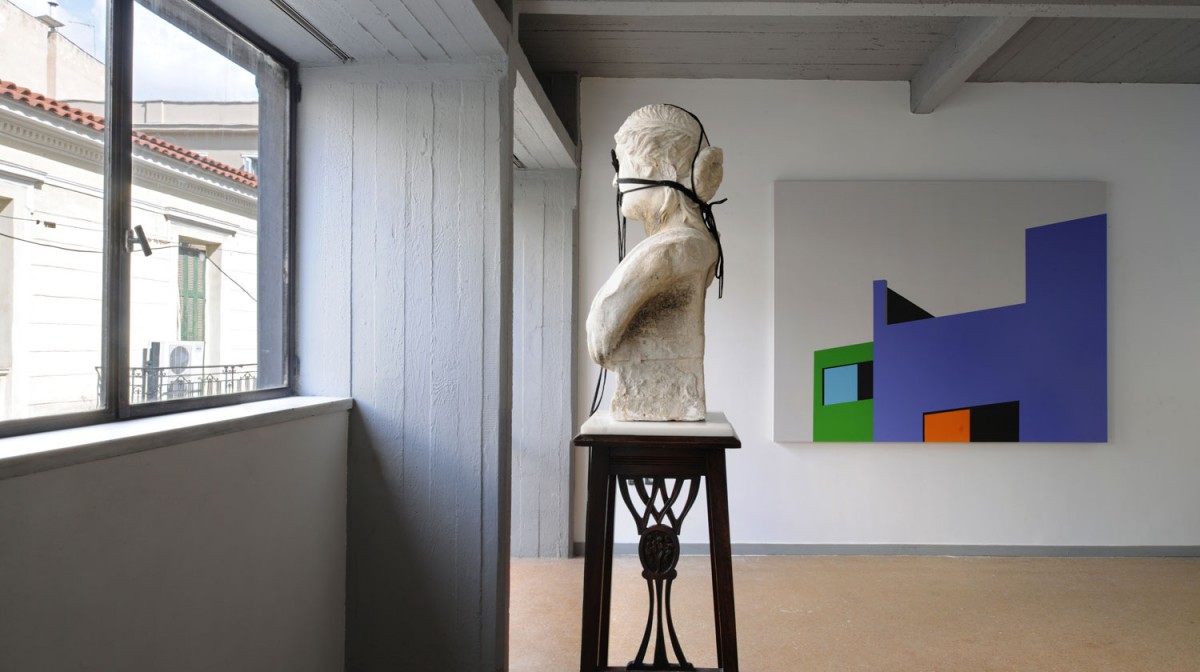
In the name of Le Corbusier
“In the name of Le Corbusier” is the title of the exhibition which opened this week in the Spiteris-Proveleghios House in Kypseli (Athens).
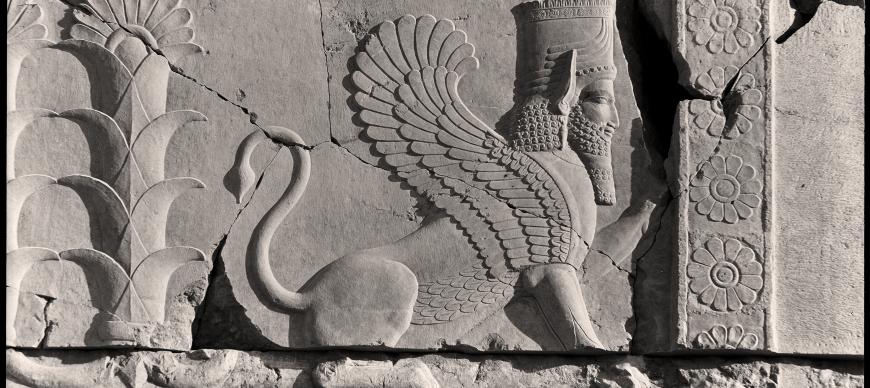
Persepolis: Images of an Empire
A new exhibition at the Oriental Institute Museum of the University of Chicago will give visitors a rare glimpse inside the ancient city of Persepolis.
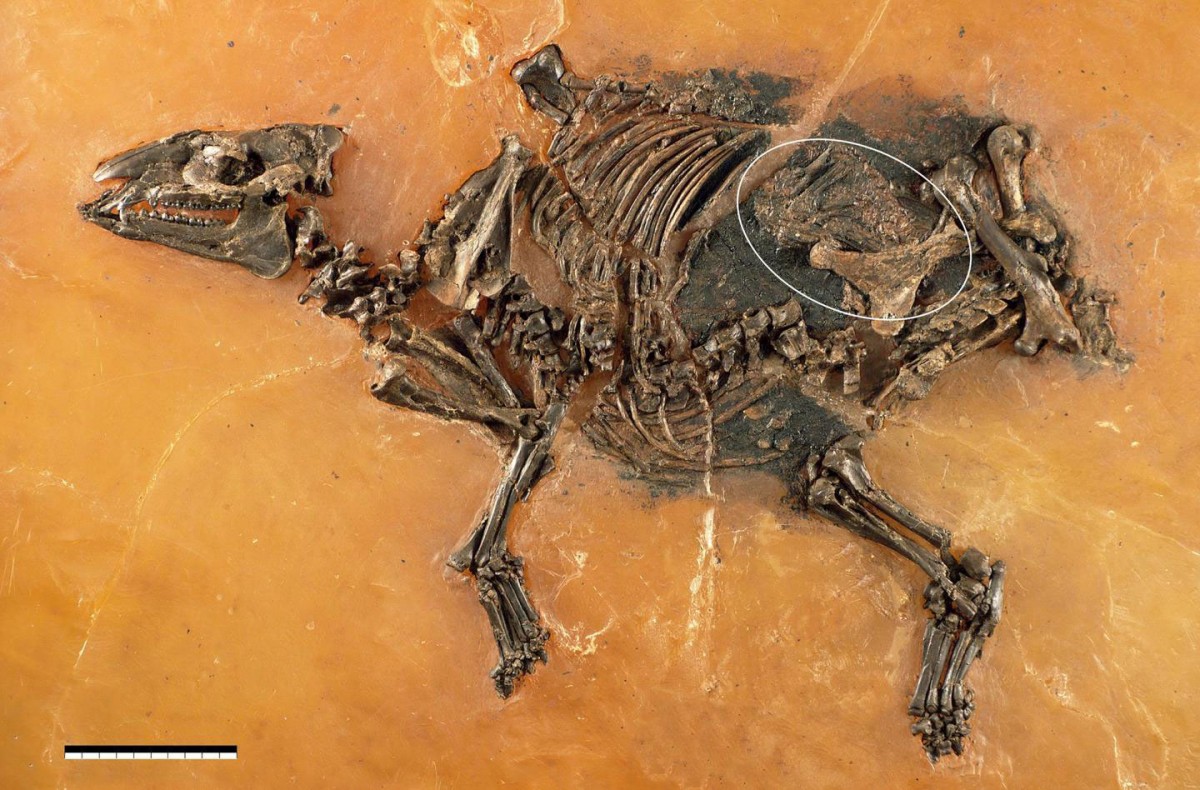
Unique fossil of a horse-like equoid fetus analyzed
A 48 million year-old horse-like equoid fetus was analyzed with micro X-rays, revealing remarkable features.
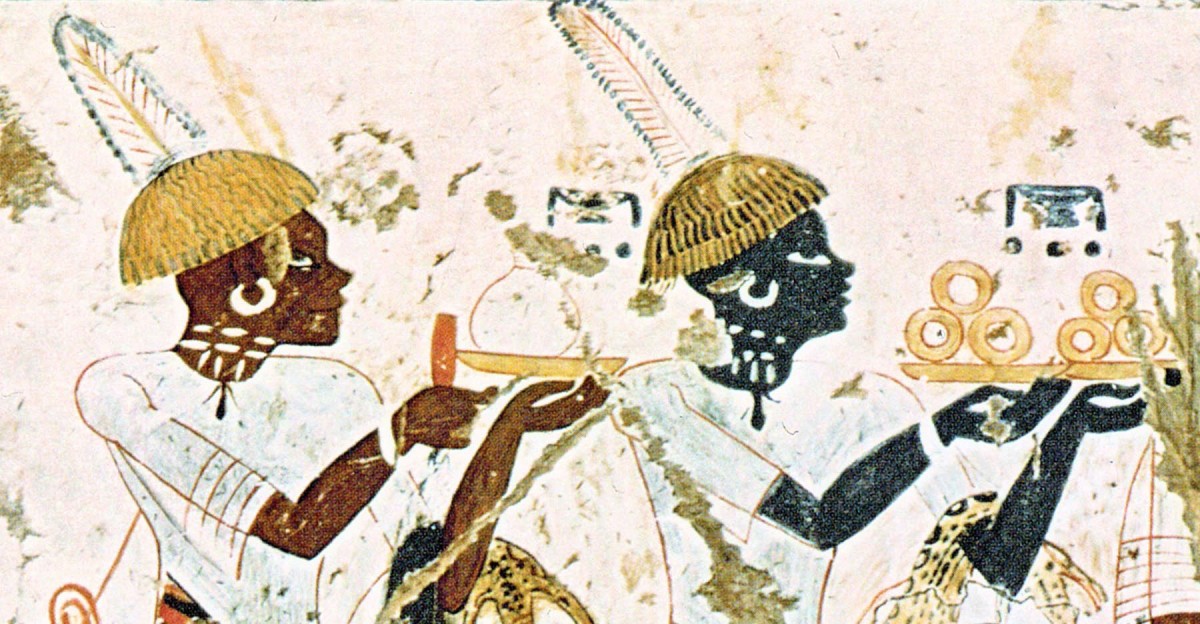
Conference: “Thebes in the First Millennium BC”
The main focus of the conference "Thebes in the First Millennium BC" is current archaeology and research on tombs and temples of the Twenty-fifth - Twenty-sixth Dynasties in the Theban area.
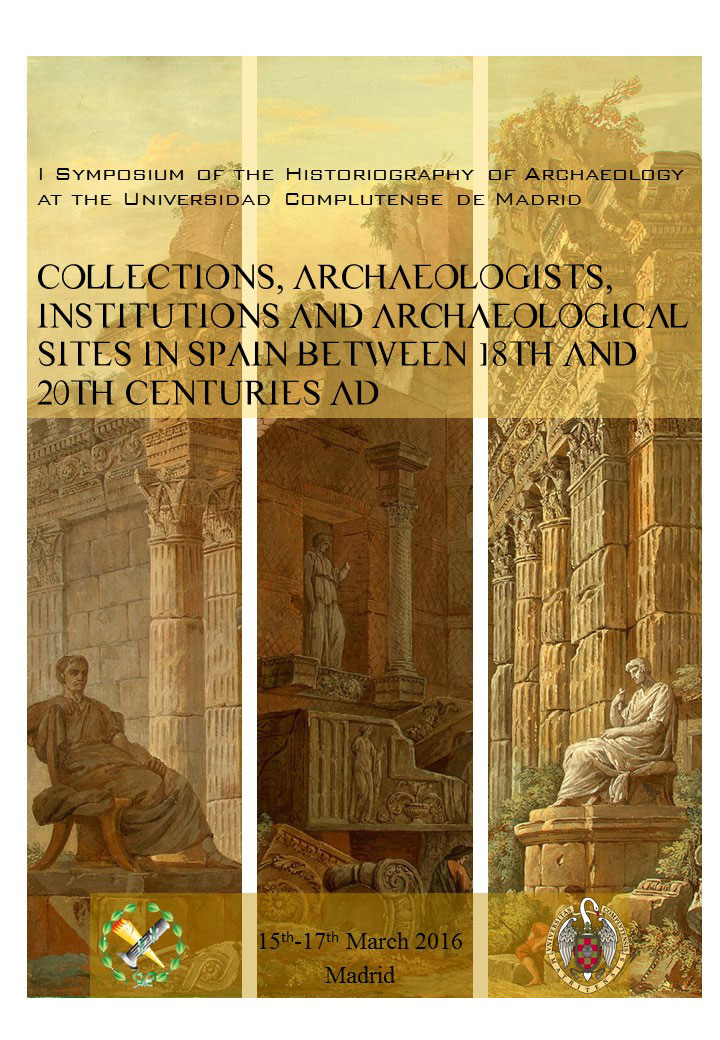
Historiography of Archaeology at the Universidad Complutense de Madrid
The 1st Symposium on the Historiography of Archaeology organized by the Universidad Complutense de Madrid represents a forum of discussion for established and young researchers.
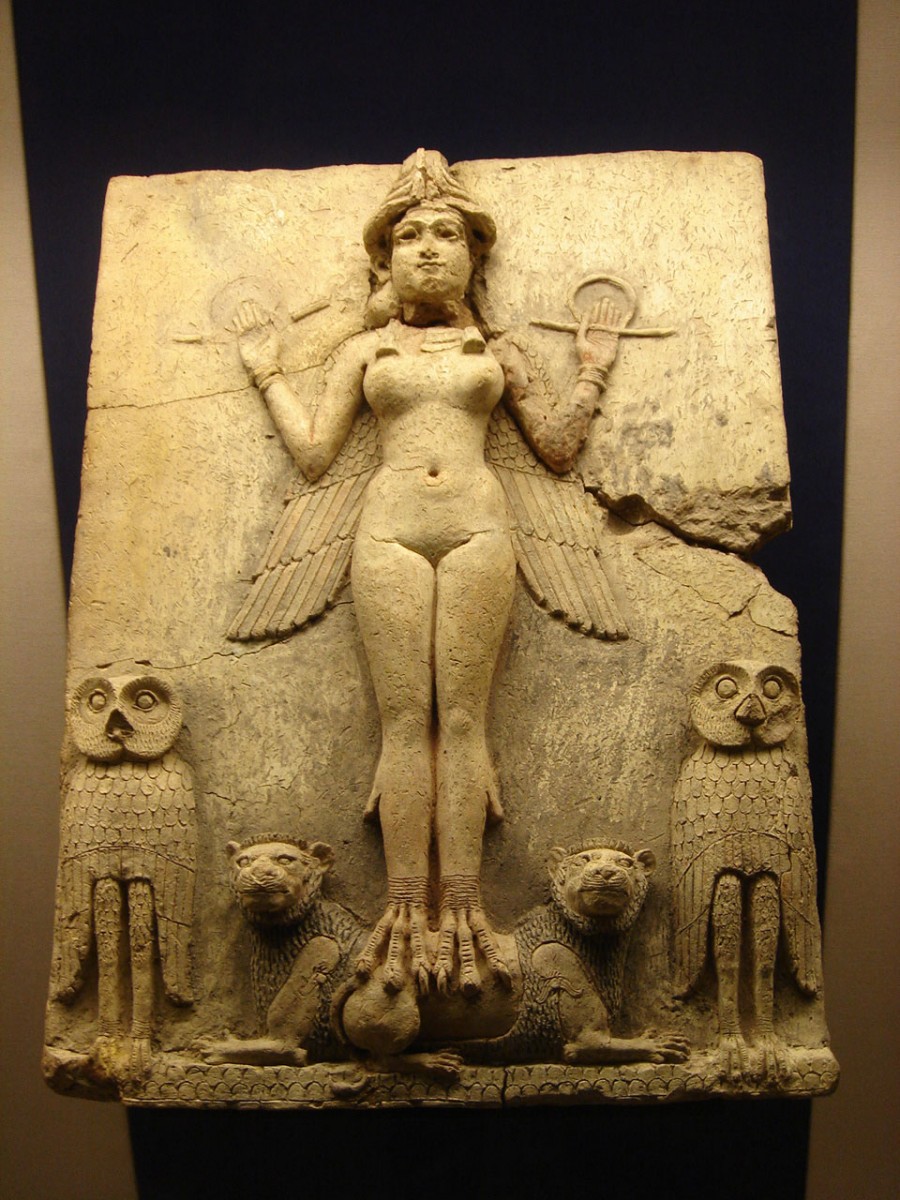
The Mesopotamian Tradition and its Transformation in Graeco-Roman and Semitic Literatures
"Physiognomy and Ekphrasis: The Mesopotamian Tradition and its Transformation in Graeco-Roman and Semitic Literatures" is the subject of the BabMed Annual Workshop 3, organized by J. Cale Johnson and Alessandro Stavru.
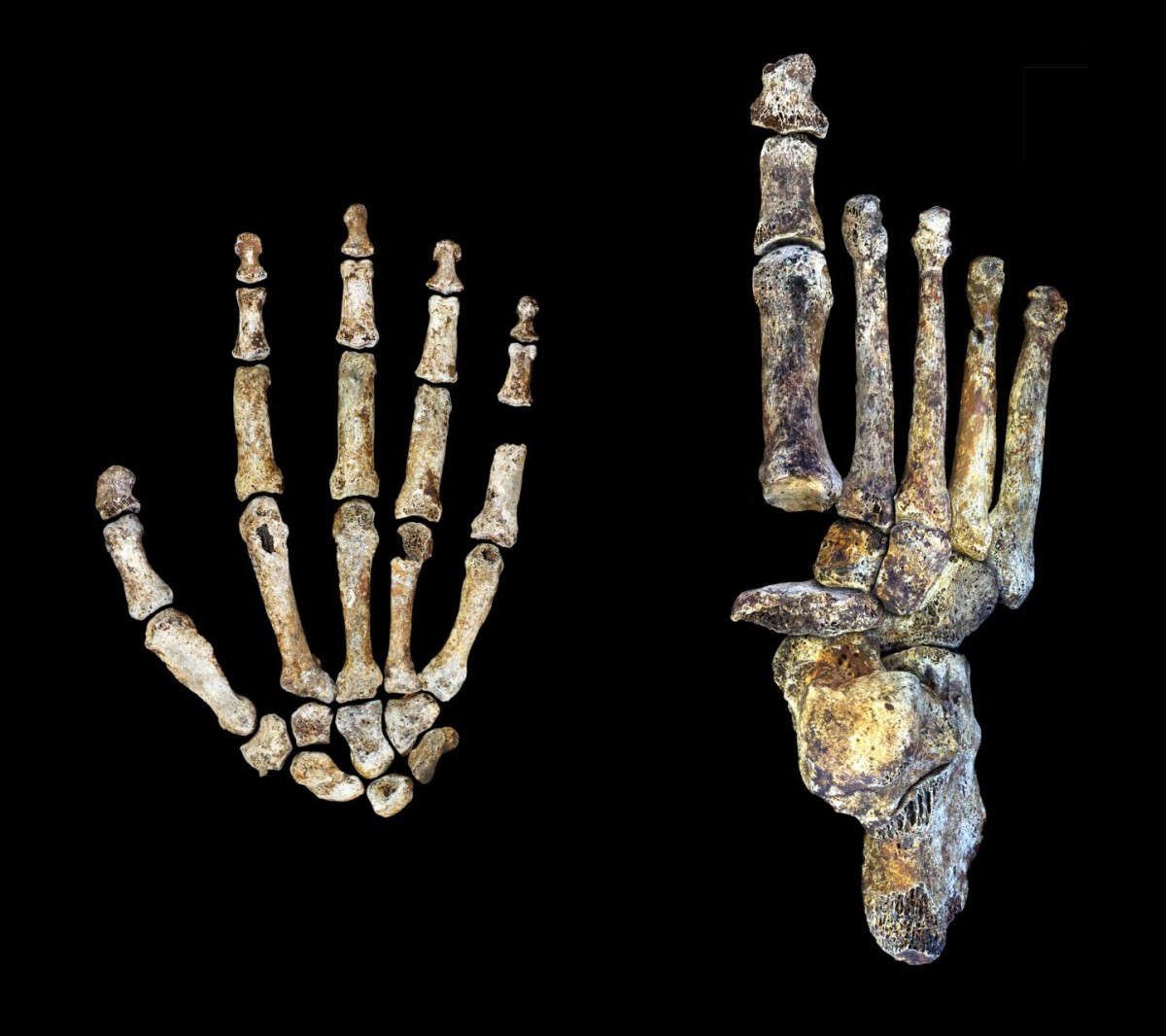
The hand and foot of Homo naledi
The new findings indicate H. naledi may have been uniquely adapted for both tree climbing and walking as dominant forms of movement, while also being capable of precise manual manipulation.
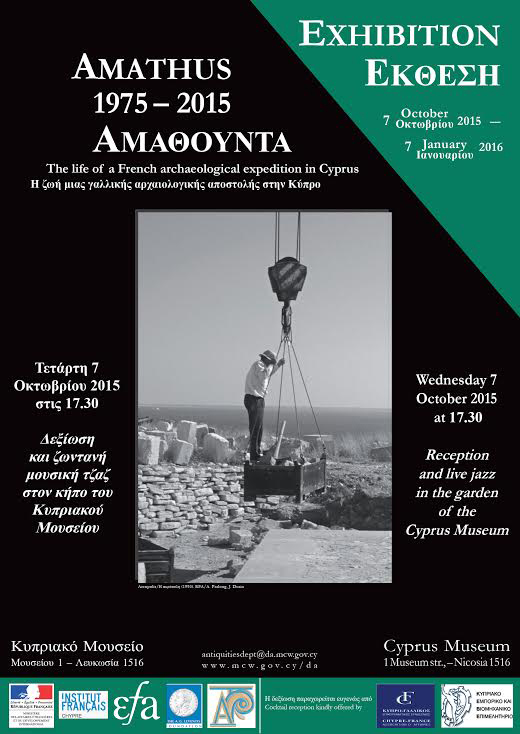
Opening ceremony of Amathus 1975-2015
The periodical exhibition “Amathus 1975-2015: The life of a French archaeological expedition in Cyprus” opens on 7 October 2015, at 5:30 p.m. at the Cyprus Museum.
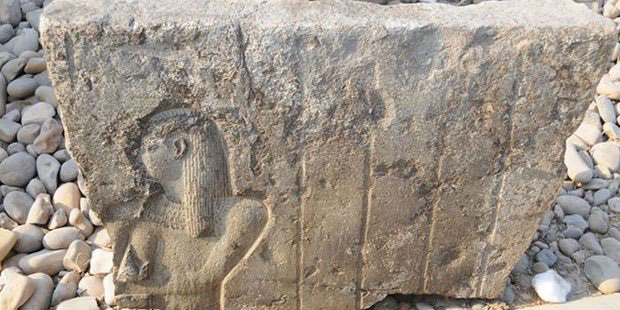
Ruins of a 2,400 year-old shrine beneath modern Cairo
Egyptian and German archaeologists discovered the ruins of a 2,400 year-old shrine beneath Cairo’s modern district of Mataria.
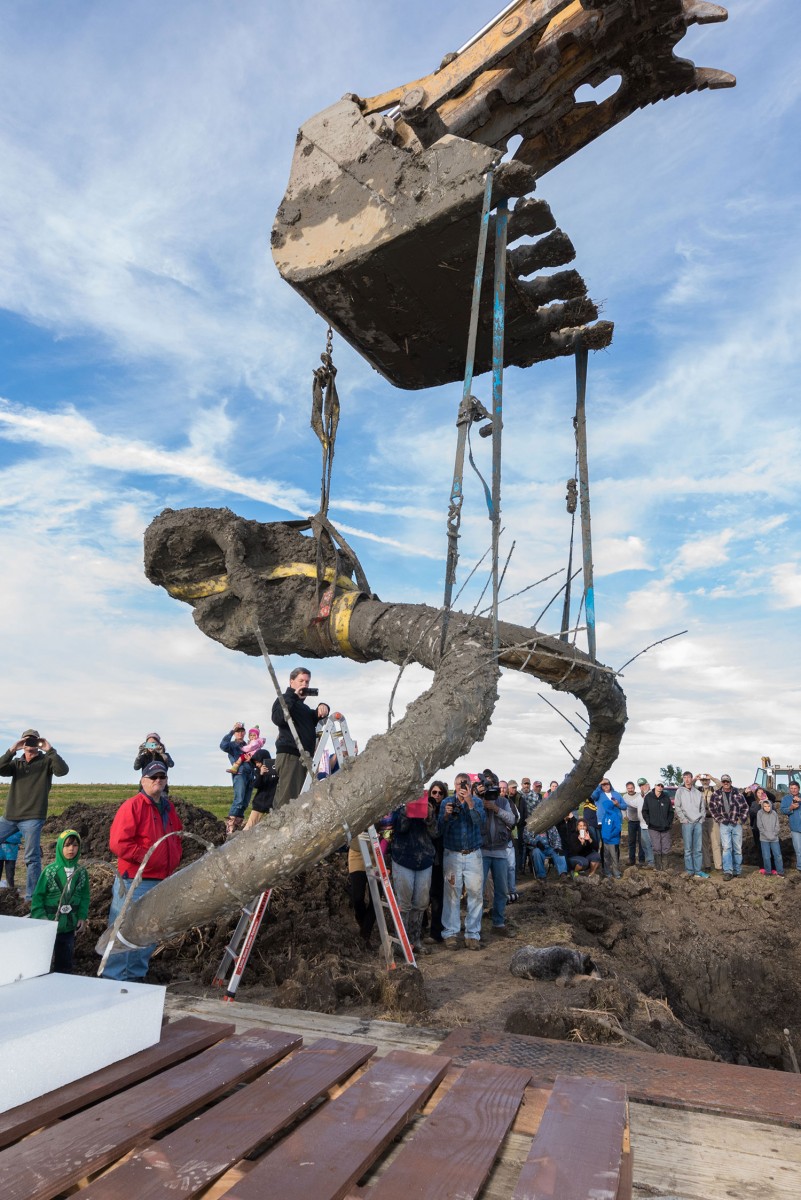
Mammoth bones found in Michigan
An ancient mammoth unearthed in a farmer's field southwest of Ann Arbor may provide clues about the lives of early humans in the region.

Volcanic island collapses may trigger mega-tsunamis
A pre-historical sudden collapse of Fogo (Cape Verde Islands), one of the tallest and most active oceanic volcanoes on Earth, triggered a mega-tsunami with waves impacting 721 feet above present sea level resulting in catastrophic consequences.
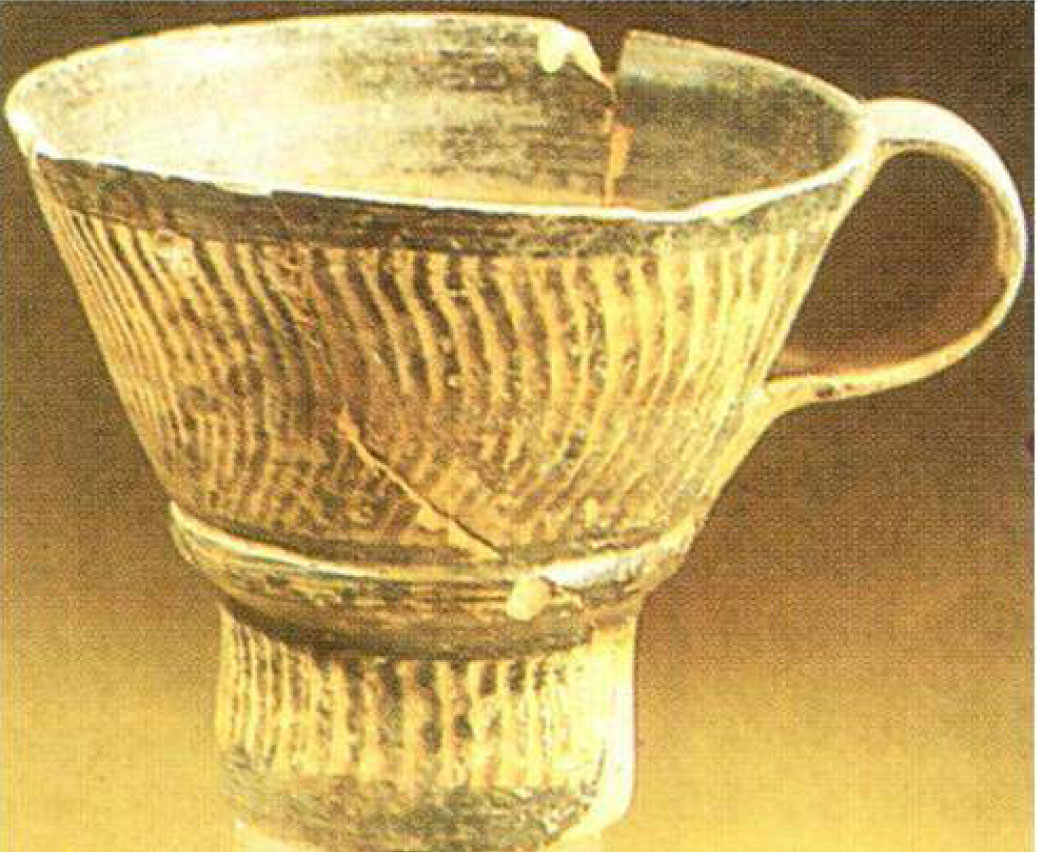
Albania and the Aegean during the Bronze Age
Dr Akis Tsonos will give a lecture on the nature of the relations between Albania and the Aegean and on the unknown sides of the Albanian Bronze Age.