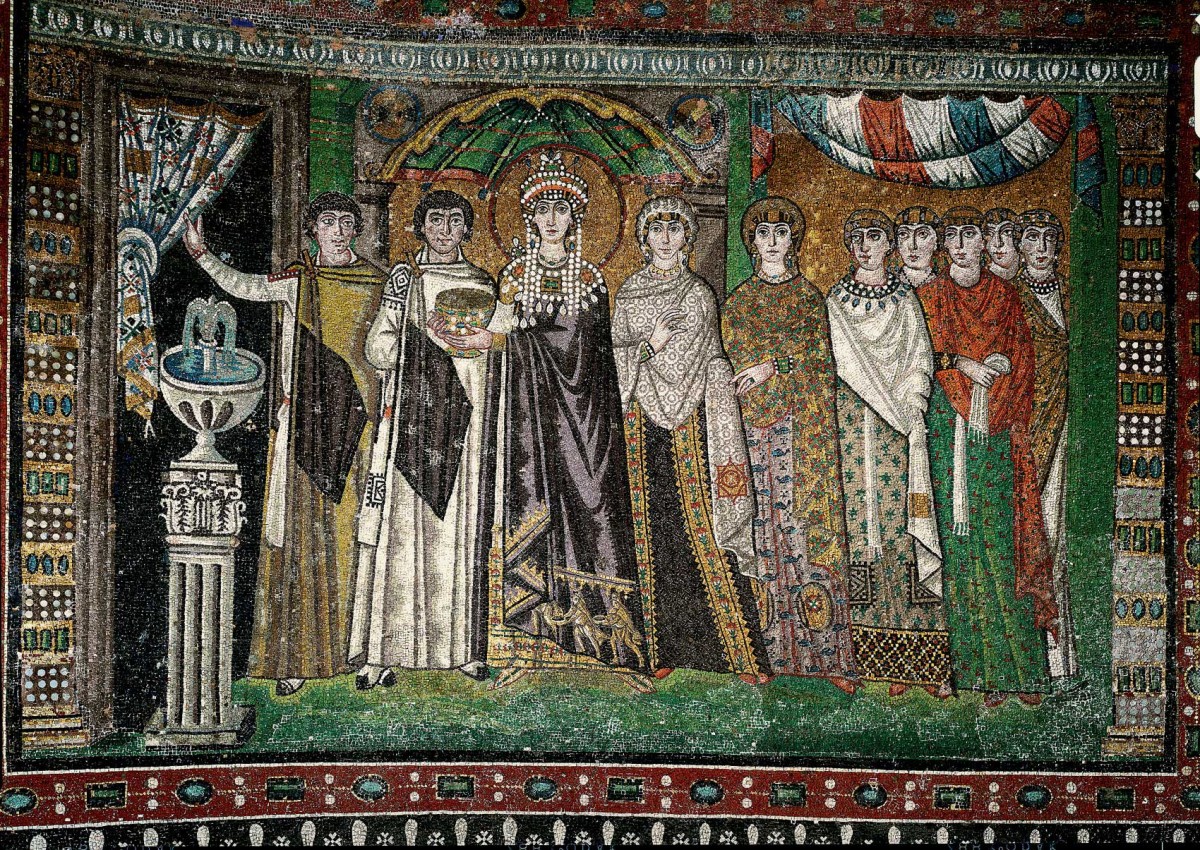
Cross-Cultural Exchange in the Byzantine World, c. 300-c.1500
"Cross-Cultural Exchange in the Byzantine World, c. 300-c.1500" is the subject of The Oxford University Byzantine Society’s XVII International Graduate Conference which will take place on 27th February – 28th February 2015, at the University of Oxford.
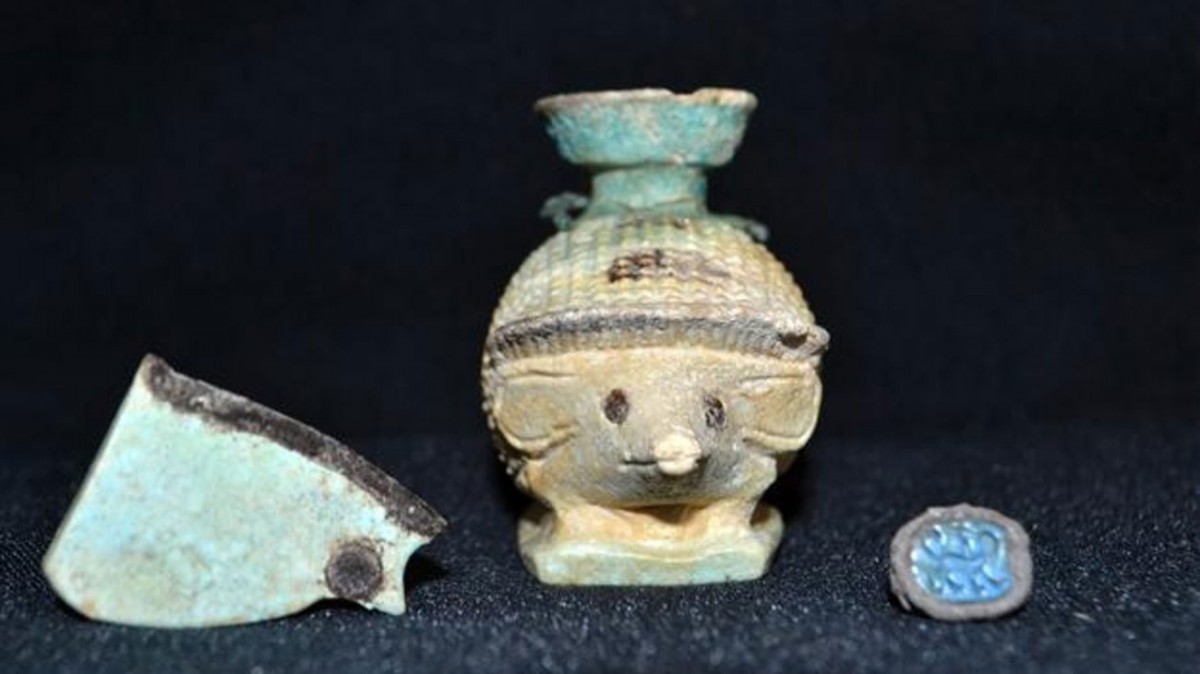
Mycenaean era artefacts unearthed in south-western Turkey
Mycenaean artefacts unearthed in south-western Turkey will enrich the collection of the Bodrum Underwater Archaeology Museum.
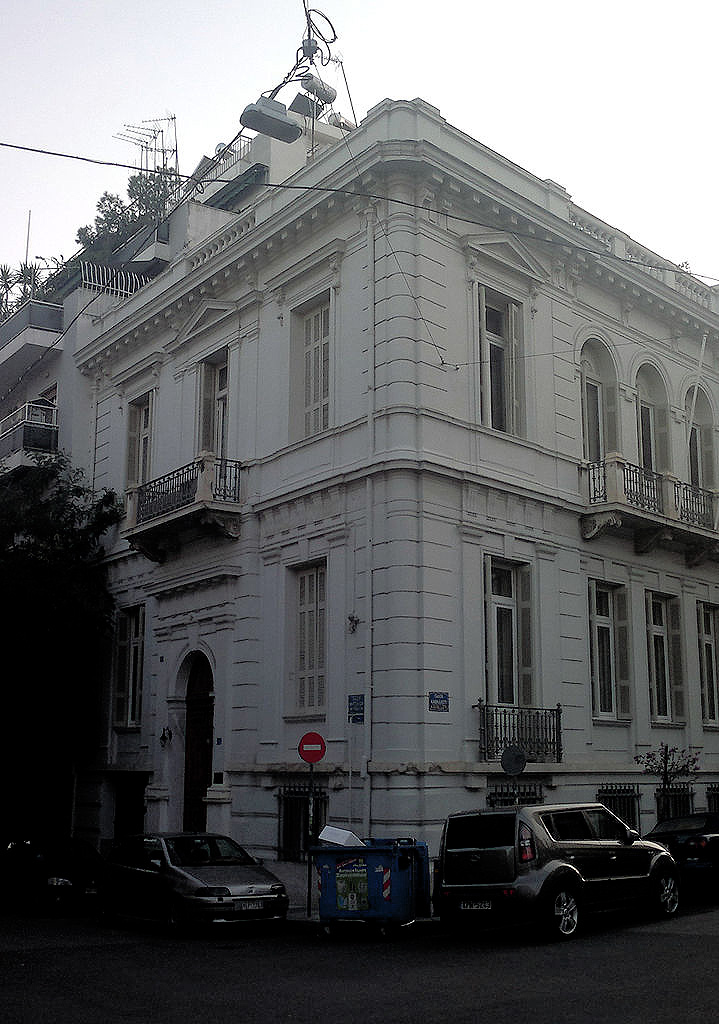
Good news from the Swedish Institutes of Athens, Rome and Istanbul
Yesterday the Swedish government officially announced that they will not cut the funding of the Swedish Institutes.
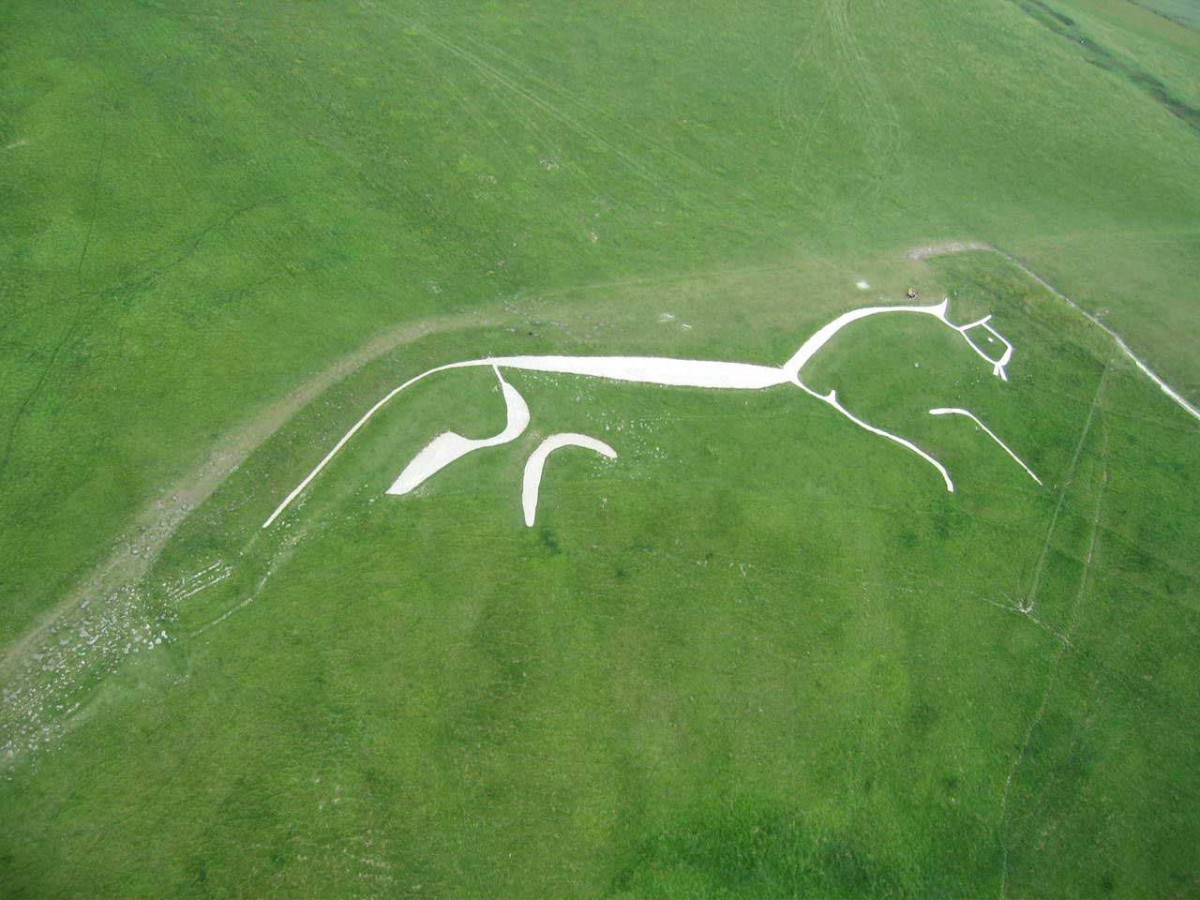
Climate change was not to blame for the collapse of the Bronze Age
Scientists will have to find alternative explanations for a huge population collapse in Europe at the end of the Bronze Age as researchers prove definitively that climate change - commonly assumed to be responsible - could not have been the culprit.
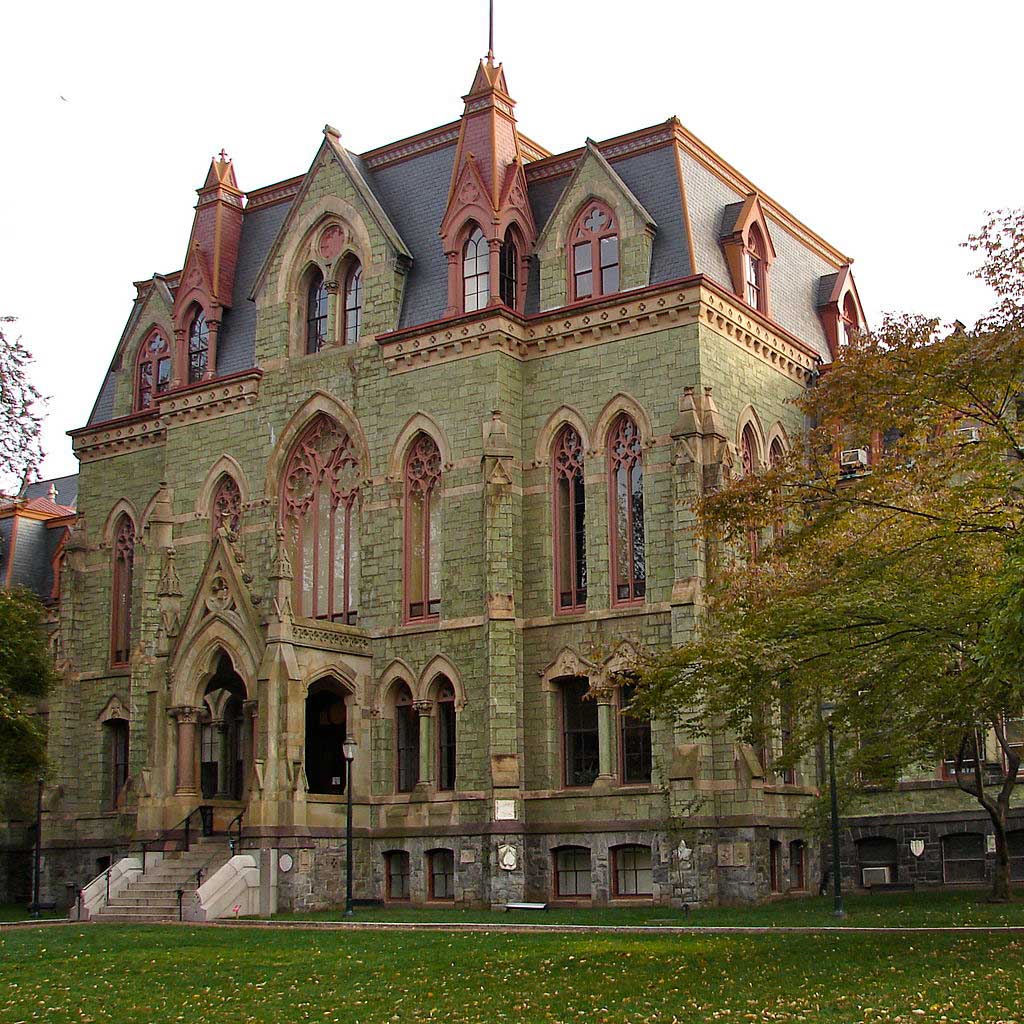
CHI Visiting Fellows Program at Penn State
The Center for Humanities and Information (CHI) at The Pennsylvania State University seeks up to three visiting fellows for the 2015-16 and 2016-17 academic years.
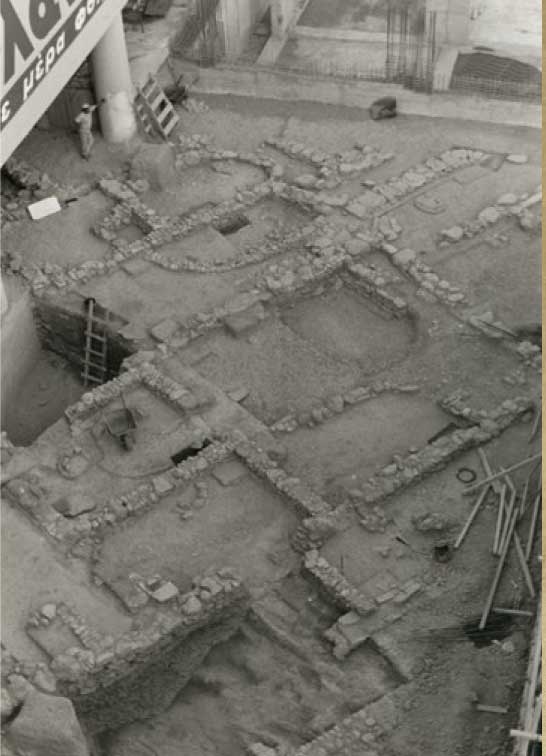
Kontopigado
In the framework of the Mycenaean Seminar series, Konstandina Kaza-Papageorgiou (Honorary Director of Archaeological Sites) will present excavation results at the site of Kontopigado.
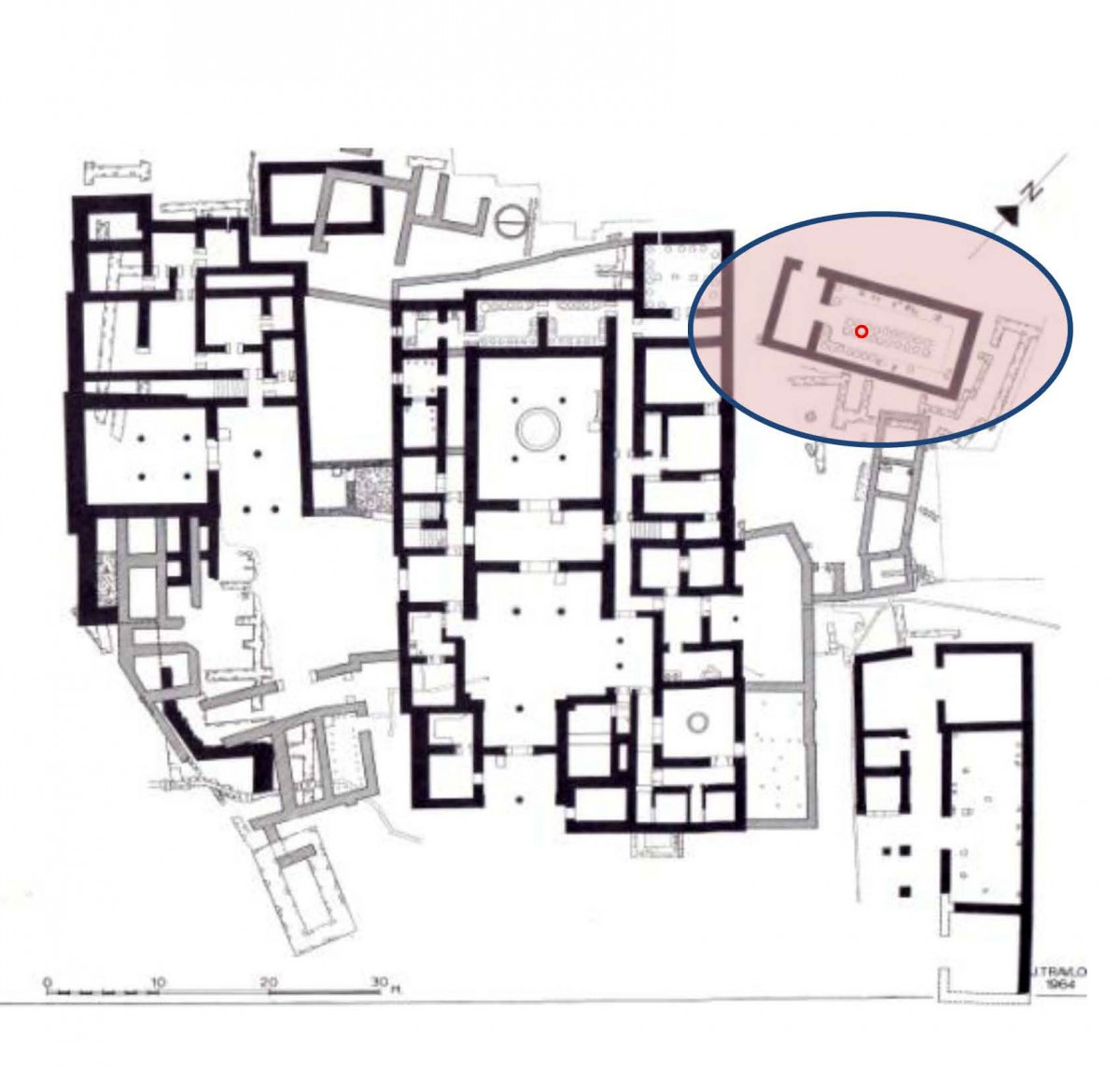
The wine magazine (Nestor’s cellar)
The palace of the Mycenaean king of Pylos is famous world-wide. The remains of the building correspond to one of the most significant chapters of Greek archaeology.
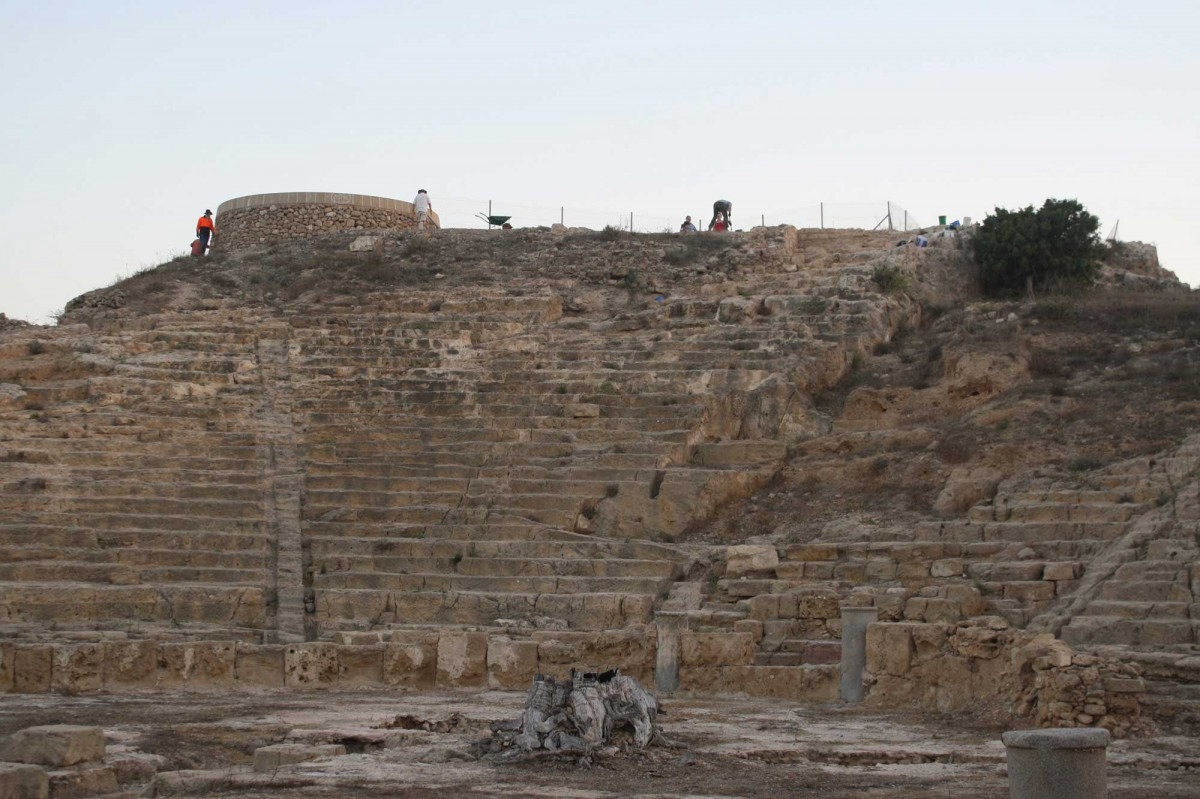
2014 Archaeological Excavations at Nea Paphos: Results
Archaeological investigations focused on the cavea of the Hellenistic-Roman theatre and on the Roman road.
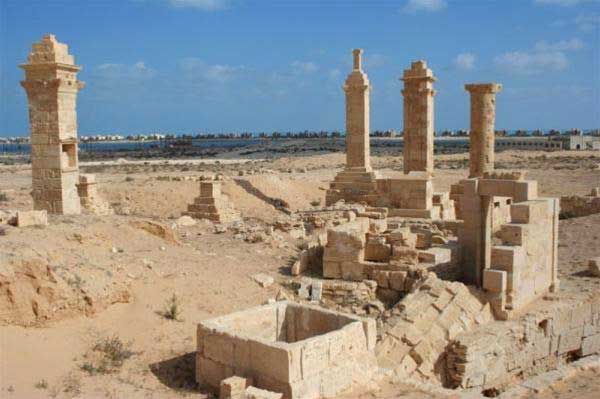
Greco-Roman Cities at the Crossroads of Cultures
The International Interdisciplinary Conference "Greco-Roman Cities at the Crossroads of Cultures – the 20th Anniversary of Polish-Egyptian Conservation Mission Marina El-Alamein" will take place in Wrocław, on 17-18 September 2015.
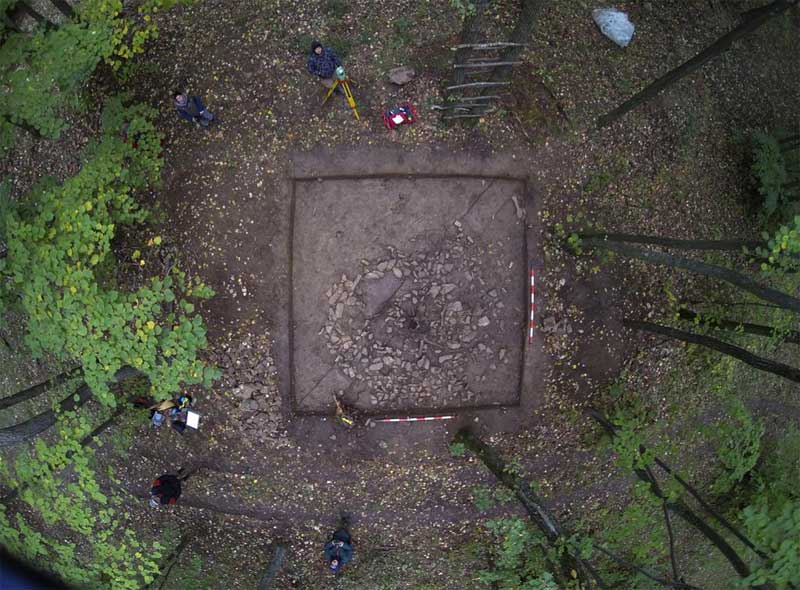
Archaeologists study Thracian burial ground in Romania
Archaeologists in Romania have completed the sixth excavational season at the vast necropolis in Teliţa-Celic Dere. The necropolis dates back to the 1st millennium BC and consists of nearly 100 mounds.
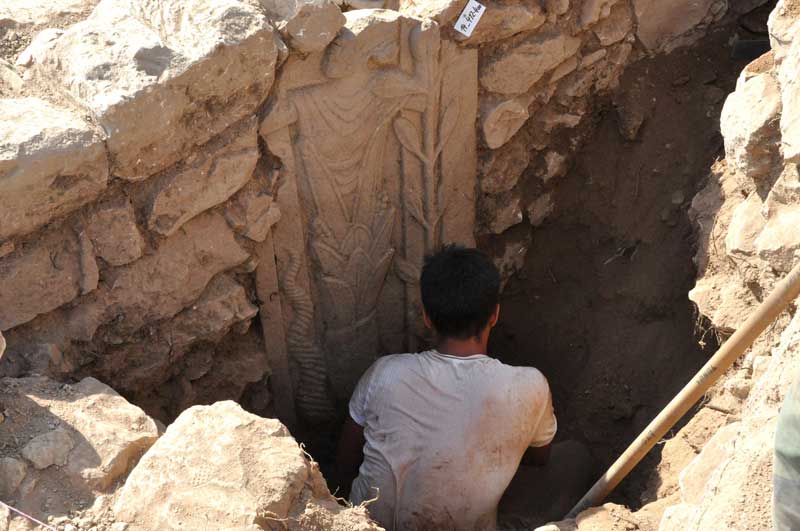
Unique Roman relief discovered in Turkey
Classical scholars of the Cluster of Excellence find depiction of unknown god in Turkey – relics from 2,000 years of cult history excavated.
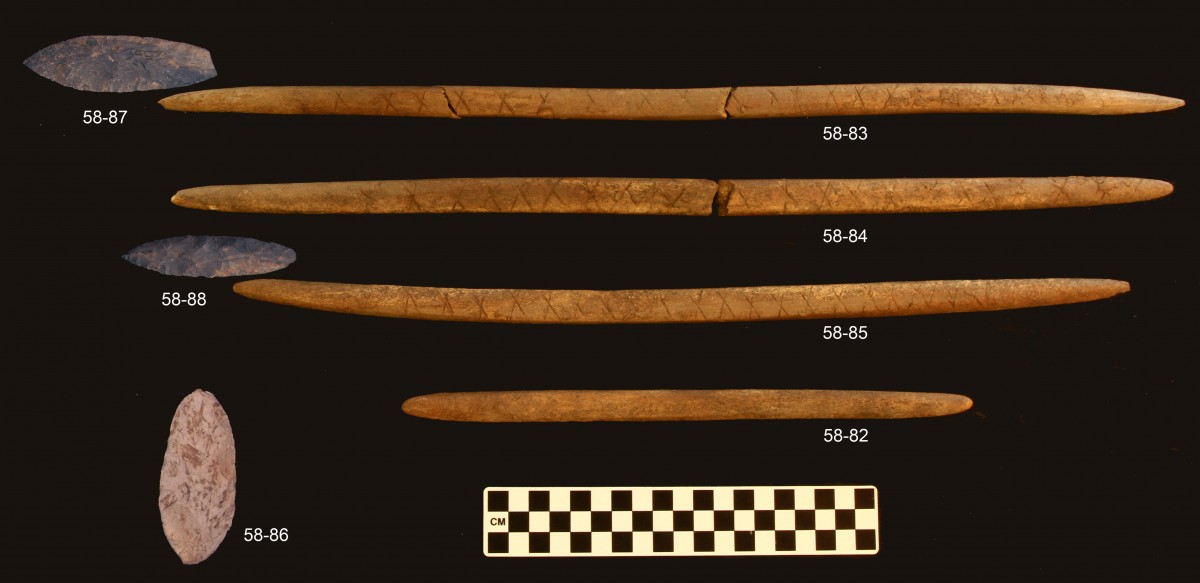
Remains of Ice Age infants discovered in Alaska
A tenderly decorated grave, with the remains of two infants dating back 11,500 years was discovered in Alaska. The content of the grave also included artefacts and burial goods as well as hunting tools, providing new insights into the life, rituals, and burial practices of Ice Age humans.
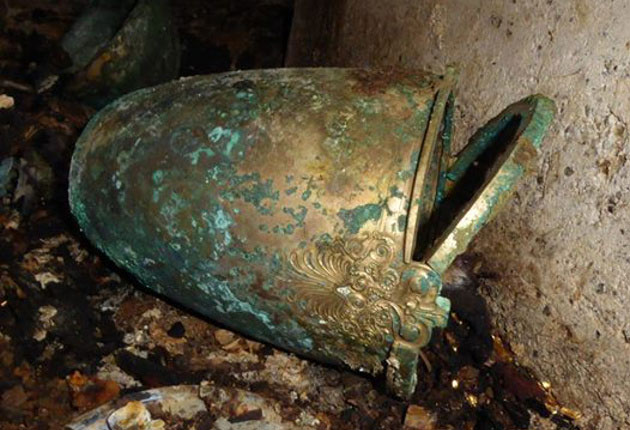
Another Macedonian tomb has been located at Aigai
Another tomb was unearthed this week in the cemetery of the tumuli at Aigai, northern Greece. According to head of the excavations, Angeliki Kottaridi, the tomb is unlooted.
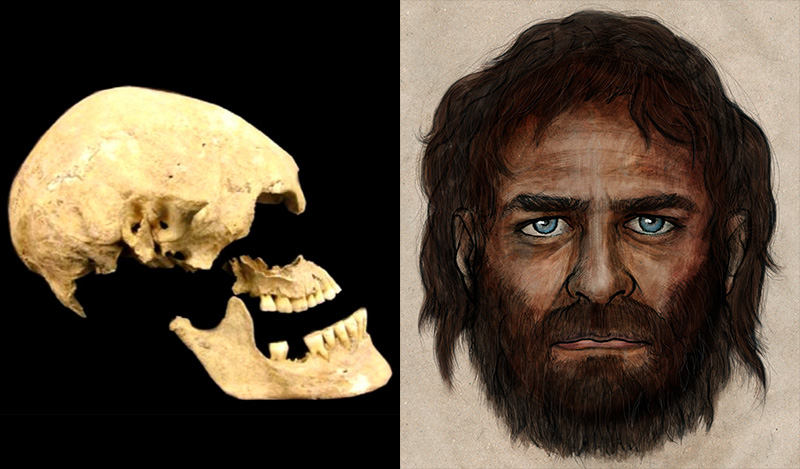
Supercomputing beyond genealogy reveals surprising European ancestors
Scientists took the genomes from ancient humans and compared them to those from 2,345 modern-day Europeans. The results were surprising...
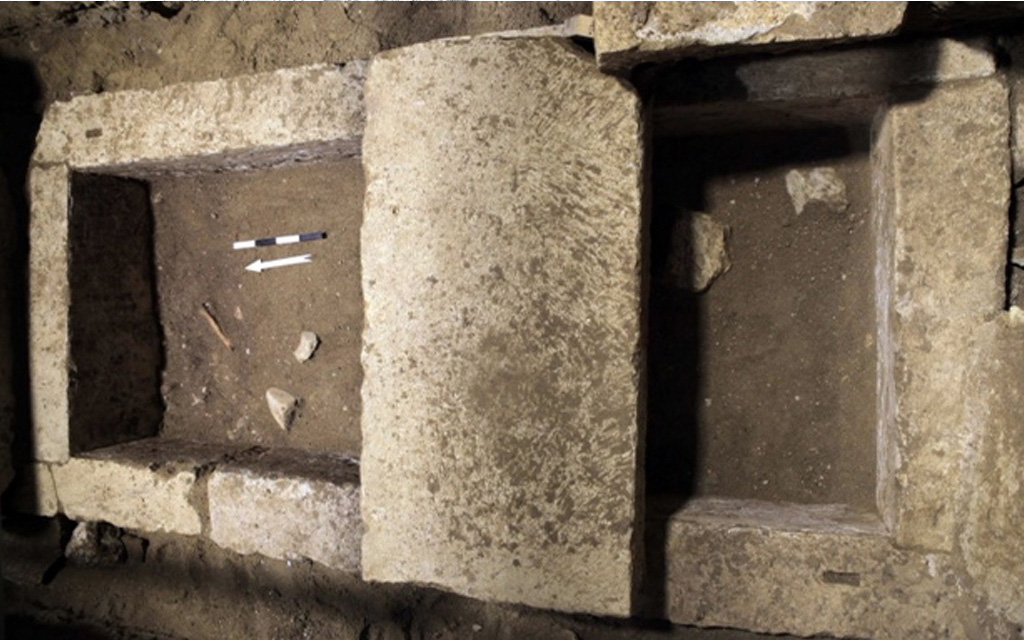
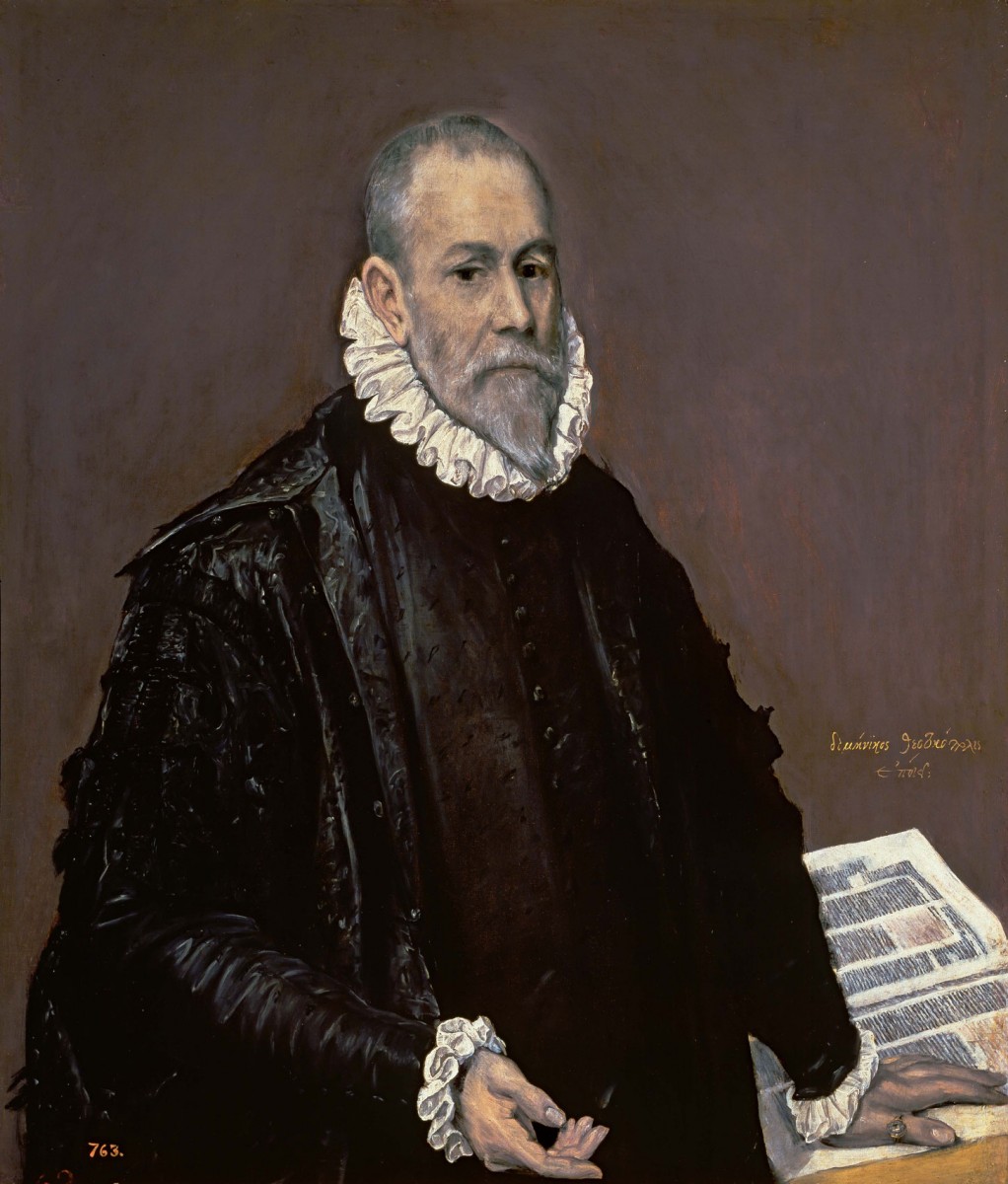
The Benaki Museum celebrates the life and work of Domenikos Theotokopoulos
On the occasion of the quatercentenary of Domenikos Theotokopoulos’ death, the Benaki Museum organizes two exhibitions and an international conference.
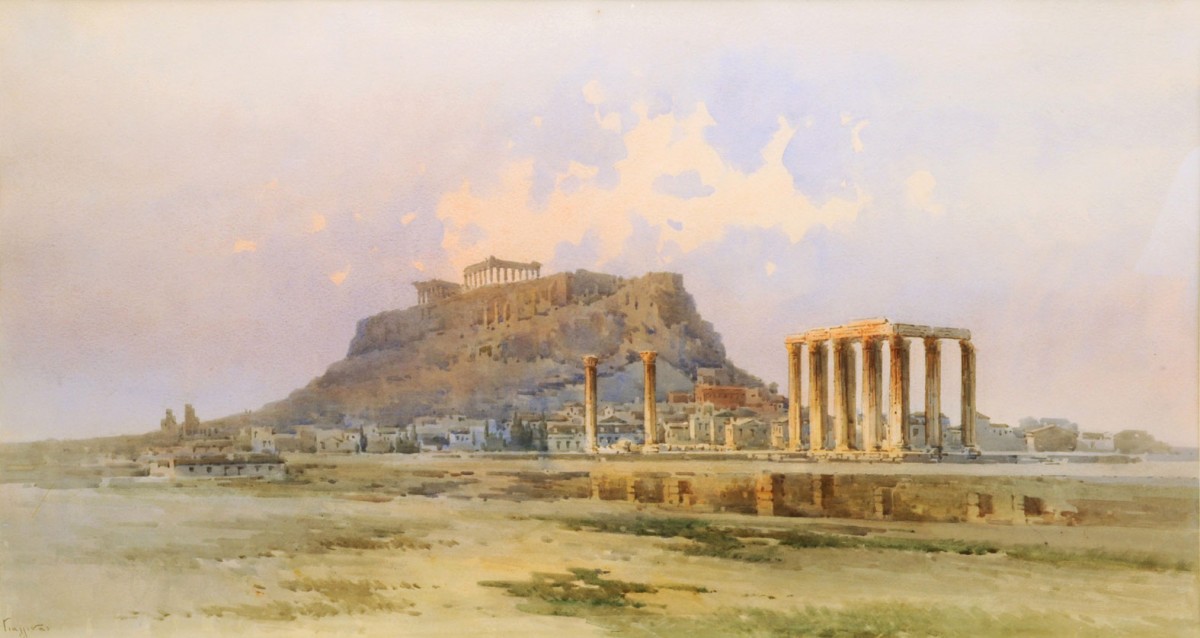
Athens, 180 years the capital of Greece
The exhibition includes more than a hundred paintings, engravings, and sculptures from the collections of the Municipal Gallery, inviting the public in a dialogue between present and past.
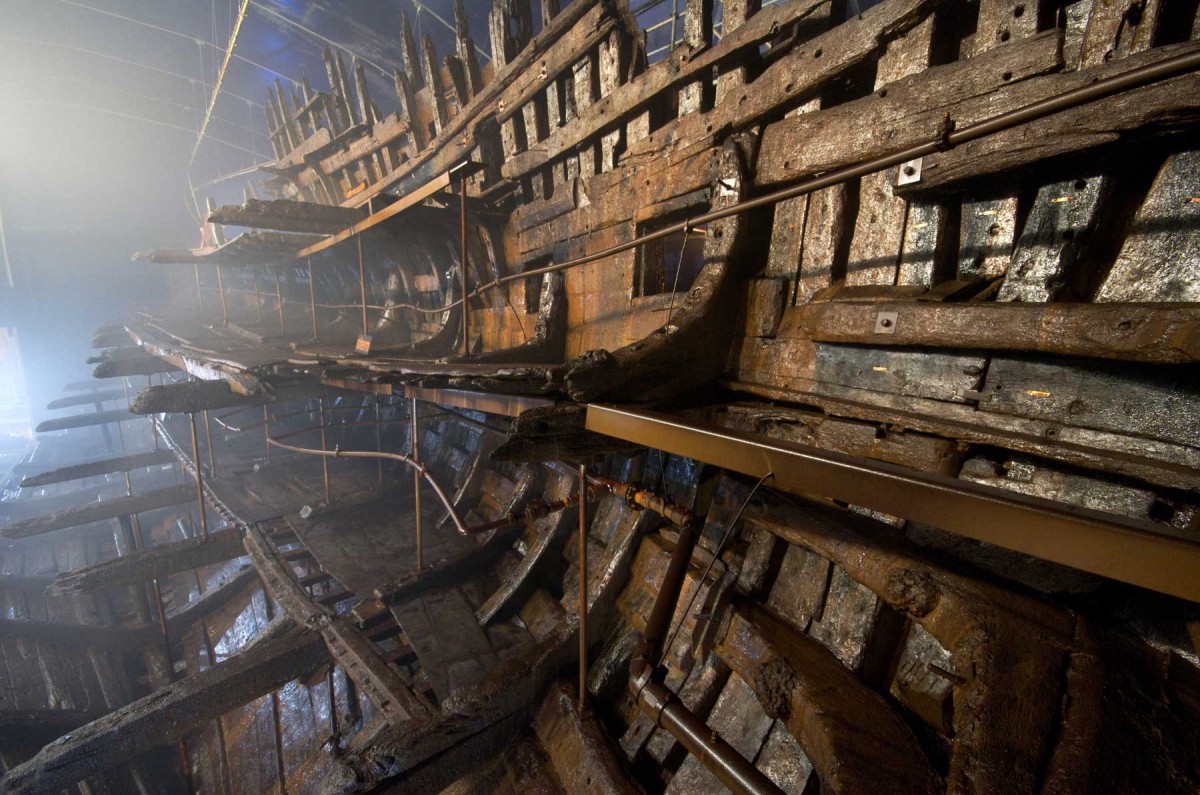
New single-step method for conserving waterlogged wooden artefacts
A team of researchers, led by the University of Cambridge in collaboration with the Mary Rose Trust, have designed a new, more effective, method for preserving waterlogged historical wooden artefacts.
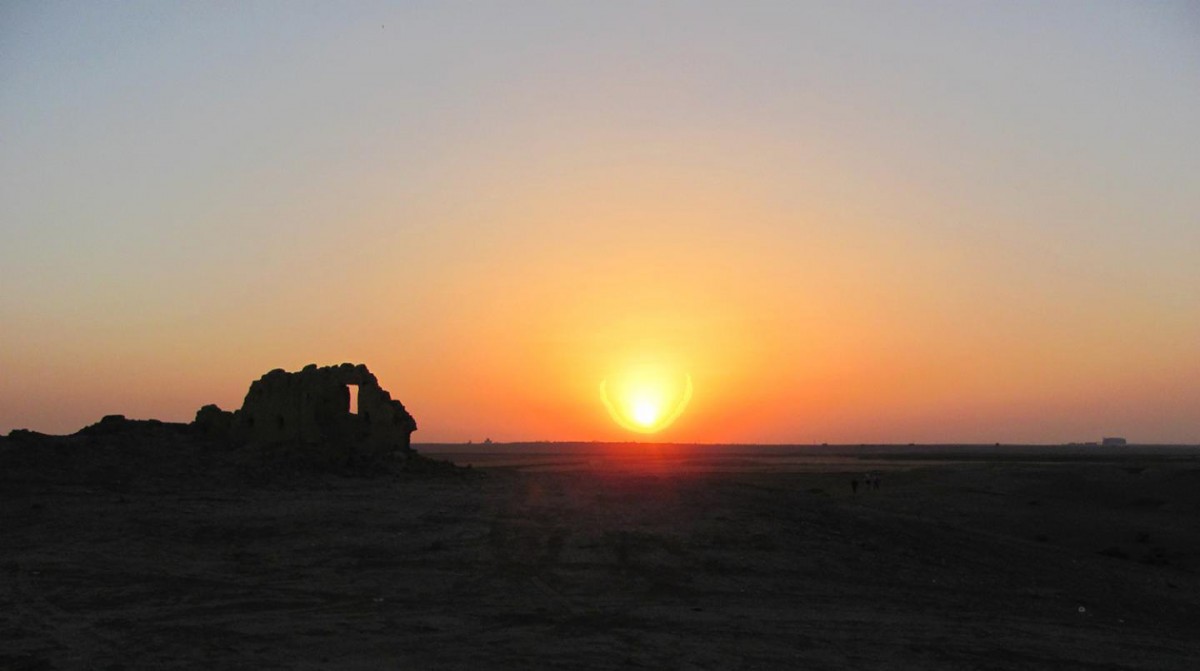
Assyrian Empire collapsed because of overpopulation and drought
Drought and overpopulation helped destroy Assyrian Empire, study says. Researchers see parallels with modern Syria and Iraq, and caution other regions also facing weather stresses.
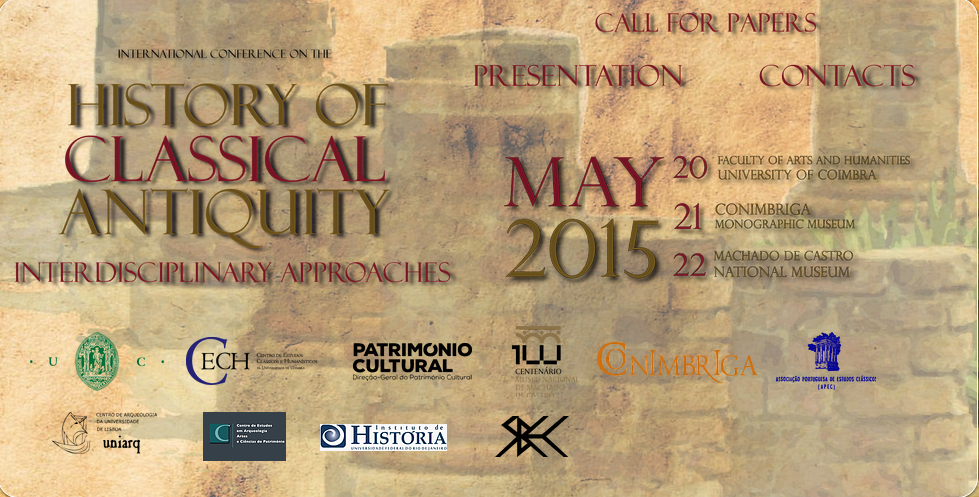
History of Classical Antiquity
The international conference on the History of Classical Antiquity. Interdisciplinary Approaches will be held in Portugal, University of Coimbra, on 20-21 May 2015.
Cambridge University Press to publish Antichthon from 2015
Cambridge University Press announced that it will publish Antichthon, the journal of the Australasian Society for Classical Studies (ASCS), from 2015.
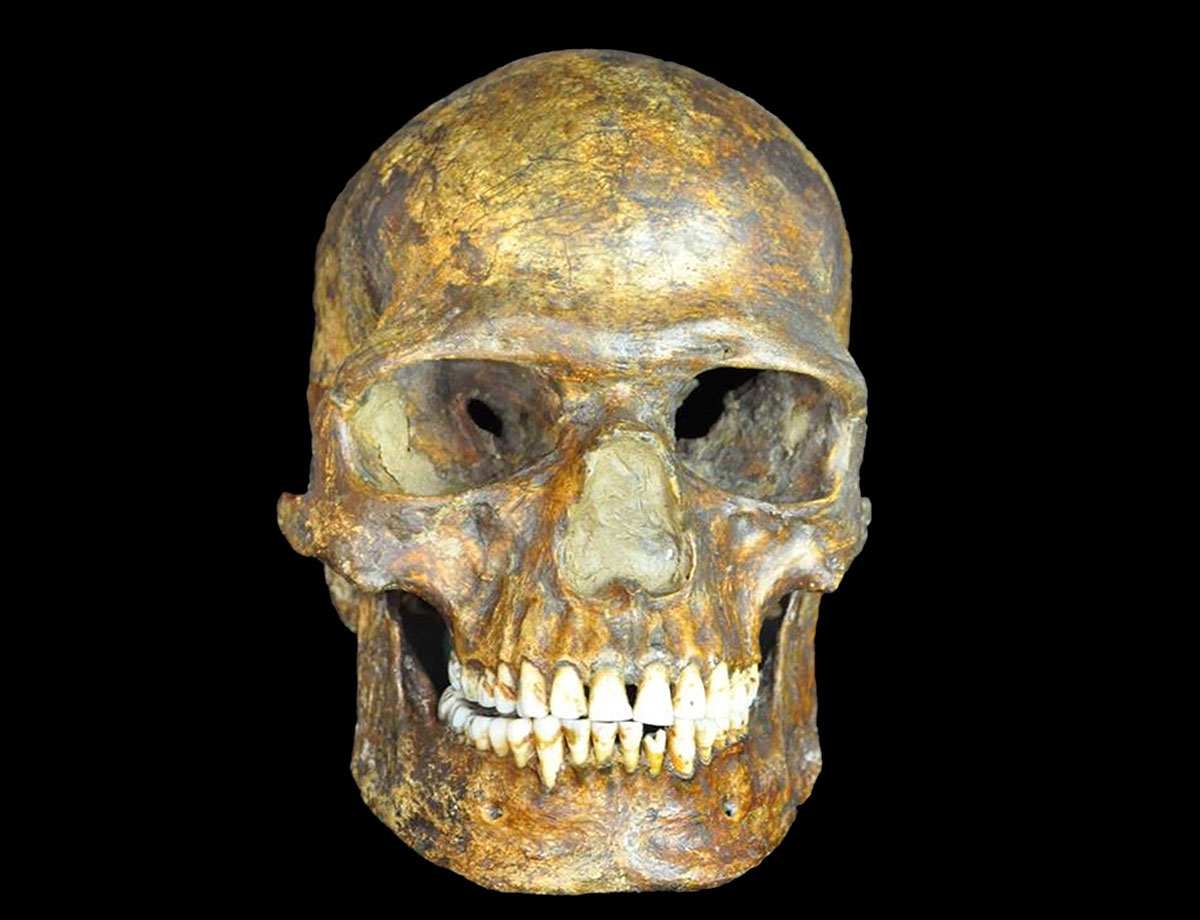
The DNA of modern Europeans may date back 37,000 years
Scientific belief that today's Europeans come from three different sources is challenged, as the mapping of the DNA of a skeleton found in Russia suggests otherwise.
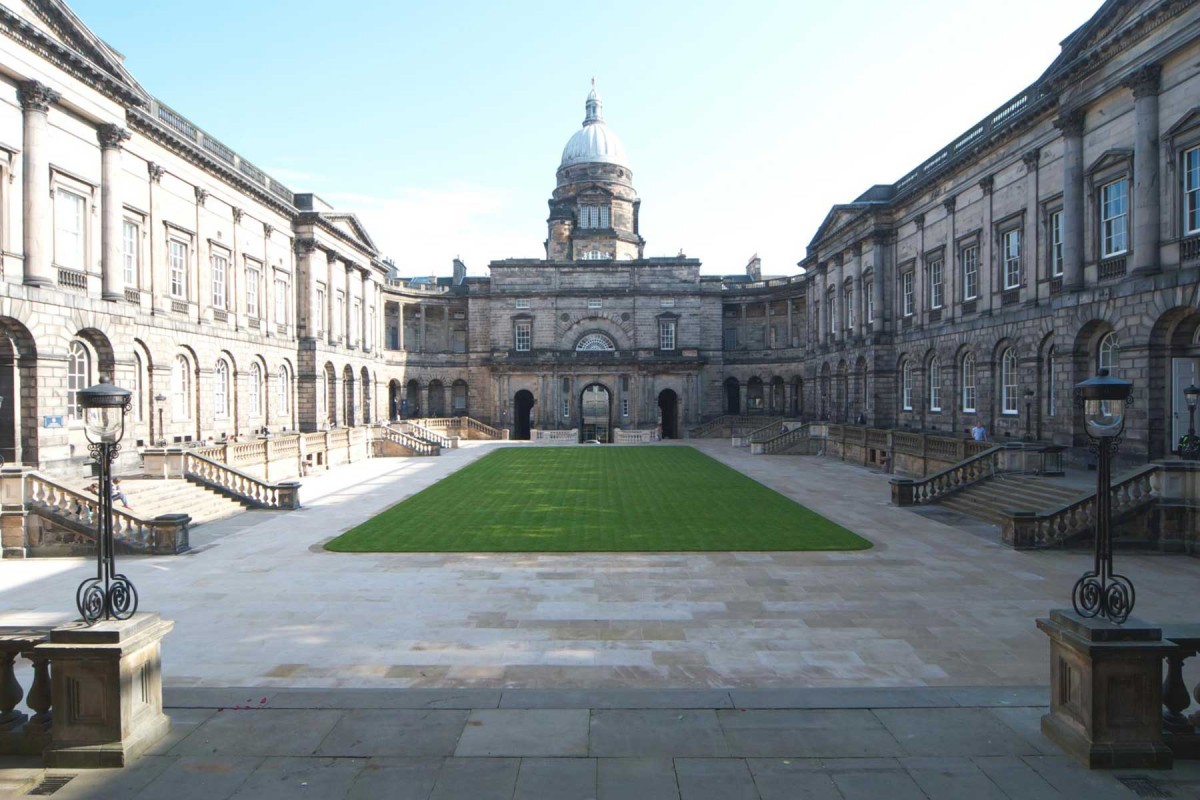
Late antique hagiography as literature
This colloquium is designed to bring together students and scholars working on a range of aspects of literary hagiography, to share insights, and to consider approaches for the future.
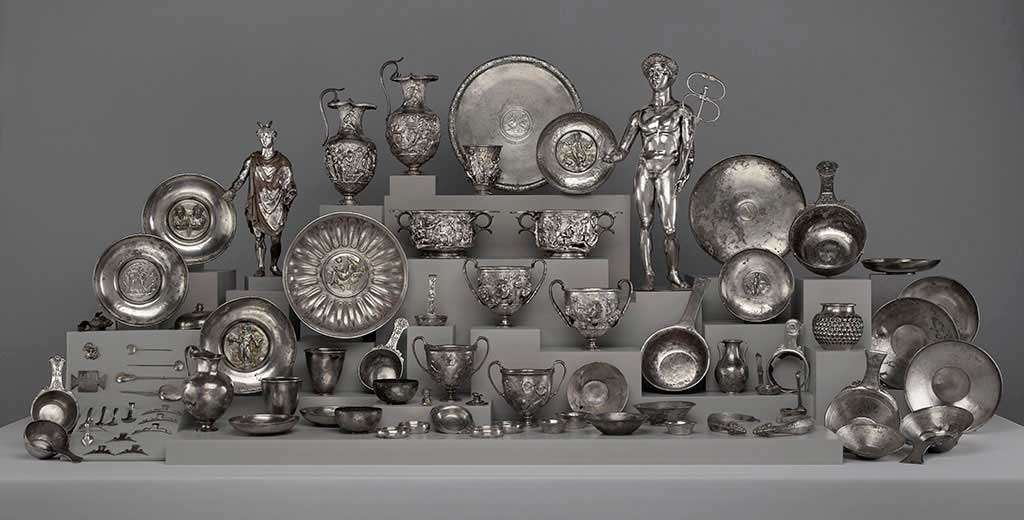
Ancient Luxury and the Roman Silver Treasure from Berthouville
The opulent cache is presented in its entirety for the first time outside Paris.