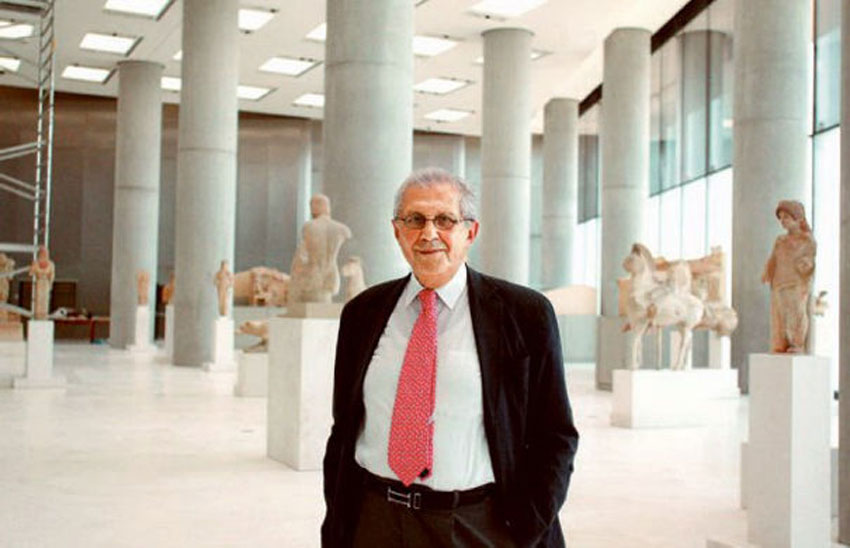
The Acropolis Museum celebrated nine years of operation
The number of English speakers is almost equal to that of the Greek, i.e. about 300,000.
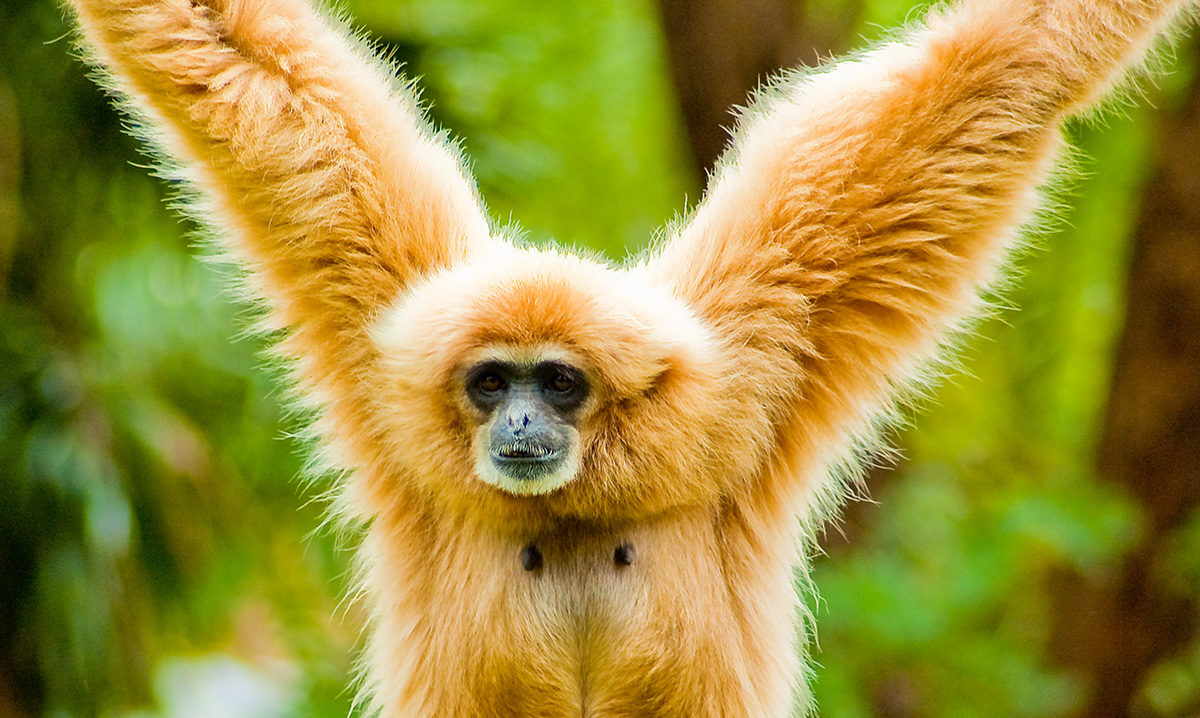
The lady’s ape
A new genus and species of gibbon has been identified in the most unexpected of places – interred in the tomb of an ancient Chinese noble-woman.
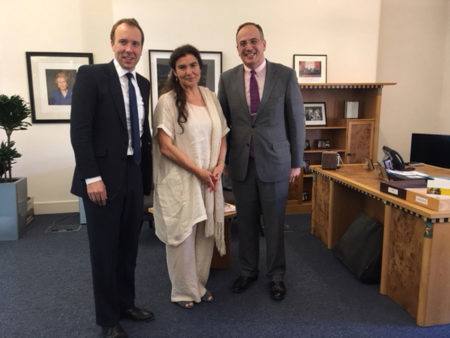
Meeting of the Minister of Culture with her counterpart in London
During the discussion, a multi-level cooperation was agreed on in the area of the arts and in the field of culture professionals.
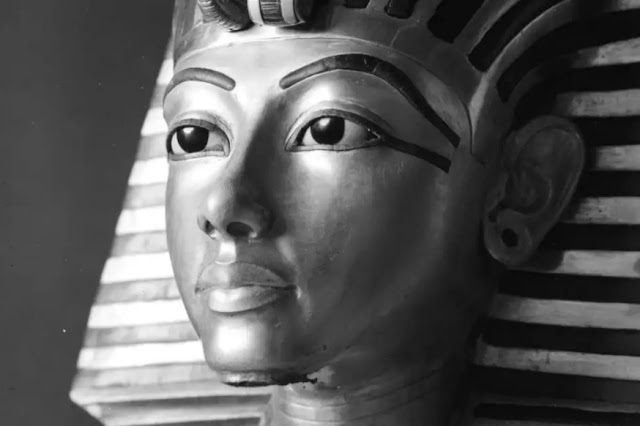
‘Photographing Tutankhamun’ exhibition reveals historical context behind pioneering images
Iconic photography taken during the decade-long excavation of King Tutankhamun’s tomb has gone on display at Cambridge University’s Museum of Archaeology and Anthropology (MAA).
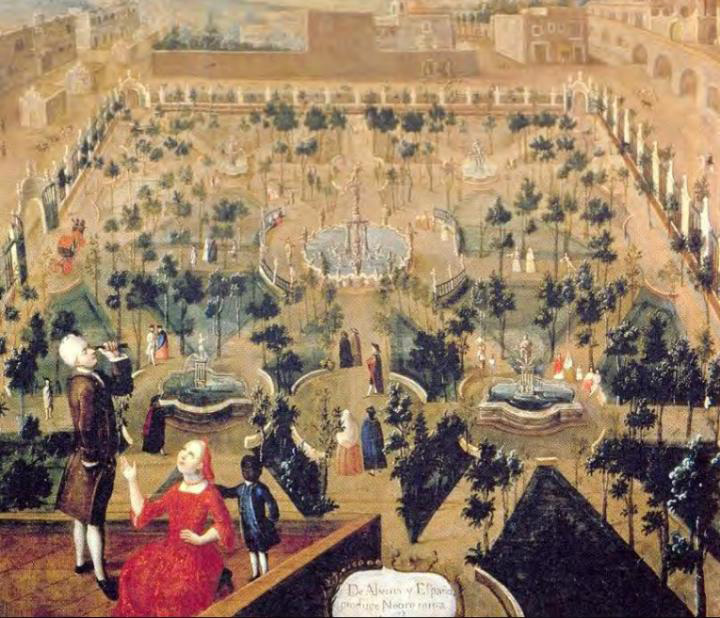
First ancient syphilis genomes decoded
Researchers recovered three genomes of the bacterium Treponema pallidum from skeletal remains from colonial-era Mexico.
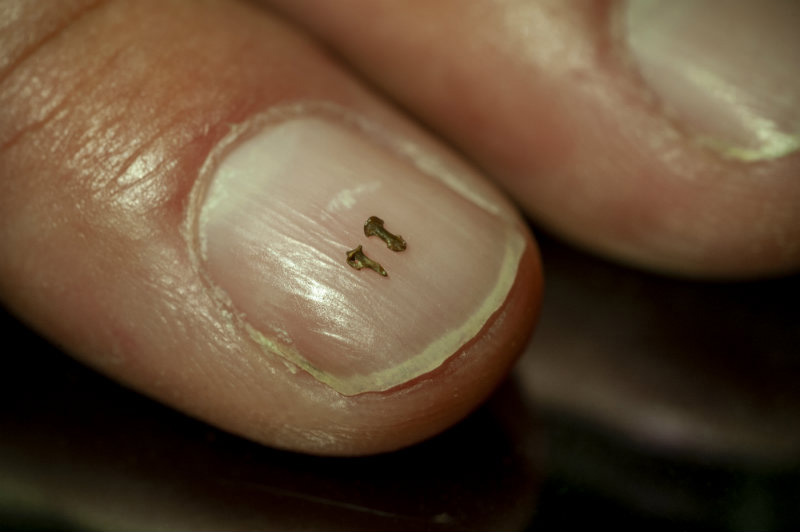
Fossils show ancient primates had grooming claws as well as nails
New fossil evidence shows that ancient primates – including one of the oldest known, Teilhardina brandti – had specialized grooming claws as well as nails.
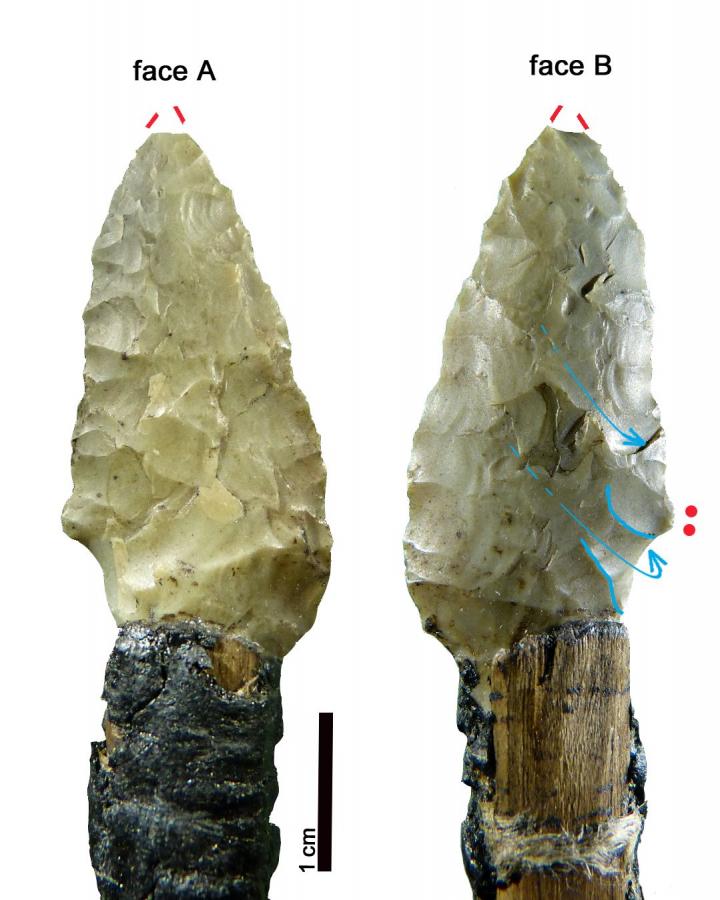
Stone tools from ancient mummy reveal how Copper Age mountain people lived
In this study, the researchers analyzed the Iceman's chert tools to learn more about his life and the events that led to his tragic death.
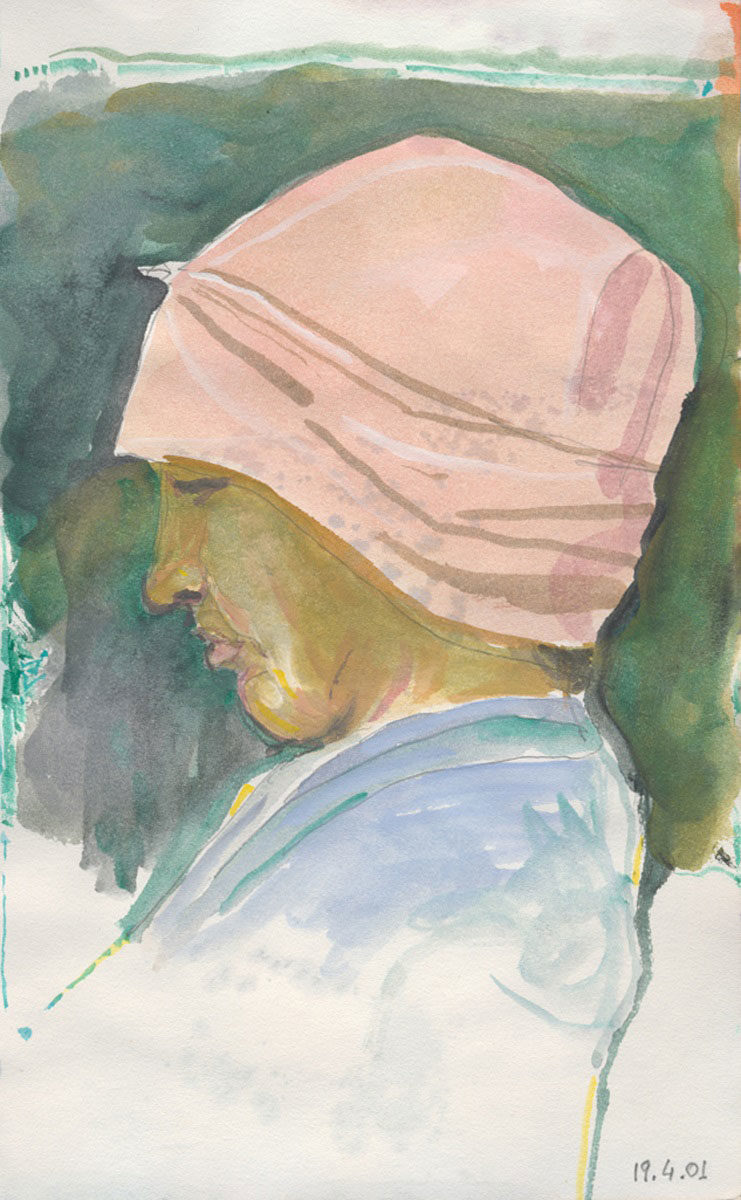
“Painted Memories” by Chronis Botsoglou
The exhibition “Painted Memories” invites visitors to “feel” Botsoglou’s “gaze” through his drawings and notes.
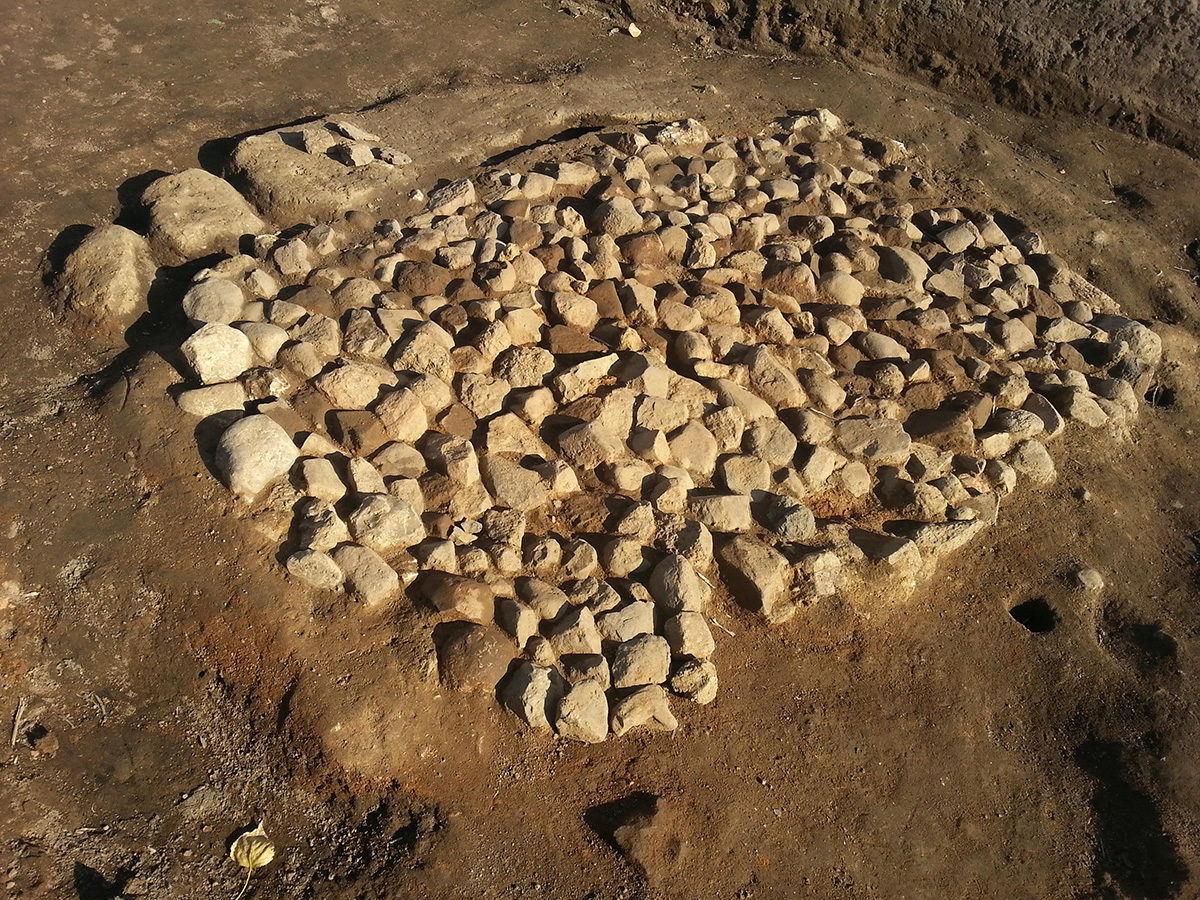
Swedes have been brewing beer since the Iron Age
Carbonised germinated grains found showing that malt was produced for beer brewing as early as the Iron Age in the Nordic region.
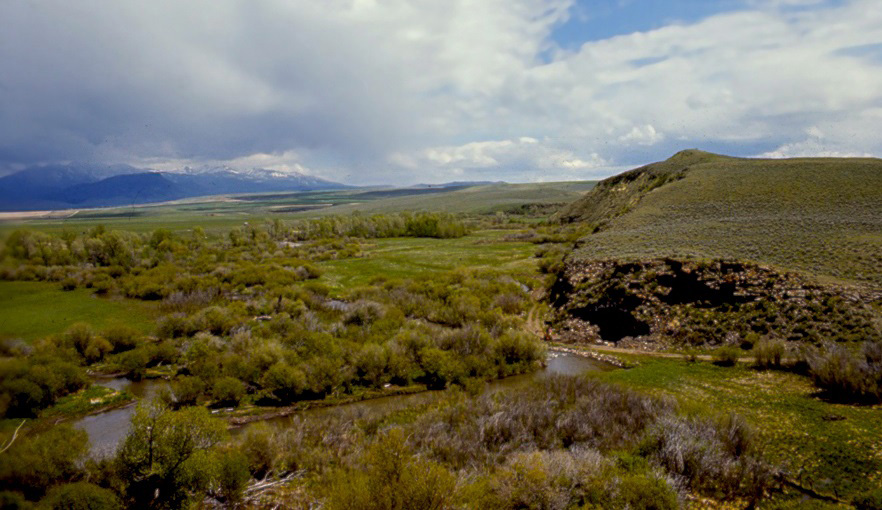
Montana burial site answers questions about early humans
Scientists have shown that at the Anzick site in Montana – the only known Clovis burial site – the skeletal remains of a young child and the antler and stone artifacts found there were buried at the same time.
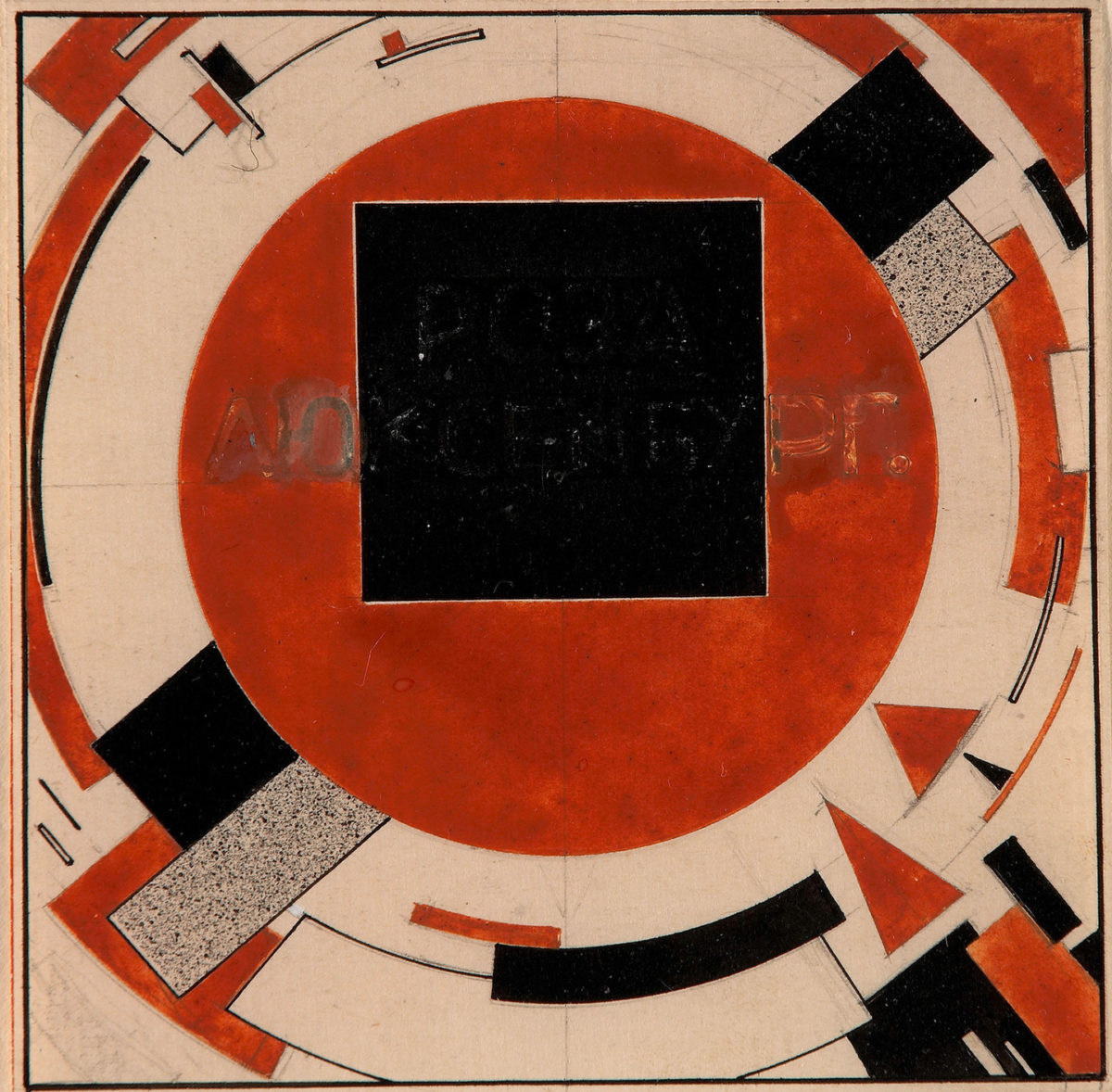
Thessaloniki. Costakis Collection. Restart
The exhibition "Thessaloniki. Costakis Collection. Restart" will be shown June 29 – September 16, 2018 at the State Museum of Contemporary Art Moni Lazariston.
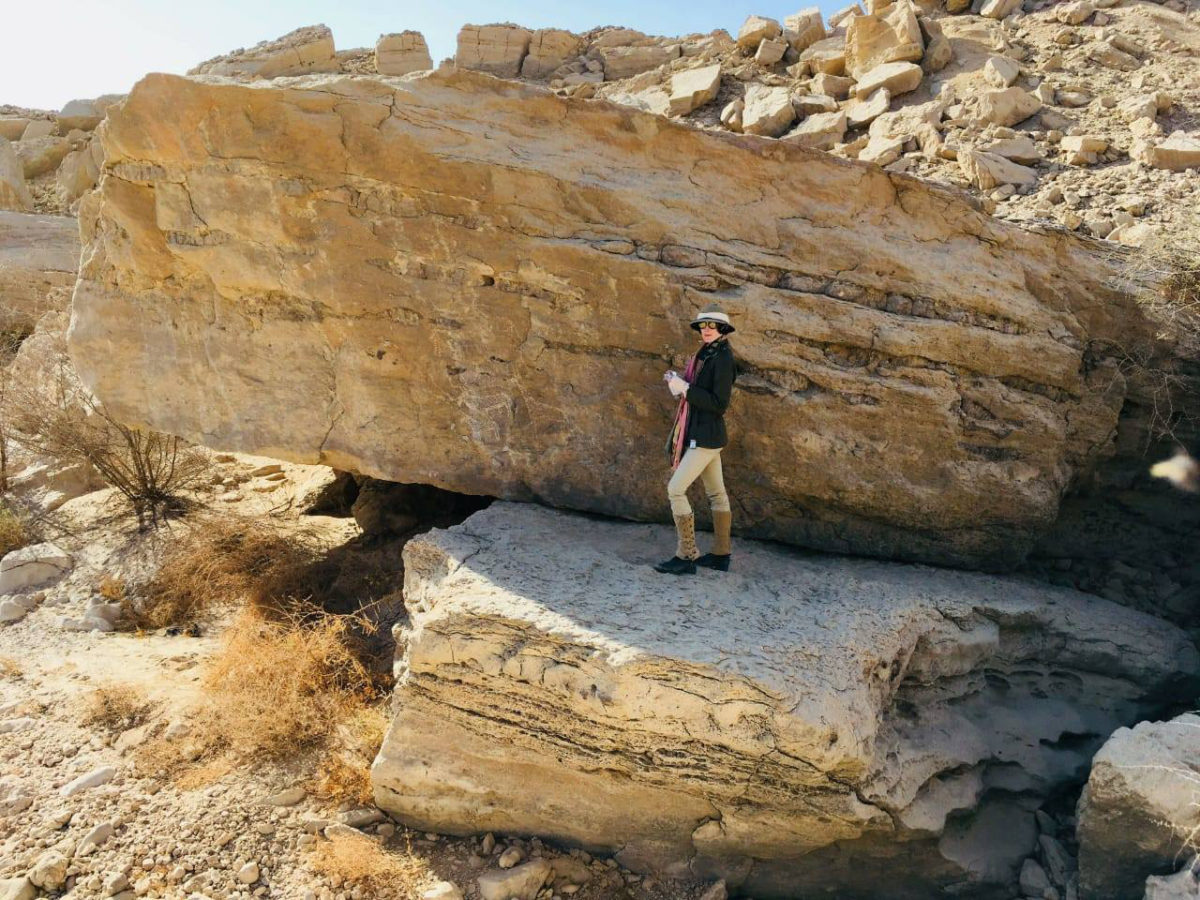
Finds in Wadi Umm Tineidba, Eastern Desert
An Egyptian-American archaeological mission from Yale University found extensive flint- working areas at the Bir Umm Tineidba site, located in Egypt’s Eastern Desert.
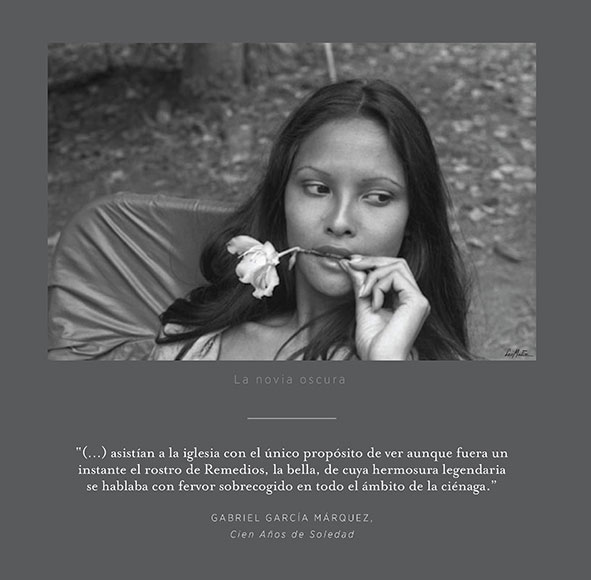
Matiz-Gabo: The chroniclers of Macondo
This exhibition reveals where the photographies of Leo Matiz meet the texts of Gabriel Garcia Marquez.
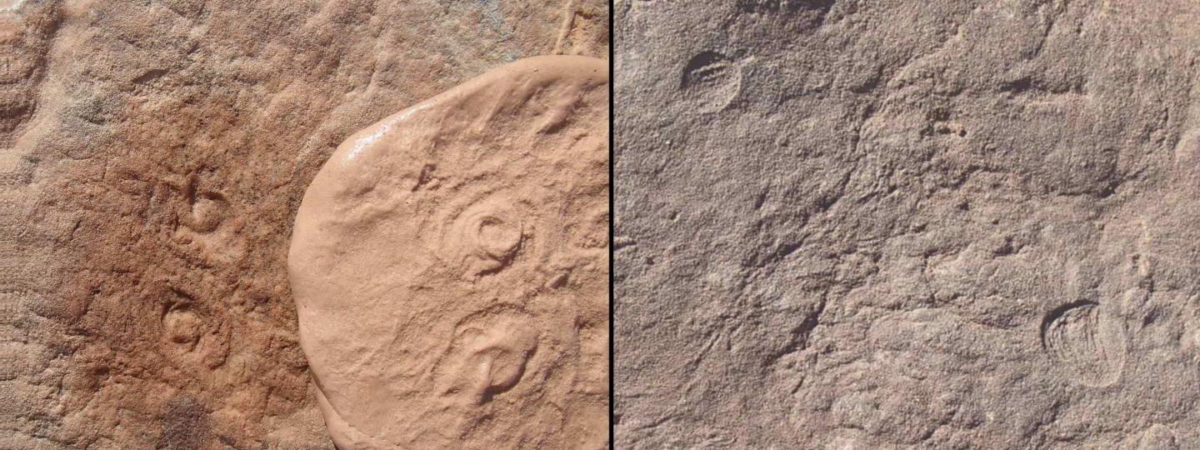
Two new creatures discovered from dawn of animal life
Earth’s first complex animals were an eclectic bunch that lived in the shallow oceans between 580-540 million years ago.
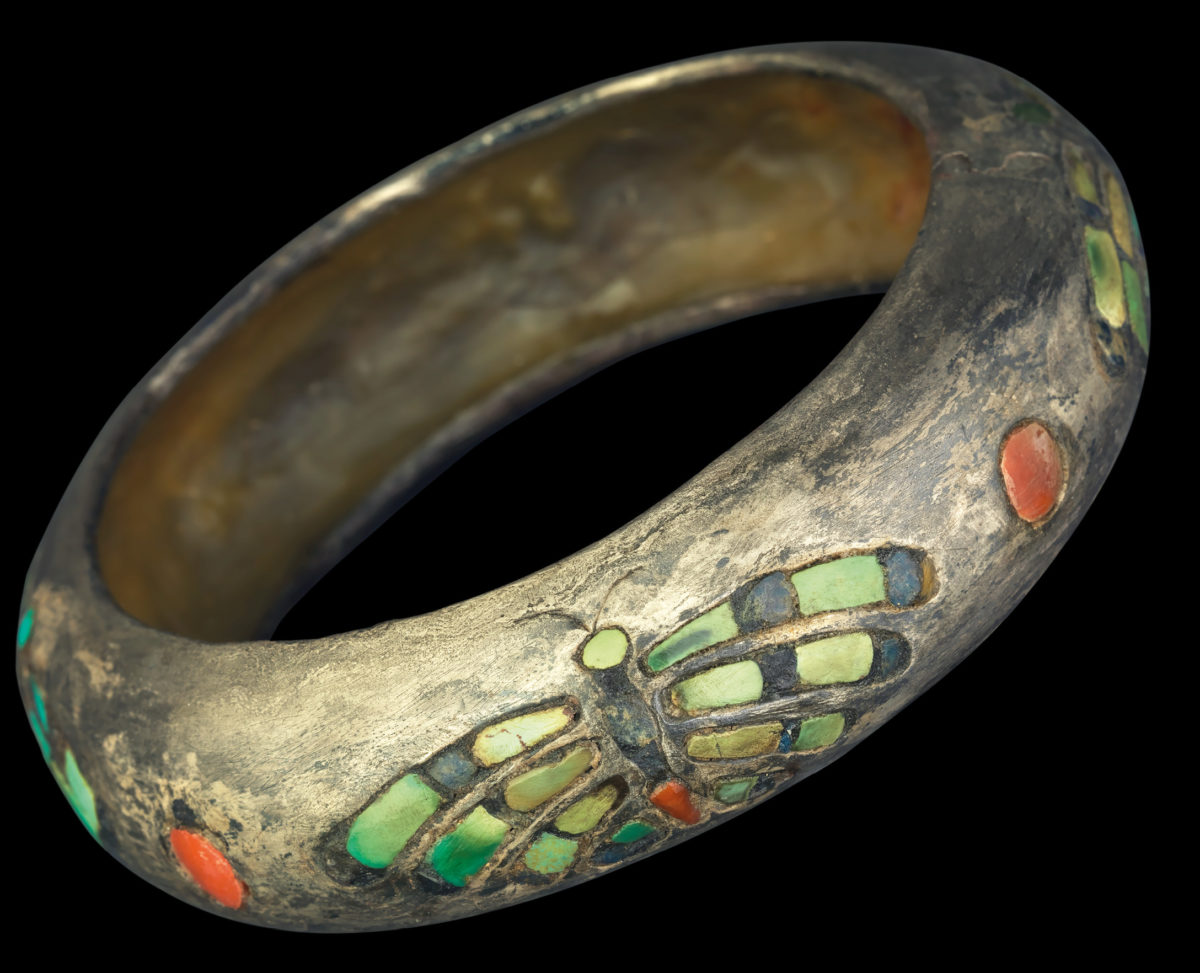
Gold of the Pharaohs
An excellent opportunity for the public to experience the delicacy of the Egyptian artists in different forms through an interactive blue-ochre fancy outfitting which will welcome both adults and young people.
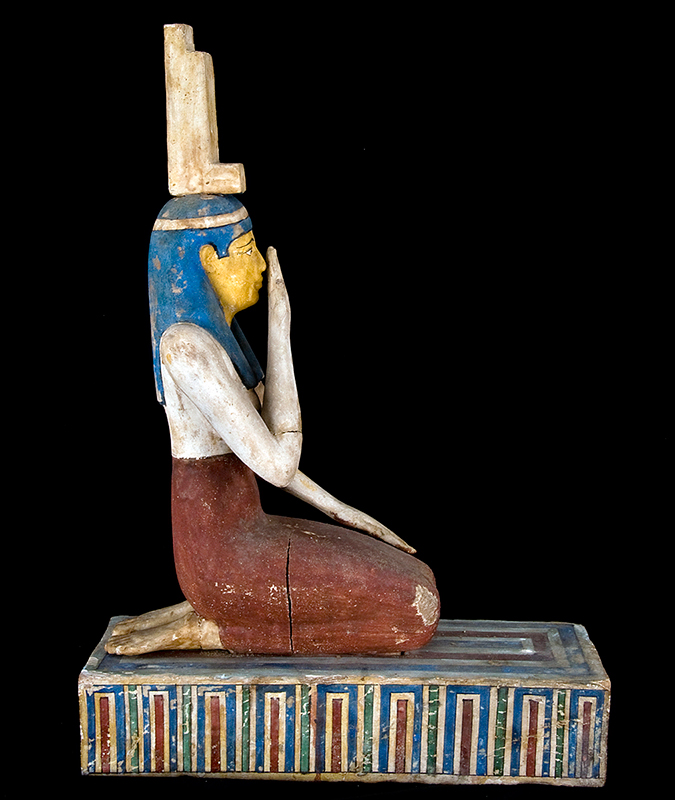
Gods of Egypt come to Leiden in October
With the major exhibition Gods of Egypt, from 12 October 2018, the National Museum of Antiquities will be bringing numerous treasures to the Netherlands.
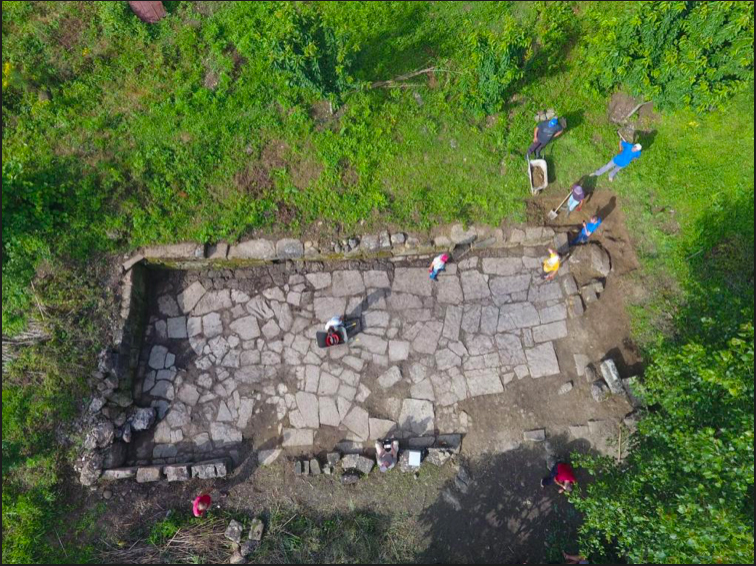
Polish archaeologists discover over 2000 years old lost city in Albania
Polish archaeologists discovered over 2,000 years old lost city of Bassania in Albania.
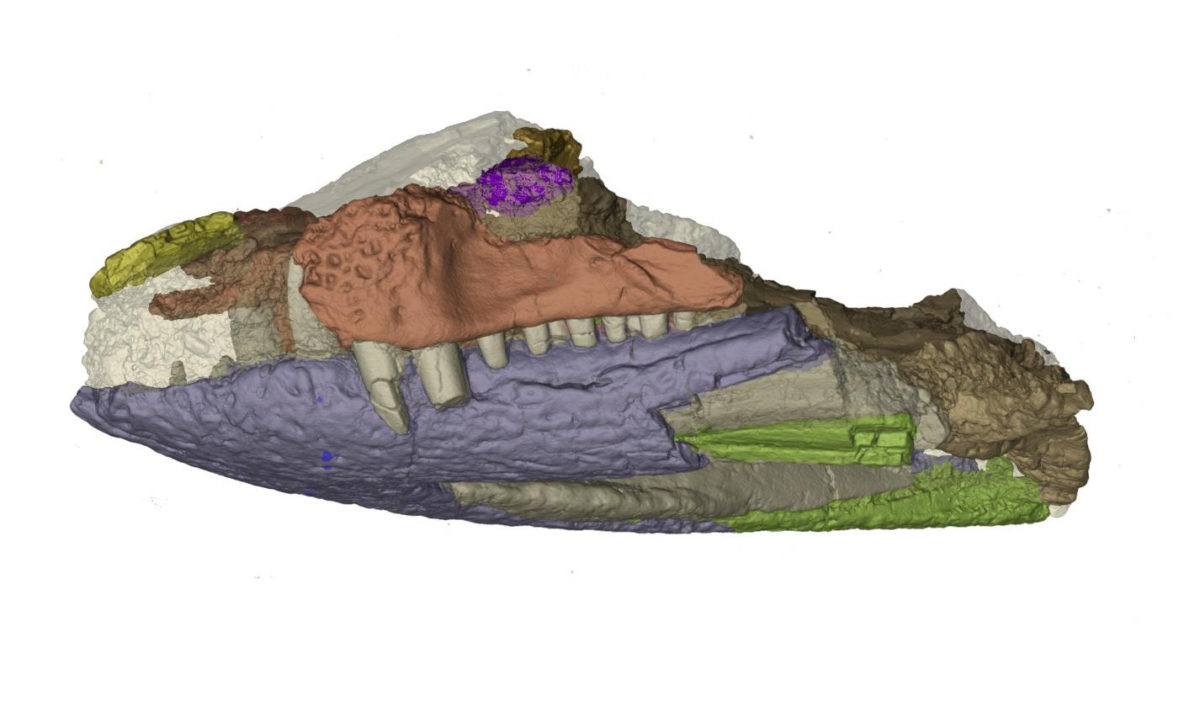
In the gaping mouth of ancient crocodiles
The very earliest crocodilians were very different to the beasts we know well today, they were much smaller bodied, slender and had longer legs.
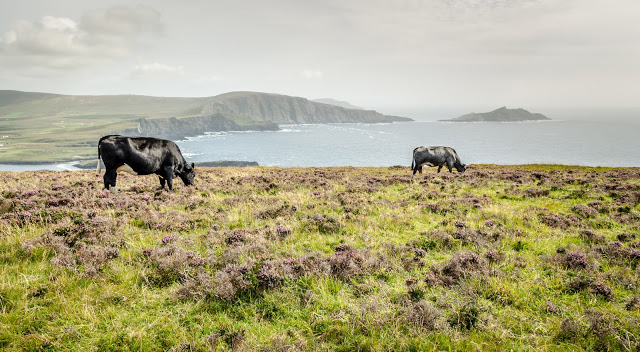
Ancient agricultural activity caused lasting environmental changes in Ireland
Agricultural activity by humans more than 2,000 years ago had a more significant and lasting impact on the environment than previously thought.
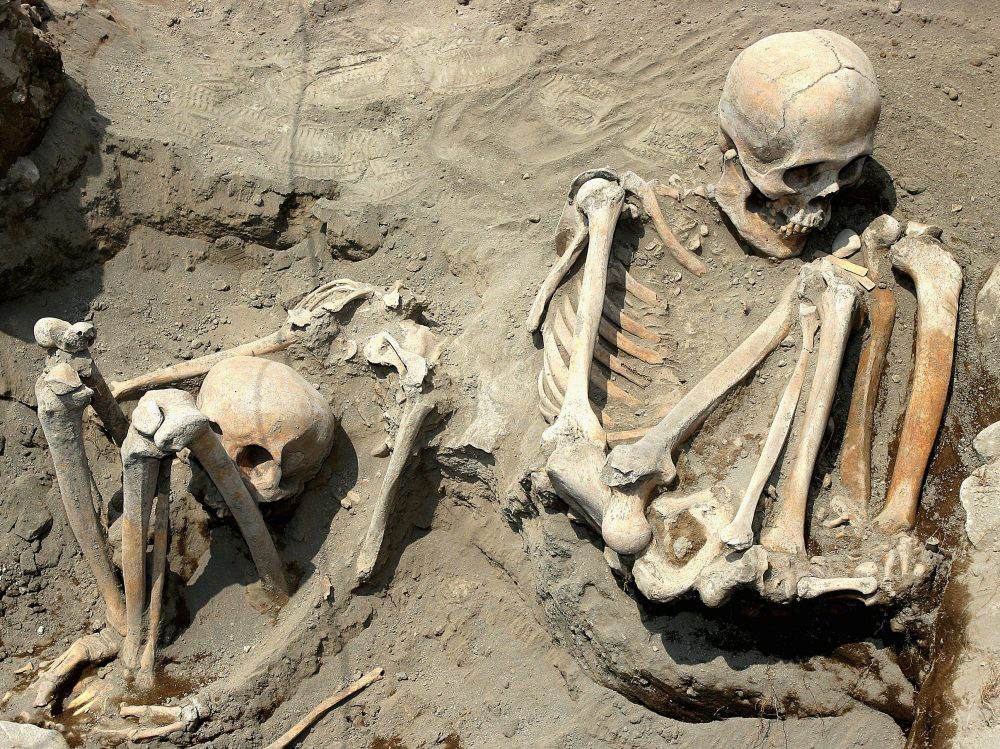
New technique provides accurate dating of ancient skeletons
Interest in the origins of human populations and their migration routes has increased greatly in recent years.
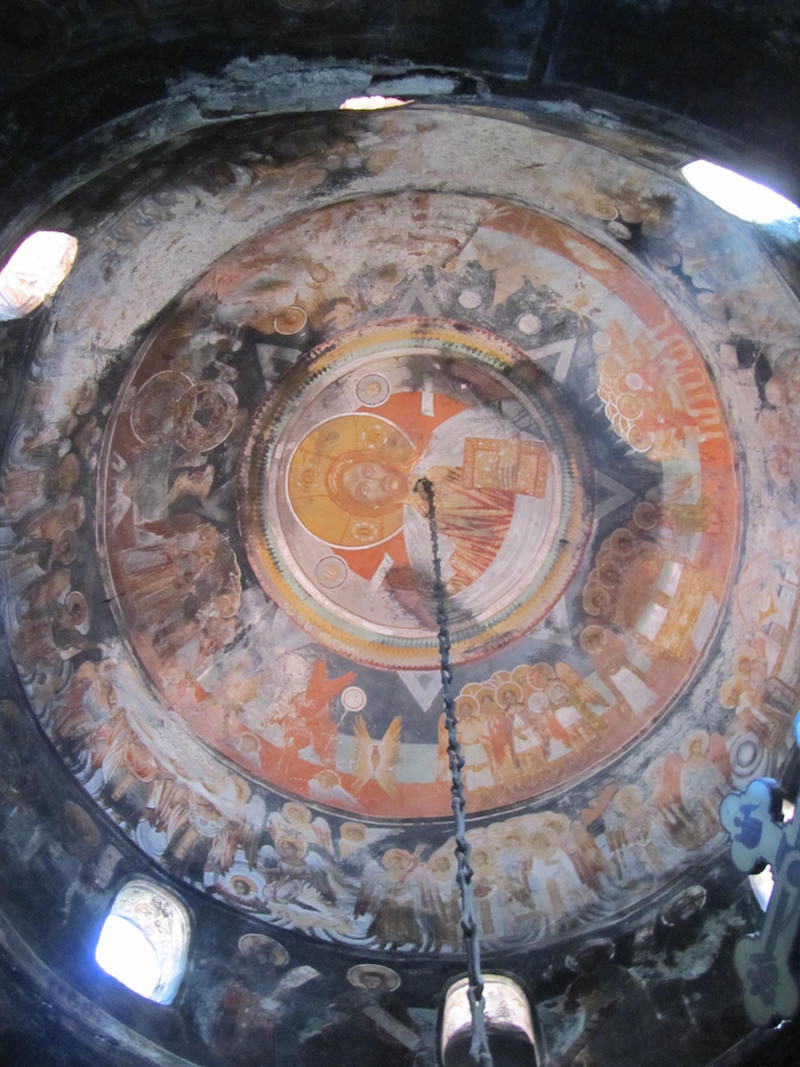
Autopsy by the Ministry of Culture of the Iconistria and Kechria Monasteries on Skiathos
The “Skiathos” Cultural Society has built a long standing collaboration with the Ministry of Culture and Sports, with the aim to preserve the katholikon churches of the Panaghia Kechria and Panaghia Iconistria Monasteries.
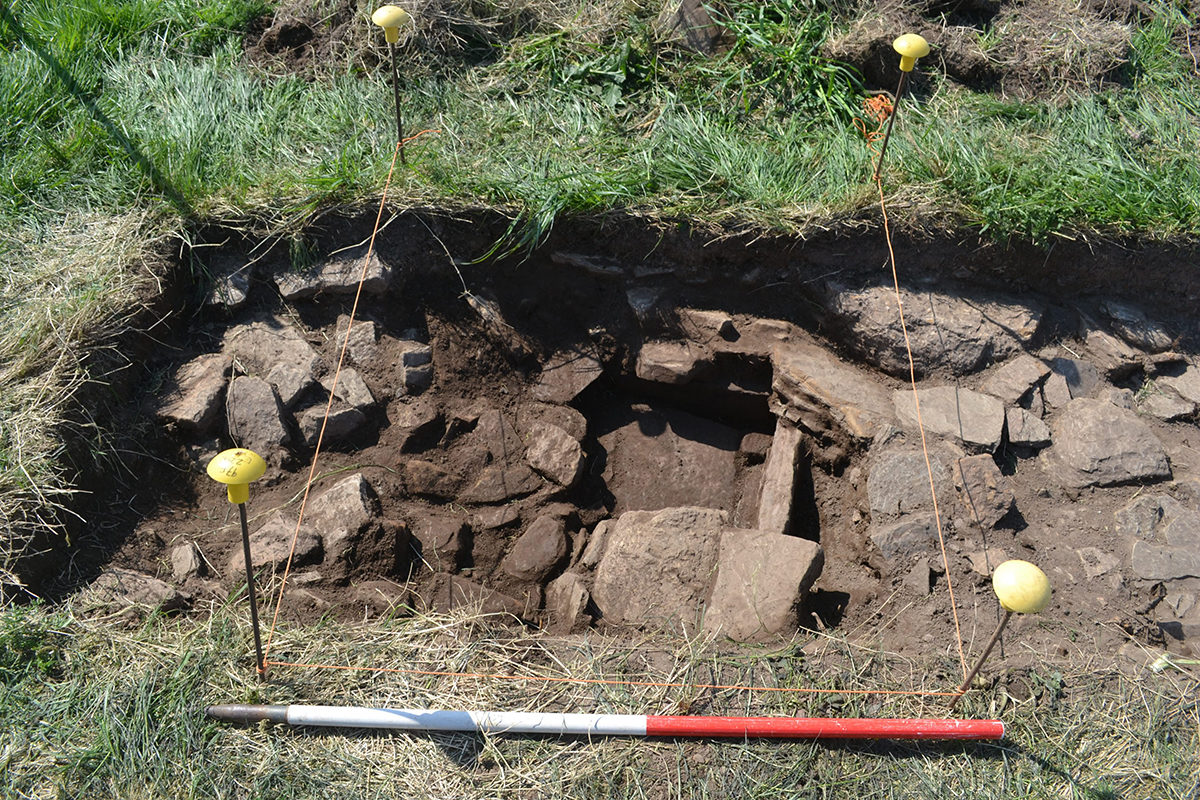
Archaeologists excavate a prehistoric settlement in Northern Scotland
Over 40 people attended the event organised by Caithness Broch Project and experienced “hands on archaeology” in a series of trial trenches at Thusater Burn near Thurso in the North of Scotland.
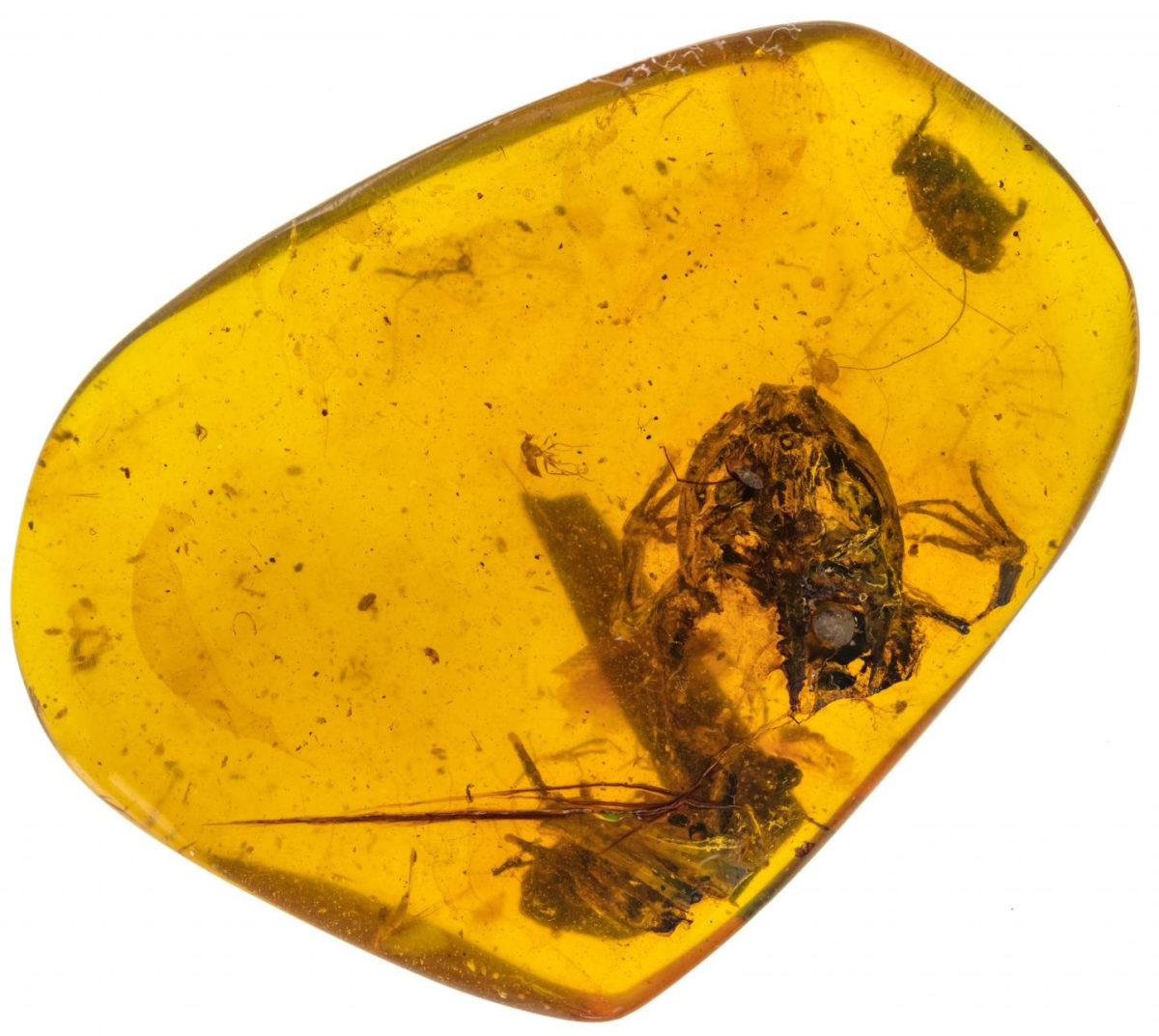
Amber fossils provide oldest evidence of frogs in wet, tropical forests
About 99 million years ago, a tiny juvenile frog in present-day Myanmar was suddenly trapped in sap with a beetle, perhaps its intended next meal.
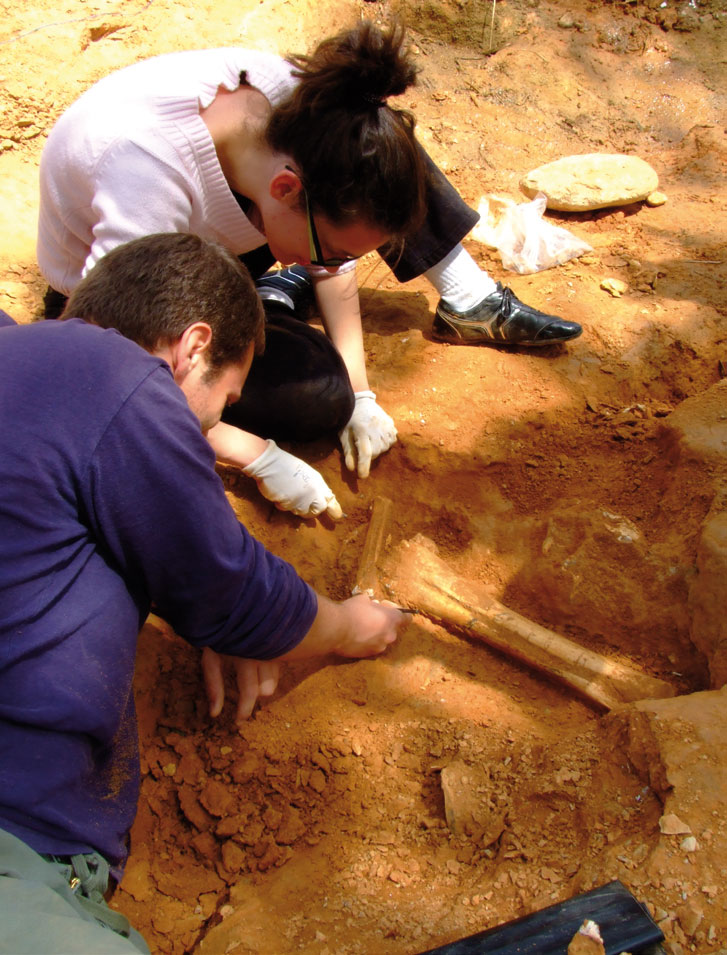
The Athenian and Macedonian News Agency at the paleontological excavation at Pikermi
Apes, rhinos, giraffes, hyenas, animals with a proboscis and other species in east Attica of the Miocene epoch.