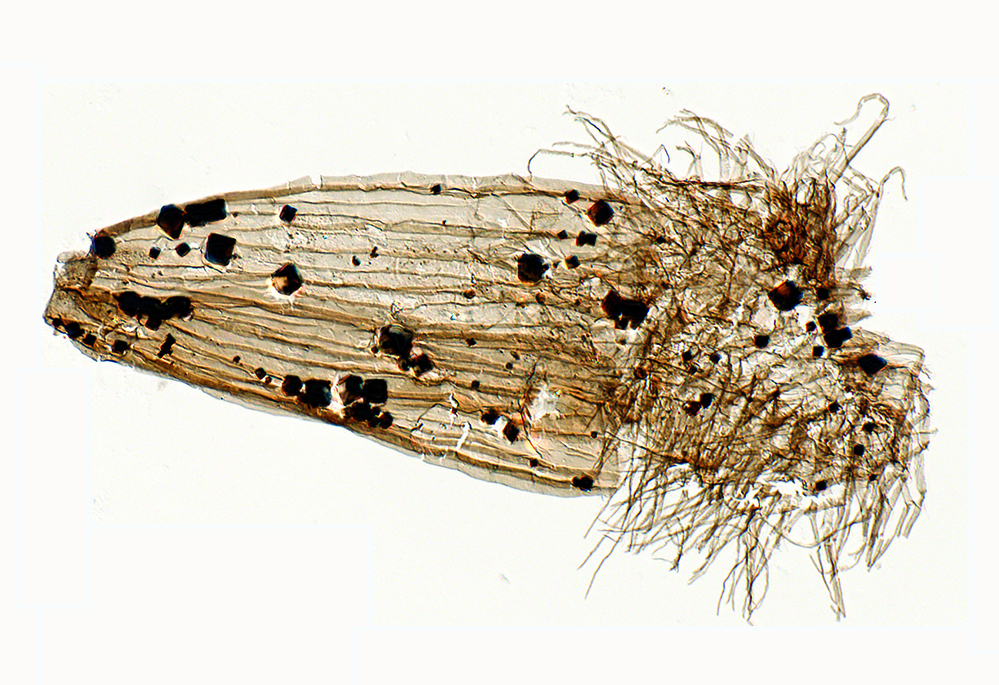
Chance Discovery Of New Fossil From Half Billion Years Ago Sheds Light On Life On Earth
Scientists from the universities of Leicester and Cambridge have discovered a new species of fossil that will shed light on early animal ecosystems.
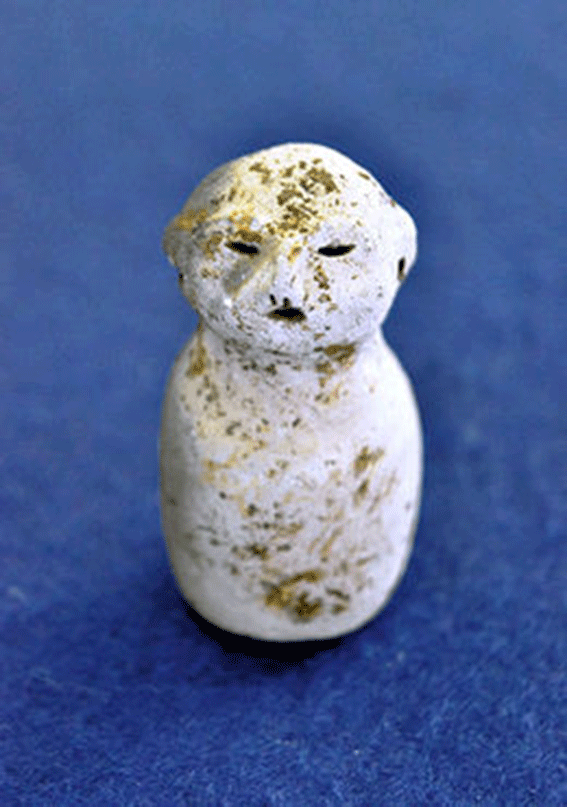
Excavation yields Yayoi culture artefact
Excavations at the Kori and Heka ruins in Osaka, Japan, have yielded an almost intact doll of the mid-Yayoi Pottery Culture period.
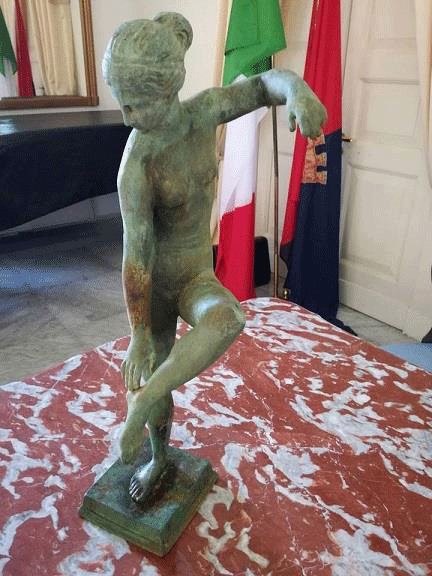
Ancient Greek Aphrodite statuette discovered underwater
Authorities in Italy have announced the discovery of an ancient Greek statuette underwater off the coast of Southern Italy.
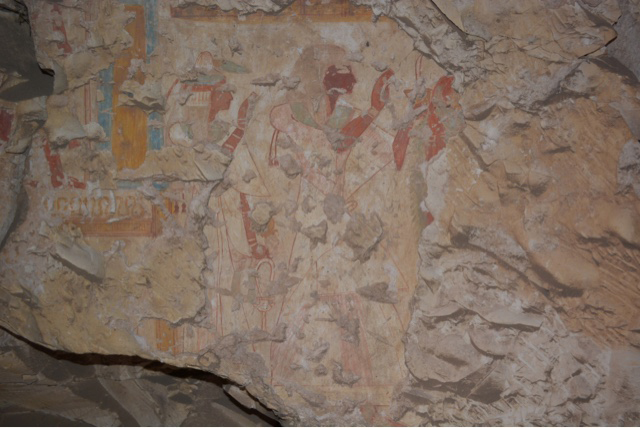
Luxor: Royal Scribe tomb found
Archaeologists discovered a Ramesside T-shaped tomb belonging to a person called "Khonsu" who held the title of "Royal Scribe".
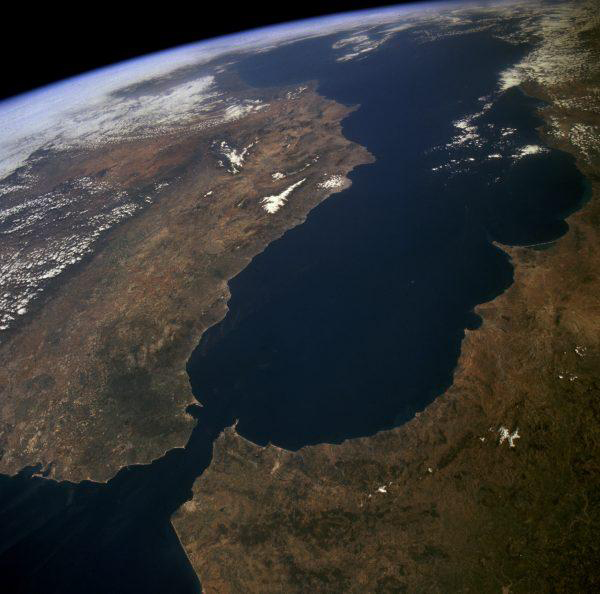
Andalusian scientists reconstruct what the Gibraltar Arc was like 9 million years ago
The researchers have proven that large blocks of land, about 300 km long and 150 km wide, have rotated clockwise (in the case of the Baetic System) and counterclockwise (in the case of the Rif mountain range, in the north of Morocco).
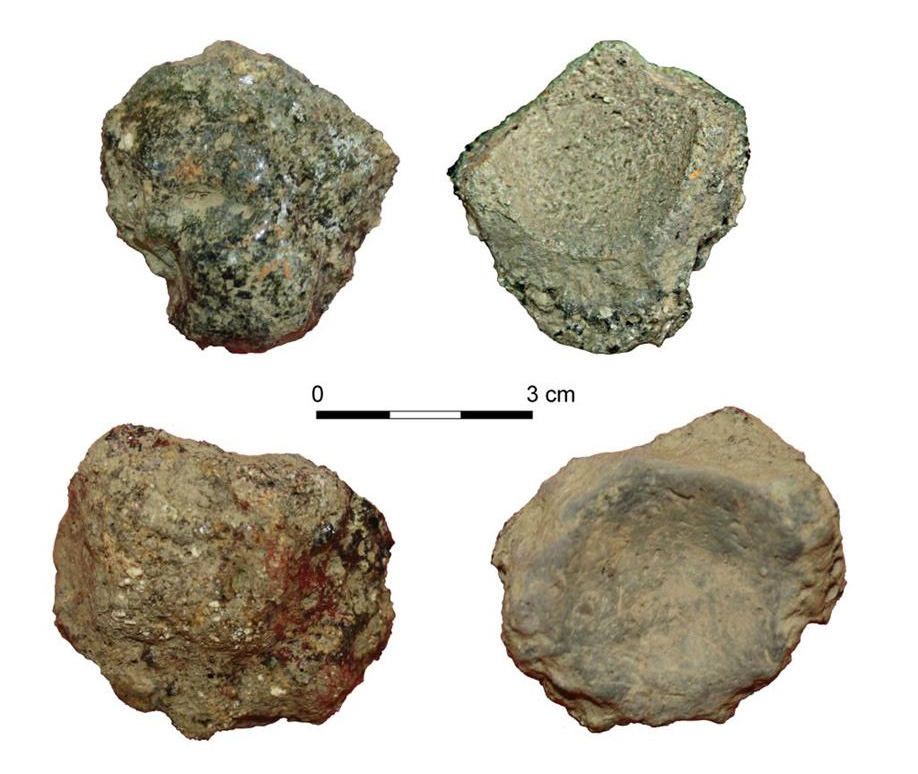
Remains of 2,000-year-old glass workshop found in Poland
Cracked glass beads, pieces of melted glass and glass "teardrops" are among the remains of the glass workshop, which operated approx. 2 thousand years ago on Mount Grojec in Żywiec.
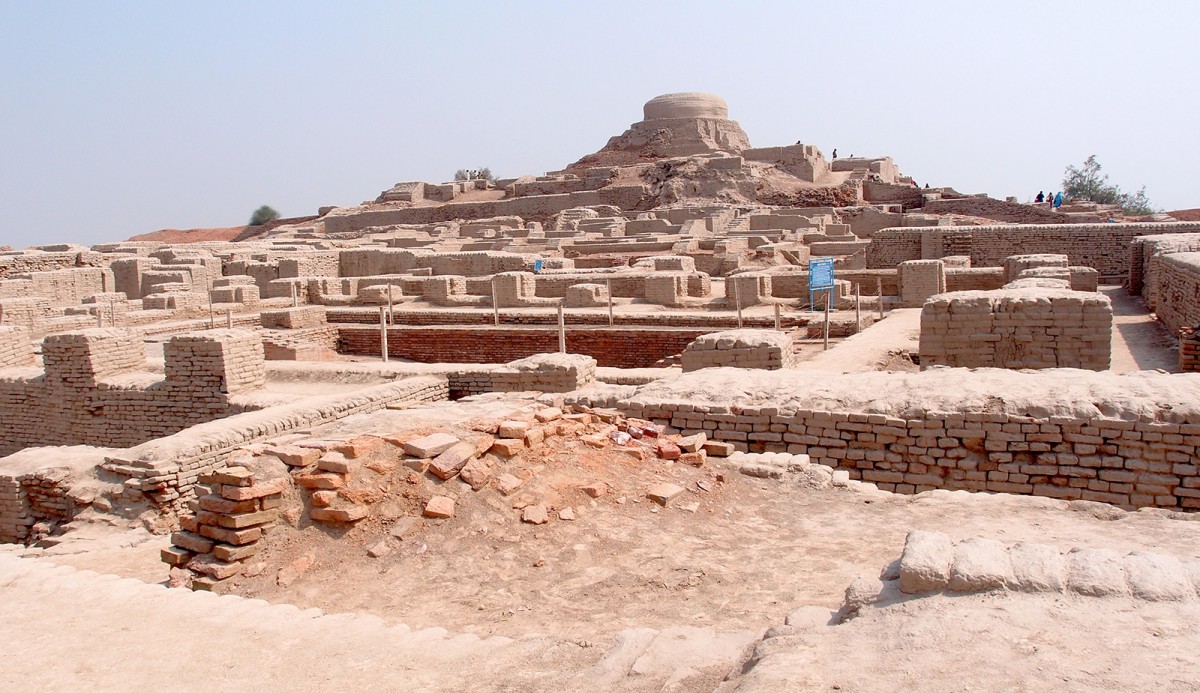
The ancient Indus civilization’s adaptation to climate change
Local Indus populations were possibly already well adapted to living in varied and variable environmental conditions before the development of urban centers.
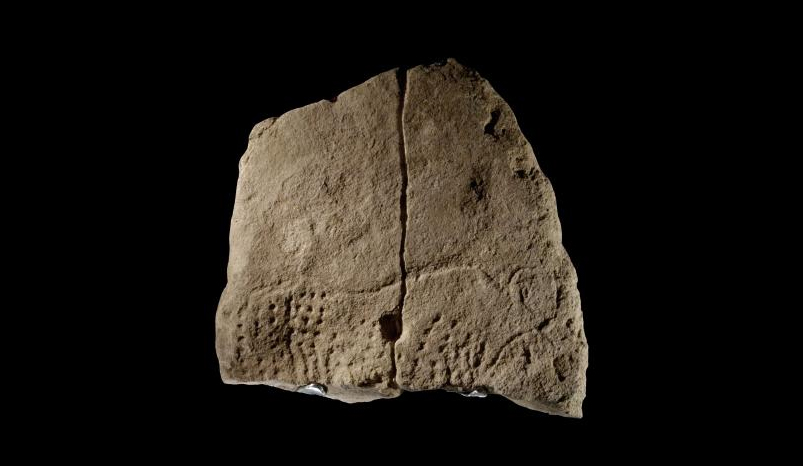
Anthropologists uncover art by (really) Old Masters
The finding marks some of the earliest known graphic imagery found in Western Eurasia and offers insights into the nature of modern humans during this period.
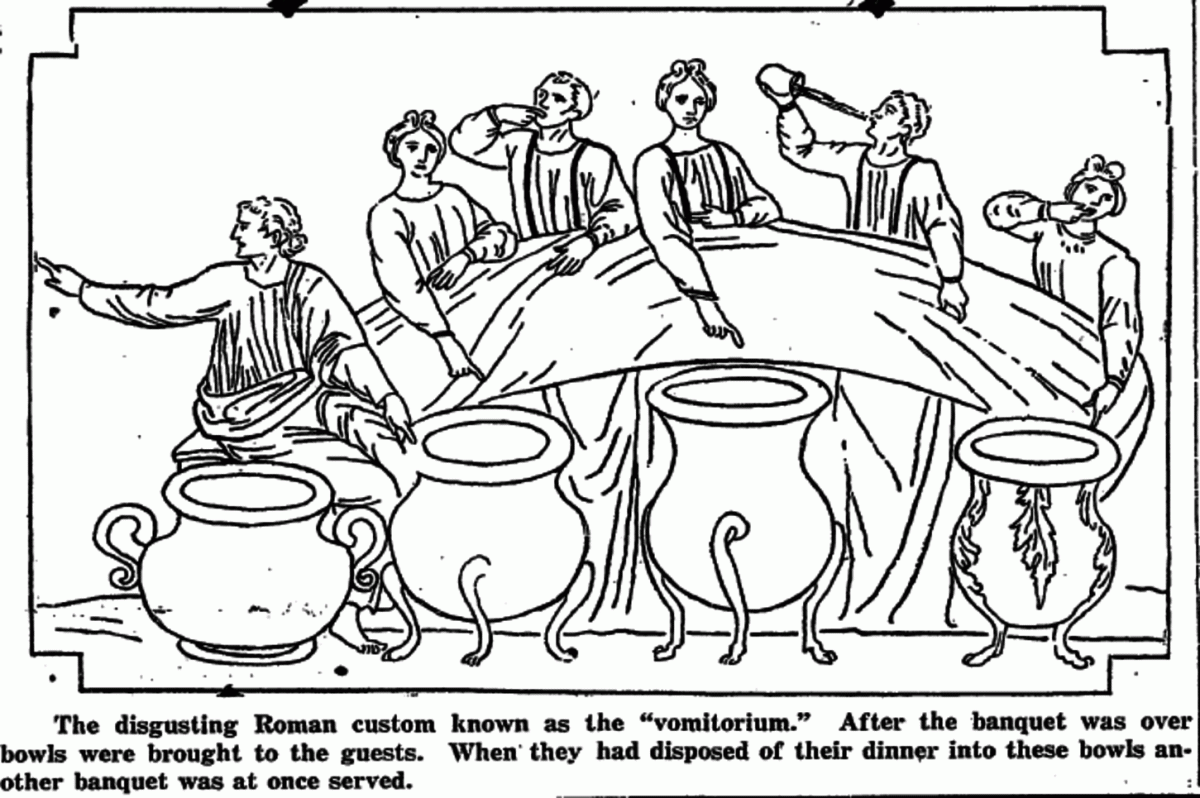
What was really a vomitorium?
The word vomitorium has been often used to describe a room, adjacent to the dining room where a Roman dinner would take place, where participants would relieve themselves from a full stomach and carry on with the feast. However, no ancient source actually uses the word for this purpose.
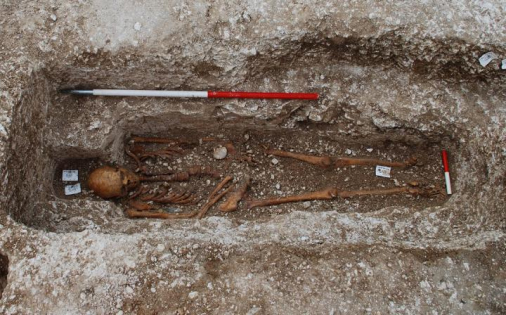
Leprosy strain genotyped from medieval pilgrim at UK burial site
In a multidisciplinary study published in PLOS Neglected Tropical Diseases, researchers investigated the strain of leprosy found in a leprosy hospital cemetery in Winchester, UK.
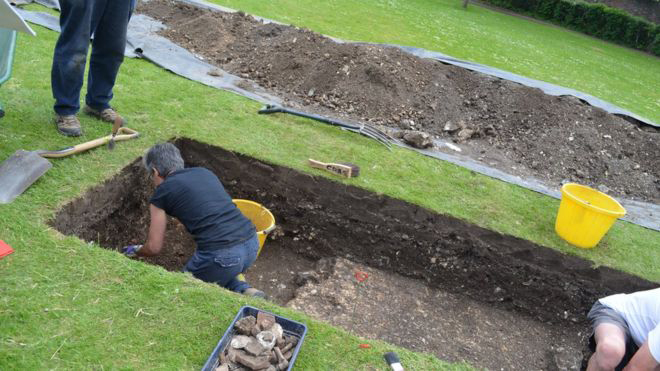
Remarkable discovery as Roman houses are identified under city centre park
Foundations of complete Roman town houses have been discovered under one of Chichester's city centre parks.
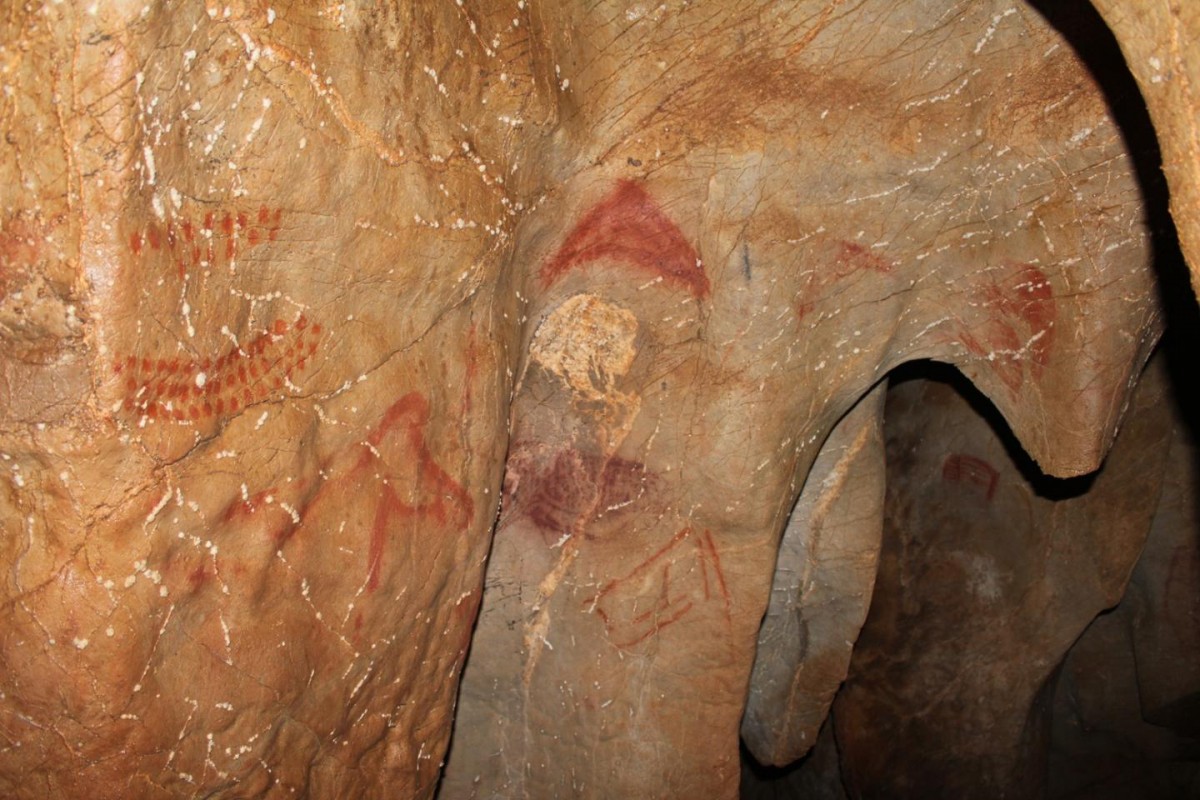
Palaeolithic art developed from public galleries towards more private exhibitions
A researcher at the UPV/EHU-University of the Basque Country proposes analysing characteristics such as the location and visibility of Palaeolithic works to try to deduce their purpose.
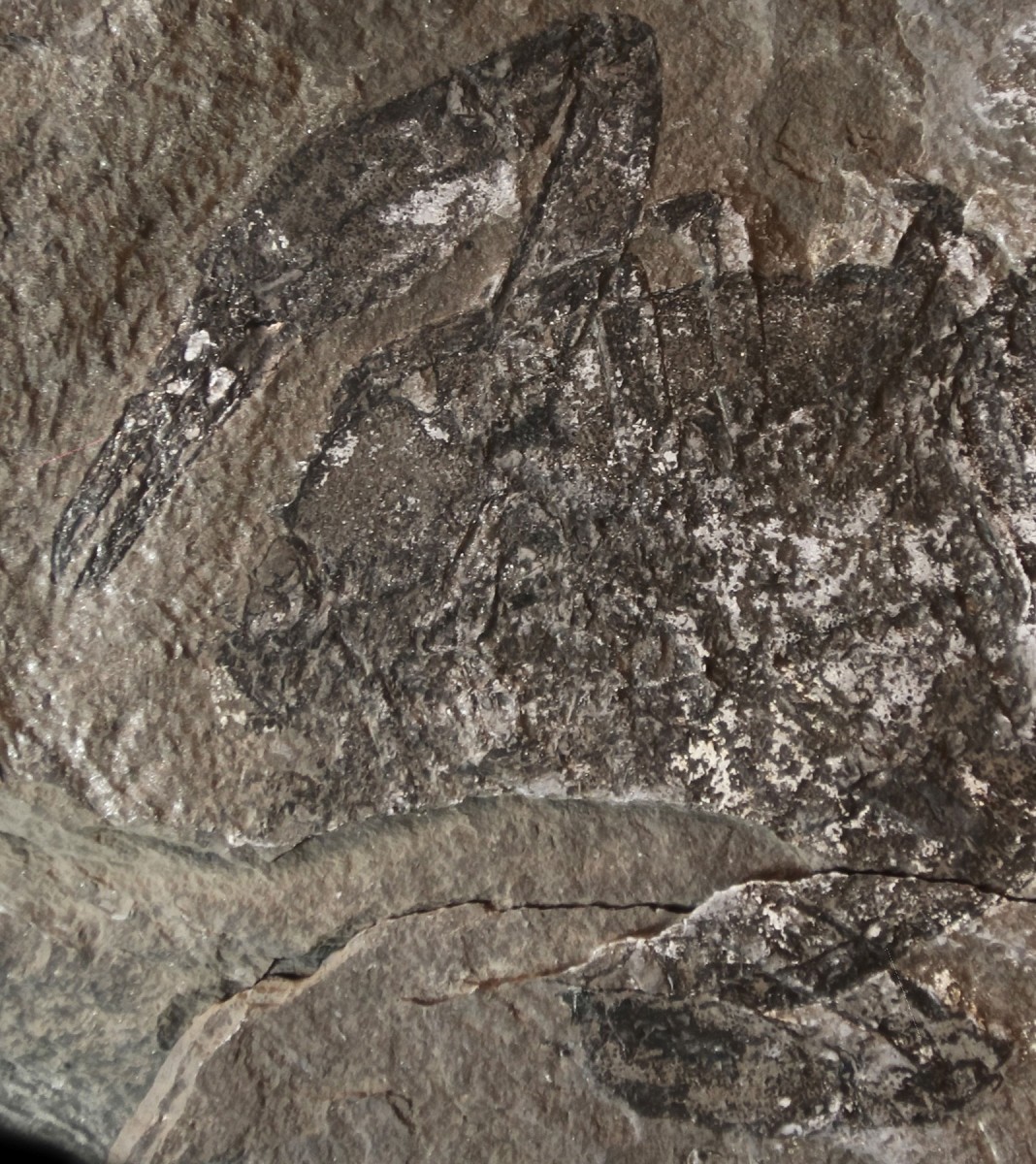
Exceptionally preserved Jurassic sea life found in new fossil site
A trove of exceptionally preserved Jurassic marine fossils discovered in Canada, rare for recording soft-bodied species that normally don’t fossilize, is expanding scientists’ view of the rich marine life of the period.
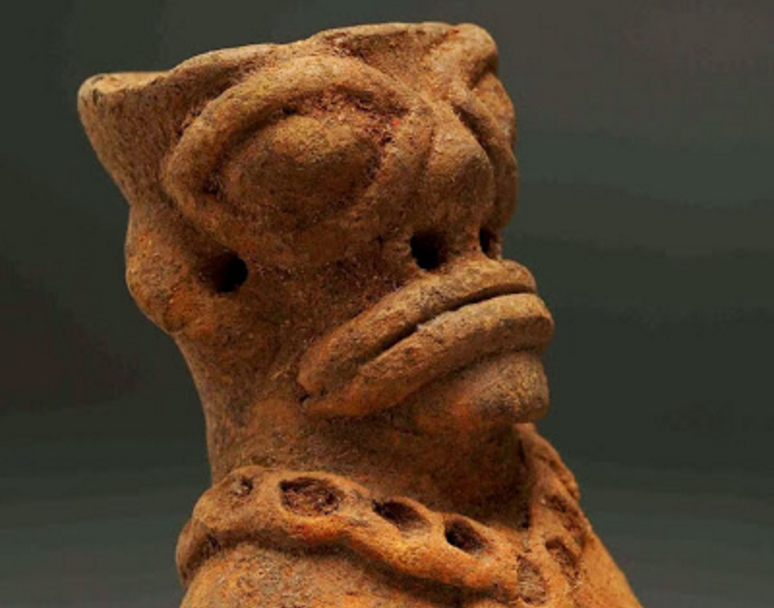
Ancient figures reveal trading routes of prehistoric African civilisation
The hundreds of figurines excavated so far suggest a high level of ritual activity at the Yikpabongo archaeological site of Northern Ghana.
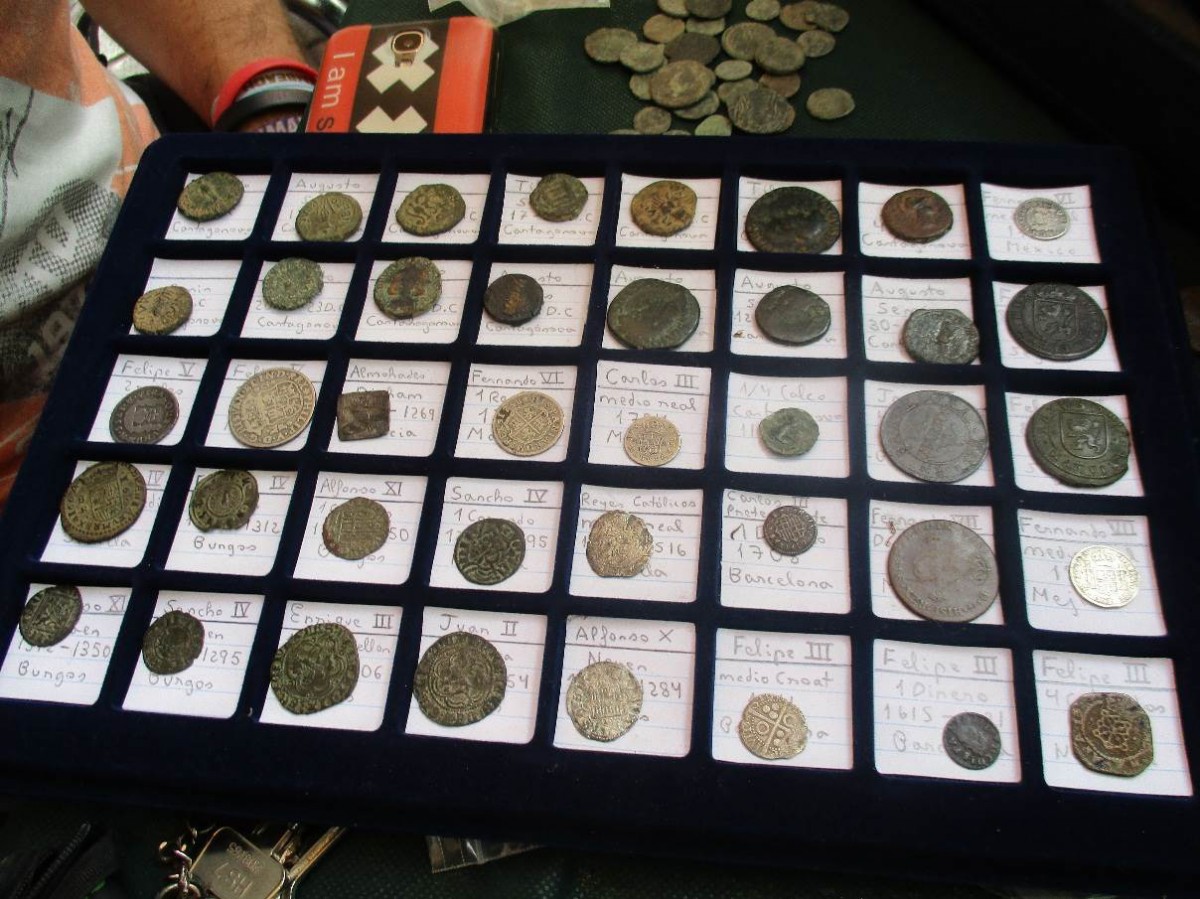
3561 Artefacts seized in Operation Pandora
The results of a vast joint operation against illicit trafficking of cultural goods, involving 18 countries, were announced on Monday by EUROPOL.
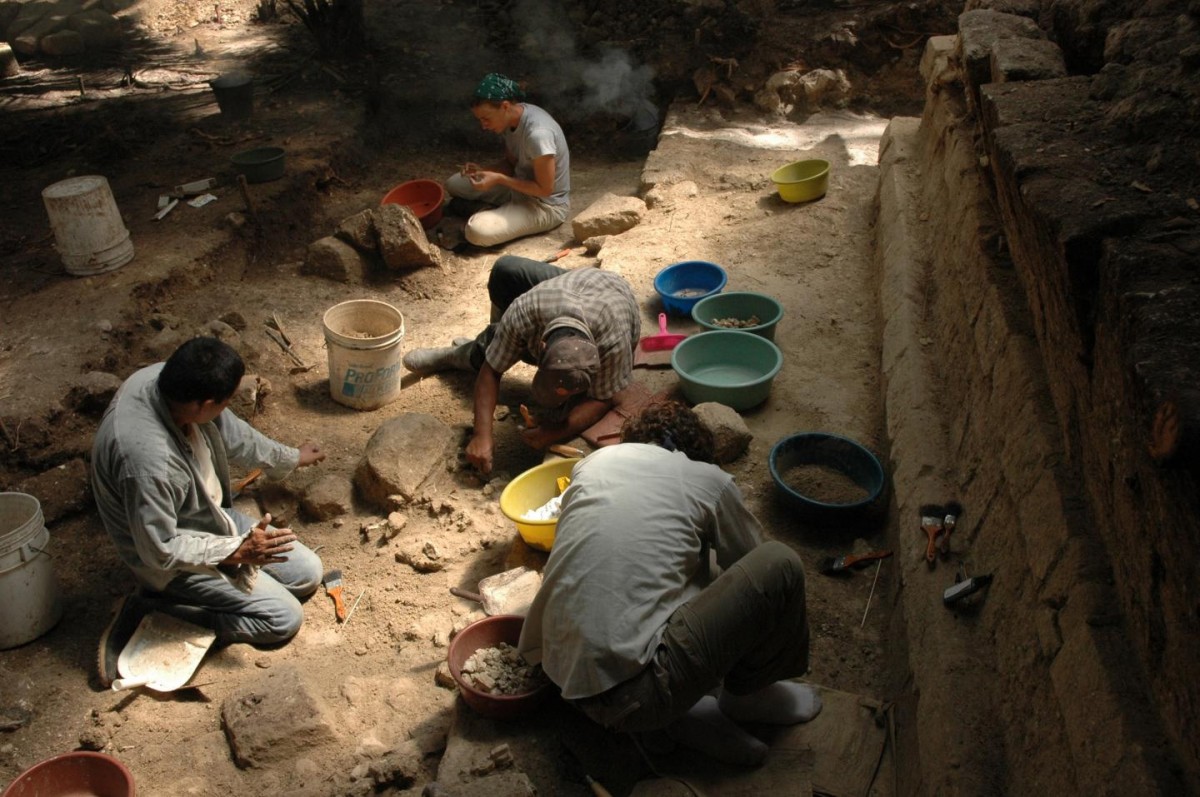
Archaeologists uncover new clues to Maya collapse
While the findings may not solve the mystery of why exactly the Maya collapses occurred, they are an important step toward better understanding how they unfolded.
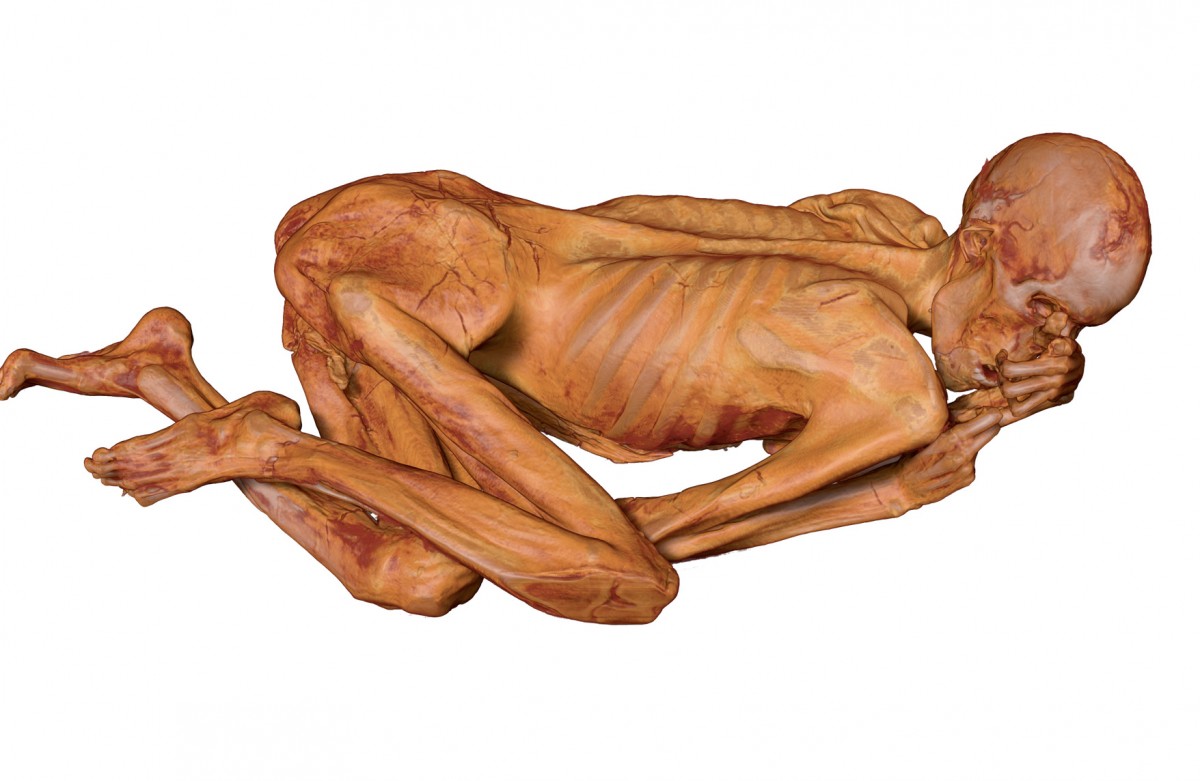
Mummy visualisation impresses in computer journal
Visitors to the British Museum can reveal the murder of the mummified Gebelein Man, 5,500 years ago.
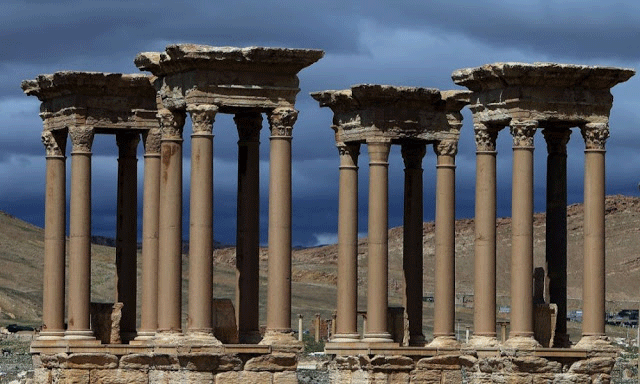
More destruction of Palmyra monuments by IS
Islamic State militants have destroyed another Palmyra monument according to an announcement on Friday by the Syrian government and experts.
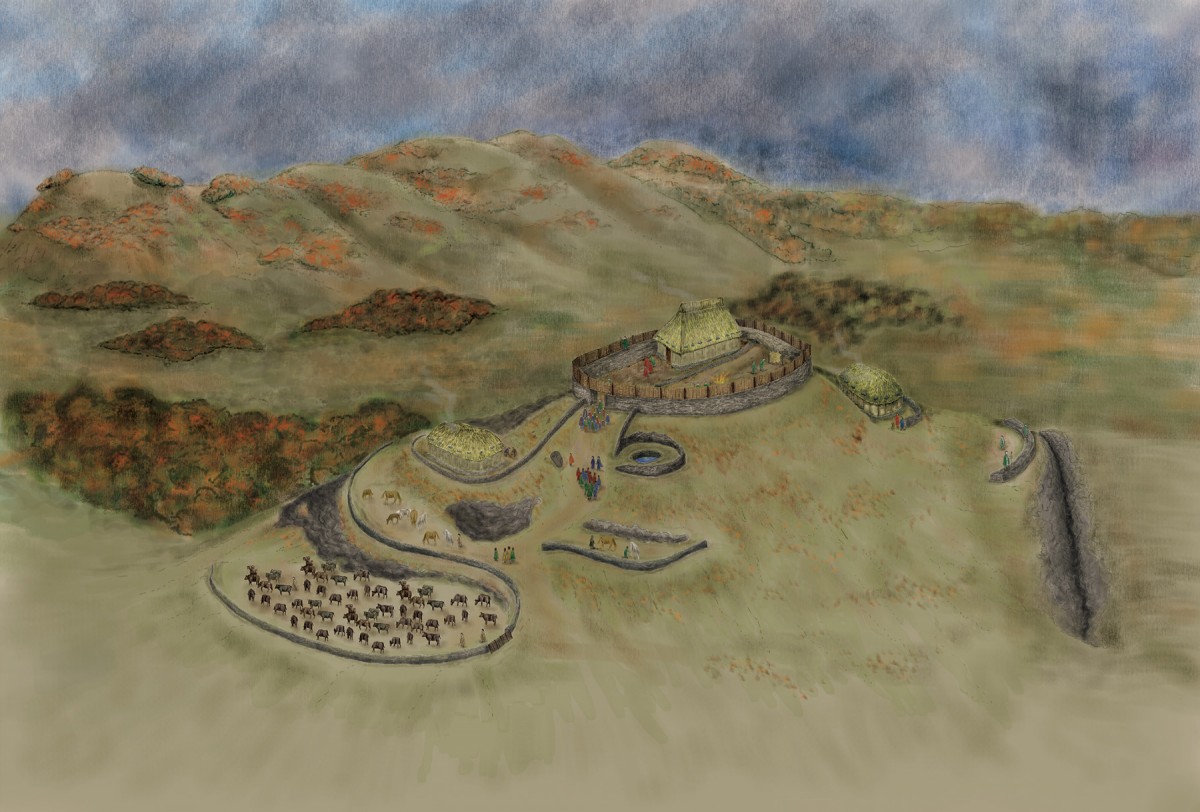
Discovery of Lost Dark Age Kingdom in Galloway
Archaeological research has just been published which reveals the location of a hitherto lost early medieval kingdom that was once pre-eminent in Scotland and Northern England.
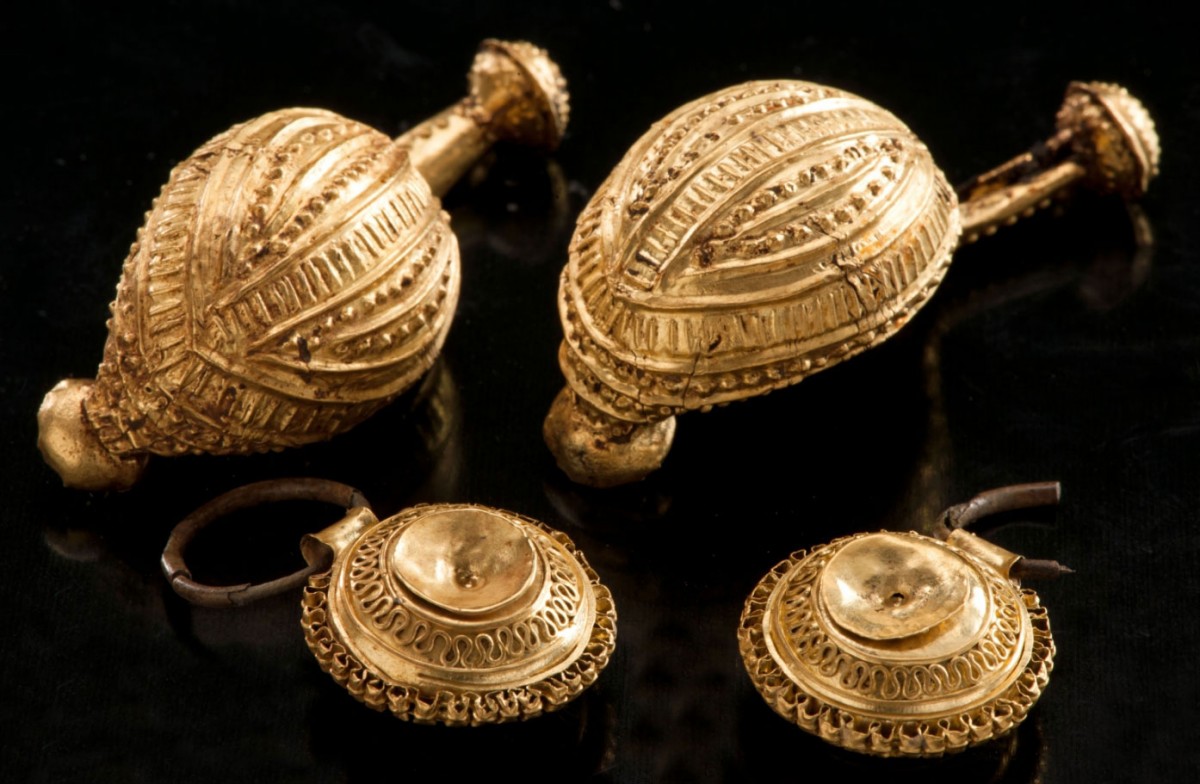
Princess of Danube revisited
Archaeologists studying a Celtic tomb found in Heuneburg, containg the remains of an aristocratic woman and extremely rich grave goods have published their conclusions.
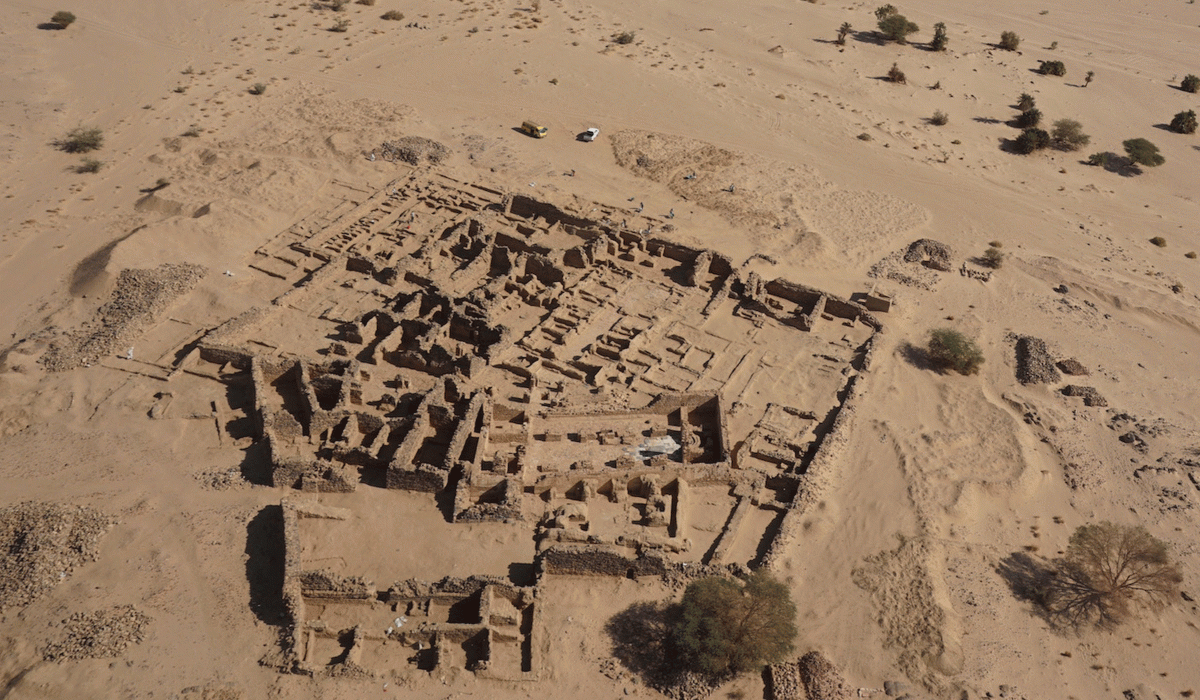
Large-scale medieval burial area found in Sudan
Archaeologists in Sudan have discovered a medieval area with cemeteries in Sudan excavating at least 123 individuals, some buried in unusual ways.
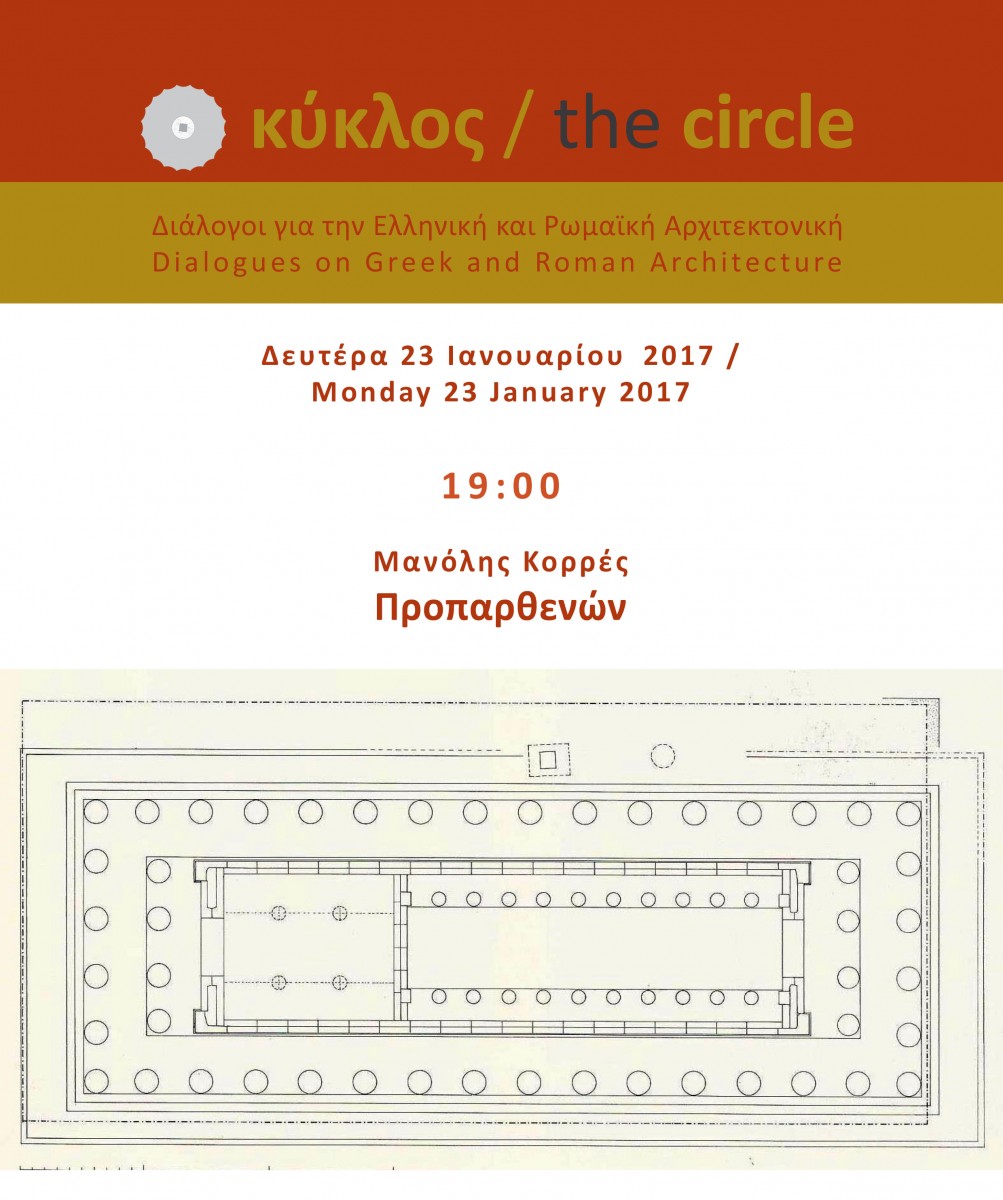
The Proparthenon
Today, Professor Manolis Korres (NTUA) will give a lecture on "The Proparthenon" at the Austrian Archaeological Institute.
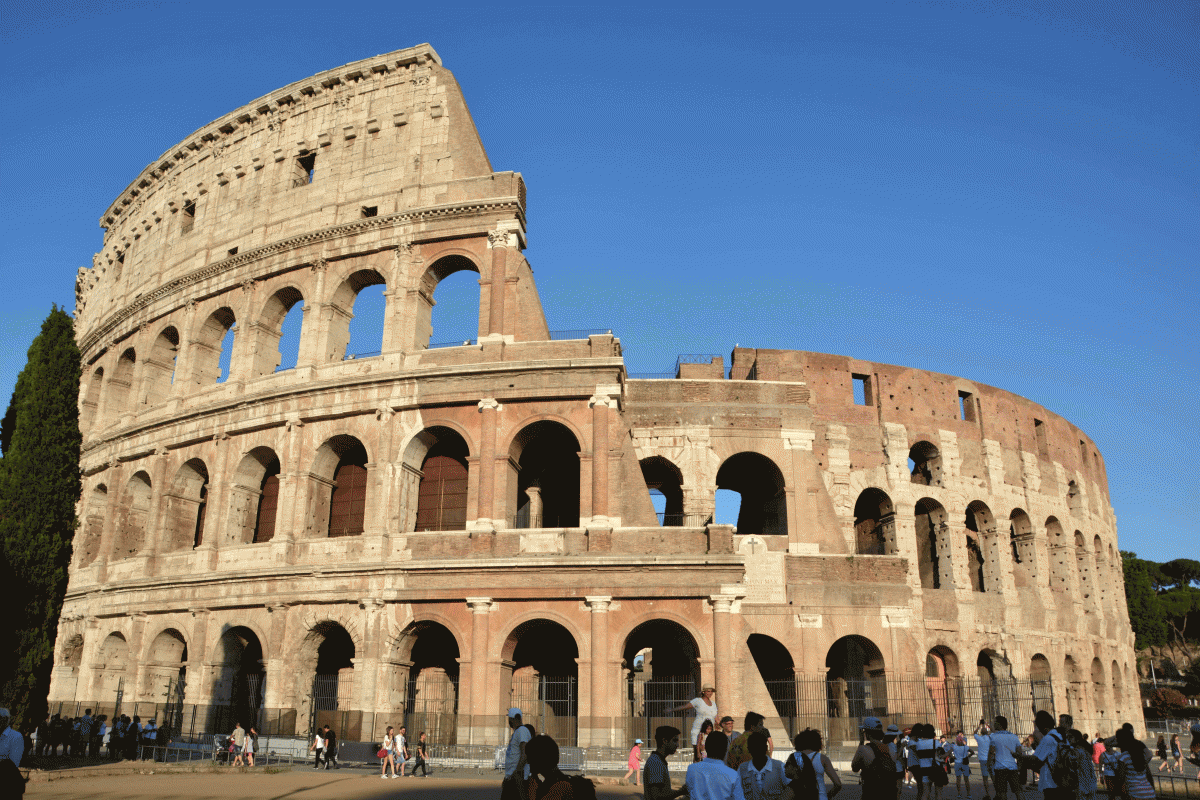
Medieval horse skull found at the Colosseum
Archaeologists cleaning the exterior of the Colosseum in Italy last week have discovered a medieval horse skull.
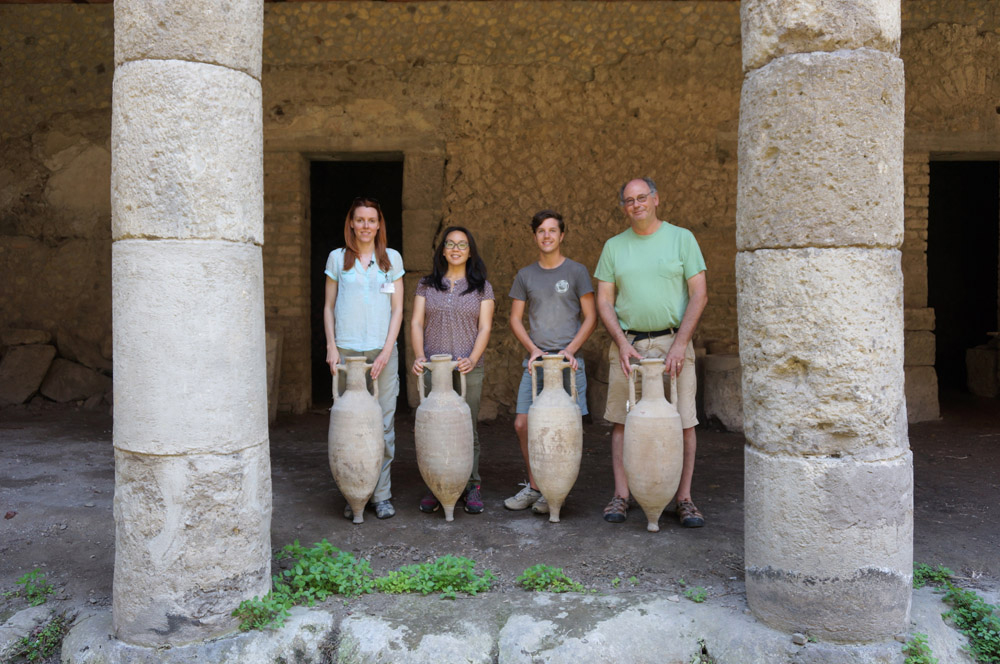
The valuable information of garbage
The research project is called “The Pompeii Artifact Life History Project” and it is headed by Theodore Peña of the University of California, Berkeley.