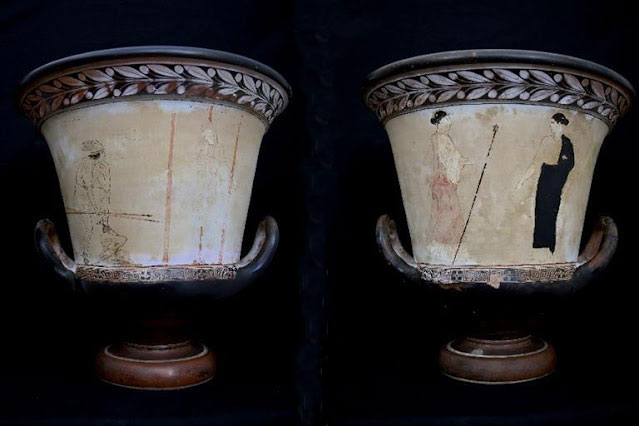
Archaeometric study of execution techniques of white Attic vases
Study by Gabriella Chirco, Monica de Cesare, Giacomo Chiarif, Sarah Maaße, Maria Luisa Saladino and Delia Francesca Chillura Martino.
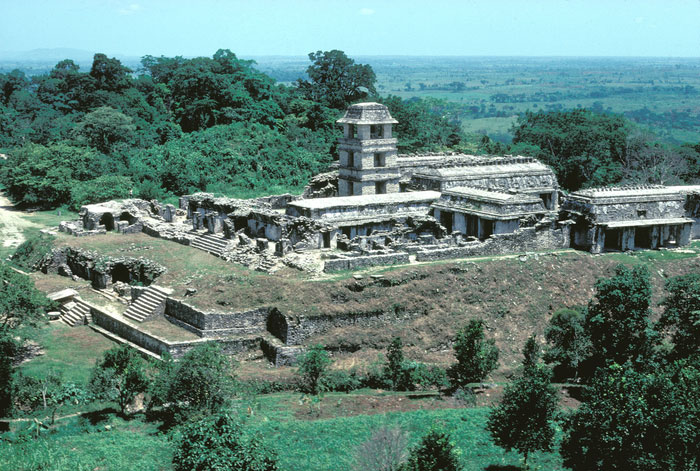
Writing is not present in all “complex” societies, but it can signal inequality
Mesoamerican societies with more elaborate writing systems tended to have less shared power.
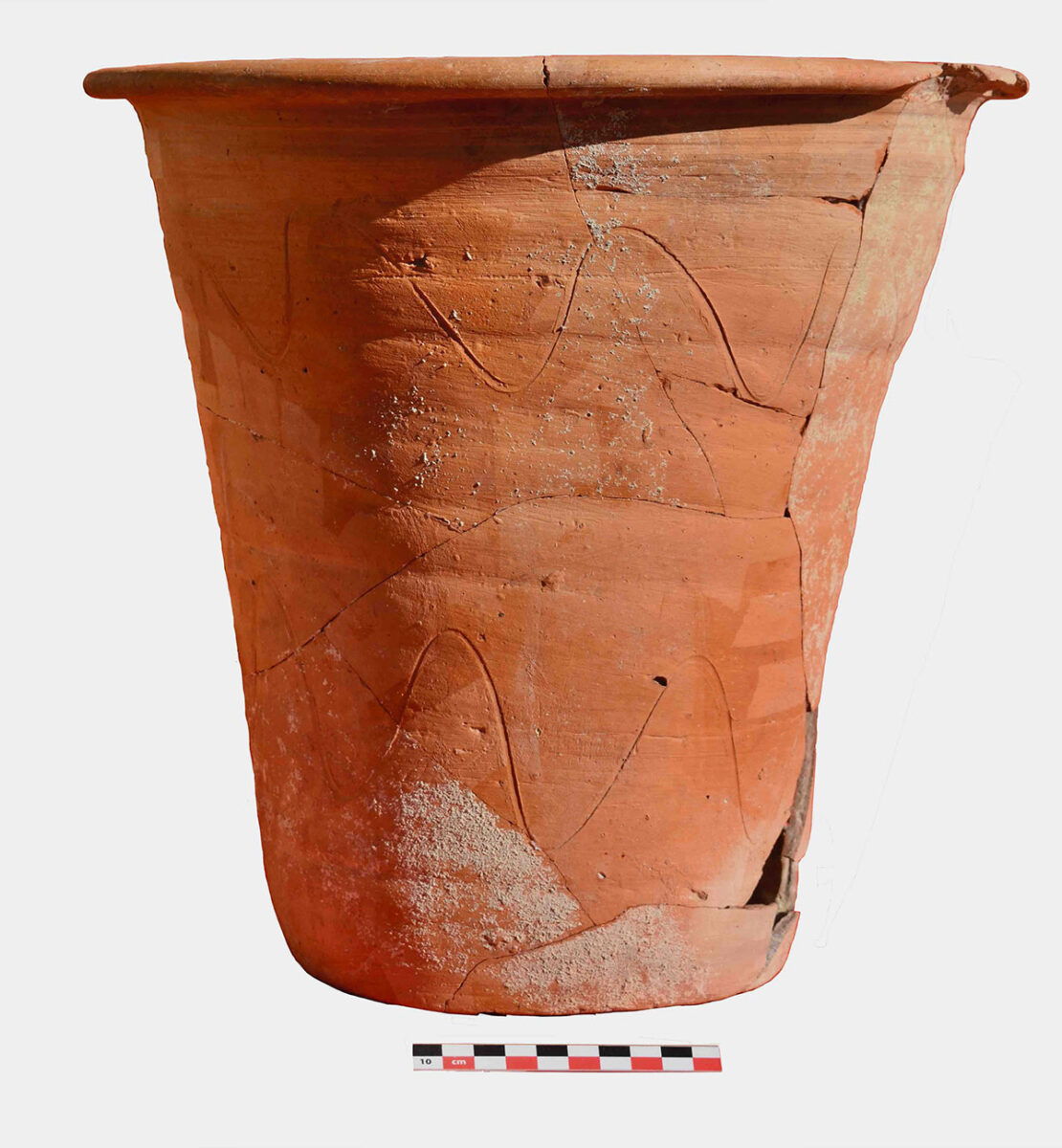
Identifying the portable toilets of the ancient Roman world
Research published in the Journal of Archaeological Science: Reports reveals how archaeologists can determine when a pot was used by Romans as a portable toilet, known as a chamber pot.
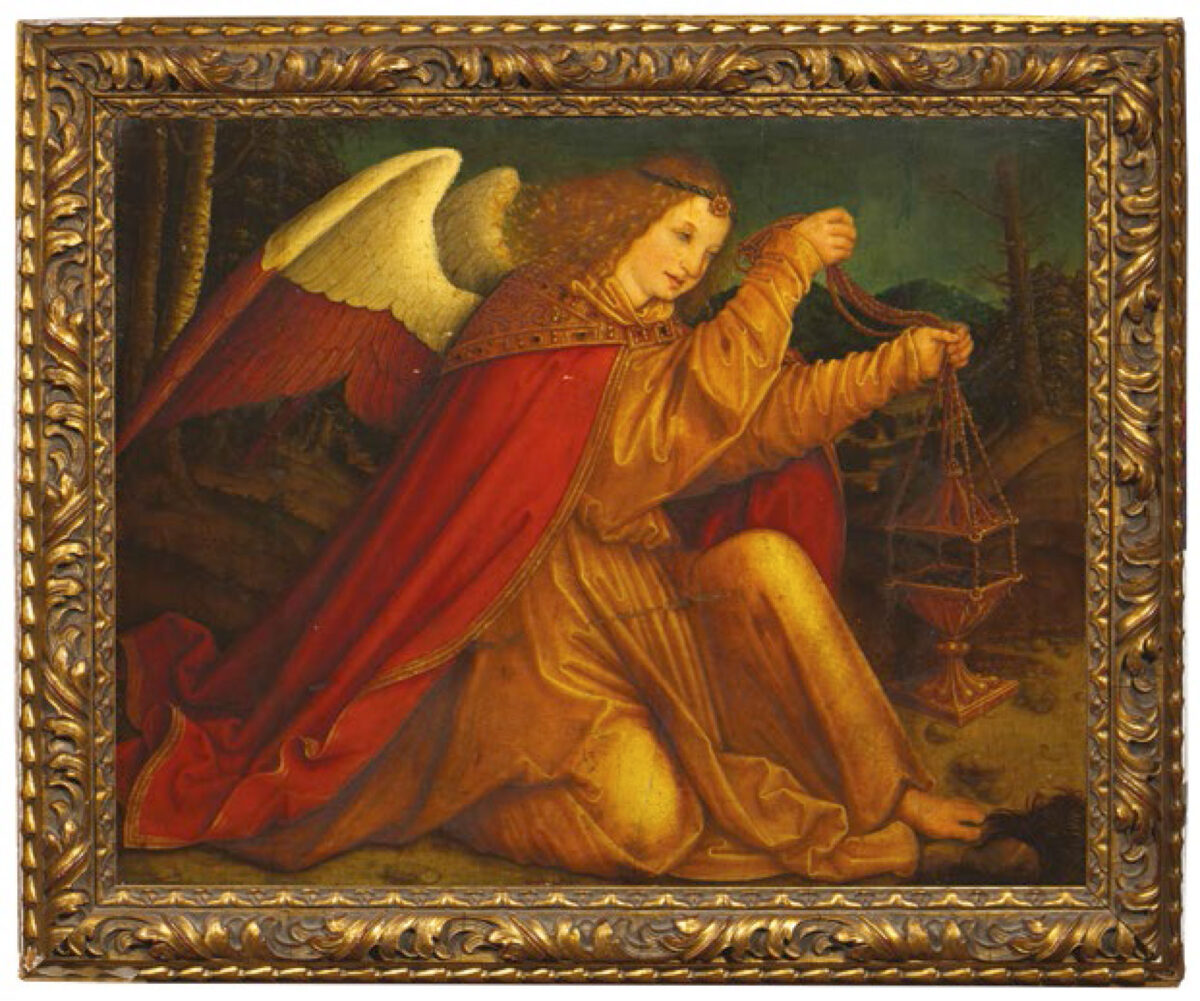
€2.8 million for a “forgotten” painting of 1520
The painting, depicting an angel, is attributed to the German painter Berhard Strigel (1460-1528).
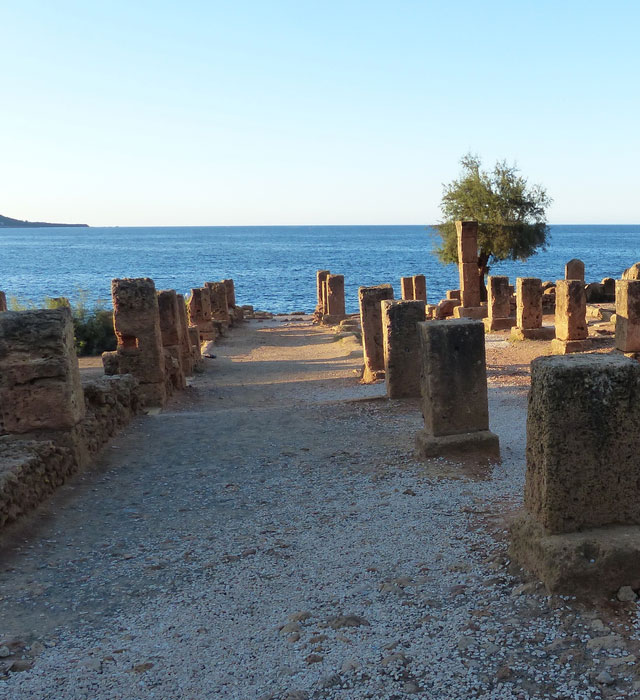
African Heritage Sites threatened by coastal flooding and erosion
Heritage of Outstanding and Universal Value located along the African coast is at risk from climate change.
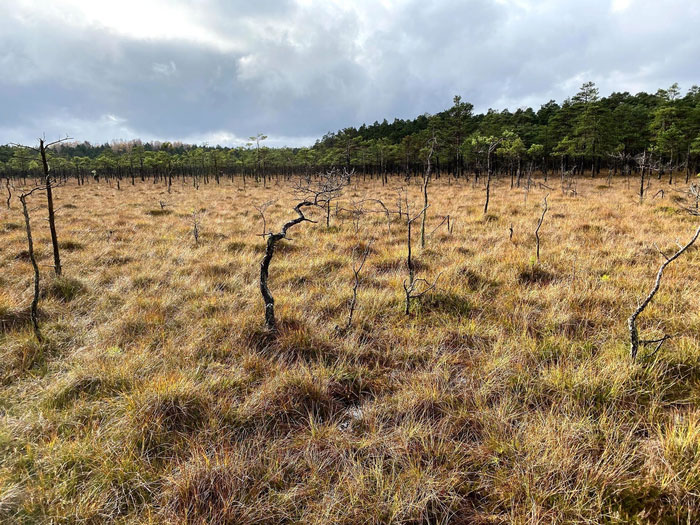
Black Death mortality not as widespread as long thought
Pollen data from 19 modern European countries reveals that although the Black Death had a devastating impact in some regions, parts of Europe experienced negligible or no impact at all.
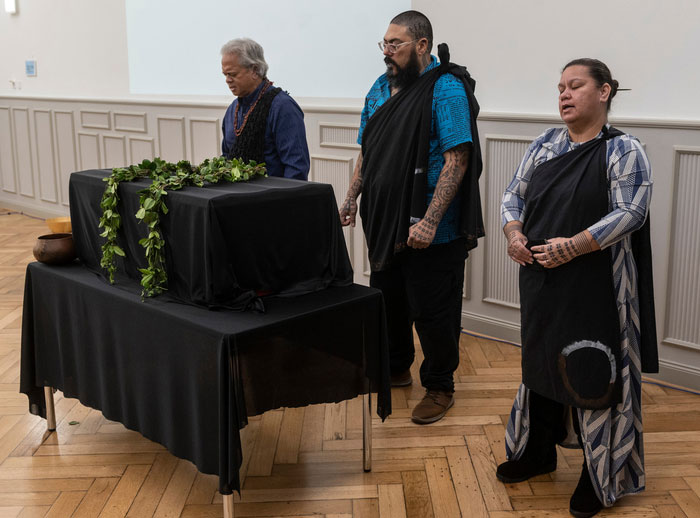
Sacred remains: ancestors return home
On Wednesday 9 February 2022, thirteen iwi kūpuna were returned to their descendants from Hawaiʻi during a ceremonial event.
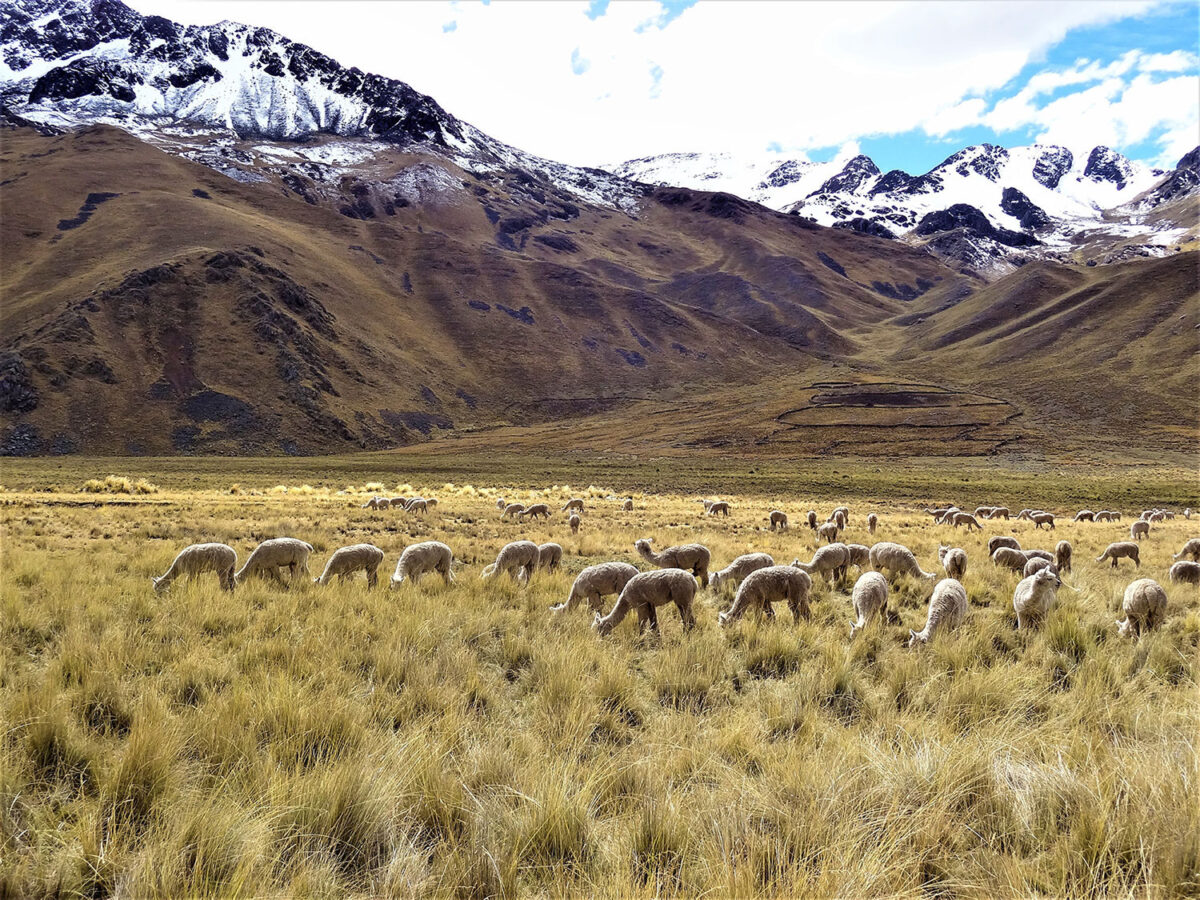
Climate drove 7,000 years of dietary changes
A new study led by University of Utah anthropologists provides a blueprint to systematically untangle and evaluate the power of both climate and population size on the varied diets across a region in the past.
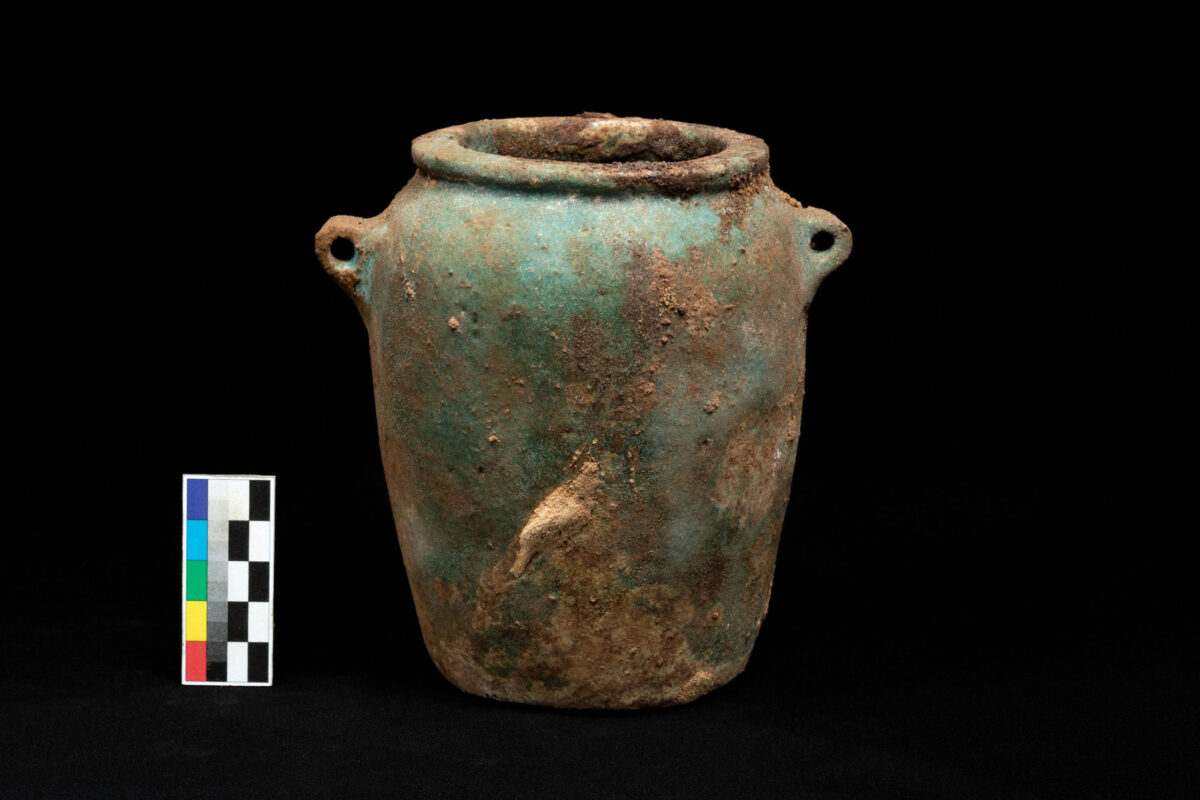
The largest embalming cache ever found in Egypt unearthed at Abusir
In a group of large shaft tombs in the western part of the ancient Egyptian necropolis at Abusir a unique embalming cache has been unearthed.
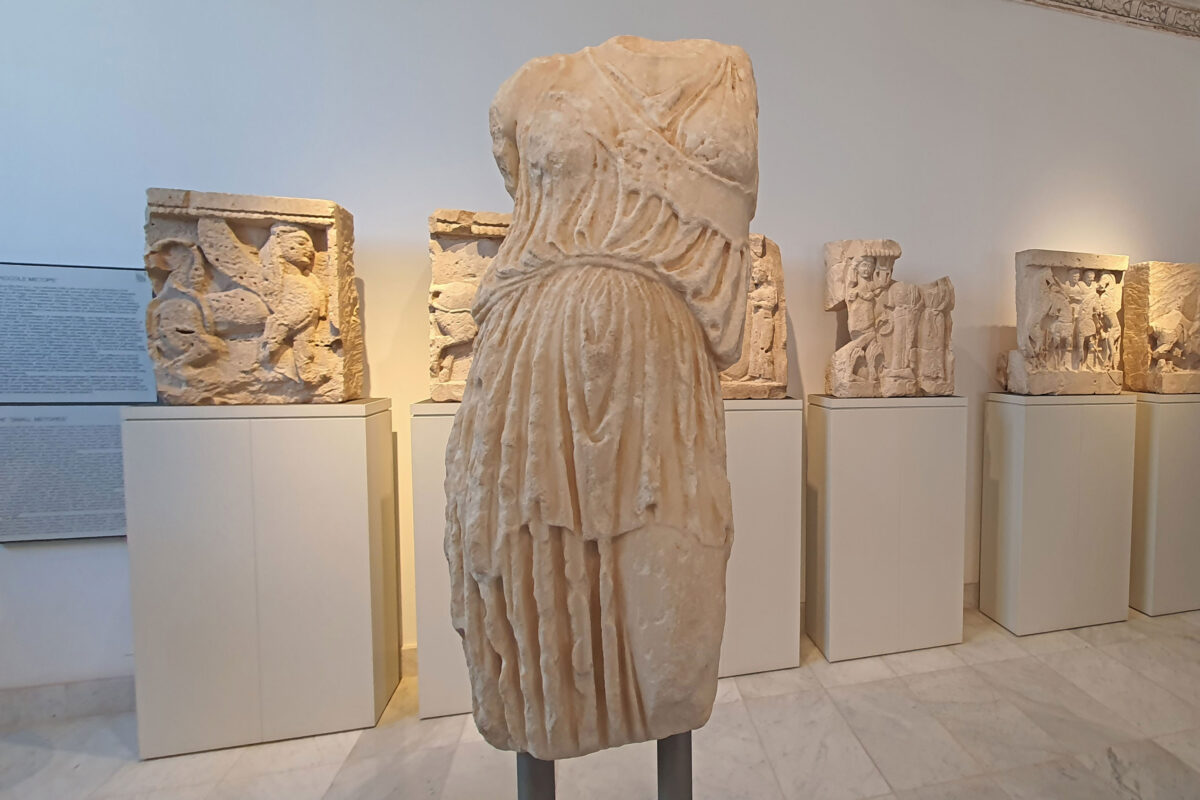
The Acropolis Museum is travelling to Palermo
The statue of goddess Athena, dated between 420-400 BC, was placed yesterday in the Archaeological Museum Antonino Salinas.
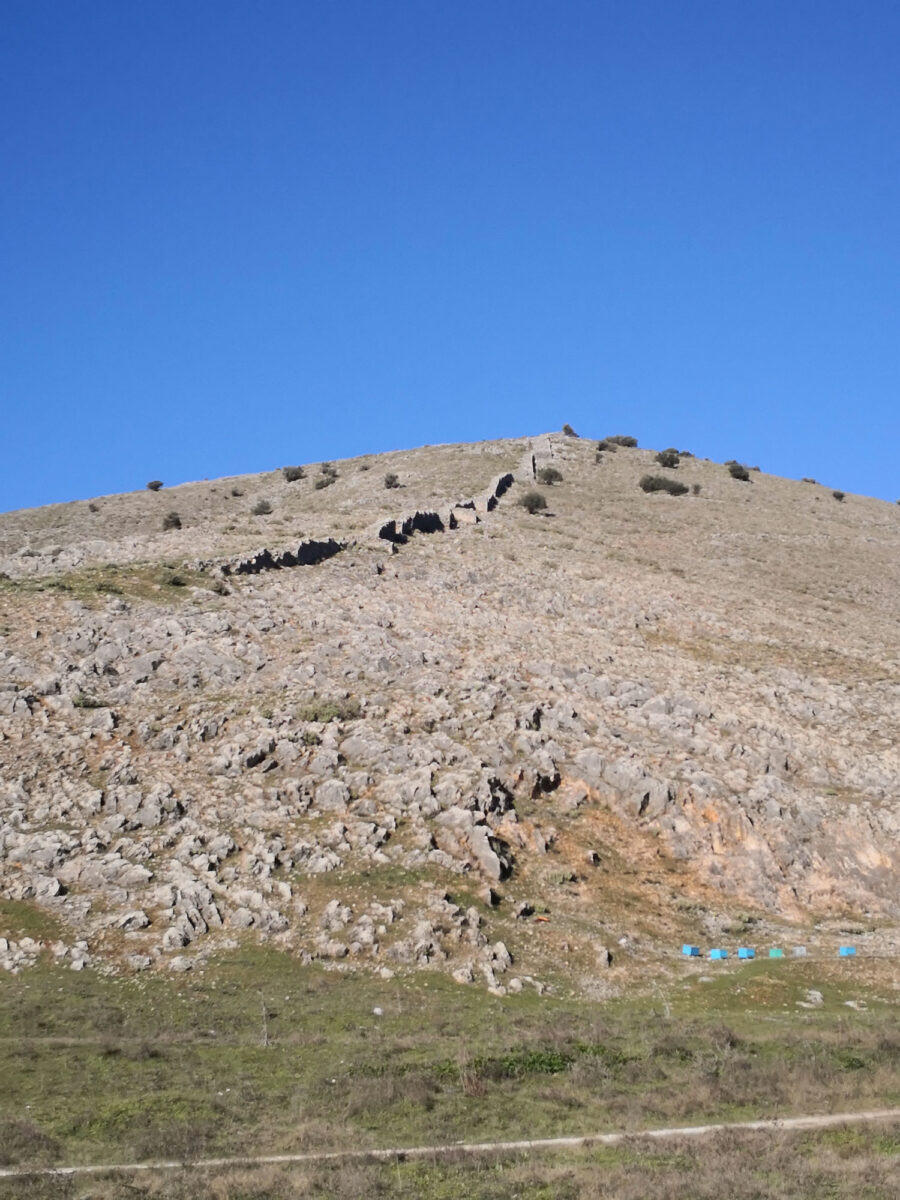
Travels to the ancient city at Vlochos, Palamas
The programme’s research was initially conducted on the site of the ancient city that extends to Vlochos Palamas.
The Guardian: The Parthenon Sculptures belong to Greece
Chief culture writer of the Guardian, Charlotte Higgins, once again raises the issue of the return of the Parthenon marbles in public debate in Britain.
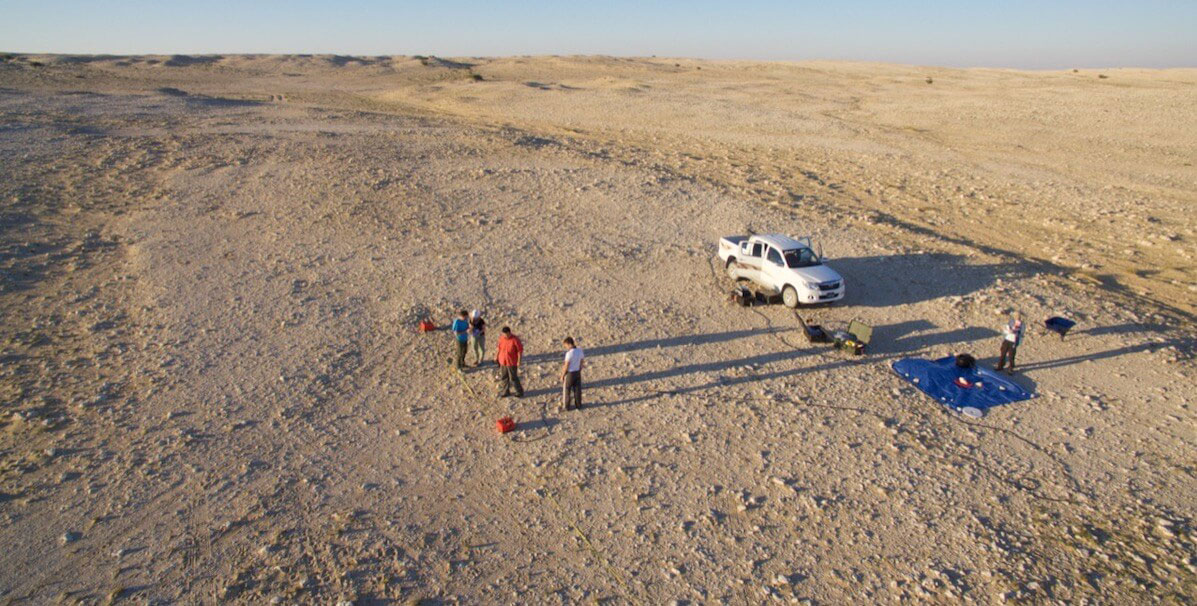
Evidence of 3600 year old settlement found in Eastern Arabian Peninsula
Scholars looking for underground water sources on the Eastern Arabian Peninsula for a project funded by the United State Agency for Aid and International Development, have accidentally uncovered the outlines of a settlement that appears to be over 3600 years old.
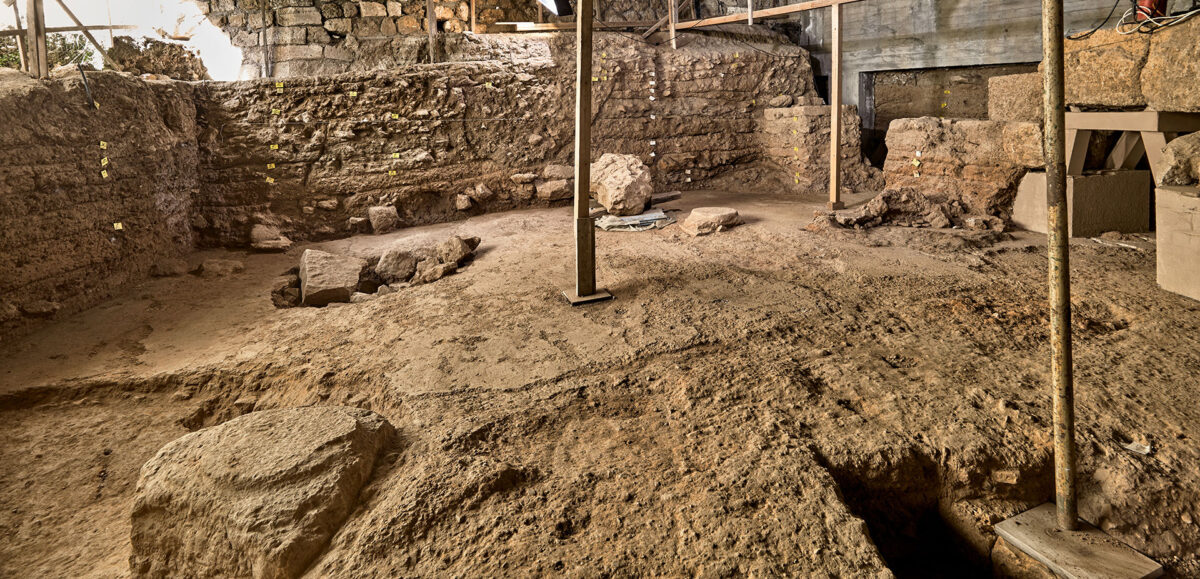
Preliminary results of the excavation on the hill of Kastelli in Chania
The area where the Mycenaean-era human sacrifice took place was likely a roofed hall, not an open space.
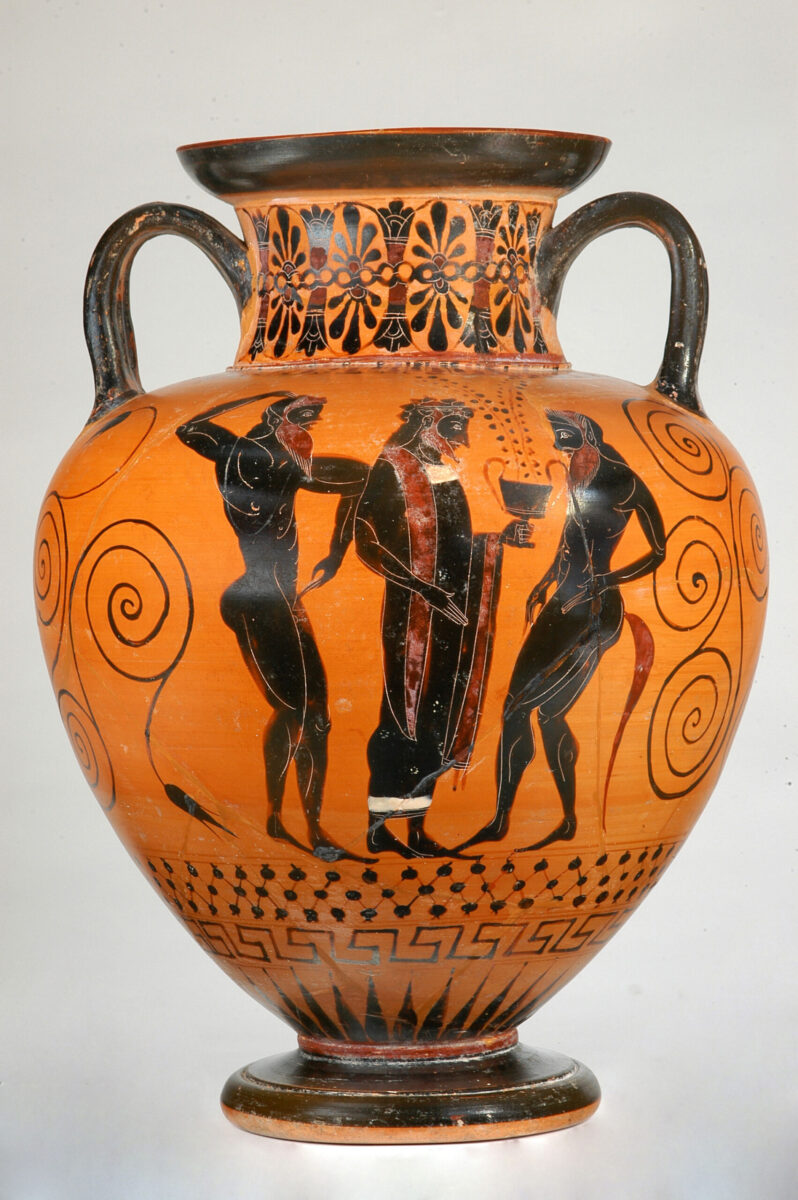
Cycladic Museum’s next exhibition will be about the ancient Greek theater
A new archaeological exhibition on ancient Greek theater is planned by the Museum of Cycladic Art for the end of 2023.
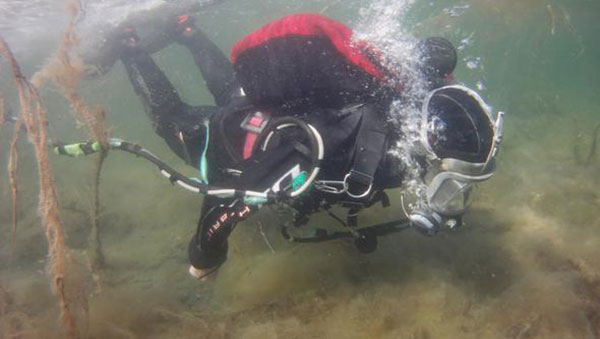
Medieval ship found off the west coast of Sweden
Analysis of wood samples shows that it is the oldest shipwreck ever found in the province of Bohuslän.
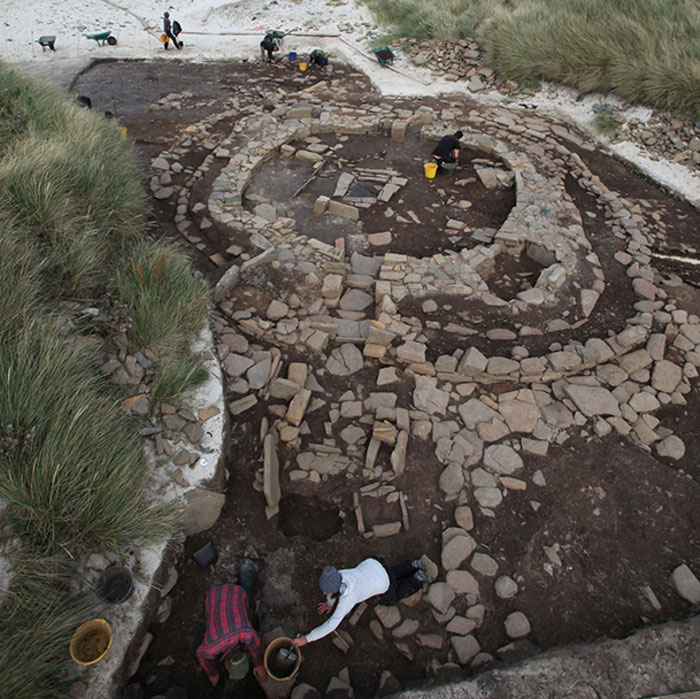
Bronze Age women altered genetic landscape of Orkney
Orkney was much less insular than has long been assumed and actually experienced large-scale female immigration during the Early Bronze Age.
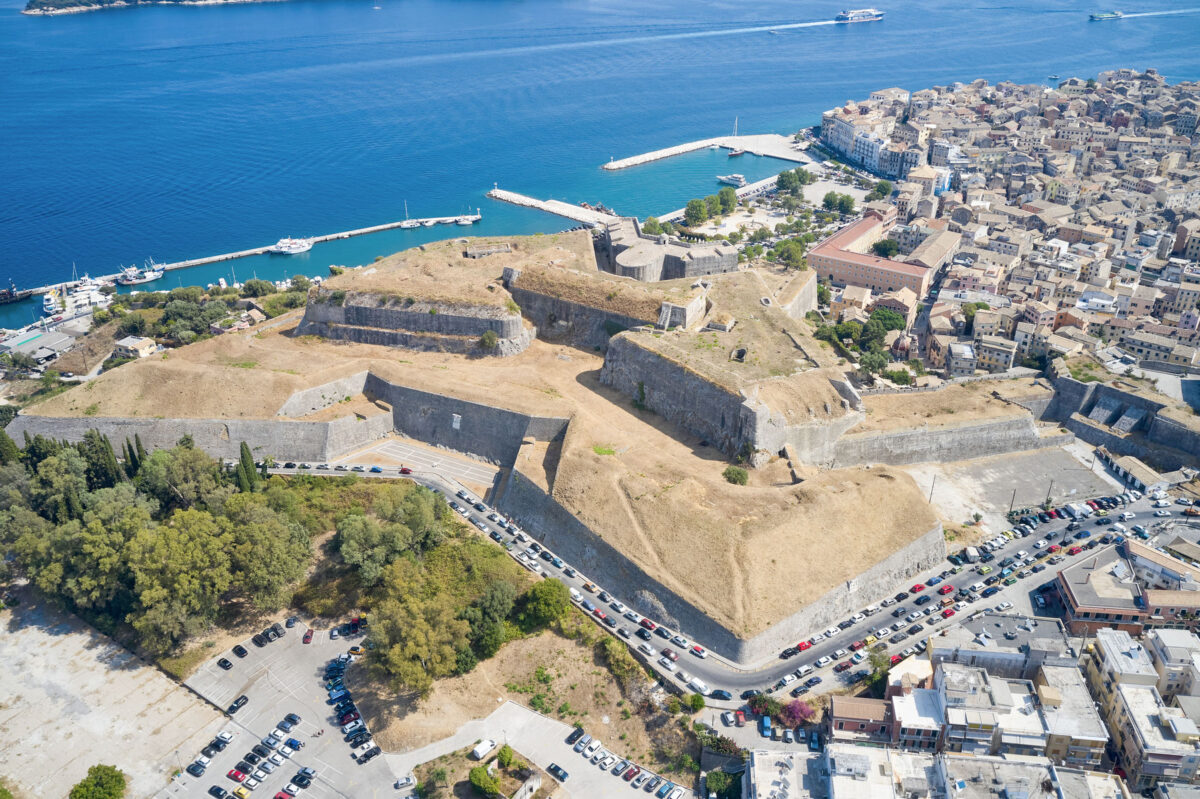
The Bastion of the “Seven Winds” is being restored
The aim is for this important landmark of Corfu’s Old Town to become accessible to the local community and visitors to the island.
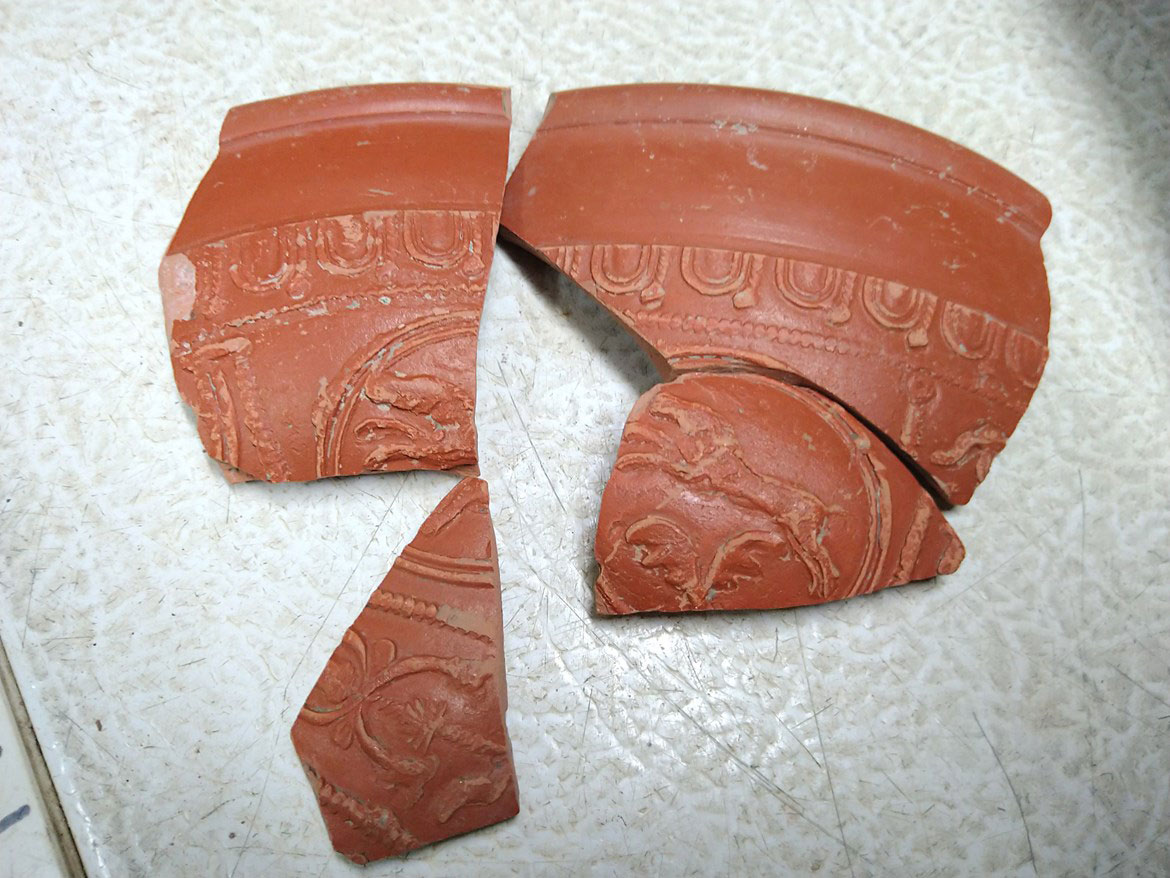
Archaeologists reveal secrets of small Roman town
Archaeologists have been able to discover more about what life was like in Roman Britain, two thousand years ago.
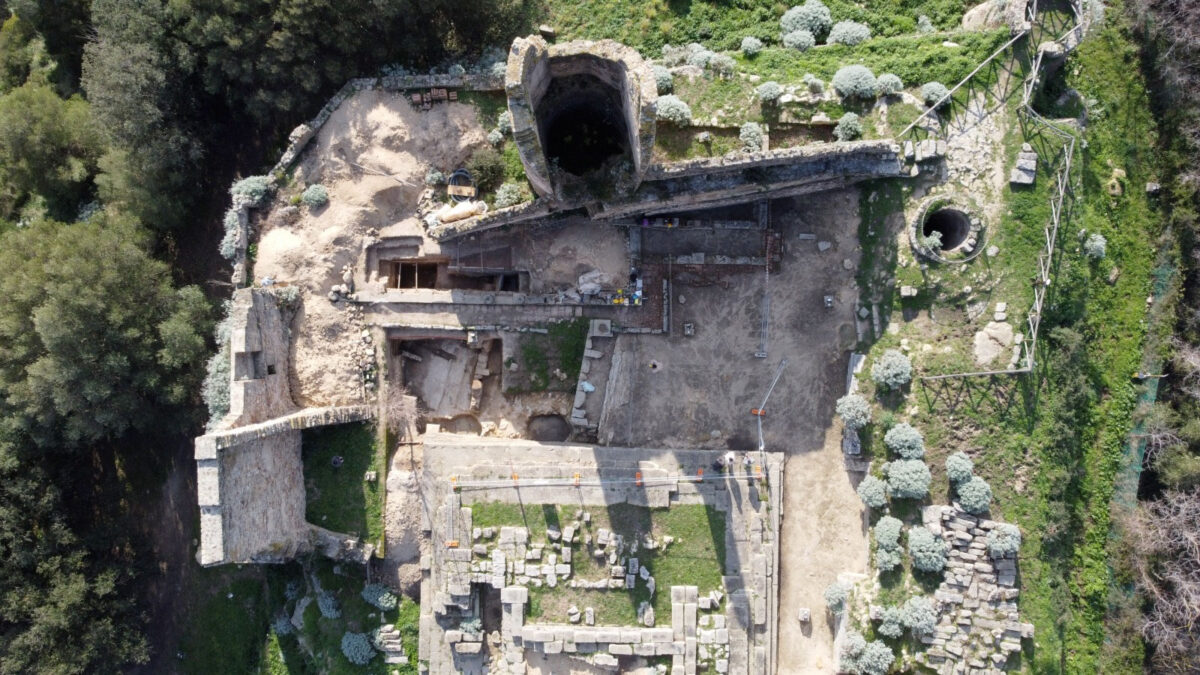
Τemple of the Goddess Athena discovered in southern Italy
The archaeological discovery in southern Italy proves, once again, the leading role of the Greeks in the Mediterranean and Corsica.
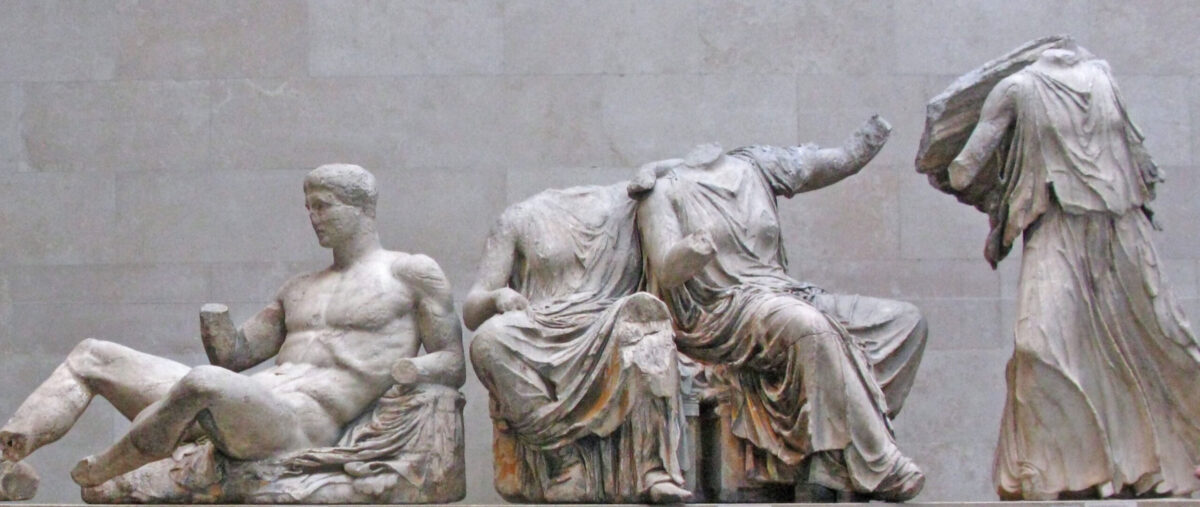
Daily Telegraph article on the return of the Parthenon Sculptures
Statements of the Greek ambassador to London in the context of the public debate that has opened in Britain since November.
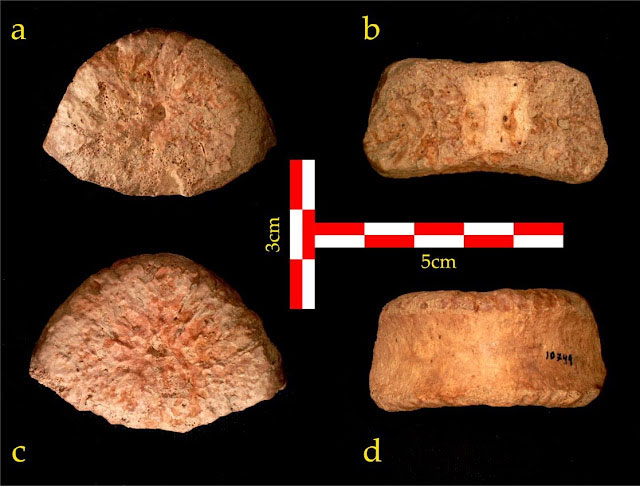
Ancient human vertebra discovered in Jordan Valley
The find sheds light on the question of whether the migration from Africa to Europe was a one-time event or occurred in several waves.
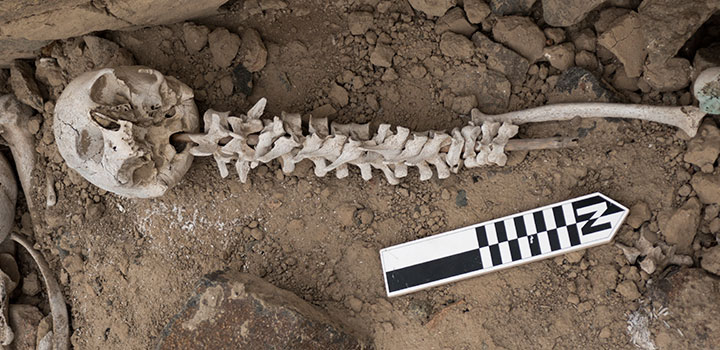
‘Threaded bone’ rituals restored dignity after looting of graves in Peru
Ancient Indigenous people in Peru had a unique response to the looting and destruction of their ancestors’ graves during the European colonial period.
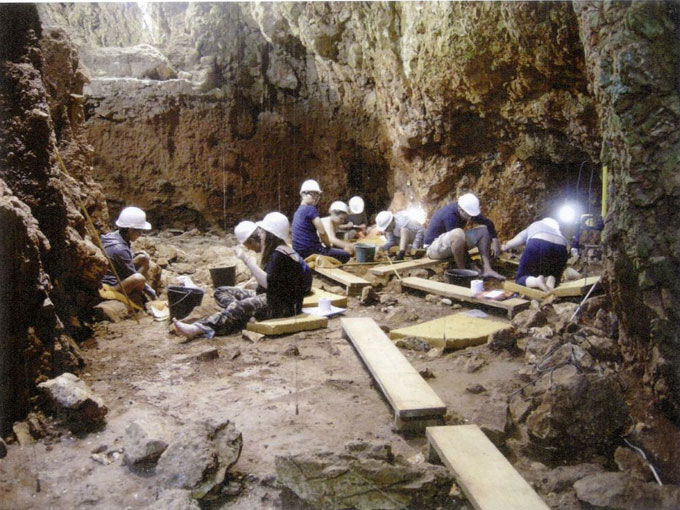
Hearths in Lower Palaeolithic caves positioned for maximum comfort
Early humans were able to heat their cave efficiently by placing hearths on spots allowing for the smoke to come out of the living space.