The monkey hunters
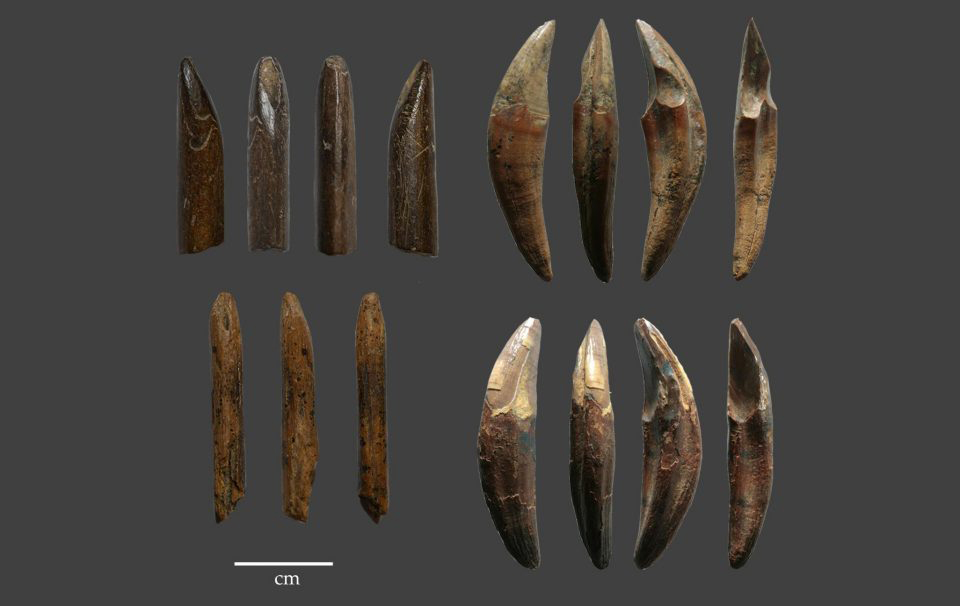
A multidisciplinary study has found evidence for humans hunting small mammals in the forests of Sri Lanka at least 45,000 years ago.
Neandertals’ main food source was definitely meat
Neandertals’ diets are highly debated: they are traditionally considered carnivores and hunters of large mammals, but this hypothesis has recently been challenged by numerous pieces of evidence of plant consumption.
Visiting fellowship 2019-2020 at the BSA
Applications are invited for a Visiting Fellowship at the British School at Athens for 2-3 months in the academic year 2019-20 in any branch of the arts or sciences related to Greece.
Digital Classicist London 2019
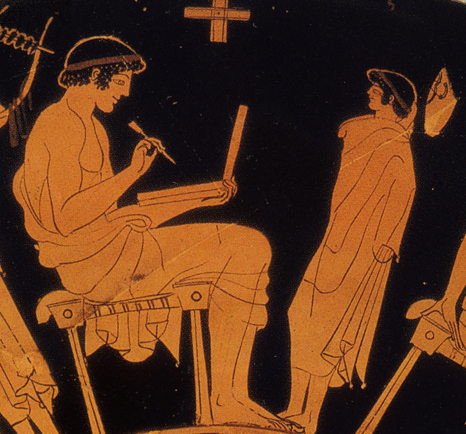
The Digital Classicist invites proposals for the summer 2019 seminar series.
The Metropolitan Museum of Art returns coffin to Egypt
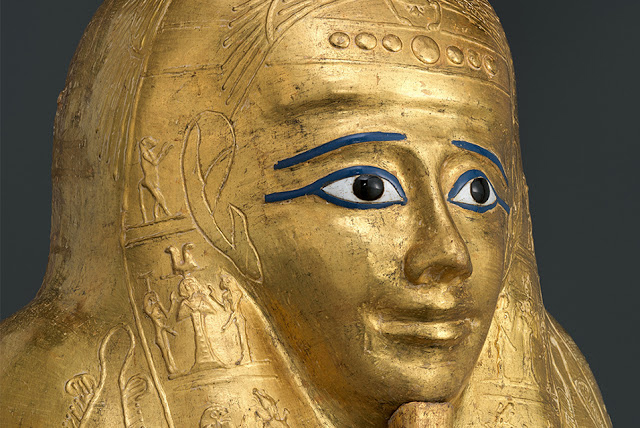
The Metropolitan Museum of Art announced last week that it has delivered the gilded Coffin of Nedjemankh, for return to the Government of Egypt by the Manhattan District Attorney’s Office.
25 years since one of the most famous thefts of a painting
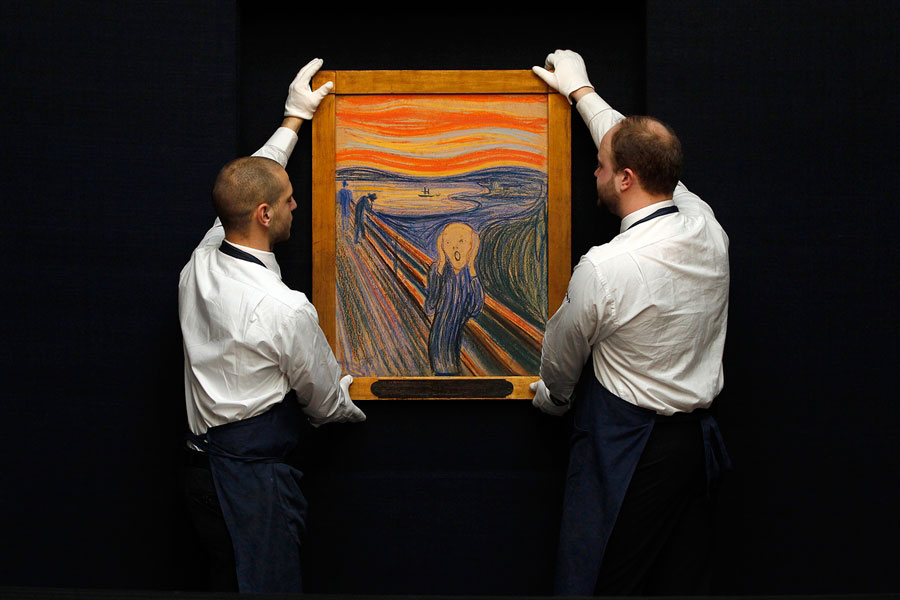
‟The Scream” is the most iconic painting by Norwegian artist Edvard Munch in the History of Art.
Indigenous hunters have positive impacts on food webs in desert Australia
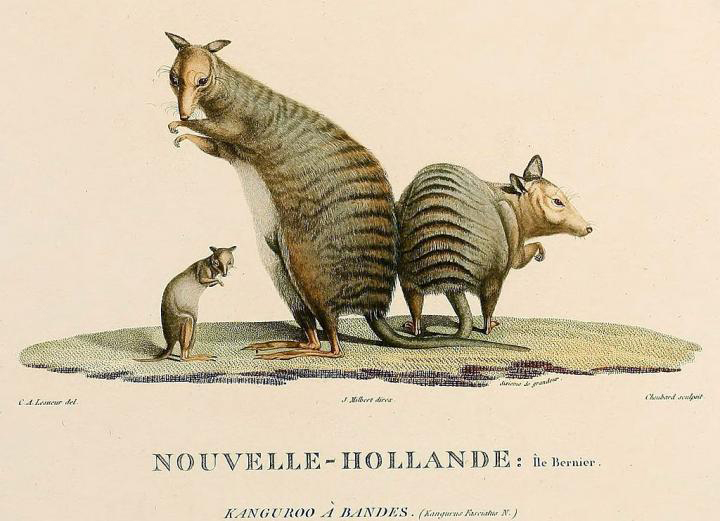
Australia has the highest rate of mammal extinction in the world. Resettlement of indigenous communities resulted in the spread of invasive species, the absence of human-set fires, and a general cascade in the interconnected food web that led to the
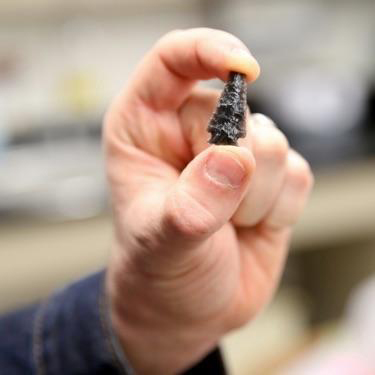
Marin County: Safe harbor for Native residents during the Mission era and beyond
Latest findings will be discussed during the Society for California Archaeology annual meeting March 7-10 in Sacramento.
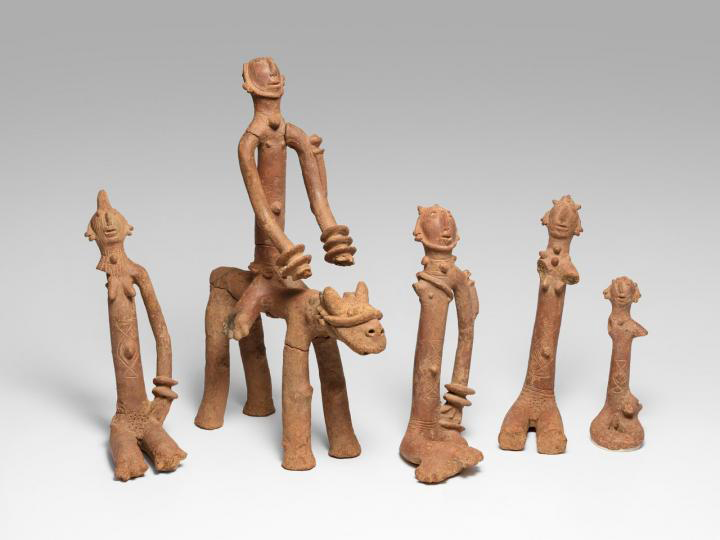
Art Institute of Chicago unveils key findings in African art thanks to medical technology
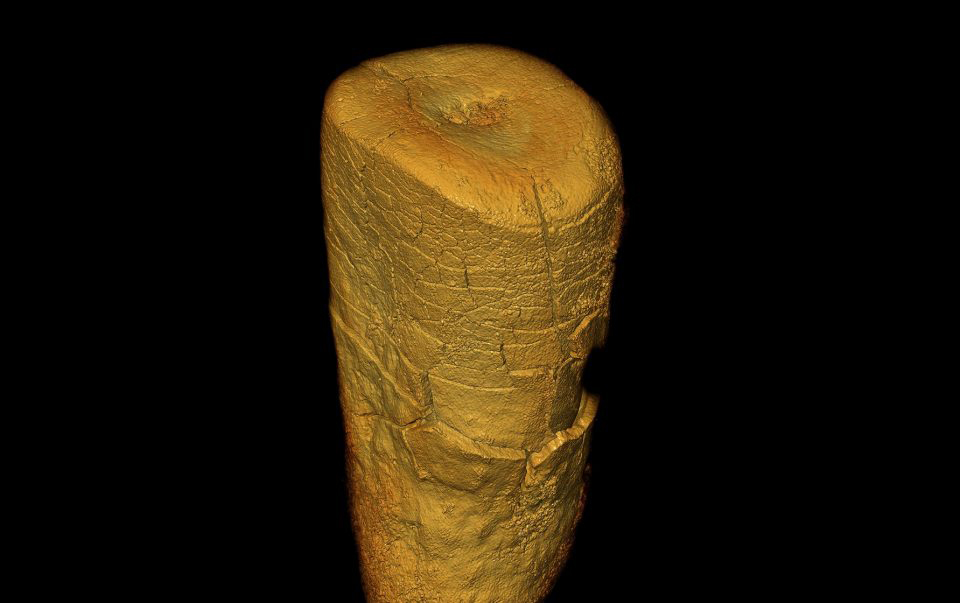
the Art Institute of Chicago announced the results of significant new research on five terracotta sculptures—so named Bankoni after a village in present-day Mali where they were found.
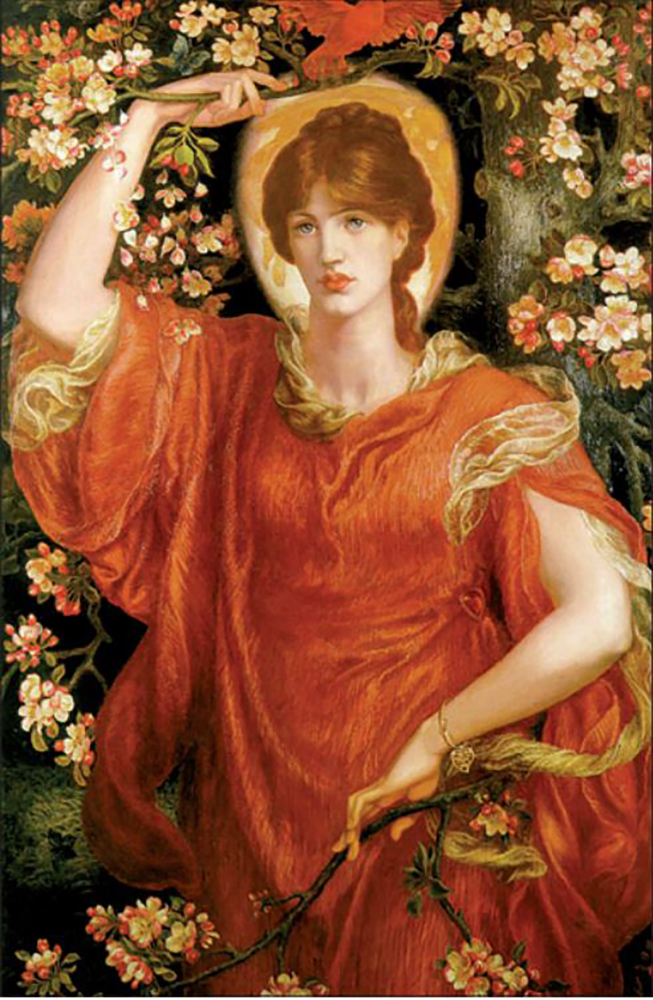
The ideal Pre-Raphaelite beauty was Greek…and an artist in her own right!
Marie Spartali Stillman modeled for most of the Preraphaelites and was a tireless artist herself, producing around 150 paintings!
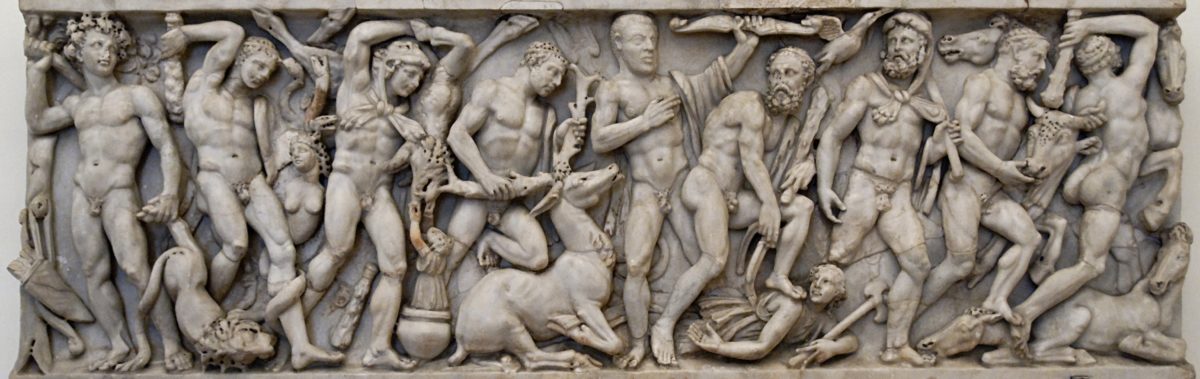
The 12 Labours of Herakles
The conference "The 12 Labours of Herakles: Between Iconography and Literature" will take place on June 4-5-6-7-8, 2019 in Velletri (Rome).

Controversy and rising prices at auctions of works by Hitler
Auctions of Hitler’s works often cause controversy in Germany, where the recognition of Nazi crimes is a key part of national identity. Collectors and foreigners in general are ready to spend large sums of money to acquire a work by
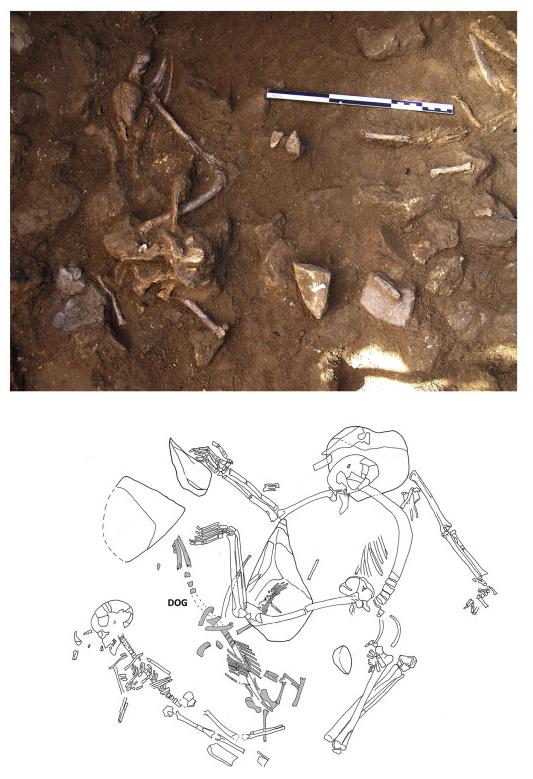
Dog burial as common ritual in Neolithic populations of north-eastern Iberian Peninsula
Coinciding with the Pit Grave culture (4200-3600 years before our era), coming from Southern Europe, the Neolithic communities of the north-eastern Iberian Peninsula started a ceremonial activity related to the sacrifice and burial of dogs.
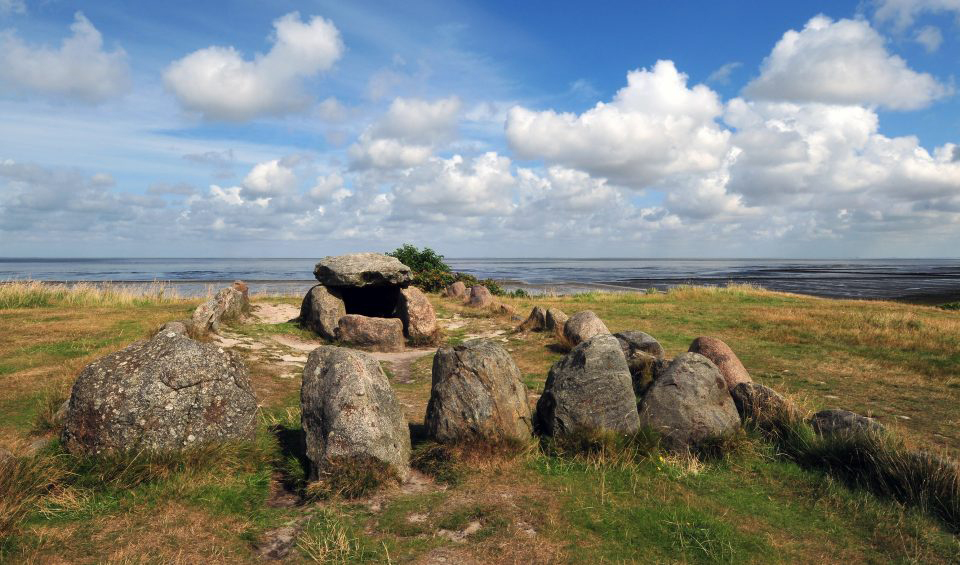
Radiocarbon dates show the origins of megalith graves and how they spread across Europe
Study answers the question of how and where megalith graves arose.
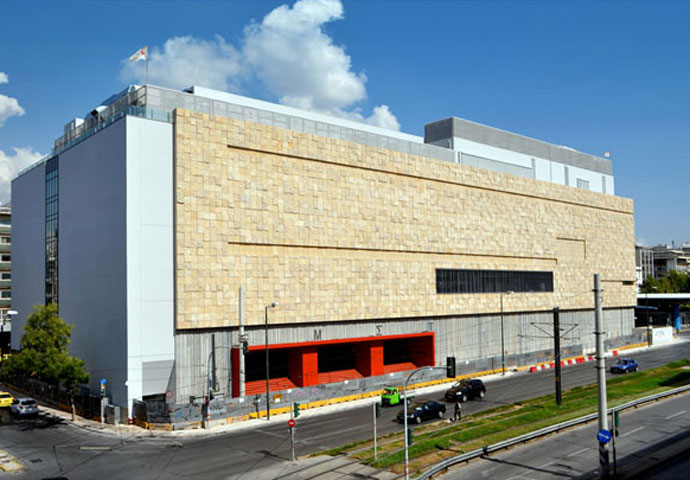
New International Competition for the National Museum of Contemporary Art (EMST)
As stated in a relevant announcement by the Ministry of Culture, at the last meeting, the Committee in quorum rejected twelve applications for the position.
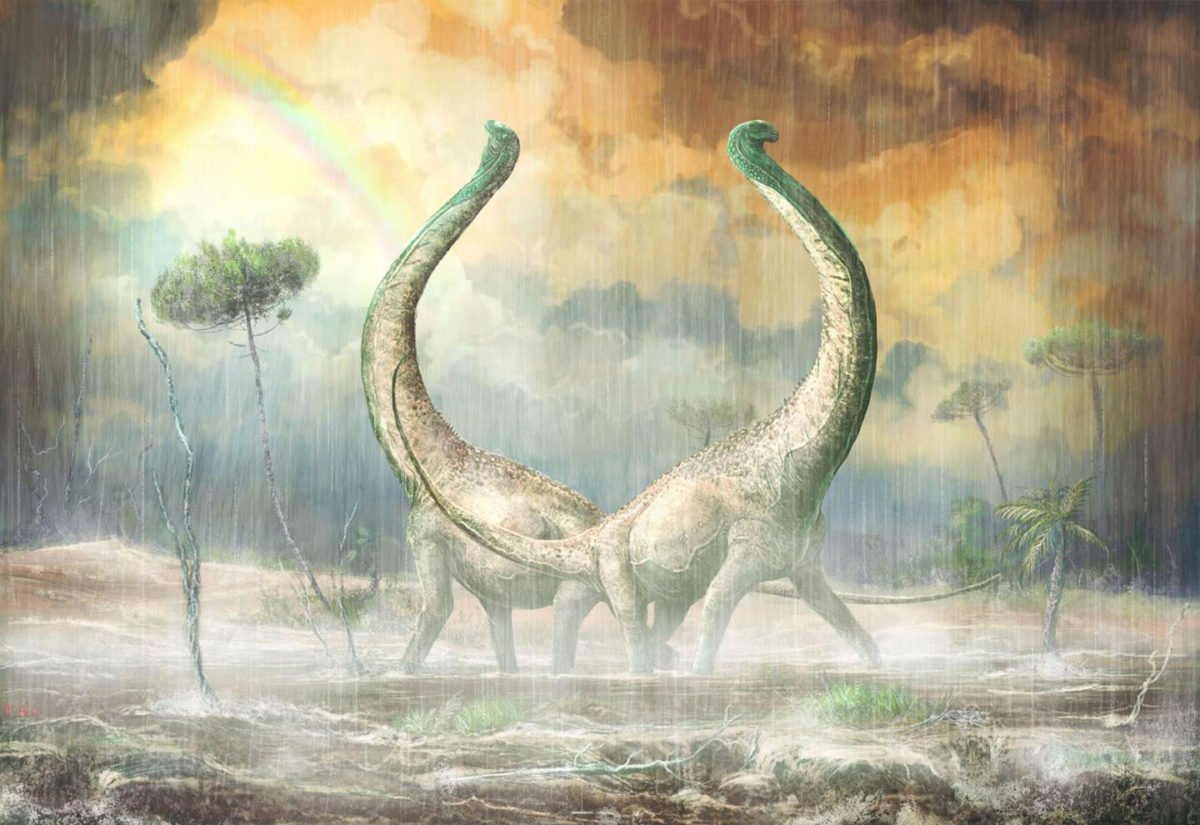
Exceptional new titanosaur from middle Cretaceous Tanzania
An exceptional sauropod dinosaur specimen from the middle Cretaceous of Tanzania represents a unique species and provides new insights into sauropod evolution.
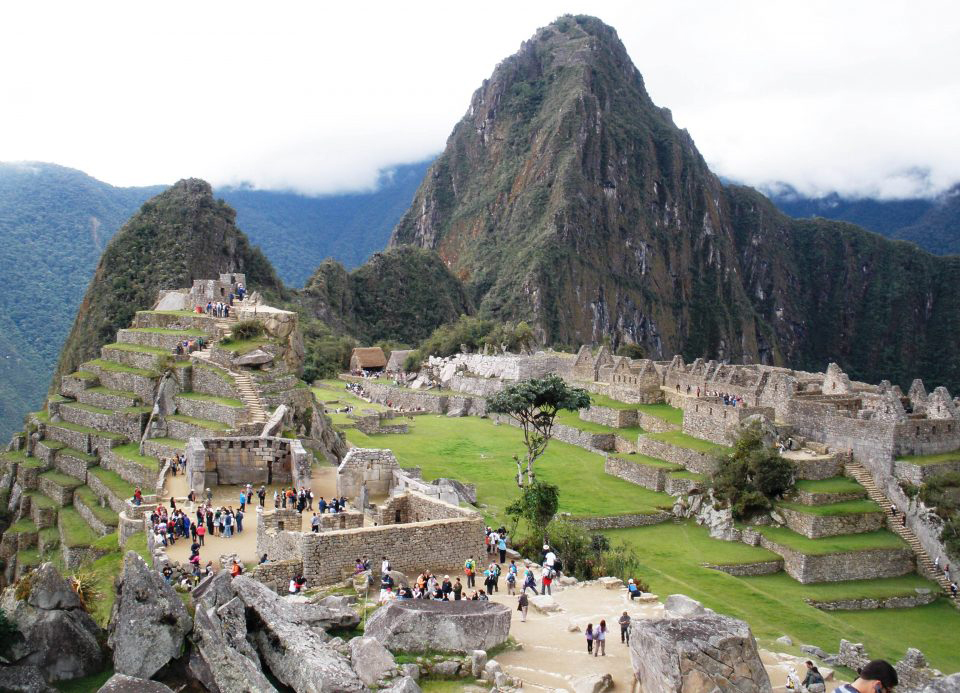
Biocolonizer species are putting the conservation of the granite at Machu Picchu at risk
A study by the UPV/EHU-University of the Basque Country has evaluated the role of micro-organisms colonizing the Sacred Rock at Machu Picchu in its state of conservation.
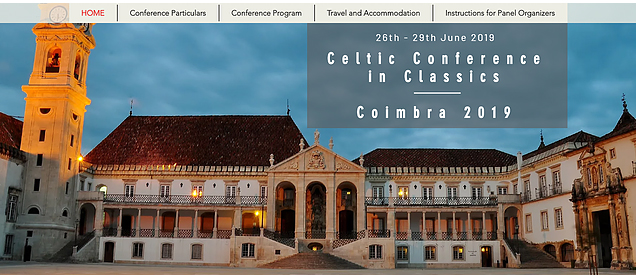
Cherchez la femme
The panel seeks to address the role of women in the Hellenistic political scene both as a historical phenomenon at large and as a historiographical or literary topos.

Evolution and Entanglement
Evolution and Entanglement is the title of the upcoming ACE Flagship Seminar by Ian Hodder (Standford University).
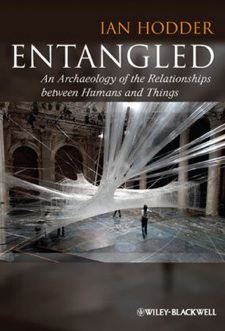
Entangled: An Archaeology of the Relationships between Humans and Things
A powerful and innovative argument that explores the complexity of the human relationship with material things, demonstrating how humans and societies are entrapped into the maintenance and sustaining of material worlds.
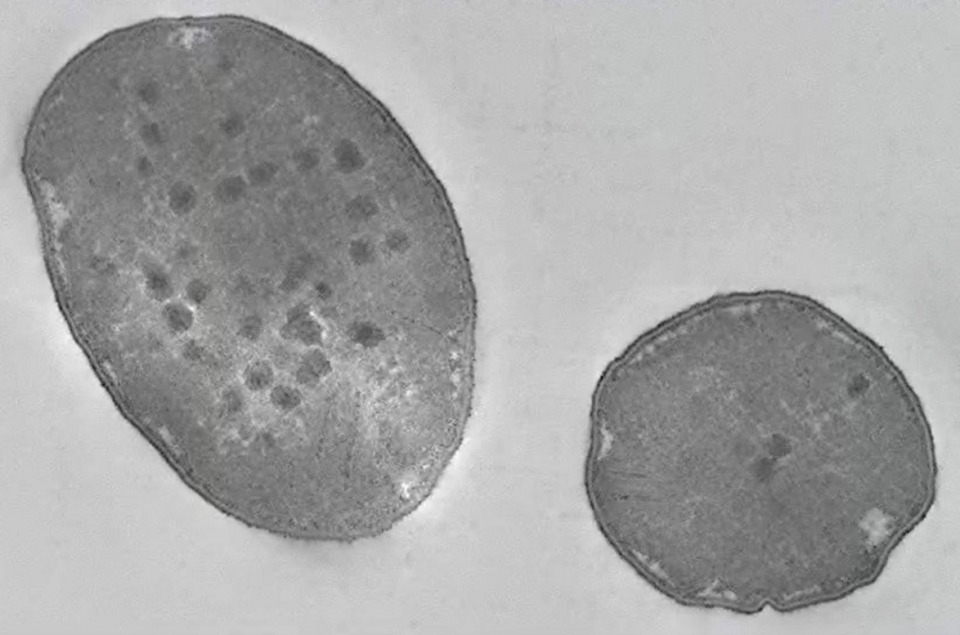
Natural History Research suggests life thrived on Earth 3.5 billion years ago
3.5 billion years ago Earth hosted life, but was it barely surviving, or thriving?
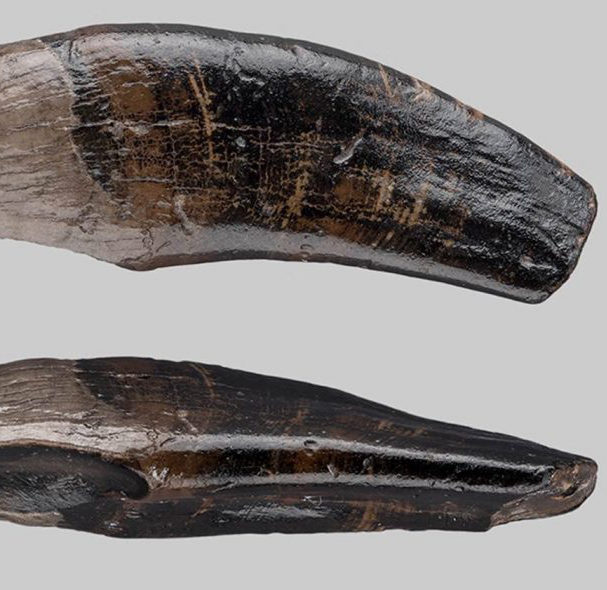
Macaque fossils discovered at the bottom of the North Sea
Together with two colleagues from the Netherlands, Senckenberg scientist Ralf-Dietrich Kahlke examined the teeth of several macaques from the bottom of the North Sea.

“Alcyonis” cinema has been classified as a monument
The Alcyonis cinema that started to operate in 1968 was designed by civil engineer Vangelis Sideris.

MoMA to close for four months
It was also announced that the Rockefeller family donated 200 million dollars to the Museum of Modern Art, New York.