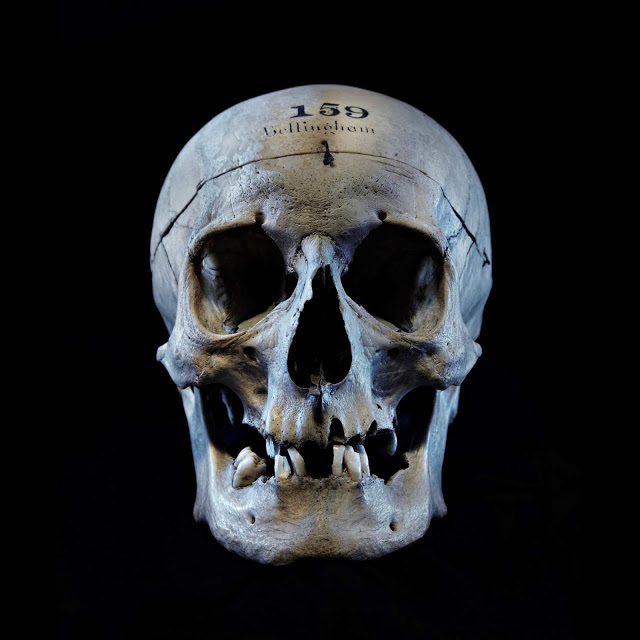
Revealing the face of an infamous 19th century British assassin from a skull
A brand new portrait of the only person to have successfully assassinated a British Prime Minister, has been revealed by museum technicians at Queen Mary University of London.
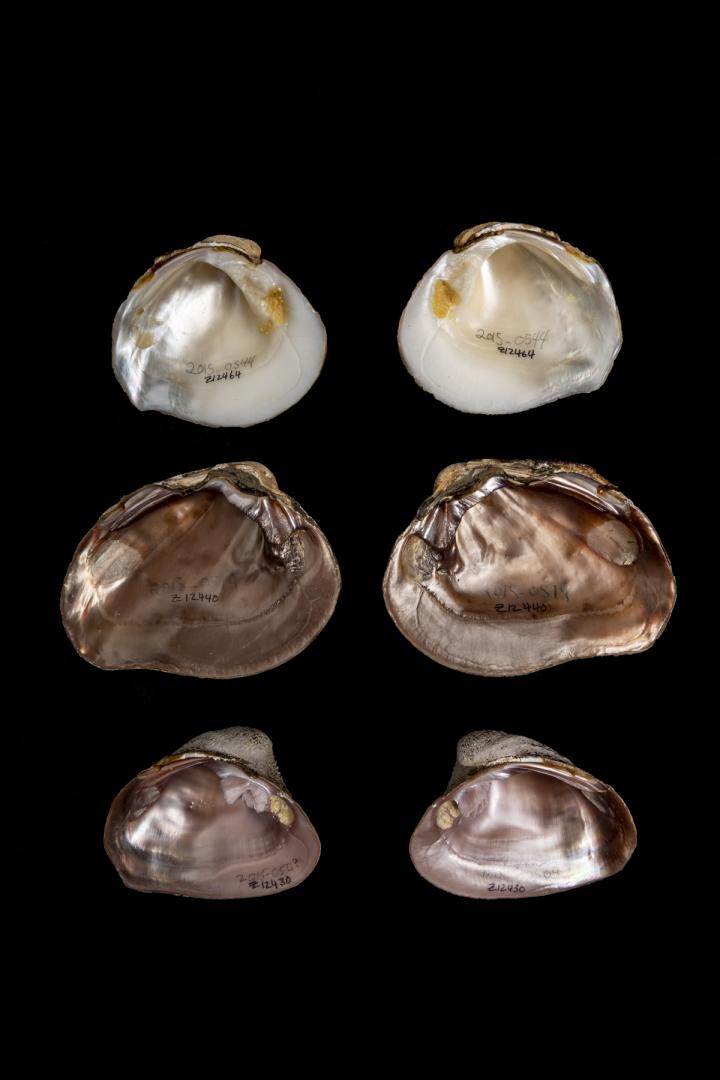
How ancient Mayan shell decor led to a new look at freshwater mussels south of the border
The first molecular study of freshwater mussels native to Mexico and Central America, adding crucial and long-missing piece to our understanding of North American freshwater mussels.
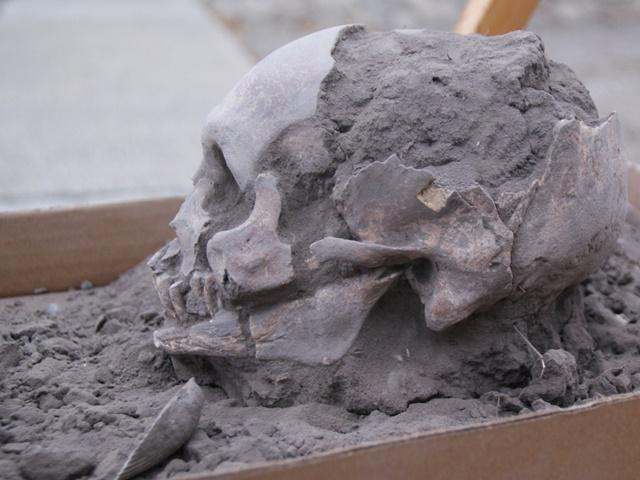
FEFU archaeologists have found the oldest burials in Ecuador
Analysis of artifacts will help scientists understand the development of ancient cultures on the shores of the Pacific Ocean and clarify the origin and development of ancient American civilizations.
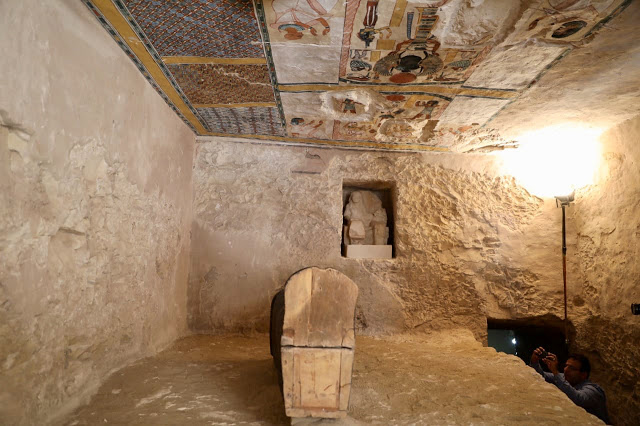
Ancient Egyptian tomb full of coffins discovered in Assasif
An Ancient Egyptian tomb full of coffins was discovered in Assasif, Egypt.
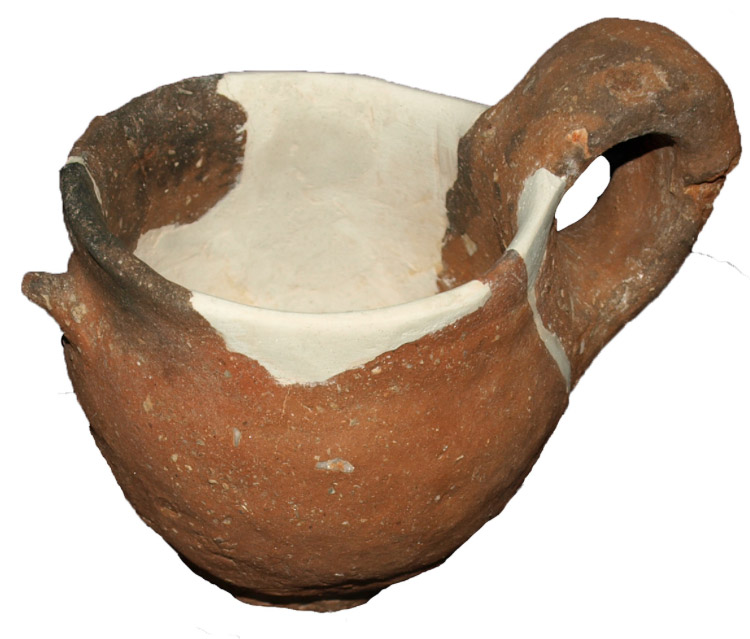
Important finds from the excavation at Petroto, Trikala
It is the only known example in West Thessaly of a Final Neolithic or even earlier settlement whose life continued uninterrupted to the end of the Bronze Age.
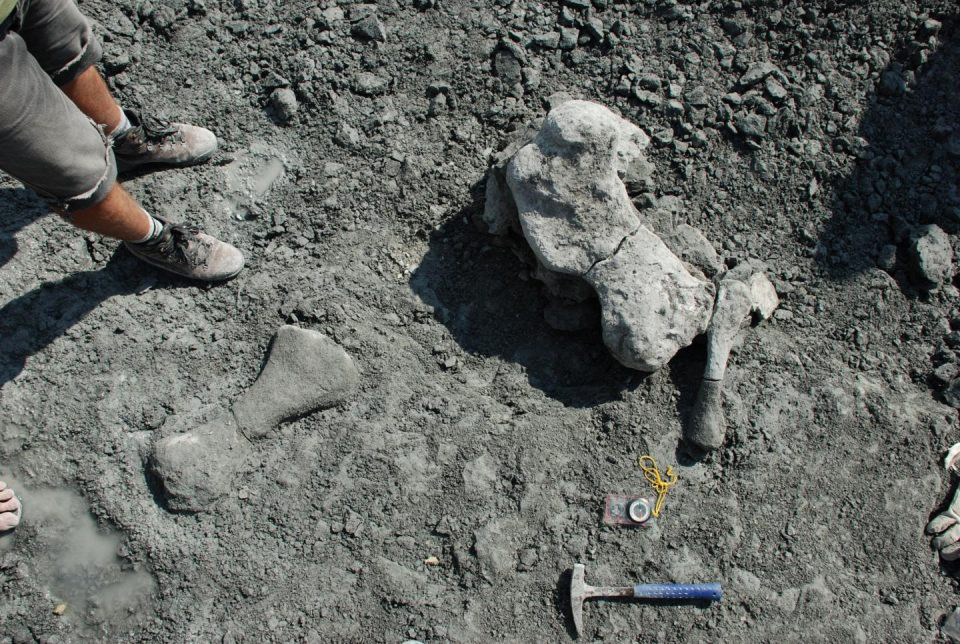
Gigantic mammal ‘cousin’ discovered
Researchers at Uppsala University in Sweden, together with colleagues in Poland, have discovered fossils from a new genus of gigantic dicynodont.
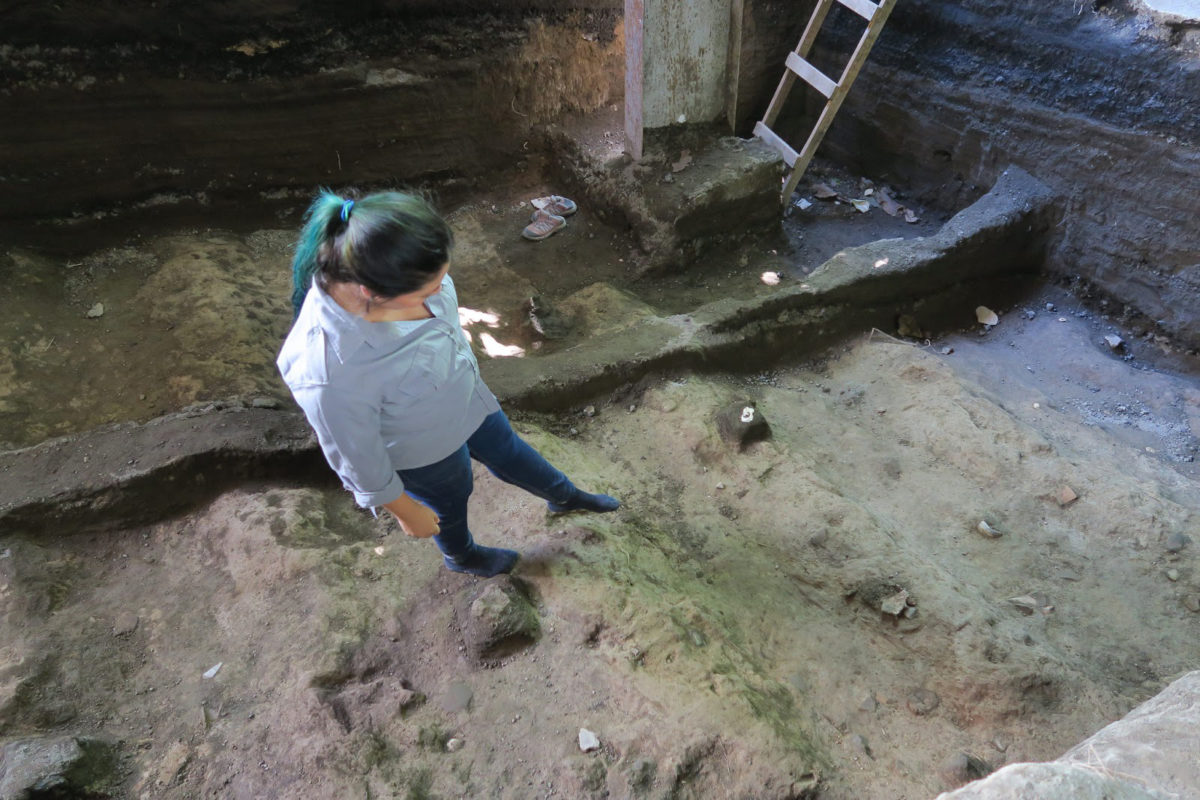
First human remains found in El Salvador’s Joya de Ceren
Τhe investigation will be expanded in Complex 1 of Joya de Cerén after the discovery of a skeleton, human footprints and cultivation furrows in the excavations carried out.
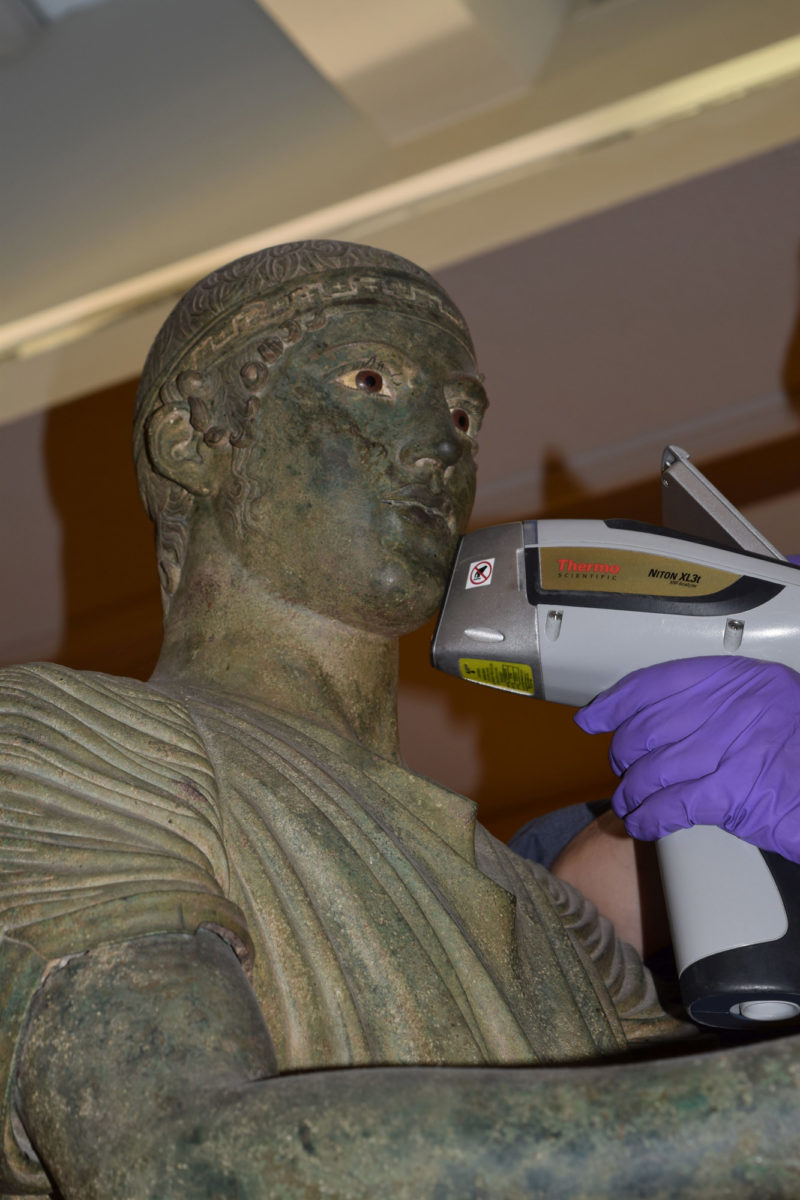
The French are searching for colours on the body of the Delphi Charioteer
'The latest research on the bronzes of antiquity: new data on the Delphi Charioteer' is the title of the lecture by Sophie Descamps.
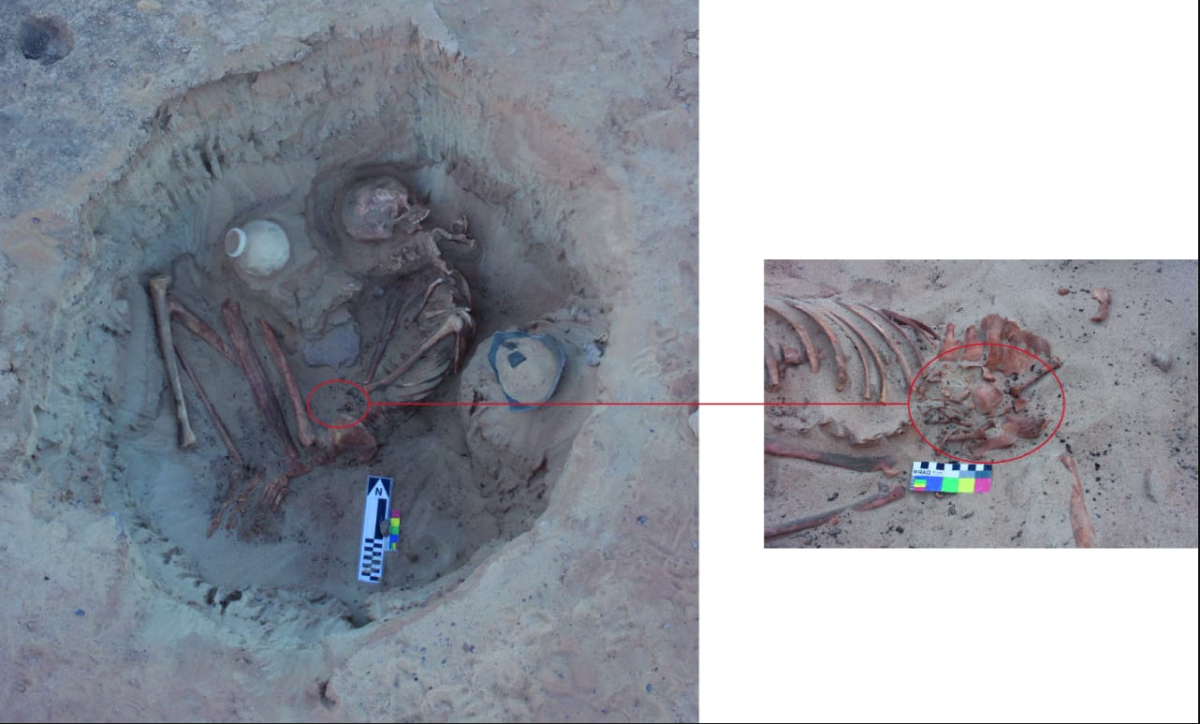
Discovery in Aswan-Kom Ombo area
The Italian-American mission working in the Aswan-Kom Ombo project in Aswan has uncovered the grave of a woman and her fetus dating back to 3700 years ago.
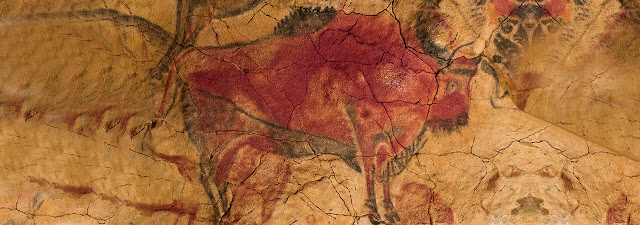
Rock art might help understand how human language has evolved
New study suggests cave paintings represent a modality of language expression.
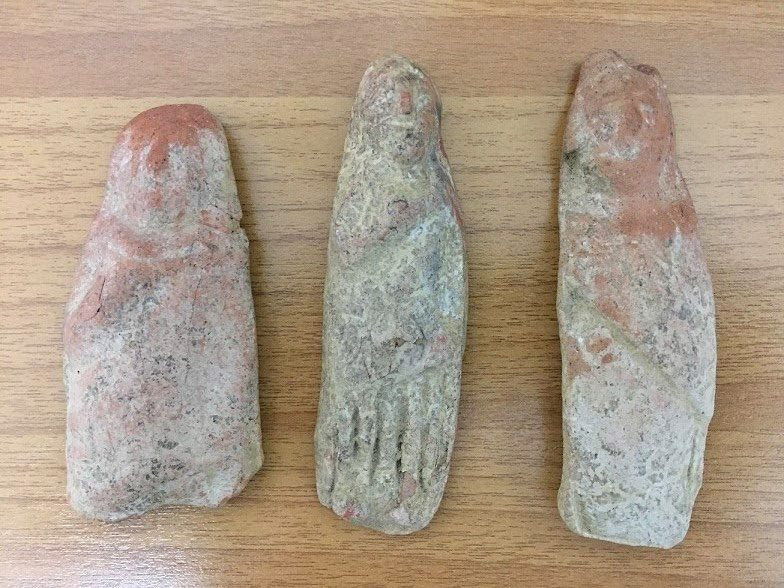
Arrest for possession of ancient artefacts in Laconia
The following items were found and confiscated: three terracotta female statuettes, two vases, two terracotta ointment jars and a round object made of terracotta, all either Hellenistic or Roman.
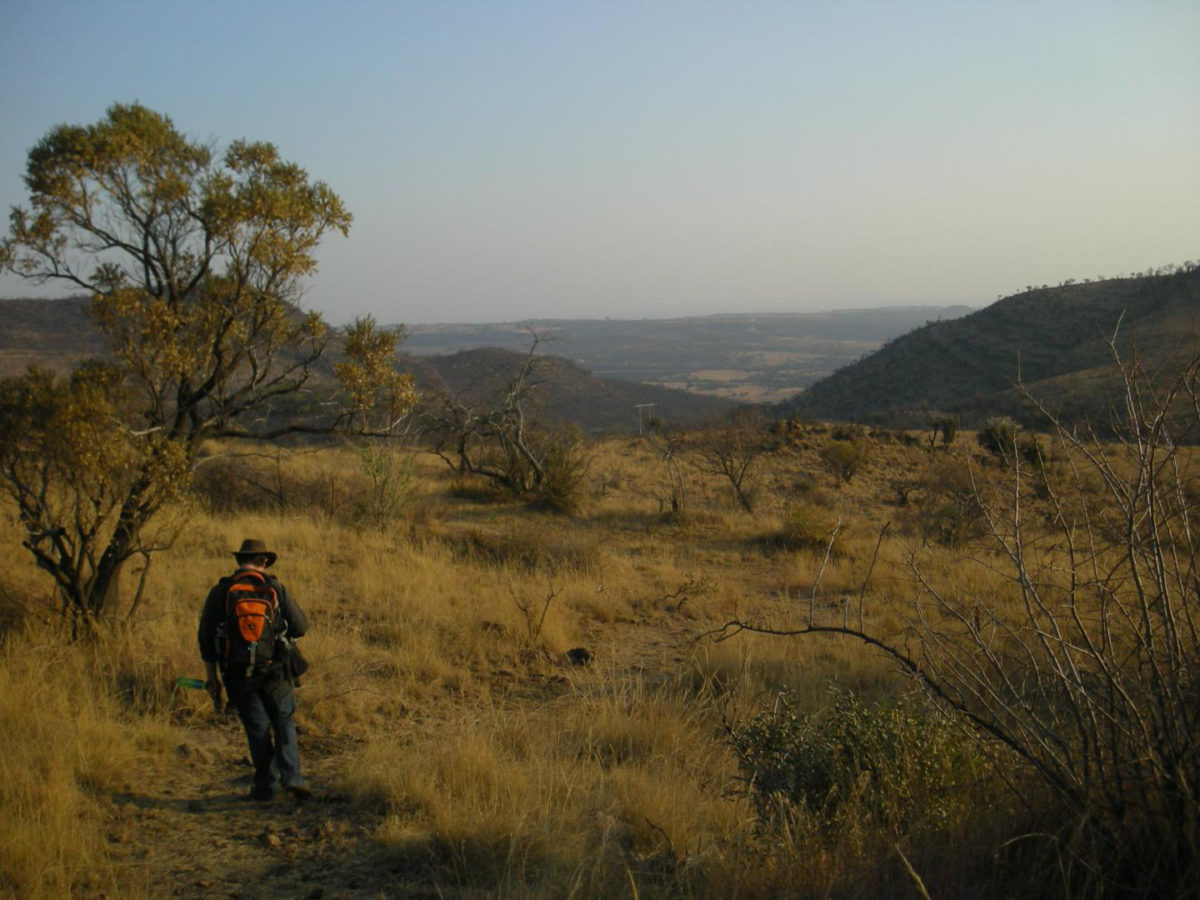
Evolution: South Africa’s hominin record is a fair-weather friend
New uranium-lead ages for fossil bearing caves change the landscape of human evolution in South Africa

David Hockney painting sold for $90.3 million
The painting, which became one of Hockney’s cult works, features on the covers of many books on the artist.
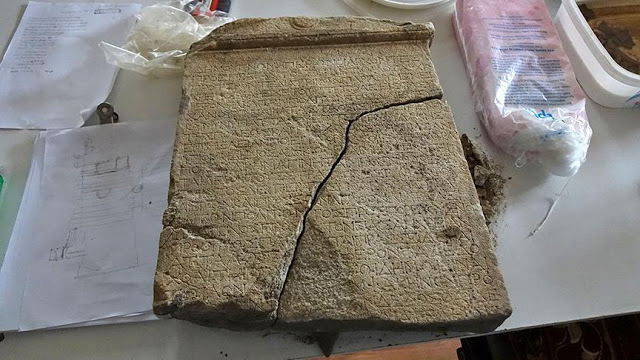
2,200-year-old Greek inscription found in NW Turkey
Turkish archaeologists investigating a ancient villa in northwestern Turkey have uncovered a Hellenistic inscription.
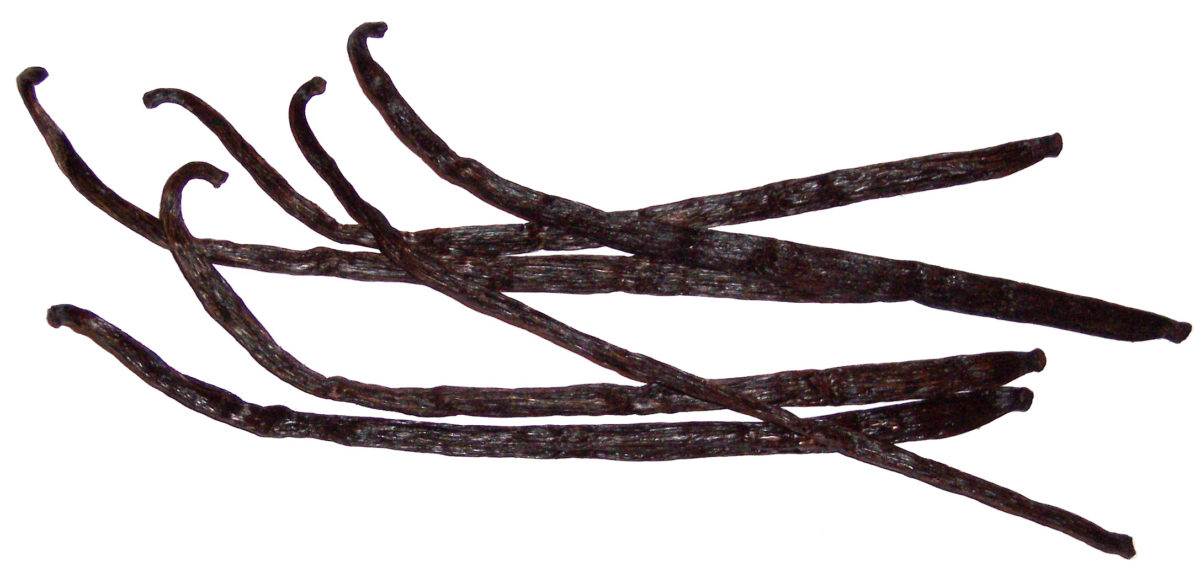
Israel: Possible vanilla chemicals in a Bronze Age tomb
At the Bronze Age site of Megiddo archaeologists have found traces of two major chemical compunds in vanilla extract in three jugs.
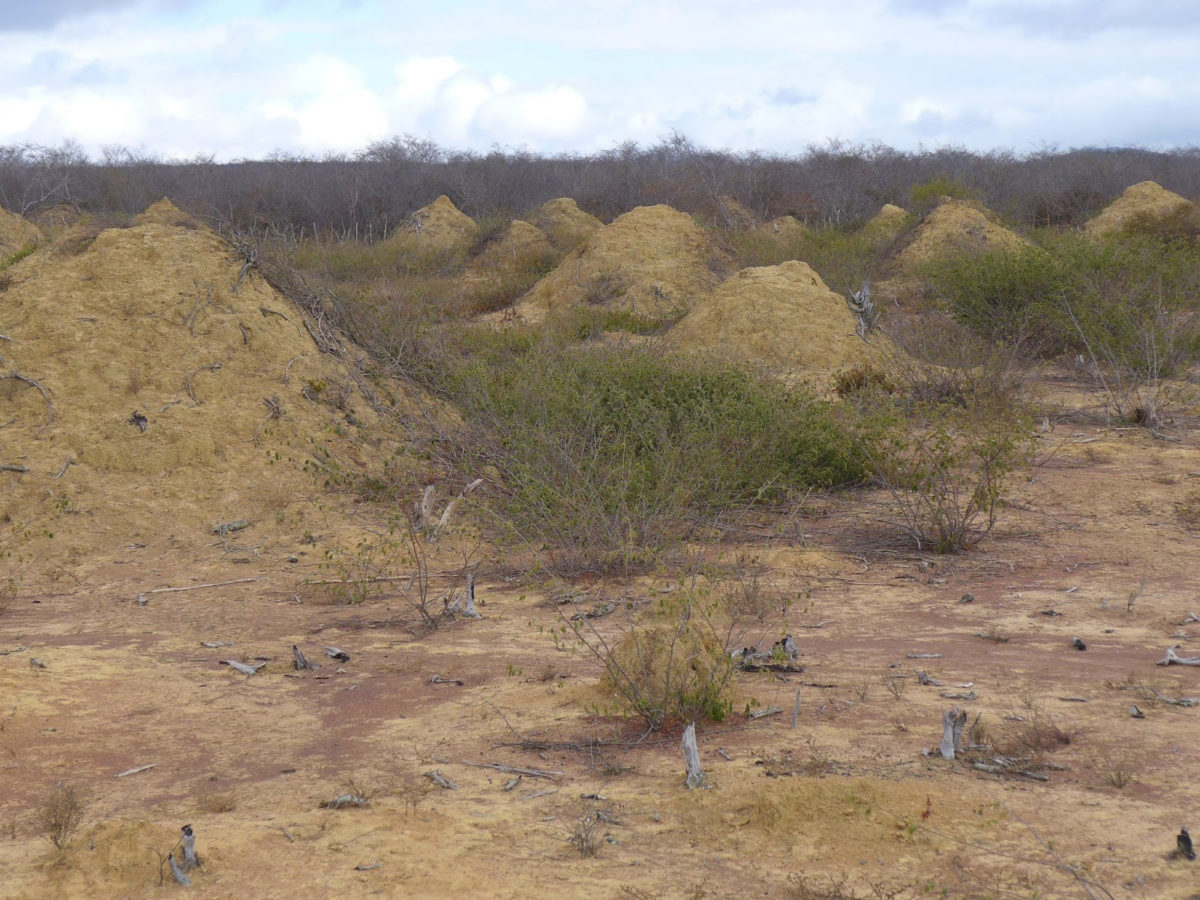
4,000-year-old termite mounds found in Brazil are visible from space
A vast array of regularly spaced, still-inhabited termite mounds in northeastern Brazil—covering an area the size of Great Britain—are up to about 4,000 years old.
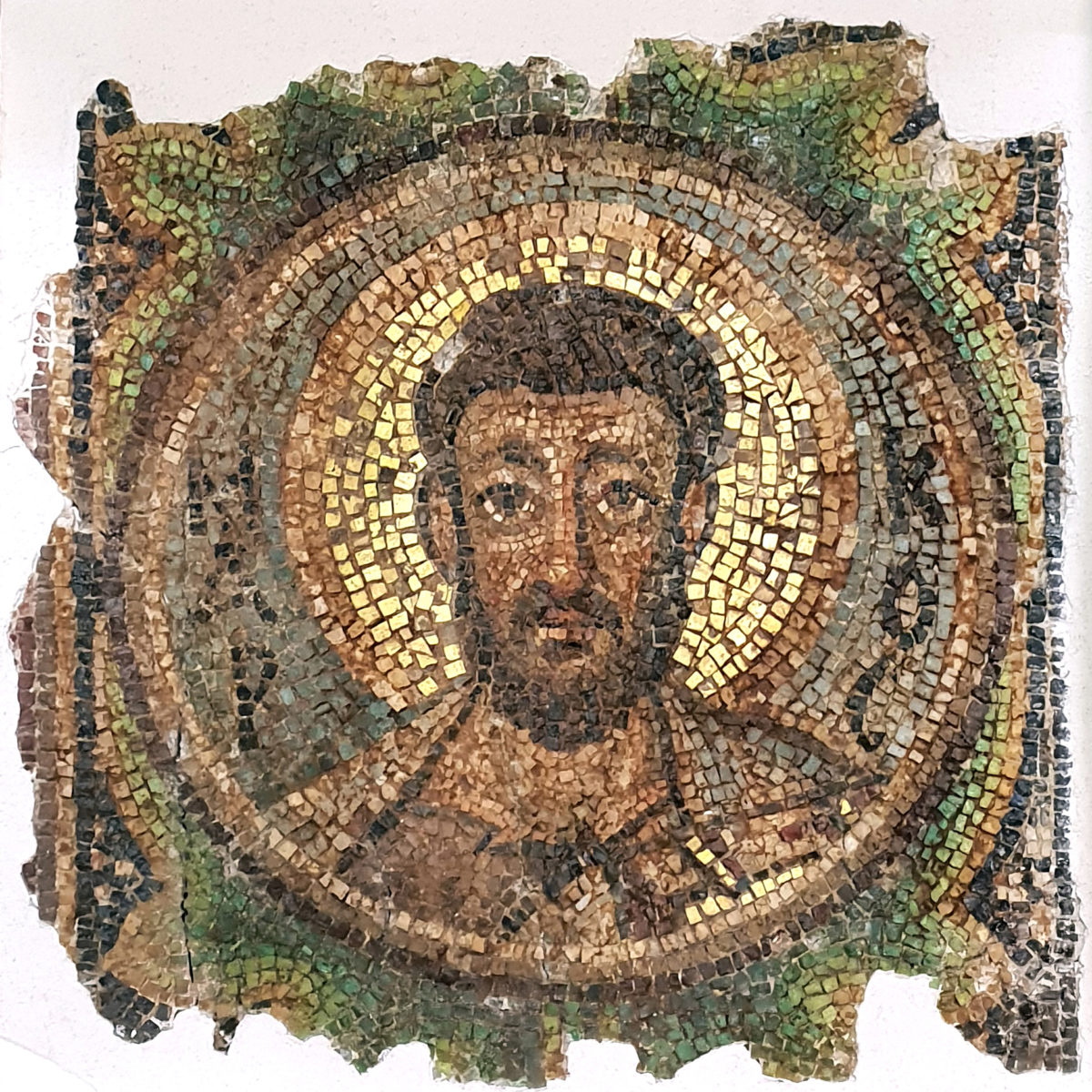
Repatriation of the mosaic of Apostle Markos to Cyprus
The mosaic was located in the Principality of Monaco by the Dutch private detective Arthur Brand, known for tracing major works of art.
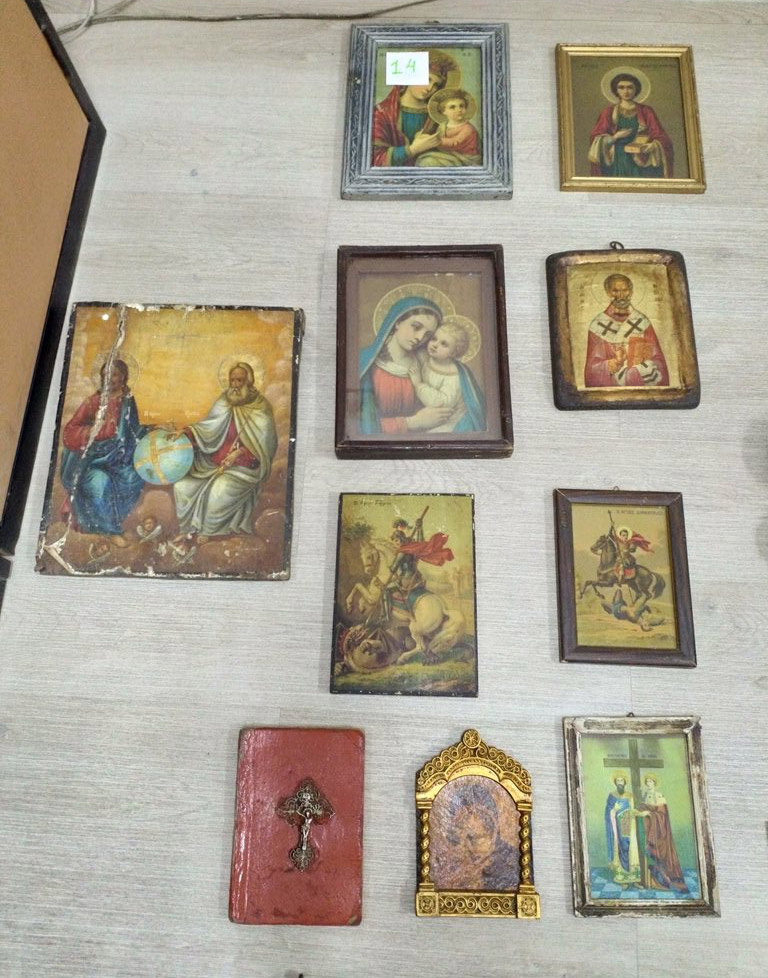
Religious icons and coins in the possession of a couple in Epiros
The whereabouts of the confiscated artefacts is at present being fully investigated.
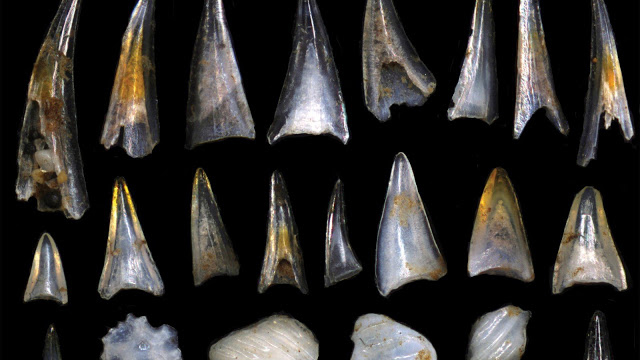
Fish teeth mark periods of evolution
Elizabeth Sibert is rewriting the story of how the asteroid impact that killed off the dinosaurs affected fish, and she's doing it one tooth at a time.
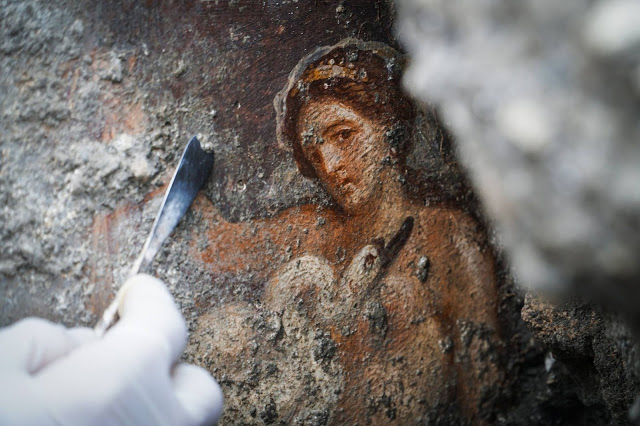
The fresco “Leda and the Swan”
The fresco was discovered during stabilisation and re-profiling works on the excavation fronts in a cubiculum (bedroom) of a house along Via del Vesuvio.
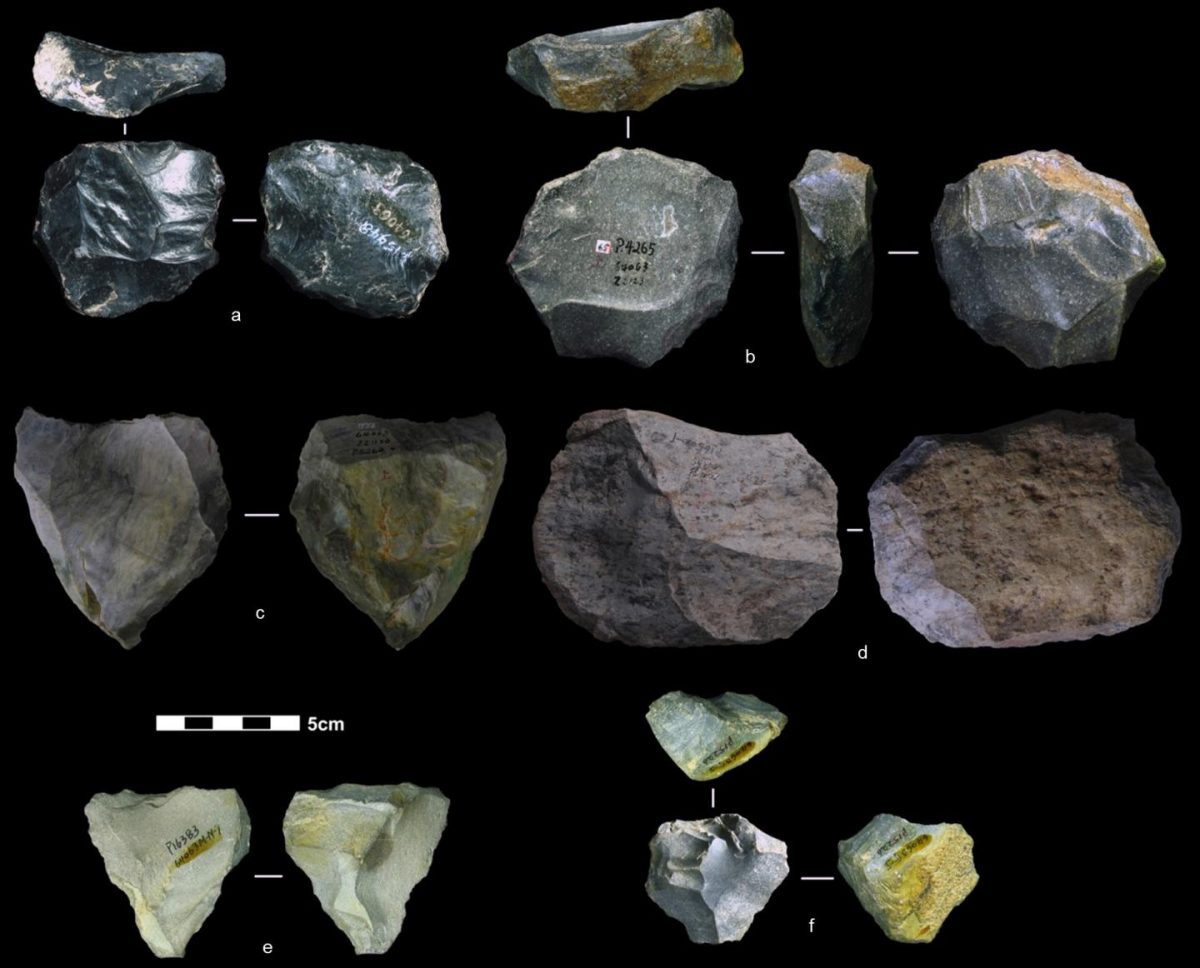
The ‘Swiss Army knife of prehistoric tools’ found in Asia, suggests homegrown technology
New analysis of artefacts found at a South China archaeological site shows that sophisticated tool technology emerged in East Asia earlier than previously thought.
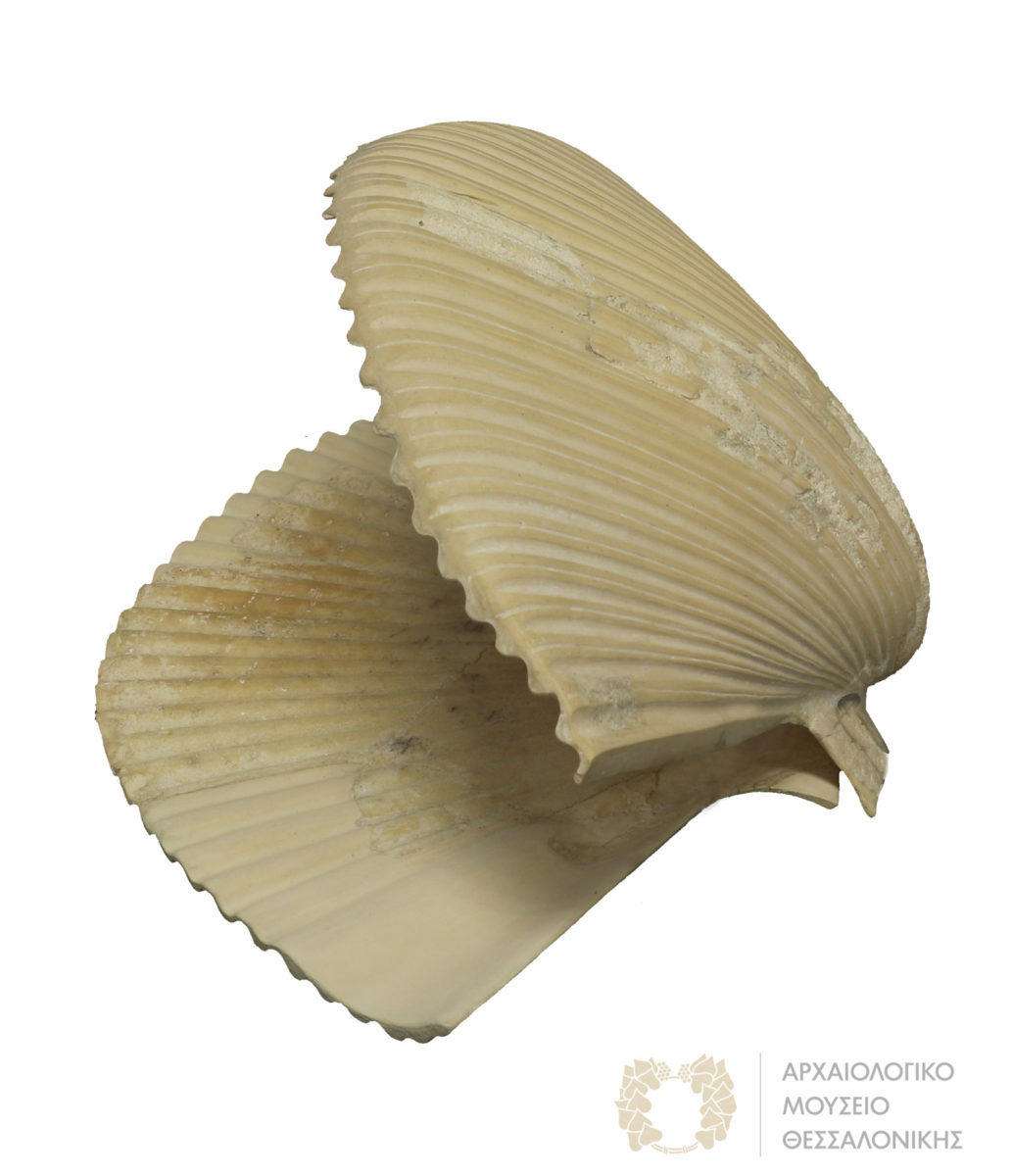
Copying (in) the Past: Imitation and Inspiration Stories
The exhibition attempts to approach the multi-faceted phenomenon of copying in the past and the present and its innumerable expressions.
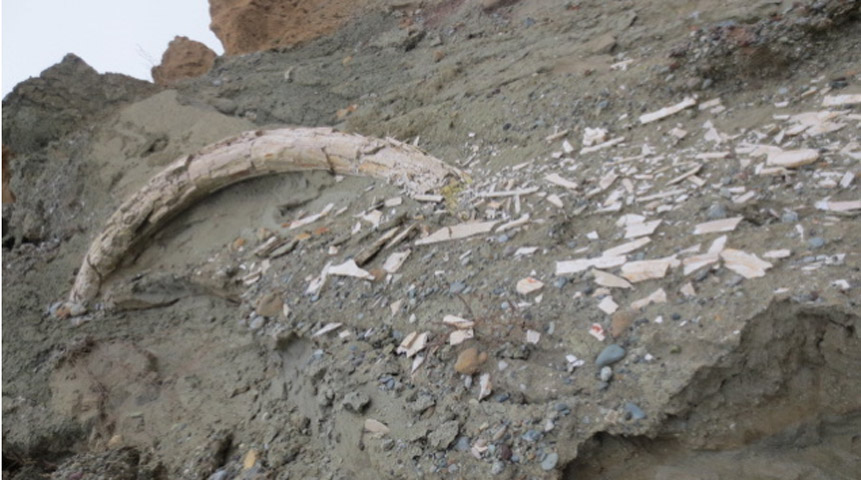
2-metre-long prehistoric tusk found in Amyntaio
It was found by PPC employees while clearing earth from a landslide at the mine of Amyntaio, Florina.
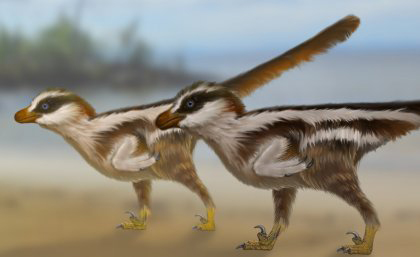
Tiny raptor tracks lead to big discovery
Tracks made by dinosaurs the size of sparrows have been discovered in South Korea by an international team of palaeontologists.