
How rocks rusted on Earth and turned red
A Rutgers-led study has shed new light on the important phenomenon and will help address questions about the Late Triassic climate more than 200 million years ago.
Genes for face shape identified
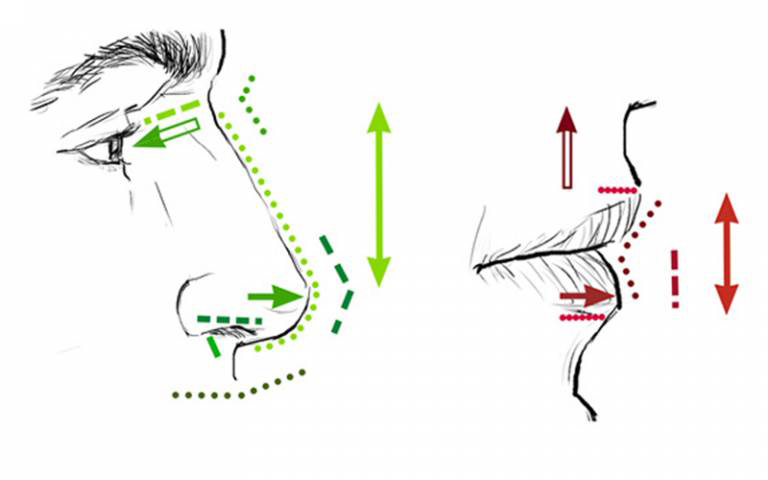
Genes that determine the shape of a person’s facial profile have been discovered by a UCL-led research team.
Neanderthal gut microbiome recovered from fecal sediments from El Salt
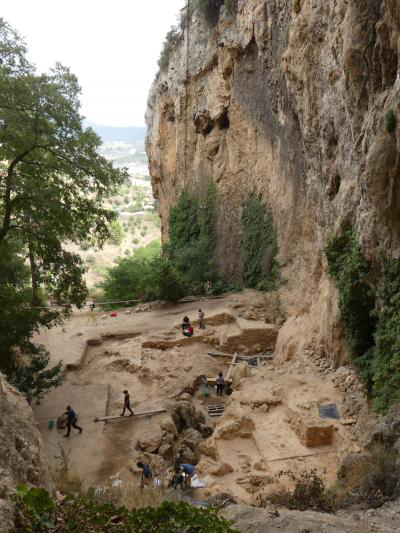
An international research group led by the University of Bologna searched for human gut microbiome components in ancient DNA from 14 archeological sediments spanning four stratigraphic units of El Salt Middle Paleolithic site.
Position Opening: Digital Humanities Project Assistant
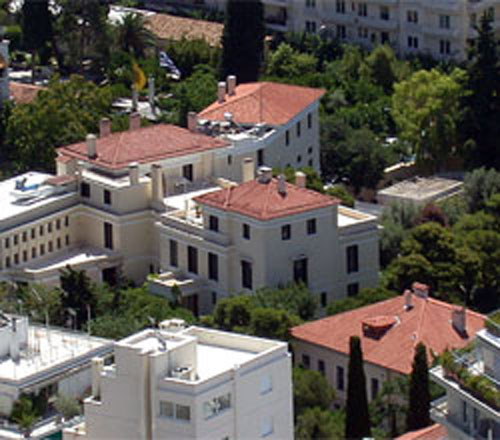
The American School of Classical Studies at Athens is seeking a Digital Humanities Project Assistant to work closely with senior staff in Athens.

Five fully-funded PhD positions in classics
The School's Doctoral Program in Classics performs teaching and research in a number of disciplines regarding the study of the Greek and Roman world and of its later reception.
West access to Acropolis to be restored
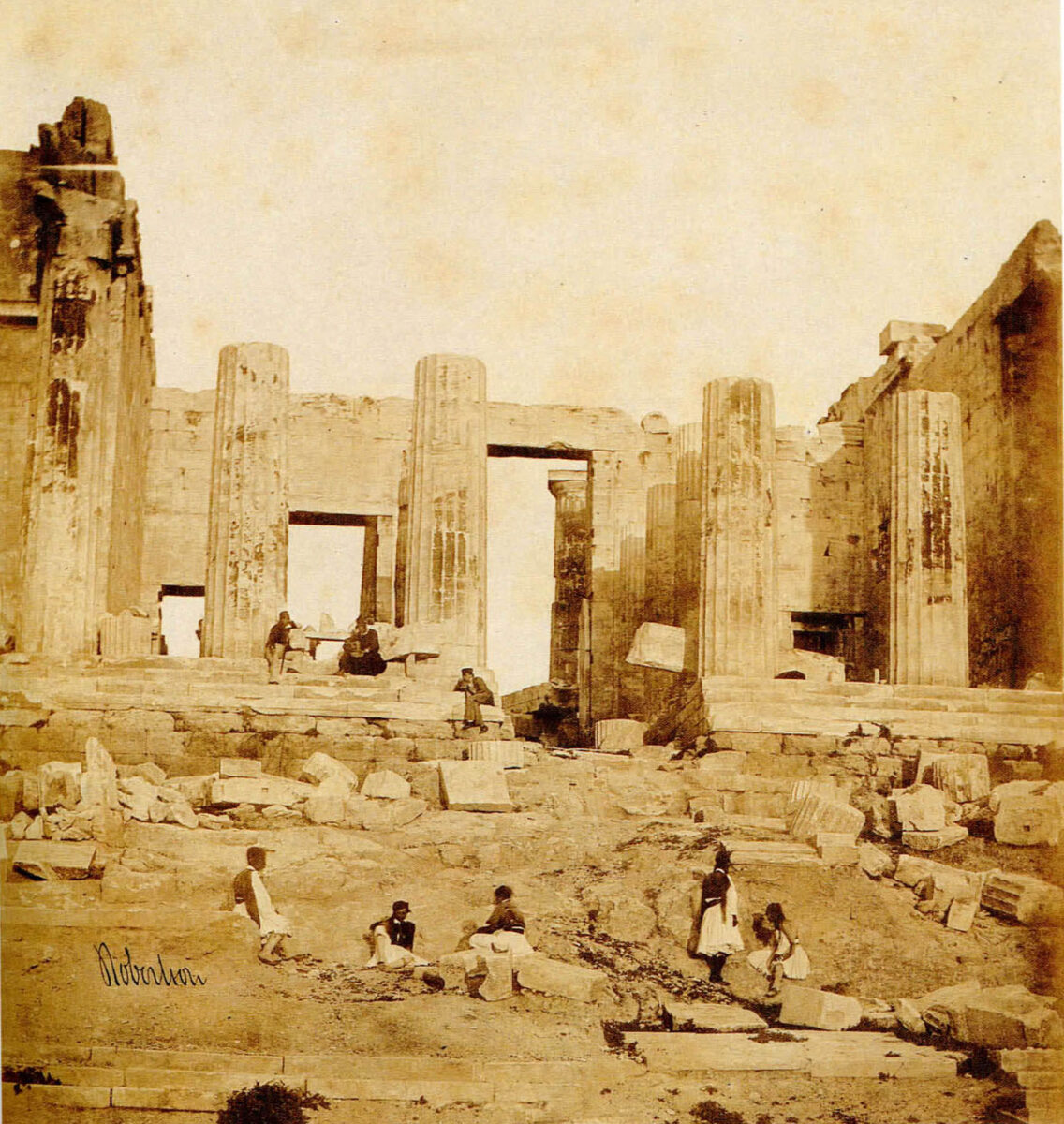
The Central Archaeological Council unanimously accepted the proposal by the Acropolis Monuments Conservation Committee and Professor Manolis Korres.
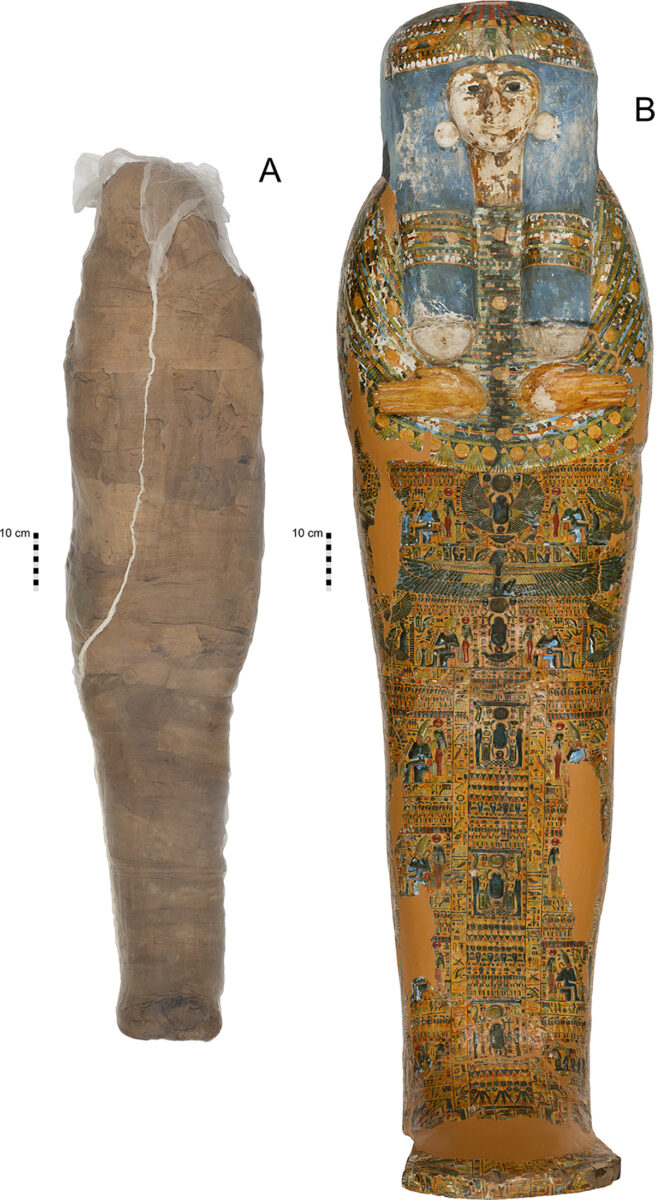
Discovery of a rare mud carapace used on a mummified individual
CT scans of an unnamed mummified adult from Egypt show it was fully sheathed in a mud shell or carapace.
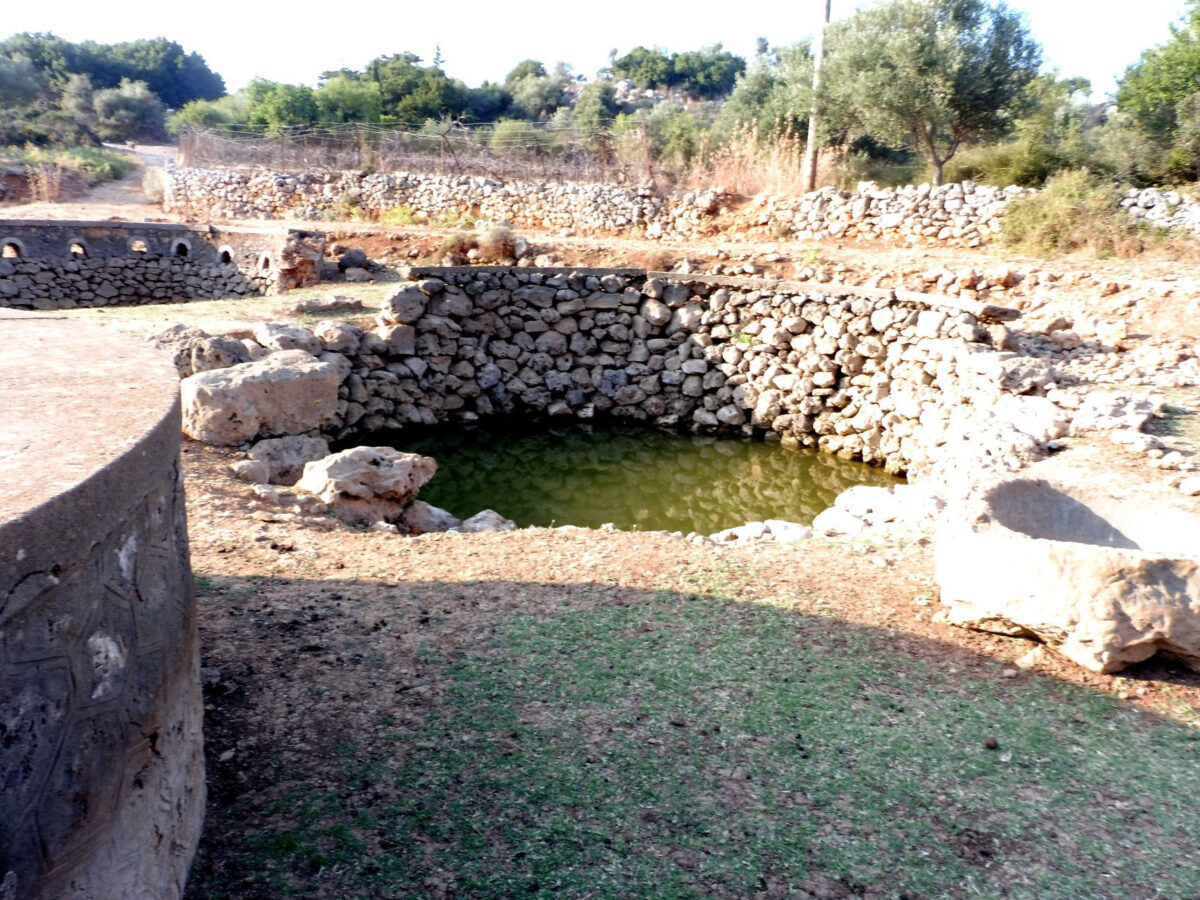
Apokoronas: Wells and cisterns of the Venetian era
Honorary curator of antiquities Michalis Andrianakis explains their use and significance.
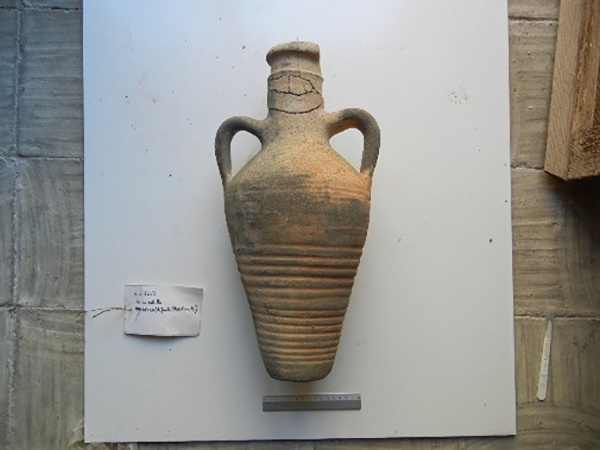
Medieval containers hint at thriving wine trade in Islamic Sicily
Researchers at the University of York have found chemical residues of grapes in medieval containers indicating a prosperous wine trade in Islamic Sicily.
Mapping Ancient Polytheisms Database now available online
The DB MAP focuses on divine names, epithets and other onomastic attributes in Greek and West Semitic epigraphic sources, from 1000 BCE to 400 CE.
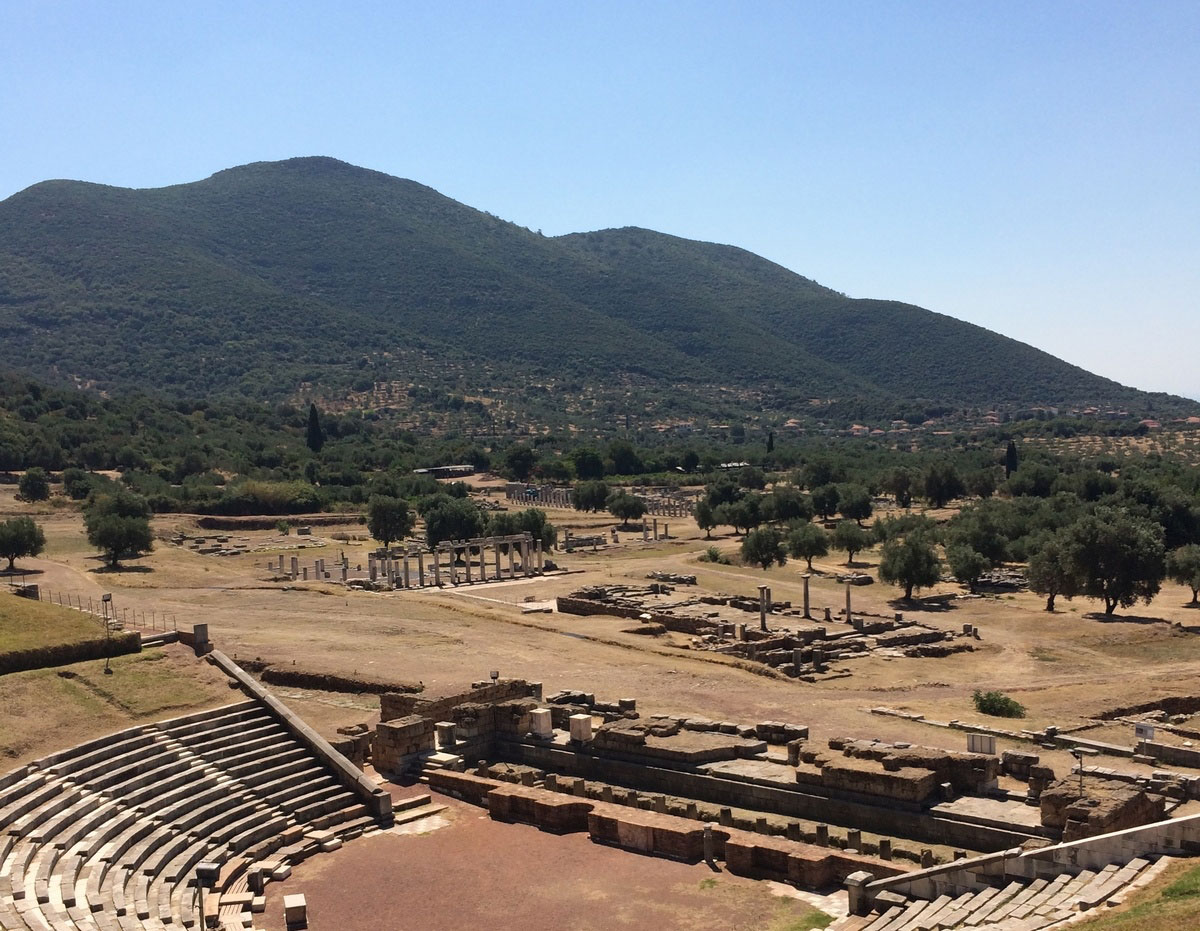
The Archaeological Work in the Peloponnese
The Third International Scientific Meeting of the “Archaeological Work in the Peloponnese” will take place on 2-5 June 2021.
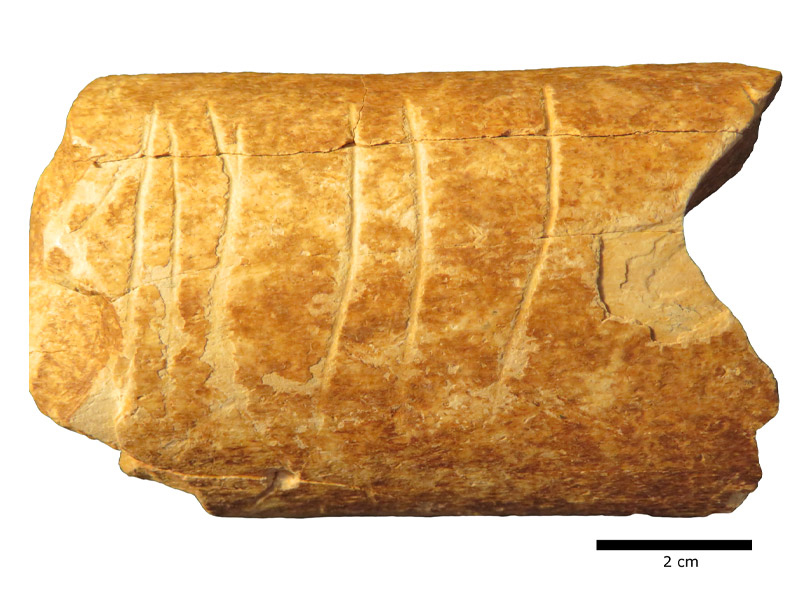
Archaeologists uncover evidence of the oldest human use of symbols
Israeli and French archeologists recently uncovered evidence of what may be the earliest-known use of symbols. The symbols were found on a bone fragment in the Ramle region in central Israel and are believed to be approximately 120,000 years old.
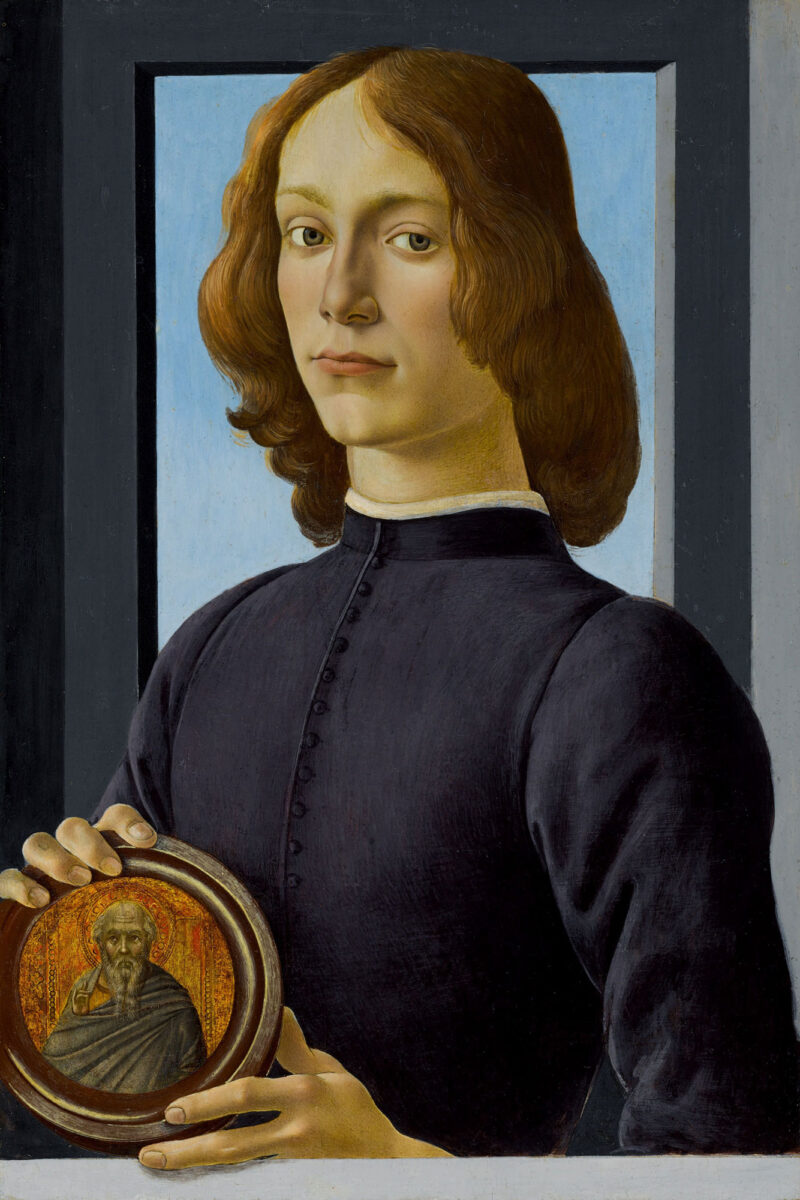
$92.2m for painting by Sandro Botticelli
It is the highest price offered for a painting since May 2019.

Alexandria. The Most Illustrious, the Most Beautiful, the Most Magnificent
This book is an academic monograph about Alexandria in Egypt – its
history, archaeology, and monuments.
A Handbook of Gods and Goddesses of the Ancient Near East
This handbook provides the most complete information available on deities from the cultures and religions of the ancient Near East.
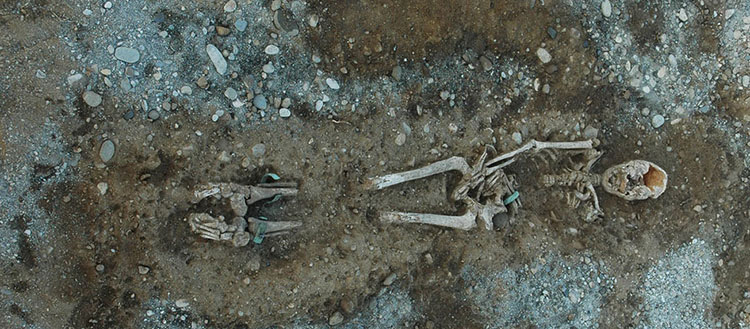
What did the Swiss eat during the Bronze Age?
Scientists from UNIGE and UPF have analysed the skeletons of several Bronze Age communities that lived in Western Switzerland in order to reconstruct the evolution of their diet.

New findings from the historic “Mentor” shipwreck
It has been confirmed that the excavated site corresponds to that of one of the two ship’s masts (the Mentor being a two masted brigg).
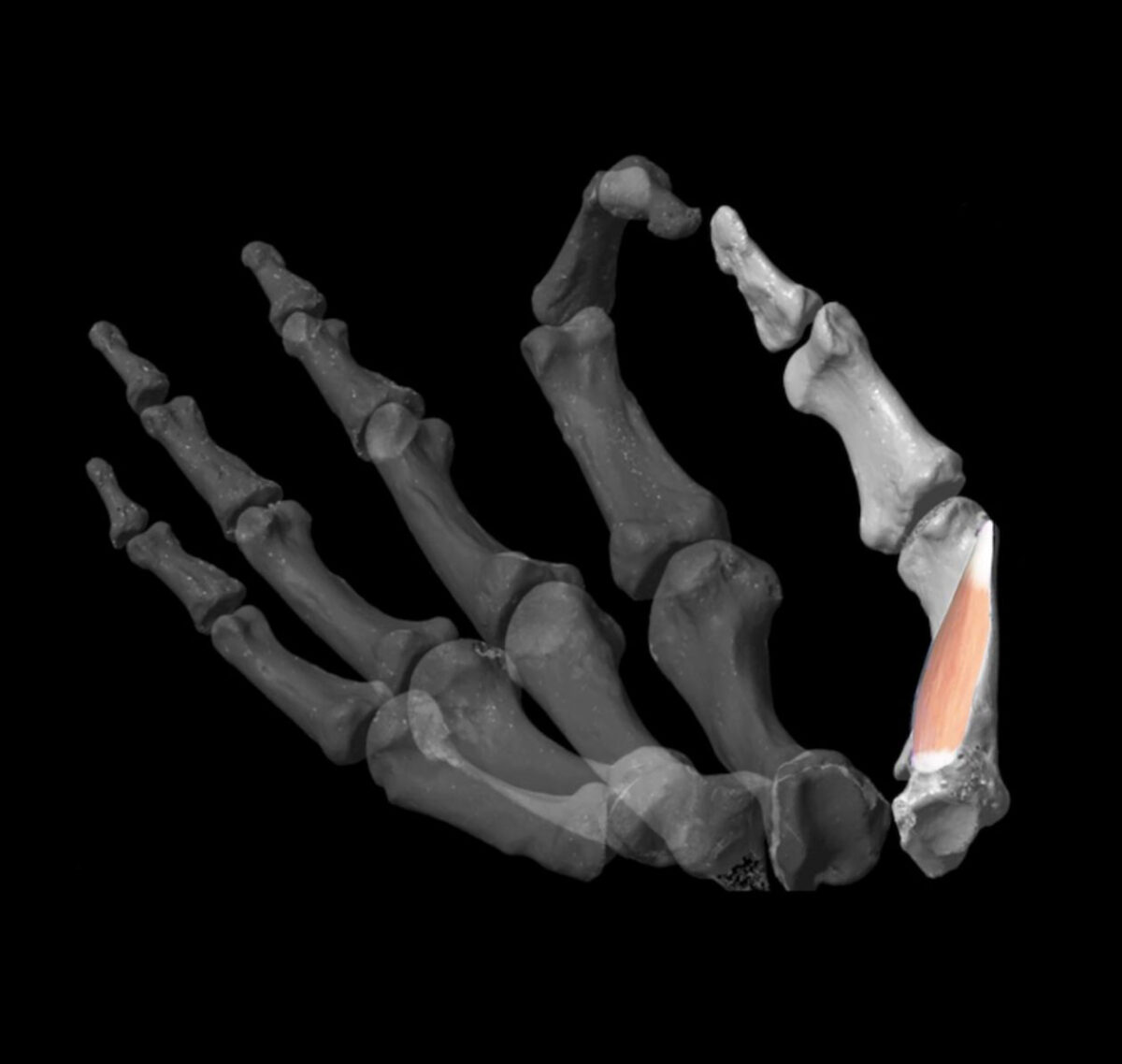
Thumb dexterity helped spark the development of human culture
Some two million years ago, our ancestors developed the ability to grasp precisely, a critical element of efficient tool use – securing an evolutionary advantage.
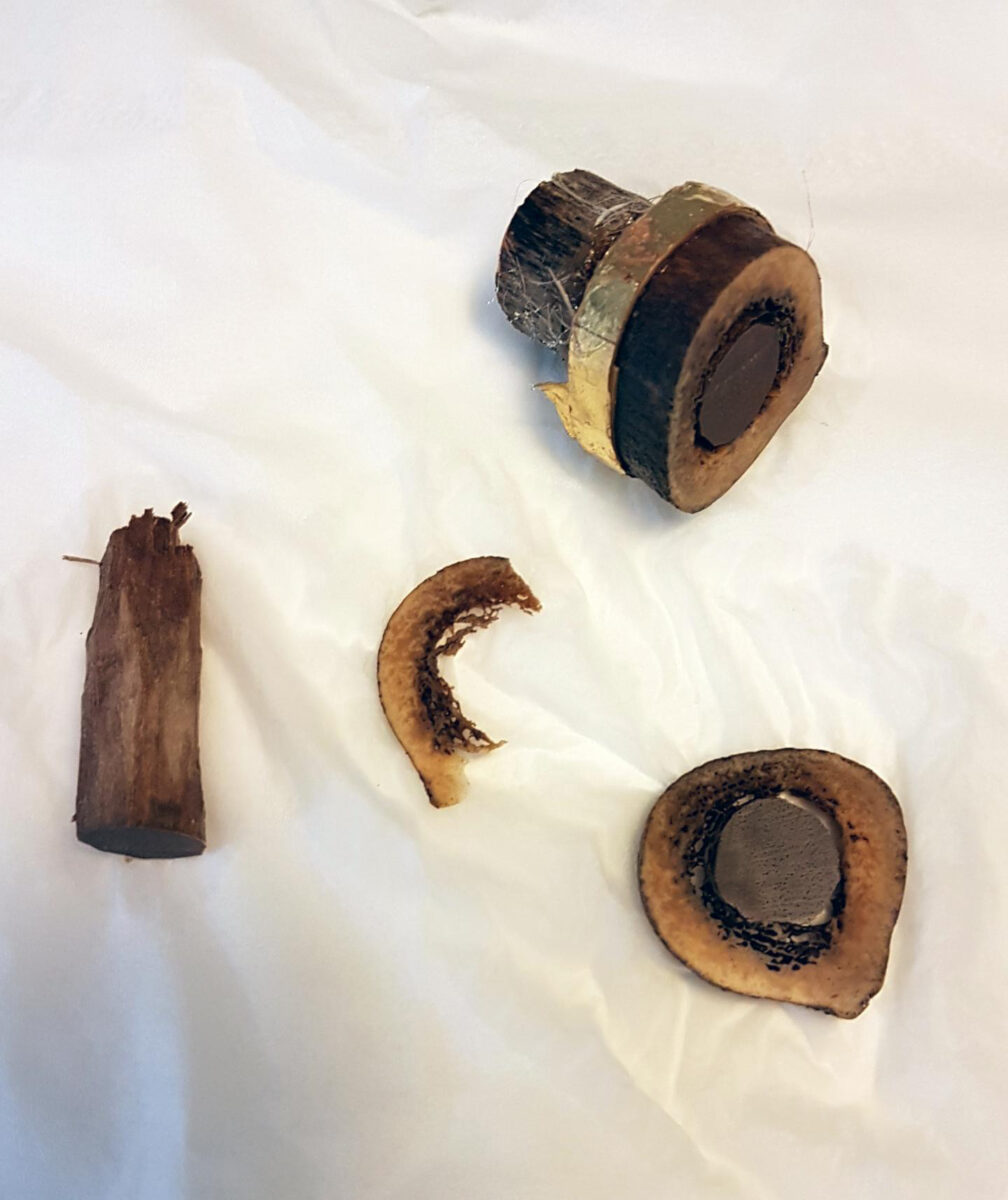
Scientific investigations of believed remains of two apostles
The believed remains of two apostles held in a Roman church have undergone scientific analysis, casting light on their age and origin.
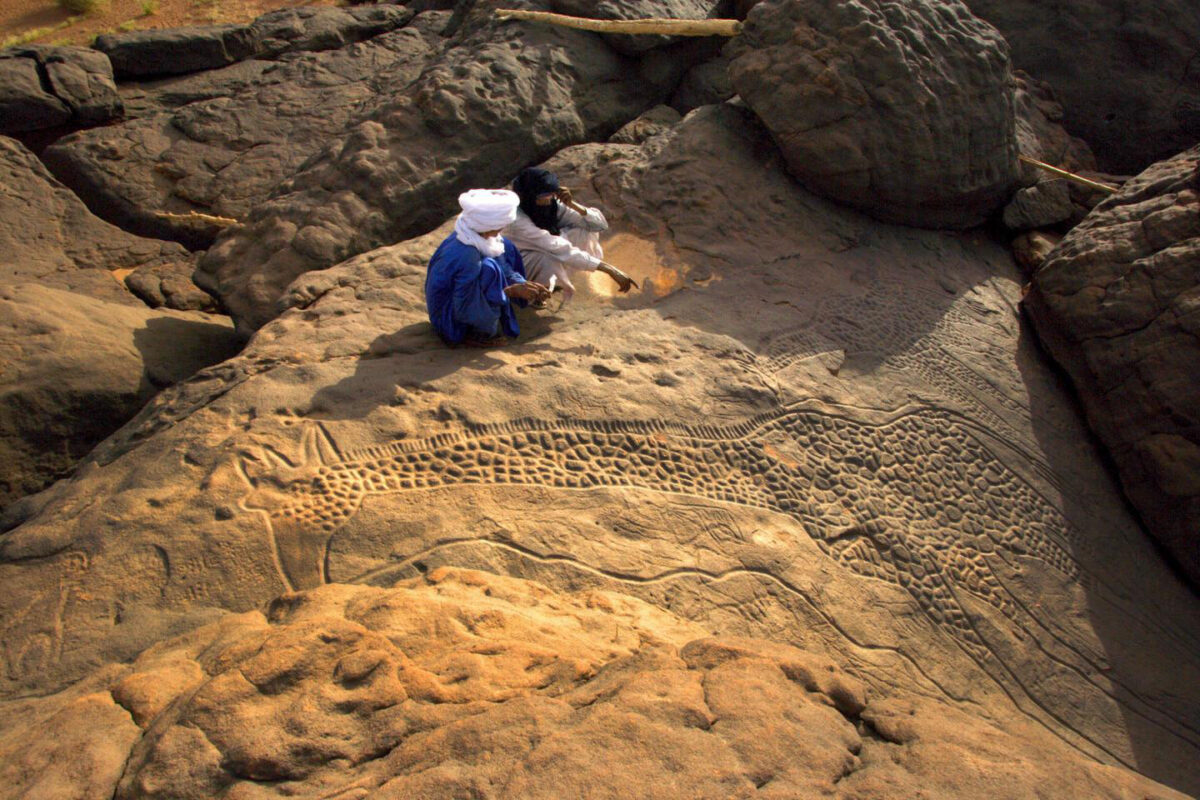
Past river activity in northern Africa reveals multiple Sahara greenings
The analysis of sediment cores from the Mediterranean Sea combined with Earth system models tells the story of major environmental changes in North Africa over the last 160,000 years.
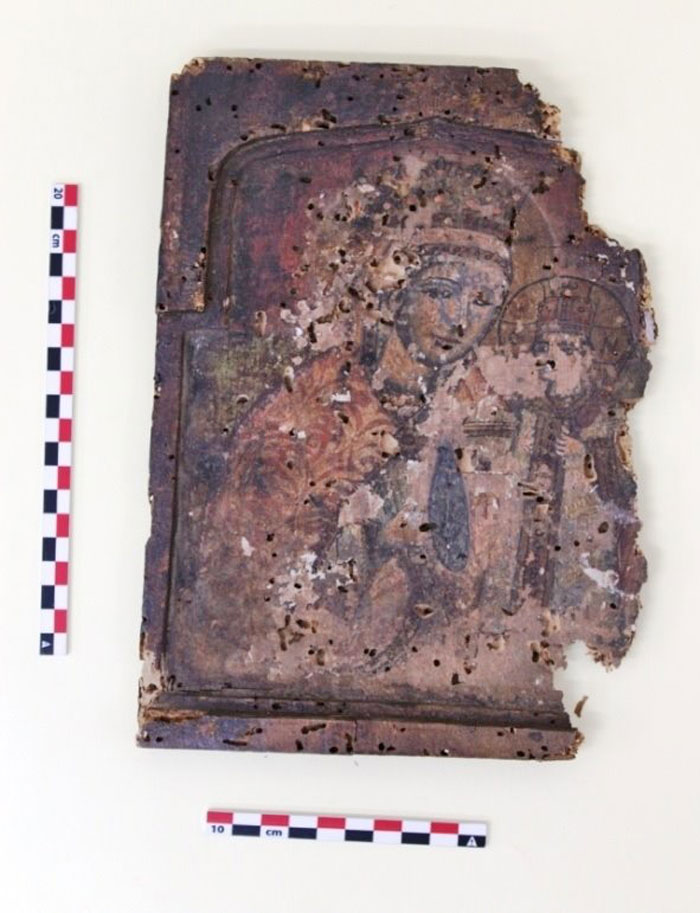
A small religious treasure found in Drama
Over 380 religious icons and various ecclesiastical items were located, including a Gospel, a Synopsis, two crosses and more.
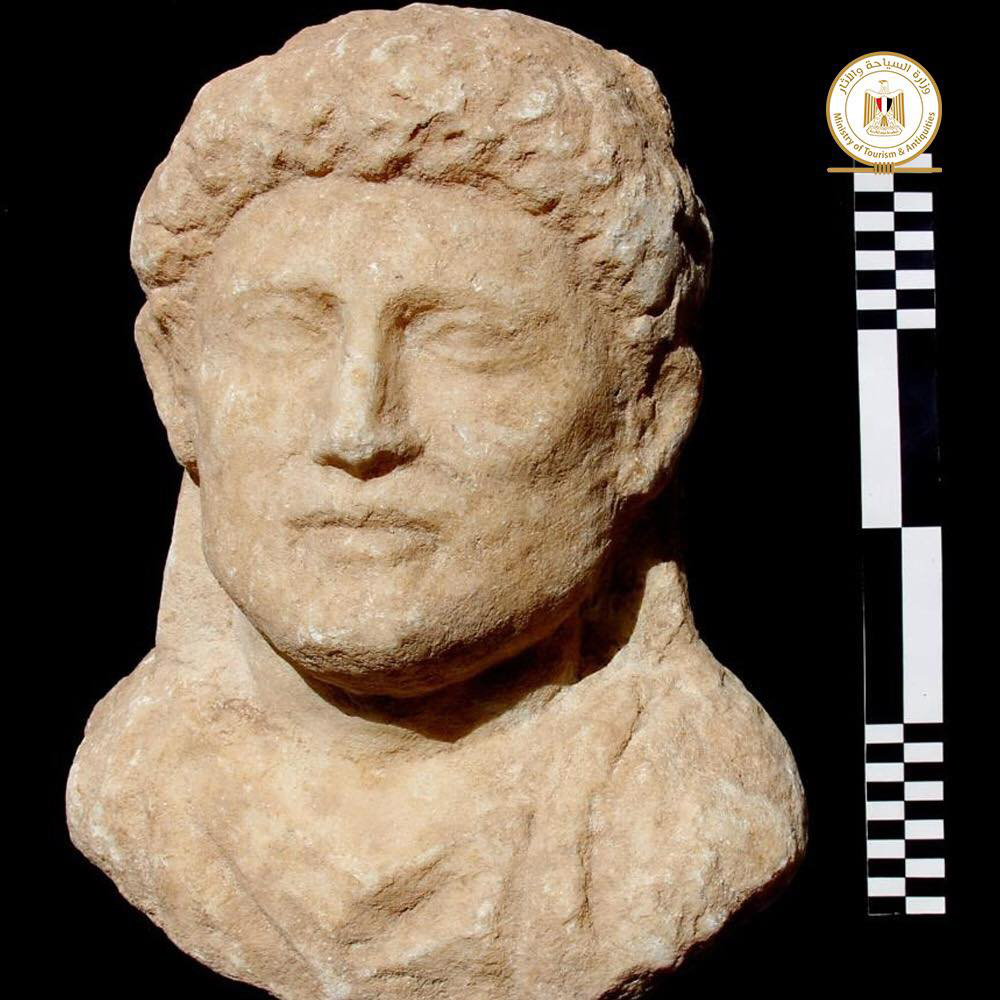
Greco-Roman burials found at Egypt’s Taposiris Magna
The team of Kathleen Marinez revealed 16 Greco-Roman burials interred in rock-cut tombs.
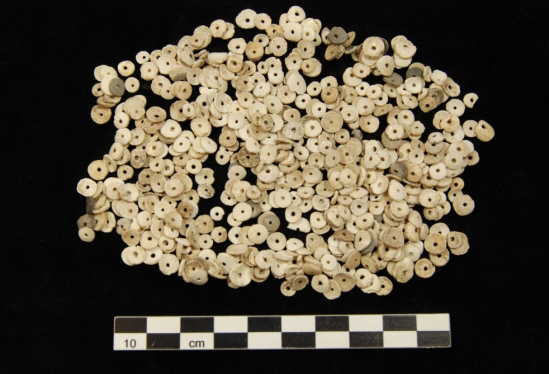
An Ancient Economy
Archaeologist argues the Chumash Indians were using highly worked shell beads as currency 2,000 years ago.

How flowering plants conquered the world
Flowering plants indeed originated in the Jurassic or earlier, that is millions of years earlier than their oldest undisputed fossil evidence.