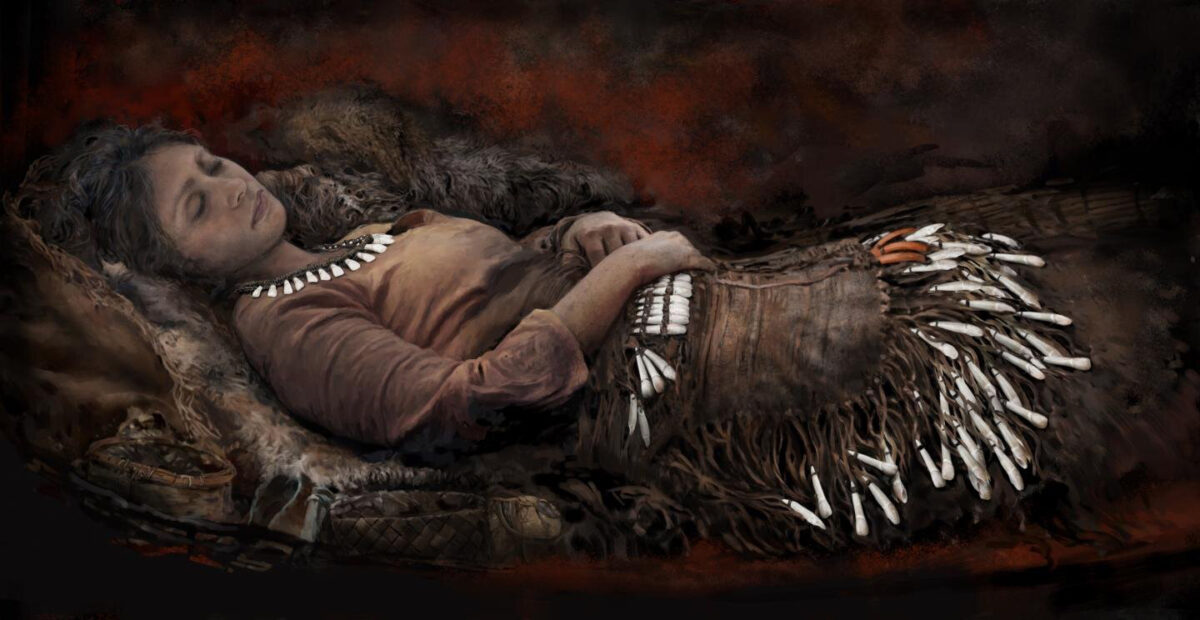
Teeth pendants speak of the elk’s prominent status in the Stone Age
Roughly 8,200 years ago, the island of Yuzhniy Oleniy Ostrov in Lake Onega in the Republic of Karelia, Russia, housed a large burial ground where men, women and children of varying ages were buried.
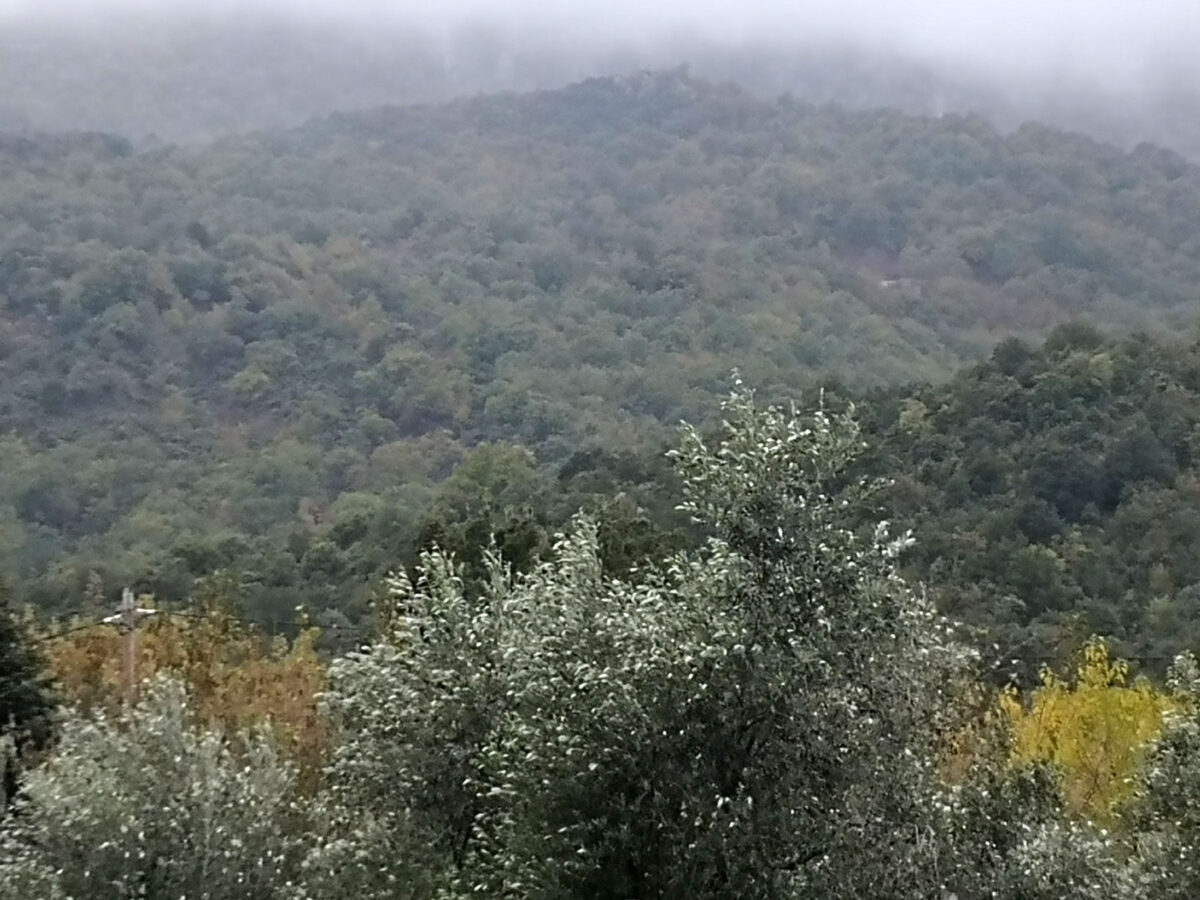
The “Asclepius Plan” at Trikala
It places emphasis on the primary sector, medicinal plants, education, the strengthening of the tertiary sector and enhancing the work of Asclepius.
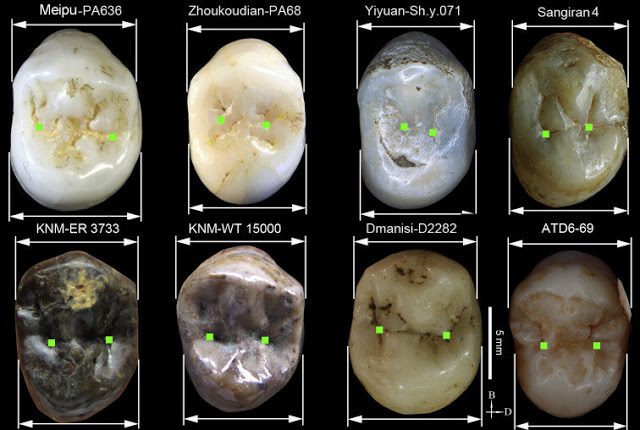
Meipu teeth shed light on the human settlement of Asia
Study on one of the few human fossils known from late Early Pleistocene China, the Meipu teeth, which provides new information on the early settlement of continental Asia.
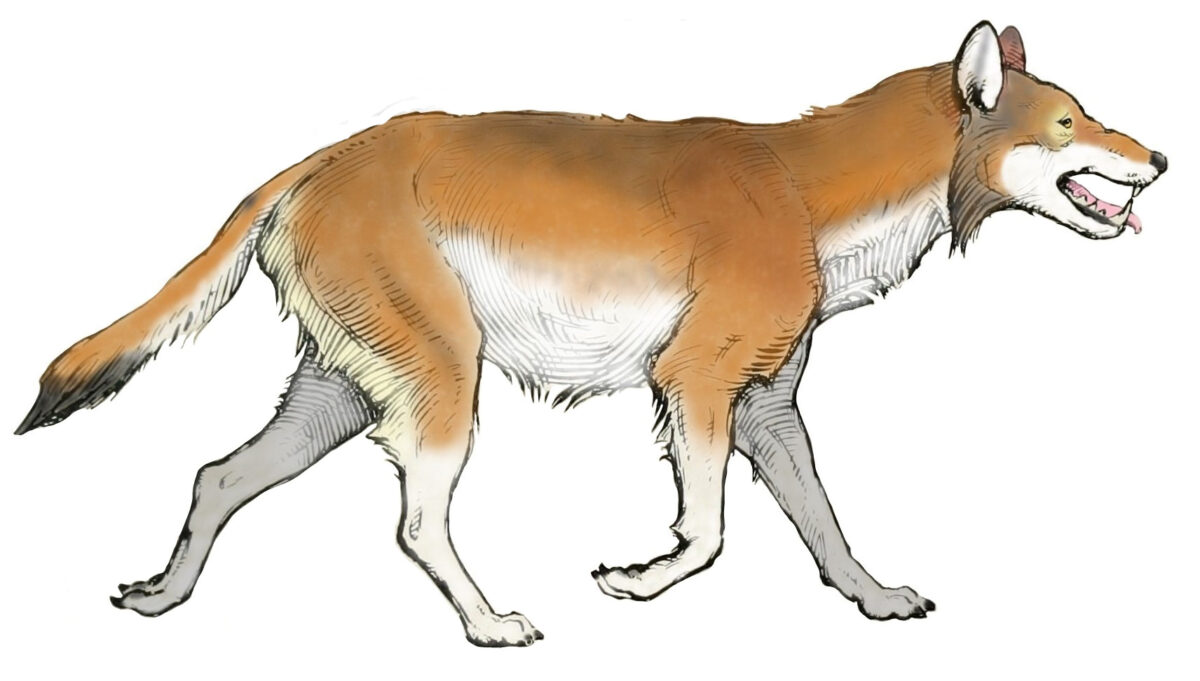
Ancient DNA reveals secrets of dire wolves
Dire wolves, made famous in the TV show Game of Thrones, were common across North America until around 13,000 years ago, after which they went extinct.
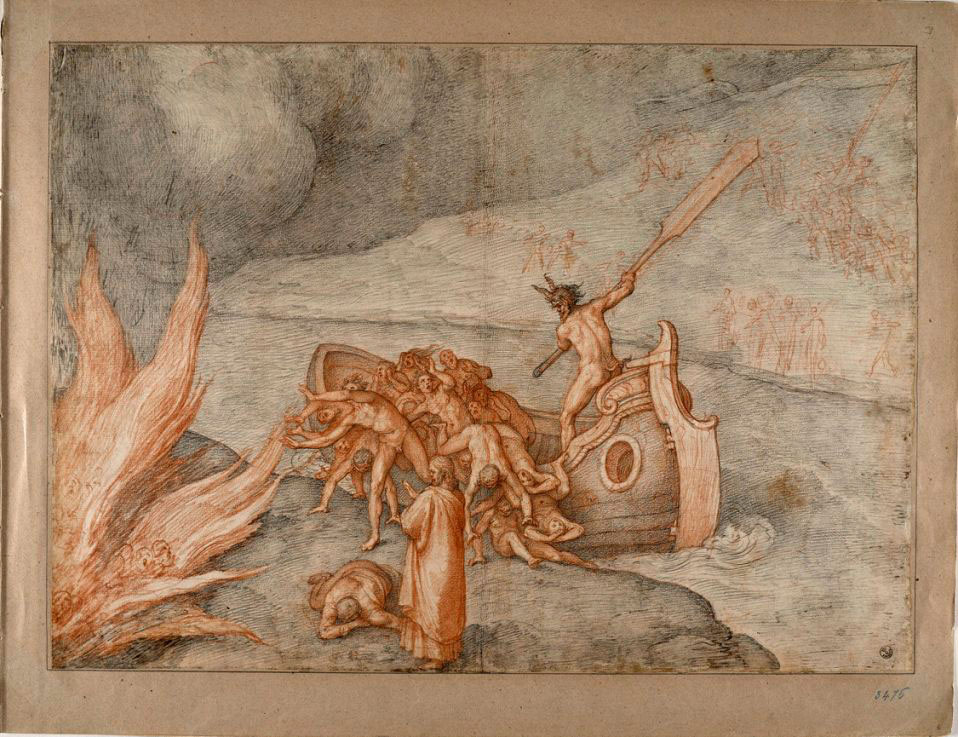
Uffizi Gallery celebrates 700th anniversary of Dante’s death
A virtual exhibition of rarely seen drawings by Federico Zuccari, inspired by the Divine Comedy.
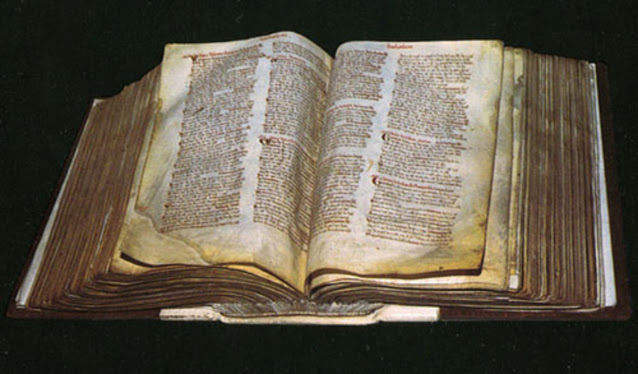
New insights from original Domesday survey revealed
A new interpretation of the survey behind Domesday Book has emerged from a major new study of the survey's earliest surviving manuscript.
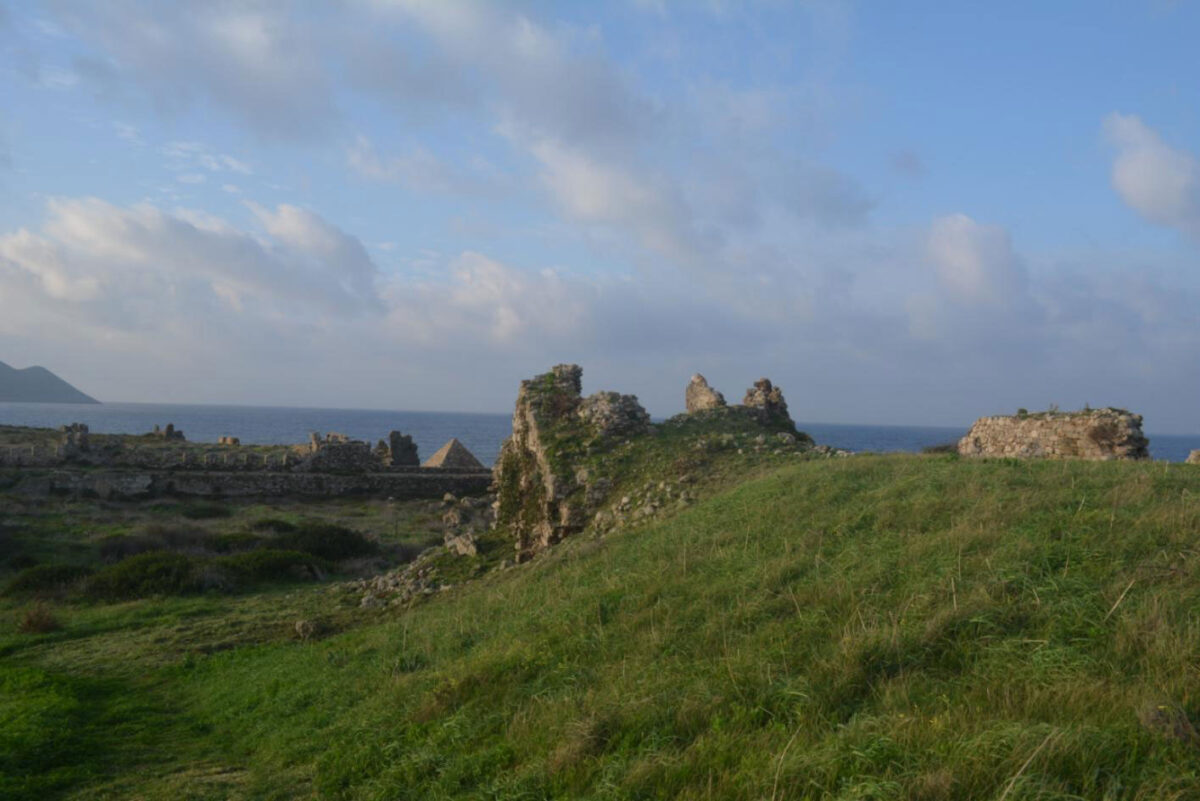
Collapse of part of the masonry of Methoni Castle
The semicircular tower, one of the oldest in the citadel,dates back to the early 13th century.
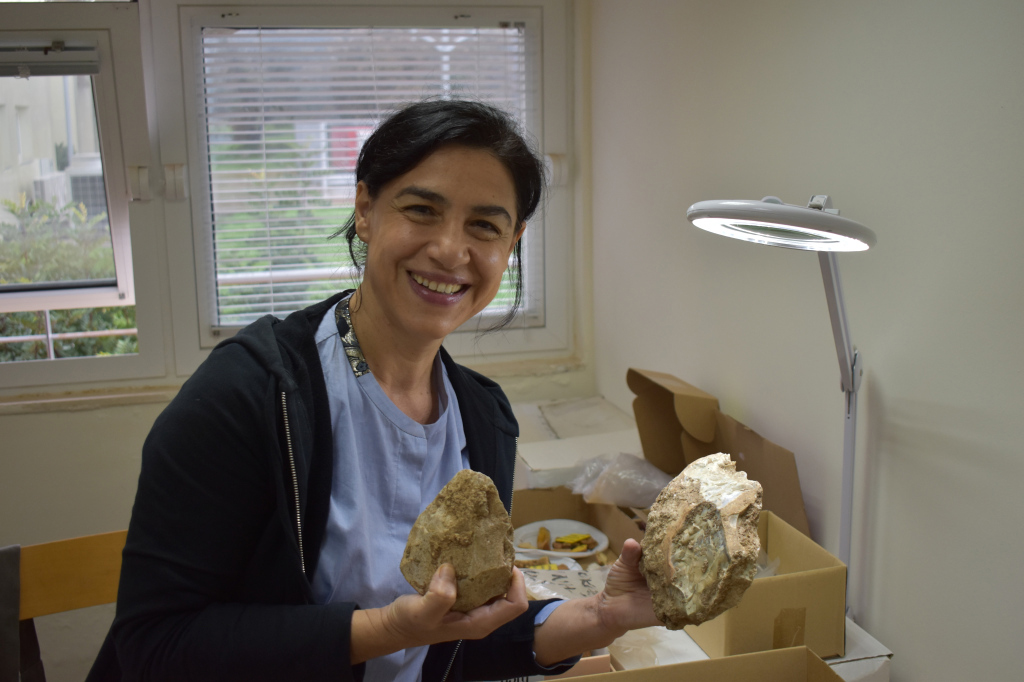
Nena Galanidou: ‘Palaeolithic Lesbos is my pride’
In December 2020, a very interesting interview of Nena Galanidou, Professor in Prehistoric Archaeology of the University of Crete was published in Conversations in Human Evolution.
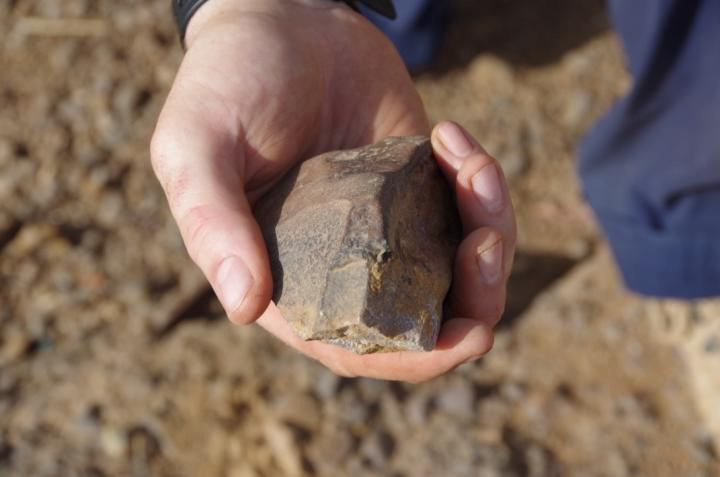
First human culture lasted 20,000 years longer than thought
Some 11 thousand years ago, Africa's furthest west harbored the last populations to preserve tool-making traditions first established by the earliest members of our species.
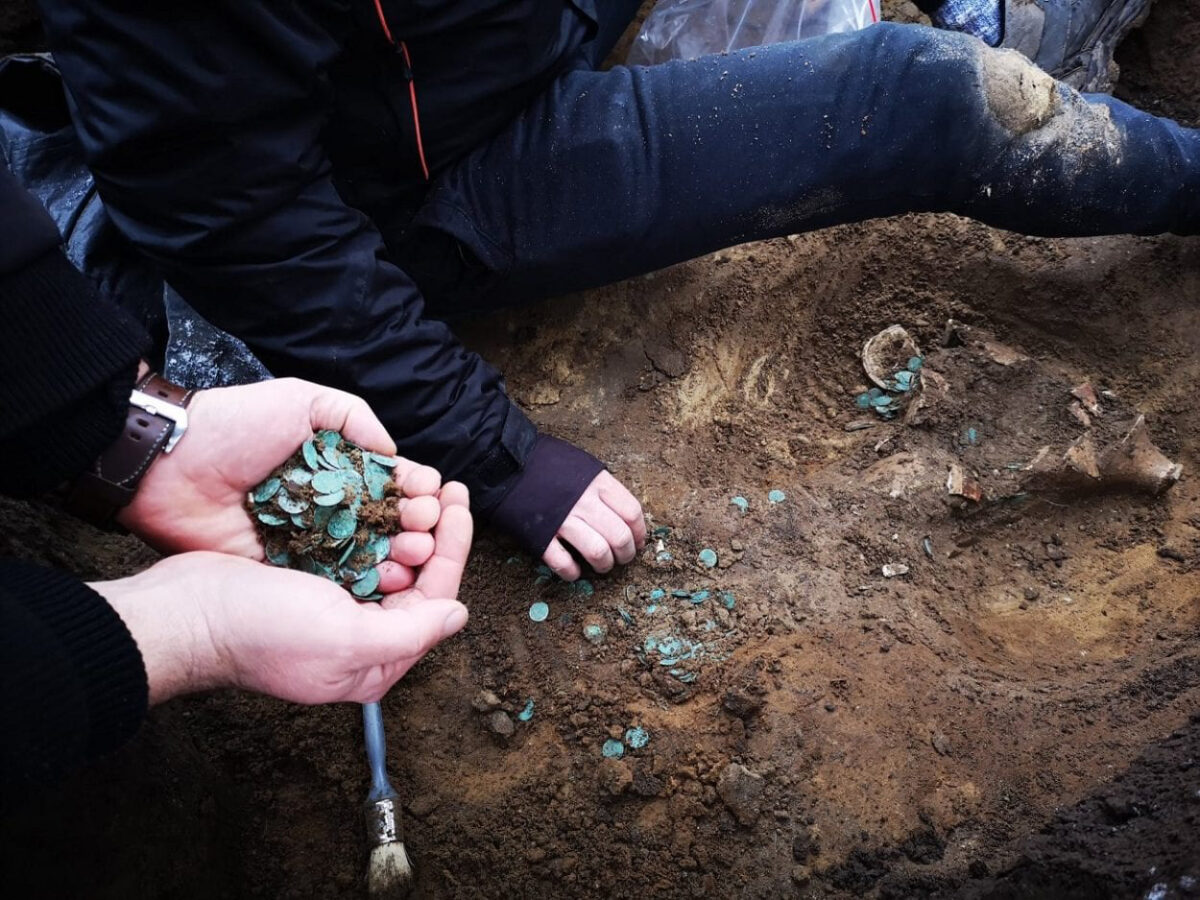
Archaeologists discover Medieval treasure hoard in Central Hungary
Archaeologists conducting a rescue excavation in the village and commune of Újlengye, in the Pest County of Central Hungary have unearthed over 7,000 medieval and Roman coins.
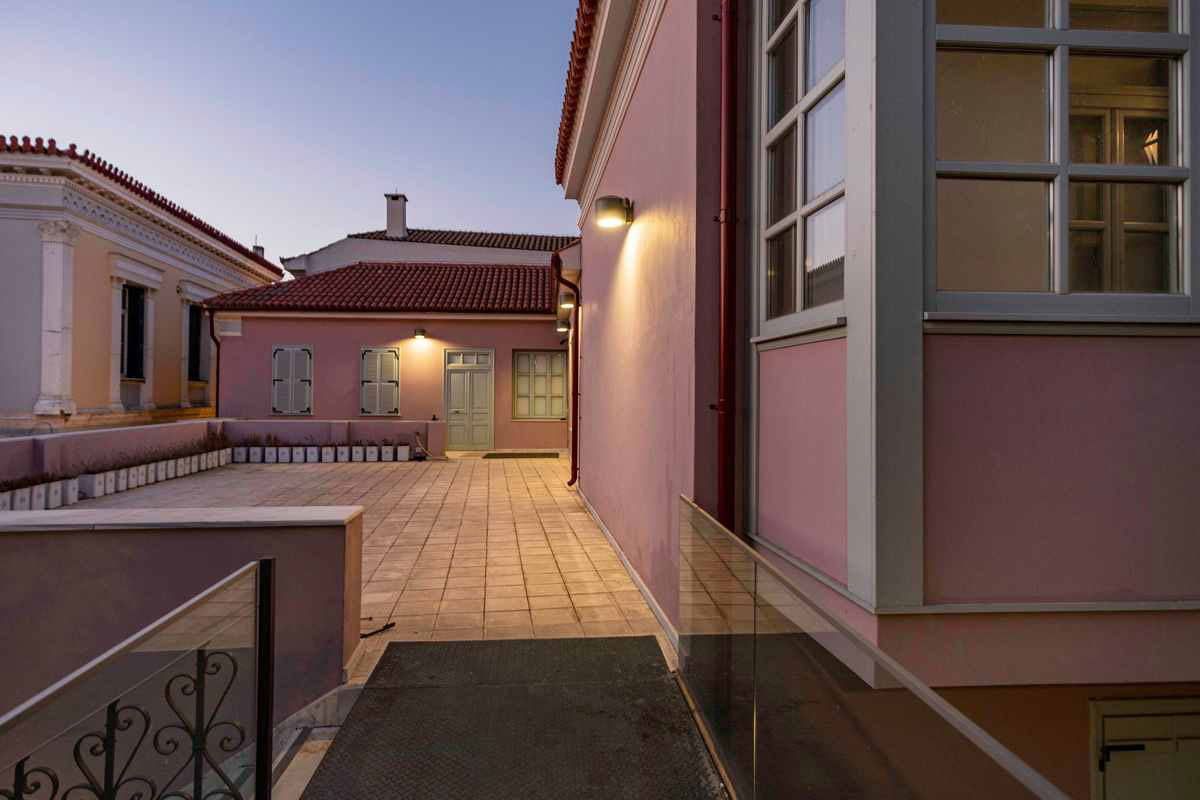
The Museum of Modern Greek Culture is to be handed over to the public
As a whole, the 18 buildings comprise a neighborhood of Athens, just as it was designed in the late 19th-early 20th century.
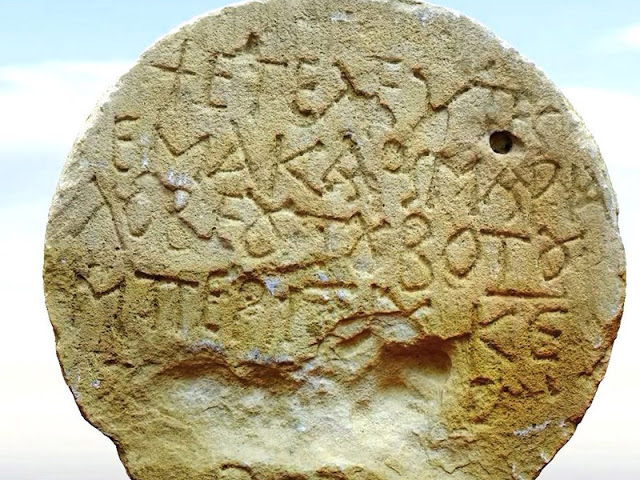
Byzantine Greek inscription discovered near Nitzana in The Negev
A stone bearing an inscription in Greek from the end of the Byzantine period was discovered in the confines of the Nitzana National Park in the Negev.
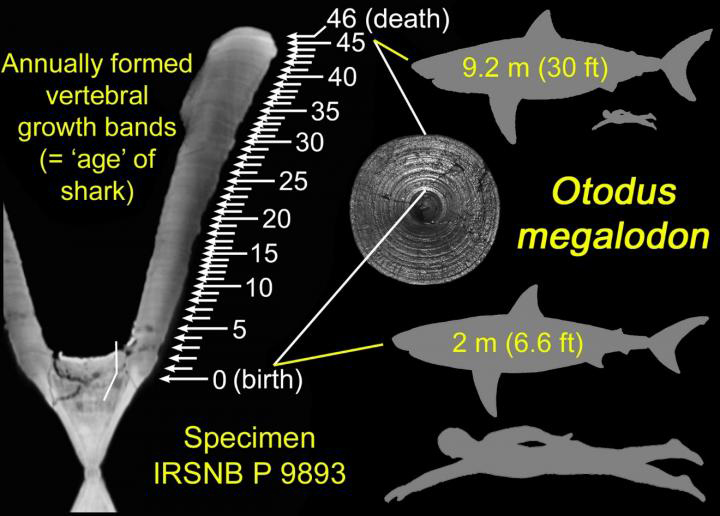
Megalodons large newborns likely grew by eating unhatched eggs in womb
A new study shows that the gigantic Megalodon or megatooth shark gave birth to babies larger than most adult humans.
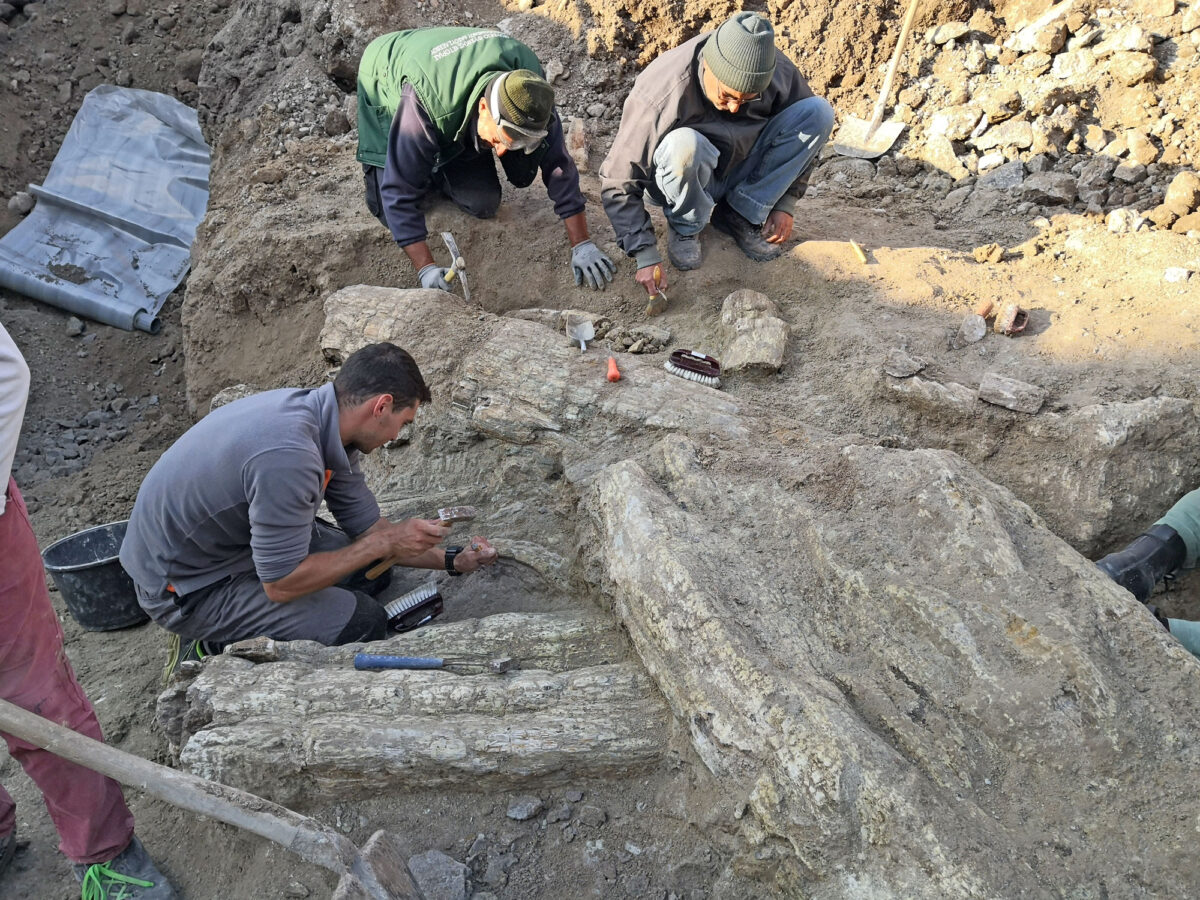
Lesvos: What is revealed by approximately 50 fossilized tree trunks
A unique and shocking picture of the catastrophe of an ecosystem caused by a gigantic volcanic eruption.
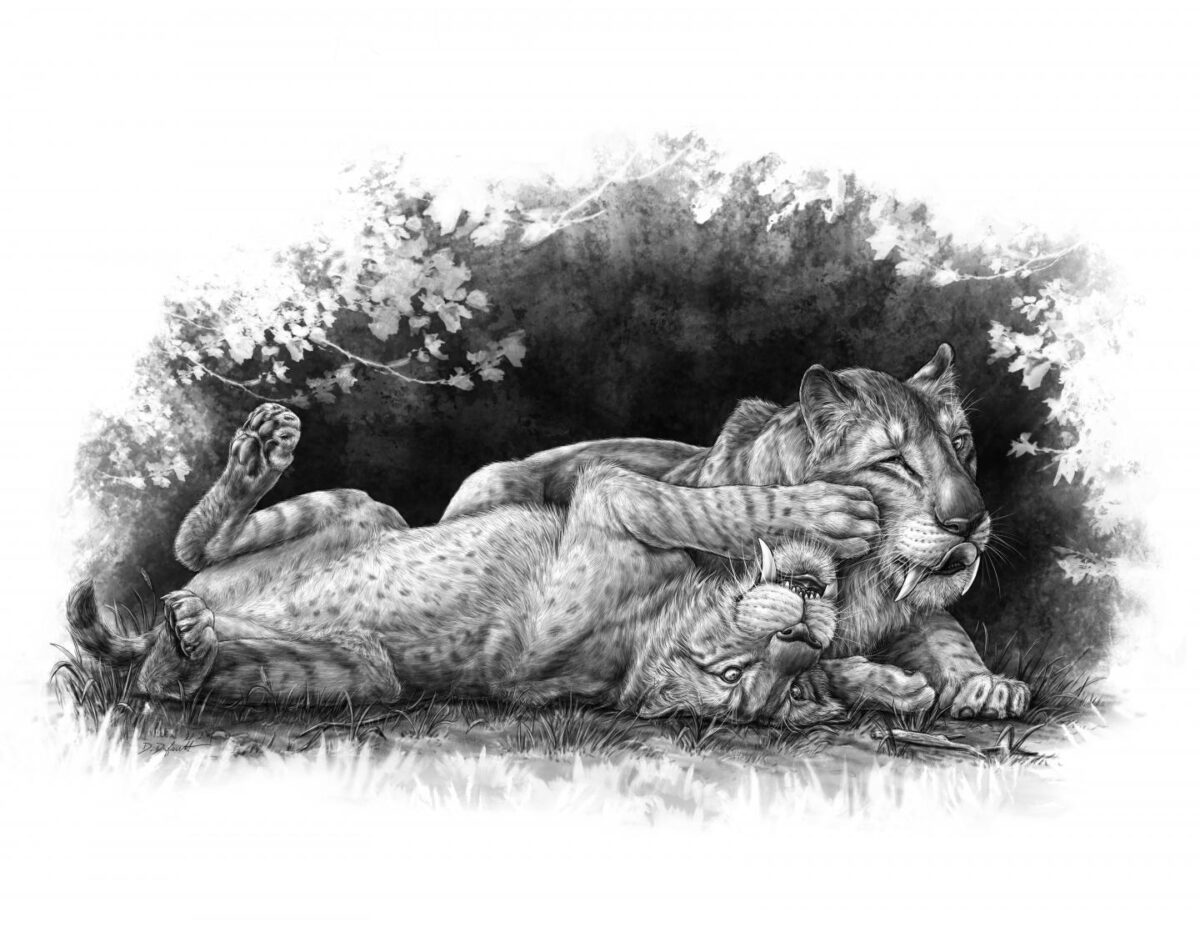
Τhe mysterious family life of notorious sabre-toothed tiger
New research indicates adolescent offspring of the menacing sabre-toothed predator, Smilodon fatalis, were more momma's cubs than independent warriors.
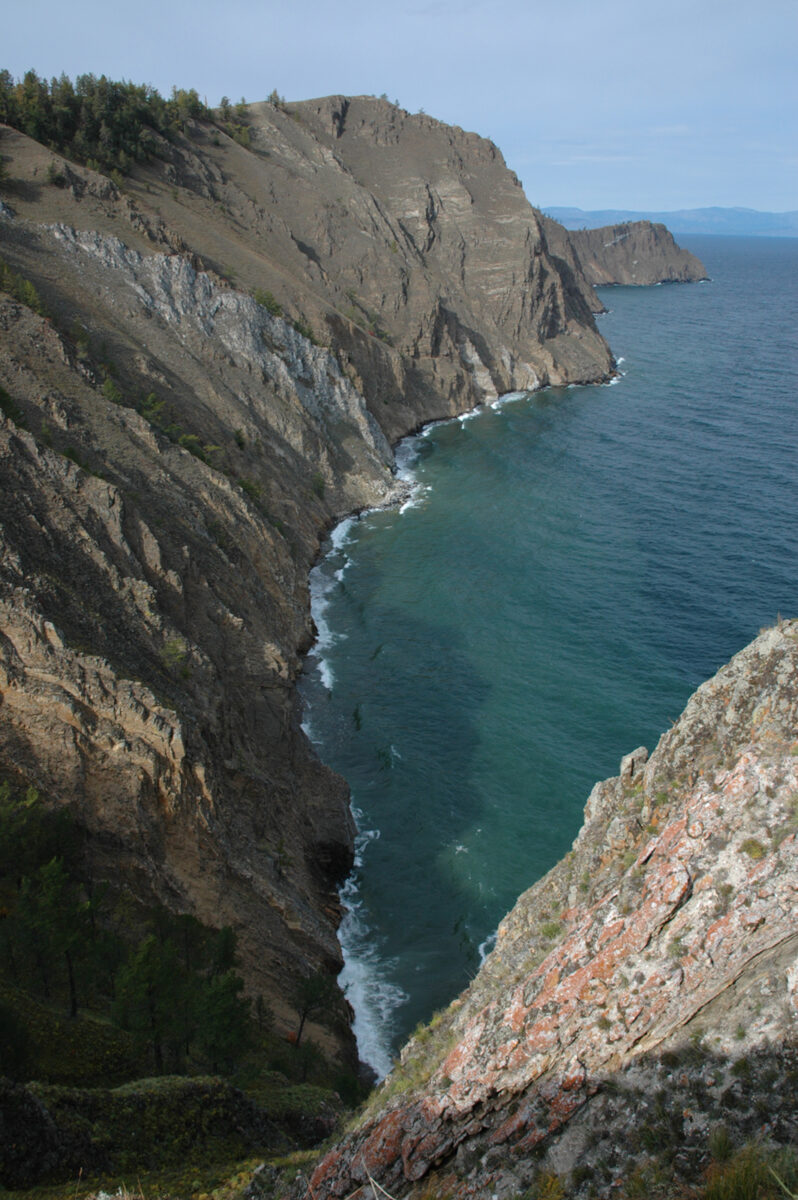
Ancient DNA analysis reveals Asian migration and plague
Northeastern Asia has a complex history of migrations and plague outbursts. That is the essence of an international archaeogenetic study published in Science Advances.
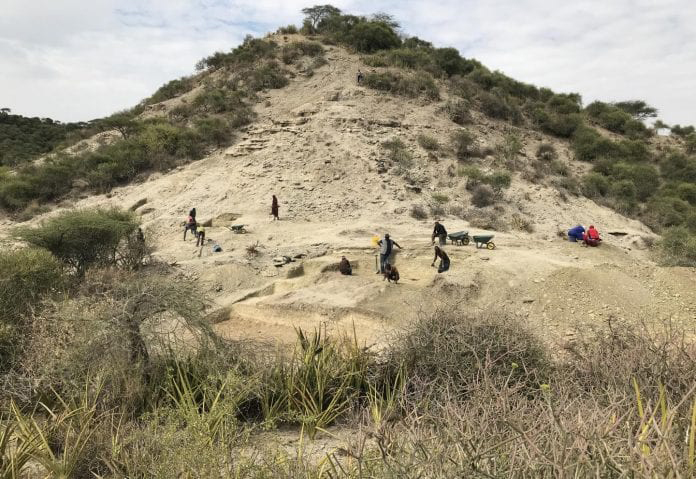
Hominins of Olduvai Gorge coped with ecological changes
New interdisciplinary field work has led to the discovery of the oldest archaeological site in Olduvai Gorge as reported in Nature Communications.
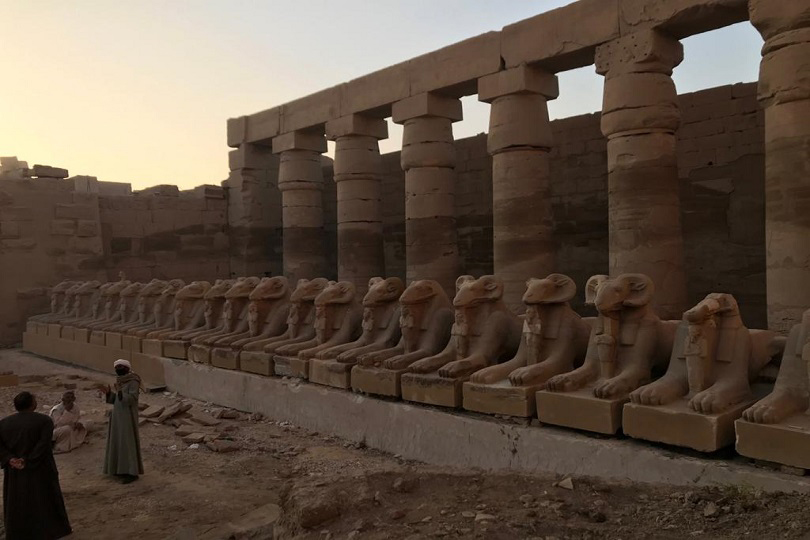
Rams statues behind first pylon in Temple of Amun-Ra in Karnak
The first phase of the restoration project of some of Rams statues located behind the first pylon in the Temple of Amun Ra in the temples of Karnak in Luxor has been completed.
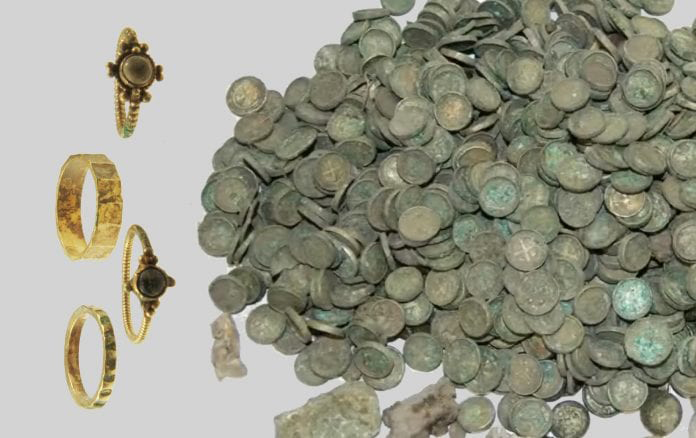
Medieval treasure trove found in Polish field
Archaeologists conducting excavations in a field near the village of Słuszków in Poland, have discovered thousands of silver artefacts dating back nearly 900 years.
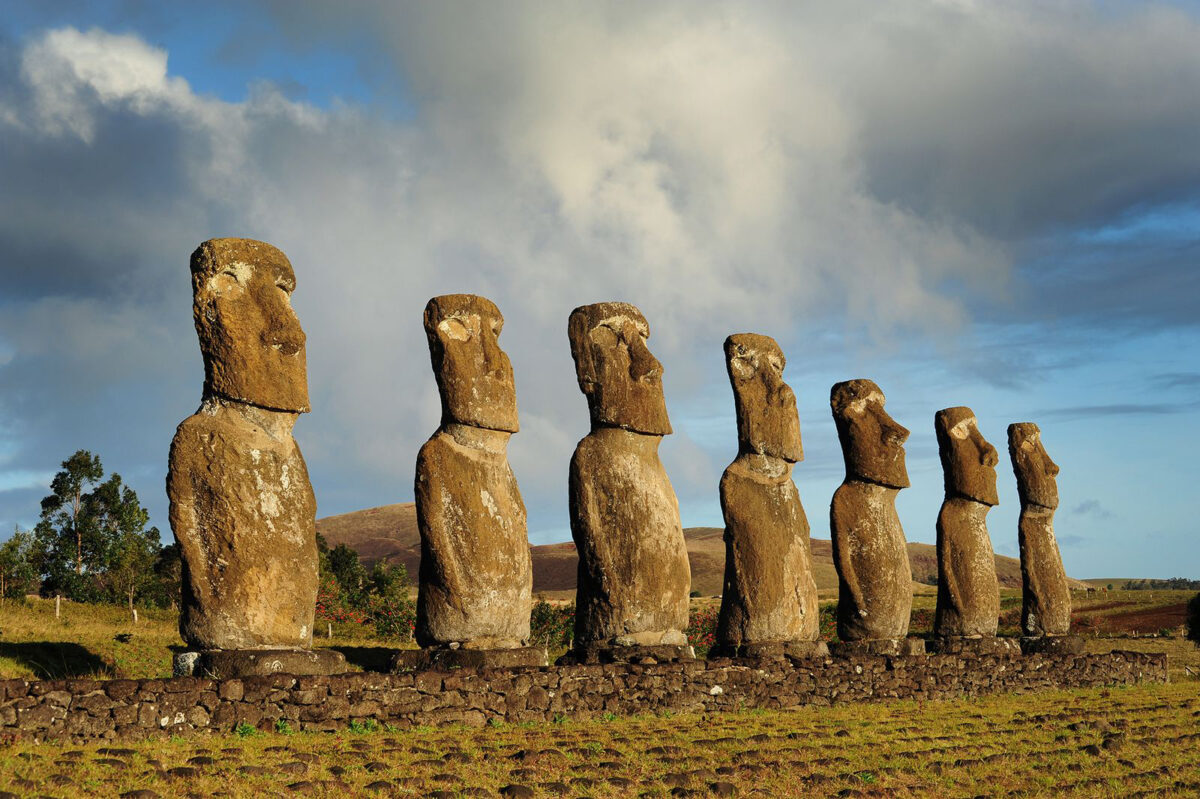
New findings about Prehistoric Easter Island
Finds of pigment pits after the deforestation of Easter Island reject the earlier presumed societal collapse.
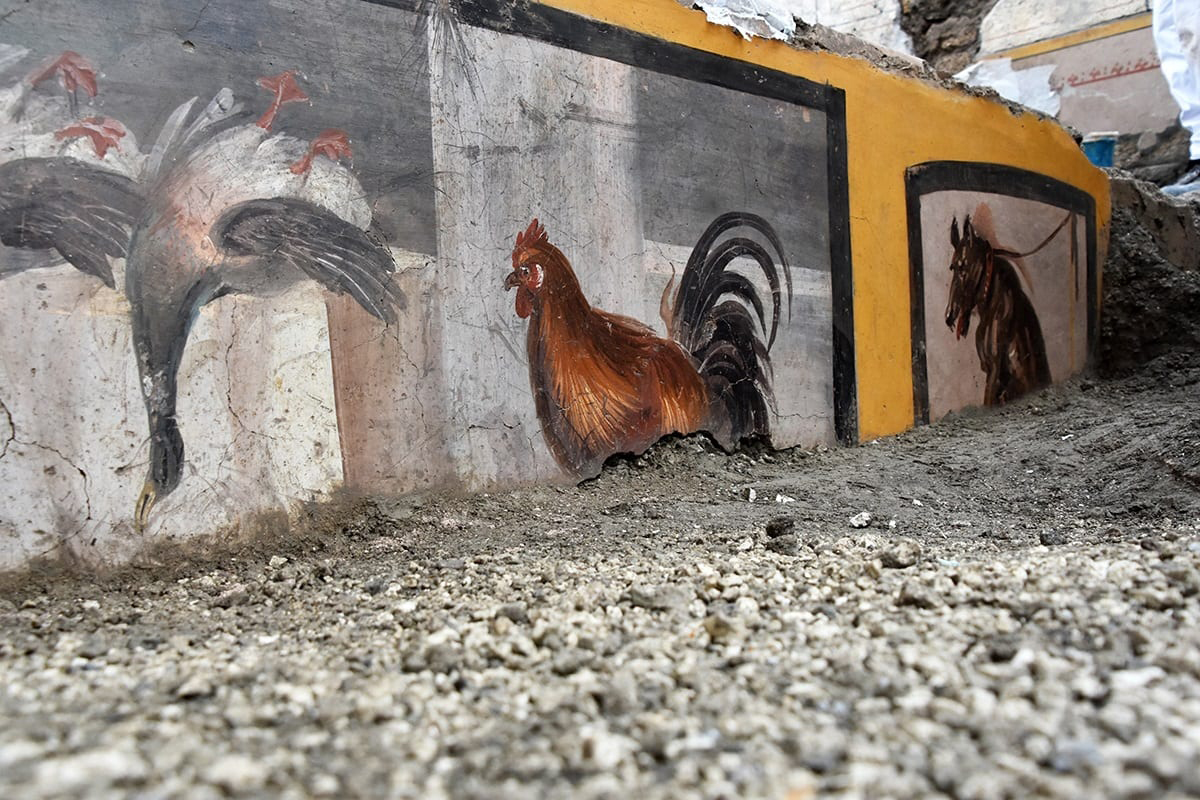
Archaeologists Uncover ‘Fast Food’ Counter at Pompeii
Archaeologists conducting excavations at the Thermopolium of Regio V in the Roman city of Pompeii have revealed an ancient ‘fast food’ counter.
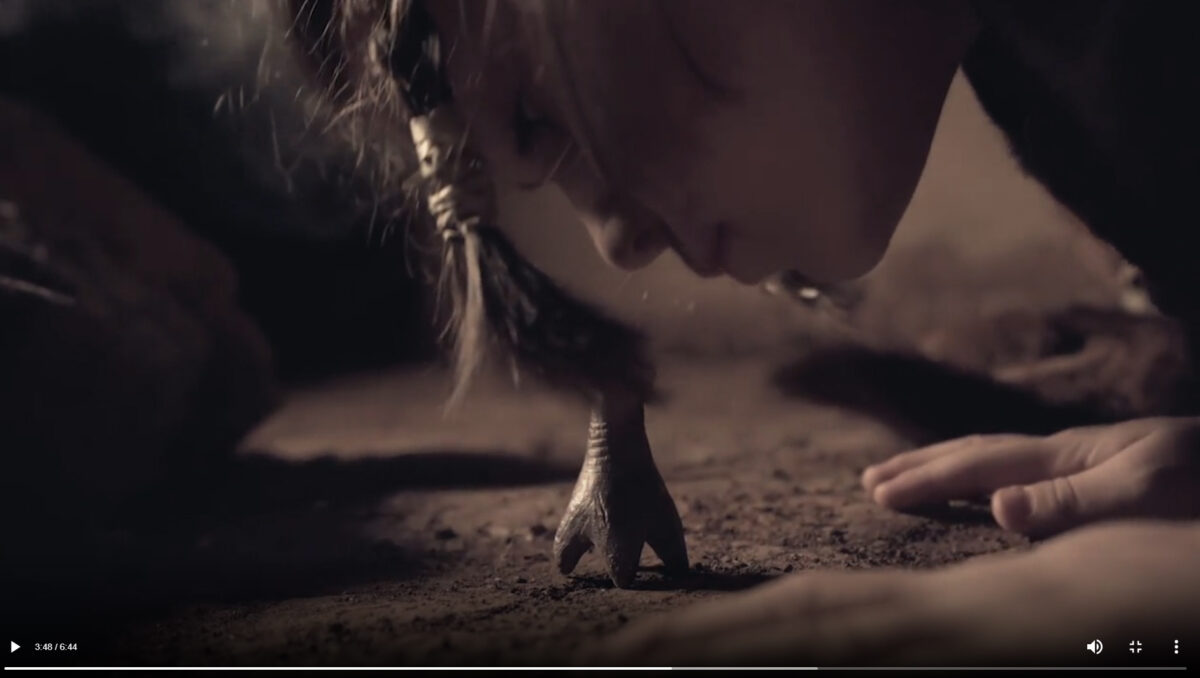
‘Man Creates Man’ won double award
“Man creates Man” won two awards in the international contest “Museums in Short”.
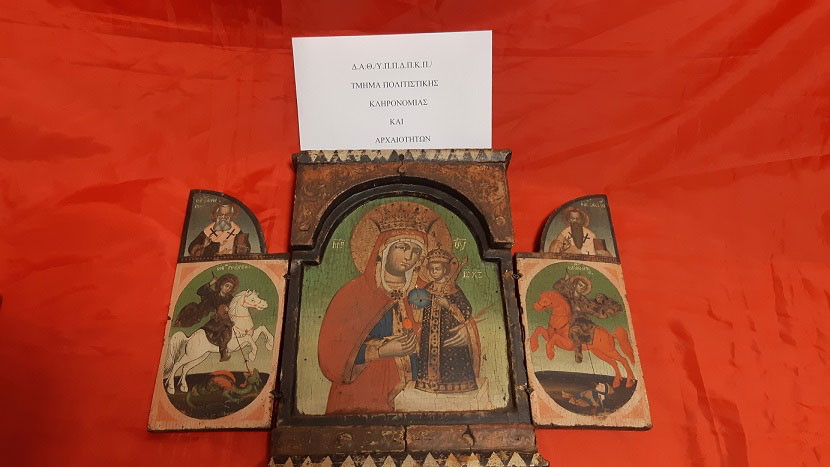
Arrest for antiquity smuggling in Thessaloniki
A 57-year-old man attempted to sell religious icons online after posting a relevant ad.