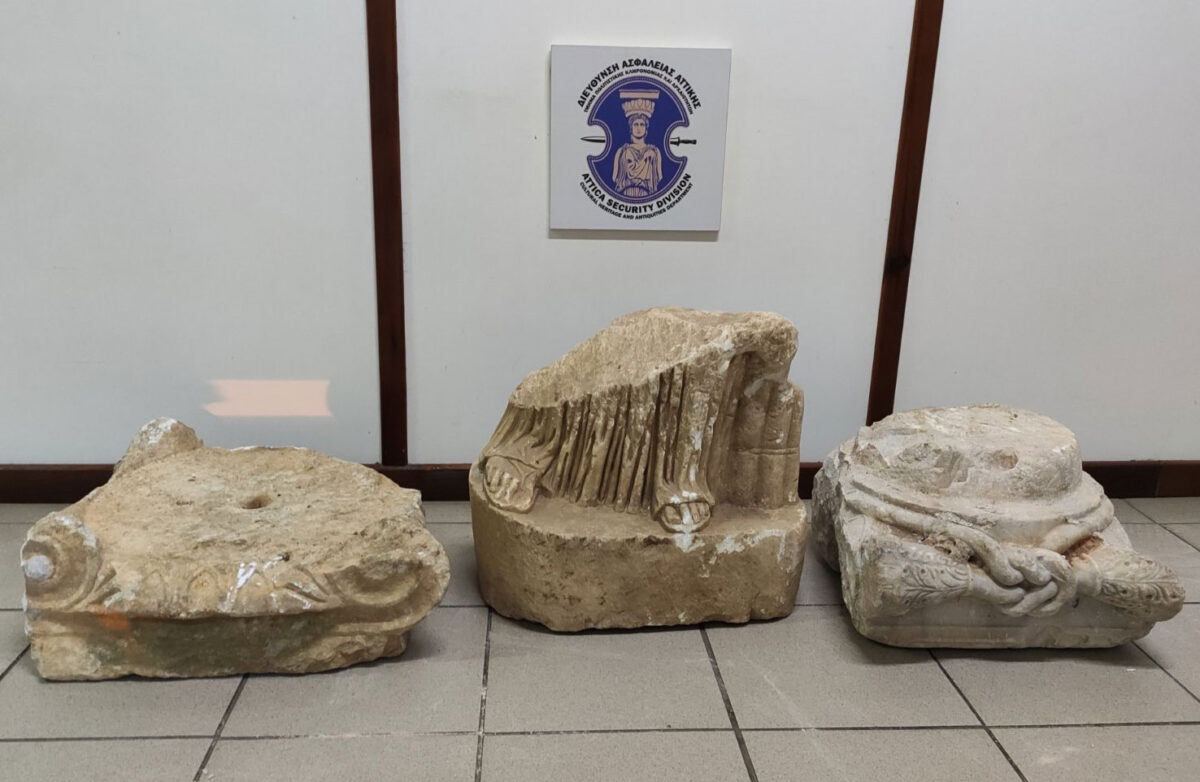
Arrest for trafficking of archaeologicaly valuable artefacts
The case started with information about a person who was transporting antiquities to further dispose of them for 100,000€.
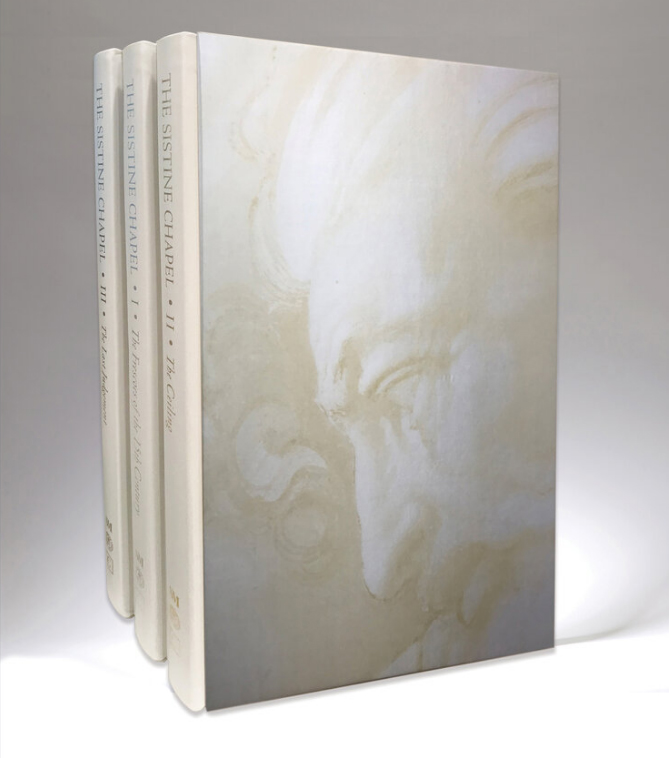
Three volumes of the Sistine Chapel in your home for the price of 22,000$
The three-volume edition, in 1,999 numbered copies, bears the stamp of authenticity of the Vatican Museums.
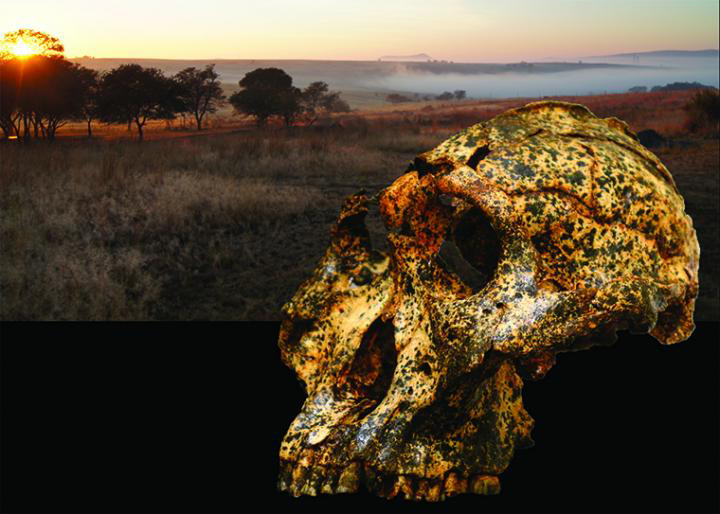
Fossil shows small-scale evolutionary changes in an extinct human species
Newly discovered fossil cranium of Paranthropus robustus suggests environmental conditions drove rapid changes.
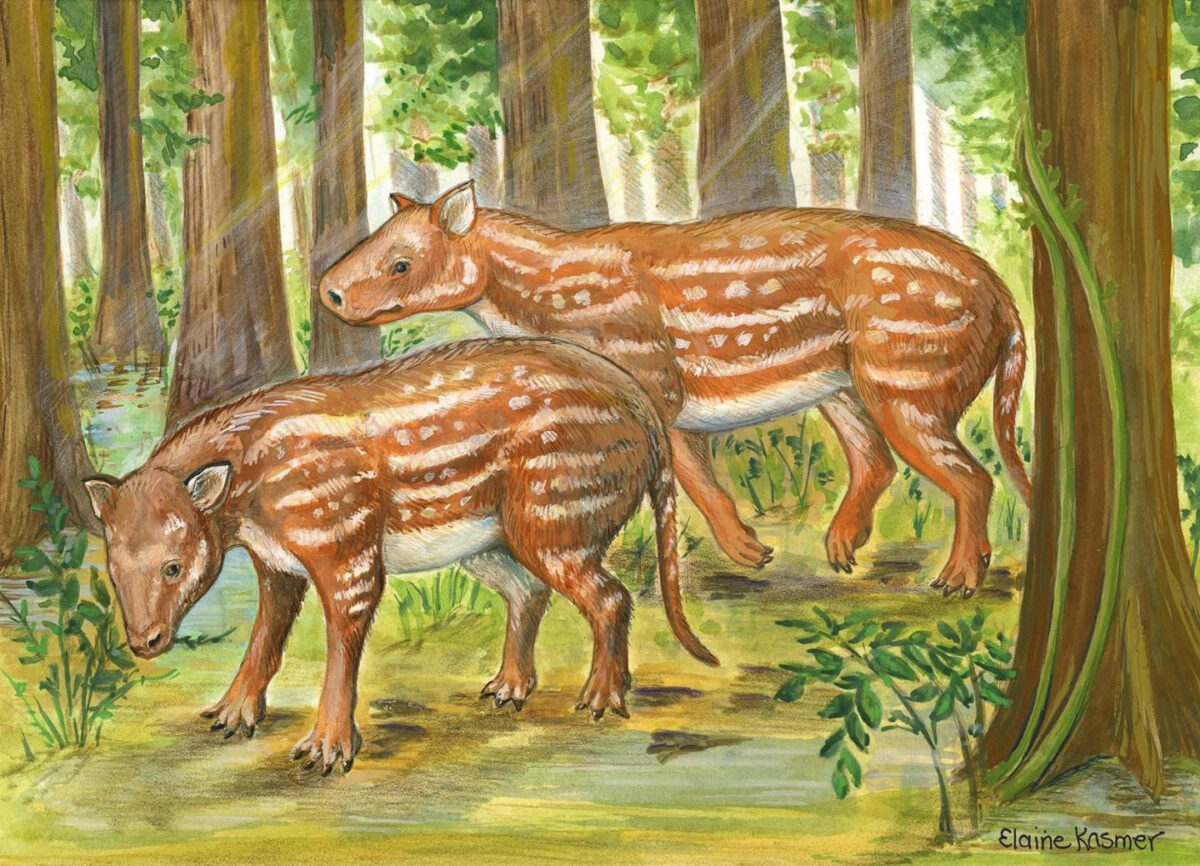
Indian fossils support new hypothesis for origin of hoofed mammals
New research published in the Journal of Vertebrate Paleontology describes a fossil family that illuminates the origin of perissodactyls.
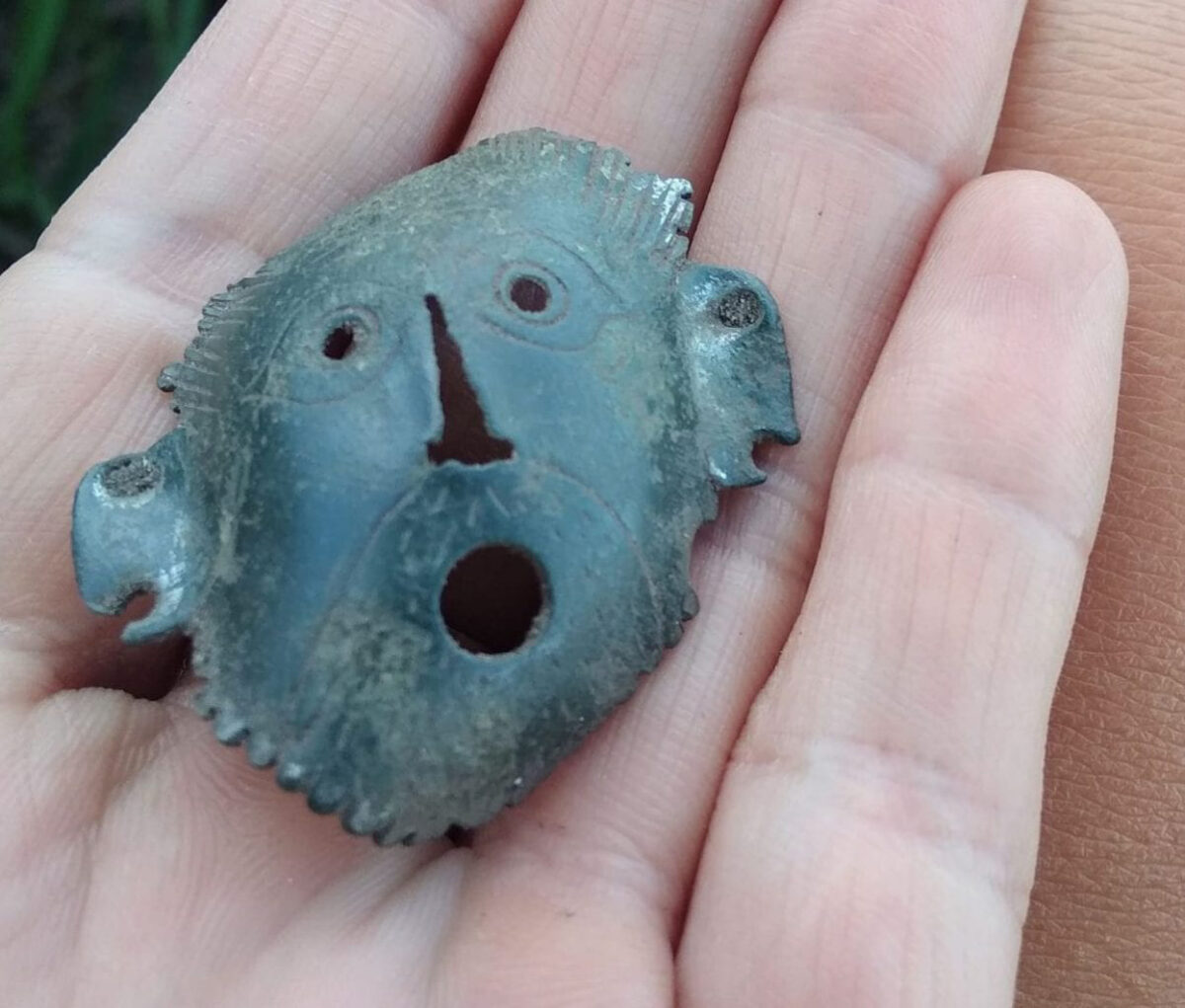
Archaeologists discover treasure trove of metal artefacts
Archaeologists excavating in the village of Poniatach Wielkie in Poland have discovered hundreds of metal objects from the 11th / 12th-13th centuries.
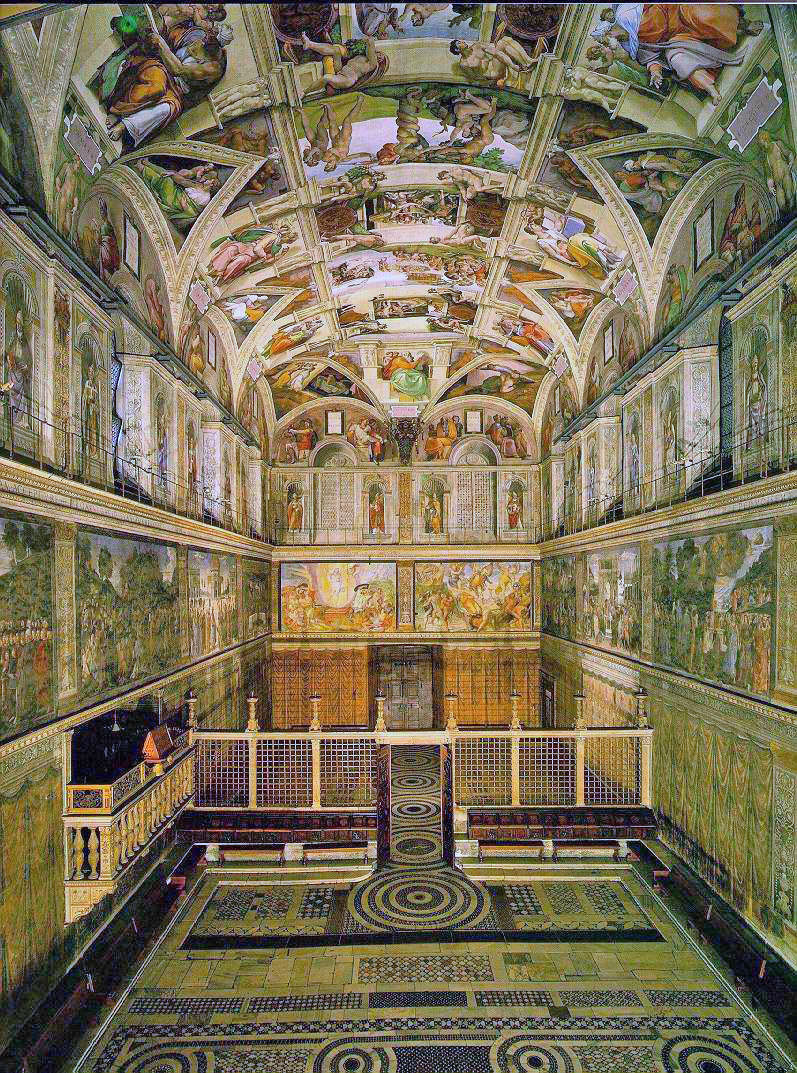
Vatican Museums close once again
The museums had reopened with a limited number of visitors on June 1 after being closed for three months during the first wave of Covid19 in Italy.
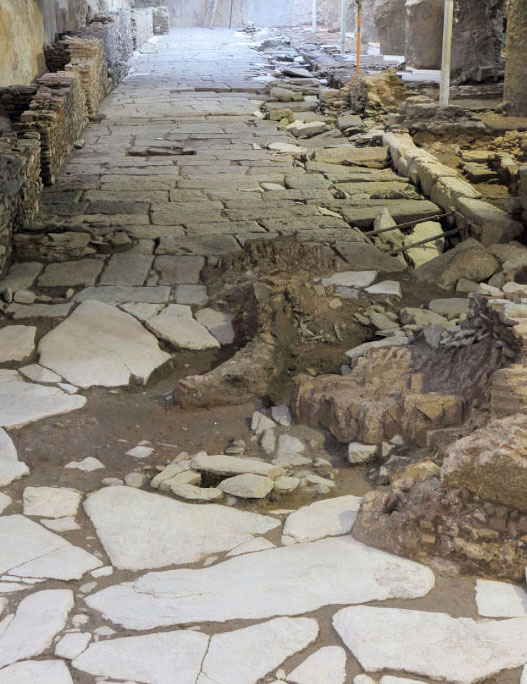
Thessaloniki: Acclaimed Byzantine scholars in favour of not removing antiquities
Various institutions have appealed to the Council of State requesting the annulment of the decision on removing and relocating the antiquities.
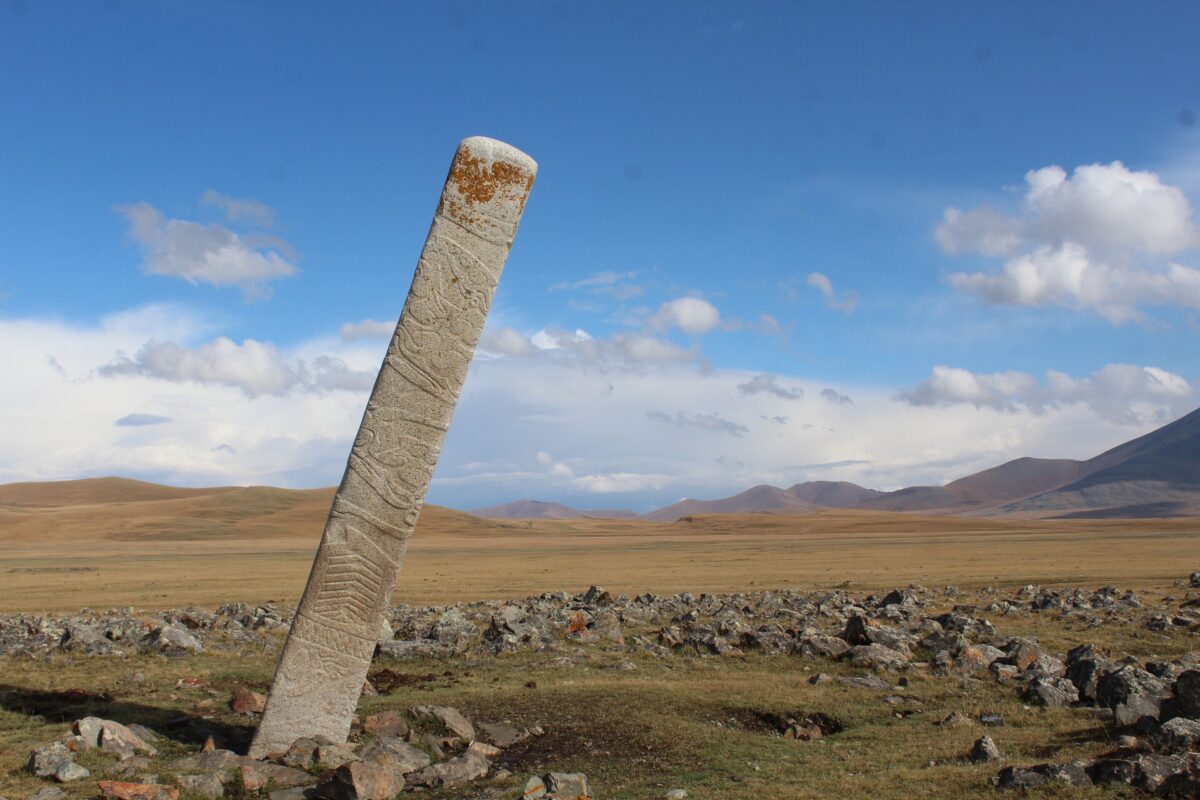
Population dynamics and the rise of Empires in Inner Asia
From the late Bronze Age until the Middle Ages, the eastern Eurasian Steppe was home to a series of organized and highly influential nomadic empires.
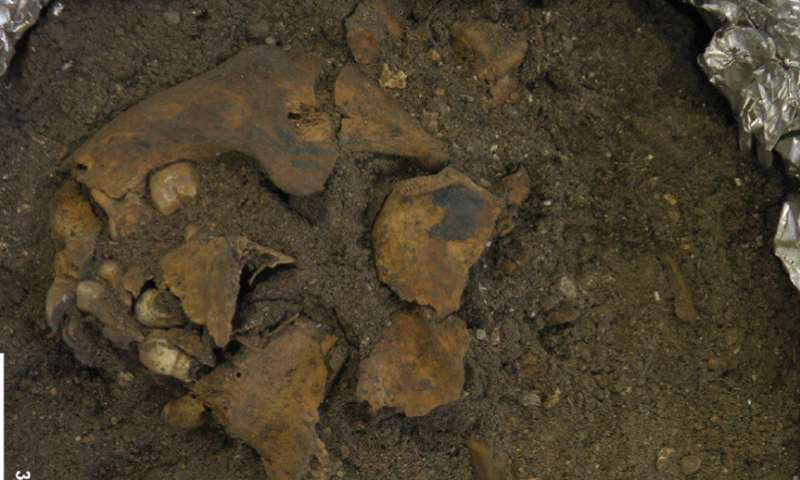
Rare ancient child burial reveals 8,000-year-old secrets of the dead
Archaeologists from The Australian National University (ANU) have discovered a rare child burial dating back 8,000 years on Alor Island, Indonesia.
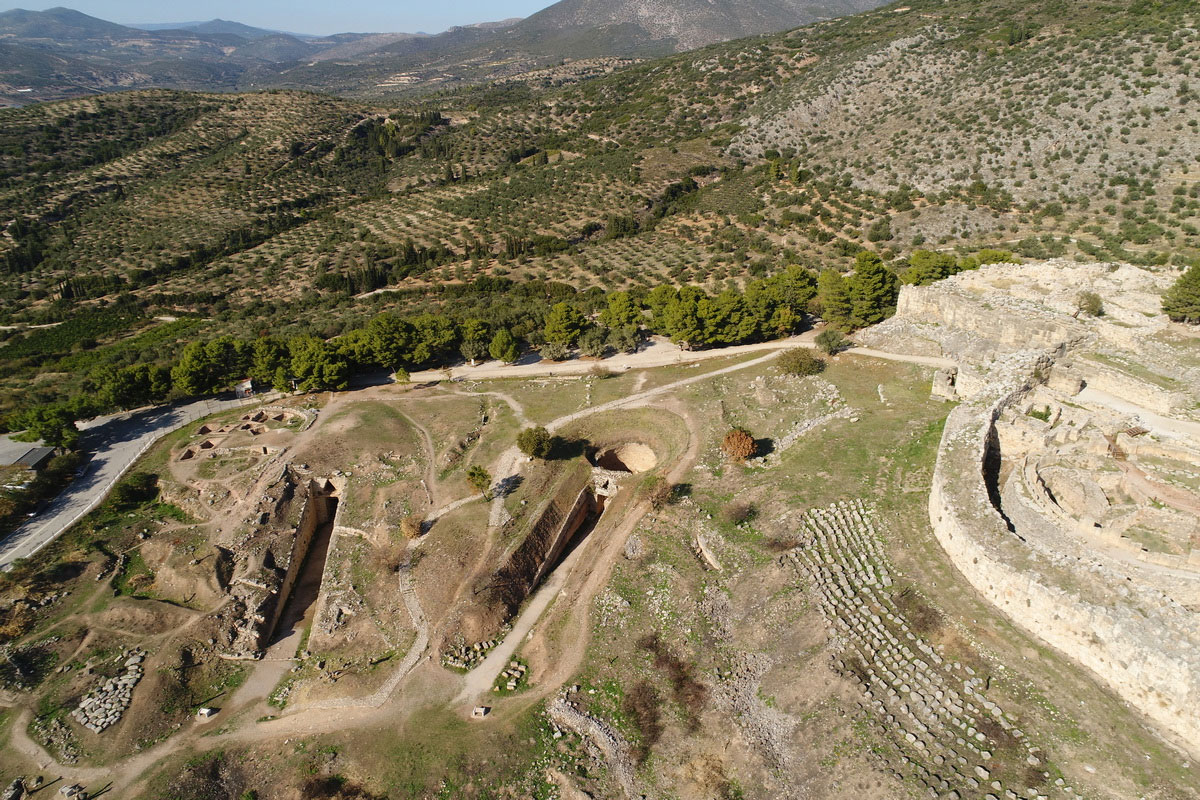
Completion of system for the fire protection of Mycenae
The project will finally solve the archaeological site’s fire protection.
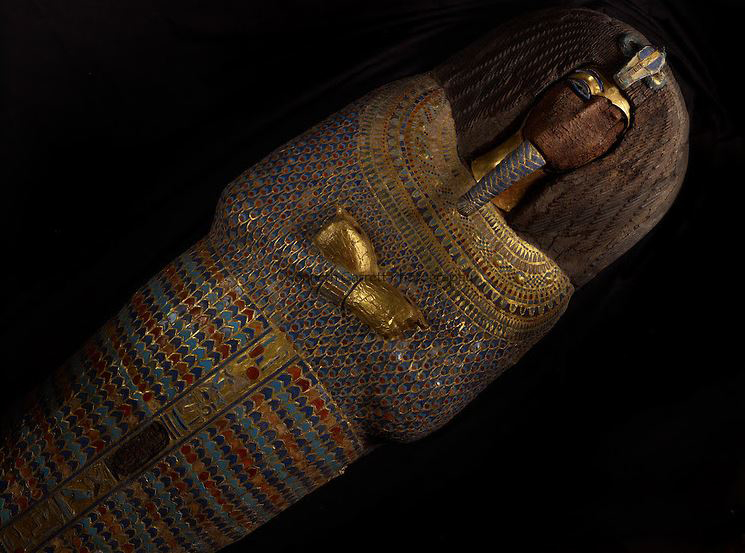
New virtual tours in Egypt’s past by ARCE
Following the release of The Seated Statue of King Mentuhotep II and The Coffin of Tanakhtnettahat, ARCE launched two new virtual tours for The C-Ware Vessel and The KV 55 Coffin.
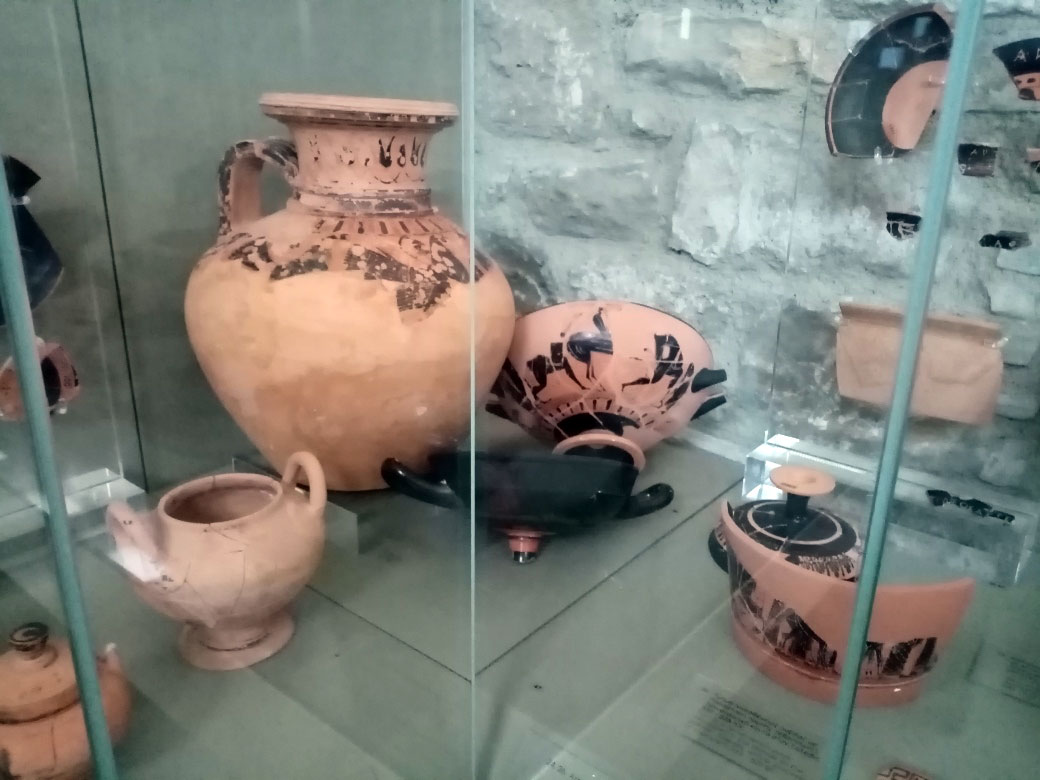
First estimation of damages on Samos, Ikaria and Chios
The strong earthquake off Samos on Friday, October 30 caused damage to the monuments and museums of Samos, and Chios.
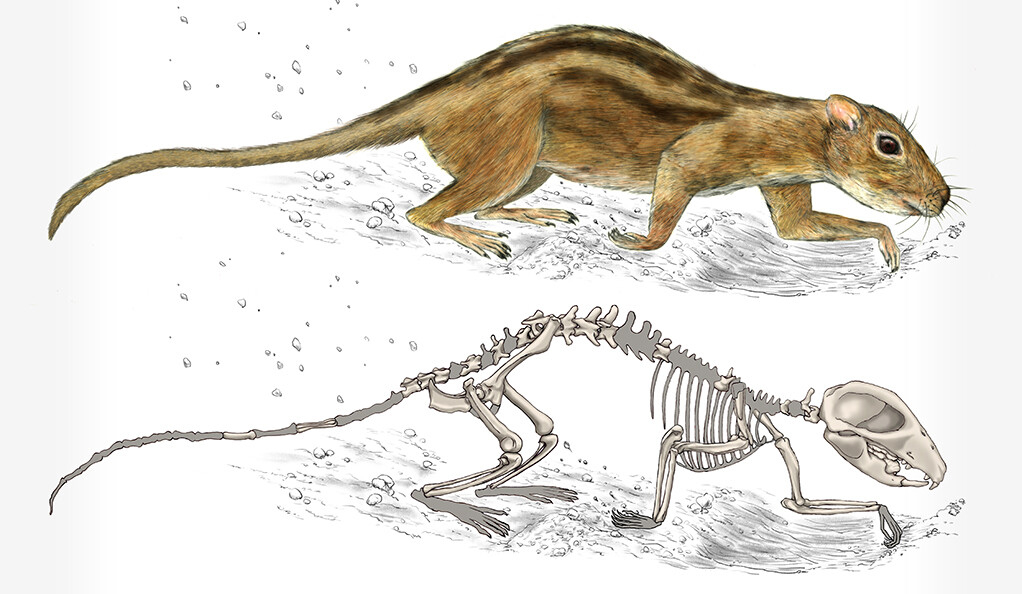
Fossils reveal mammals mingled in Age of Dinosaurs
The fossil remains of several small mammals discovered in tightly packed clusters in western Montana provide the earliest evidence of social behavior in mammals, according to a new study co-authored by a Yale scientist.
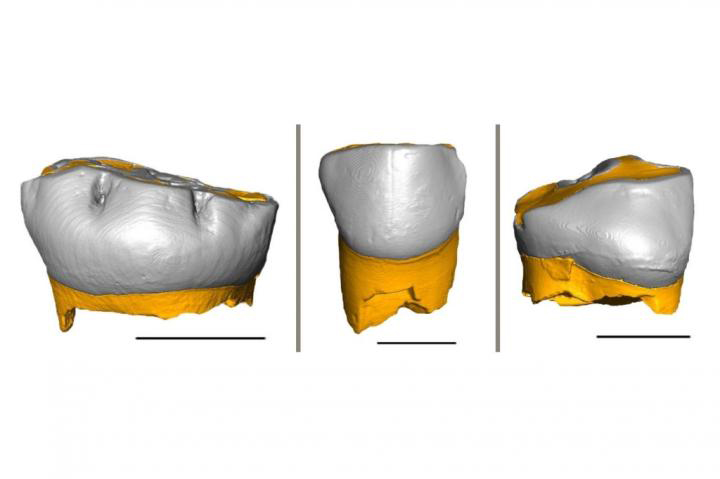
Neanderthal children grew and were weaned similar to us
Neanderthals behaved not so differently from us in raising their children, whose pace of growth was similar to Homo sapiens.
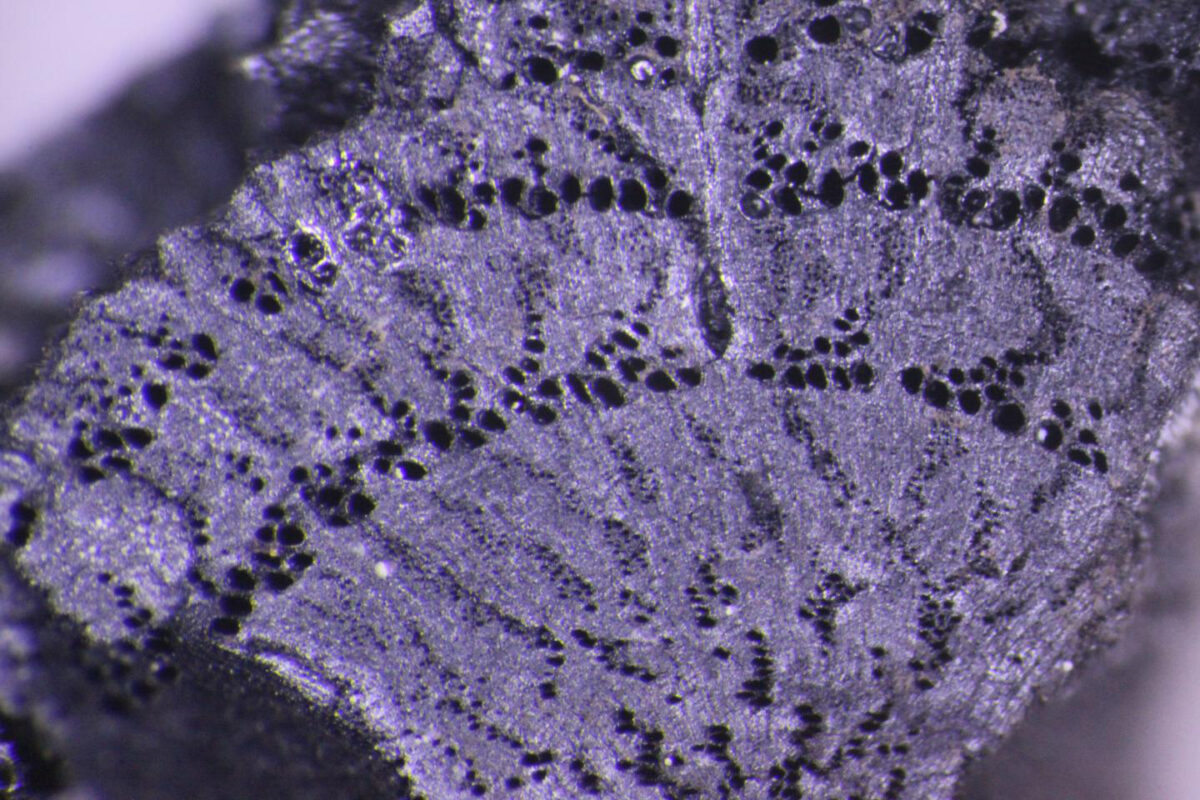
Human resilience in the face of climate change in ancient Turkey
New study fills gaps in chronological timelines of Bronze and Iron Age societies.
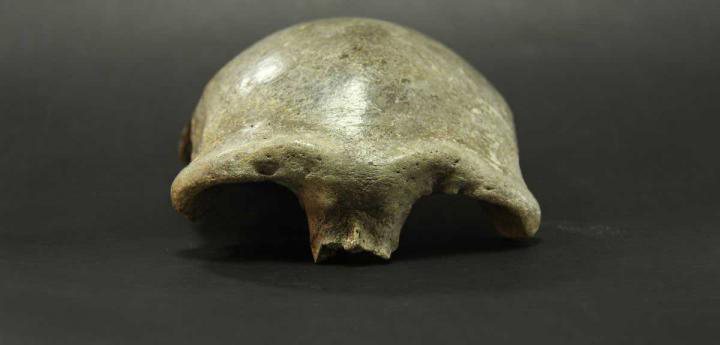
Denisovan DNA in the genome of early East Asians
Scientists identify 34,000-year-old Early East Asian of mixed Eurasian descent.
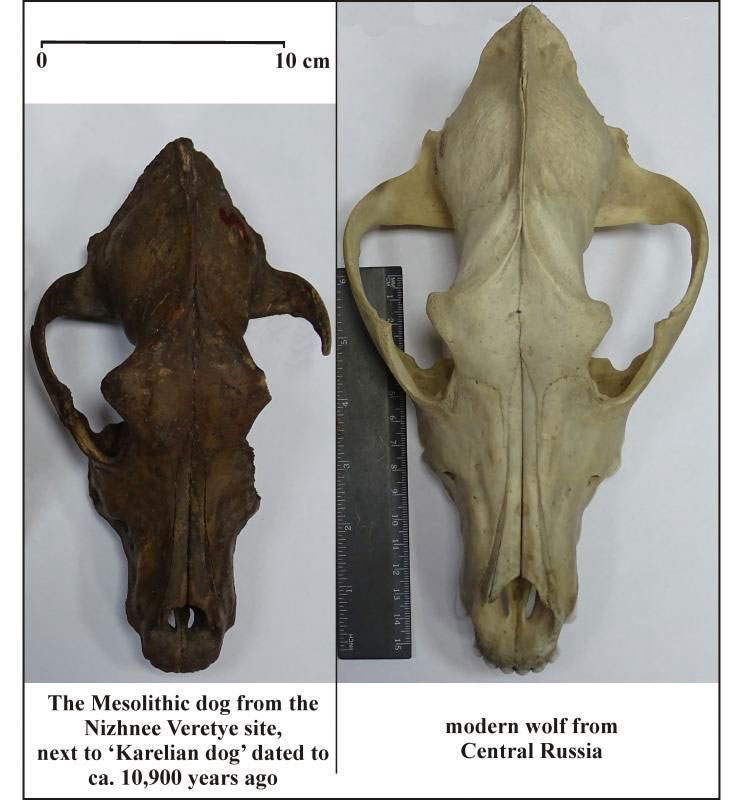
Study of ancient dog DNA traces canine diversity to the Ice Age
A global study of ancient dog DNA presents evidence that there were different types of dogs more than 11,000 years ago in the period immediately following the Ice Age.
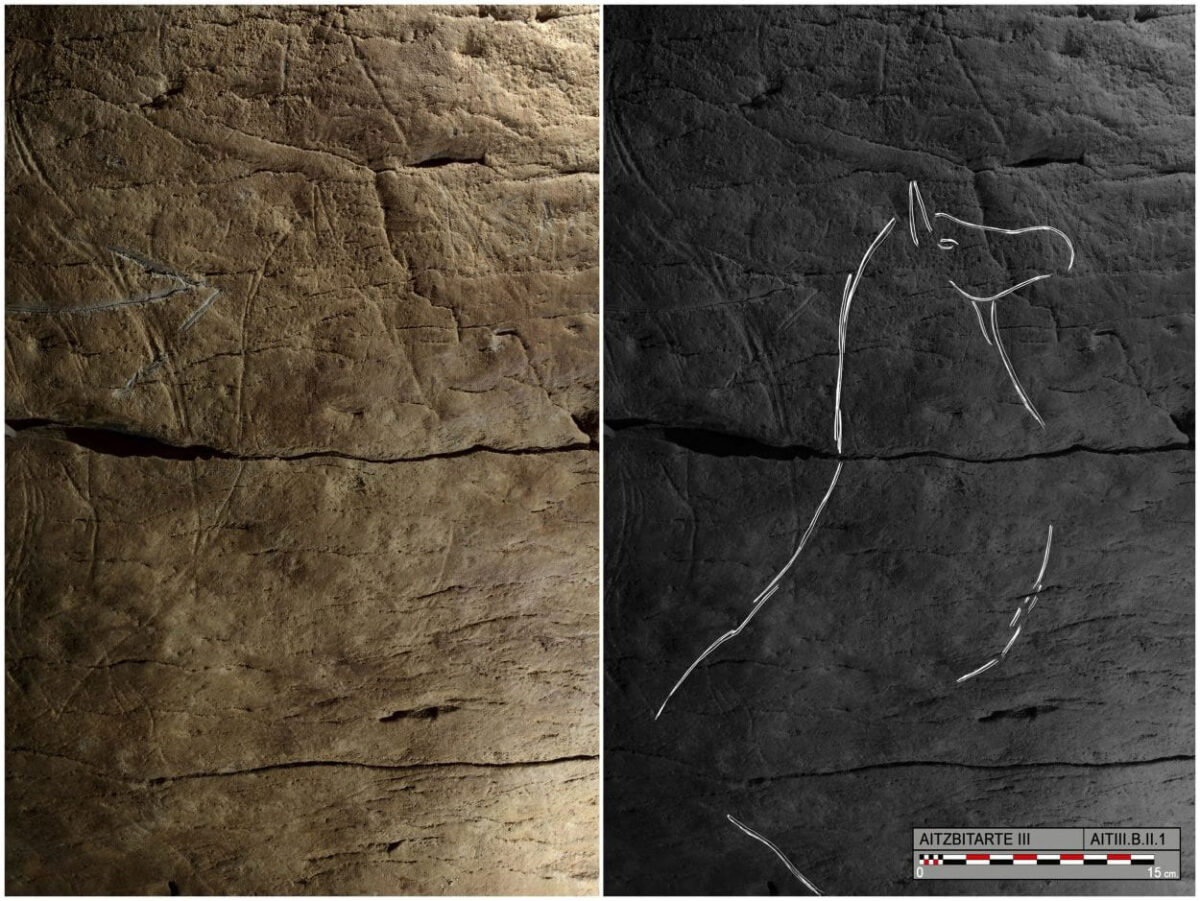
Ancient Gravettian Art Culture Much More Widespread Than Thought
Recently found rock art in Spain represents cultural style common in ancient Europe, but previously unknown from the Iberian Peninsula.
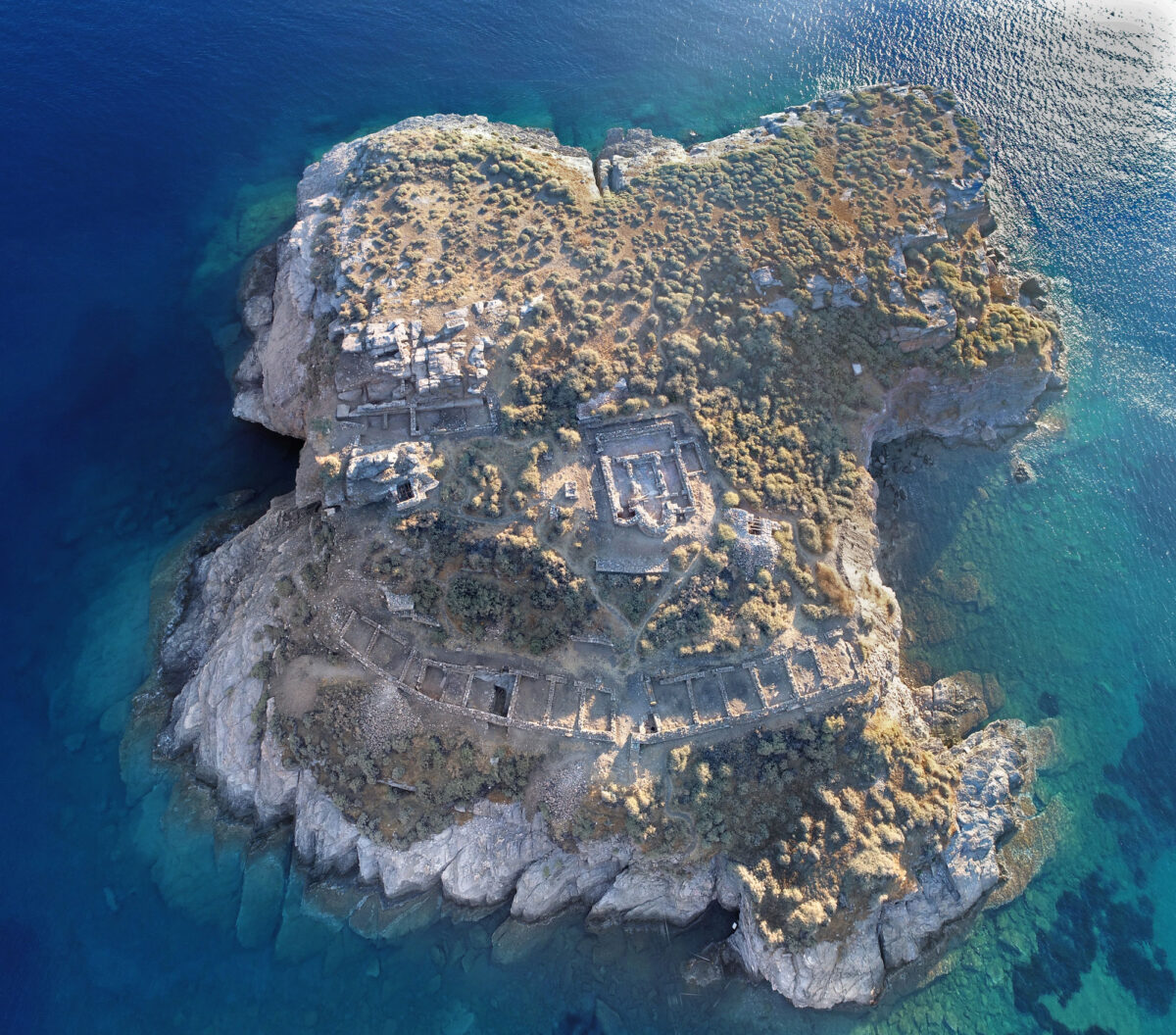
The new finds from excavations at Vryokastraki
The site has been inhabited continuously from the 12th c. BC to the 7th c. AD, while there are now clear indications of the presence of a Cycladic settlement from the 3rd millennium BC.
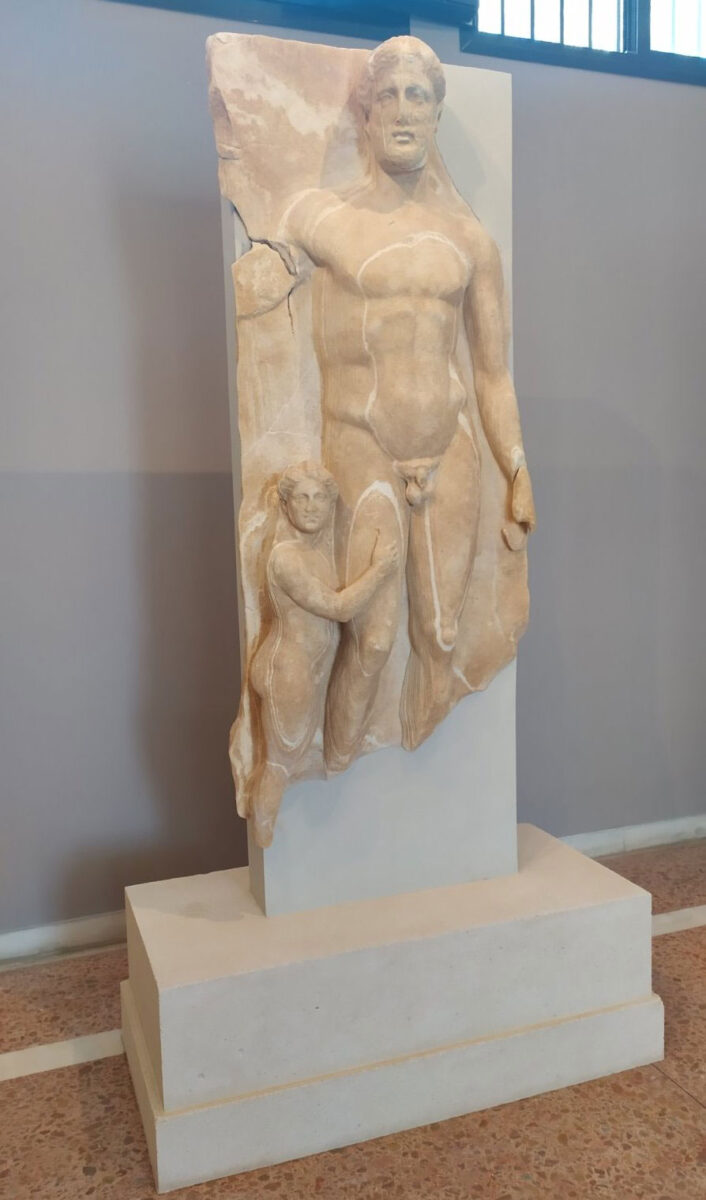
The “athlete” from Xobourgo is in the Archaeological Museum of Tinos
One of the most beautiful works of classical sculpture in the Cyclades can be admired by visitors to the museum.
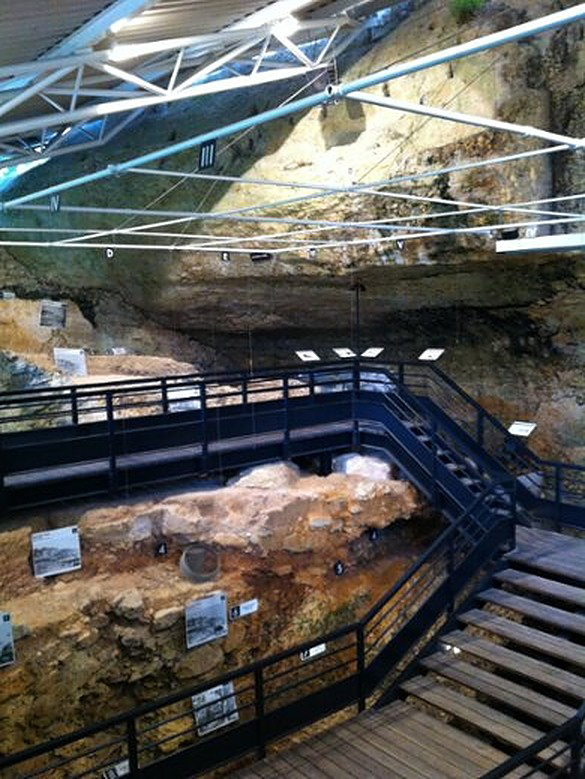
Unravelling prehistoric fire use
A group of Leiden archeologists are, together with a team of international colleagues, investigating remains of Palaeolithic hearths in order to characterize the use of fire by our distant ancestors.
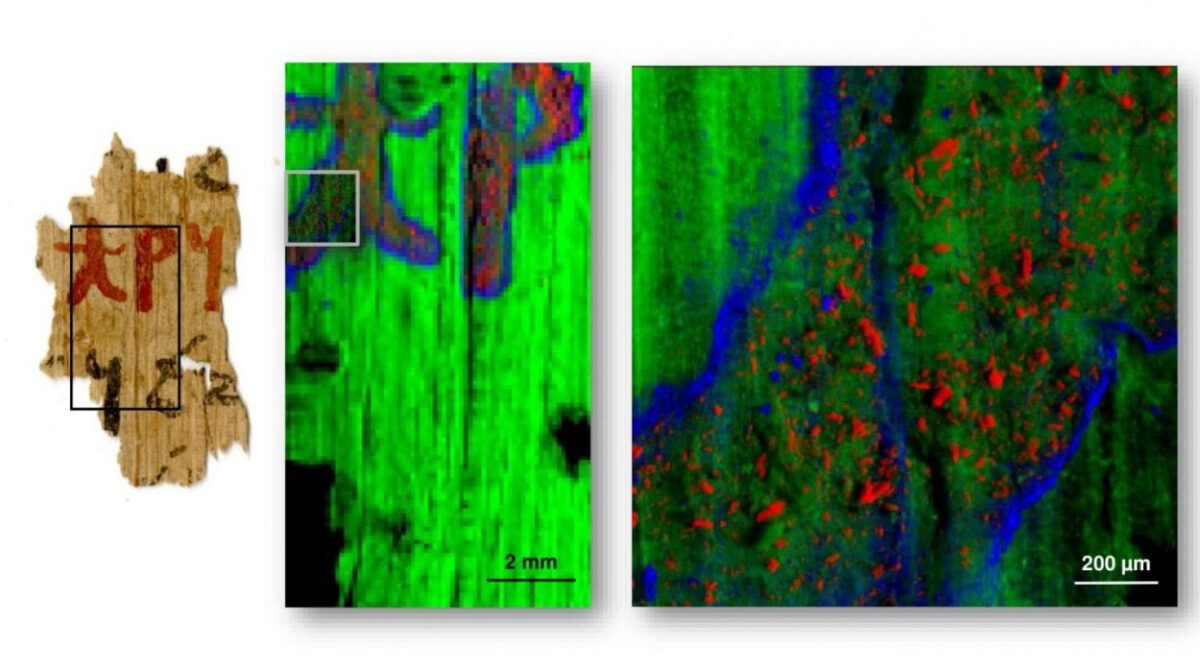
Inks containing lead were likely used as drier on ancient Egyptian papyri
Analysing 12 ancient Egyptian papyri fragments, researchers found inks were used for their drying properties rather than as a pigment.
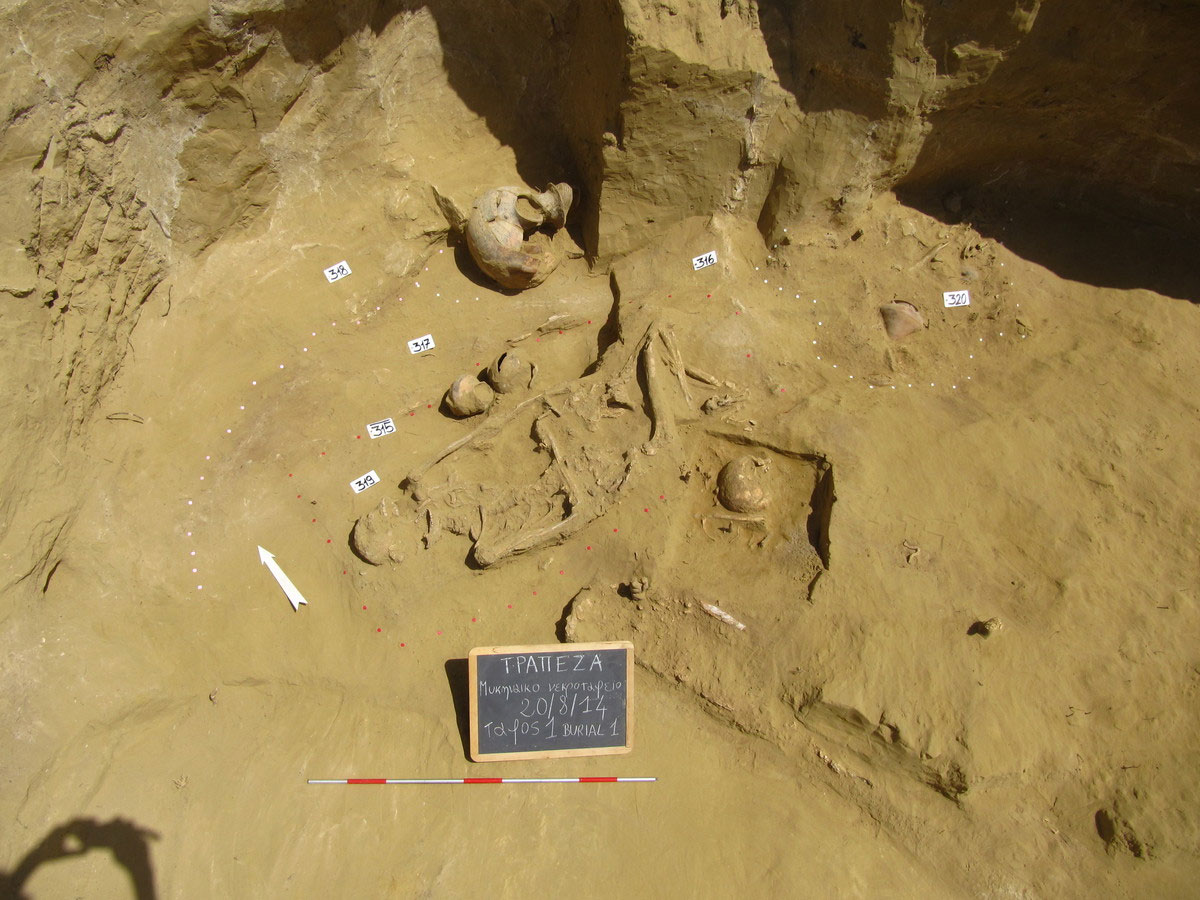
The necropolis of Trapeza, Aegion, comes to light
A large number of grave offerings and high-quality burial items were discovered during the excavation.
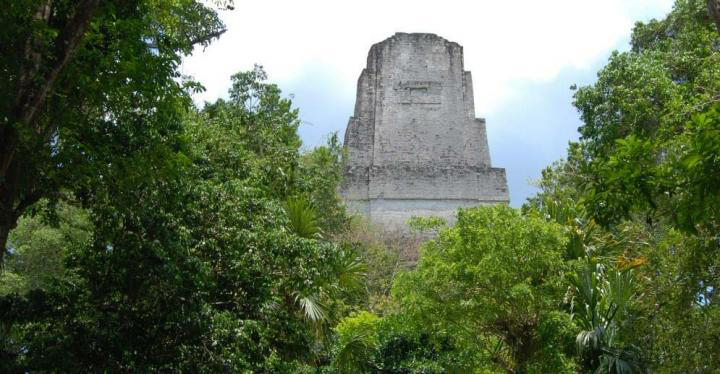
Ancient Maya built sophisticated water filters
Ancient Maya in the once-bustling city of Tikal built sophisticated water filters using natural materials they imported from miles away, according to the University of Cincinnati.