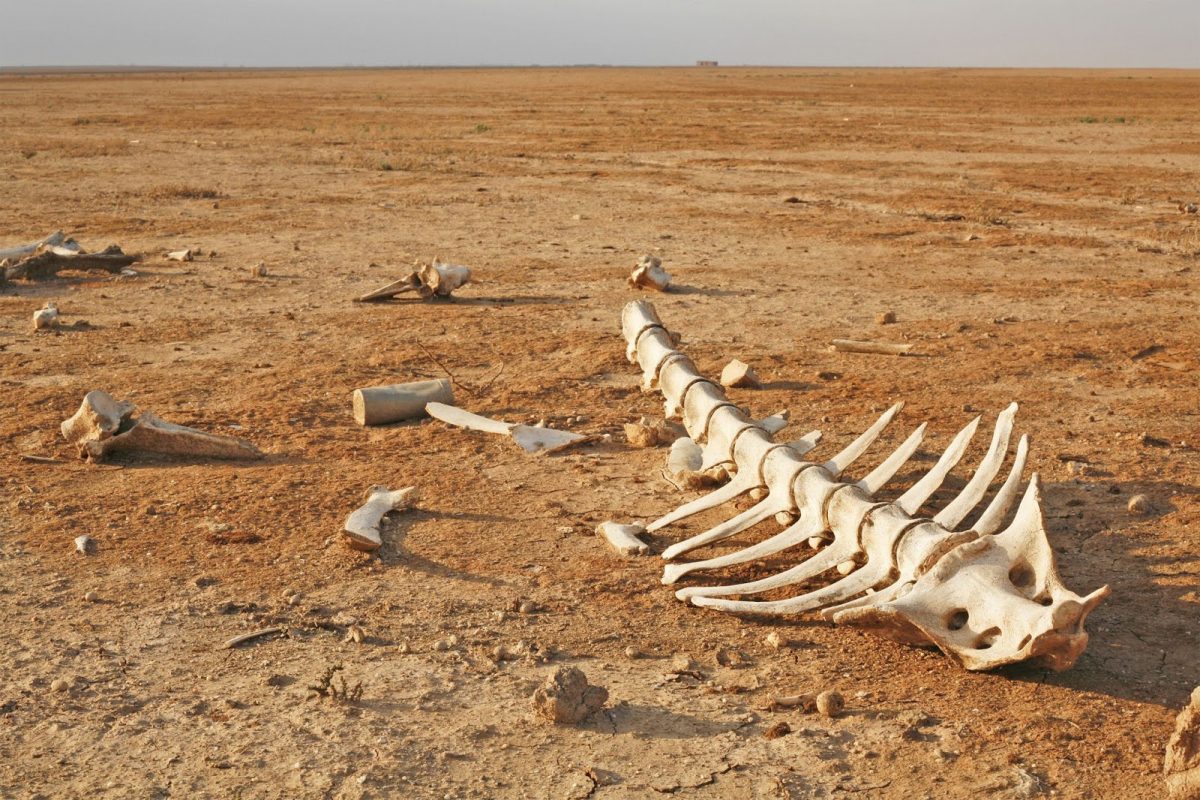
Goodbye “Extinction,” Hello “Evanescence”?
The paper cites four independent tests of the new paradigm employing observational, experimental, and wholly theoretical techniques, utilizing phyletically diverse organisms from disparate parts of the Earth.
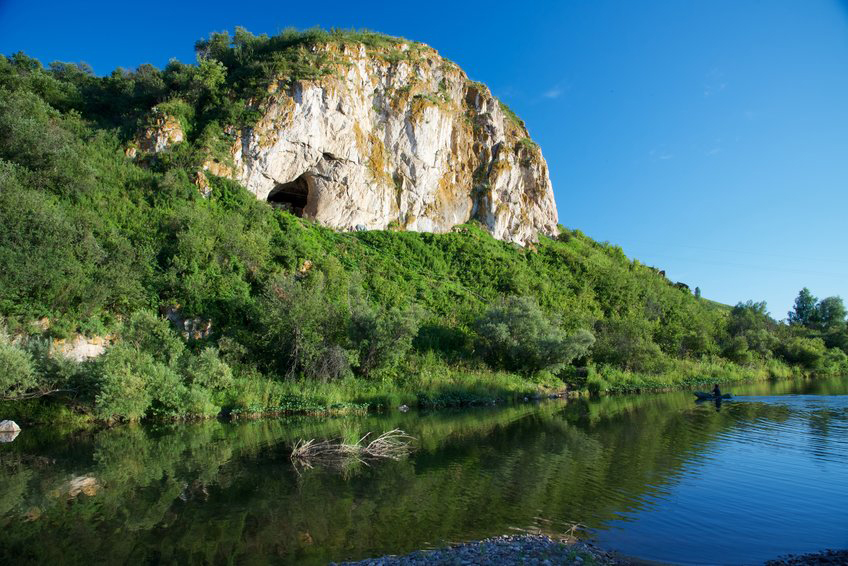
A Neandertal from Chagyrskaya Cave
Neandertals may have lived in very small groups, and genes expressed in the basal ganglia of their brains may have changed.
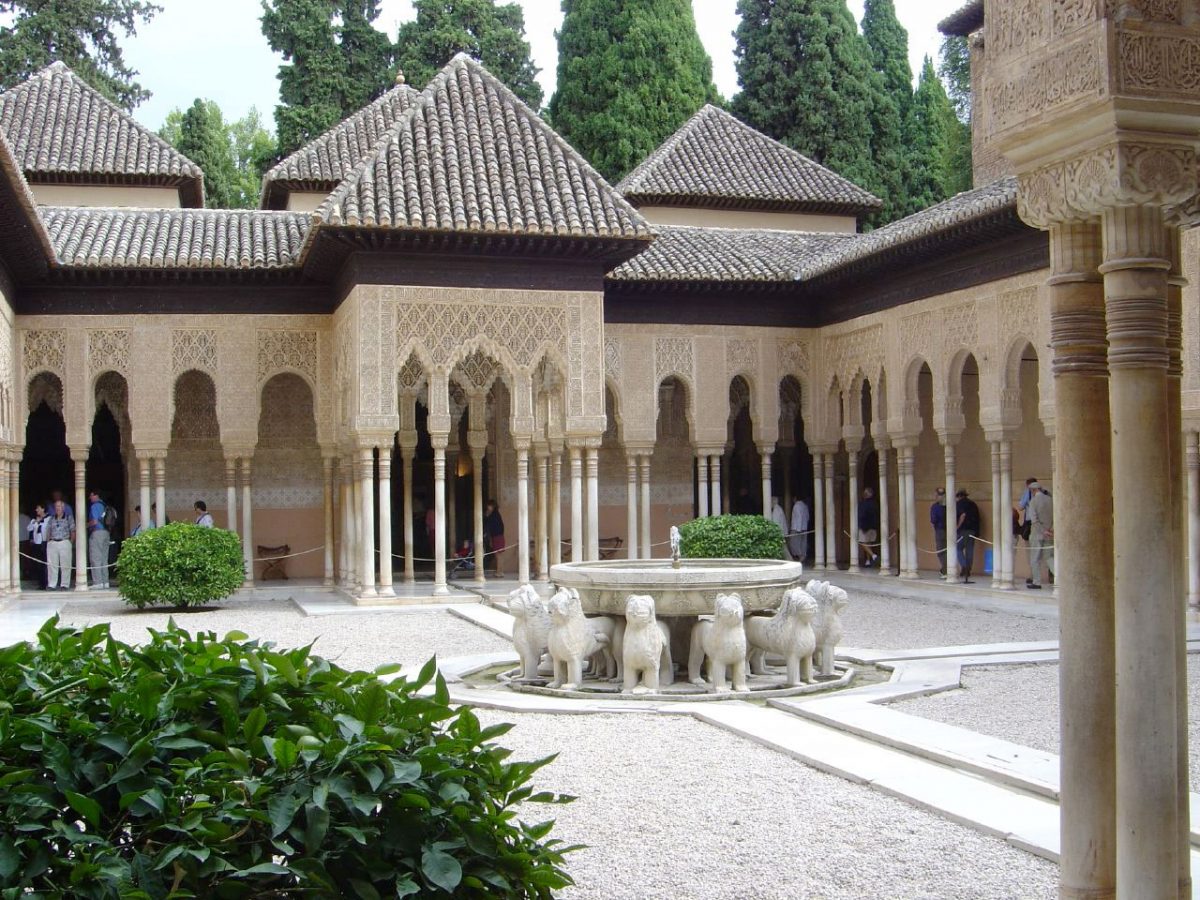
The Alhambra palace has reopened to the public
For the time being, the Alhambra can only admit 50% of its capacity.
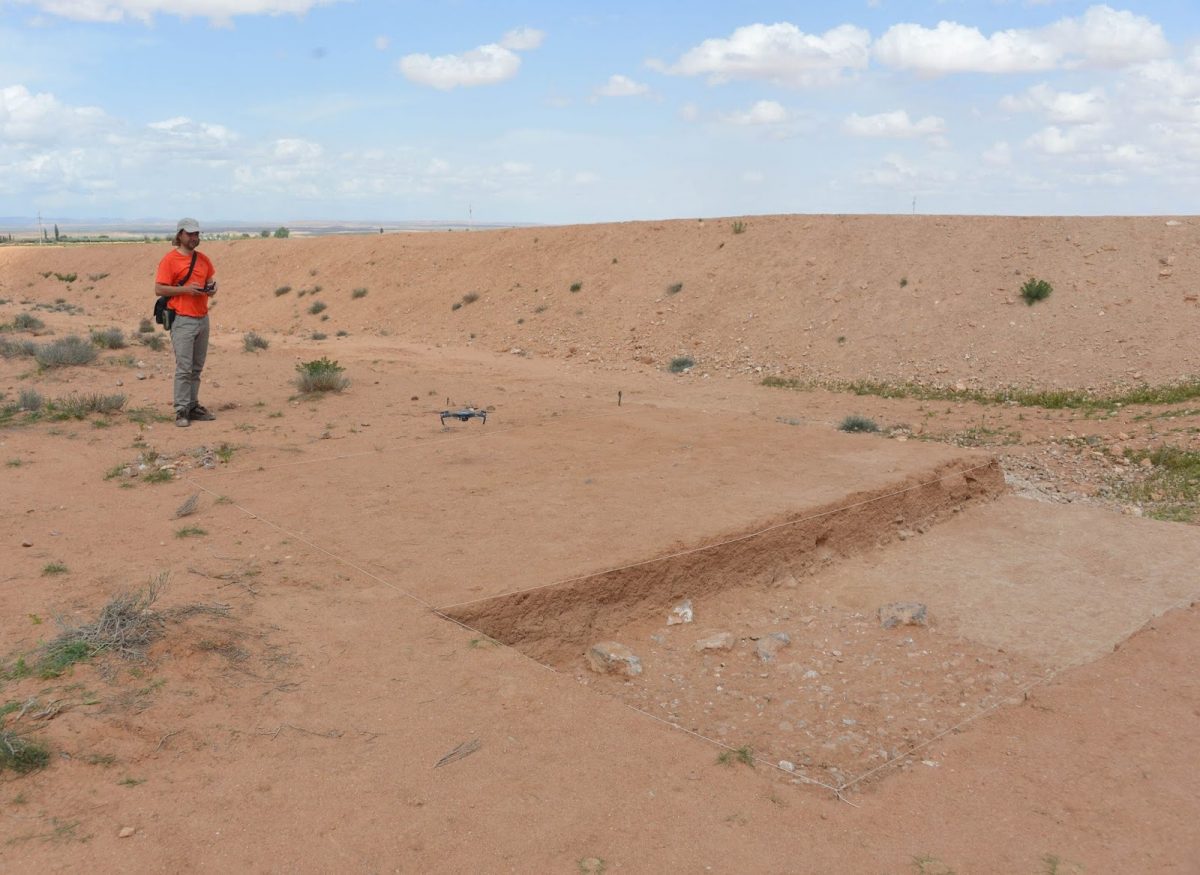
Drones enable the first detailed mapping of the High Plateaus Basin
The High Plateaus Basin is a region in Eastern Morocco that is key to understanding human evolution in North Africa during the Quaternary.
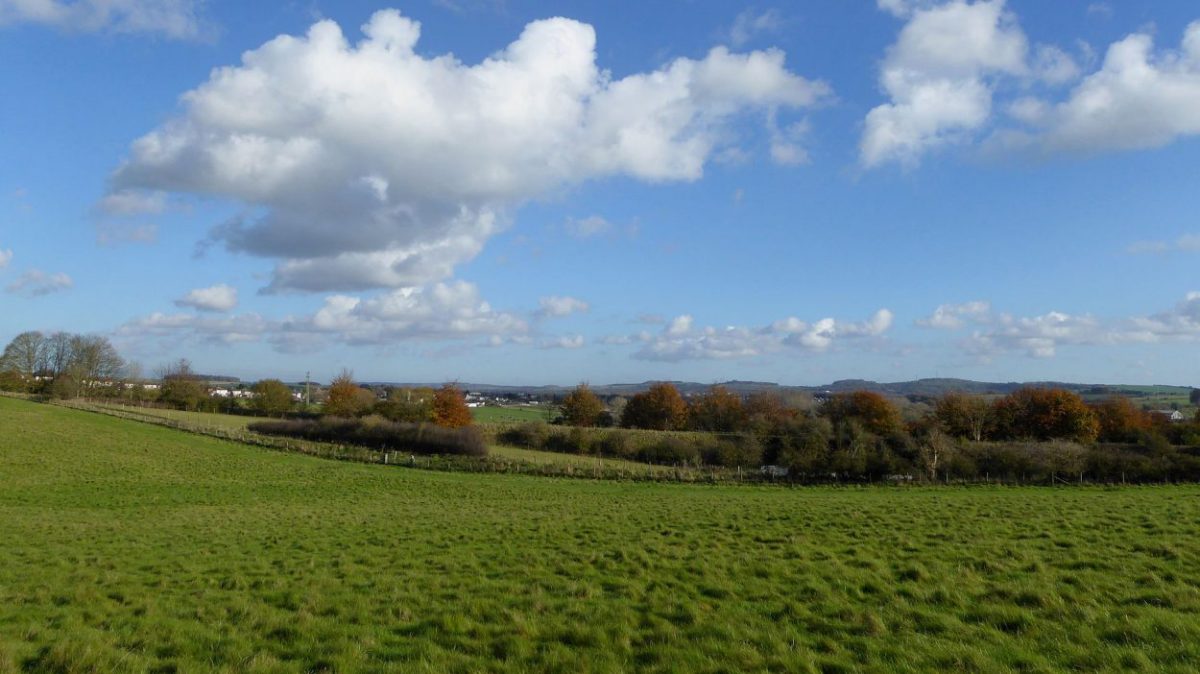
Archaeologists find large Neolithic structure at Durrington Walls
Archaeologists from the University of Bradford have announced the discovery of a large prehistoric site at Durrington Walls near Stonehenge in England.
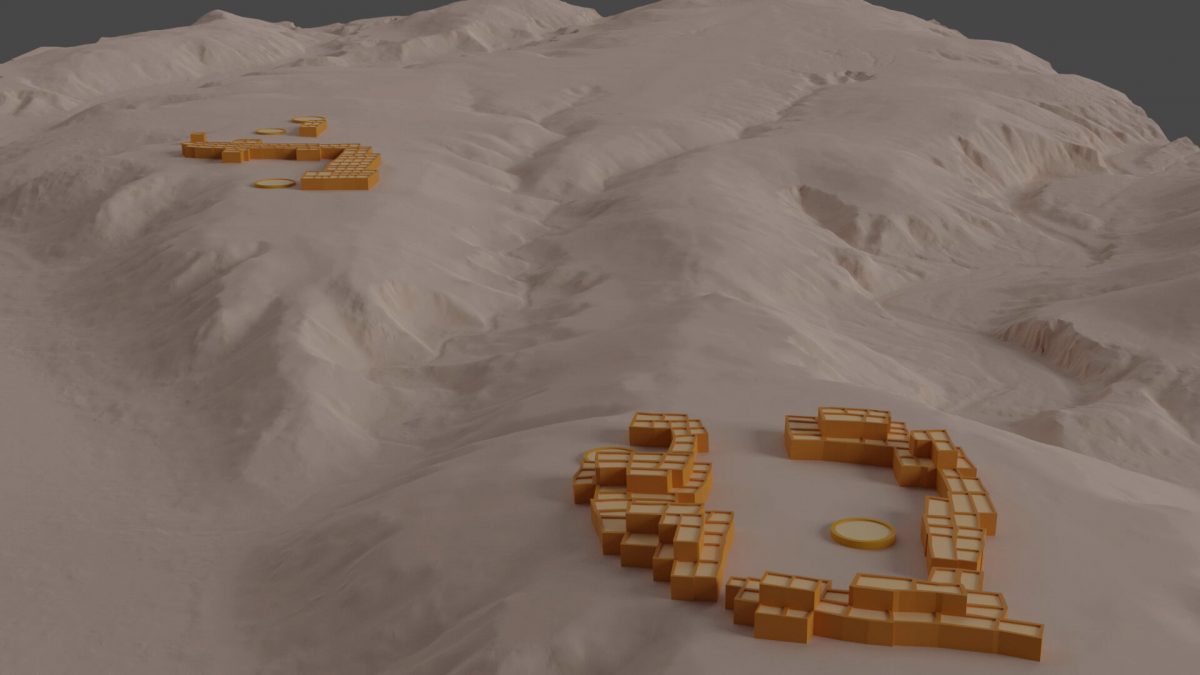
Ancient societies hold lessons for modern cities
Today's modern cities could learn a thing or two from the ancient Pueblo communities that once stretched across the southwestern United States.
Reconstruction work on Notre Dame will start in January 2021
It is President Emmanuel Macron’s ambition to bring the cathedral back to life by 2024.

European Archaeology Days 2020
Three days dedicated to familiarizing European audiences with all aspects of archaeology.
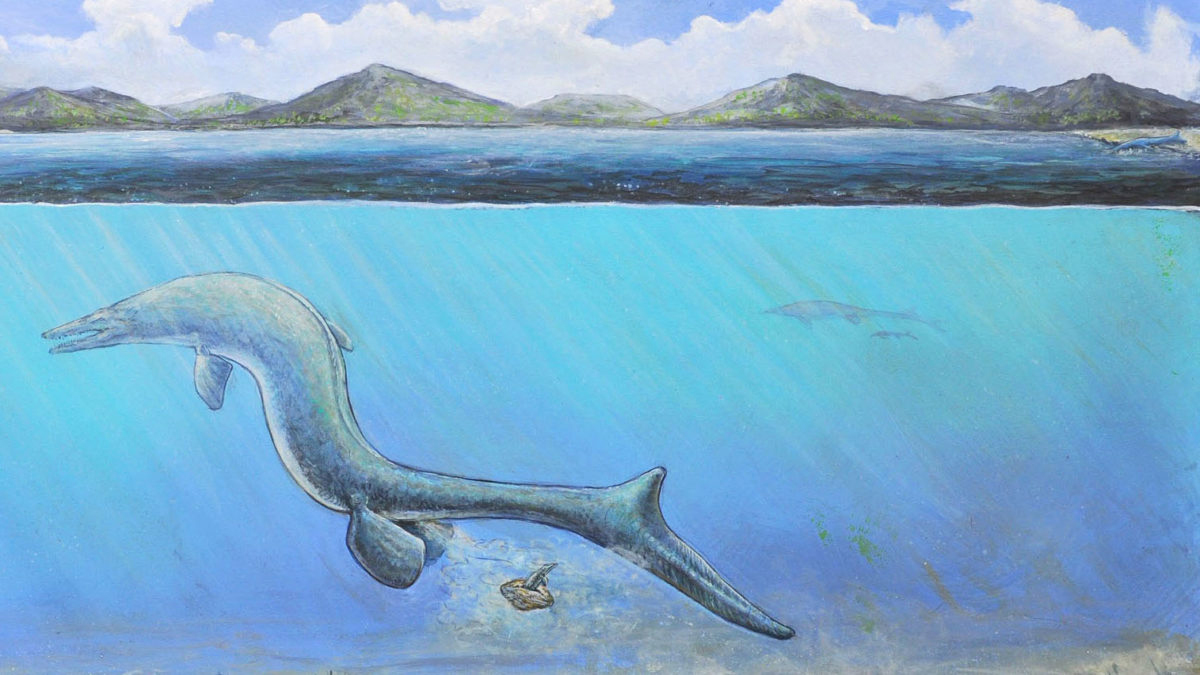
Big Antarctica egg might belong to an extinct sea lizard
The specimen is the first fossil egg found in Antarctica and pushes the limits of how big scientists thought soft-shell eggs could grow.

First-degree incest: Irish passage tomb dynastic elite
Archaeologists and geneticists, led by those from Trinity College Dublin, have shed new light on the earliest periods of Ireland's human history.
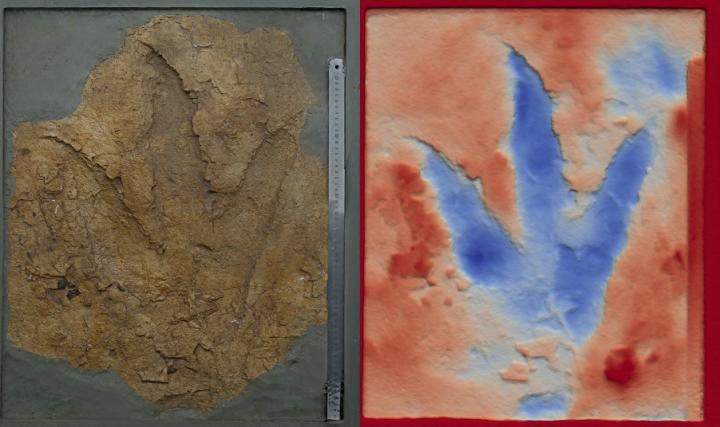
Tracking Australia’s gigantic carnivorous dinosaurs
North America had the T. rex, South America had the Gigantosaurus and Africa the Spinosaurus — now evidence shows Australia had gigantic predatory dinosaurs.
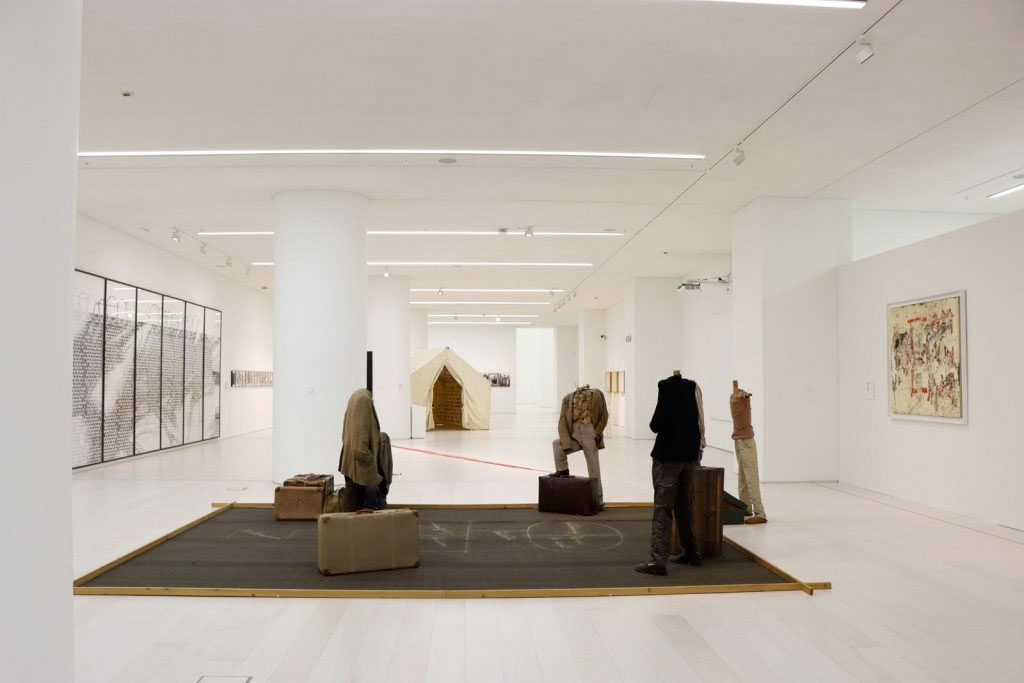
Free entrance to the National Museum of Contemporary Art (EMST)
In the next few days, the cafe will be open on the ground floor, while the restaurant is under preparation with a unique view of the Acropolis.
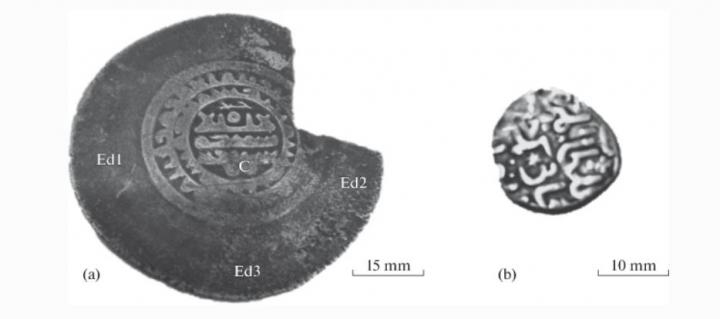
Tomography studies of coins shed light on the history of Volga Bulgaria
Kazanites teamed up with nuclear researchers from Dubna to publish their results.

Otago researchers discover the origins of the beloved guinea pig
Ancient DNA from archaeological guinea pig remains reveals the transition from the animals being used as a wild food source 10,000 years ago to their domestication.
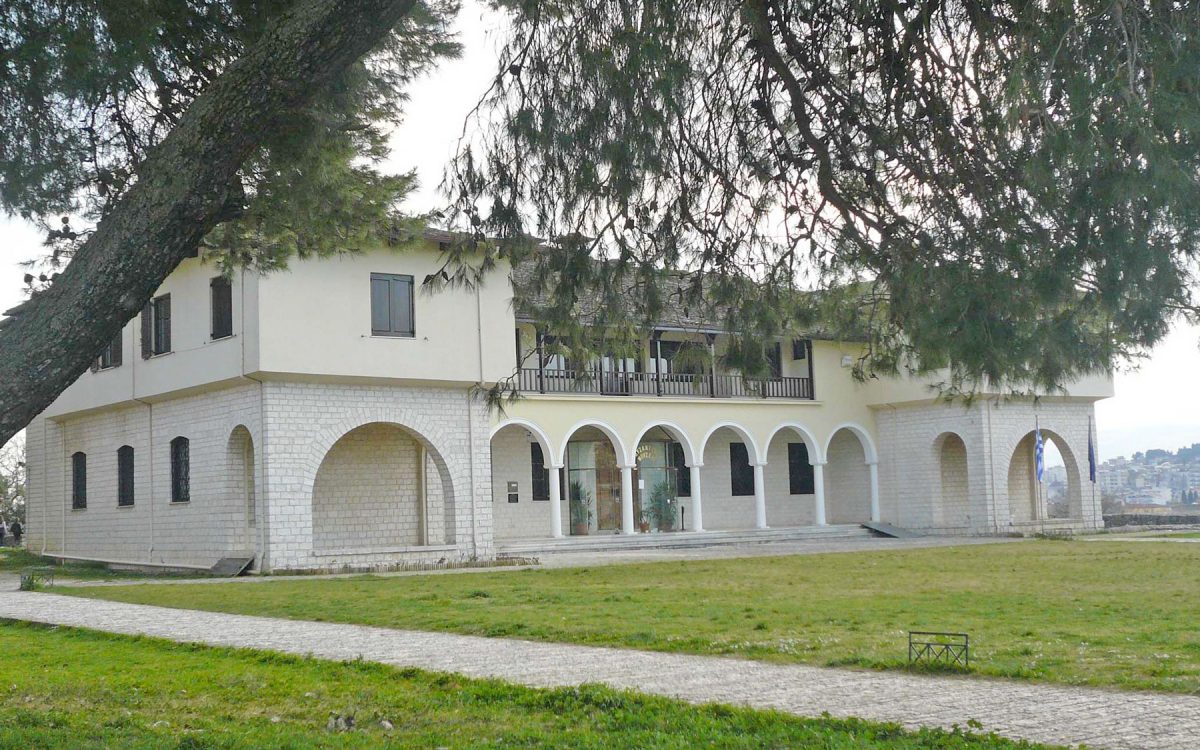
The Archaeological and Byzantine Museum of Ioannina are opening
Various aspects of Epirus are highlighted in them as are the historical paths of the region’s cultures from 250,000 years ago to the 19th century.
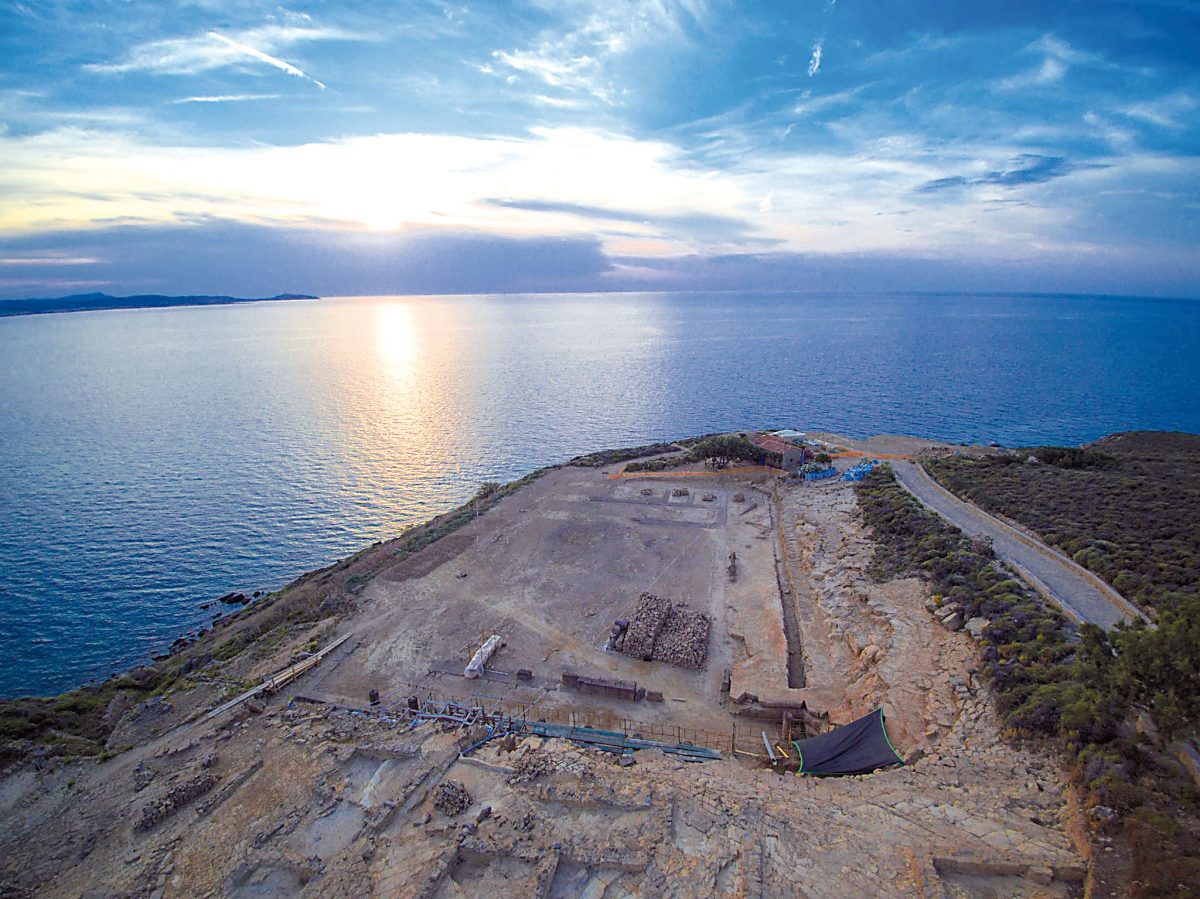
The Kaveirio sanctuary and the Lemnian cult of the Kaveiroi
On the steep Lemnian peninsula of Chloe, north of the Pournias bay and in the region outside the walls of the ancient city of Hephaestia.
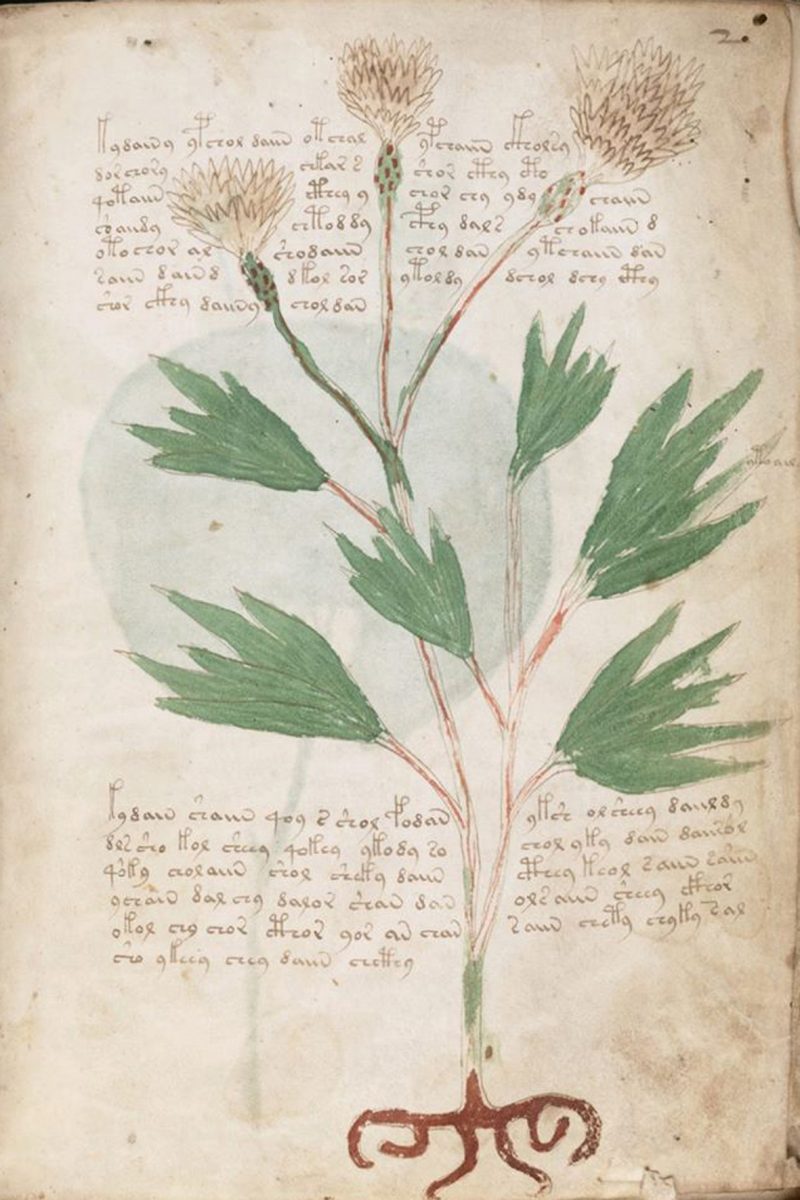
Voynich code cracked?
After years of research the renowned egyptologist Prof. Dr. Rainer Hannig has succeeded in deciphering the mysterious Voynich Manuscript.
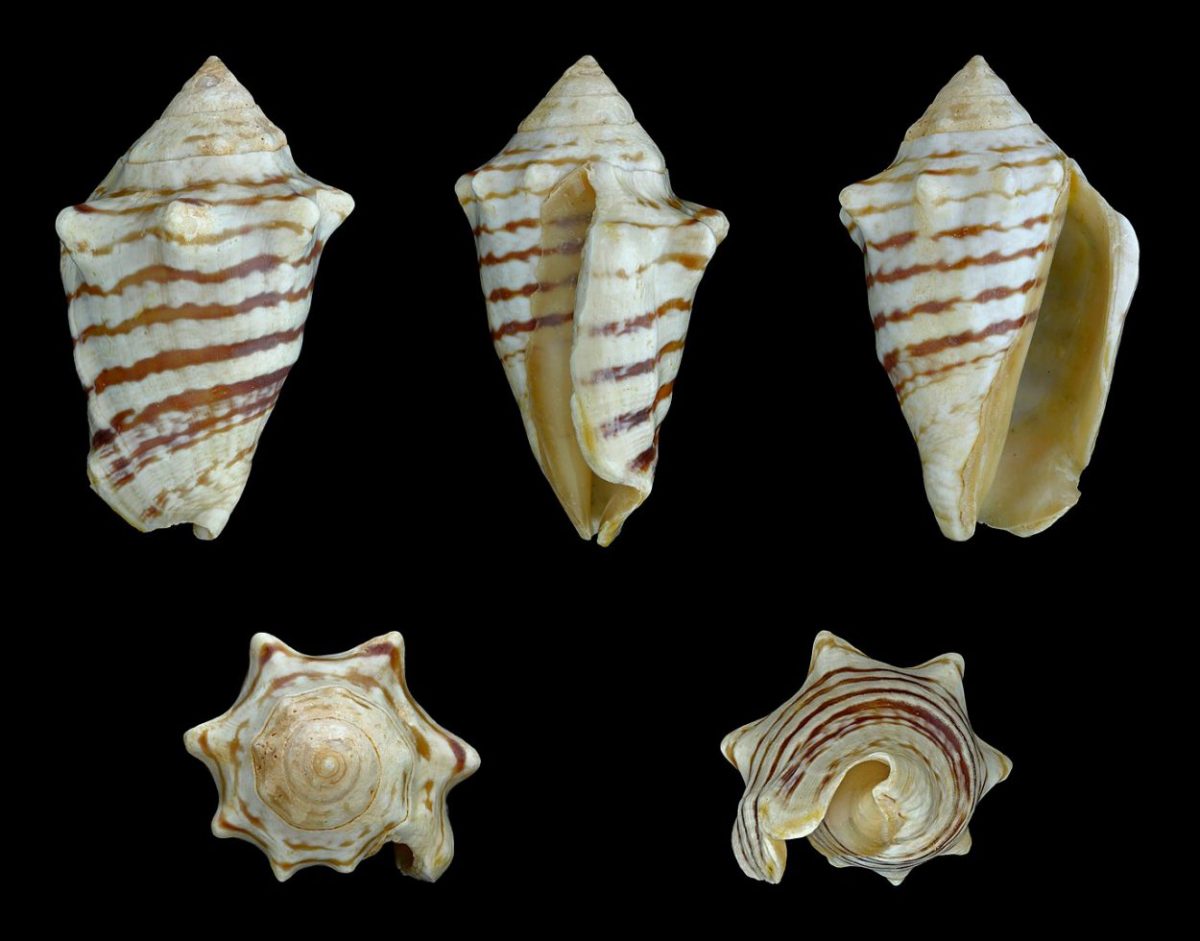
Prehistoric pioneers could have relied on shellfish to sustain them
The study examined fossil reefs near to the now-submerged Red Sea shorelines that marked prehistoric migratory routes from Africa to Arabia.
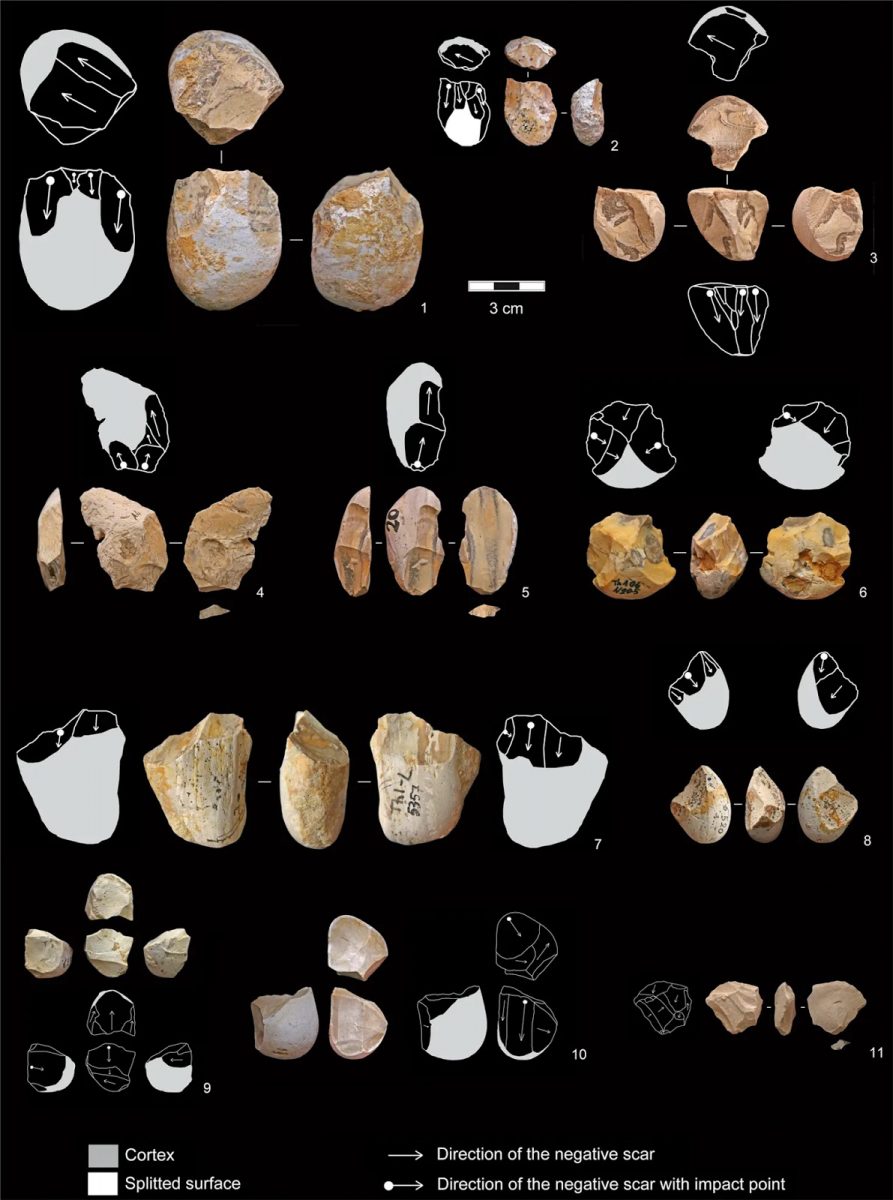
Discovery of unique technique dating back million years in Casablanca
This is the discovery of small flint stones not exceeding 6 centimeters in length, worked using a special technique known as "Bipolar anvil reduction".
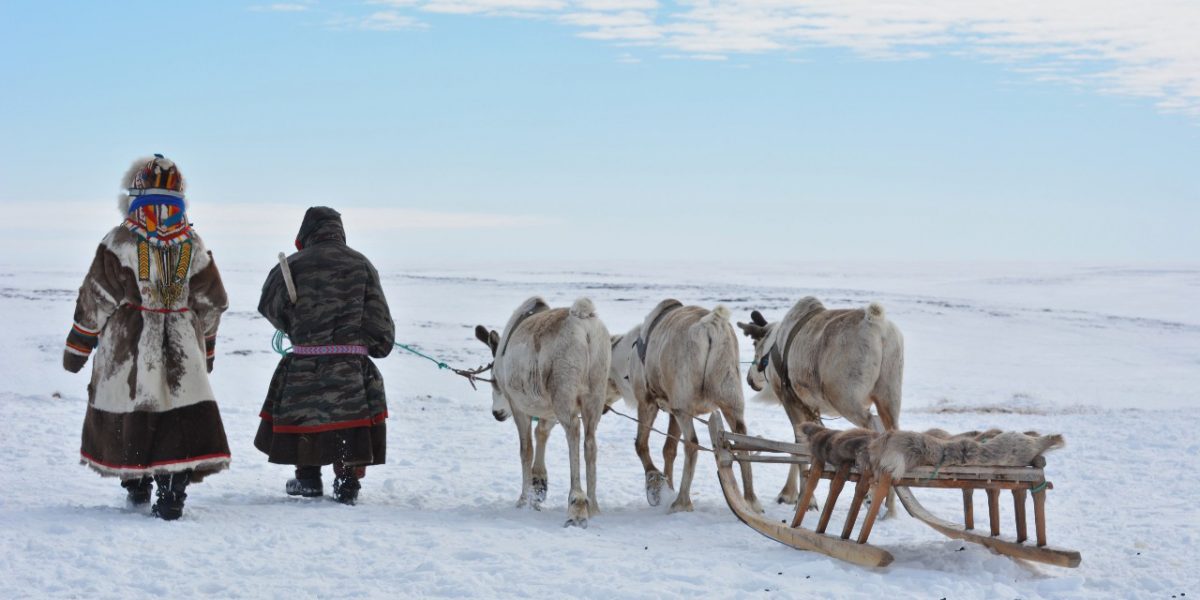
Reindeer were domesticated much earlier than previously thought
Archeological evidence from northern Siberia indicates harnesses may have been used to train reindeer to pull sleds 2,000 years ago.
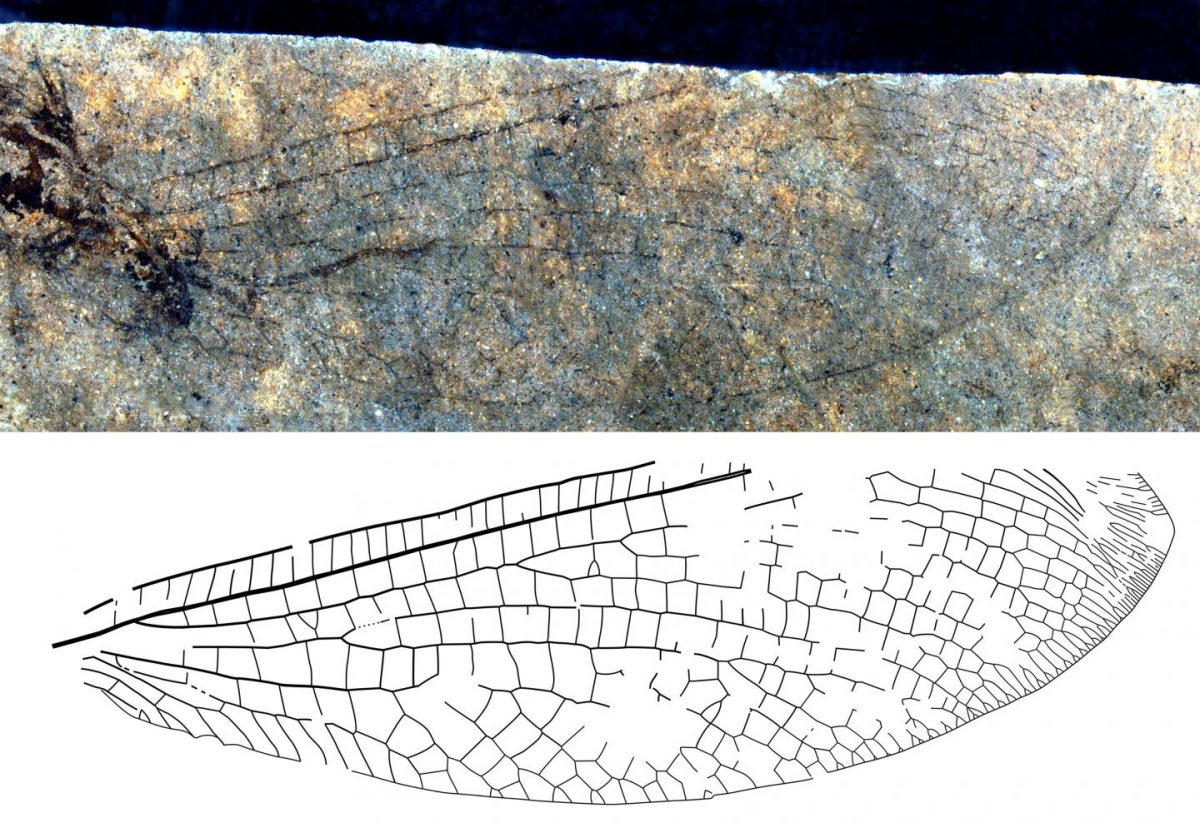
Fossil discovery shows 50 million-year-old Canada-Australia connection
The discovery of a tiny insect fossil is unearthing big questions about the global movement of animals and the connection to changes in climate and shifting continents across deep time.
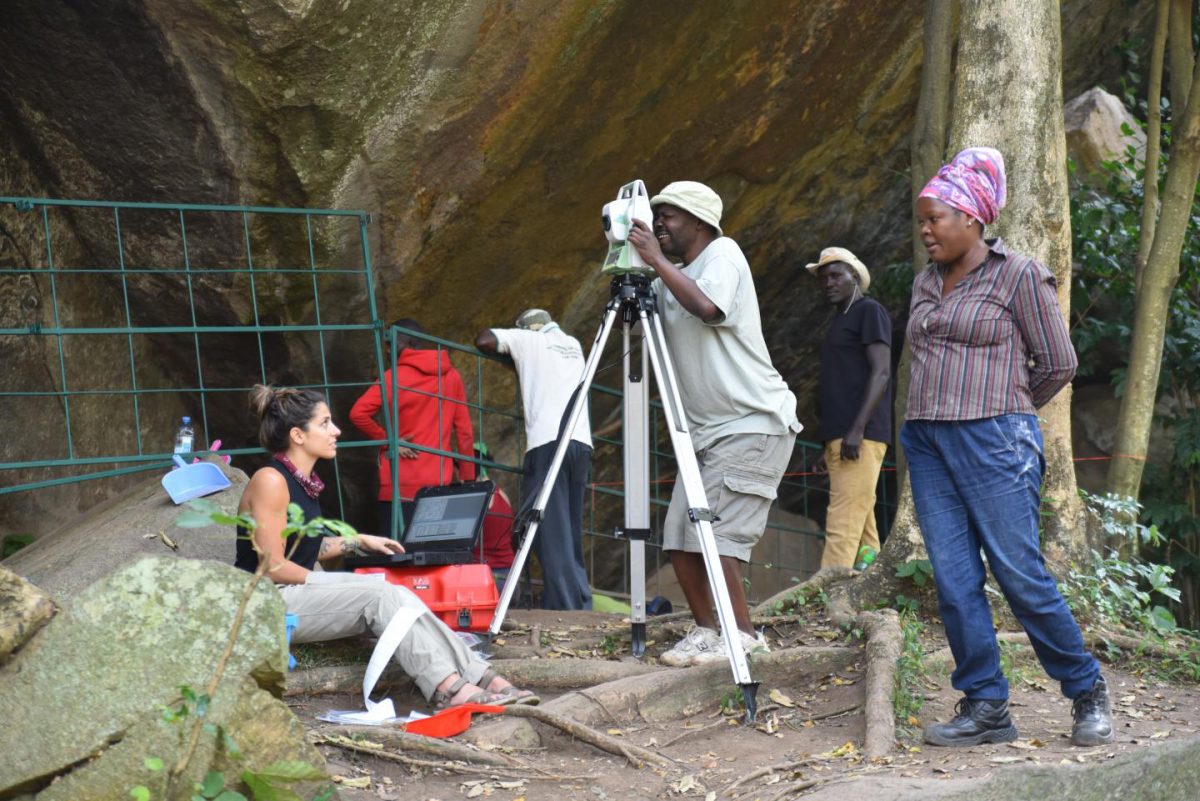
Mixture and migration brought food production to sub-Saharan Africa
Team of researchers from Africa, Europe, and North America sampled key African regions in which current models predict a legacy of significant population interactions.
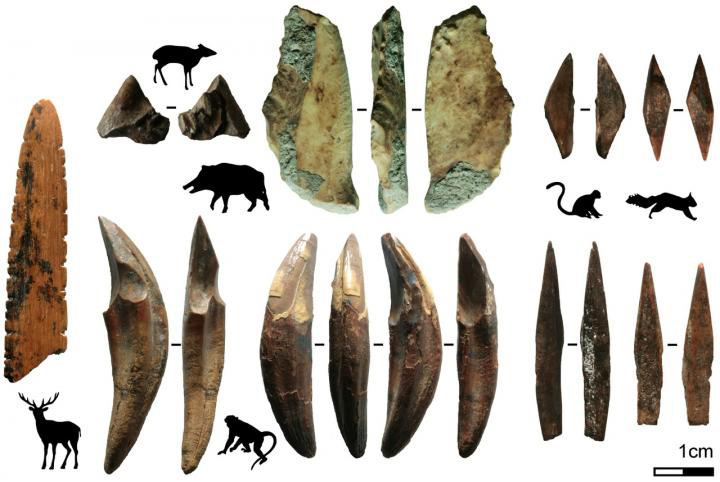
Discovery of oldest bow and arrow technology in Eurasia
New archaeological research demonstrates earliest projectile technology in the tropical rainforests of Sri Lanka.
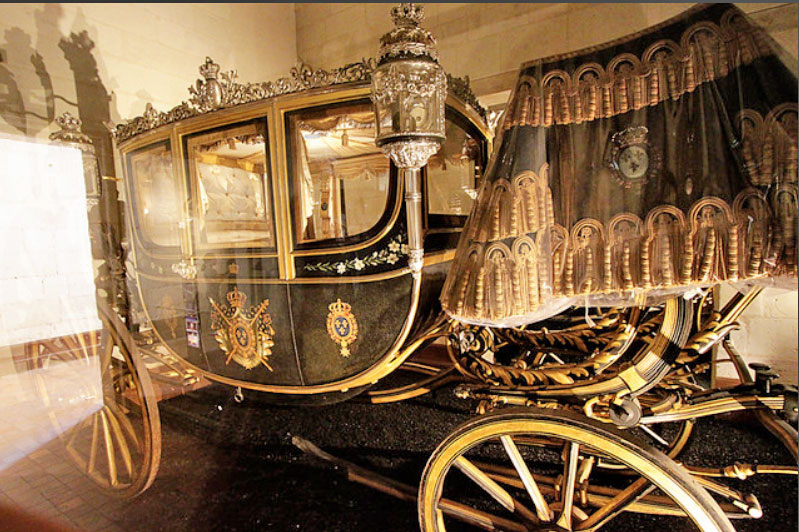
The royal carriages have been found by services of the Ministry of Culture
The Association of Friends of the Tatoi Estate noted that this development ensures the creation of a Royal Carriage and Cars Museum at Tatoi.