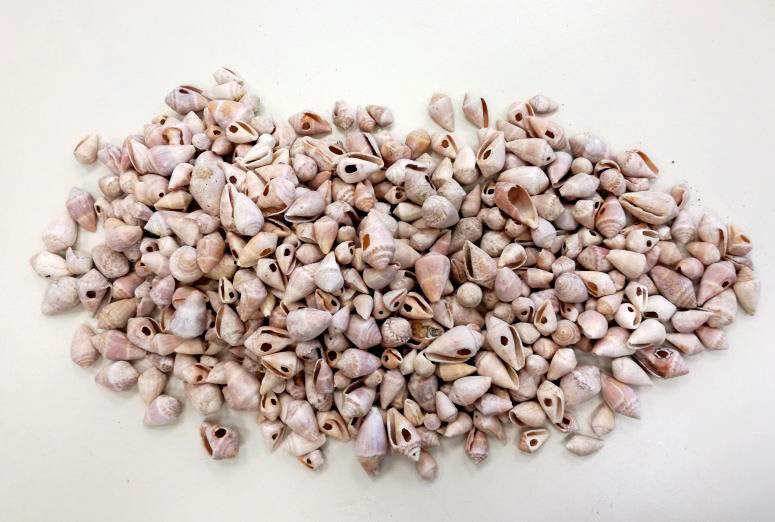
An Extraordinary Find from Mycenae and Some Thoughts on Board Games in the Mycenaean Period
Mycenaean Seminar by Dr Vassiliki Pliatsika (National Archaeological Museum).
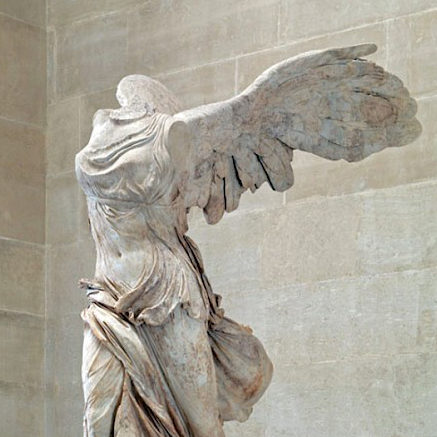
Book Review: La Nike di Samotracia tra Macedoni e Romani
Antonio Corso discusses Eugenio La Rocca's La Nike di Samotracia tra Macedoni e Romani.
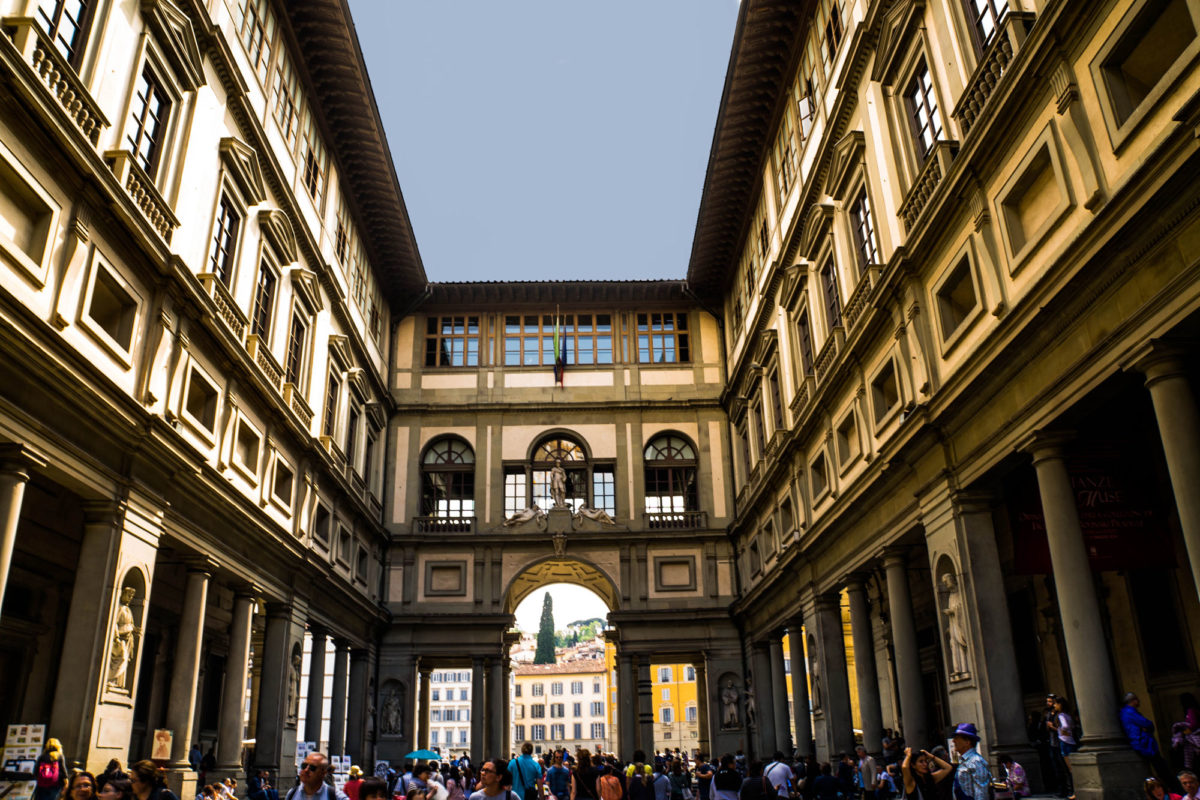
The Uffizi Gallery is opening 14 new halls
The paintings are kept in the museum’s storerooms and about one third of them have not been exhibited to the public for several years.
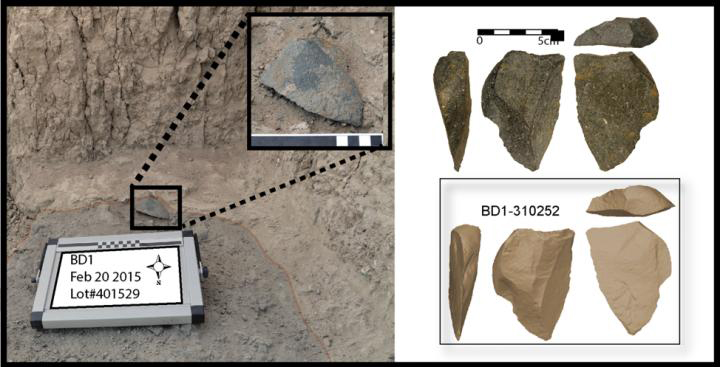
Oldest flaked stone tools point to the repeated invention of stone tools
A new archaeological site discovered by an international and local team of scientists working in Ethiopia shows that the origins of stone tool production are older than 2.58 million years ago.
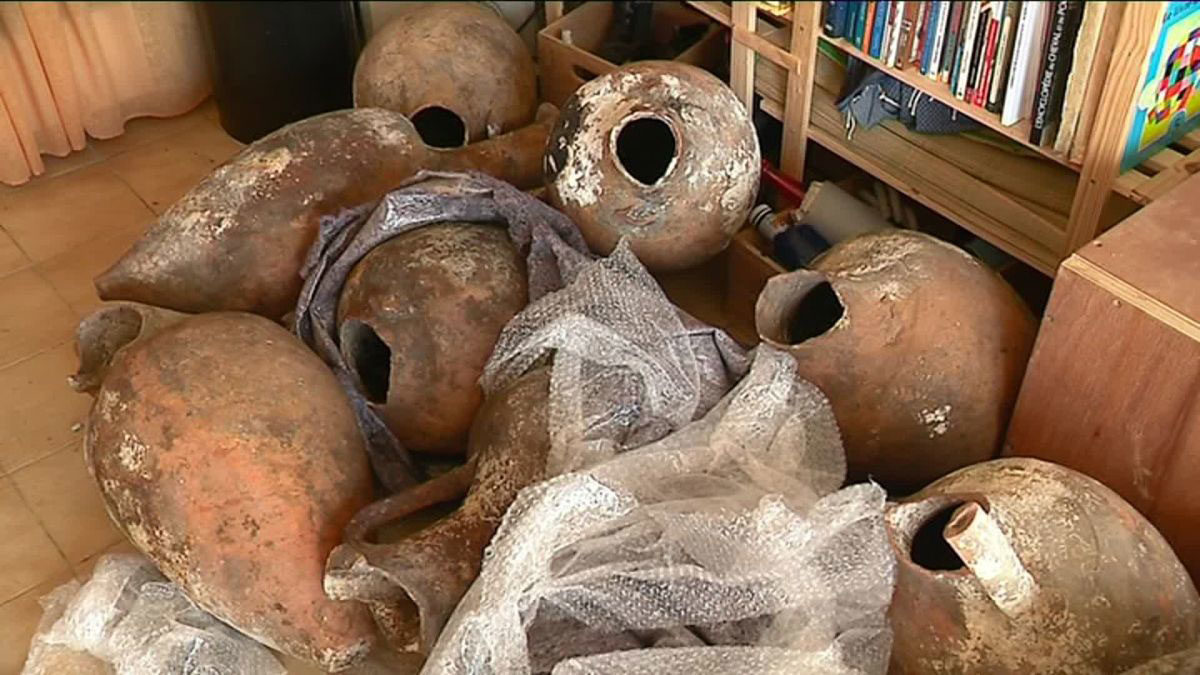
Ancient amphorae found off French shore
Marine archaeologists have discovered a group of 3rd century amphorae off the French shore, near the Bay of Cannes.
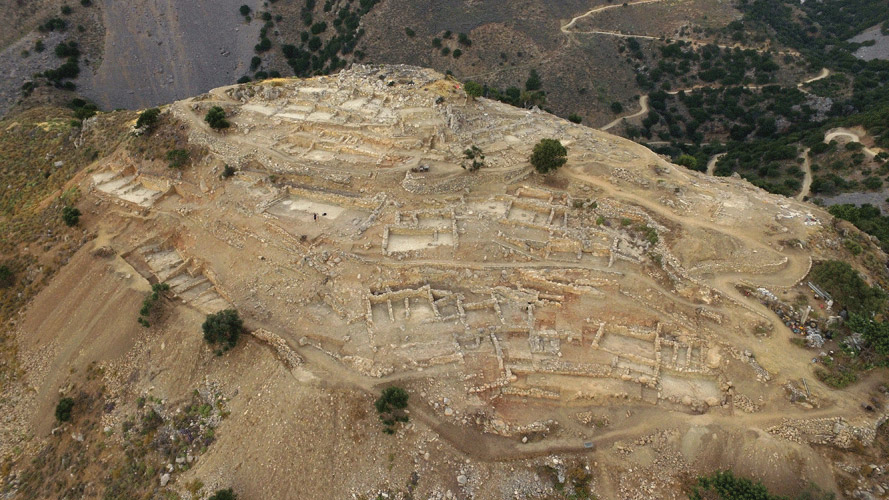
Aegeus Annual Meeting
During the meeting Donald Haggis will give a lecture about the prehistory and protohistory of the site of Azoria in eastern Crete”.
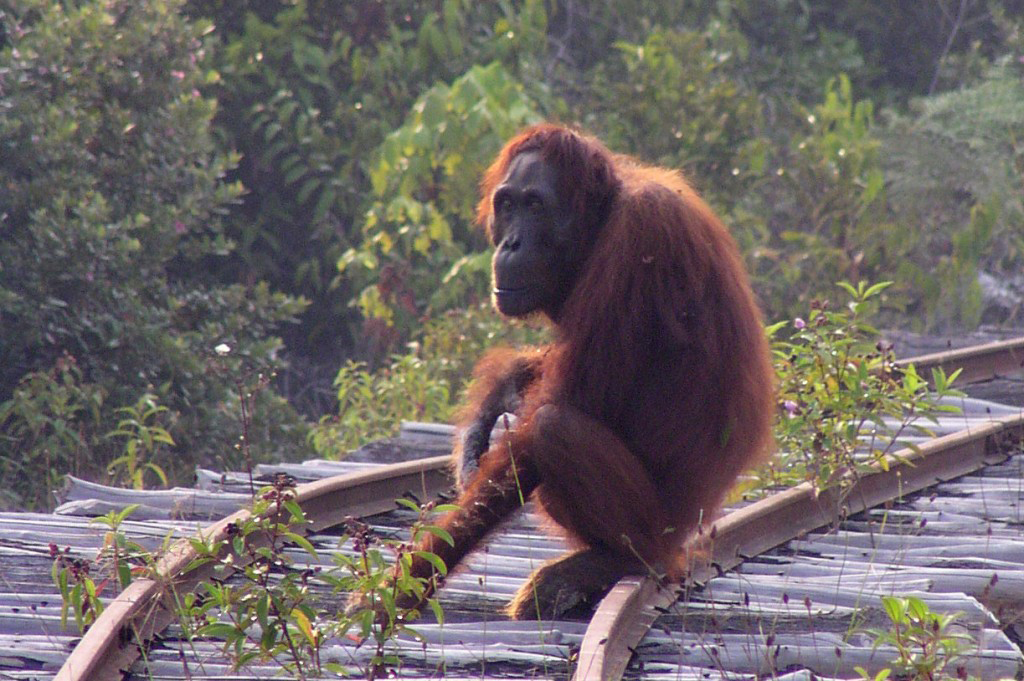
Research reveals the link between primate knuckles and hand use
Research has found differences between the knuckle joints of primates that will enable a better understanding of ancient human hand use.
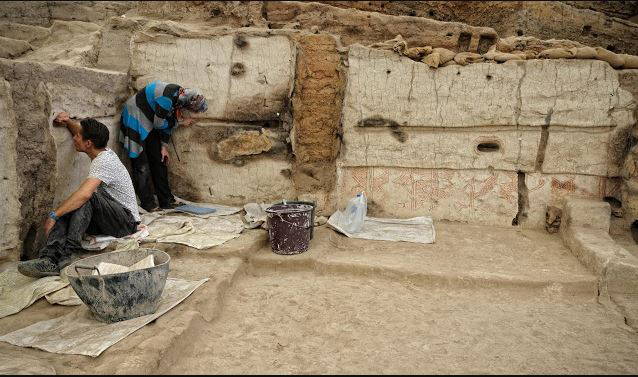
Ancient feces reveal parasites in 8,000-year-old village of Çatalhöyük
Earliest archaeological evidence of intestinal parasitic worms in the ancient inhabitants of Turkey shows whipworm infected this population of prehistoric farmers.
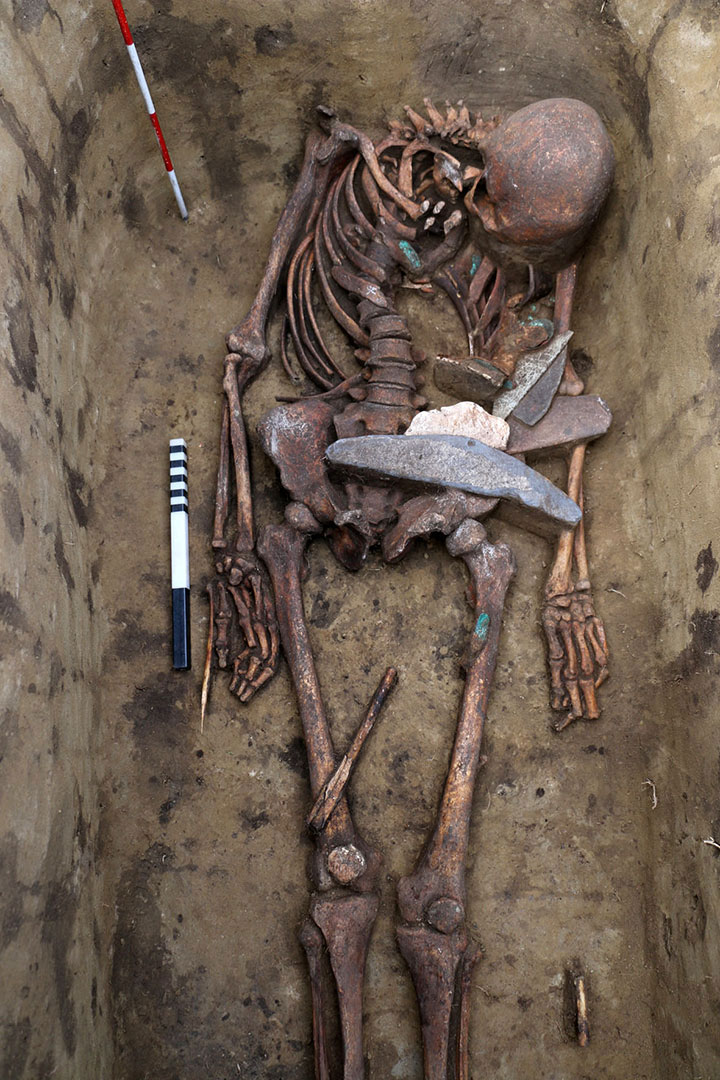
Researchers in Siberia find extraordinary Bronze Age shaman burials
Archaeologists in southwestern Siberia have discovered two unique burials, one with a bird beak collar and one with a pair of spectacles.
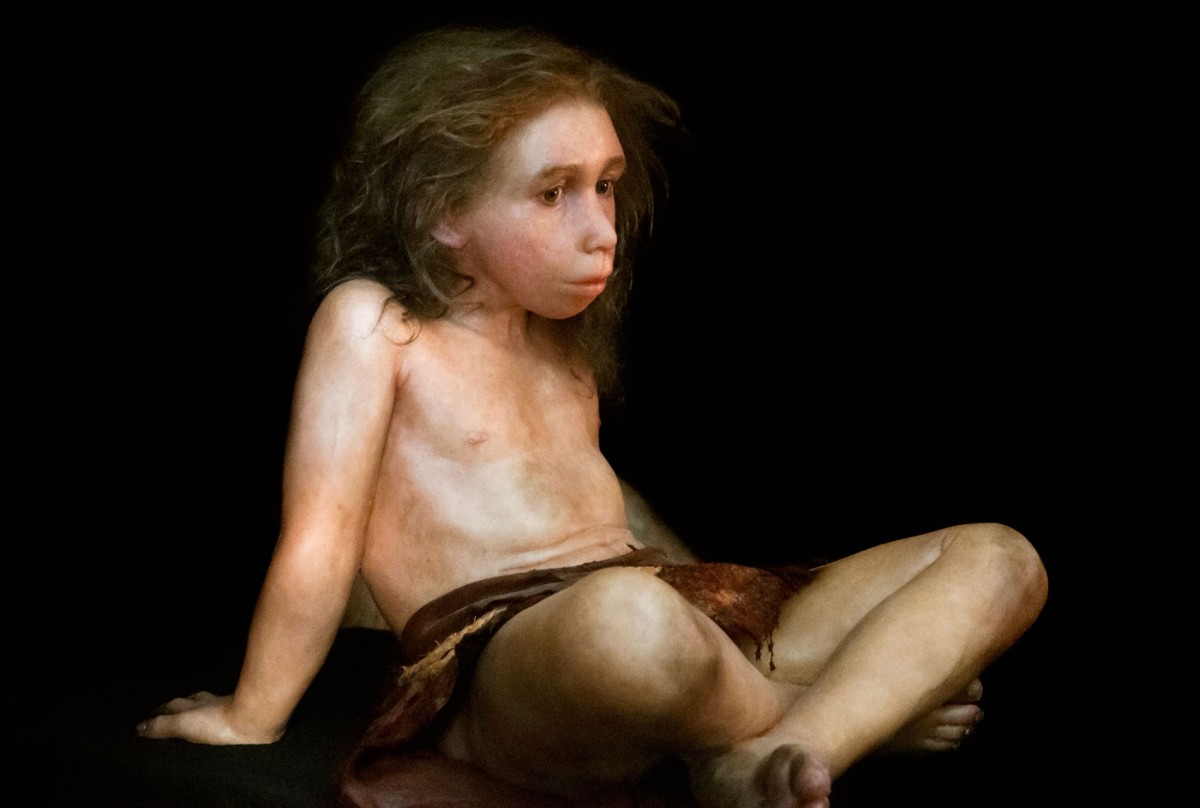
Declining fertility rates may explain Neanderthal extinction
A new hypothesis for Neanderthal extinction supported by population modelling is put forward in a new study by Anna Degioanni from Aix Marseille Université, France and colleagues.
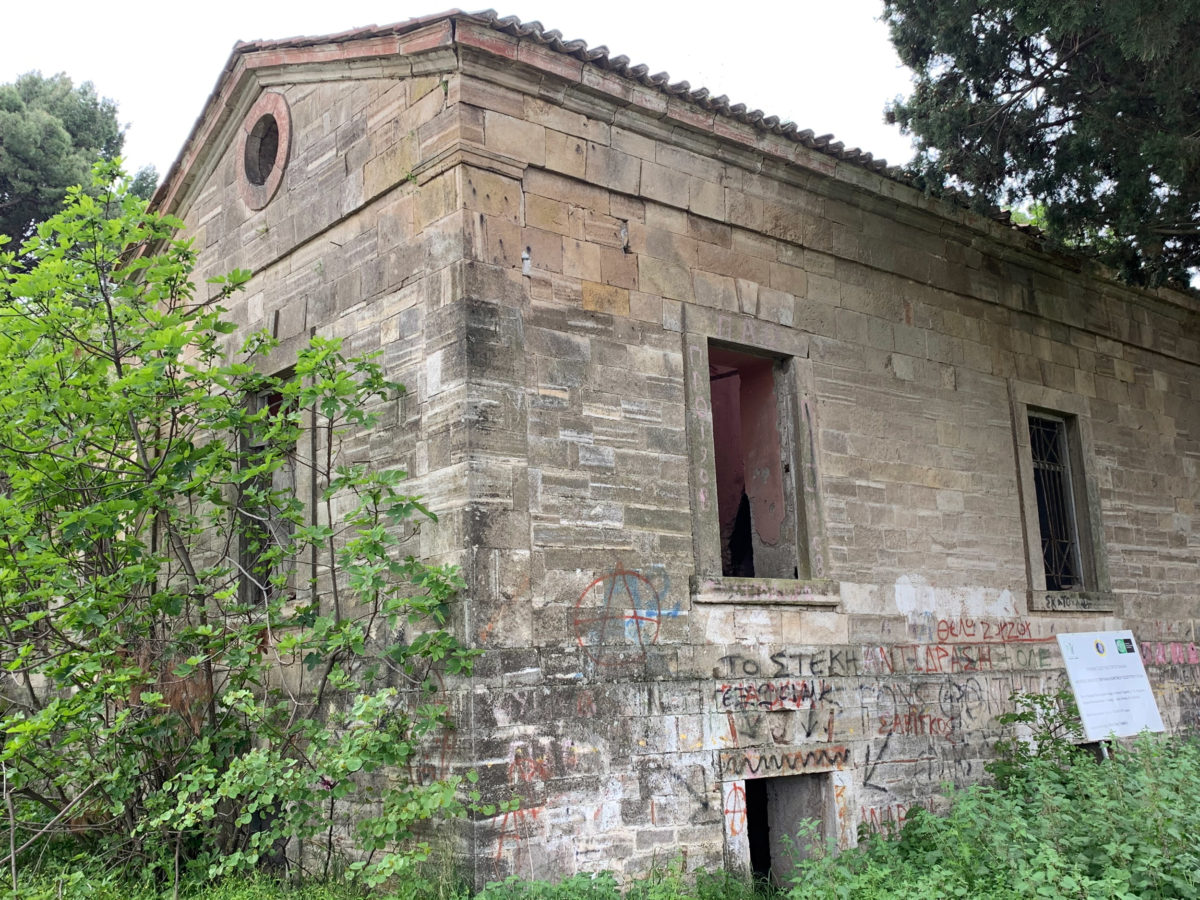
The Tombazis Mansion, a masterpiece of architecture at Kechries
If the walls of the damaged and looted mansion could speak, they would have a lot to say about this spot in a little known village which was the meeting place of many important families in the region.
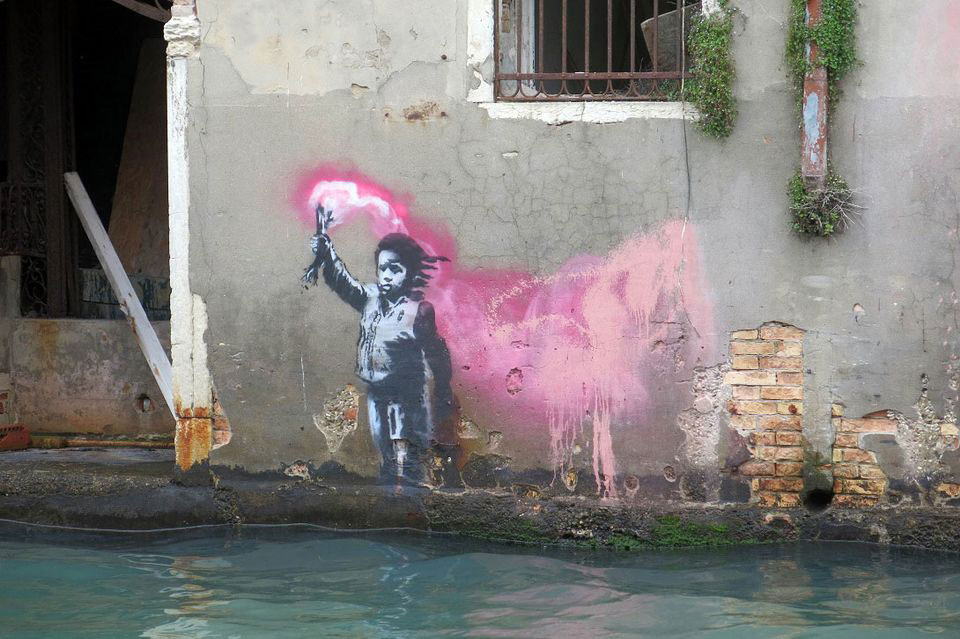
Migrant child mural is indeed made by Banksy
Banksy has confirmed that the migrant child mural in Venice is indeed his.
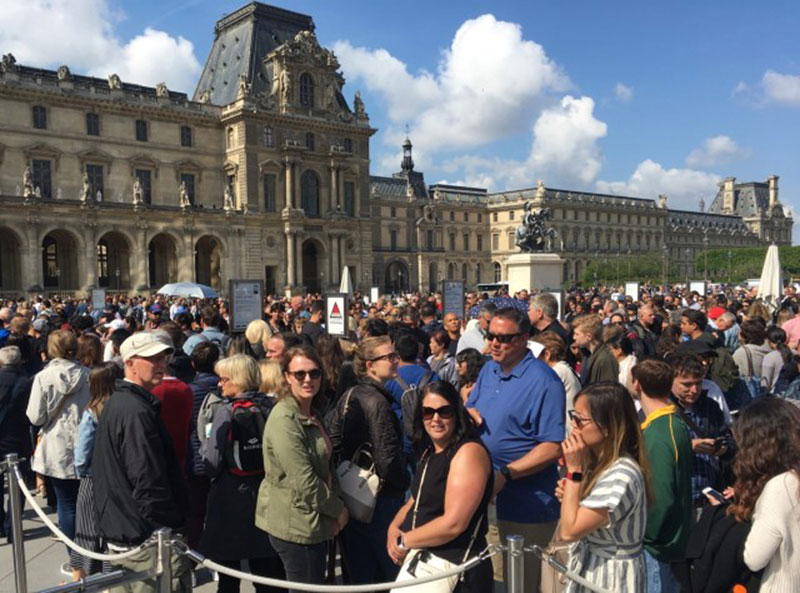
Louvre reopens after workers’ strike against large numbers of visitors
The Louvre workers have return to their posts after a strike against the high volume of visitors which suffocated the museum.
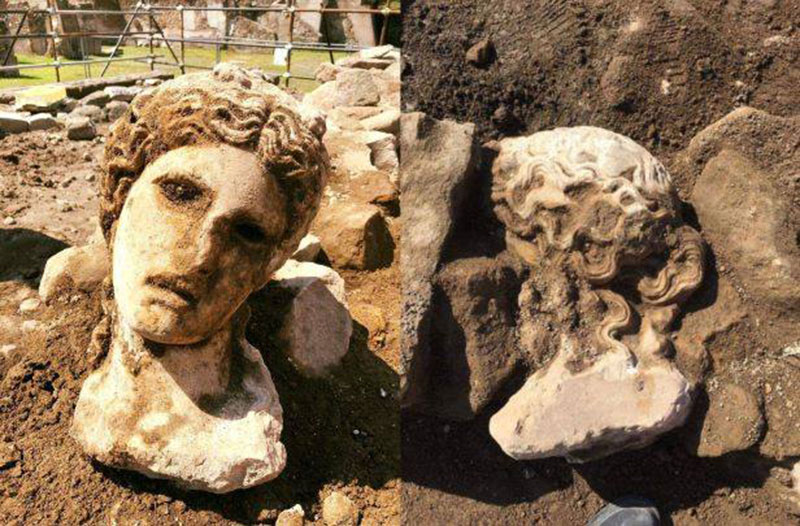
Marble head of ancient god Dionysus discovered in Rome
Excavations in Rome have revealed a 2,000-year-old marble head believed to represent Dionysus, the ancient Greek god.
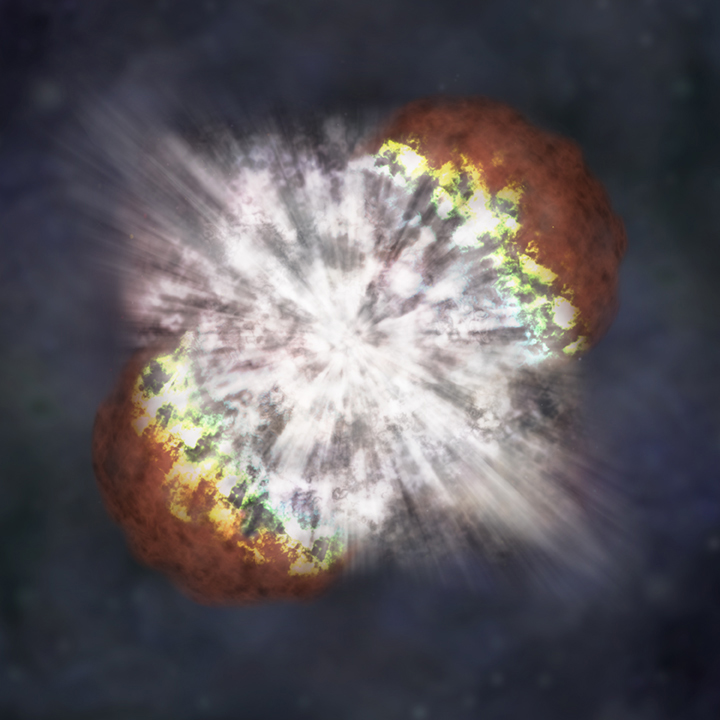
Supernovae zapped earth 2.6M years ago
Did ancient supernovae induce proto-humans to walk on two legs, eventually resulting in homo sapiens with hands free to build cathedrals, design rockets and snap iPhone selfies?
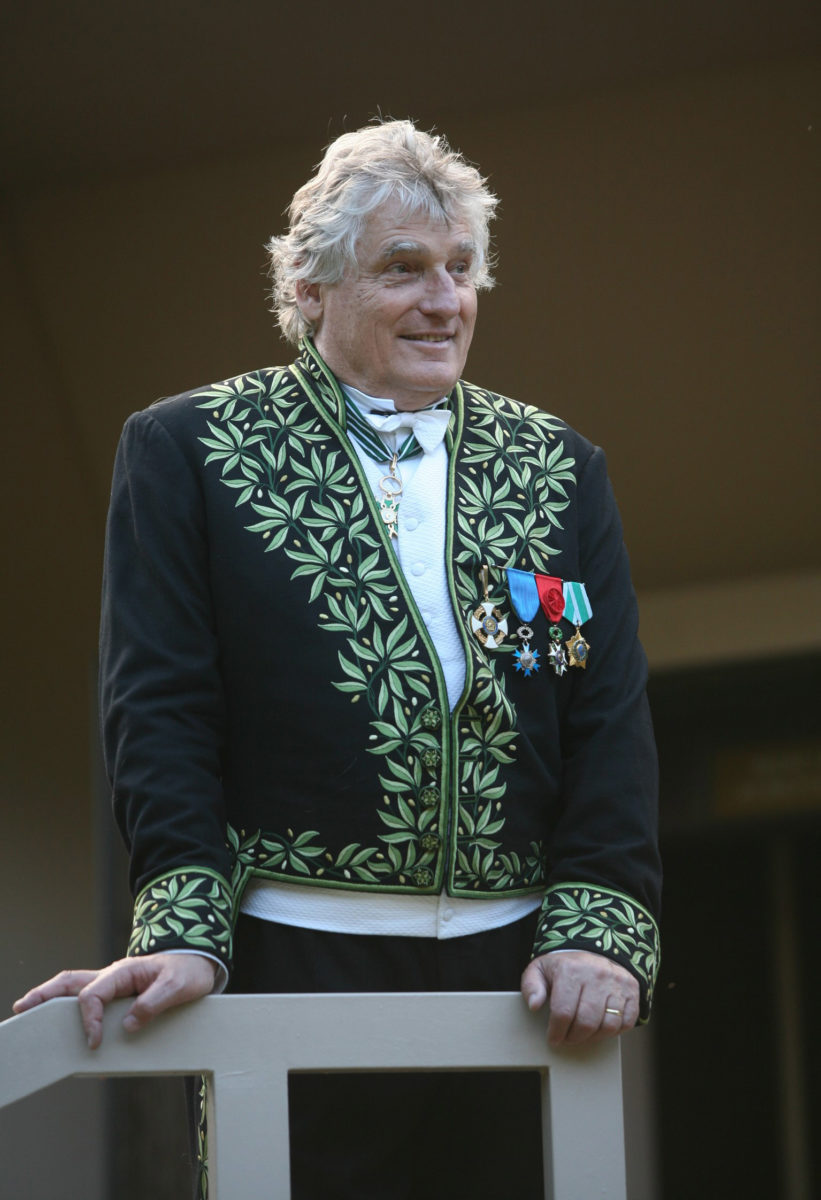
The Europa Nostra Prize to Leonard Gianadda from Switzerland
The founder of the Pierre Gianadda Foundation was awarded for his "exemplary contribution" to the heritage of Europe.
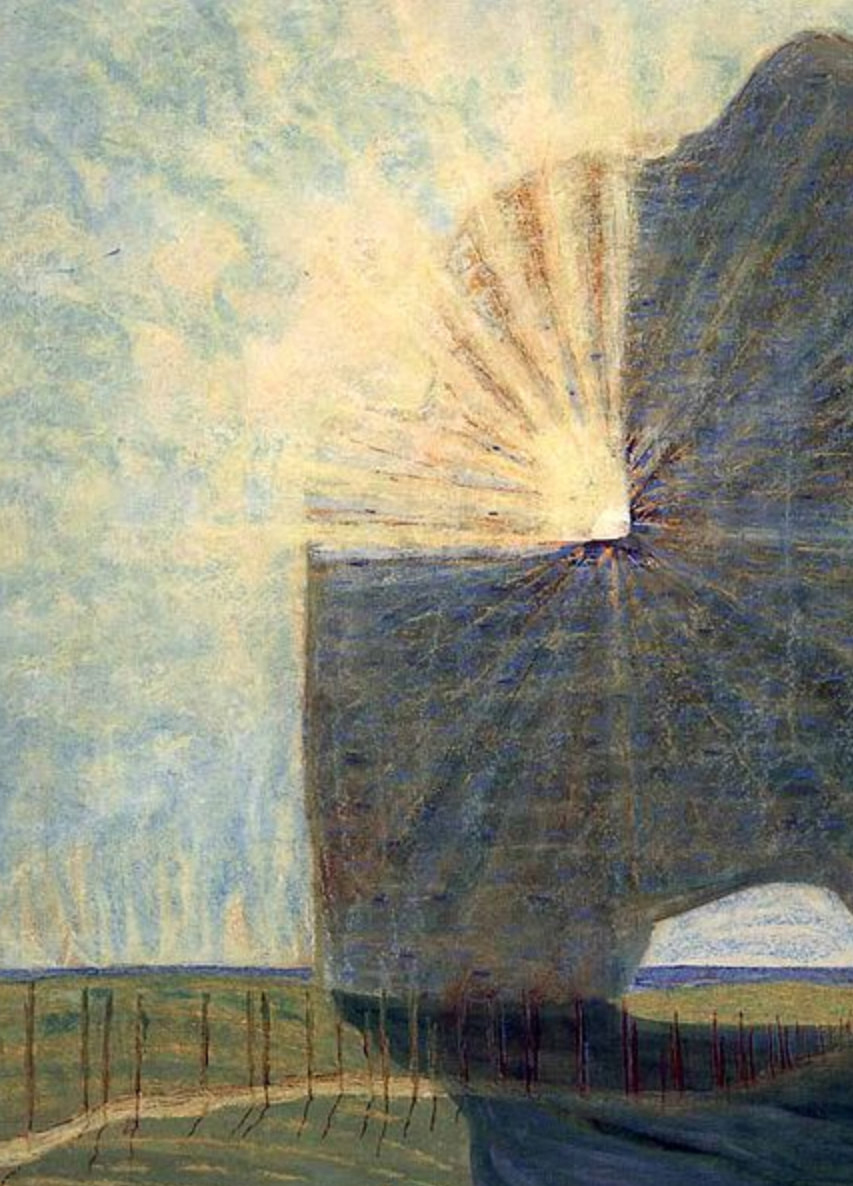
Deciphering the Uncertain
Conceived as an up-to-date, comprehensive overview of divination in early text cultures, the conference will feature contributions of both leading scholars in the field and young researchers.
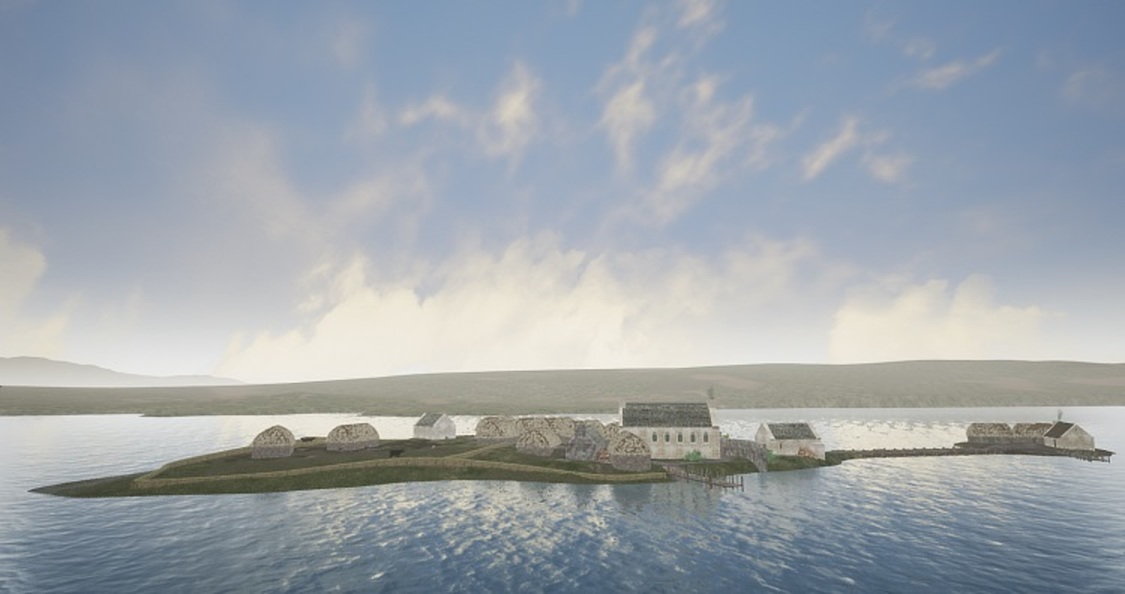
Medieval home of Lords of the Isles virtually reconstructed
Documentary research and comparison with other late medieval sites has been used to ensure the reconstruction is as accurate as possible.
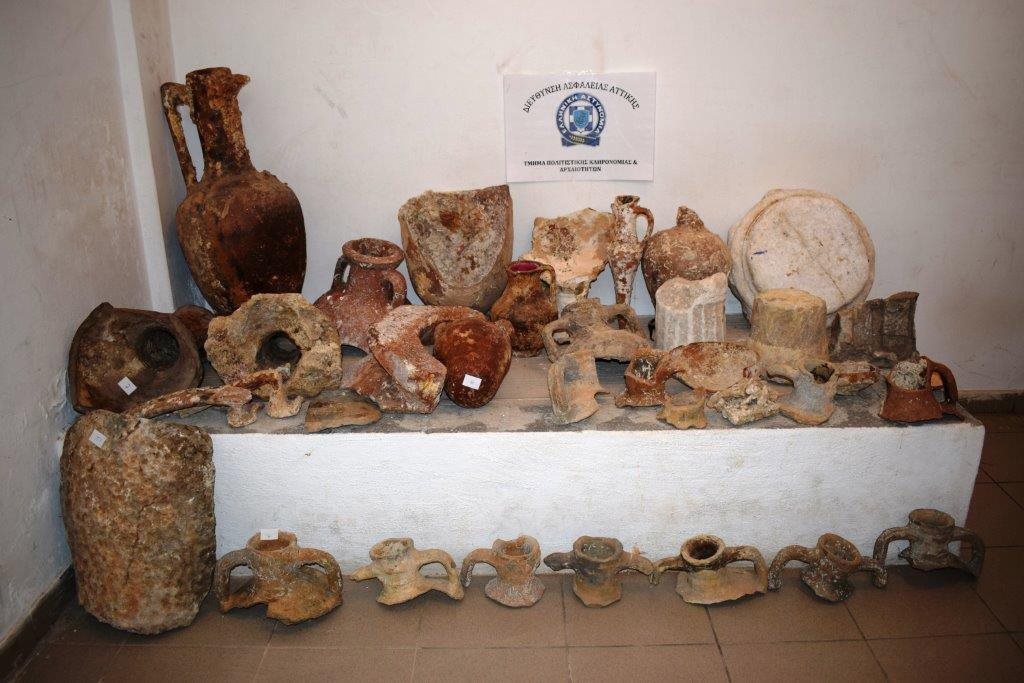
Laconia: Arrest for violation of the law regarding antiquities
Also confiscated were a fishing boat and diving equipment which were used to carry out the criminal act.
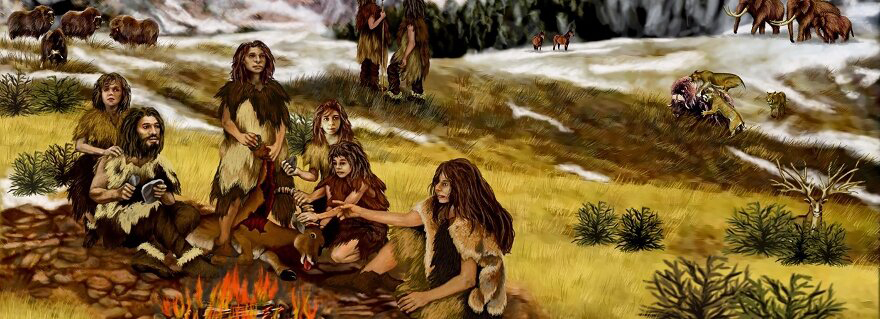
Using computer simulations to discover where Neanderthals lived
They probably had lots of children and lived in smaller groups than was previously thought.
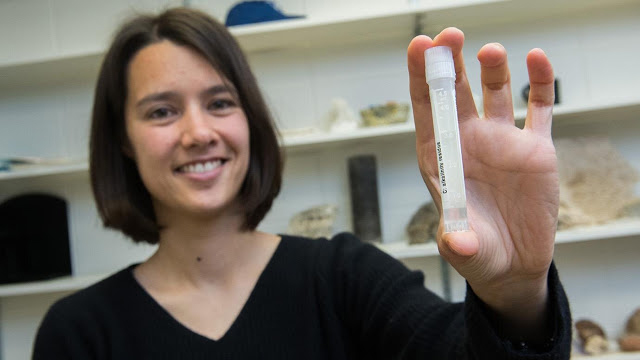
Ancient seawater preserved from the last Ice Age
Scientists are interested in reconstructing the last Ice Age because the patterns that drove its circulation, climate and weather were very different from today's.
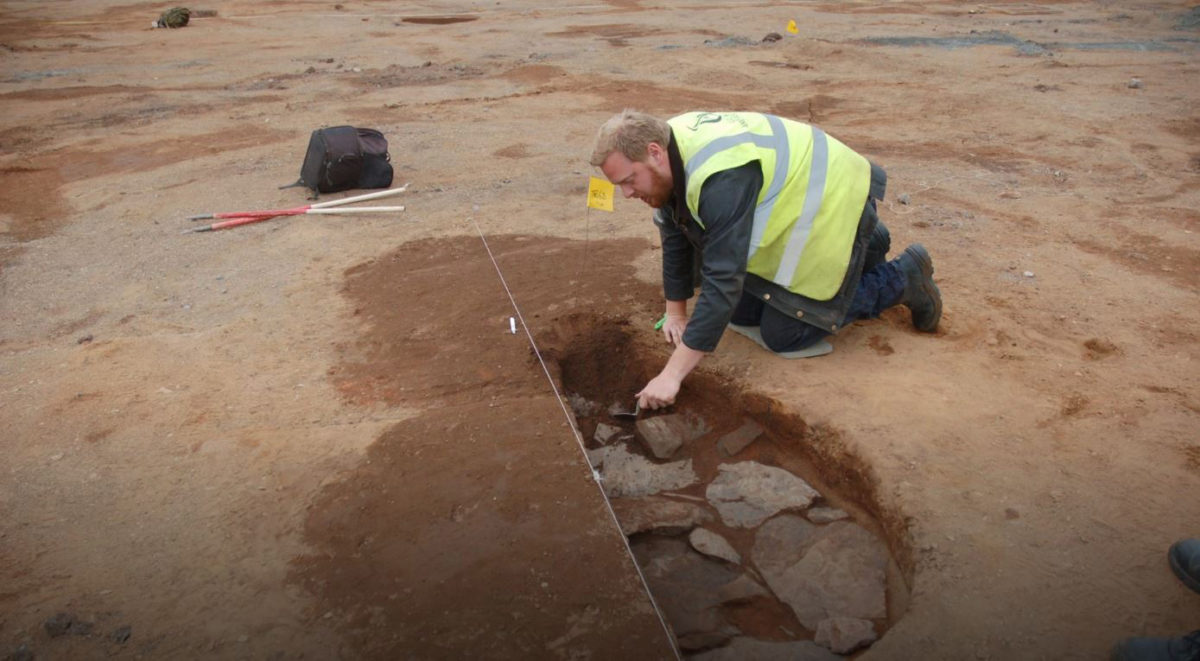
New evidence uncovered for Roman conquest of Scotland
The Roman features comprised 26 large, often double, fire-pits that were distributed evenly in two parallel rows 30m apart.
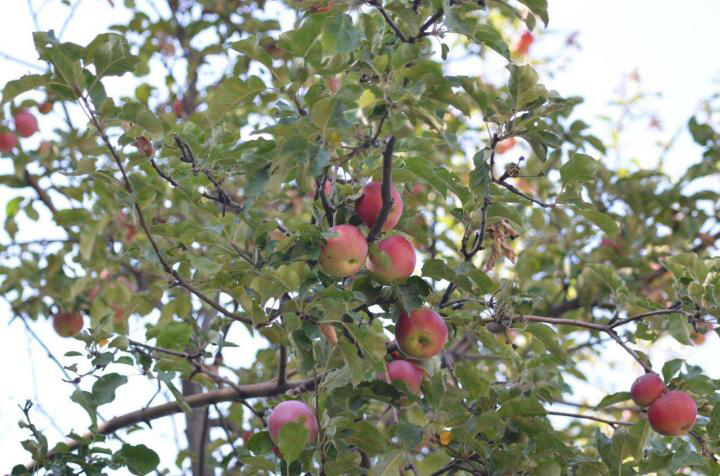
Exploring the origins of the apple
Trade along the Silk Road likely enabled the development of the apple we know today.