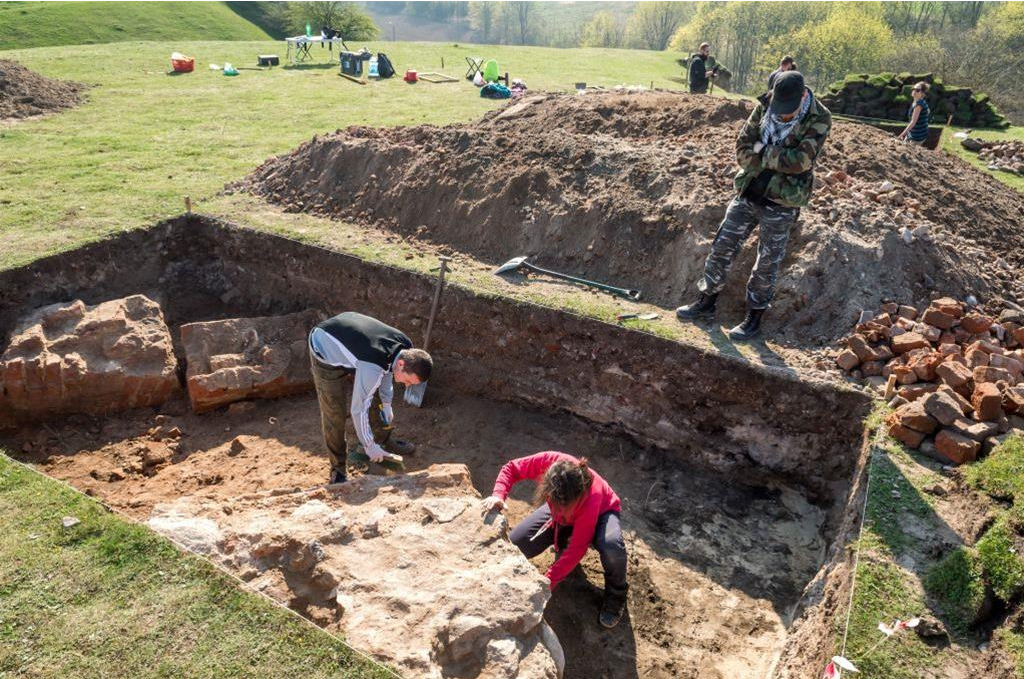
13th-century Teutonic Castle discovered in Unisław
Archaeologists found the ruins of the 13th-century Teutonic castle in Unisław near Toruń. The castle was built on a slope above the Vistula River valley.
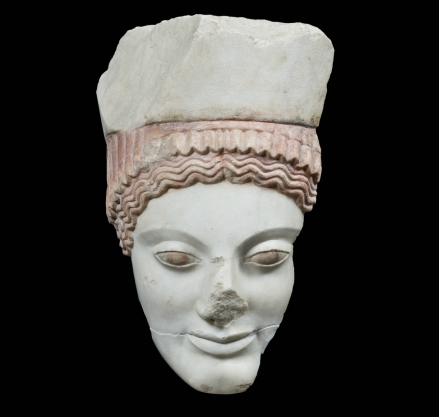
International Museum Day and European Night of Museums at the Acropolis Museum
The Acropolis Museum celebrates International Museum Day on Thursday 18 May 2017 and European Night of Museums on Saturday 20 May 2017, with a series of events for visitors.
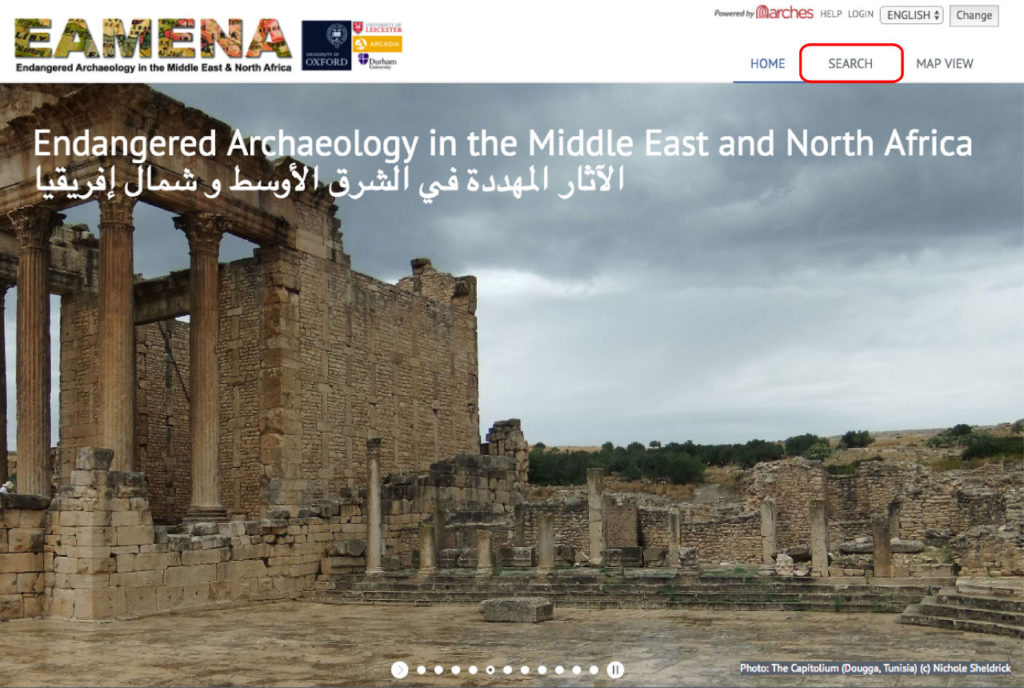
Endangered Archaeology in the Middle East and North Africa
The Endangered Archaeology in the Middle East and North Africa (EAMENA) Project is pleased to announce the launch of its online database of archaeological sites at risk.
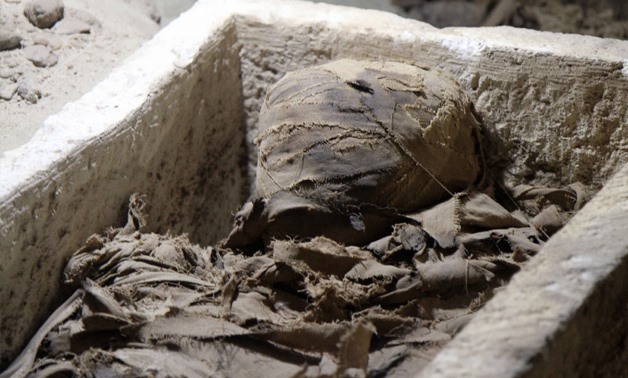
Human necropolis discovered in central Egypt
An archaeological team from Cairo University discovered a human necropolis, around 30 mummies and some coffins, vessels, demotic papyri at the Tuna Al-Gebel archaeological site in the Upper Egyptian city of Al-Minya.
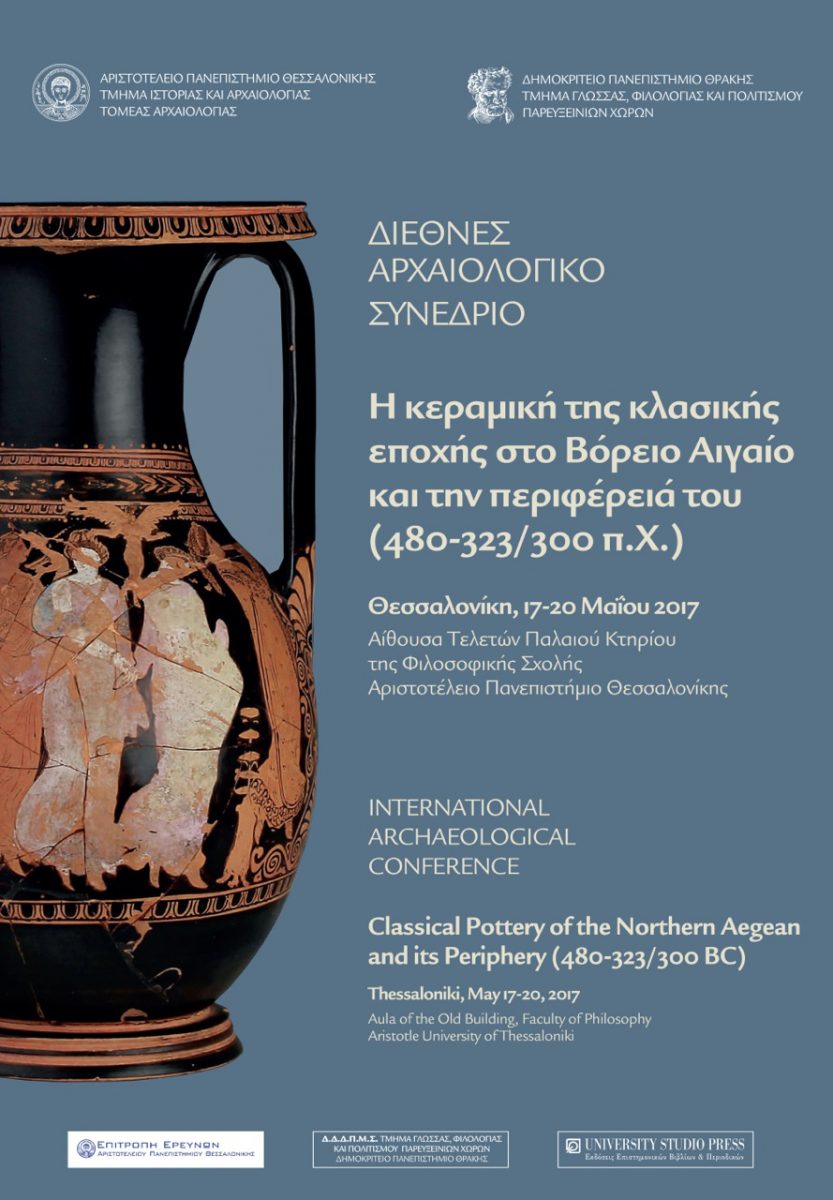
Classical Pottery of the Northern Aegean and its Periphery (480-323/300 BC)
International Archaeological Conference at the Aristotle University of Thessaloniki.
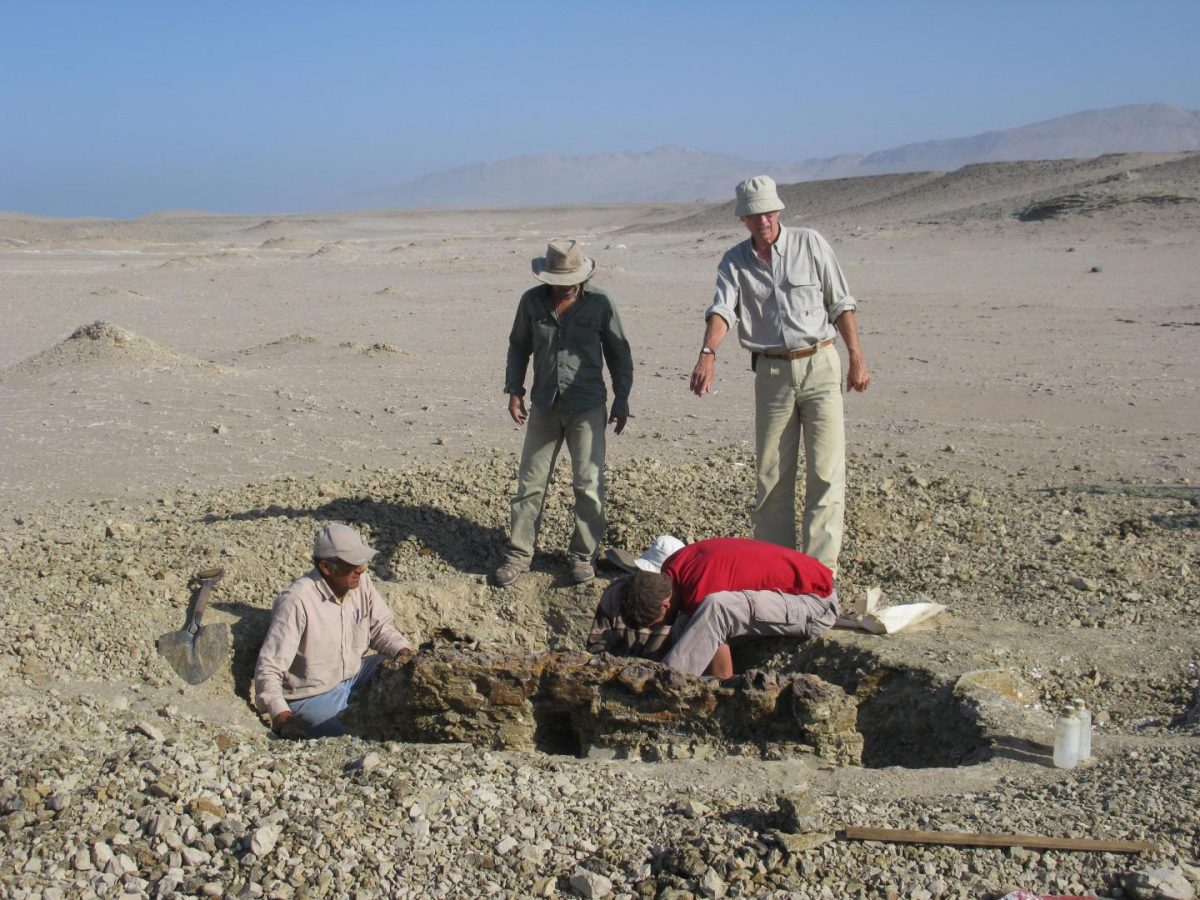
Baleen whales’ ancestors were toothy suction feeders
Modern whales’ ancestors probably hunted and chased down prey, but somehow, those fish-eating hunters evolved into filter-feeding leviathans.
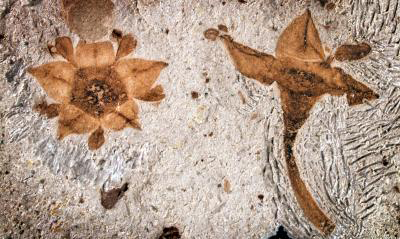
Oldest buckthorn fossilized flowers found in Argentina
Fossil records show that ferns were the first plants to recover many thousands of years after a giant asteroid crashed into the present-day Gulf of Mexico.
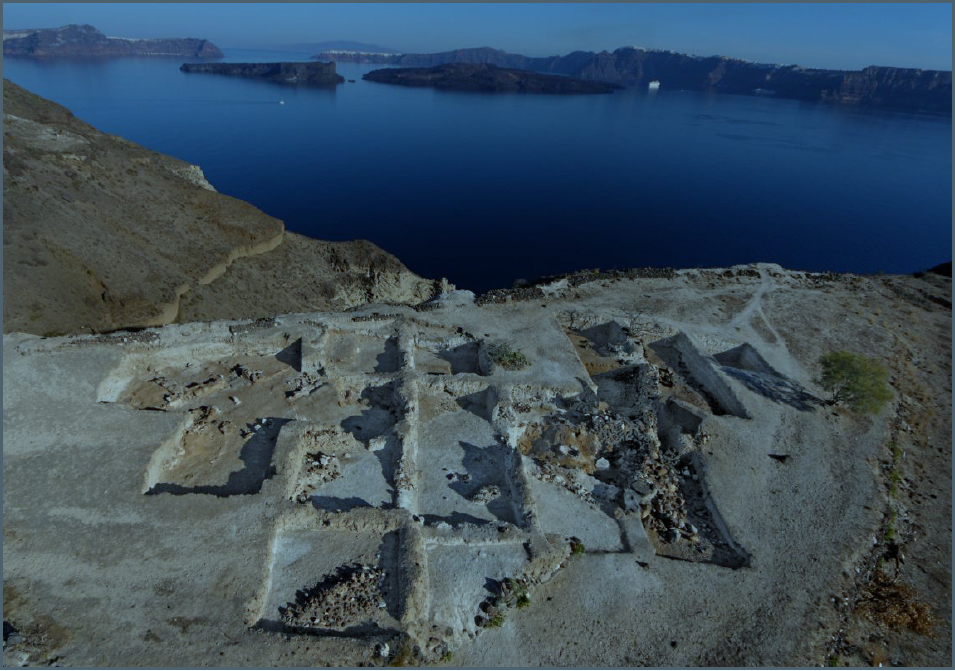
Investigating the outskirts of the prehistoric town at Akrotiri, Thera
Α rich LC I/LM IA building complex at the site of Raos is the subject of this Minoan Seminar.
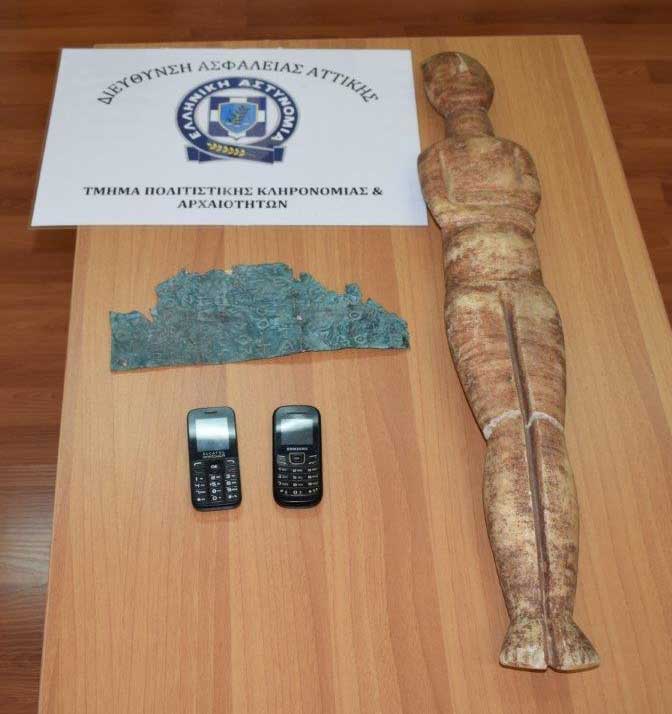
46-year-old man arrested with valuable antiquities in Attica
A 46-year-old man was arrested in Alimos of Attica, accused for the illicit possession and transfer of ancient movable monuments of great value.
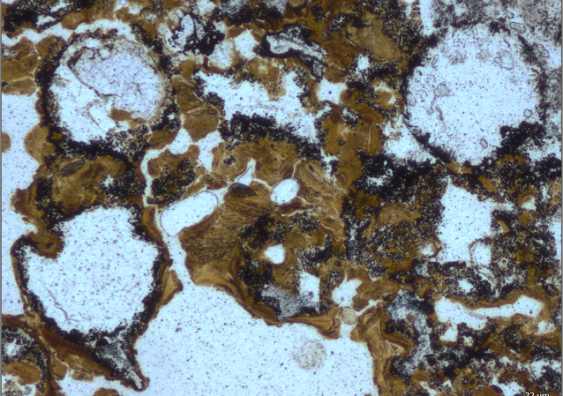
Oldest evidence of life on land found in 3.48 billion-year-old Australian rocks
Fossils discovered by UNSW scientists in ancient hot spring deposits in the Pilbara have pushed back by 580 million years the earliest known evidence for microbial life on land.
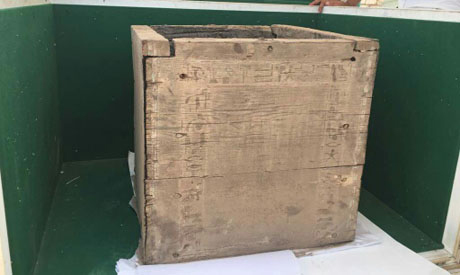
More finds in 13th Dynasty pyramid of Dahshur
The Egyptian archaeological mission from the Ministry of Antiquities uncovered the burial chamber of a 13th Dynasty Pyramid discovered last month in Dahshur archaeological site.

Divine Dialogues: Cy Twombly and Greek Antiquity
The exhibition showcases ancient artefacts side by side with works by contemporary American artist Cy Twombly.
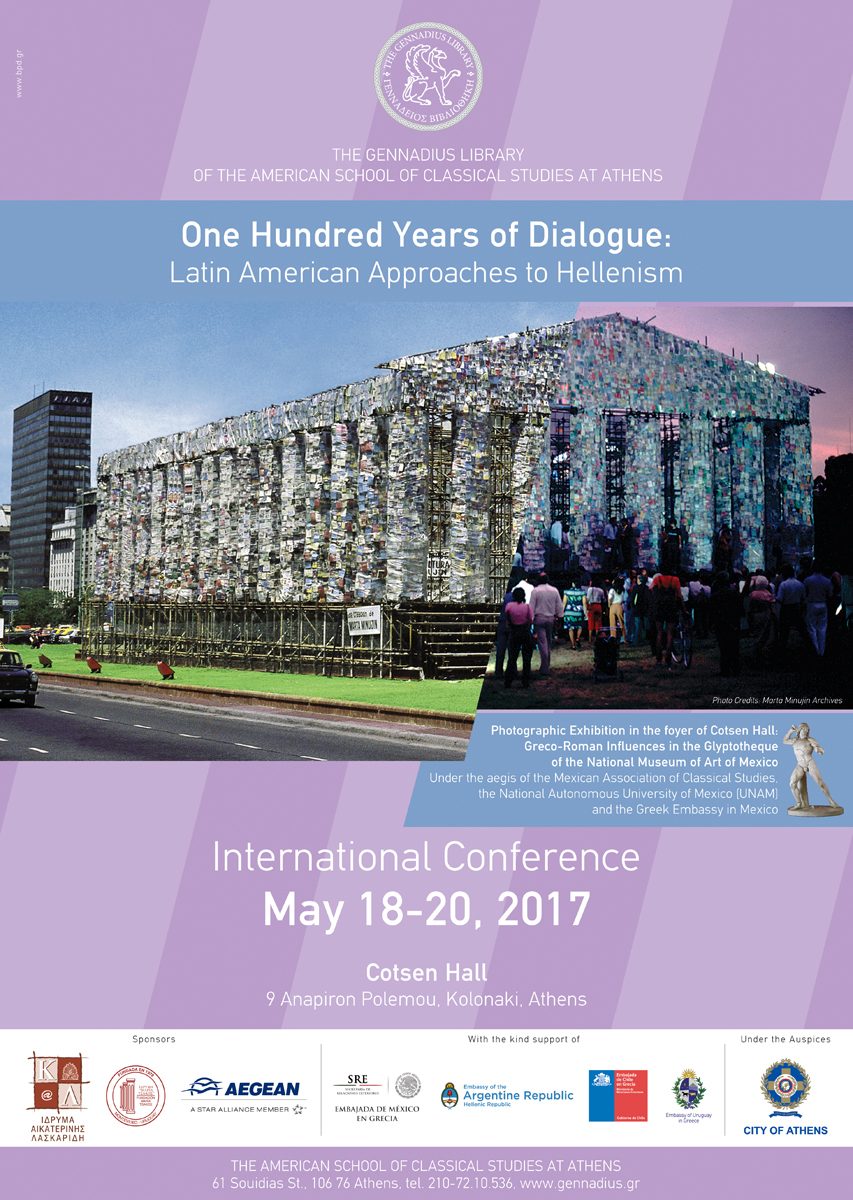
One Hundred Years of Dialogue: Latin American Approaches to Hellenism
Conference will deal with how Latin American scholars, poets, artists, and politicians understood, read, used, and represented Hellenism from antiquity to modern times.
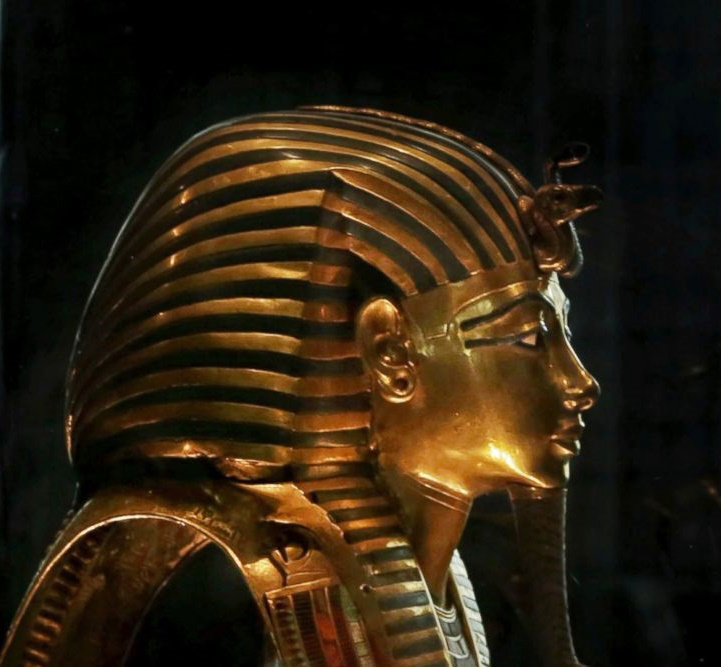
Expert meeting in Cairo over moving King Tut’s items
The safe transportation of King Tutankhamun's throne, chests and bed from the Egyptian Museum to the Grand Egyptian Museum was the main issue discussed by experts in Cairo.
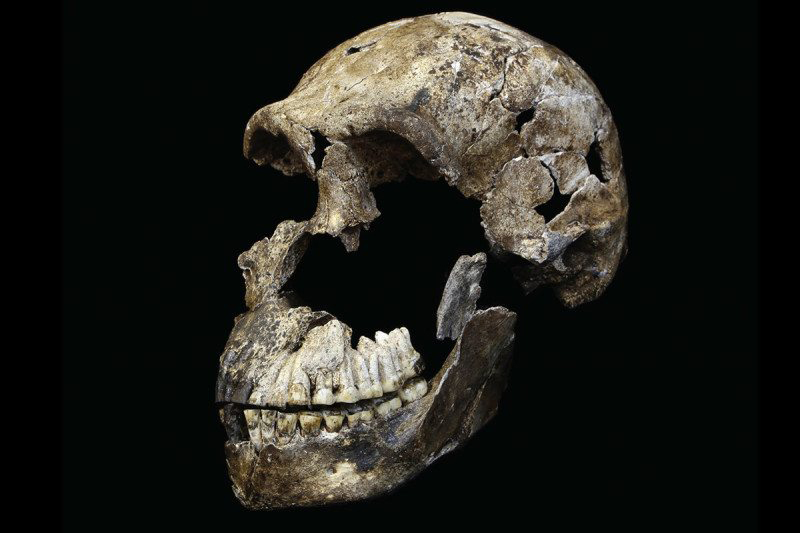
Young Homo naledi surprises
The Rising Star Cave system in South Africa has revealed yet more important discoveries.

House of European History: A place to debate, question and reflect on Europe’s history
From myths and discoveries to the chaos and cohesion of the 20th century, the House of European History will take visitors on a journey along the path of Europe’s history and challenge them to contemplate its future.
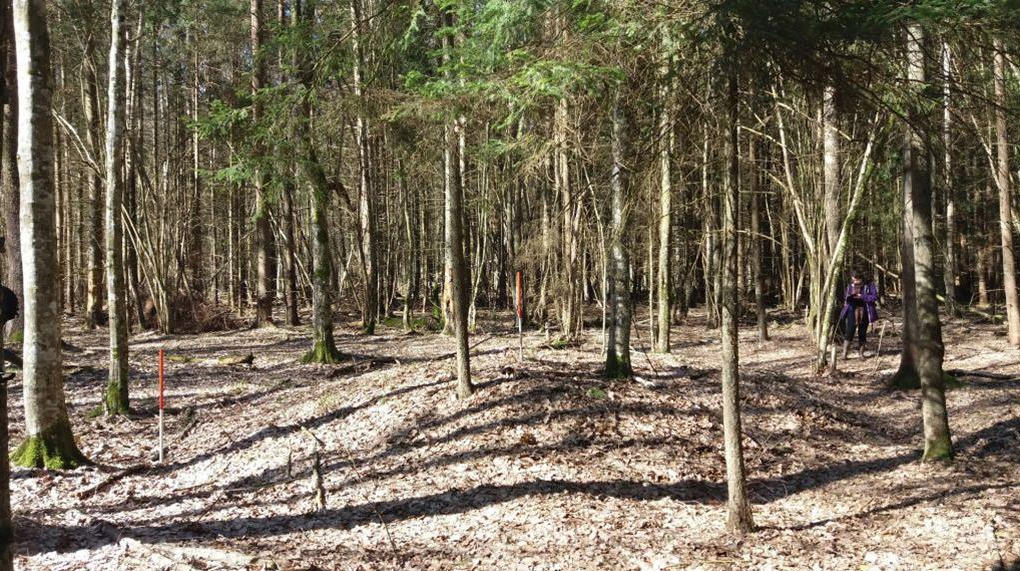
Barrows and outlines of ancient fields found in the Białowieża Forest
Archaeologists detected the ancient structures by using airborne laser scanning. Because of the strict regulations concerning the protection of the natural heritage in the park they can not conduct excavations there.
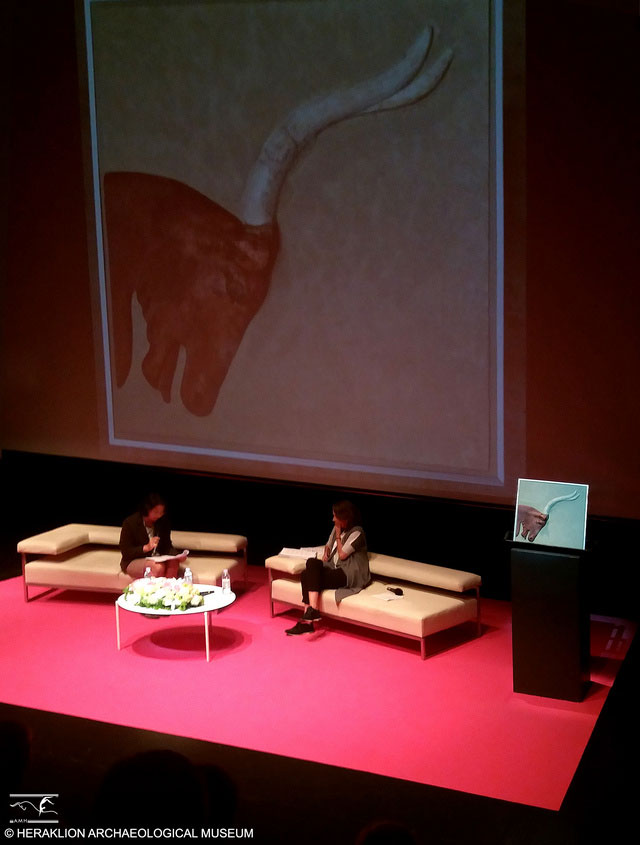
The Heraklion Archaeological Museum received a Special Commendation from EMYA
The Heraklion Archaeological Museum has been awarded a Special Commendation from the European Museum of the Year Award 2017 Judging Panel.

The Musée d’ethnographie de Genève received the EMYA 2017
The EMYA organised by the European Museum Forum (EMF), was presented at the 2017 Award Ceremony held in Zagreb, Croatia, in collaboration with Ethnographic Museum Zagreb, on 6 May 2017.

Archaeogeneticist pinpoints Indian population origins using today’s populace
PhD student Marina Silva has identified migrating humans from Africa, Iran and Central Asia over a period of 50,000 years.
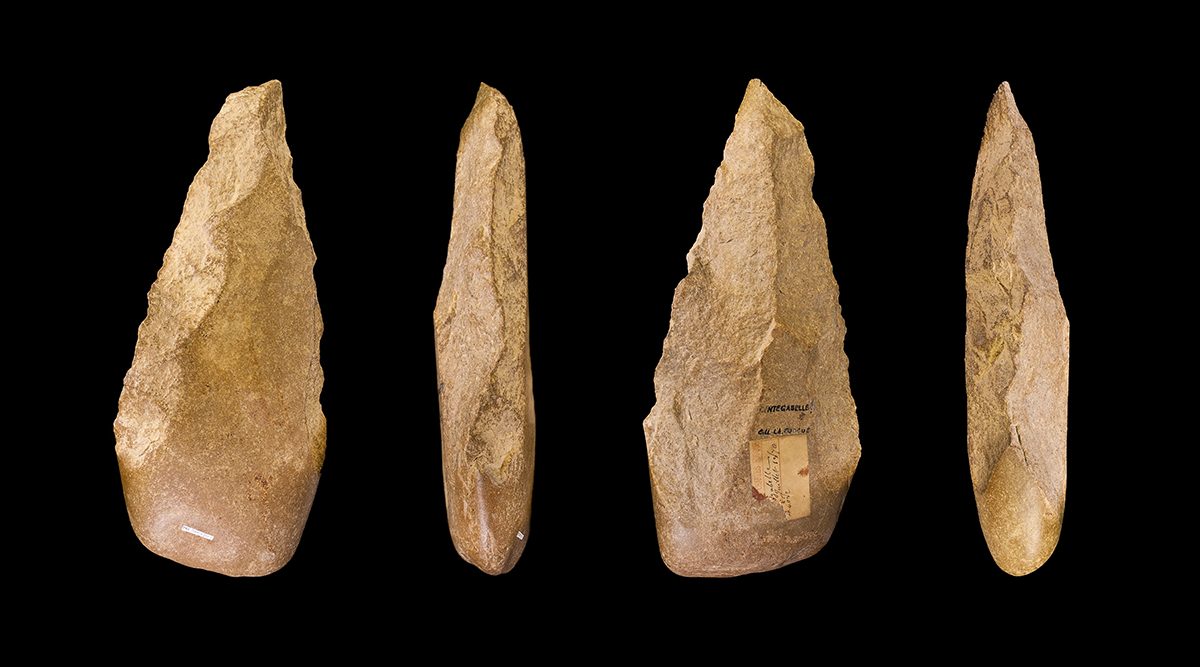
Changes in Early Stone Age tool production have ‘musical’ ties
New research suggests that advances in the production of Early Stone Age tools had less to do with the evolution of language and more to do with the brain networks involved in modern piano playing.
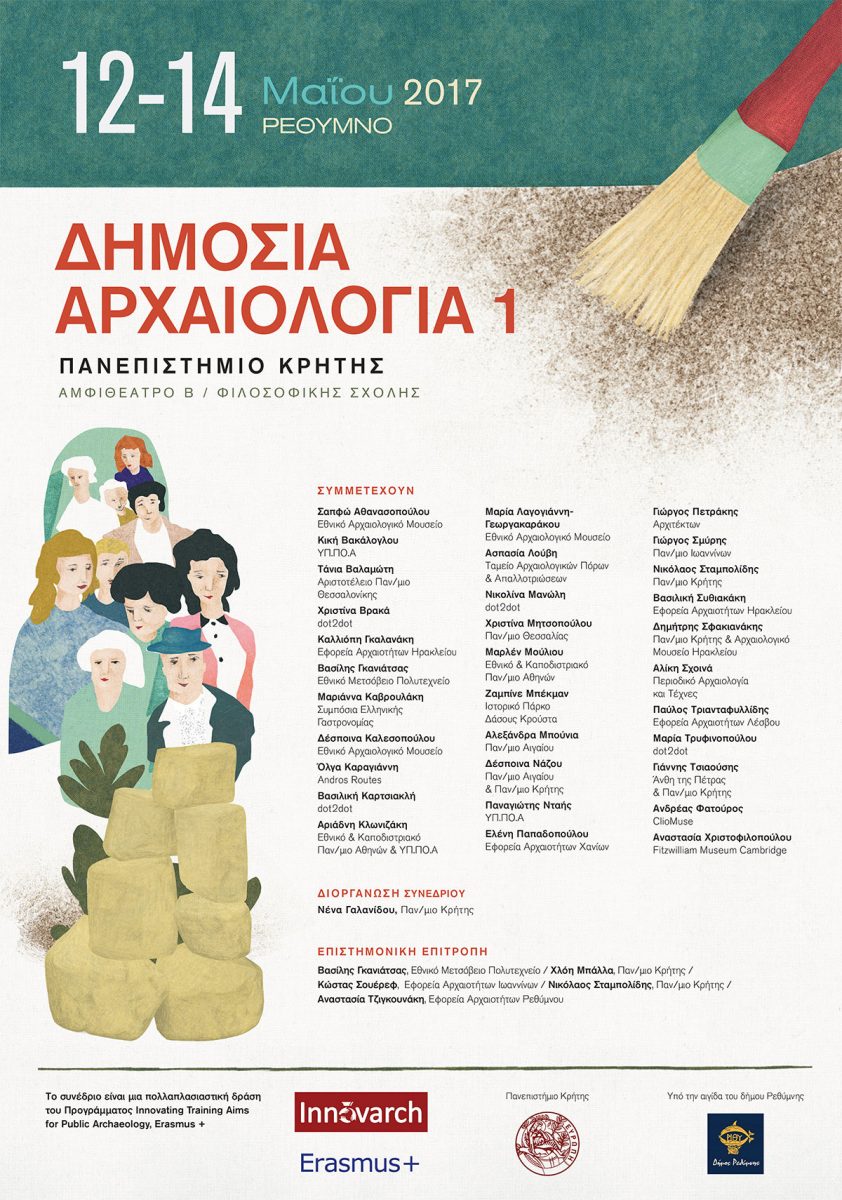
The first conference on Public Archaeology in Greece
The first conference on Public Archaeology in Greece will take place on May 12-14, 2017 at the University of Crete.
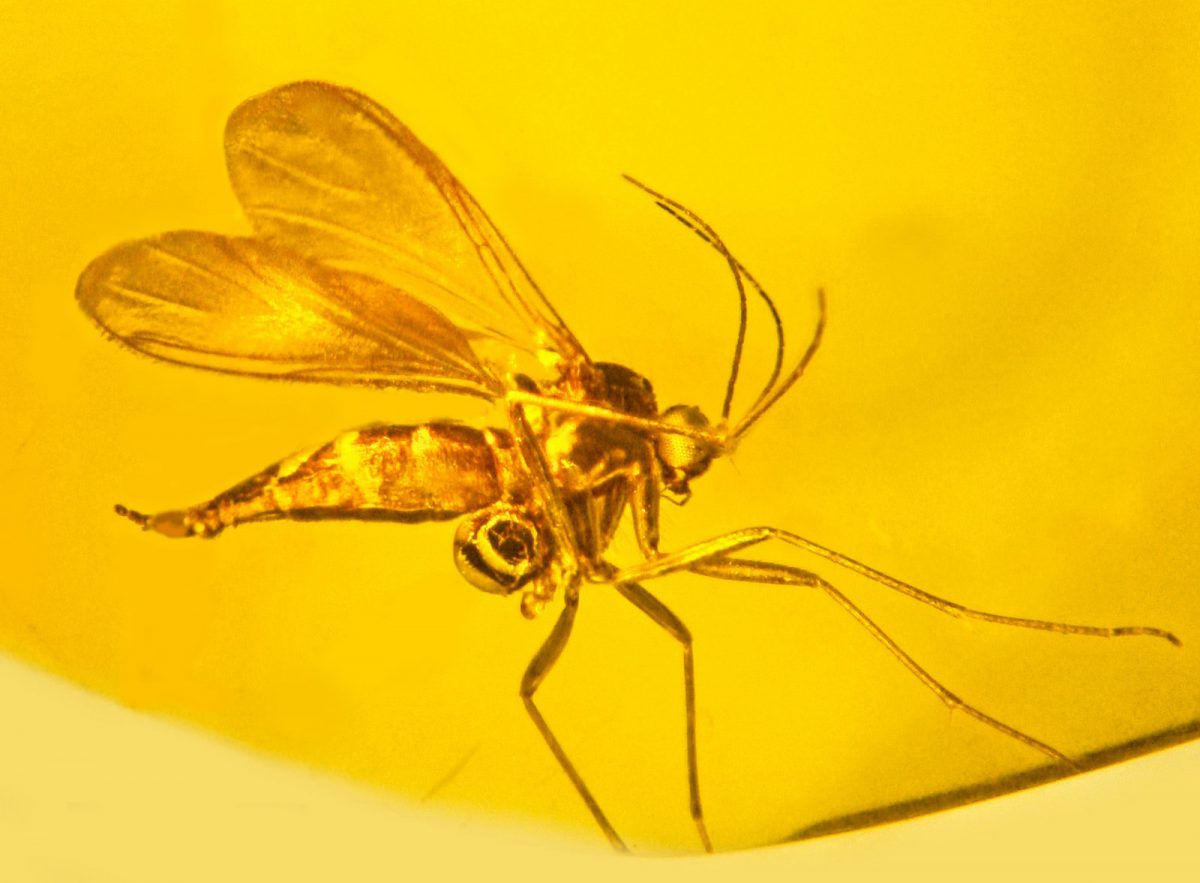
Researchers identify evidence of oldest orchid fossil on record
A newly published study documents evidence of an orchid fossil trapped in Baltic amber.
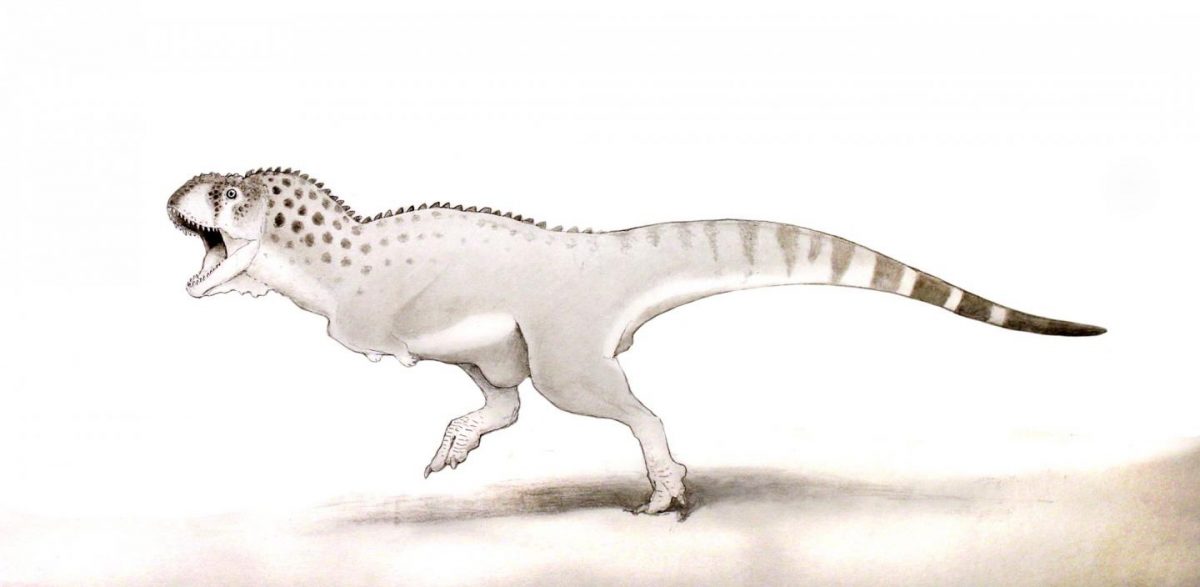
‘Last African dinosaur’ discovered in Moroccan mine
One of the last dinosaurs living in Africa before their extinction 66 million years ago has been discovered in a phosphate mine in northern Morocco.