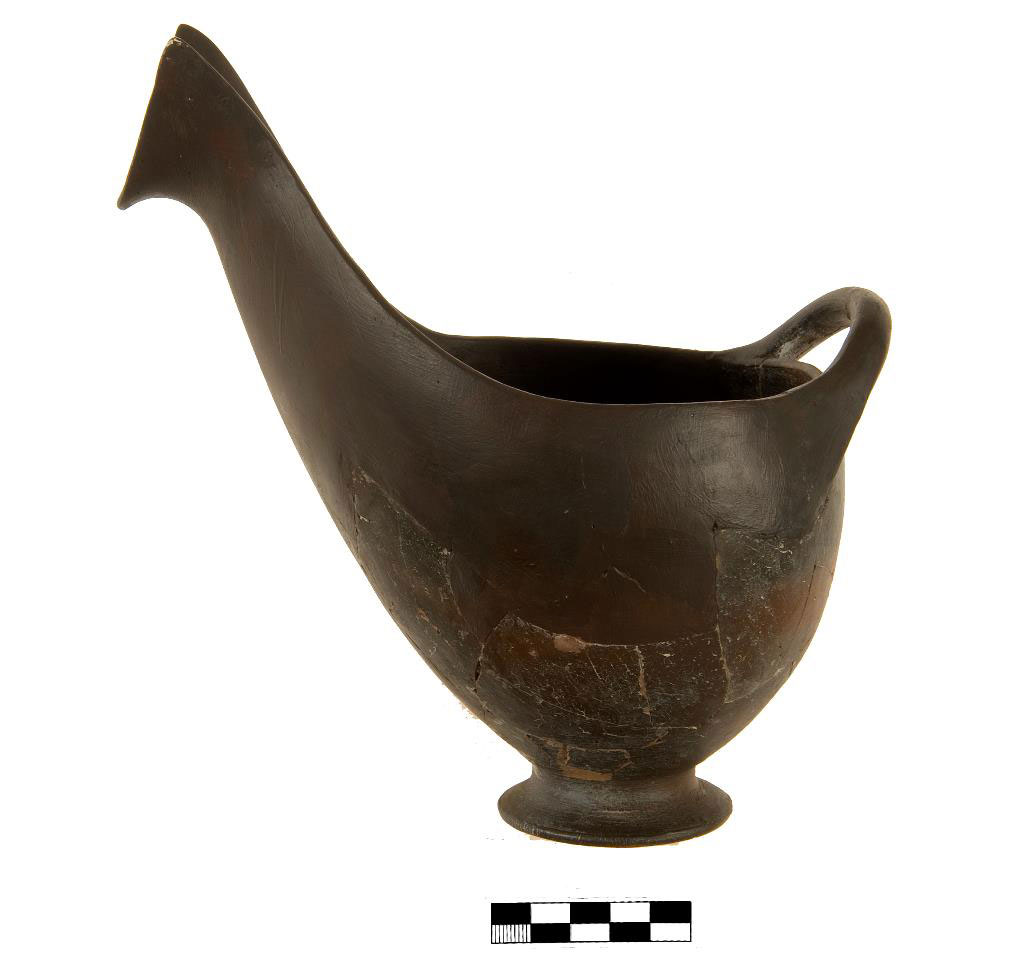
‘Cycladica’ around the Urla Peninsula, Izmir during the 3rd and 2nd Millennia BC
Lecture by Vasif Sahoglu, professor at the Ankara University, to be given on Thursday, March 10, 2016.
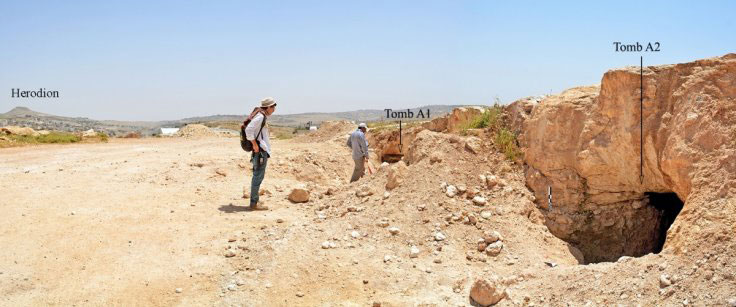
Necropolis near Bethlehem confirms Caananite town existed
A team of Italian and Palestinian archaeologists have discovered an ancient necropolis with more than 100 tombs near Bethlehem, providing poof of nearby Caananite wealthy town.
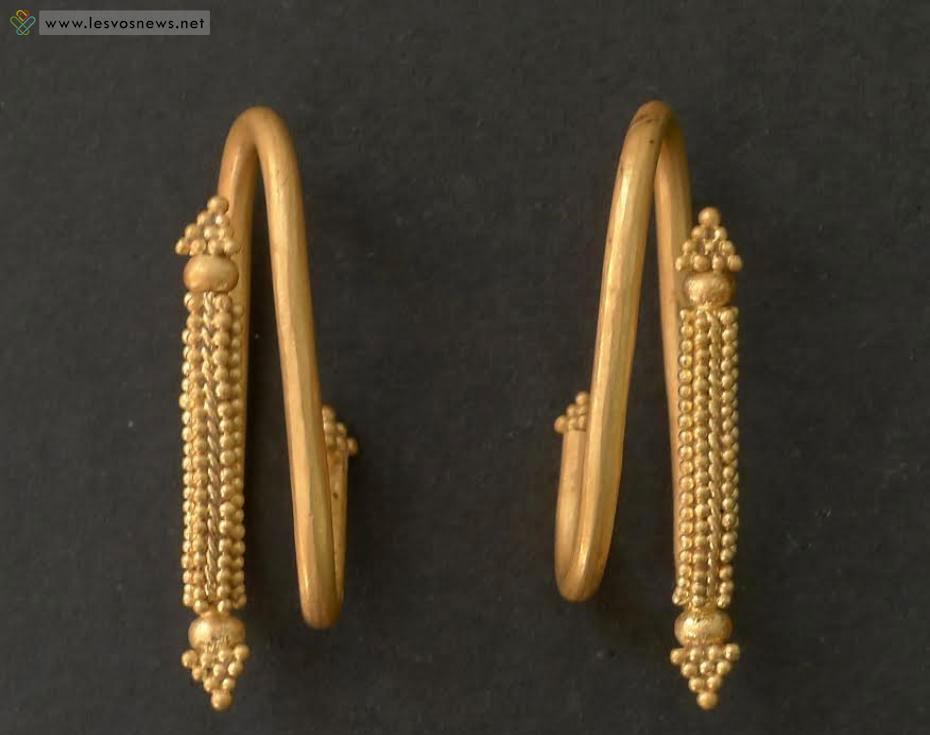
A Geometric period tomb was found in Lesvos
The deceased was accompanied by five grey ware drinking vessels and an impressive group of gold and bronze jewelry.
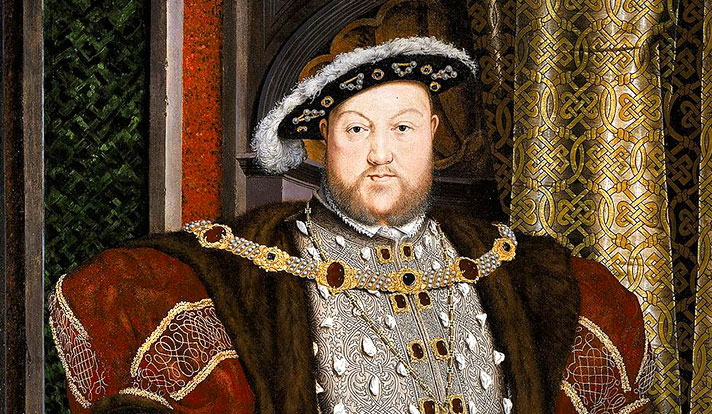
Did Henry VIII suffer same brain injury as some NFL players?
Traumatic brain injury explains the memory problems, explosive anger, inability to control impulses, headaches, insomnia— and maybe even impotence — that afflicted Henry during the decade before his death.
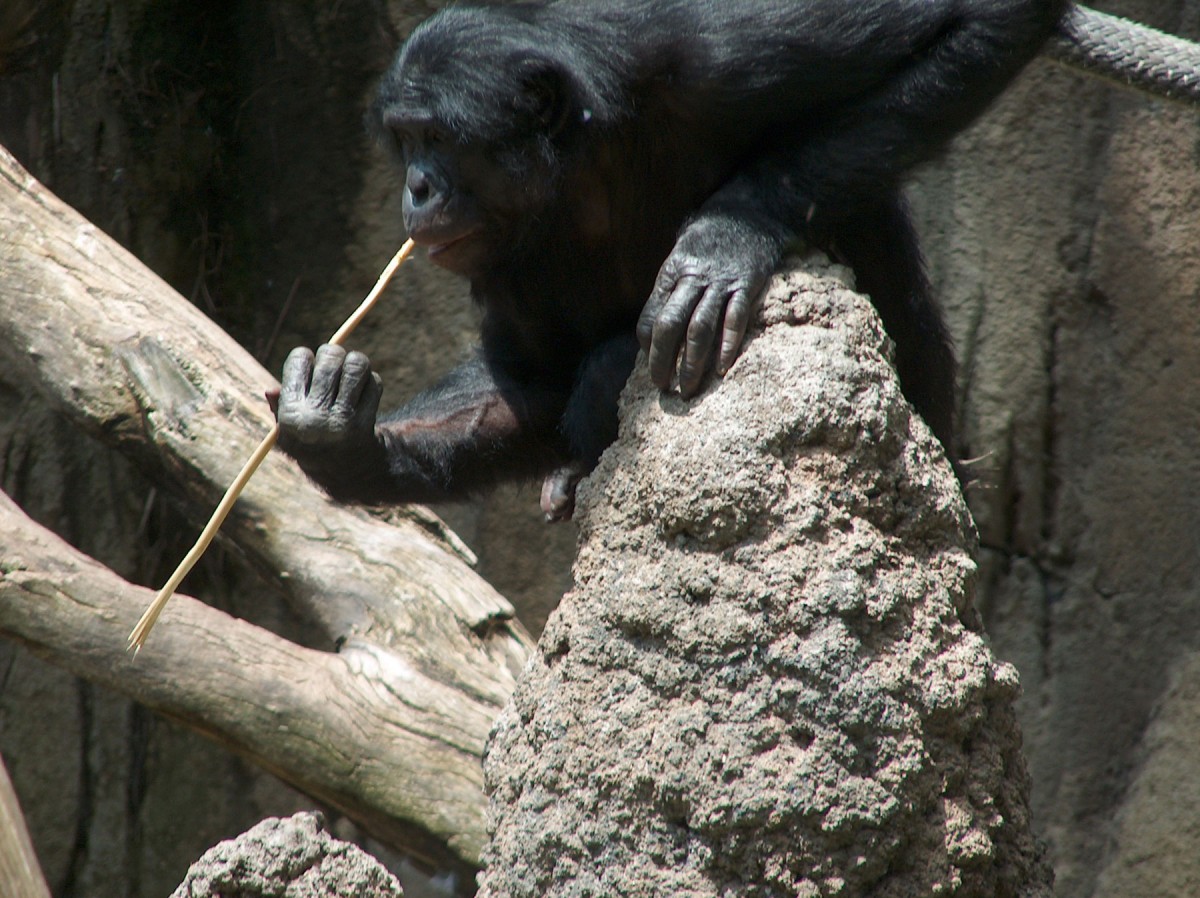
Stone tool-use behavior and accumulation sites in wild chimpanzees reminiscent to human cairns
Chimpanzees often use tools to extract or consume food. Which tools they choose for which purpose, however, can differ depending on the region where they live.
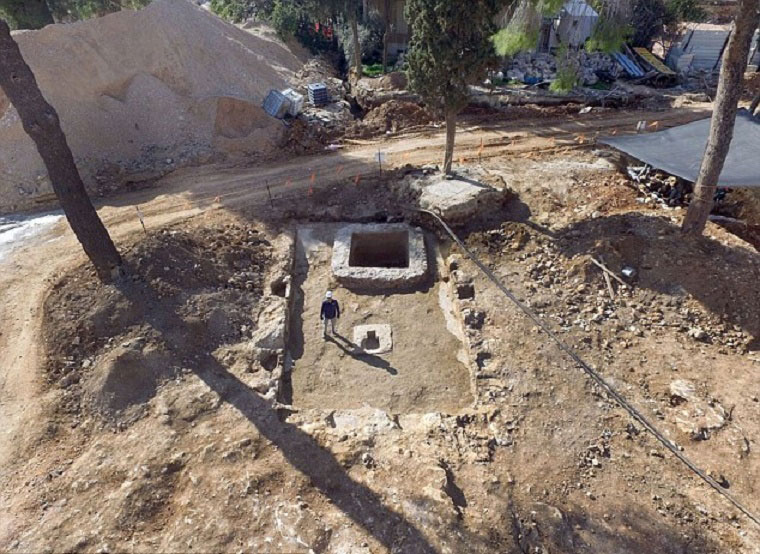
Winery and Bathhouse Discovered in Jerusalem
Finds in Schneller Compound, Jerusalem, reveal more than 1,600-year-old winery and bathhouse.
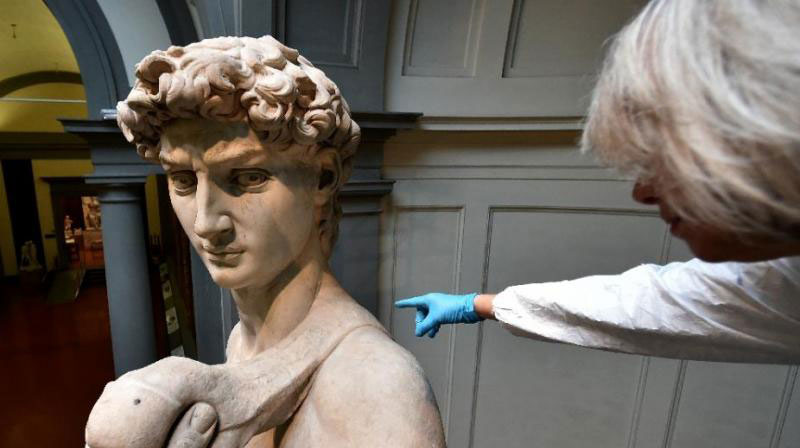
Michelangelo’s David gets clean-up
A clean-up of Michelangelo's statue of David took place on Monday, financed by Friends of Florence Foundation, a US non-profit group.

Reading an ancient bond in the look of puppy love
Researcher explores close prehistoric relationship between human and dog.
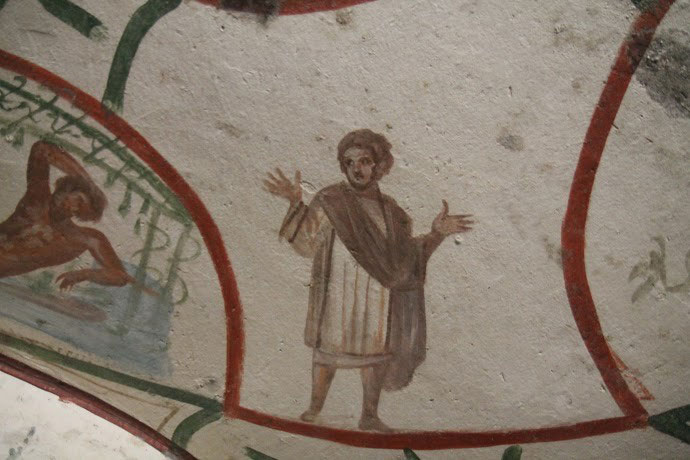
Frescoes in Roman catacombs restored
The completion of restoration of Paleochristian frescoes in the Roman catacombs of St Marcellinus and St Peter was announced, as a result of a project funded by the Heydar Aliyev Foundation (HAF) of Azerbaijan.
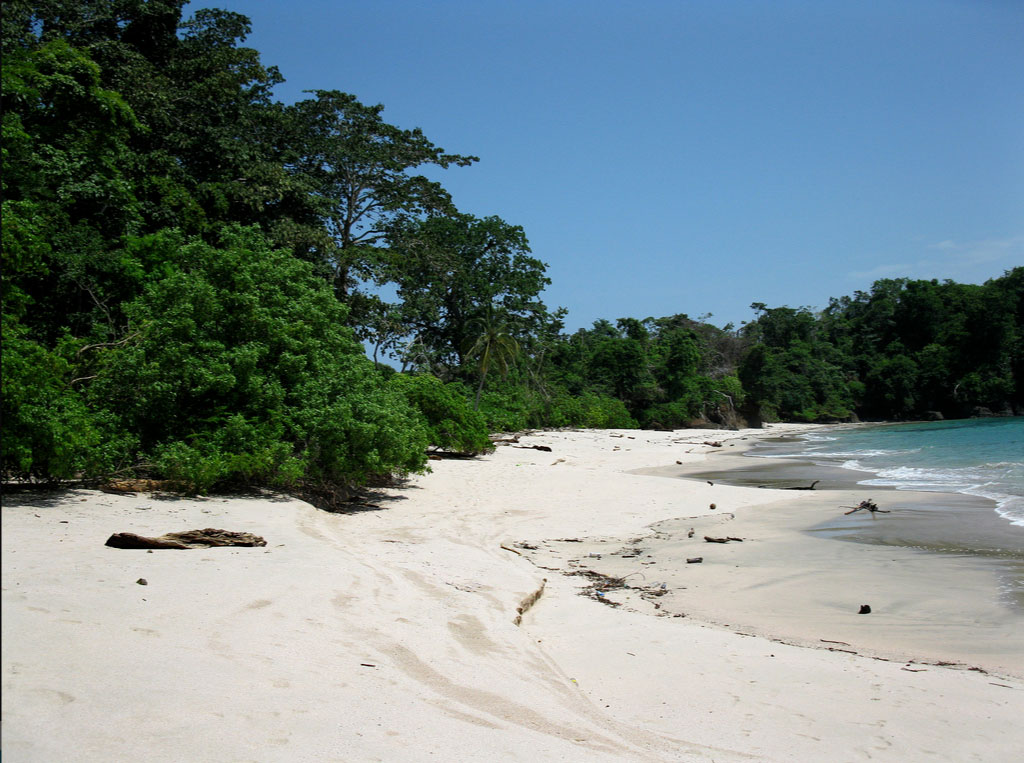
Tiny island deer in Panama hunted to extinction thousands of years ago
6,200 years ago pre-Columbian colonists hunted a dwarf deer to extinction on an island called Pedro González.
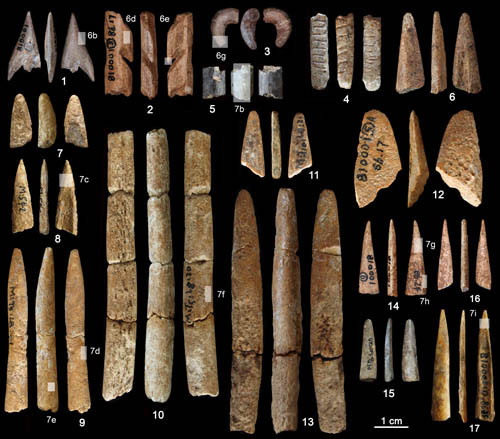
Palaeolithic Chinese bone tools analysed in study
The results of an analysis on the oldest formal bone tools from southern China have been published.
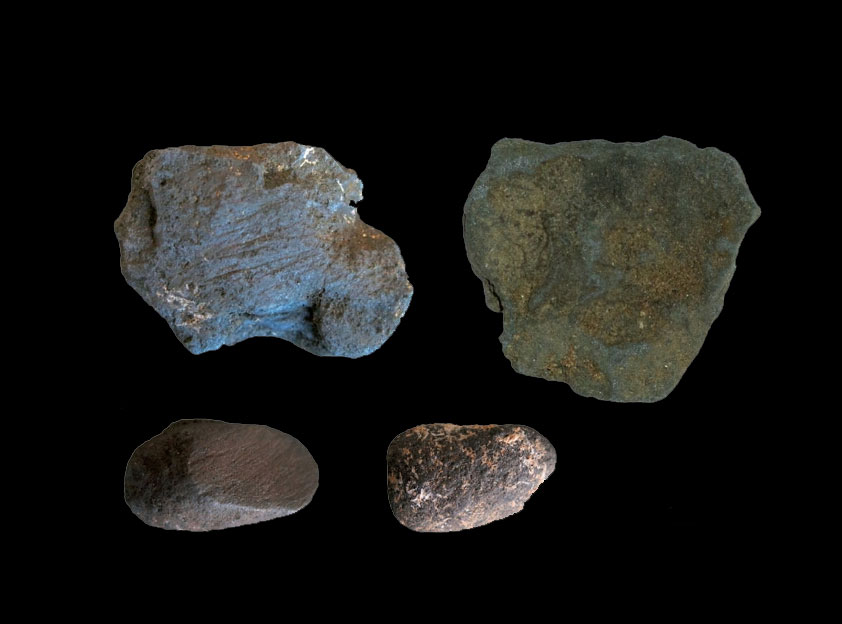
Making fire the Neanderthal way
Neanderthal communities living in France 50,000 years ago collected manganese dioxide to make fire, in a way which are surprising and qualitatively different from the expertise commonly associated with them.
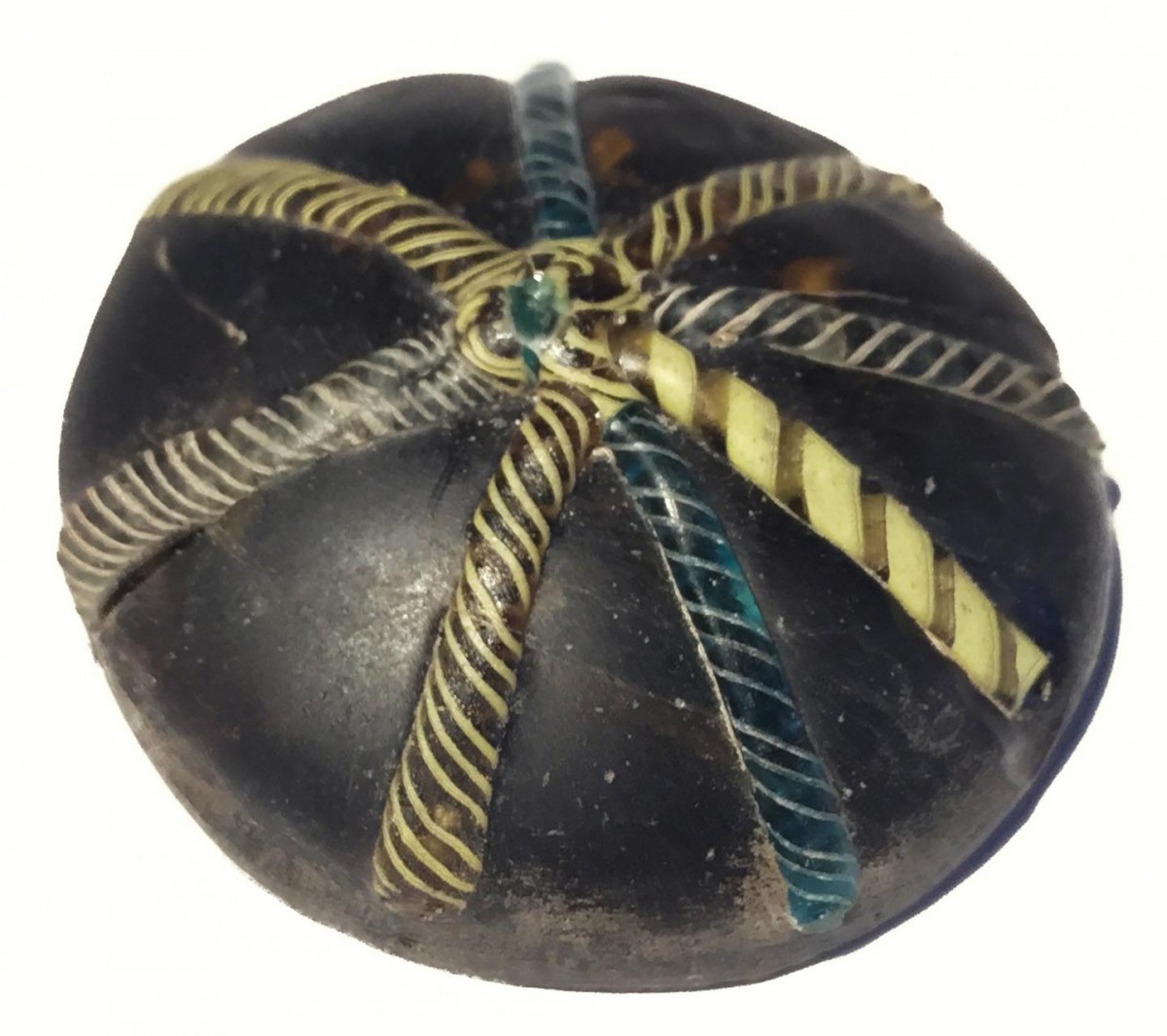
Mystery on the marsh: A newly discovered Anglo-Saxon island
The remains of an Anglo-Saxon island have been uncovered in one of the most important archaeological finds in decades.

New basal bird from China reveals the morphological diversity in early birds
A new species, Chongmingia zhengi, reported in the journal of Scientific Reports on 25 January 2016, sheds light on the early evolution of birds.
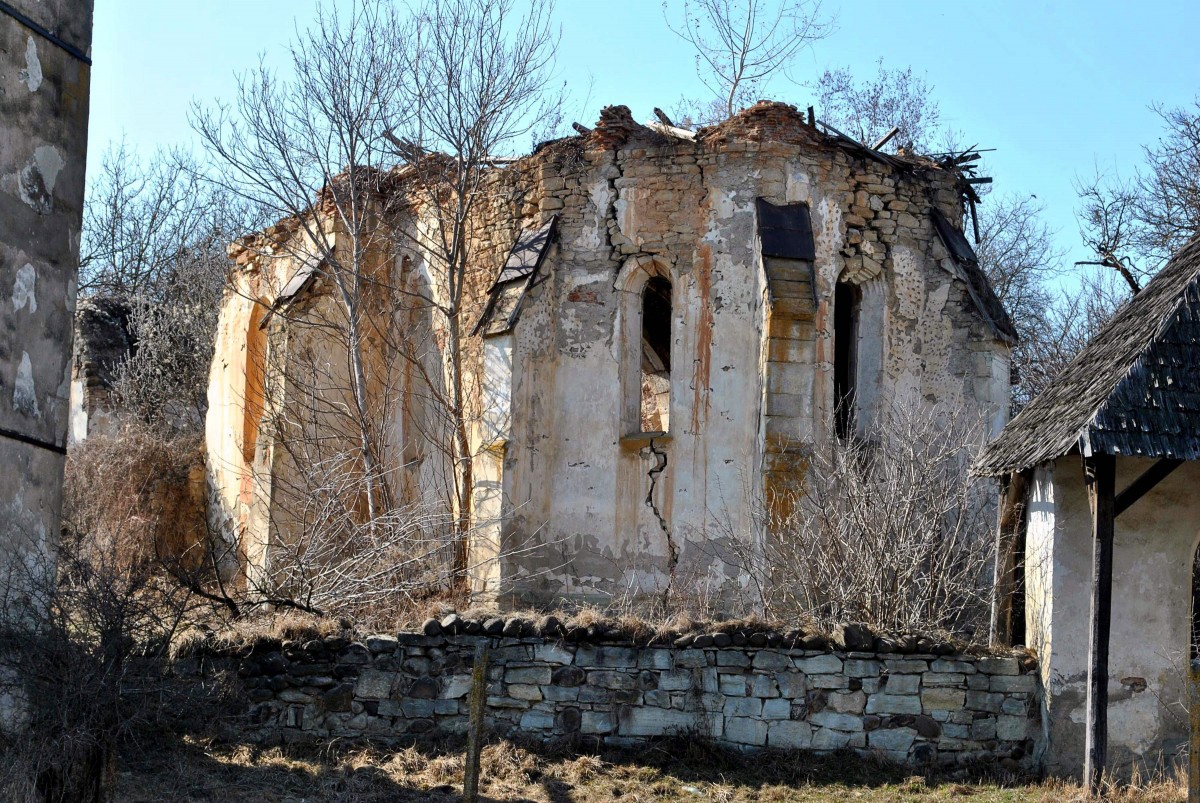
Fresco in Transylvania is rare medieval Giotto copy
The fresco of a church in Romania, now almost destroyed, is a rare copy of Giotto's mosaic "Navicella".
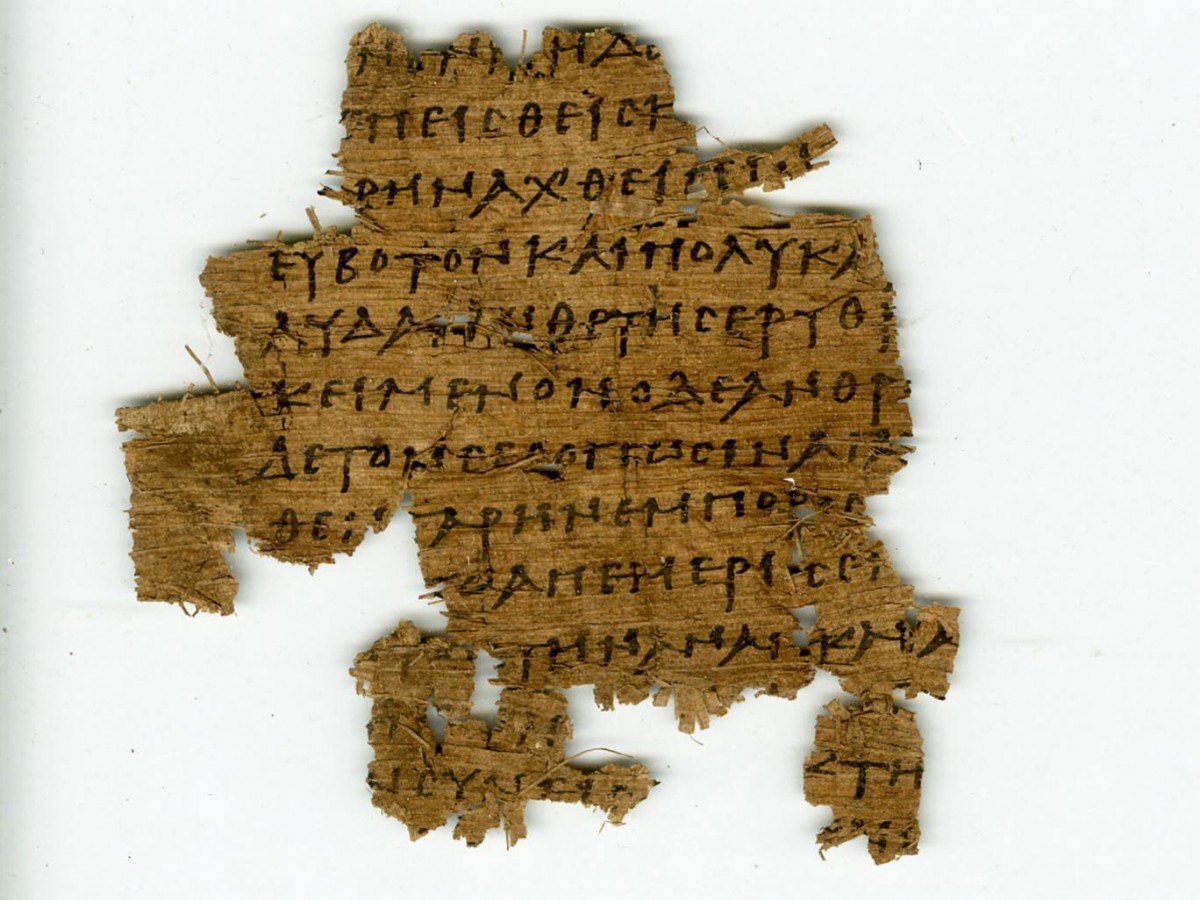
Ancient papyri deciphered by armchair archaeologists
A project for the deciphering of ancient papyri found in Greco-Roman Egypt has recruited armchair archaeologists from around the world with amazing results.
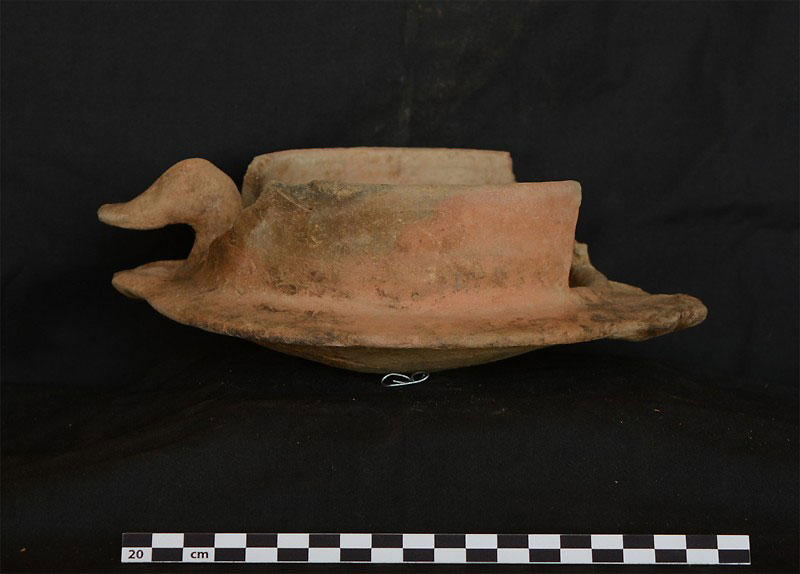
When Egypt met Nubia in Tombos
Excavations in Tombos, North Sudan, reveal the transformation of Egyptian and Nubian culture in a way that explains the rise of the Black Pharaohs
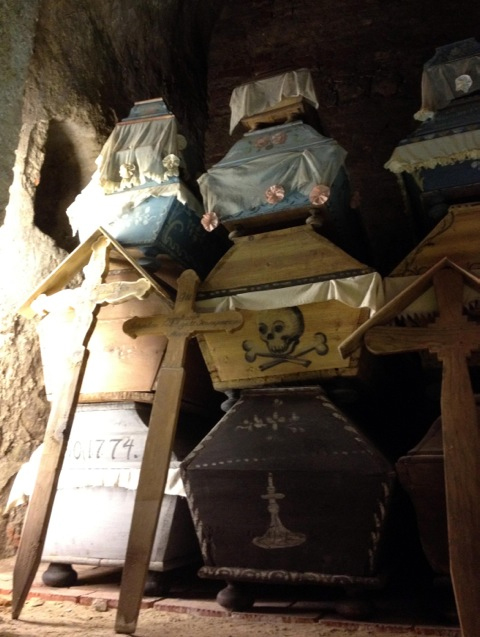
Mutated gene associated with colon cancer
A new Tel Aviv University discovery suggests that a genetic predisposition to colorectal cancer preceded the advent of modernization.
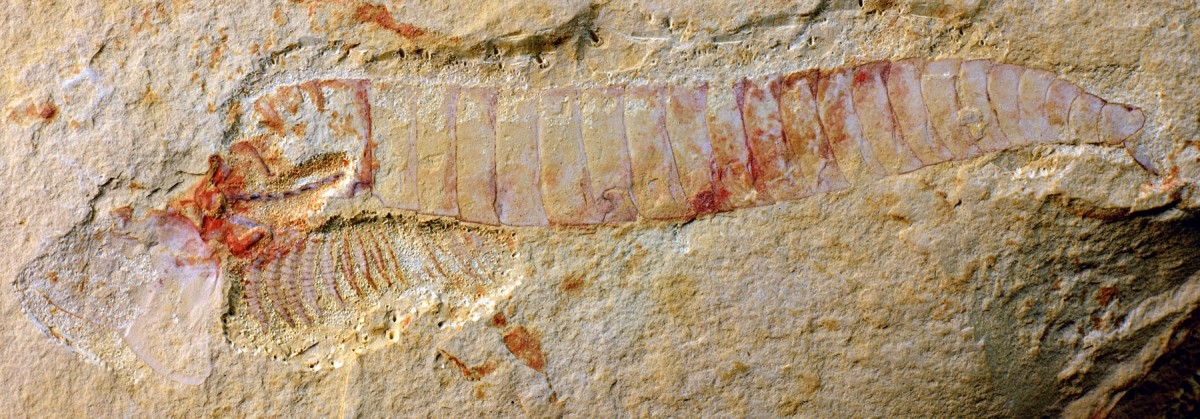
520 million-year-old fossilised nervous system is most detailed example yet found
A 520 million-year-old fossilised nervous system – so well-preserved that individually fossilised nerves are visible – is the most complete and best example yet found, and could help unravel how the nervous system evolved in early animals.
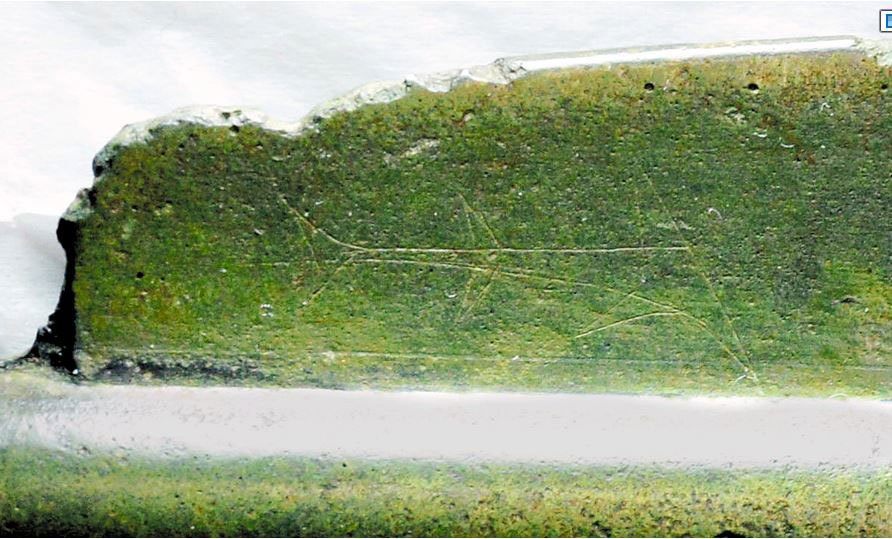
Ancient Japanese sword bears an engraving of a shark
Researchers examining an ancient sword in the Tottori Prefectural Museum have discovered an engraving depicting a shark on the object.
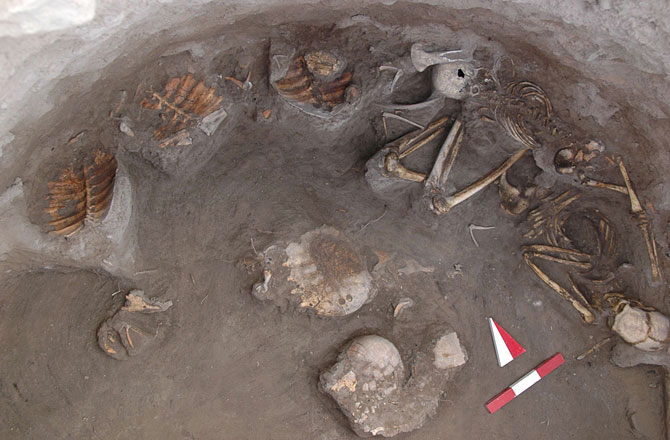
Iron Age burial in Turkey with turtles discovered
Archaeologists in Turkey have unearthed the remains of two individuals buried along with several turtles.
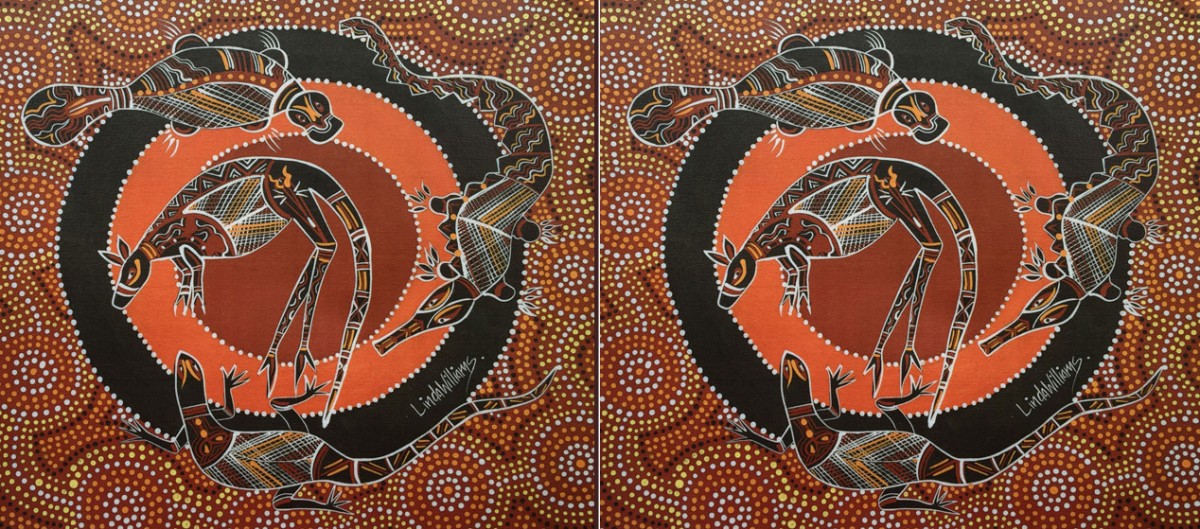
Genetics show 50 thousand years of independent history of Aboriginal Australian people
The new study challenges a previous theory that suggested an influx of people from India into Australia around 4-5 thousand years ago.
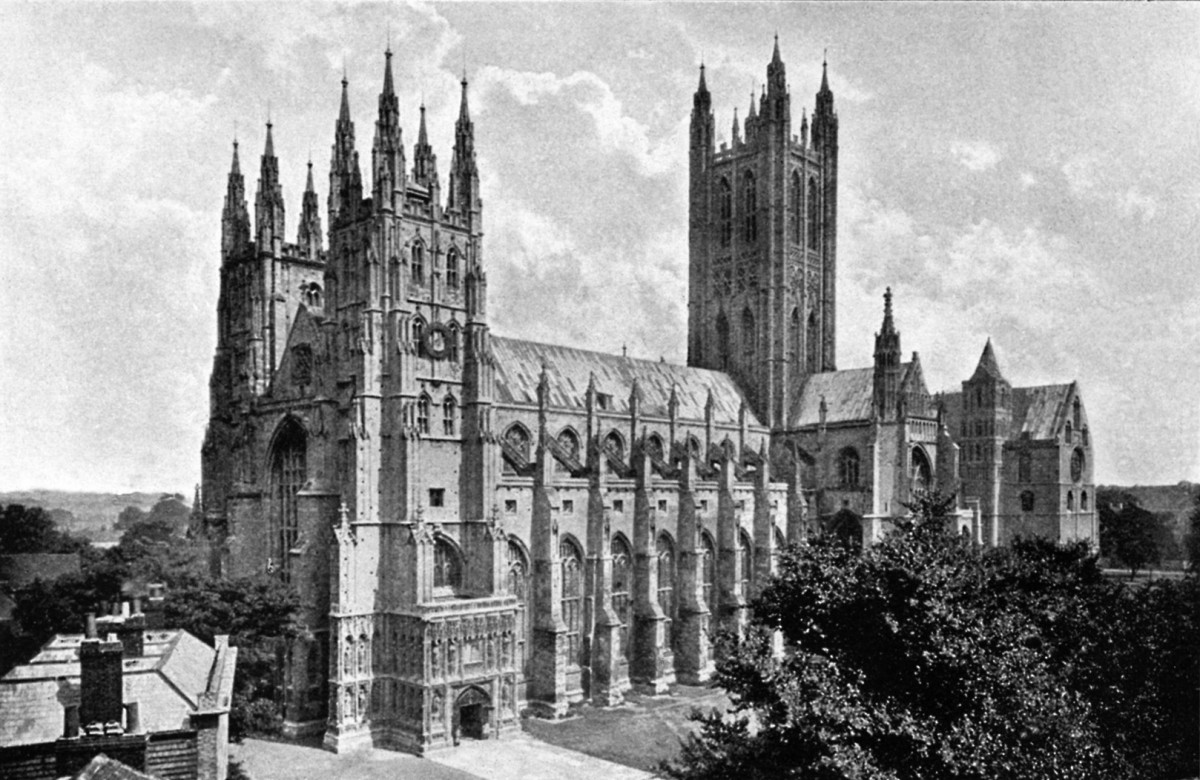
3-D technology used to safely reveal the diet of ‘Chaucer’s children’
Biological anthropologists have discovered a new way of examining the fragile teeth of children who lived between the 11th and 15th centuries without damaging them.
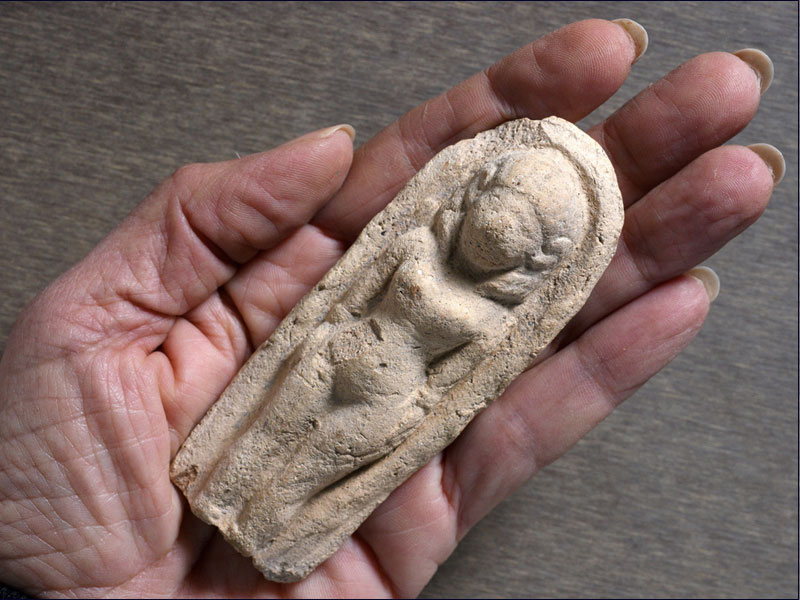
Ancient figurine discovered by 7-year-old boy
A 3,400 year old statue was recently discovered in Israel by a 7-year-old boy while on an outing with friends.