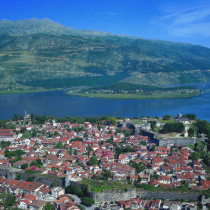
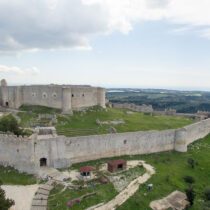
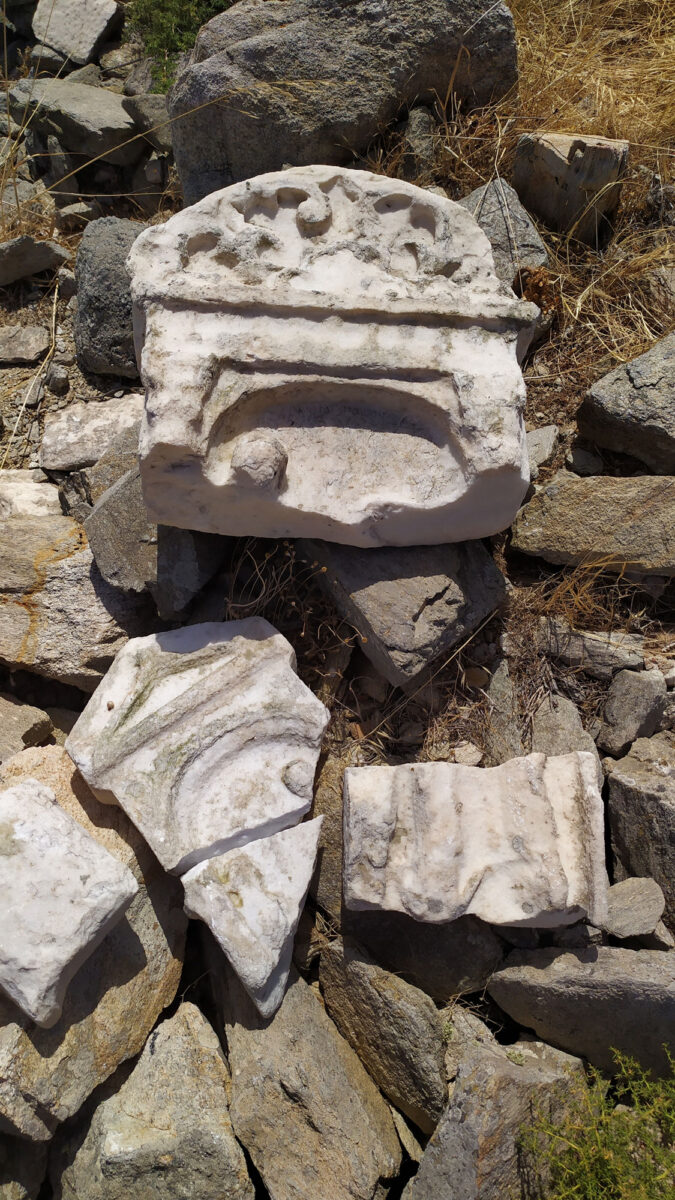
Rheneia, the other Delos
120 years after the first excavations, the Cyclades Ephorate of Antiquities, with the means offered by modern technology, returns to Rheneia.
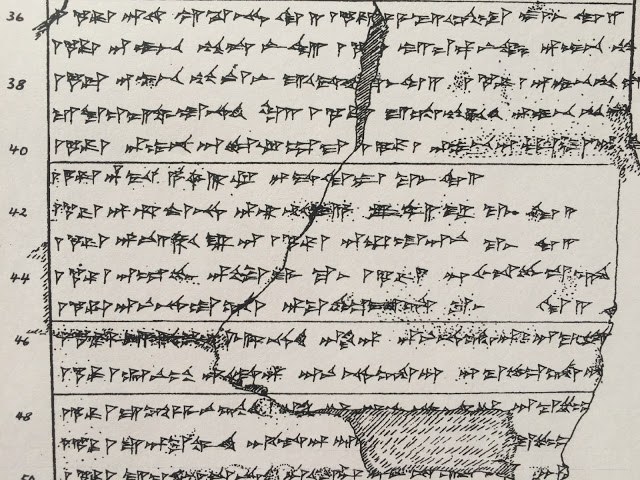
Hittite cuneiform scripts will soon be accessible online
The collection will be based on around 30,000 documents, most of which are written in the Hittite language.
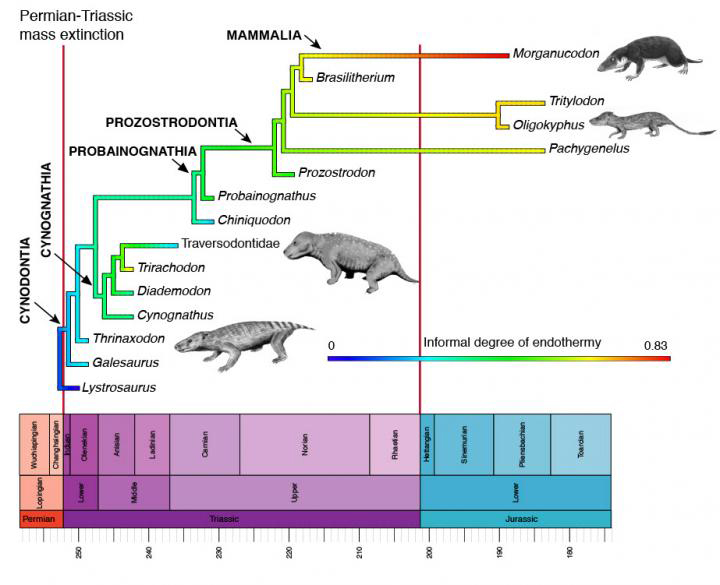
World’s greatest mass extinction triggered switch to warm-bloodedness
The ancestors of both mammals and birds became warm-blooded at the same time, some 250 million years ago, in the time when life was recovering from the greatest mass extinction of all time.
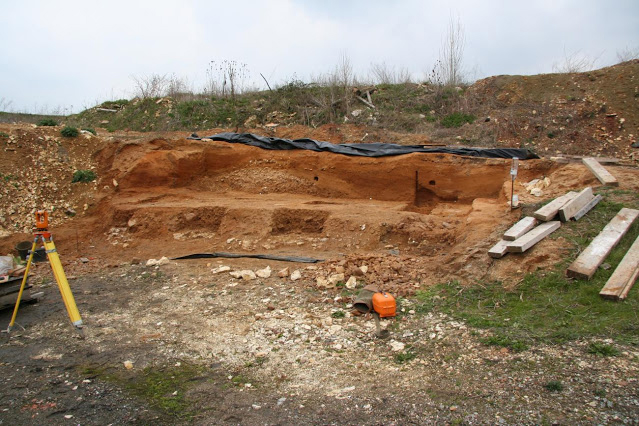
New dating results for two Lower Palaeolithic sites in France
Researchers used an unprecedented combination of three different dating techniques to date the two Lower Palaeolithic sites in France.
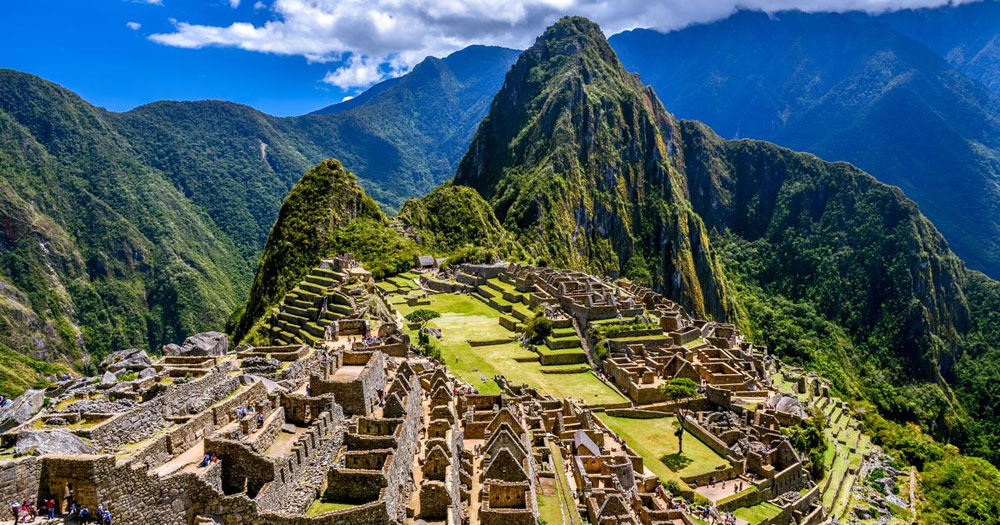
Machu Picchu opened for a single tourist
The Japanese tourist had to wait almost seven months to enter the ancient Inca city after being trapped in the Andean country during the coronavirus pandemic.
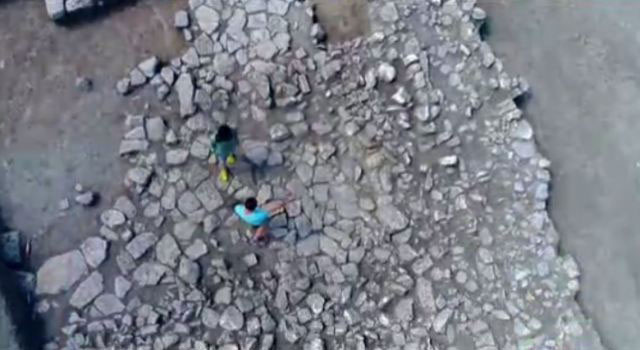
Medieval town discovered in Bulgaria
Surprising discovery: a completely unknown medieval town described as the third satellite town of the city of Pliska, the capital of the First Bulgarian Empire between 680 and 893 AD.
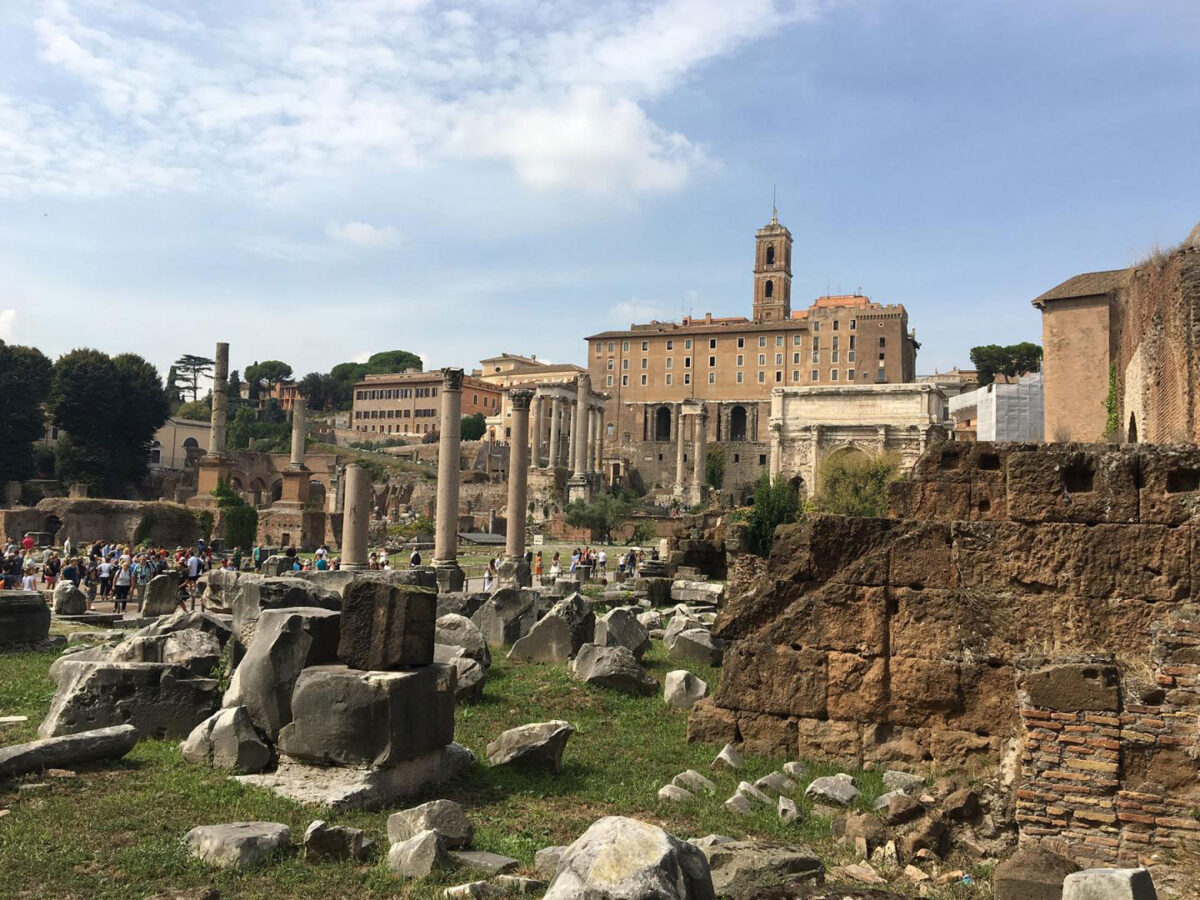
When good governments go bad
History shows that societies collapse when leaders undermine social contracts.
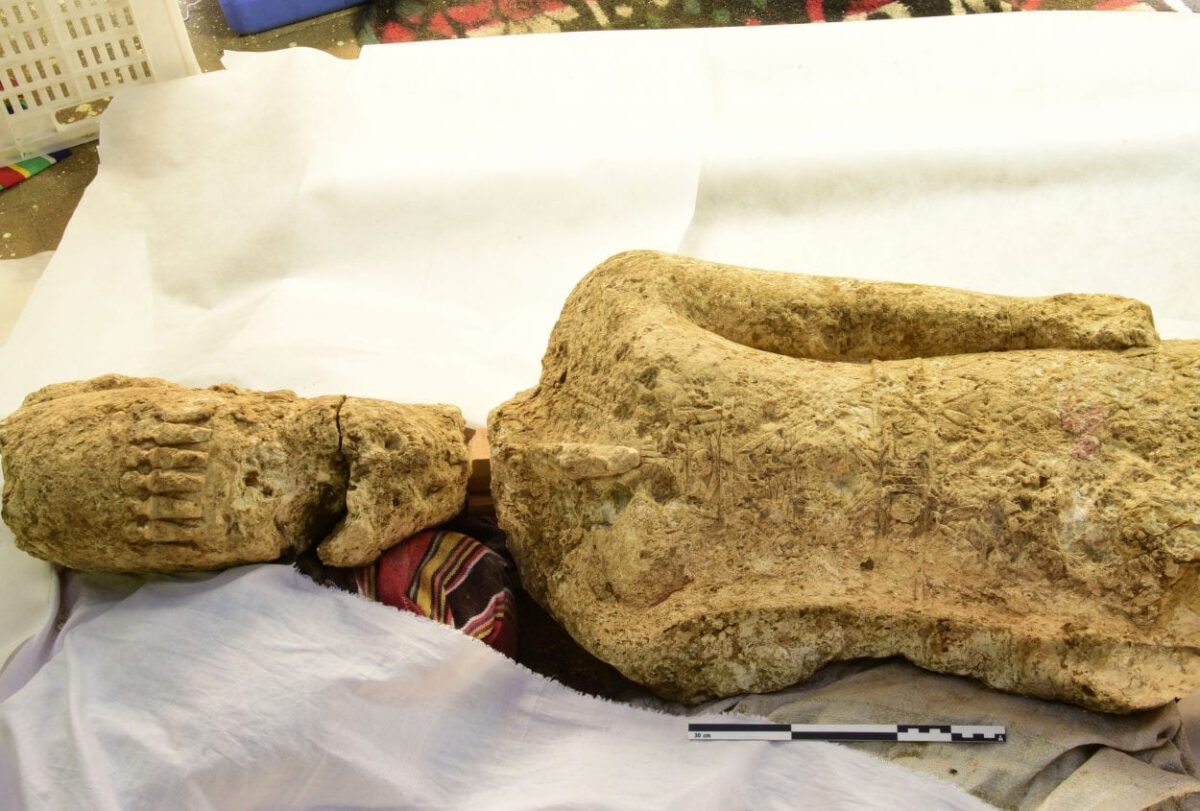
Influences from Gandhara & Interior of Africa in ancient temple
In a temple in the port of Berenice Troglodytica stone heads imitating sculptures from Gandhara and the depths of Africa were found.
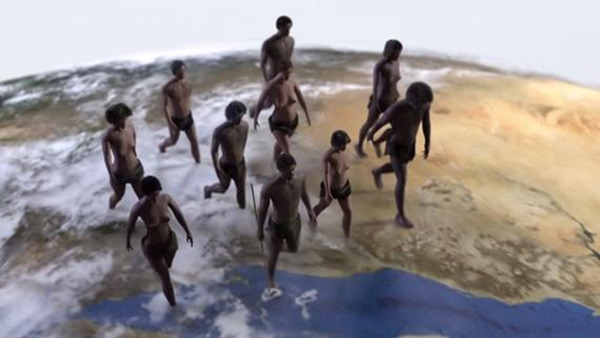
Modern humans took detours on their way to Europe
Favourable climatic conditions influenced the sequence of settlement movements of Homo sapiens in the Levant on their way from Africa to Europe.
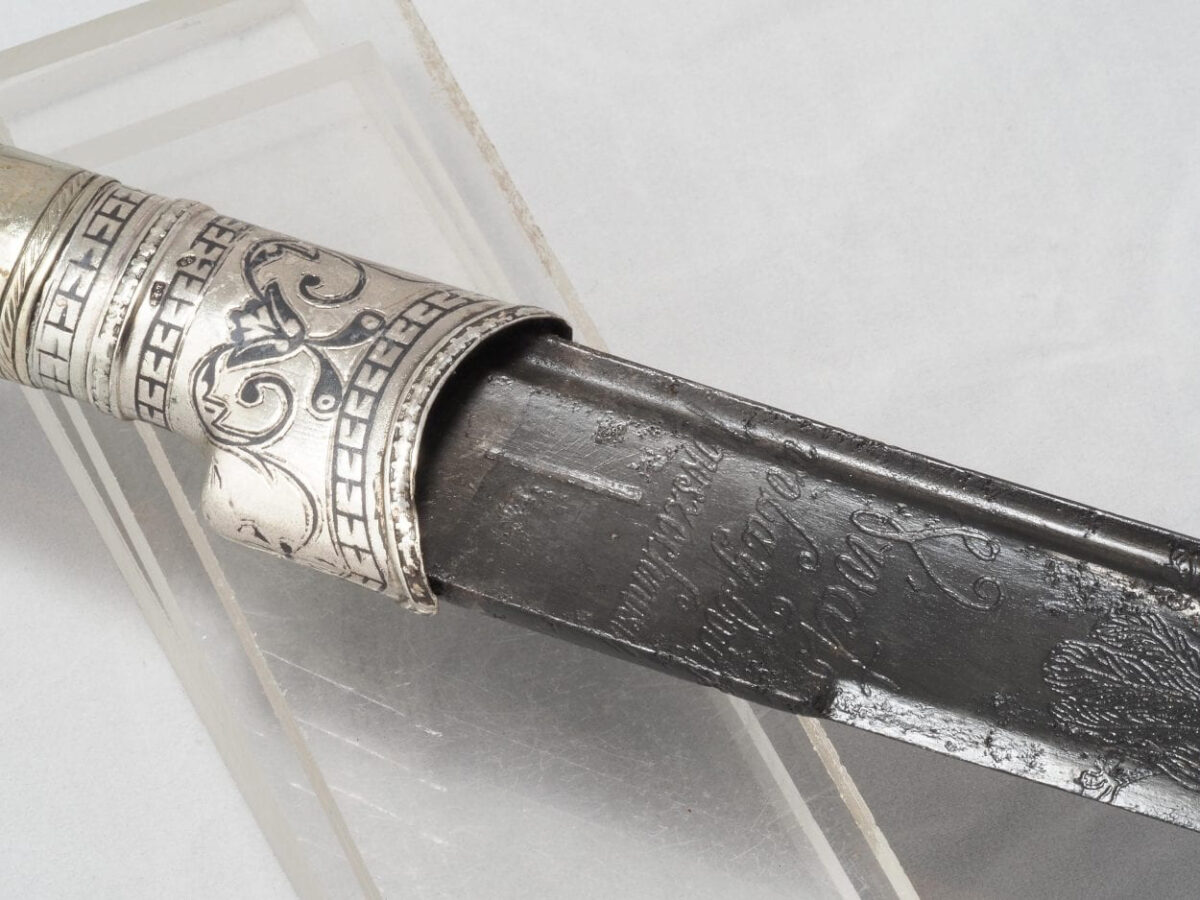
A ‘patriotic sword’ used during the January Uprising of 1863-1864
The sword, engraved with the words “Vivat Szlachcic Pan i fundator wojska” (Long live the Noble Lord and founder of the army), was discovered near Veliko Tarnovo.
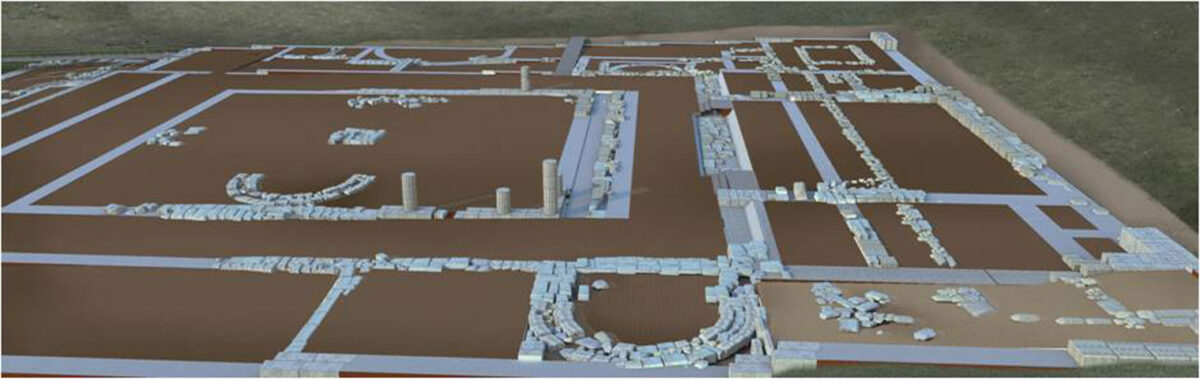
The palace where Alexander the Great was born comes to light
By next summer, it is expected that the palace where Alexander the Great was born in then coastal city of Pella will be able to receive visitors.
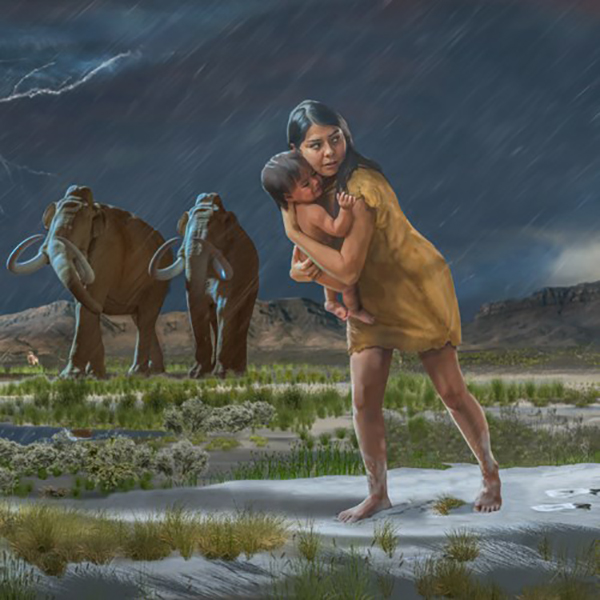
Ice Age footprints found in White Sands National Park
Footprints show a female walking for almost a mile, with a toddler’s footprints occasionally showing up beside hers.
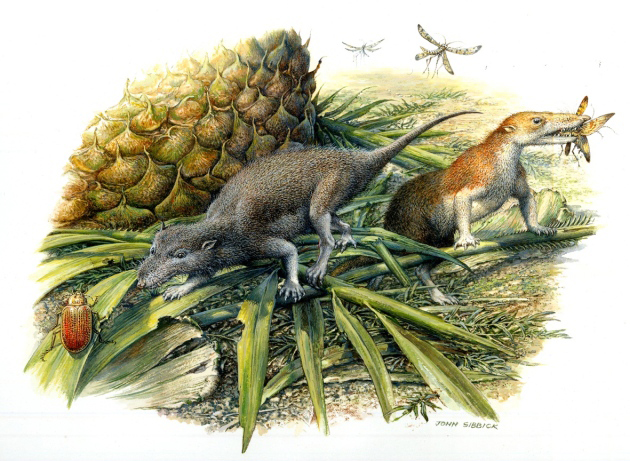
First mammals lived more like reptiles
Pioneering analysis of 200 million-year-old teeth belonging to the earliest mammals suggests they functioned like their cold-blooded counterparts—reptiles, leading less active but much longer lives.
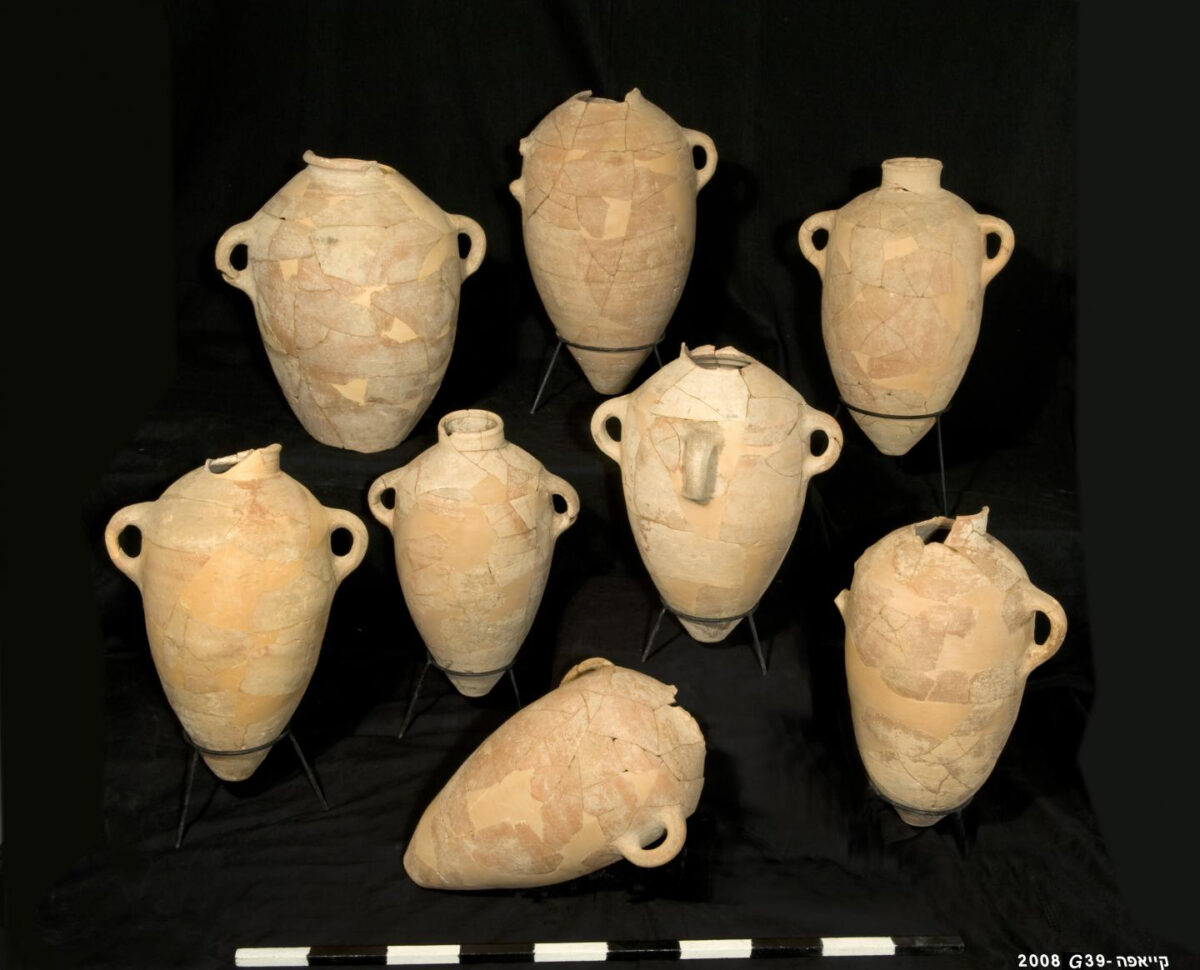
Storage jars in Israel: If the glove fits
Modern tools and US Army-edition gloves may have uncovered the original dimensions of the tefach, a biblical unit of measurement used by ancient Israelites.
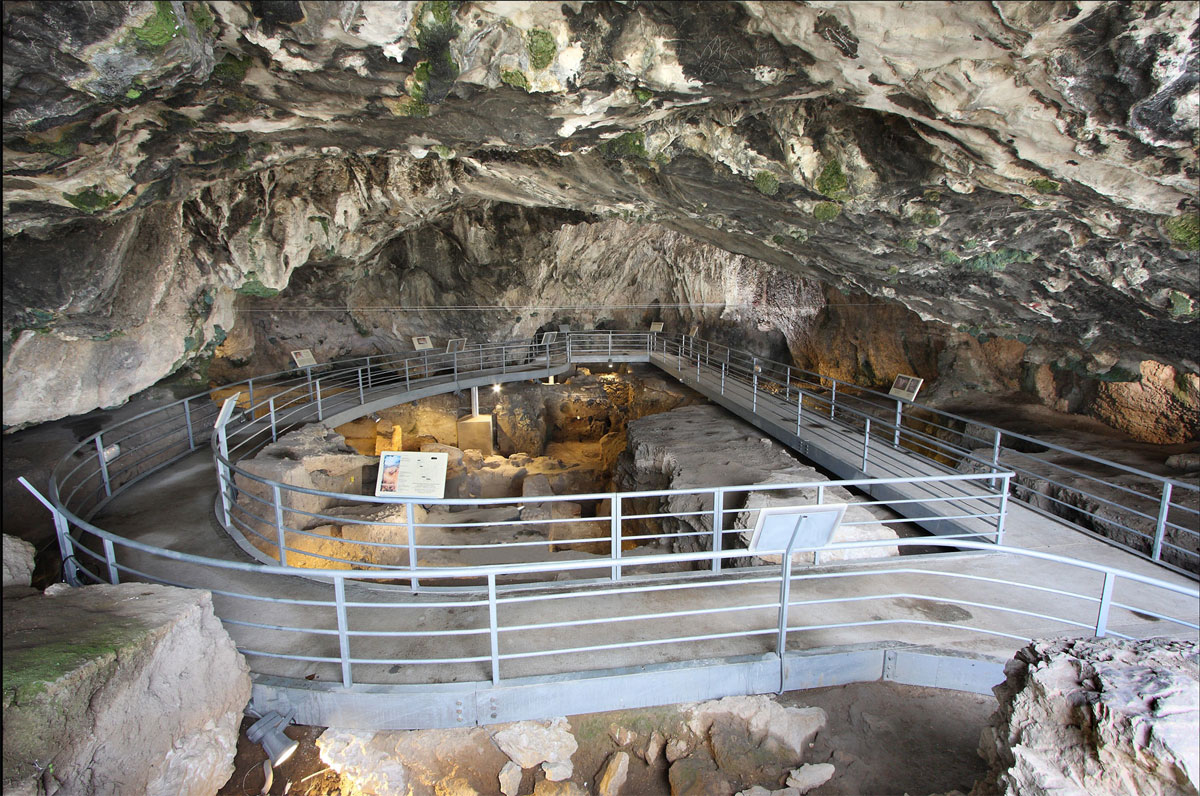
Who lived in the Theopetra Cave?
The 43 people who lived in the Theopetra Cave during the Neolithic period, had a diet of wheat, barley, olives, pulses and a little meat.
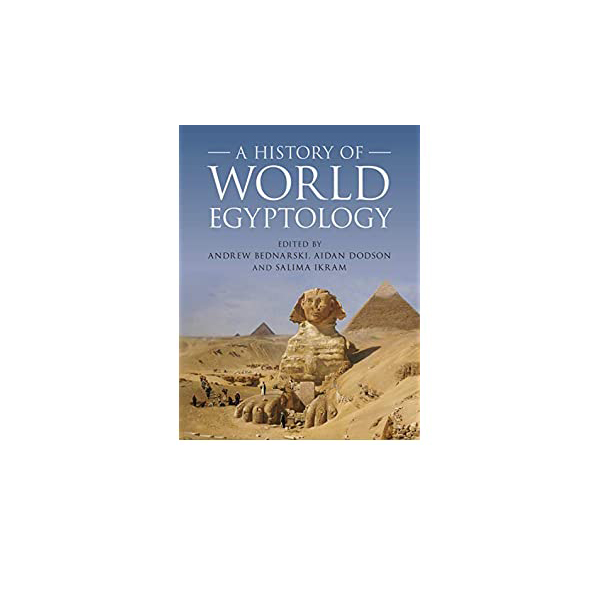
A History of World Egyptology
A History of World Egyptology is a ground-breaking reference work that traces the study of ancient Egypt.
MA and PhD in Classics, University of Florida
The Department of Classics at the University of Florida invites applications for its MA and Ph.D. programs.
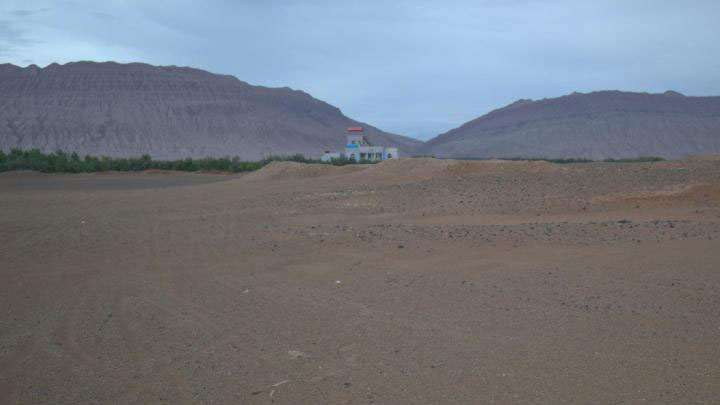
Central Asian horse riders played ball games 3,000 years ago
Researchers examined balls about five centuries older than the previously known ancient balls and depictions of ball games in Eurasia.

The Royal Opera House, London is auctioning a David Hockney painting
According to the Observer, the painting will be auctioned by Christie’s this month and its price is estimated to be between 11 to 18 million pounds sterling.
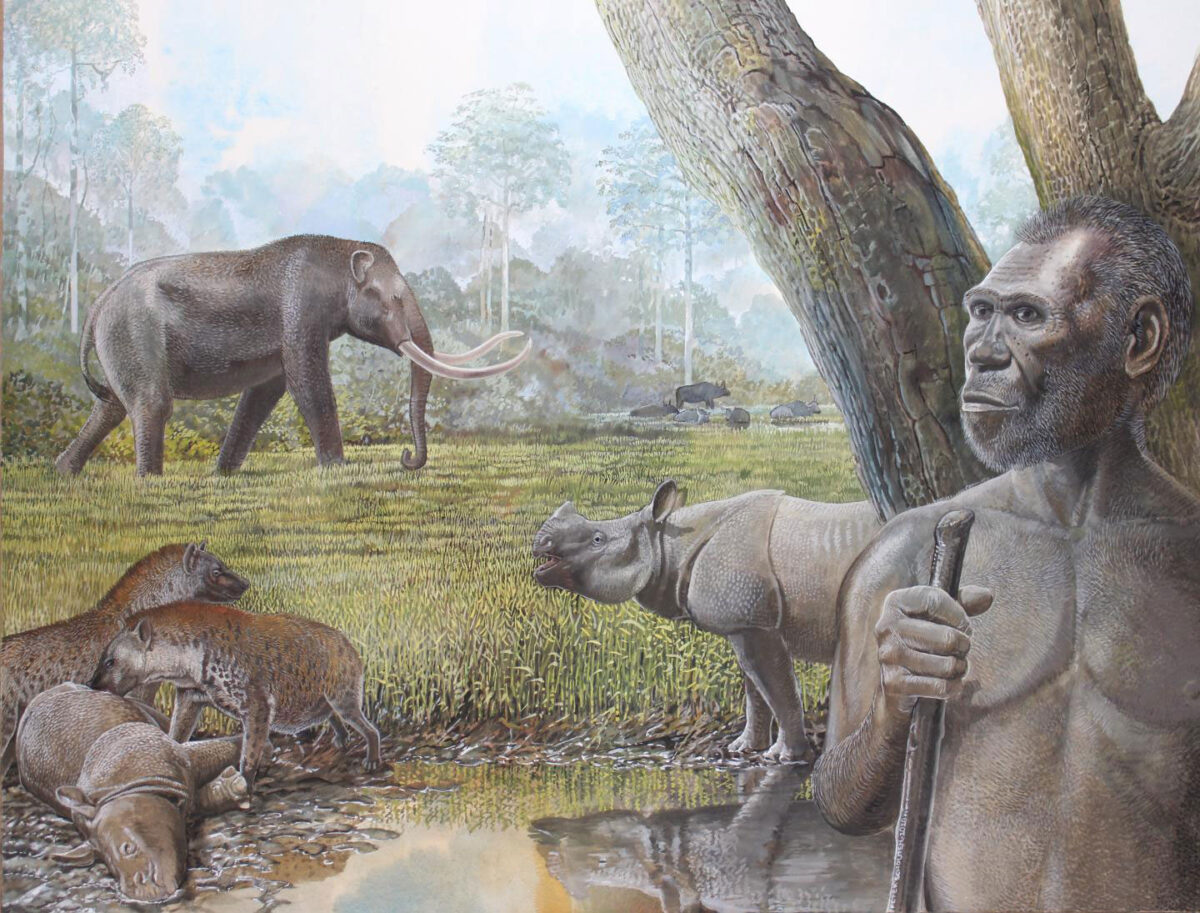
Past tropical forest changes drove megafauna and hominin extinctions
Scientists found that the loss of these grasslands was instrumental in the extinction of many of the region's megafauna, and probably of ancient humans too.
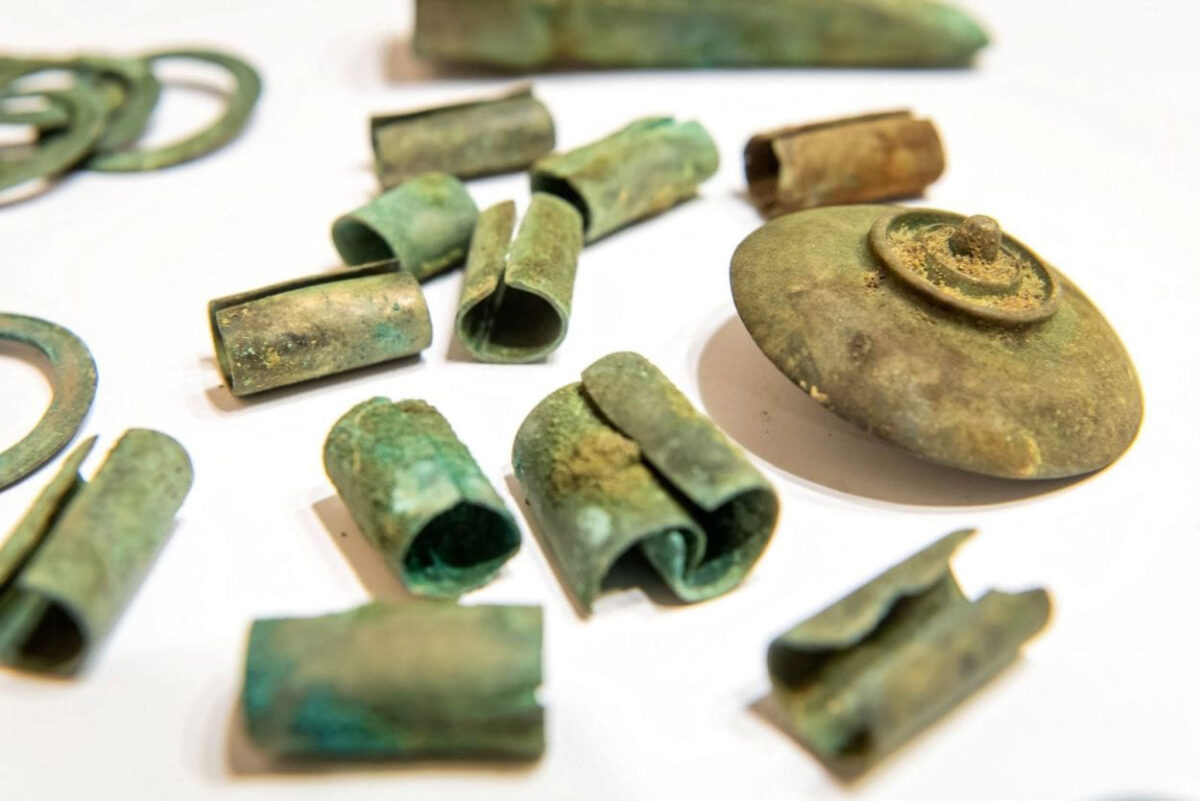
Metal detectorist discovers treasure trove of bronze artefacts
A metal detectorist from the Weles Grupa historyczno eksploracyjna has discovered more than 150 decorated bronze artefacts, dating from over 2500 years ago.
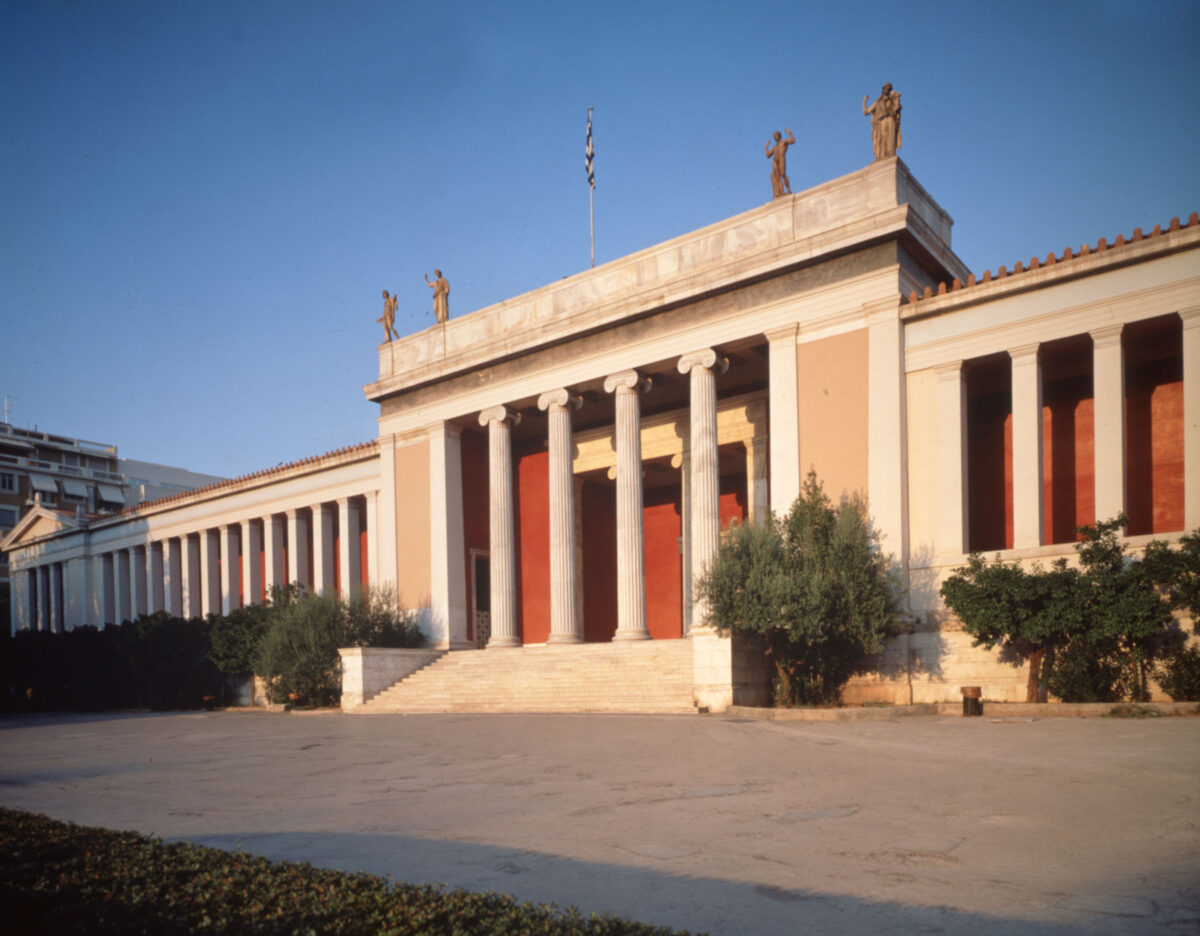
Excellent reviews on public museums and archaeological sites
"The dynamics of Greek public museums and the quality of exhibitions are judged as positive by those primarily on the receiving end of our work: the visitors themselves", says the AGA.
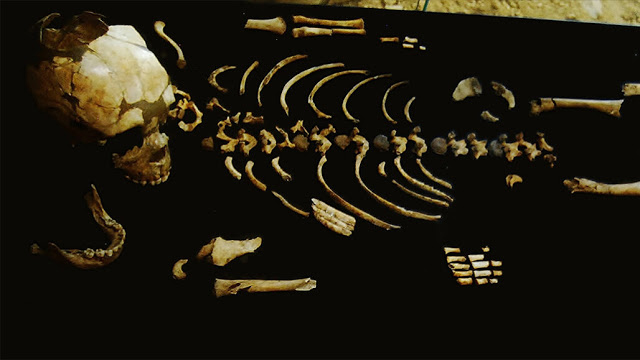
Newborn Neanderthals had a robust and broad thoracic cage
They possessed a broad thoracic cage similar to adults, capable of sustaining the demanding energy expenditure of a large and broad body.
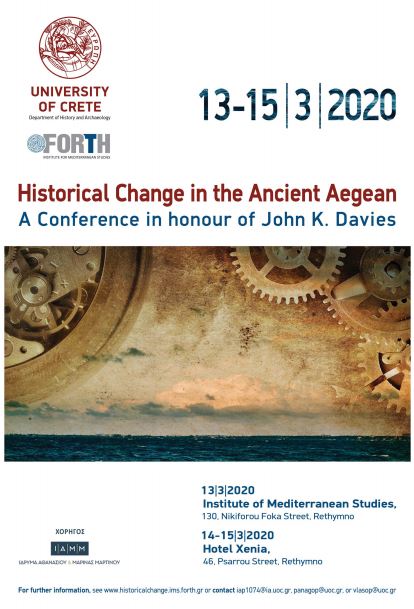
Historical change in the Ancient Aegean
In order to honour Davies for his contribution to the study of ancient Greek history, the University of Crete and the Institute for Mediterranean Studies are organising an international conference.