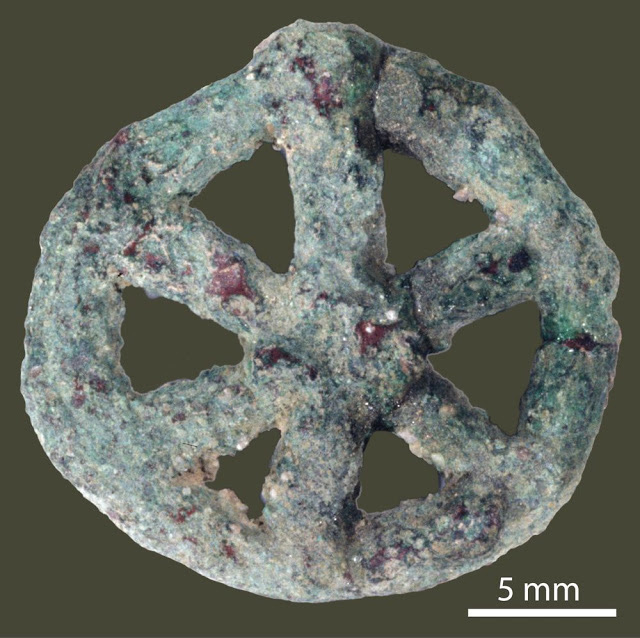
Novel imaging approach reveals how ancient amulet was made
Researchers have discovered how the earliest lost-wax cast object known was made, using a novel UV-visible photoluminescence spectral imaging approach.
Mortuary Variability and Social Diversity in Ancient Greece
Workshop exploring how social structure of ancient Greece is reflected in the various funerary customs.
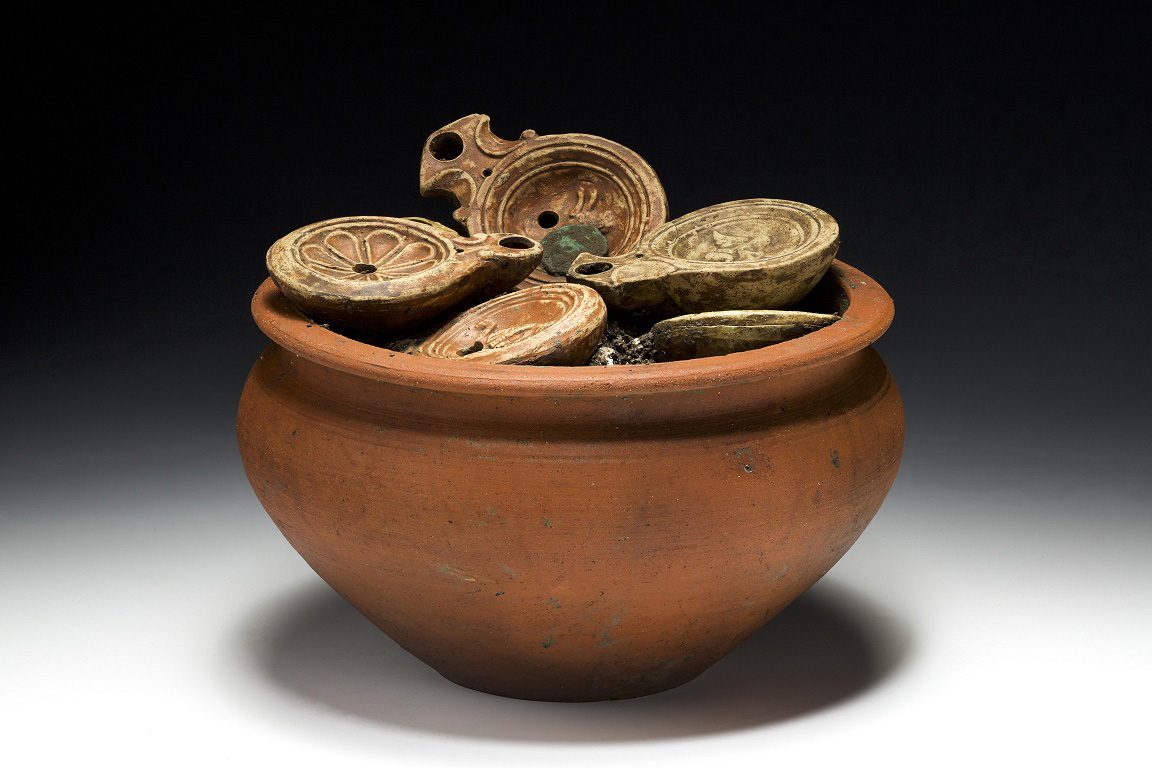
The secret of the 22 oil lamps
A Roman-era pot filled with oil lamps and coins puzzles Swiss archaeologist in Canton Aargau.
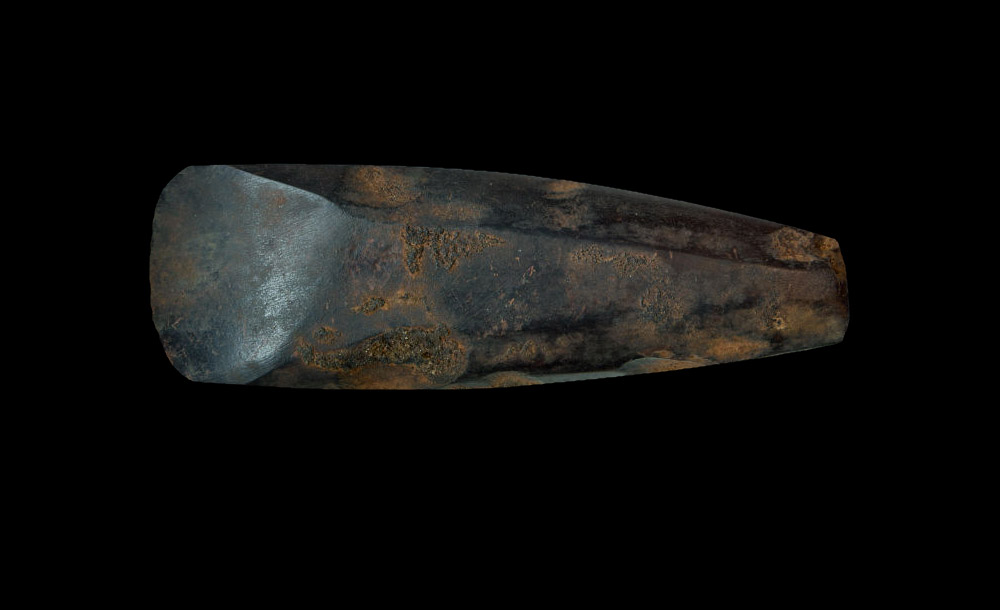
Archaeologists study earliest recorded human burial site in Ireland
Archaeologists have shed new light on the belief systems of early Mesolithic hunter-gatherers after analysing grave offerings from the earliest recorded human burial site in Ireland.
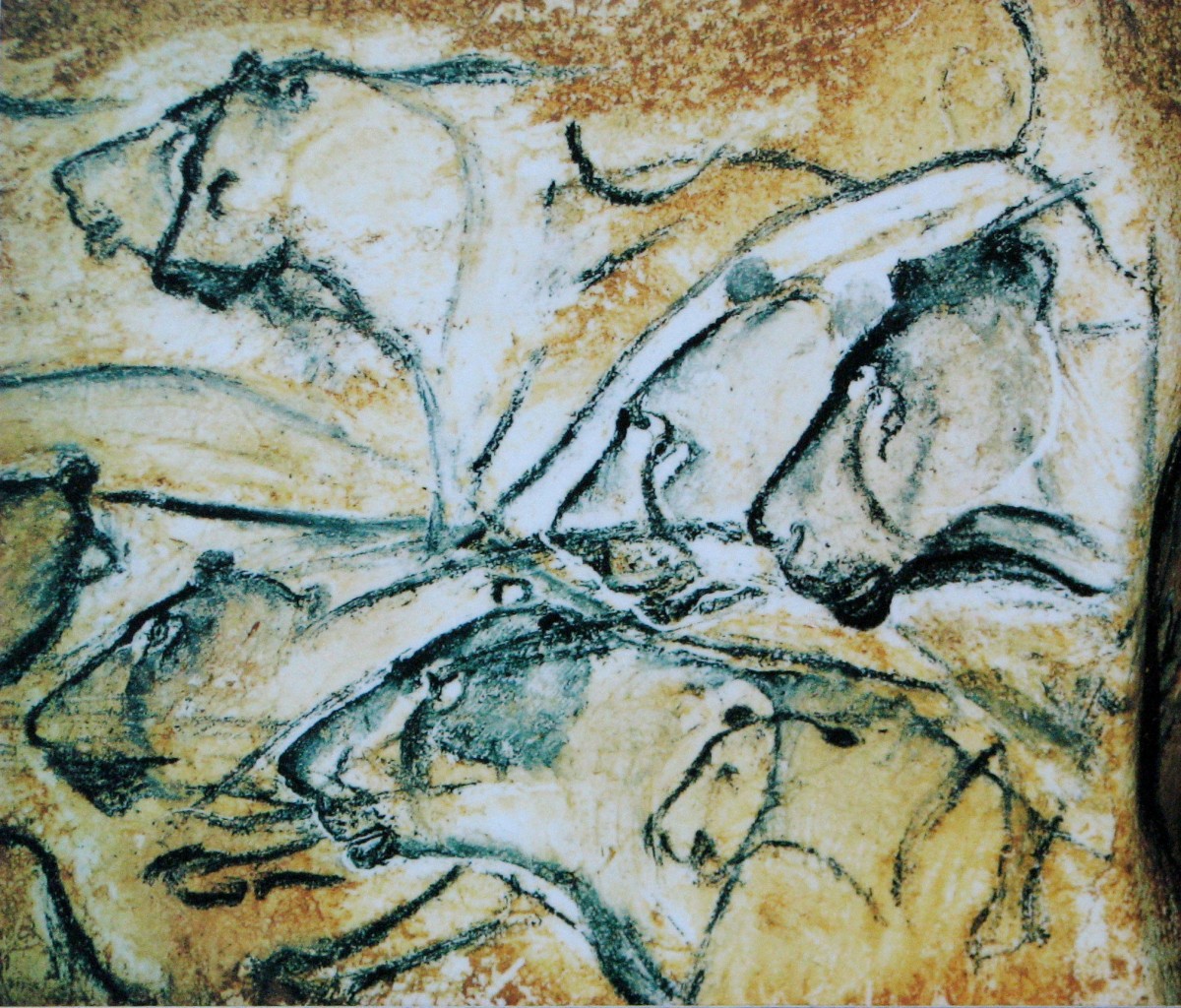
Autism and human evolutionary success
"It is the rise of collaborative morality that led to the possibility for widening the diversity of the human personality," researchers from University of York argue.
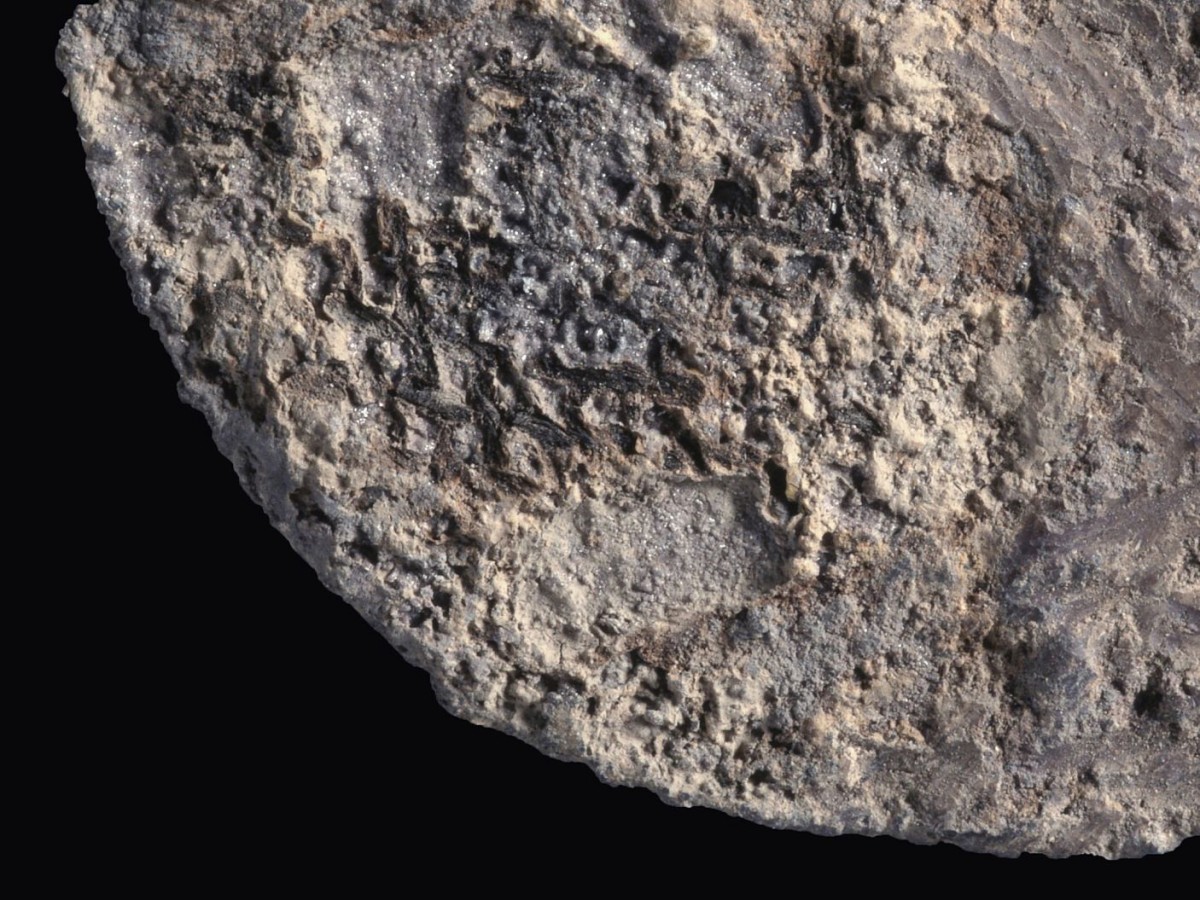
Rare cache of gold and silver offerings found in Canaanite Gezer
The trove was discovered within the foundations of a building, suggesting the objects were put there deliberately as offerings to the gods, to bless the building.
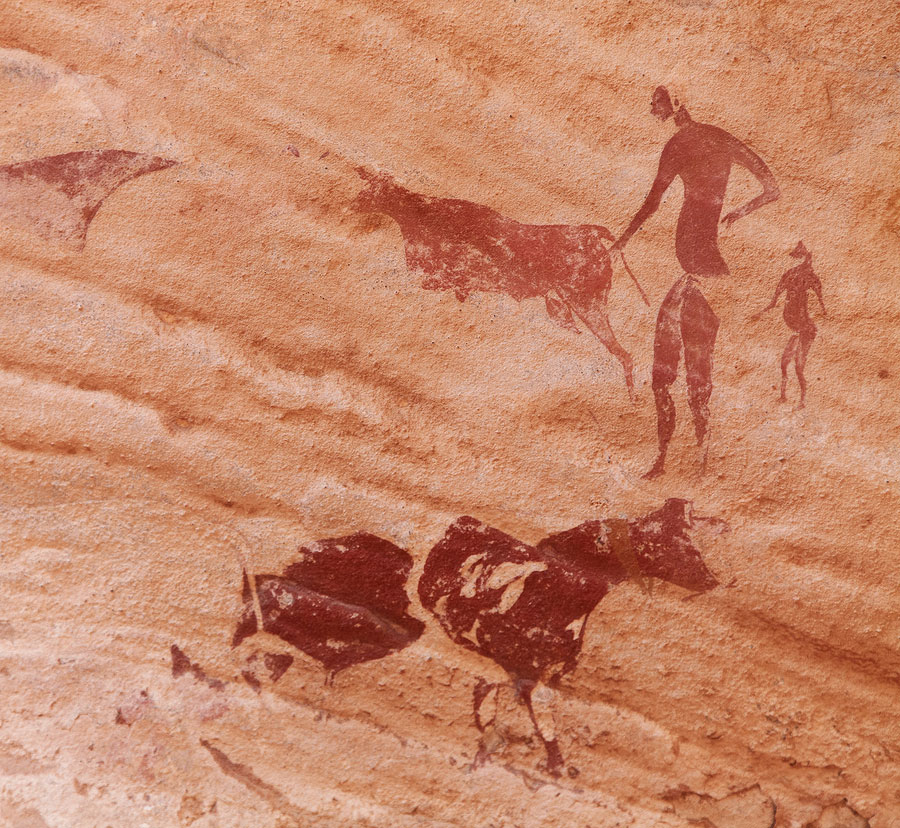
Early evidence of dairying discovered
New multidisciplinary study emphasises the existence of diverse use of animal products in the northern Mediterranean Neolithic.
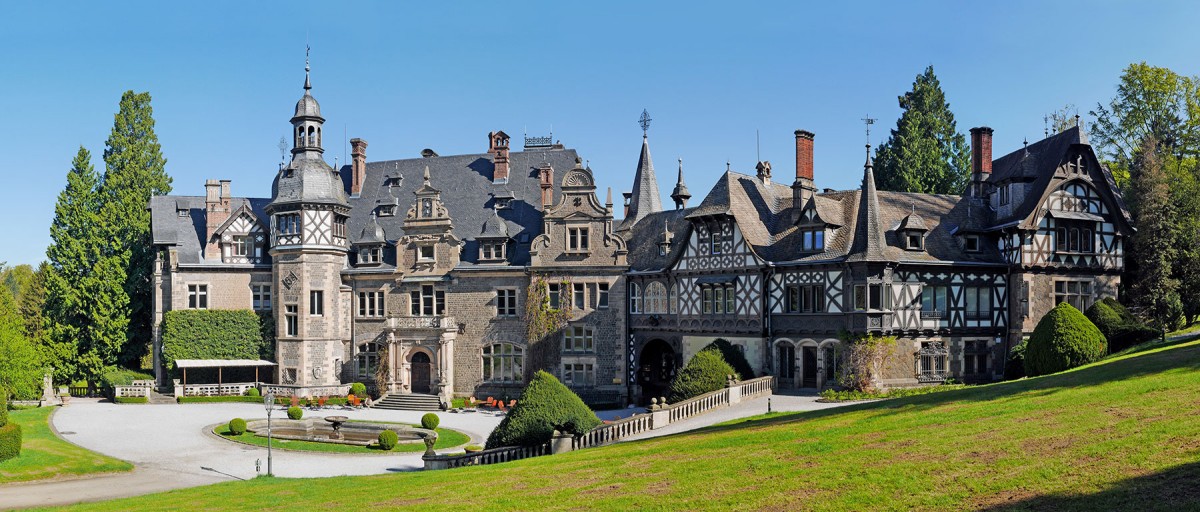
Reading history in antiquity
Conference examining the reader-response criticism and classical historiography.
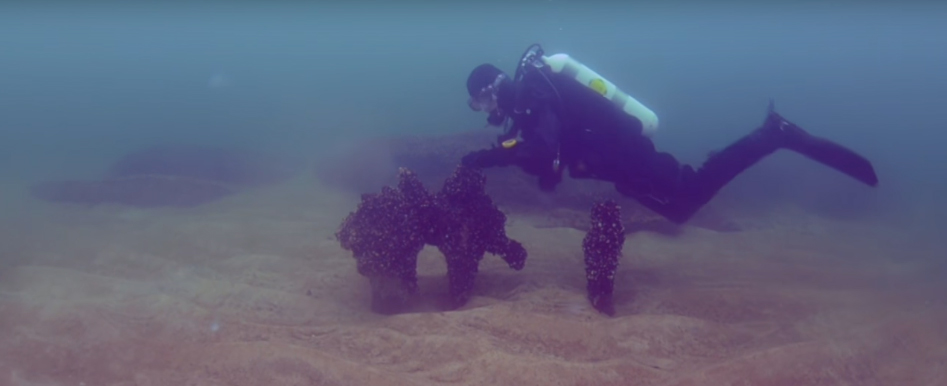
Underwater Stone Age settlement mapped out
Researchers have interpreted recent archaeological and geological findings as an old lagoon environment around 9,000 years ago.
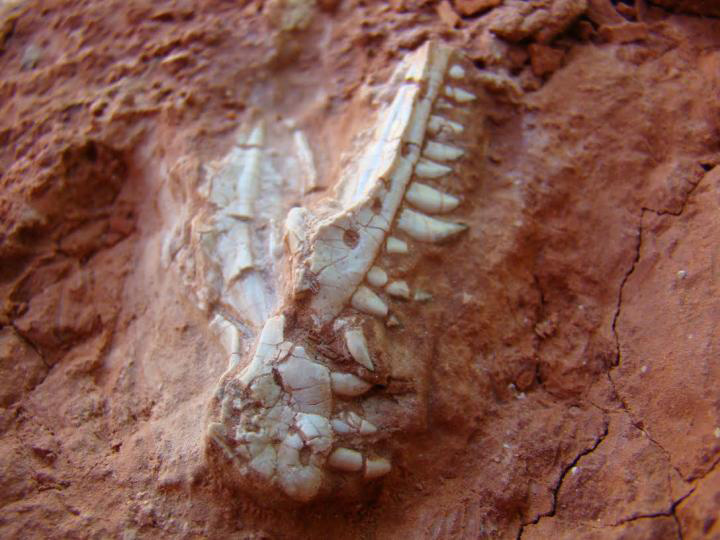
Dinosaurs’ rise was ‘more gradual,’ new fossil evidence suggests
The discovery made in Brazil represents the first time that a dinosaur and a dinosaur precursor have ever been found together.
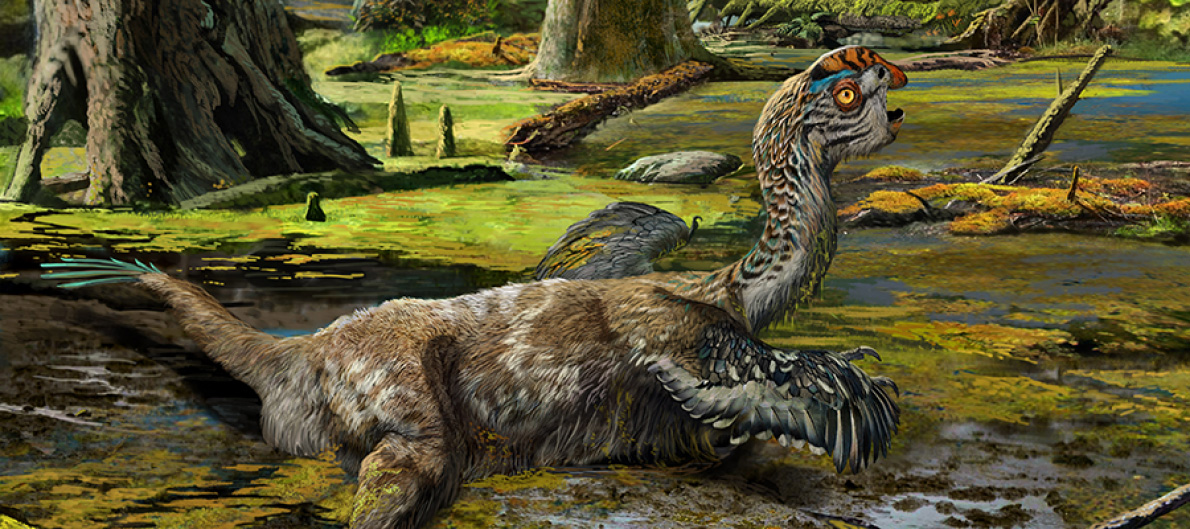
Dinosaur discovery casts light on final flurry of animals’ evolution
A fossil that almost went undiscovered is giving clues to a family of dinosaurs that flourished just before the mass extinction.
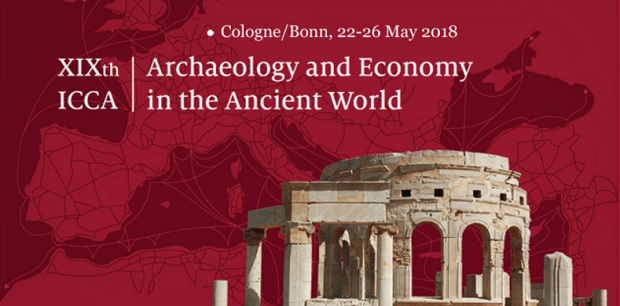
19th International Congress of Classical Archaeology
The 19th International Congress of Classical Archaeology 2018 will focus on the primary theme "Archaeology and Economy in the Ancient World".
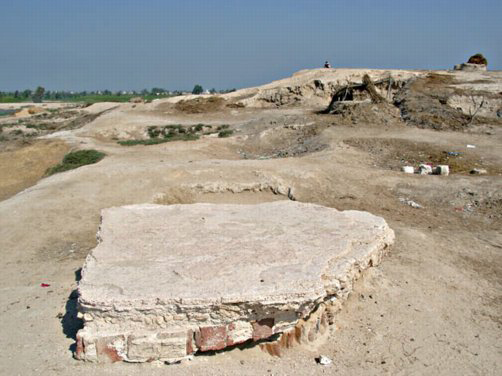
Delta Survey Workshop
This workshop aims, as before, to present a venue in which colleagues can share their research and fieldwork at Delta sites over the past two years.
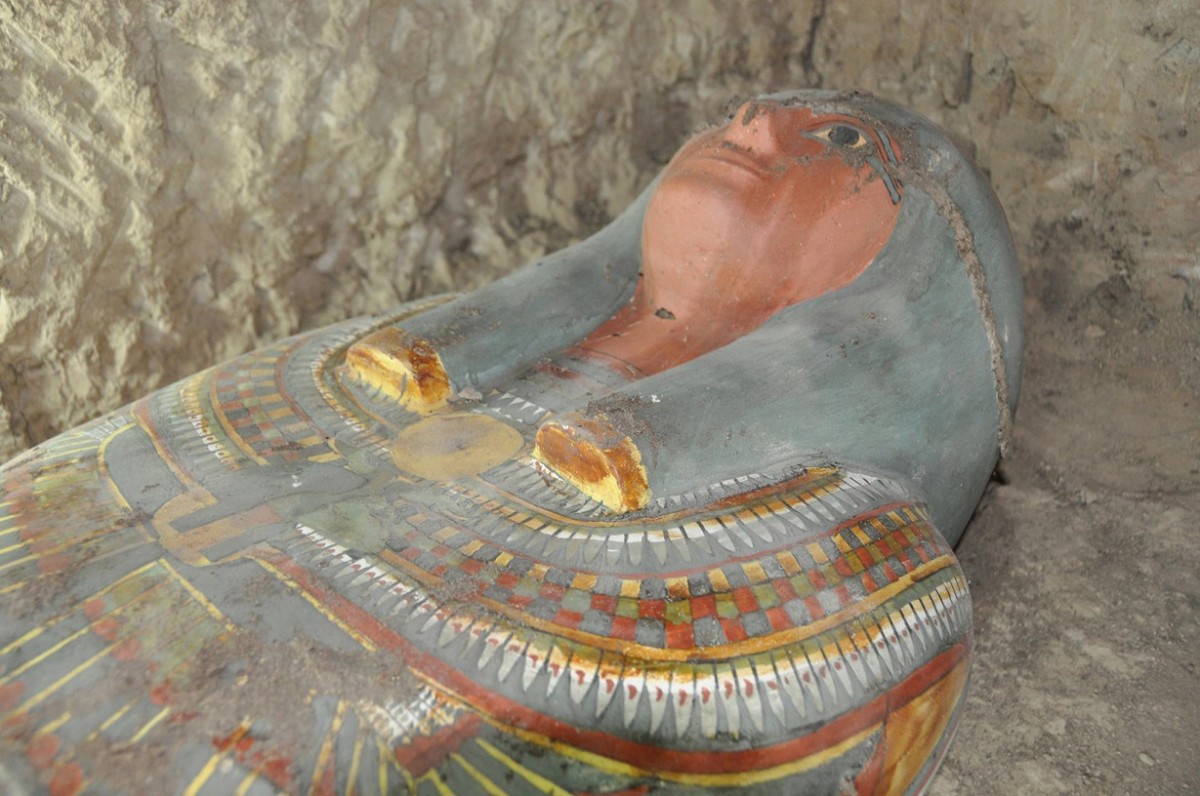
Third Intermediate Period tomb found in Luxor
The Spanish-Egyptian archaeological mission working at the Temple of Millions of Years of King Thutmose III, at Al-Deir Al-Bahari on Luxor's west bank, uncovered a Third Intermediate Period tomb at the temple’s southern enclosure wall.
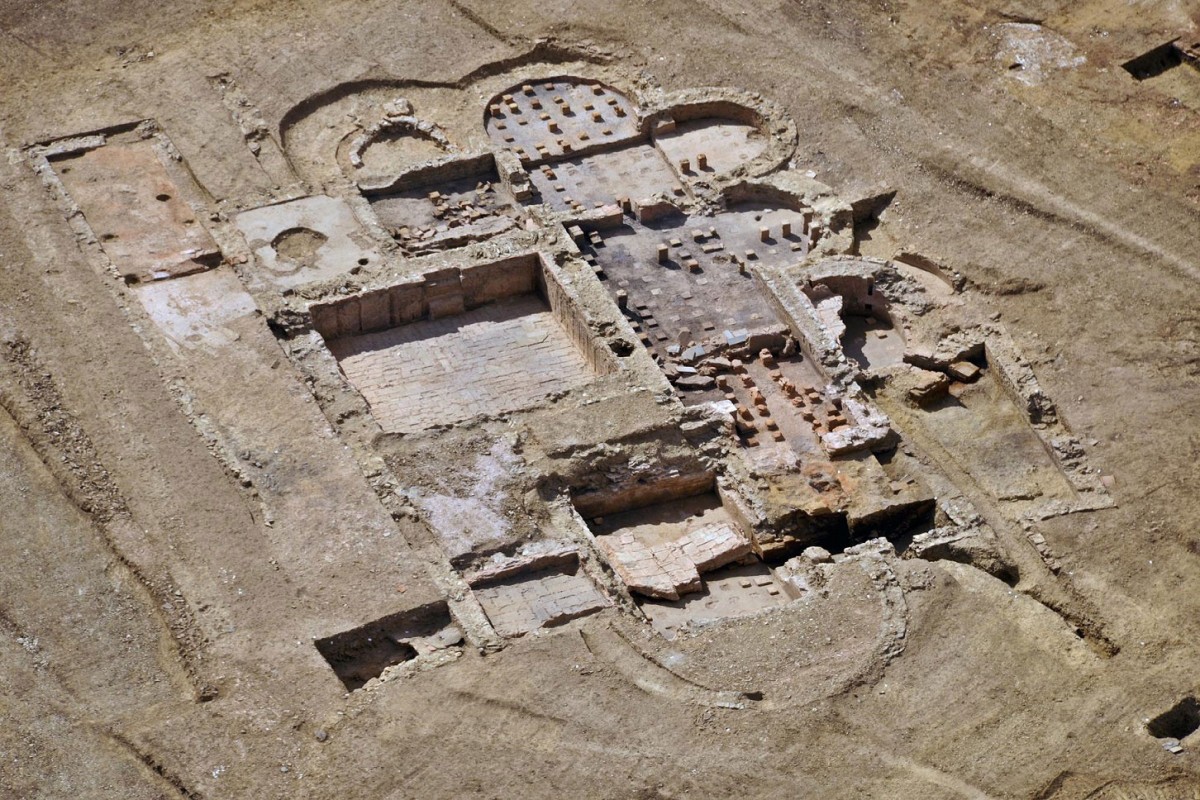
Large Gallo-Roman villa found In Brittany
It is thought that such a massive villa served as the country home of a rich and politically prominent noble family, probably of the Curiosolitae people.
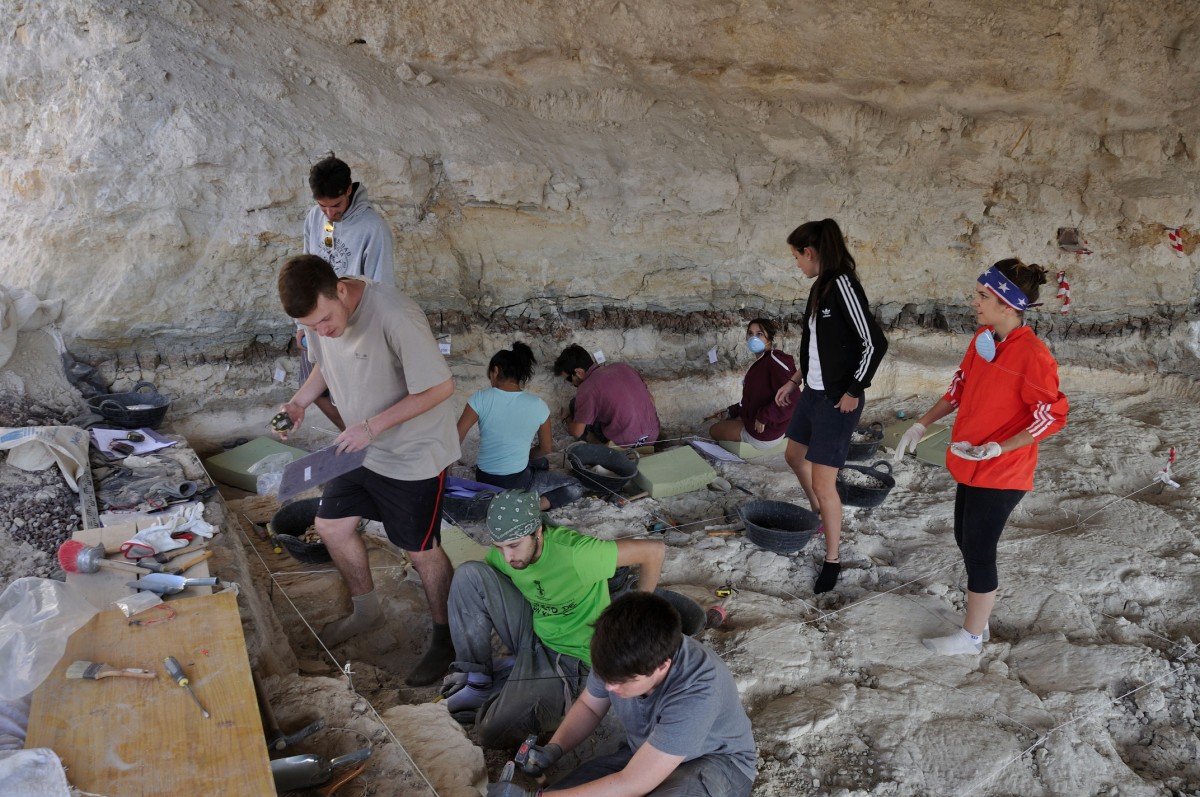
Evidence of human activity 1.4 million years ago in Orce, Granada
During the last campaign at the site of Barranco León in Orce, Granada the research team found remains of stone carving along with cutting and fracturing marks on the bones of animals that lived in the area.
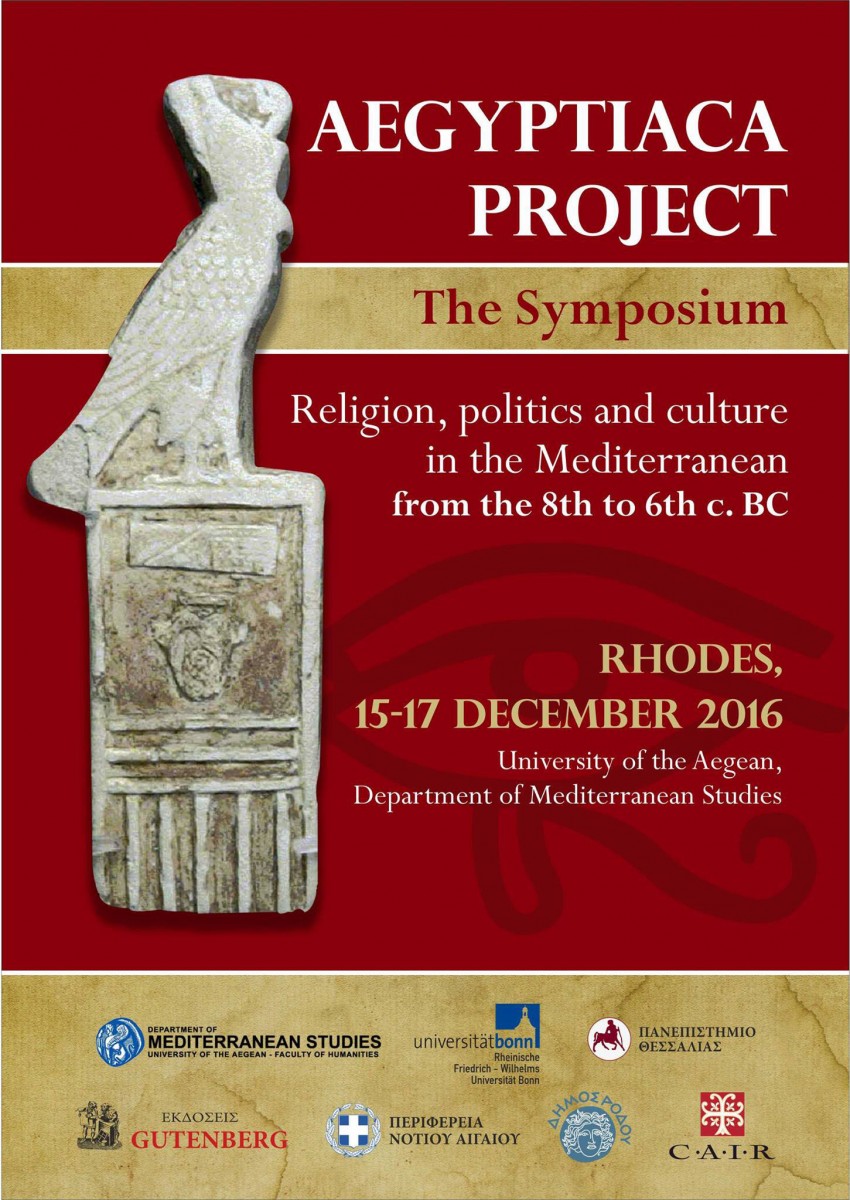
Aegyptiaca Symposium
It focuses on the Egyptian and Near Eastern material from the archaic Greek sanctuaries and on the re-evaluation of the Egyptian cross-cultural interactivity with the Aegean world.
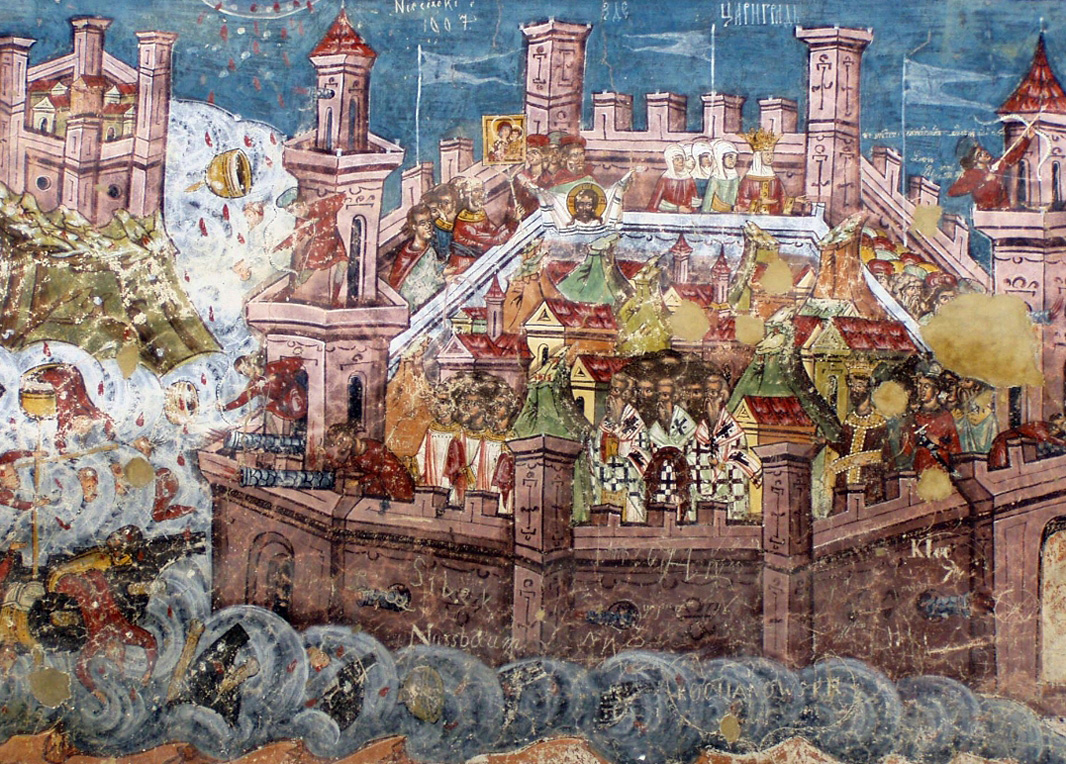
International Ancient Warfare Conference 2017
This conference will be held on the 28th, 29th and 30th of June 2017, at the National Library of Wales, Aberystwyth, Ceredigion, Wales, UK. Conference Organiser: Geoff Lee.
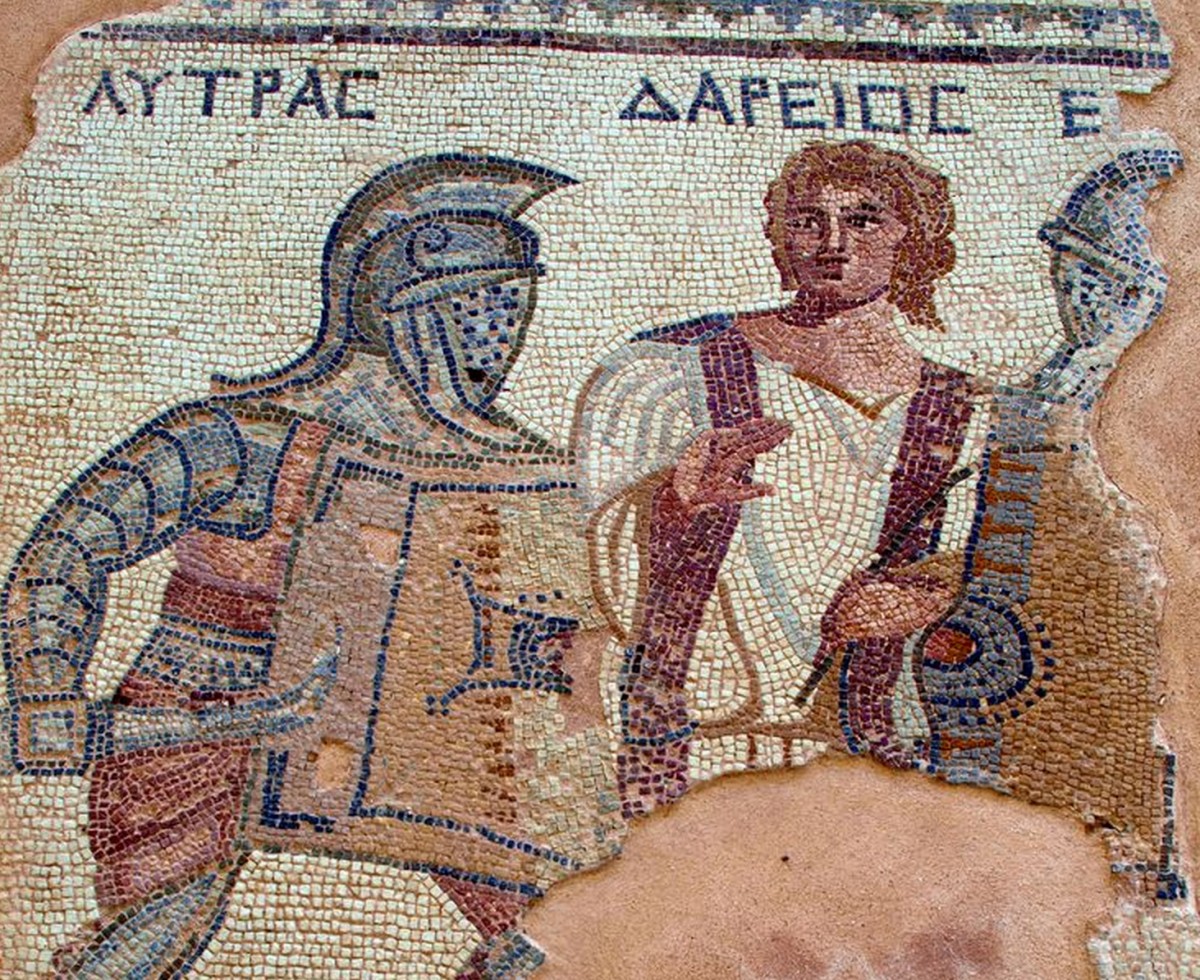
Spartacus – History and Tradition
On the 5th-6th of June 2017 the Department of Ancient History at Maria Curie-Skłodowska University in Lublin, Poland, will be organising an international conference titled “Spartacus- History and Tradition”.
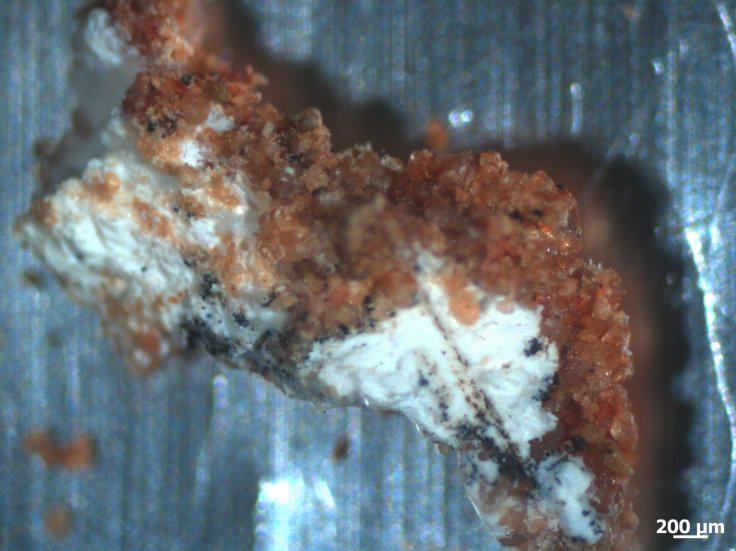
Original Dinosaur Claw Sheath Proteins Preserved for 75 Million Years
Citipati osmolskae was an emu-sized dinosaur that lived in what is now Mongolia during the Cretaceous period...
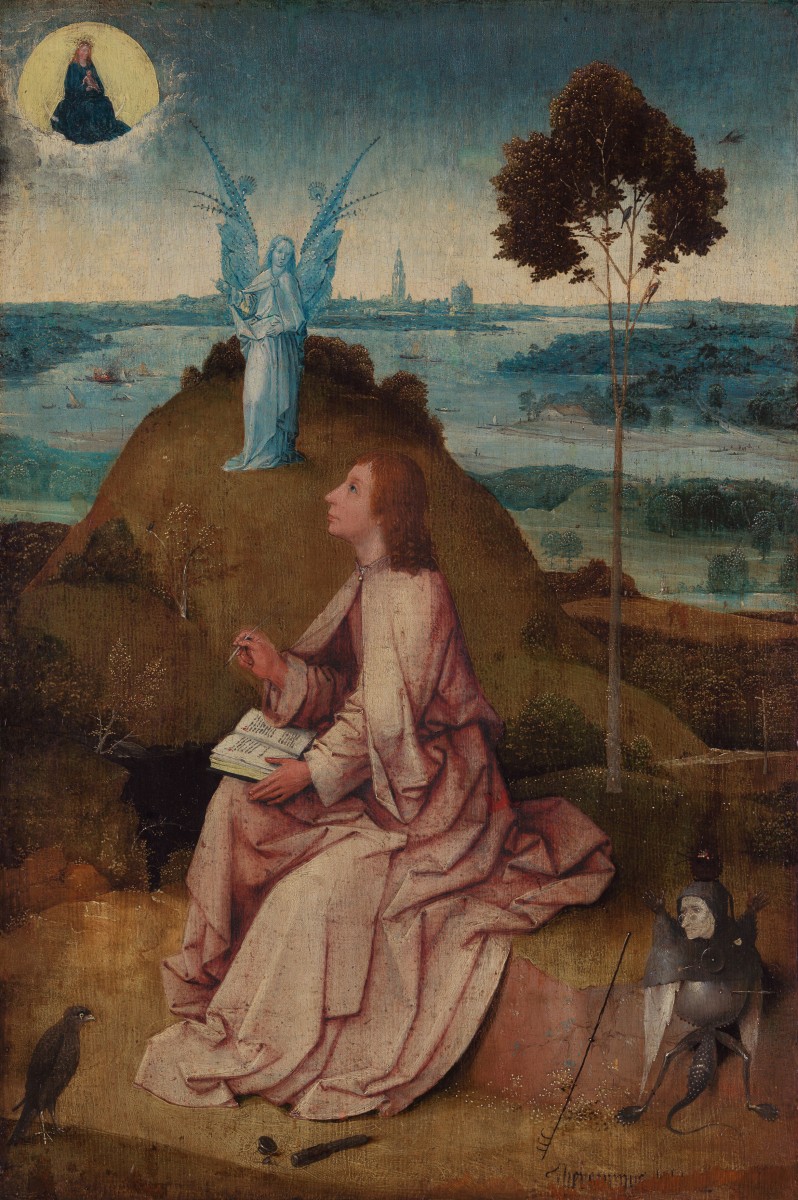
Hieronymus Bosch and his pictorial world in the 16th and 17th Century
The Gemäldegalerie and the Kupferstichkabinett will stage a studio exhibition displaying their holdings of Bosch's own work, as well as copies made from it and artworks inspired by it.
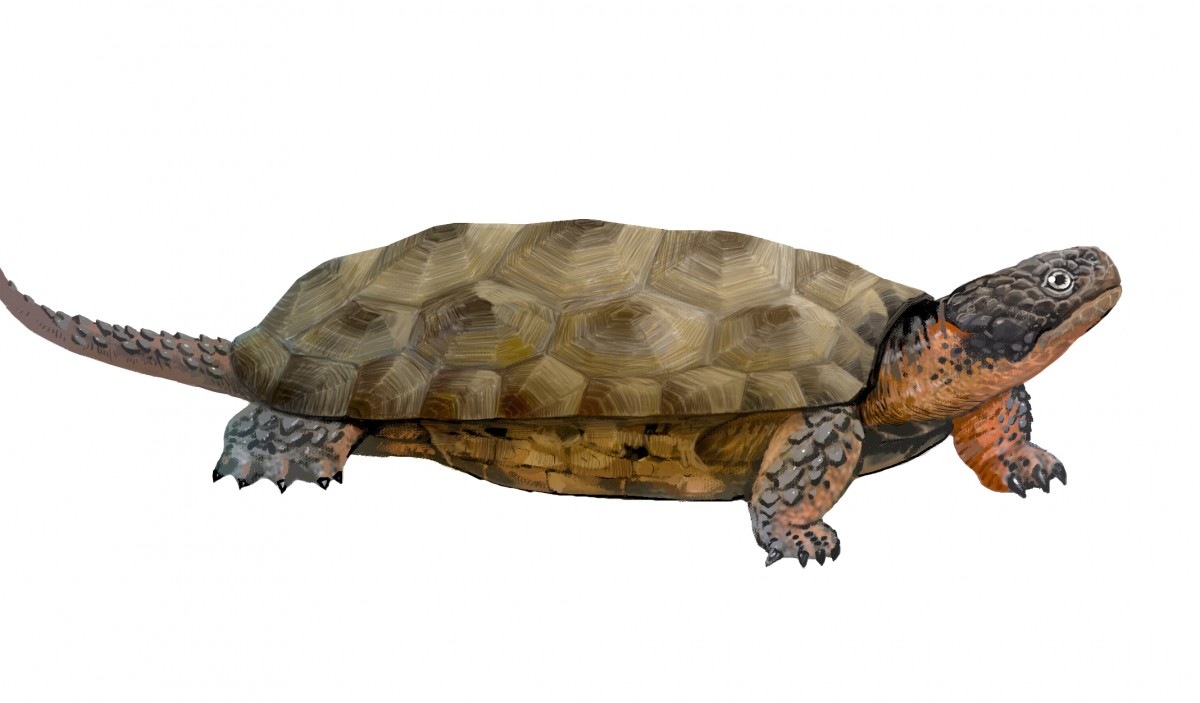
Ancient toothed turtles survived until 160m years ago
Today’s turtles don’t have teeth; they cut off their food using hard ridges on their jaws. But their ancestors were not so dentally challenged.
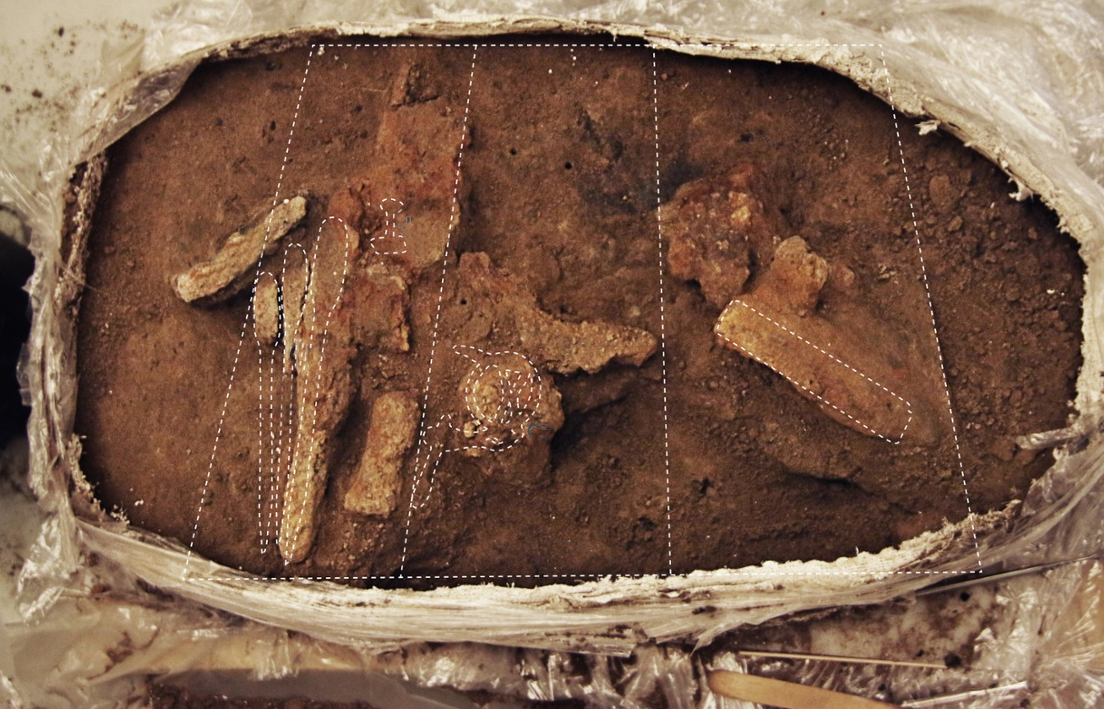
A Viking toolkit discovered in the Borgring
Discovered in the “Borgring”, the ring fortress near Køge in Denmark, a 1,000-year-old toolbox is the first direct evidence of life in the Viking castle.