


Viking tomb found in Denmark contains noble couple
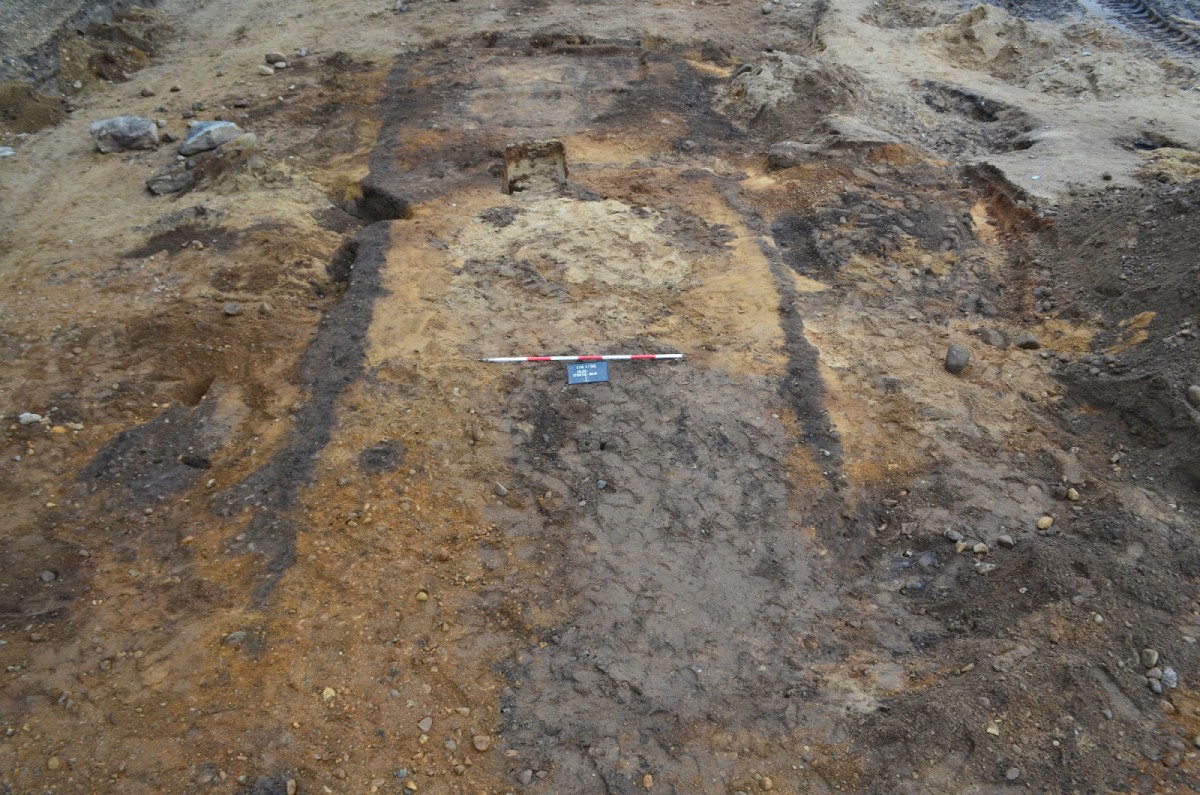
A tomb containing the remains of two men and a woman found in Denmark offers valuable information on international Viking culture.
Sacrificed animals in Canaan came from Egypt
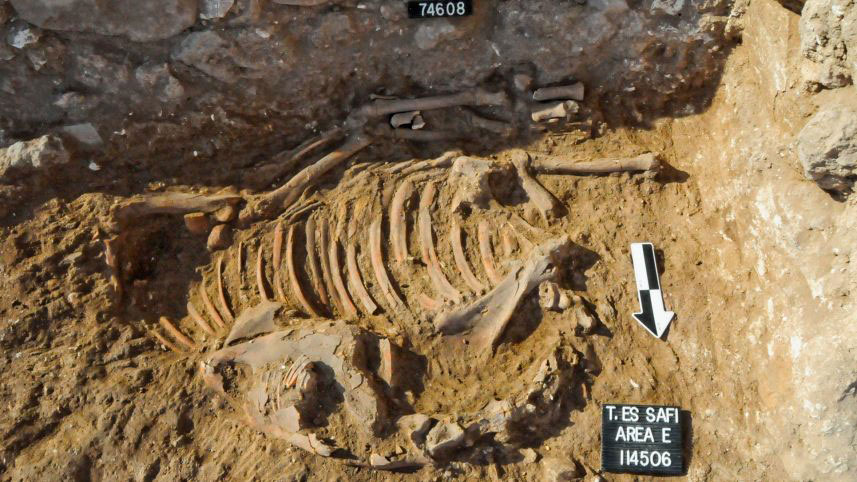
Archaeologists at Gath have uncovered remains of sacrificed animals coming from Egypt, establishing animal trade connections between the Old Kingdom and ancient Canaanites about 5,000 years ago.
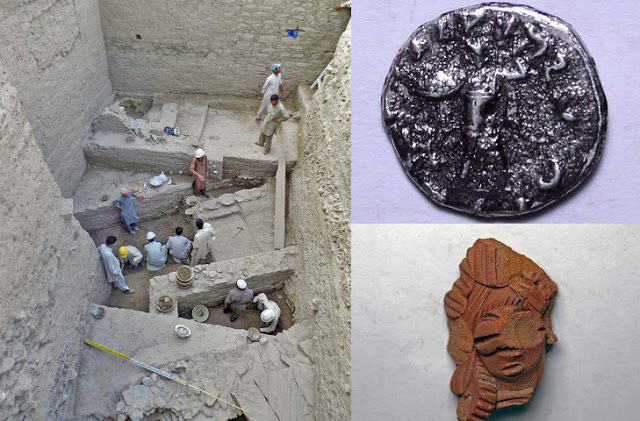
An Indo-Greek city’s ruins have been found in Pakistan
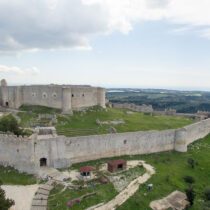
The city is characterized by a large defensive wall, while weapons and coins as well as important pottery point to the Indo-Greek identity of the settlers.
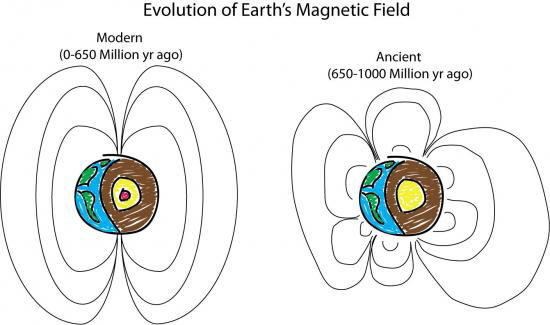
What did Earth’s ancient magnetic field look like?
New research suggests Earth’s ancient magnetic field was significantly different than the present day field, originating from several poles rather than the familiar two
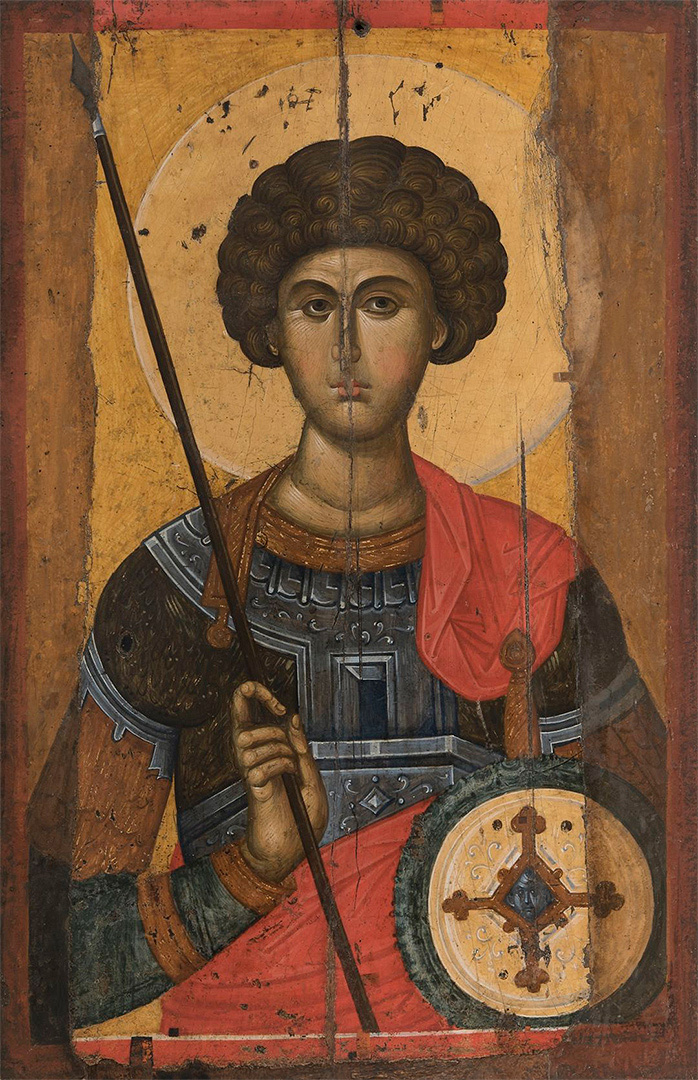
Byzantium through the Centuries
On 24 June 2016 the exhibition Byzantium through the Centuries opened in the State Hermitage as one of the main events of this cross-cultural year.
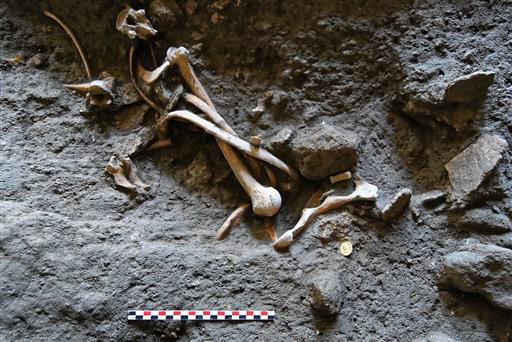
Skeletons and gold coins found near Pompeii
Archaeologists discovered four skeletons and gold coins on the outskirts of Pompeii, at an excavation of an ancient shop.
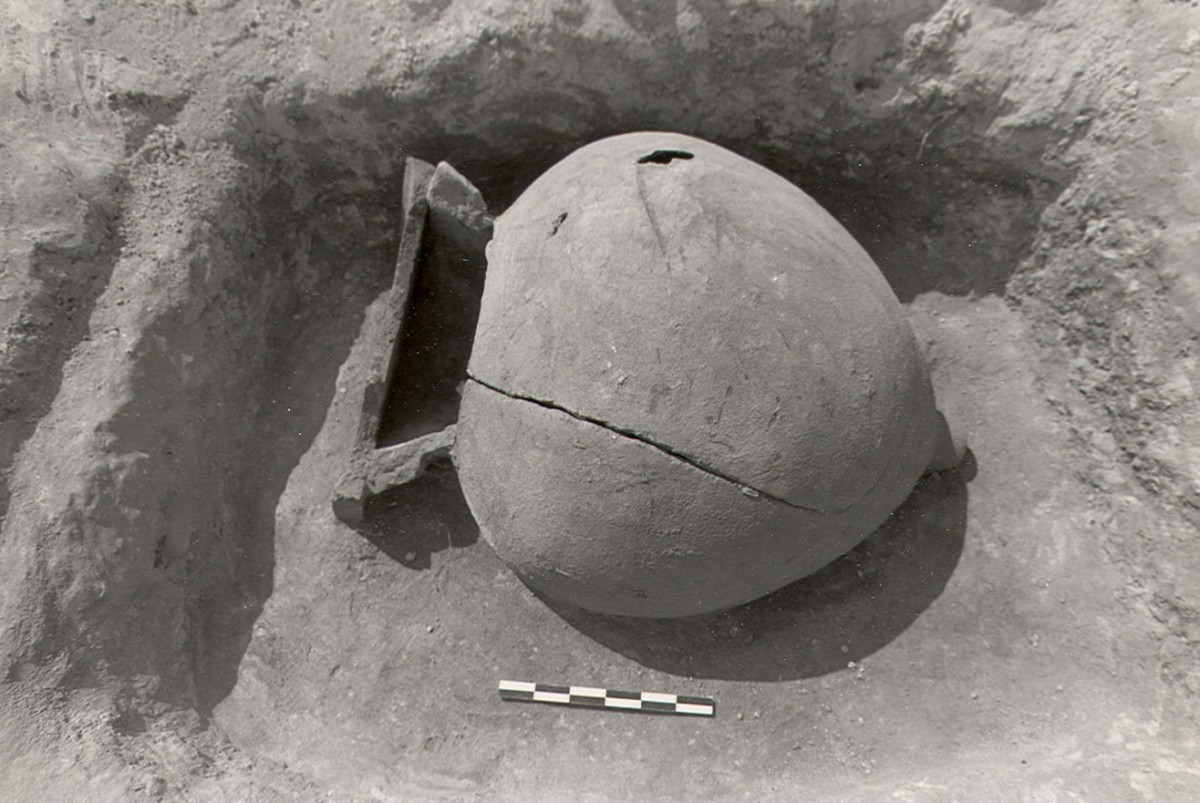
The cemetery at the site of Triantafyllia in Livanates (6th-2nd c. BC)
This paper focuses mainly on the burial practices of the cemetery at the site of Triantafyllia Livanates in Opuntian Locris by presenting the particular practice of burying the dead exclusively in jars.
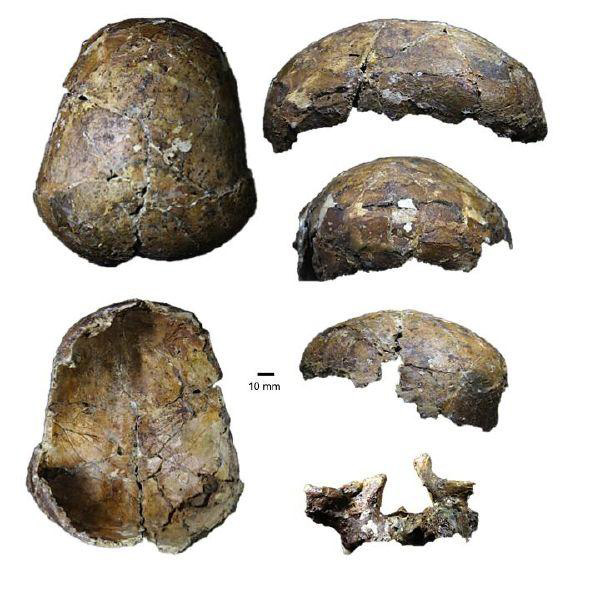
Ancient ‘Deep Skull’ from Borneo full of surprises
A new study of the 37,000-year old remains of the "Deep Skull" has revealed this ancient person was not related to Indigenous Australians, as had been originally thought.
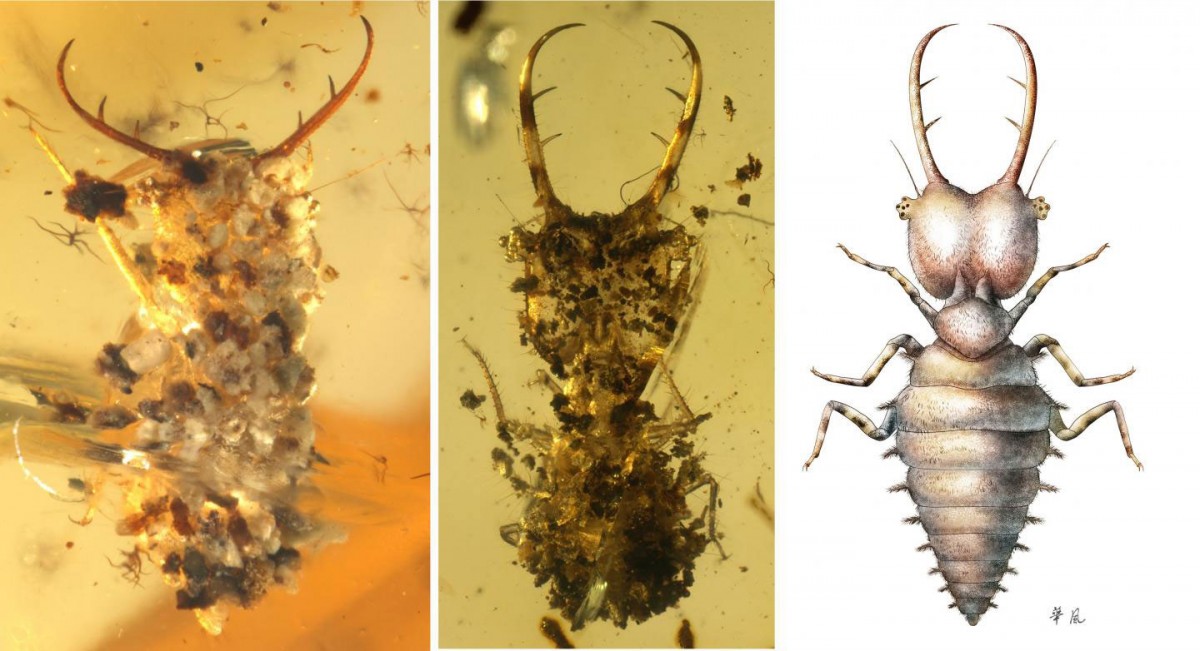
Amber fossils reveal ancient insect camouflage behavior
Insects have evolved diverse types of camouflage that have played an important role in their evolutionary success.

Professor discovers new origins for farmed rice
Rice farming is a far older practice than we knew. In fact, the oldest evidence of domesticated rice has just been found in China, and it’s about 9,000 years old.
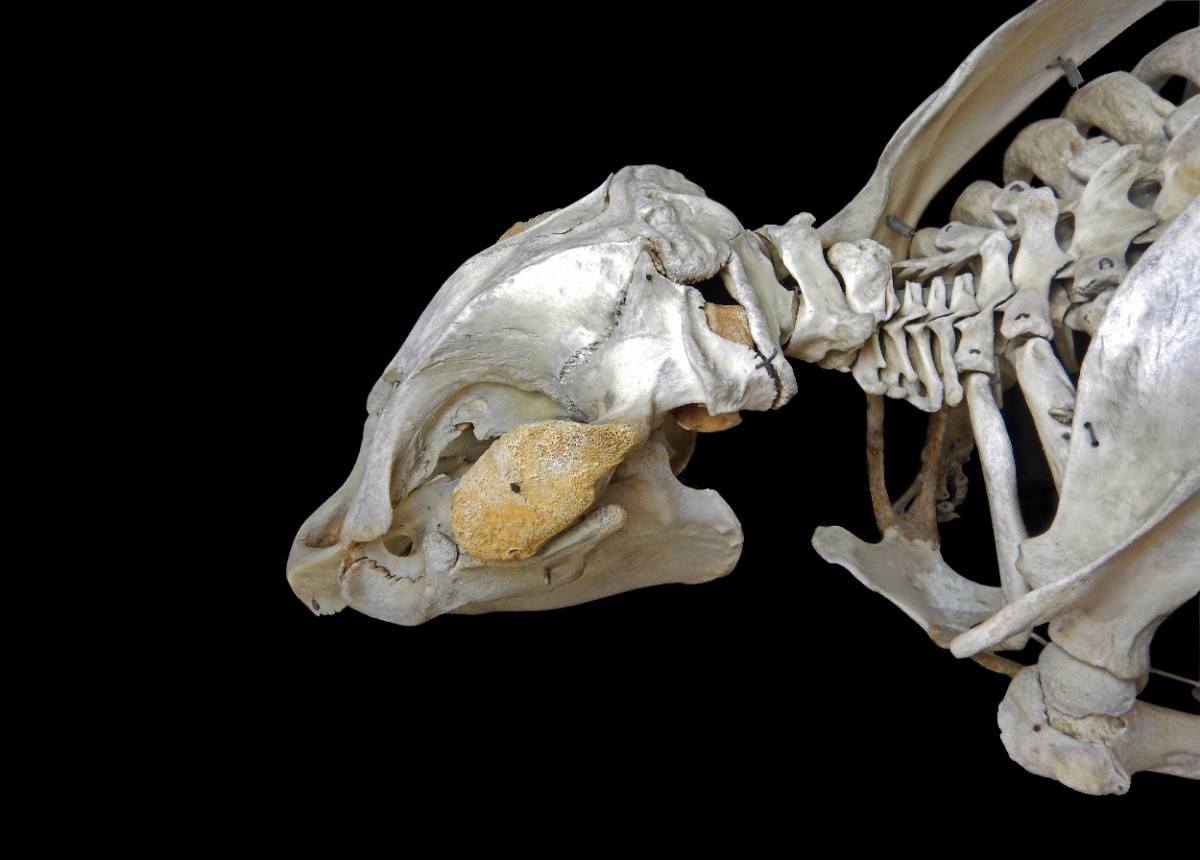
The call of the sea: Mammalian evolutionary transitions back to the sea
Though mammals adapted on land, a new study has shown that during three major independent evolutionary events, a number of mammals harkened back to the sea.
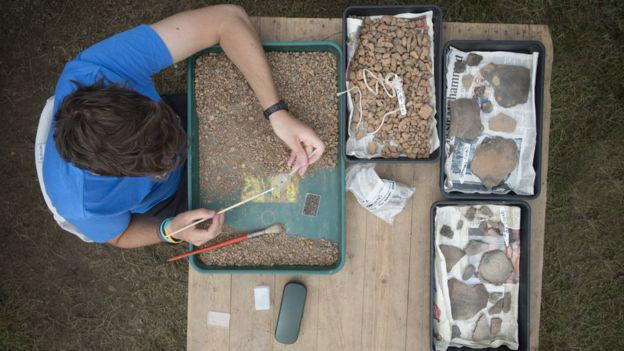
Devon excavation remaps limits of Roman empire
A team of archaeologists, students and local volunteers have unearthed evidence of a Romano-British settlement in a rural Devon village.
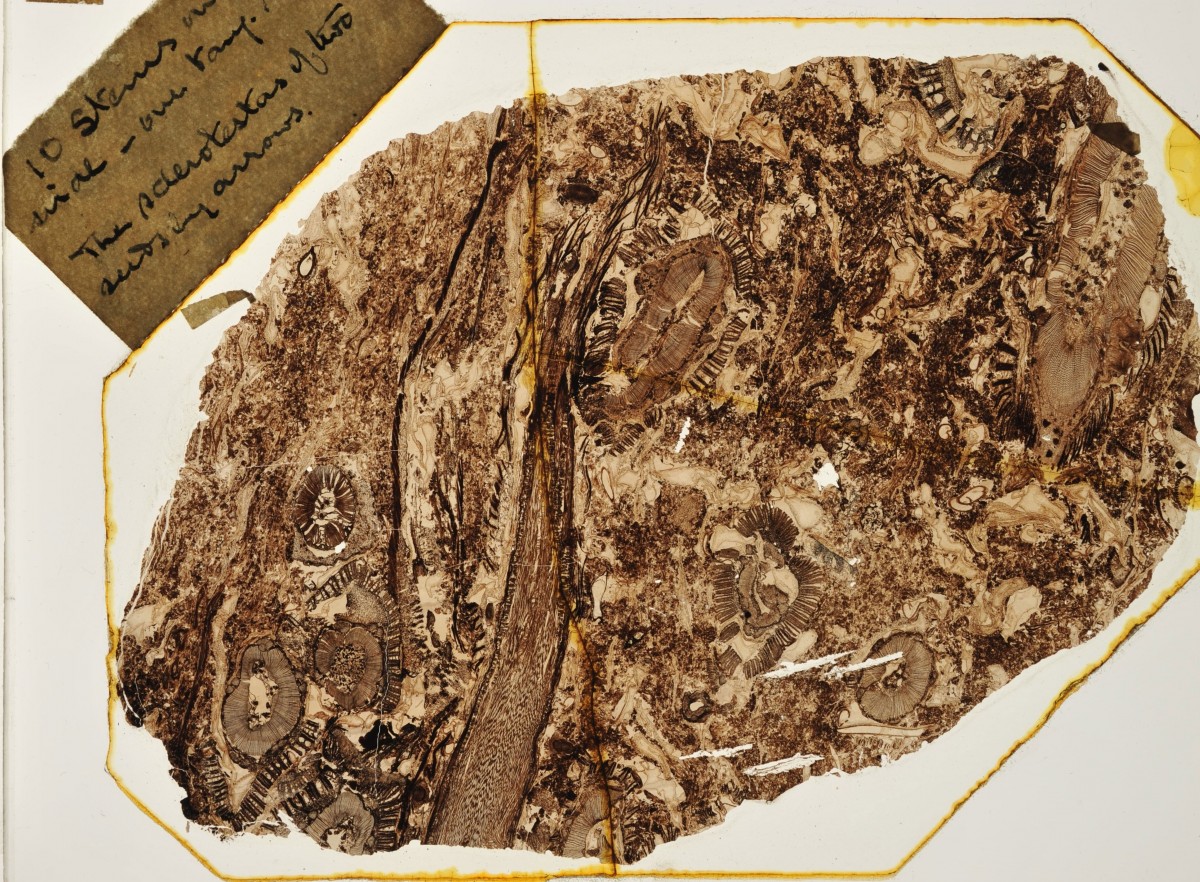
Fossilized root meristems from 300-million-year old soil found
Scientists at Oxford University have discovered the oldest known population of plant root stem cells in a 320 million-year-old fossil.
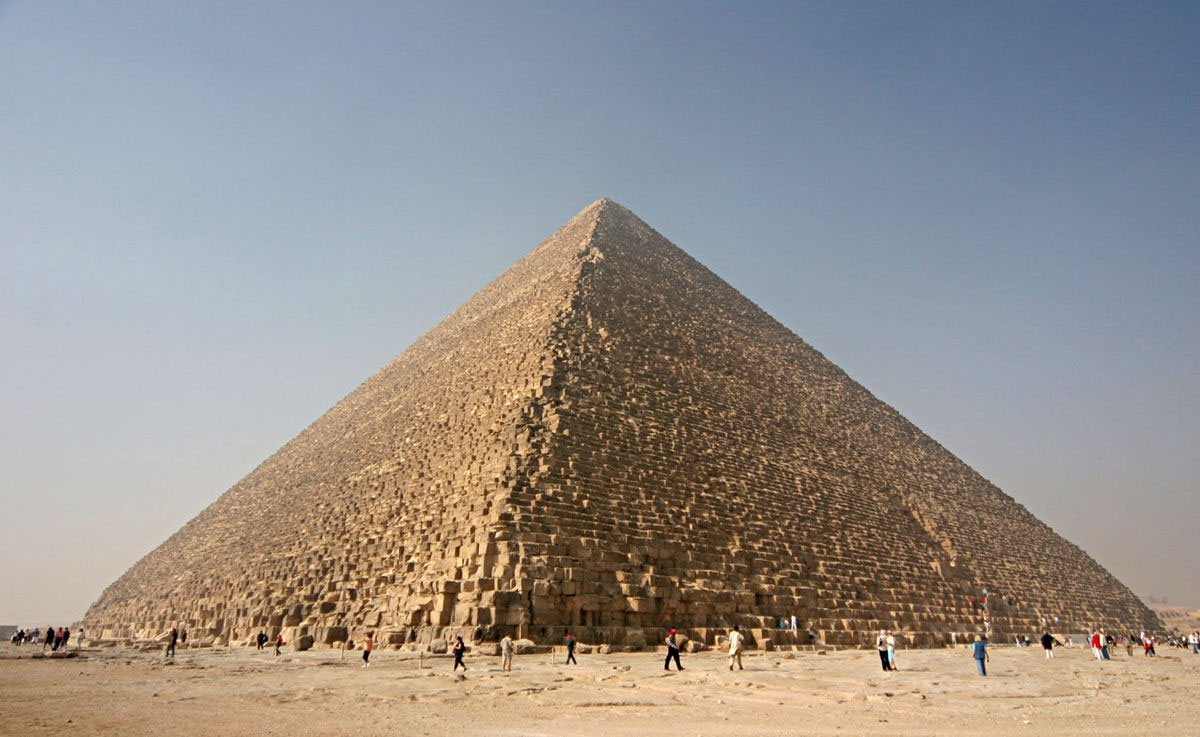
The base of the Great Pyramid of Giza is not quite square
Scientists have concluded that the base of the Great Pyramid of Giza is lopsided, due to a mistake made by builders during its construction.
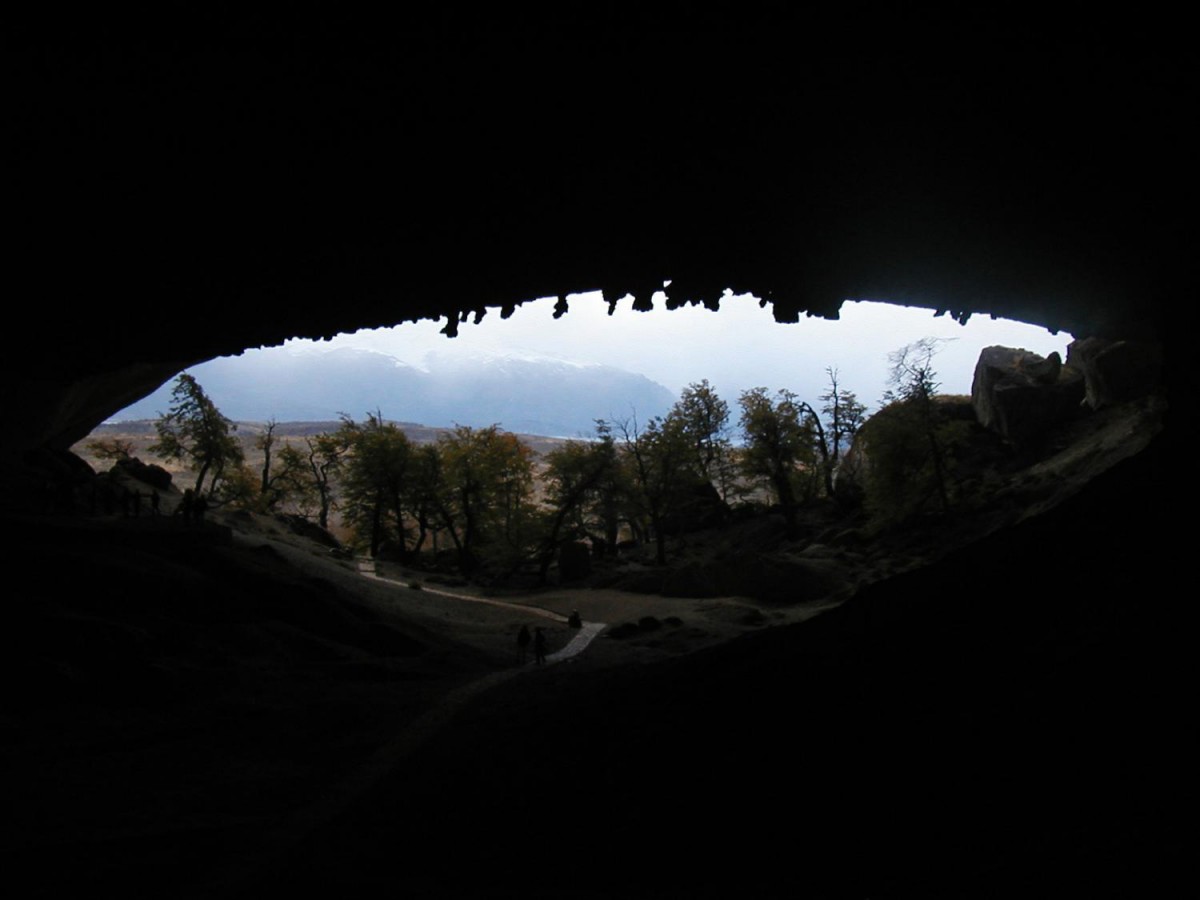
Ancient DNA shows perfect storm felled Ice Age giants
Giant Ice Age species that once roamed the windswept plains of Patagonia were finally felled by a perfect storm of a rapidly warming climate and humans, a new study has shown.
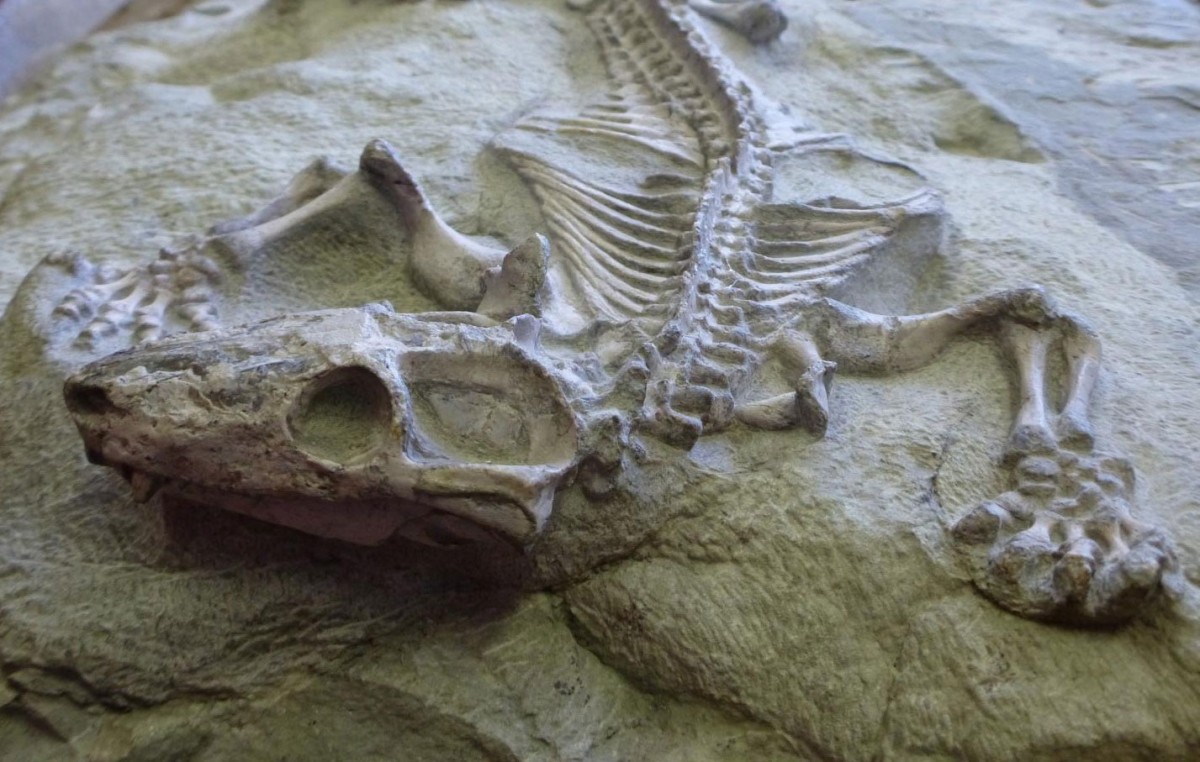
How the mouse outlived the giant
Groundbreaking research by Wits scientists sheds light on the ancestry of mammals and the origin of hair.
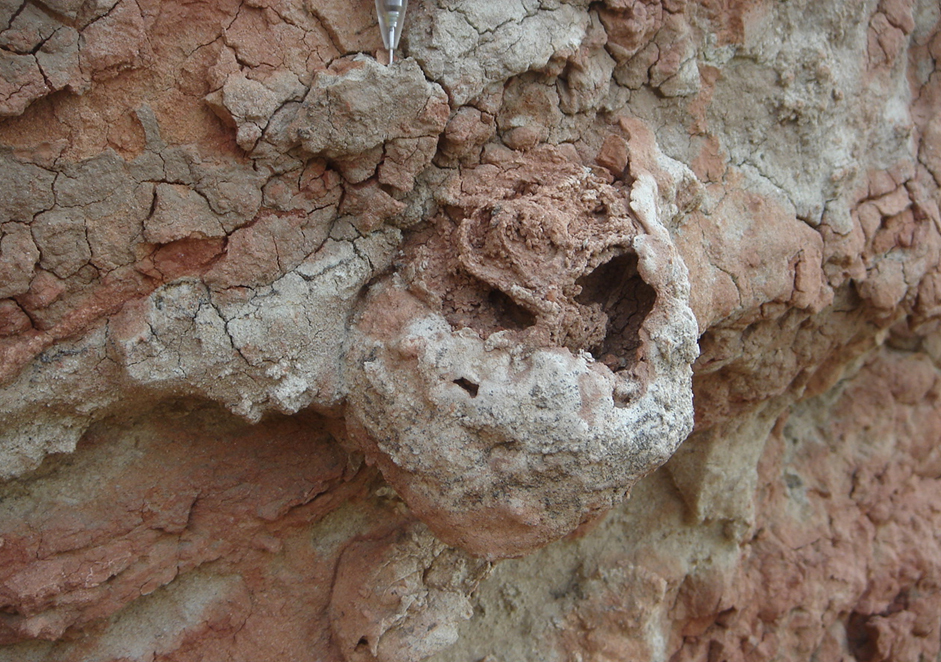
The world’s oldest farmers
An international team of researchers has discovered the oldest fossil evidence of agriculture, not by humans, but by insects.
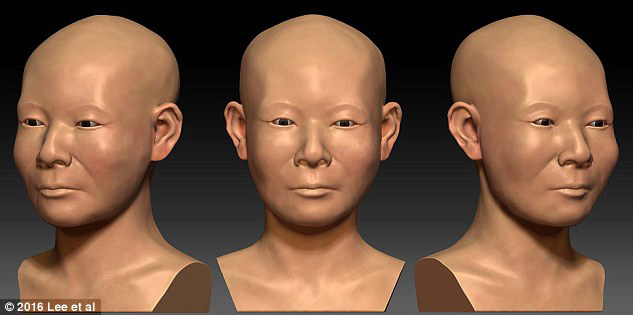
Elongated skull from Silla culture unearthed in Korea
The "cone-headed" skull of a woman’s remains found in Korea has puzzled archaeologists.
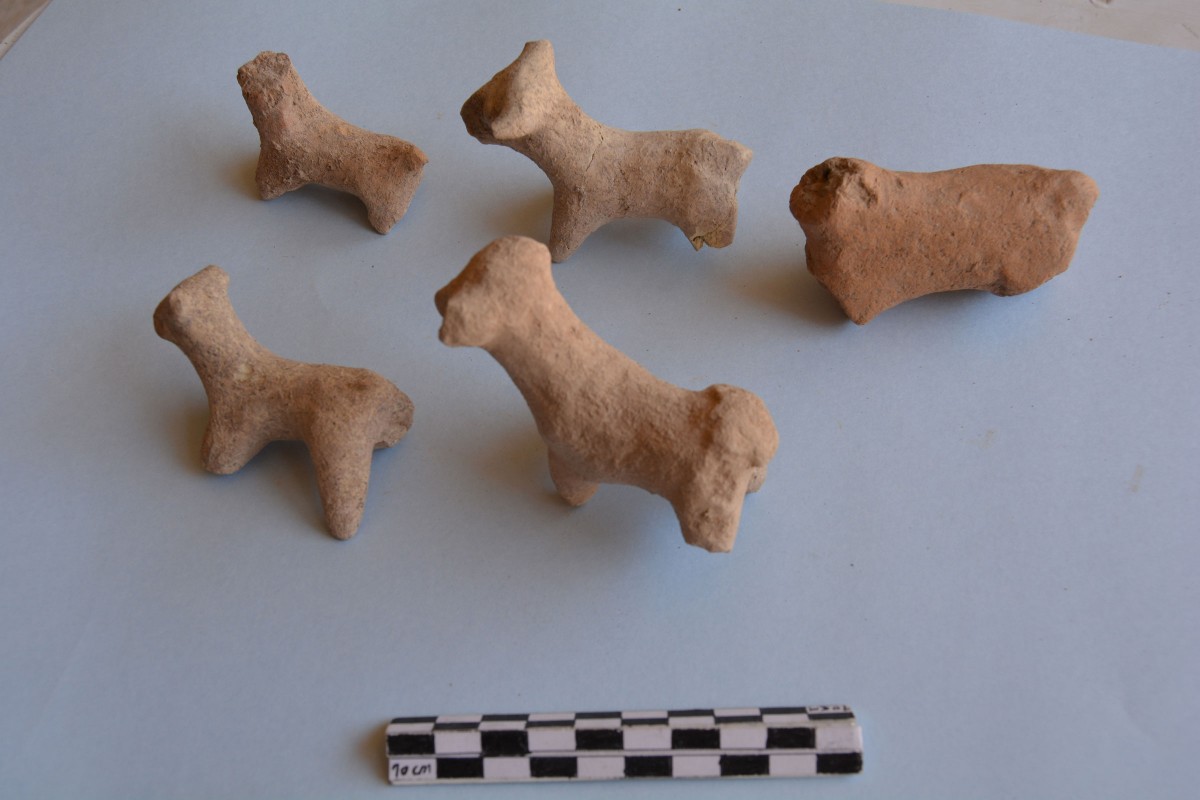
Iraqi Kurdistan Site Reveals Evolution towards the First Cities of Mesopotamia
A Universitat Autònoma de Barcelona (UAB) campaign at the site of Gird Lashkir, in Iraq, reveals the evolution from the first farming societies to the consolidation of the first cities of Mesopotamia.
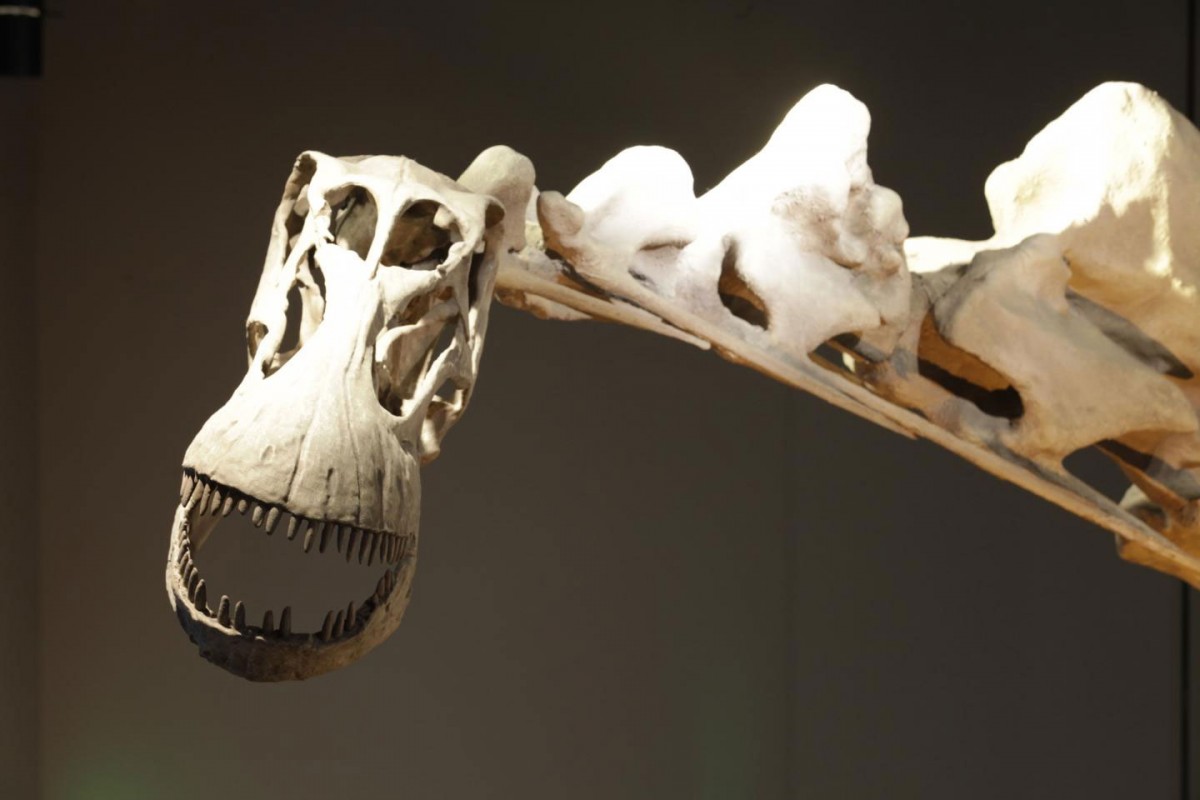
Research on massive vertebrae sheds new light on Alamosaurus sanjuanensis
Paleontologists from the Perot Museum have co-authored a paper about nine beautifully articulated vertebrae discovered nearly two decades ago.
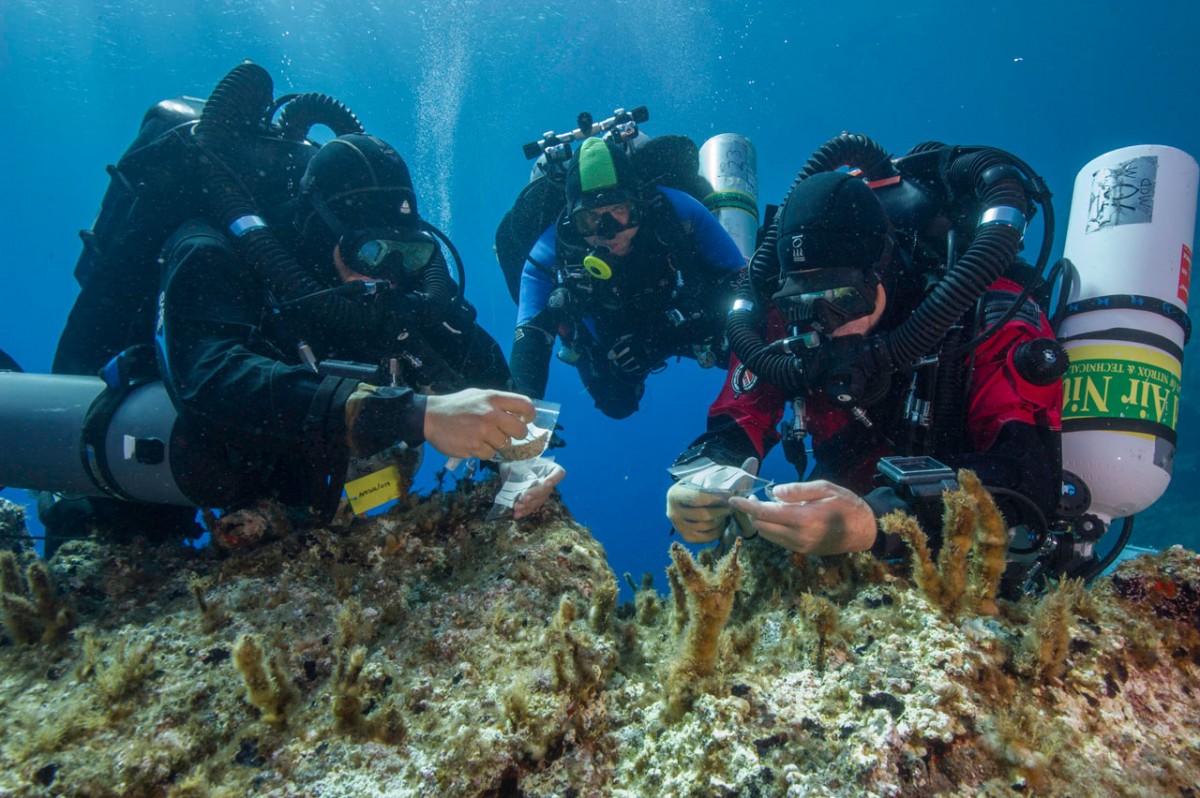
Artifacts discovered on return expedition to Antikythera Shipwreck
An international research team has discovered spectacular artifacts during its ongoing excavation of the famous Antikythera Shipwreck (circa 65 BC) this month.
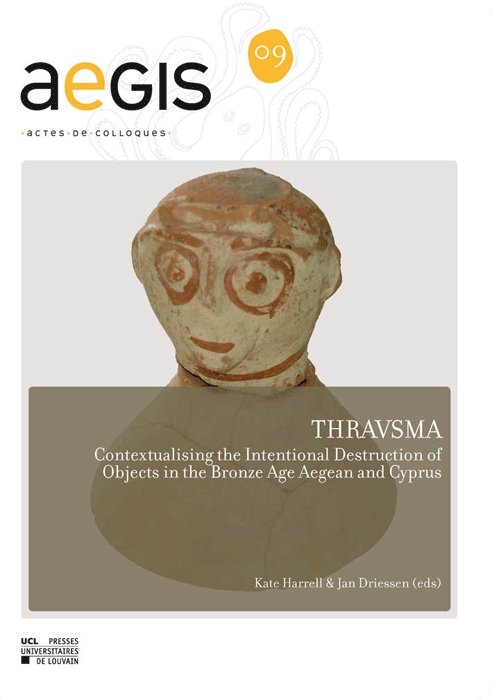
Thravsma. Contextualising the Intentional Destruction of Objects in the Bronze Age Aegean and Cyprus
This volume is an initial step in addressing a gap in the scholarship by aiming to deconstruct and contextualize the practice of intentional fragmentation.
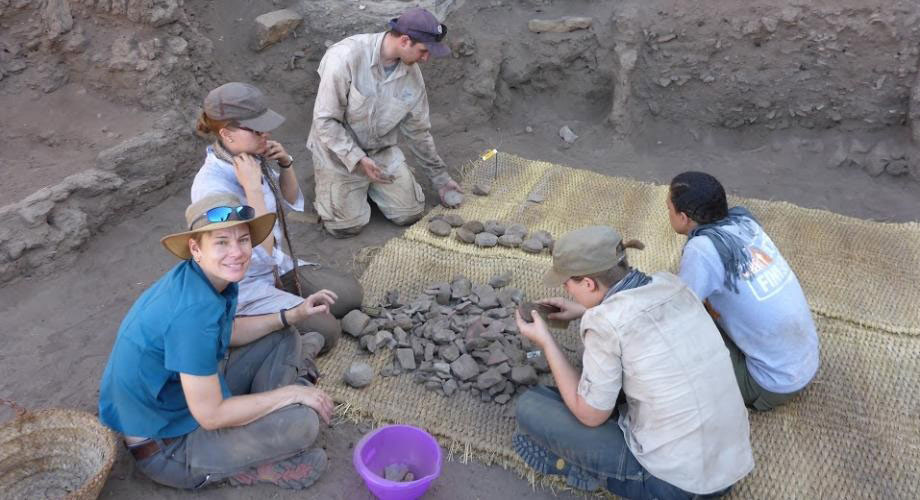
Book chronicles rise of urban planning in ancient Egypt
The pyramids and temples of Egypt were the result of some of the world’s first urban planners—the ruling pharaohs who invested in town planning.
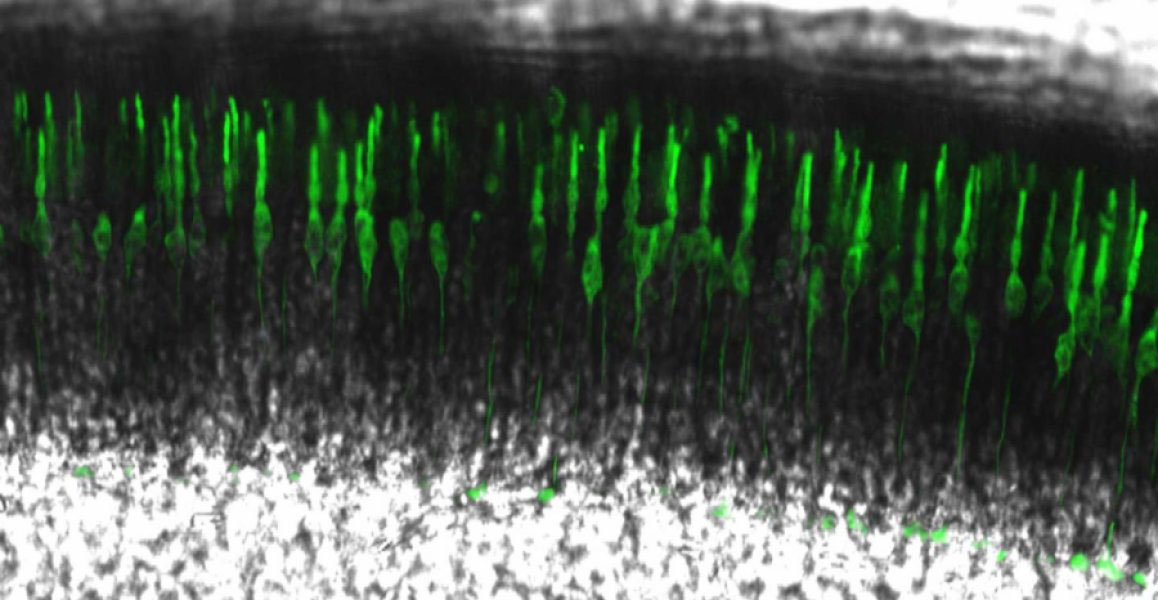
How early mammals evolved night vision to avoid predators
Early mammals evolved in a burst during the Jurassic period, adapting a nocturnal lifestyle when dinosaurs were the dominant daytime predator.