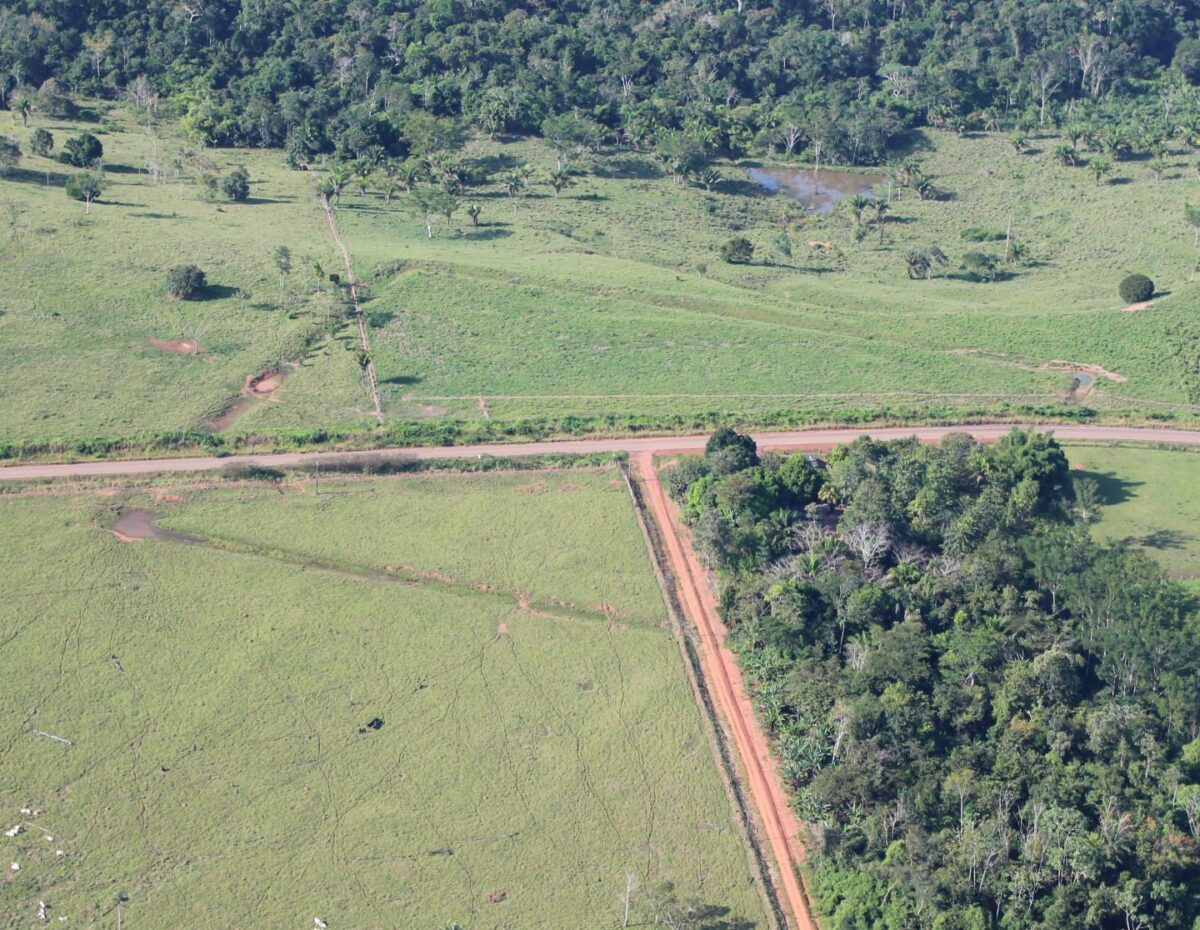
Early human landscape modifications discovered in Amazonia
No evidence of extensive savannah formations during the current Holocene period.
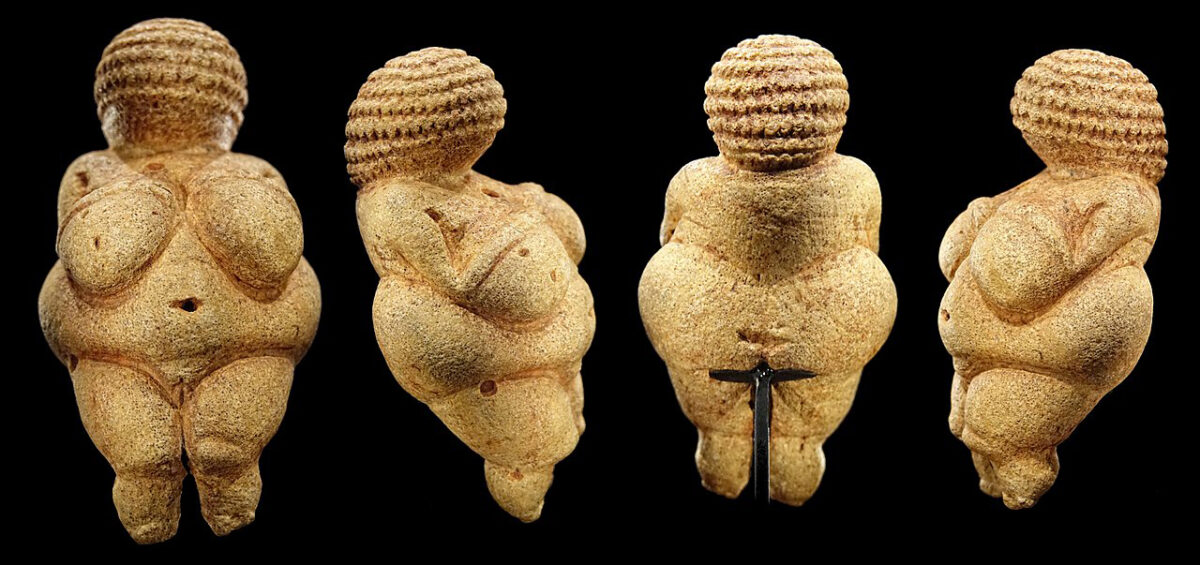
CU Anschutz researcher offers new theory on ‘Venus’ figurines
Researcher from the University of Colorado Anschutz Medical Campus believes he's gathered enough evidence to solve the mystery behind these curious totems.
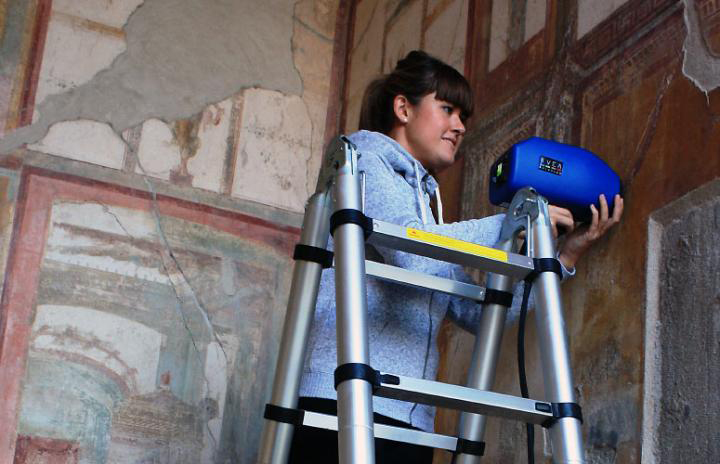
The paintings of Pompeii
They may produce salts in artworks, the IBeA group of the UPV/EHU-University of the Basque Country has concluded.
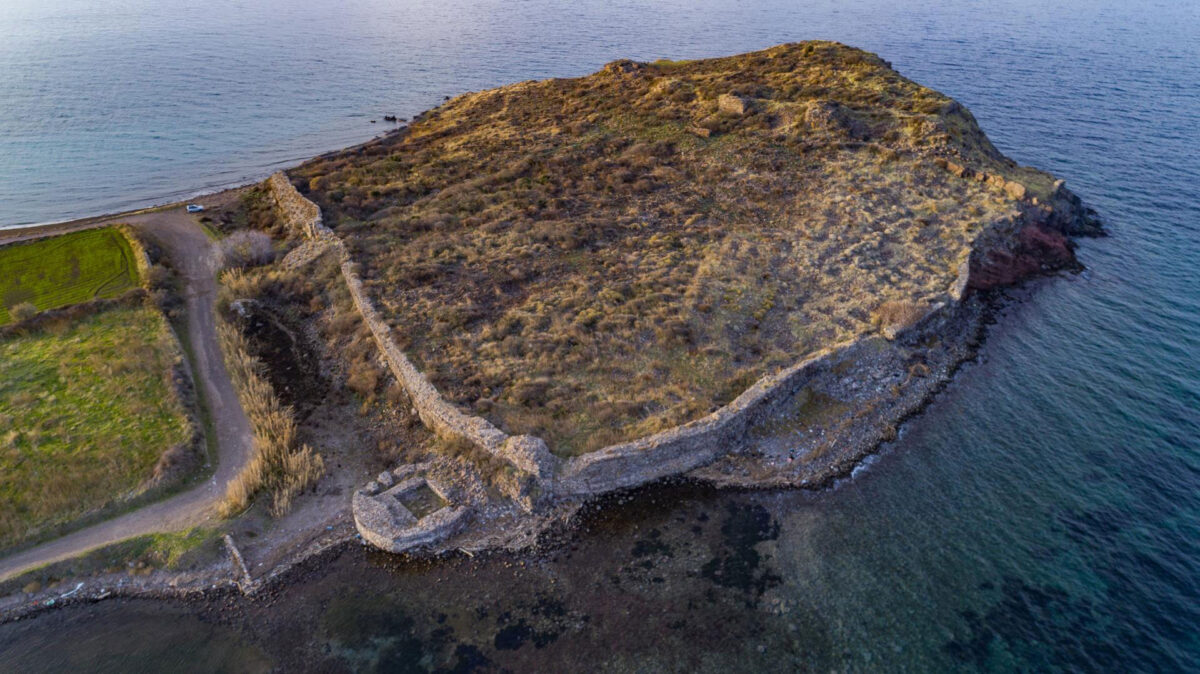
Important finds in ancient Antissa
Three buildings that are archaeological findings of particular interest, were brought to light in the ongoing excavation by the Lesvos Ephorate of Antiquities.
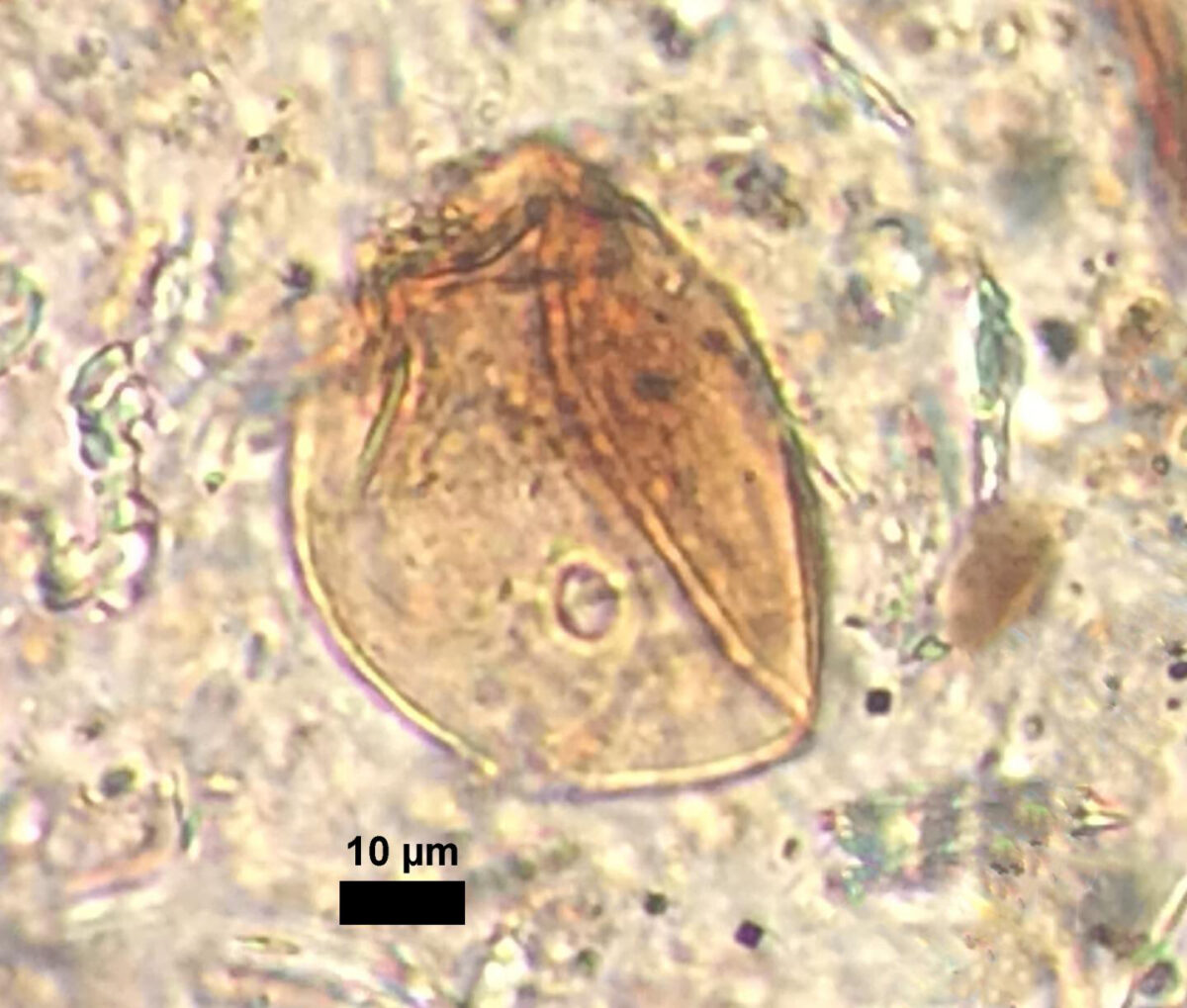
Cereal, olive and vine pollen reveal market integration in Ancient Greece
A new interdisciplinary study indicates agricultural market integration centuries before Roman conquest, suggesting the mechanisms that led to the Anthropocene began much earlier than assumed.
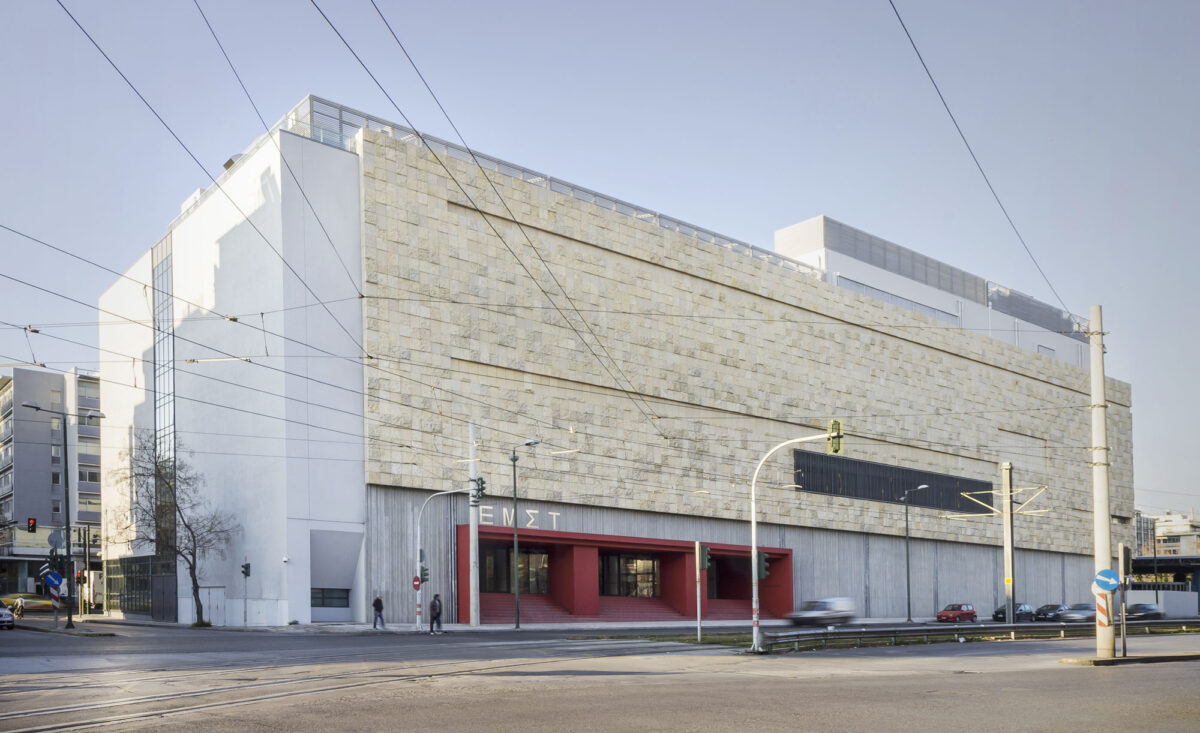
10,350,000€ for the Cultural Organizations of Athens
The respective cultural organizations of Thessaloniki have been financially supported with the amount of 4,260,000 euros.
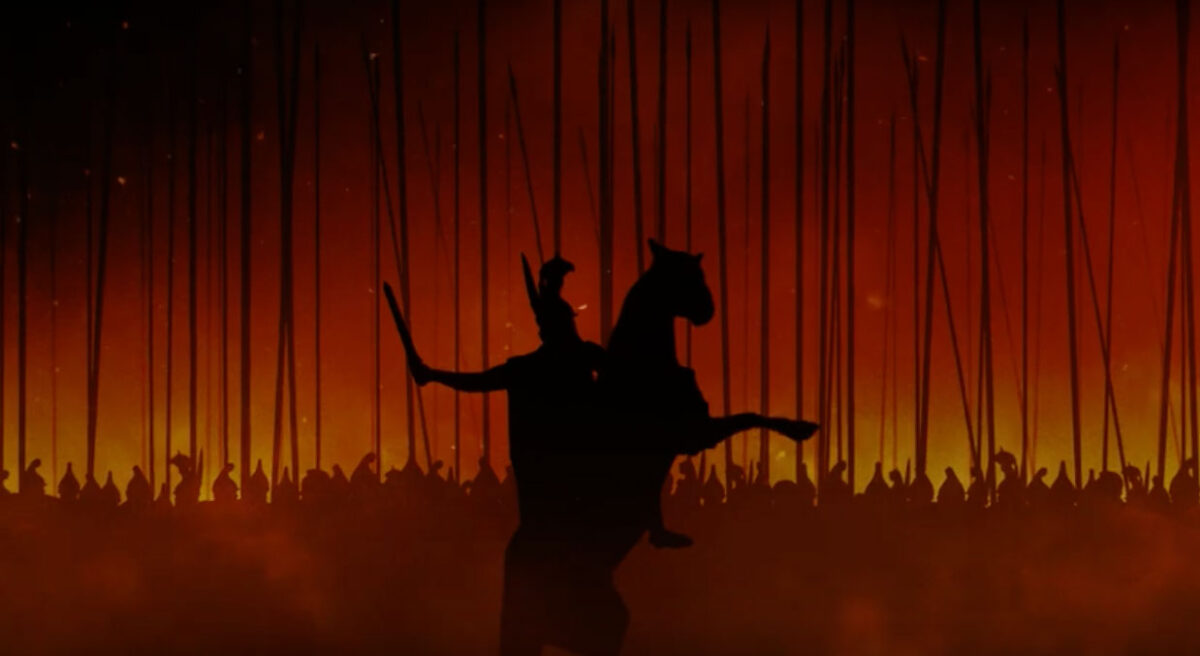
‘Unknown’ Kilkis and Seleucus I Nikator in an international competition
The short 10-minute film made by the Kilkis Ephorate of Antiquities, hopes to introduce the general public both to the great leader.
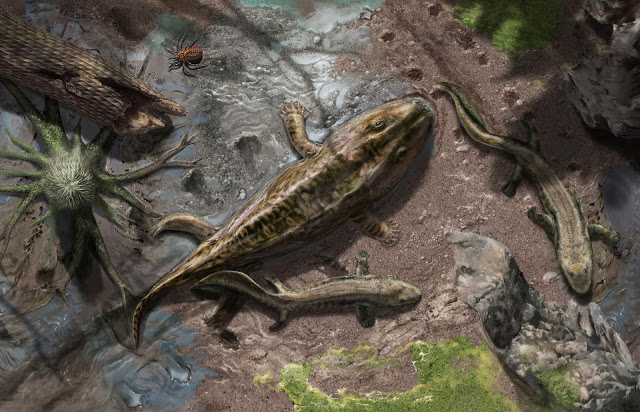
Water-to-land transition in early tetrapods
Early tetrapods were still tied to water and had aquatic features but they also had adaptations that indicate some ability to move on land.
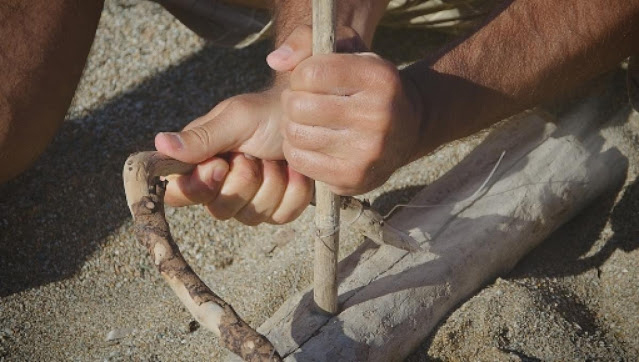
Genetic study reveals Neanderthals could tolerate smoke
The idea that modern humans displaced Neanderthals because they were better protected against toxins from smoke is now under fire.
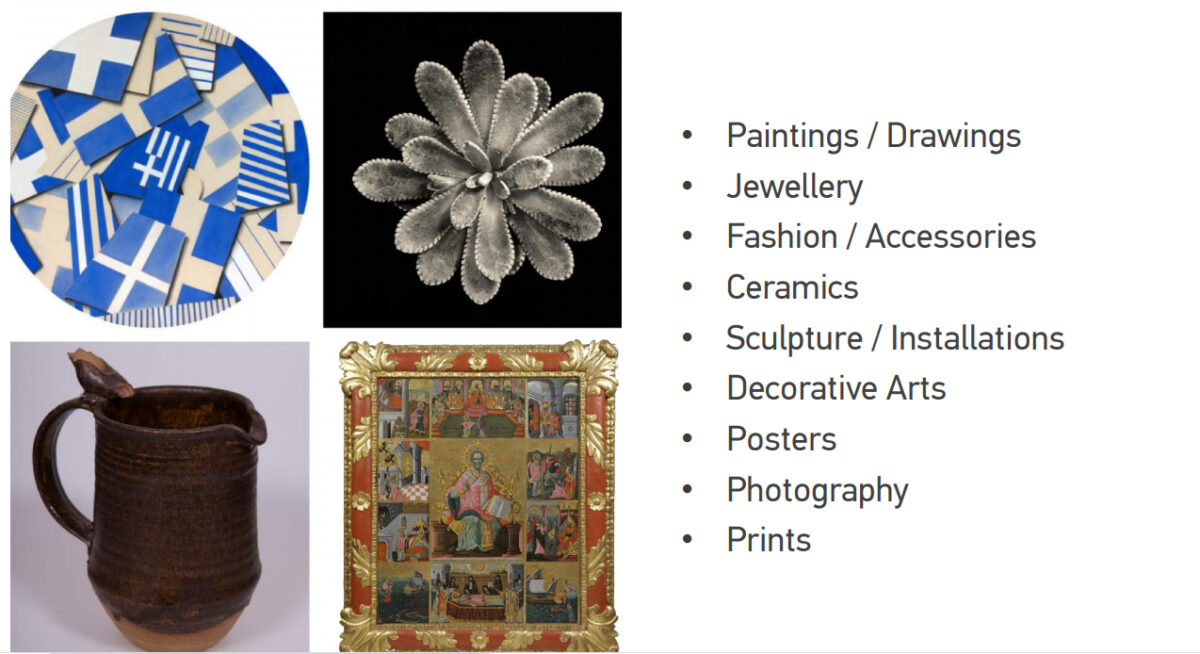
Online Auction of Works of Art in support of the Benaki Museum
Τhe Benaki Museum Fundraising & Development Department in collaboration with the Volunteer Committee for the Sustainability of the Museum organise an online auction of works of art and objects from Monday 30 November until Monday 7 December.
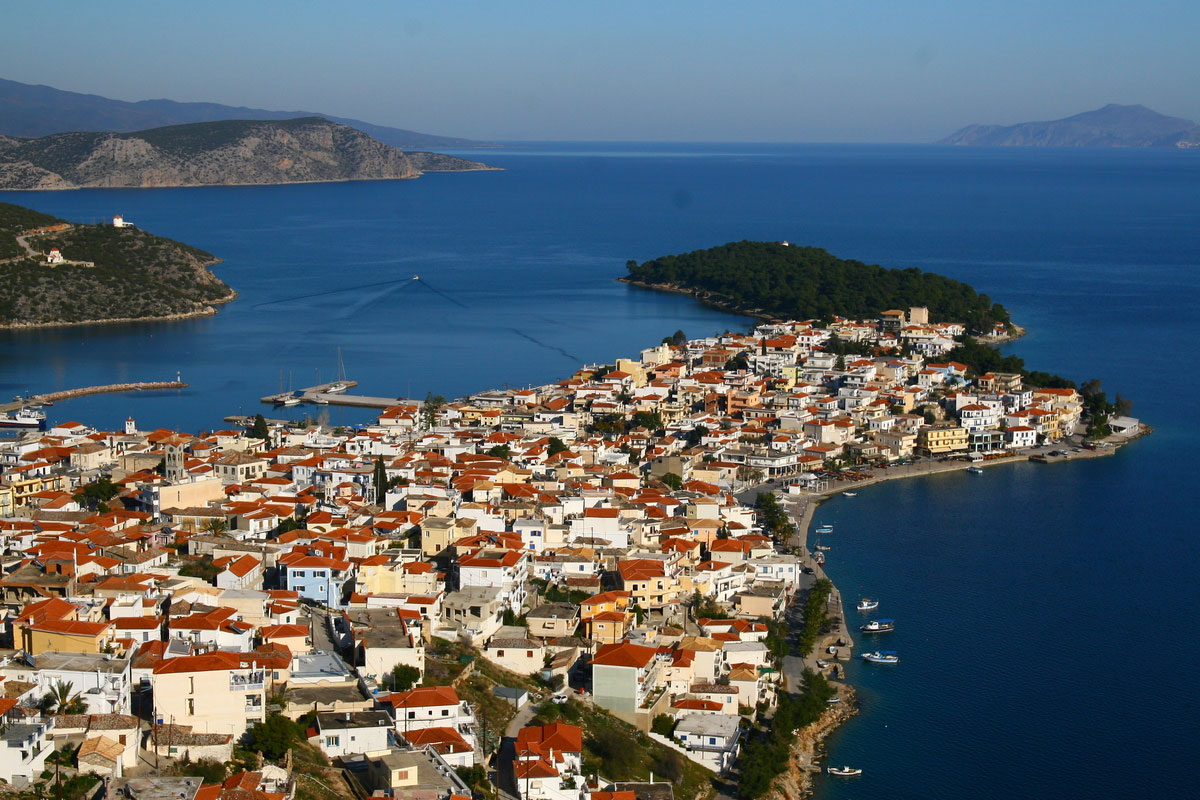
Creating an Archaeological Museum in Ermionida
Ermioni, with a long and uninterrupted historical presence from antiquity to our times, has significant archaeological remains visible within its urban fabric.
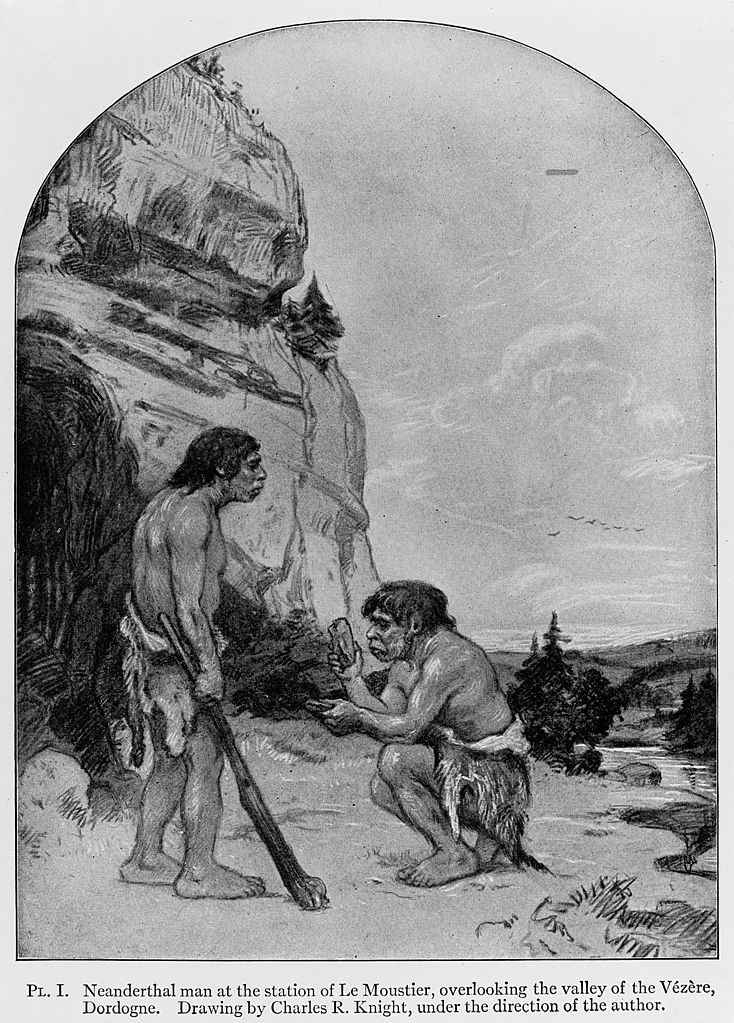
Neanderthal thumbs better adapted to holding tools with handles
Using 3D analysis, Ameline Bardo and colleagues mapped the joints between the bones responsible for movement of the thumb of five Neanderthal individuals.
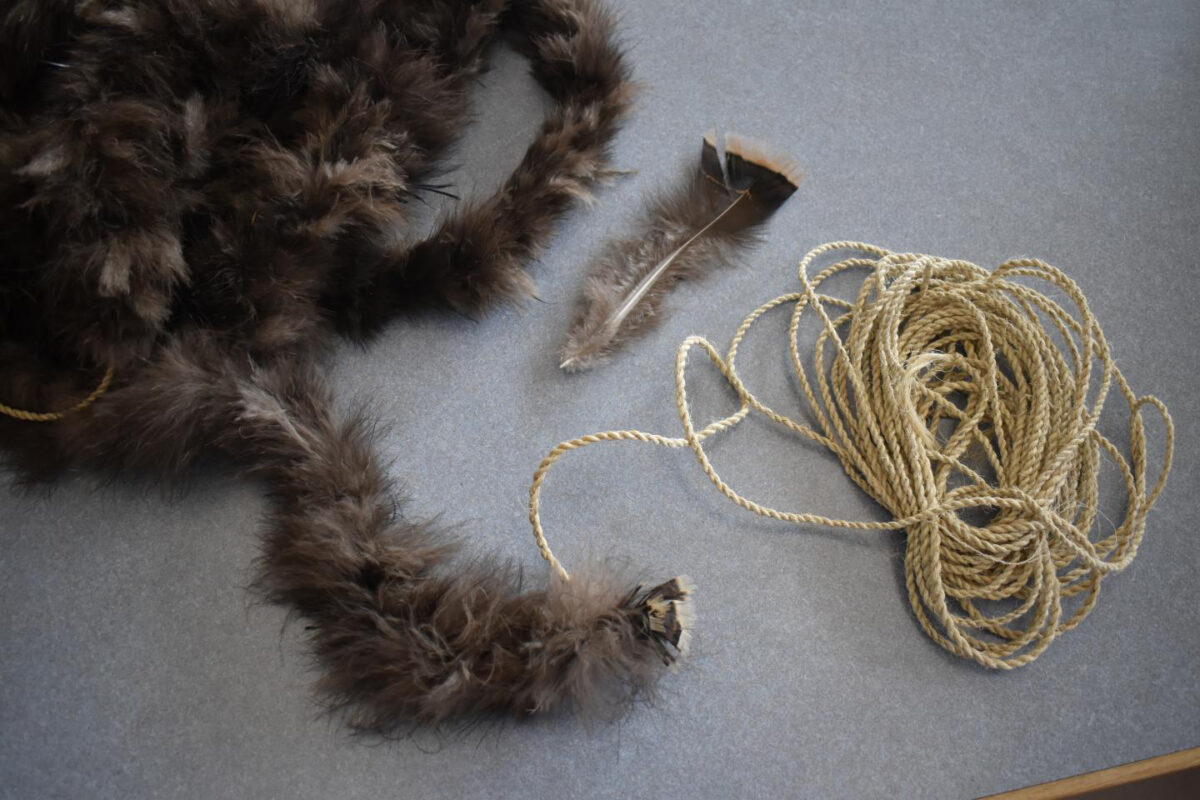
Ancient blanket made with 11,500 turkey feathers
Thousands of downy body feathers were wrapped around 180 meters (nearly 200 yards) of yucca fiber cord to make the blanket, which is currently on display at the Edge of the Cedars State Park Museum in Blanding, Utah.
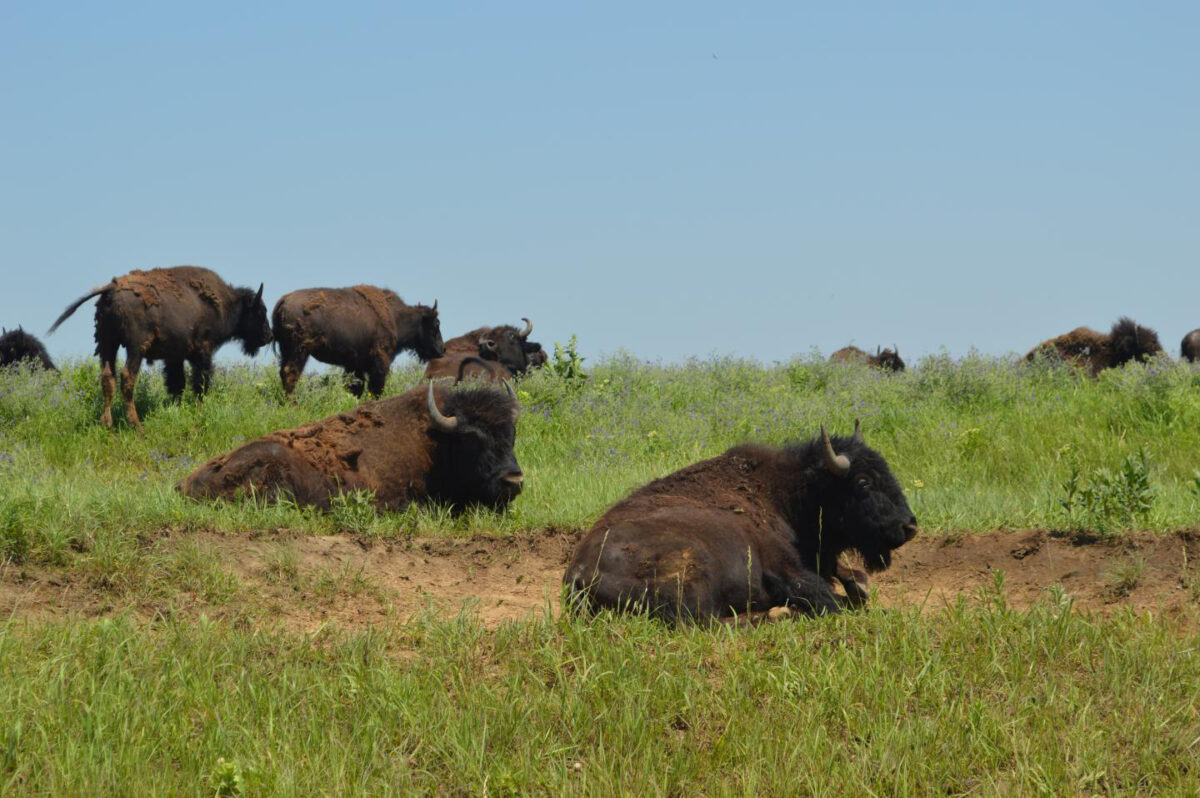
Secrets of the ‘lost crops’ revealed where bison roam
If not for the wooly, boulder-sized beasts that once roamed North America in vast herds, ancient people might have looked past the little barley that grew under those thundering hooves.
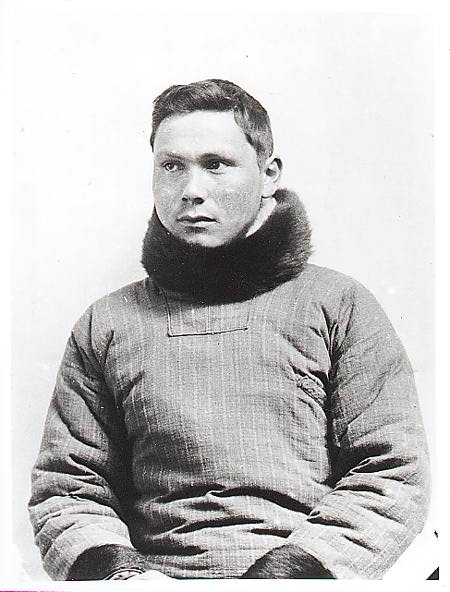
New light on polar explorer’s last hours
The Denmark Expedition set out to explore unknown Inuit land in 1906. Three members died.
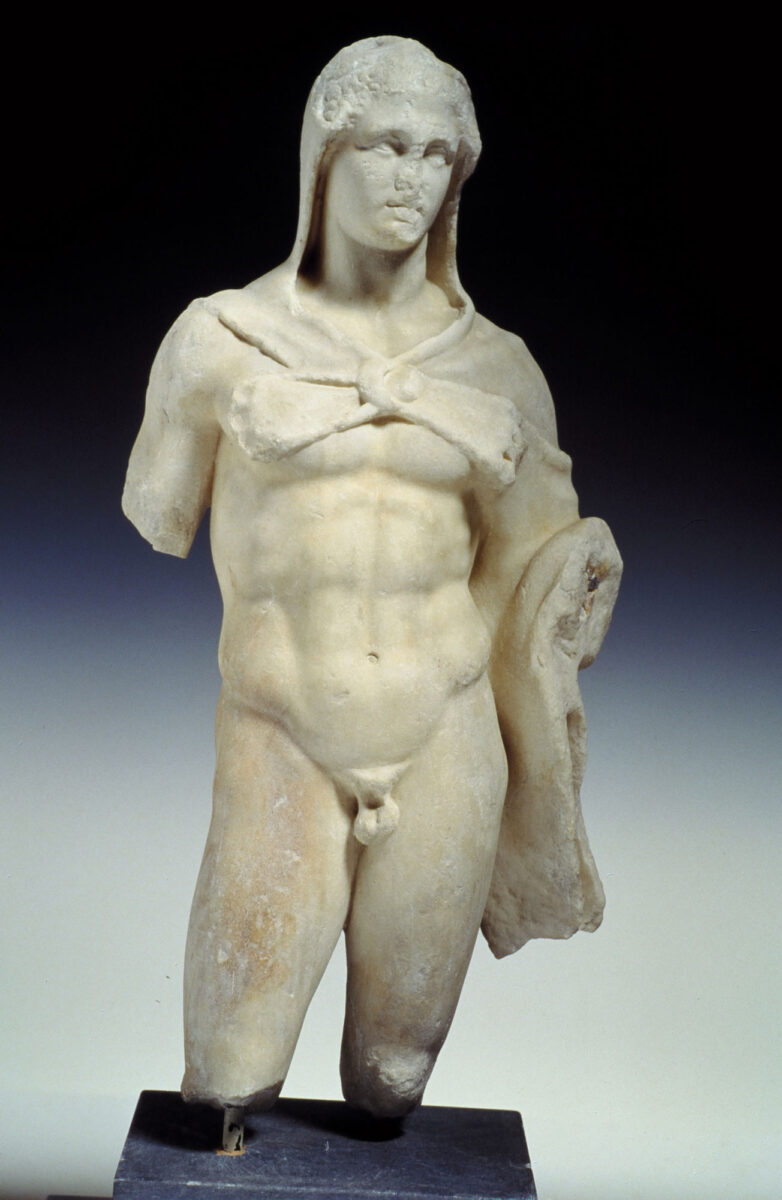
Aiolou Street has a story of its own…
On the occasion of this discovery, the Ministry of Culture presents a brief history of the district and its important finds.
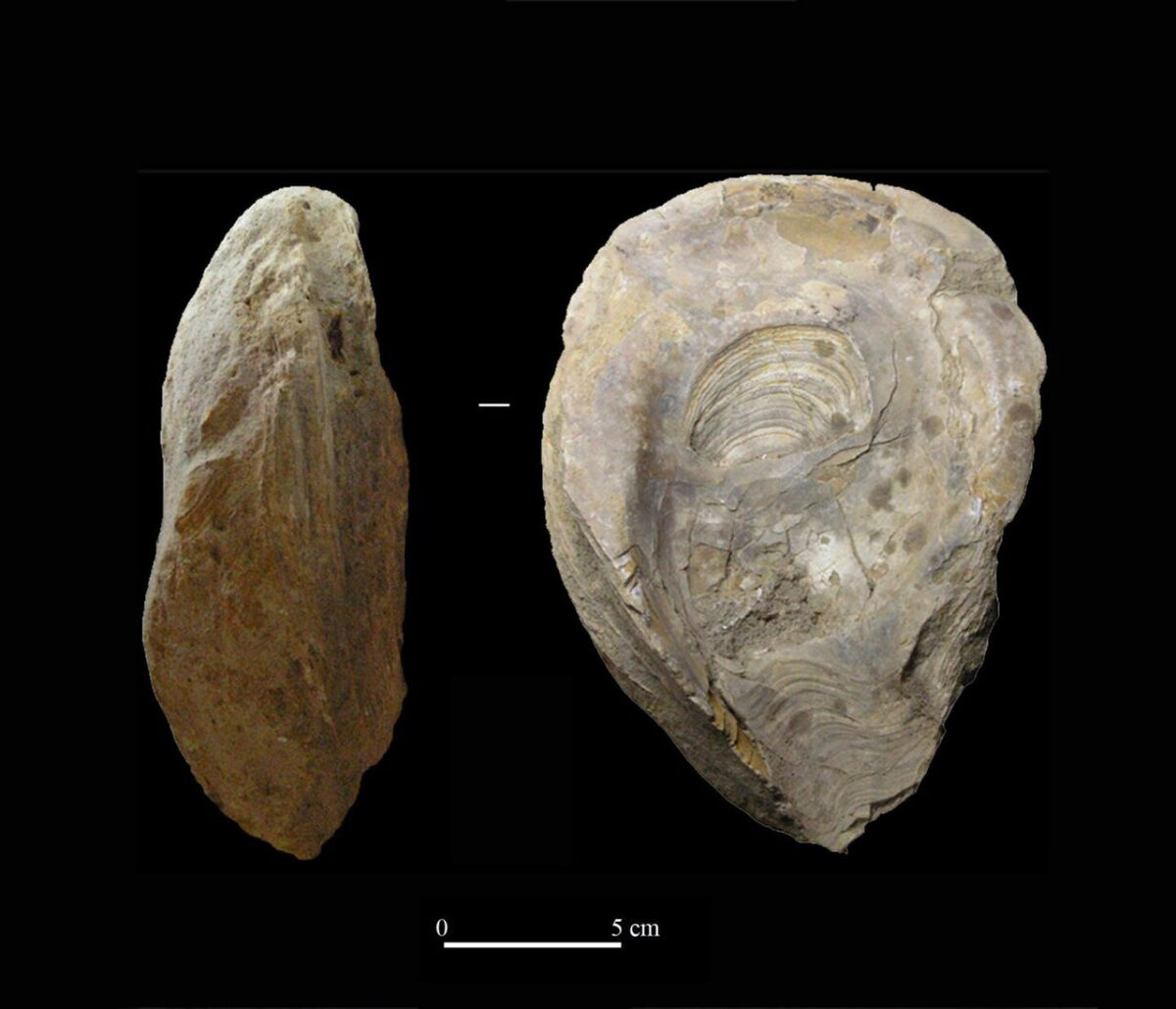
First exhaustive review of fossils from Iberian archaeological sites
The researchers have analysed a total of 633 specimens of scaphopods, molluscs, shark teeth and mammal remains from 82 archaeological sites in different regions.
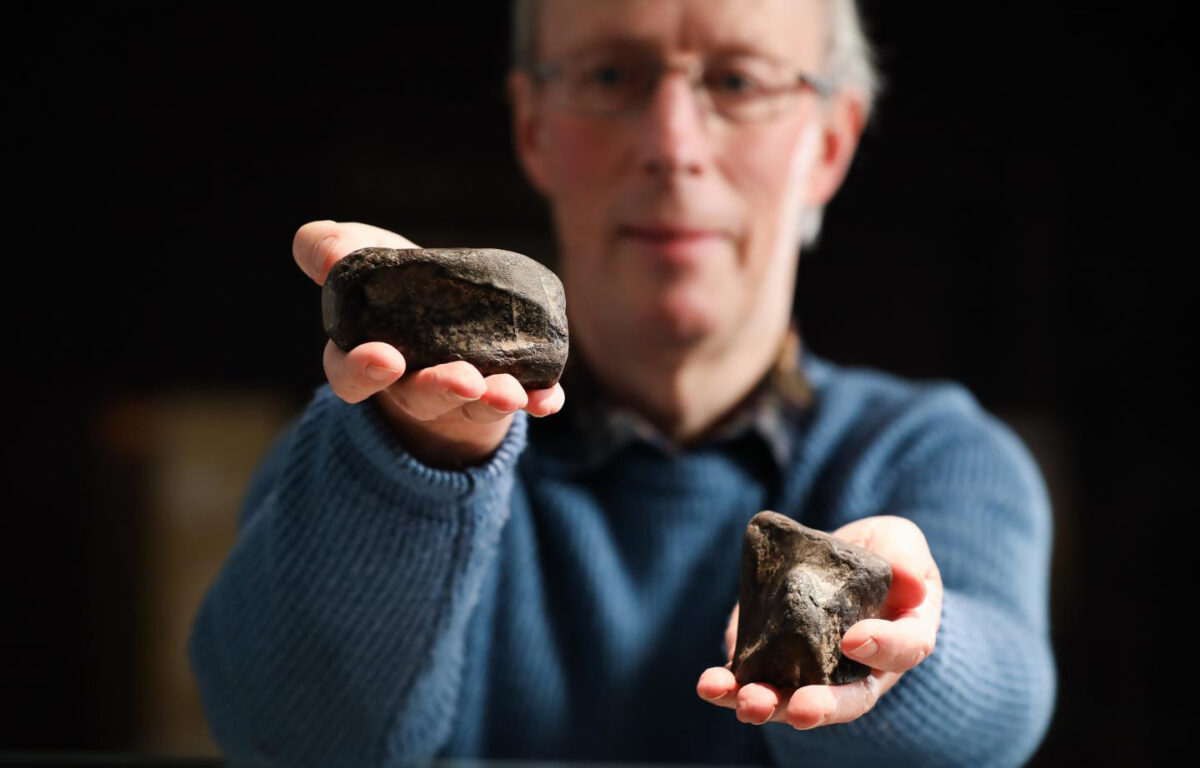
Ireland’s only dinosaurs discovered in Antrim
The only dinosaur bones ever found on the island of Ireland have been formally confirmed for the first time by a team of experts.
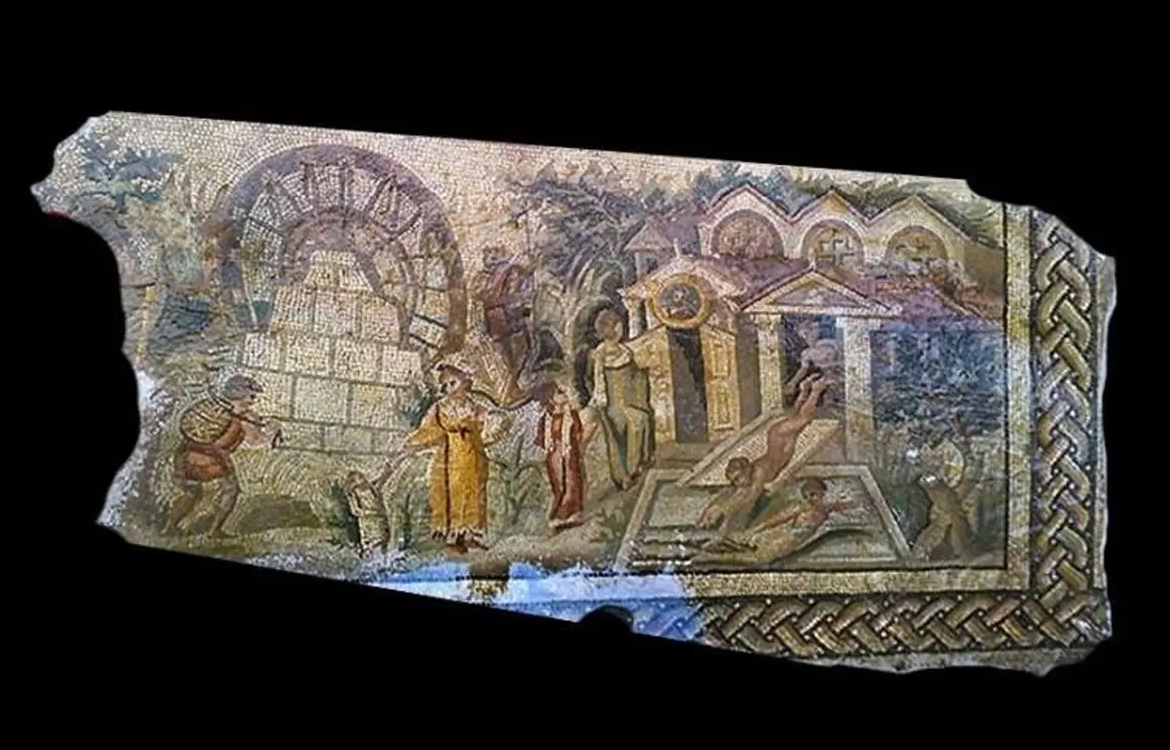
Oldest representation of Roman hydraulic wheel
Researchers from the University of Warsaw have determined that a mosaic stolen from Apamea in present-day Syria is the oldest representation of a Roman hydraulic water wheel.
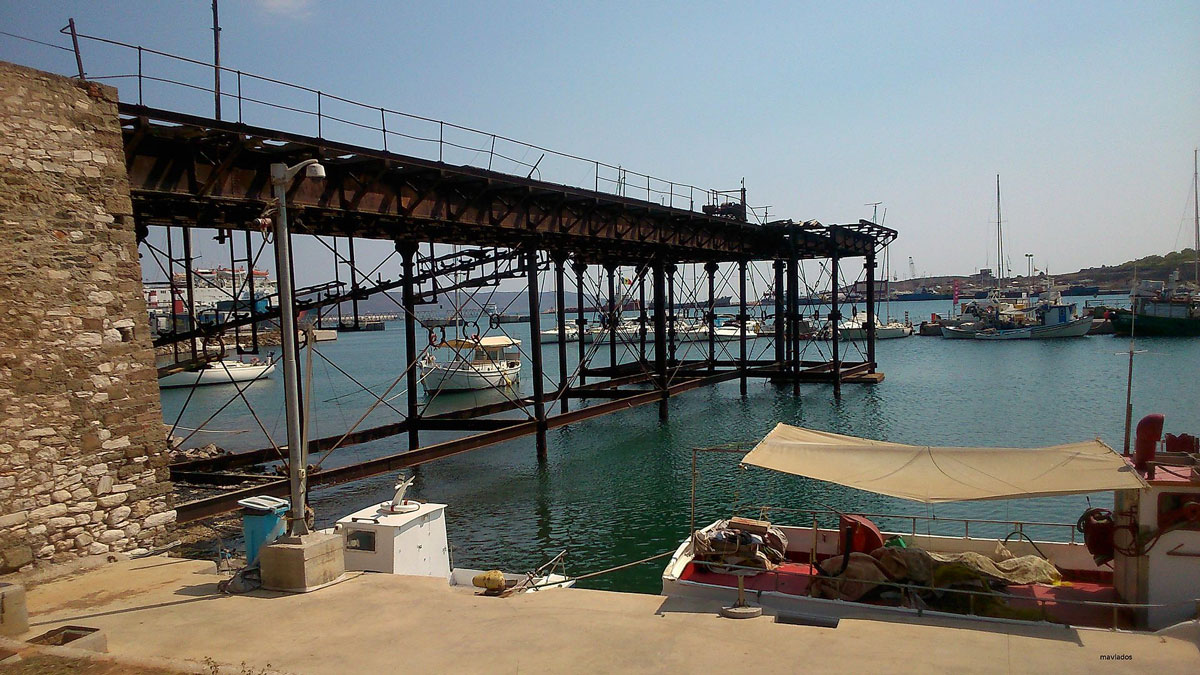
French Wharf at Lavrion to be restored
The study prepared by the National Technical University of Athens was approved unanimously by the Central Council of Modern Monuments.
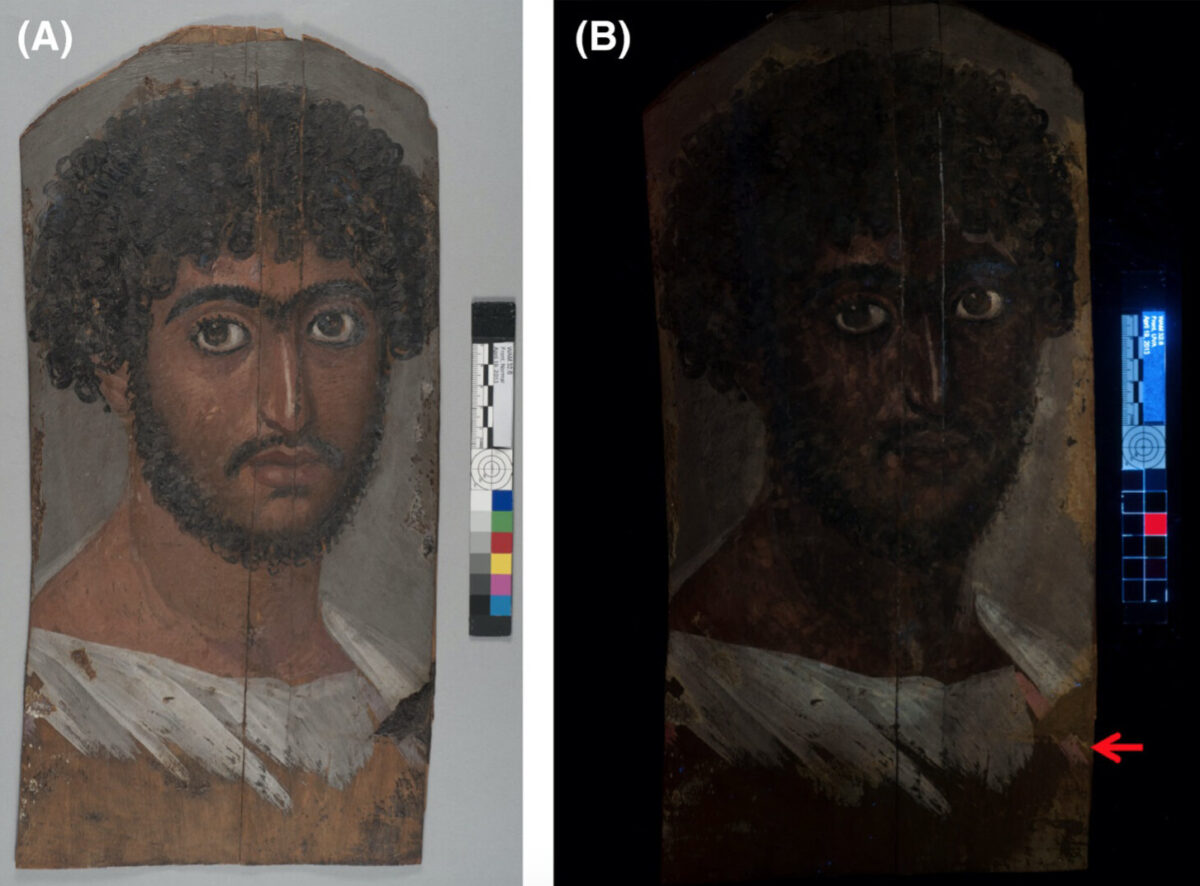
Science reveals secrets of a mummy’s portrait
Analysis of a speck can teach us about how the pigment was made, what it's made of–and maybe even a little about the people who made it.
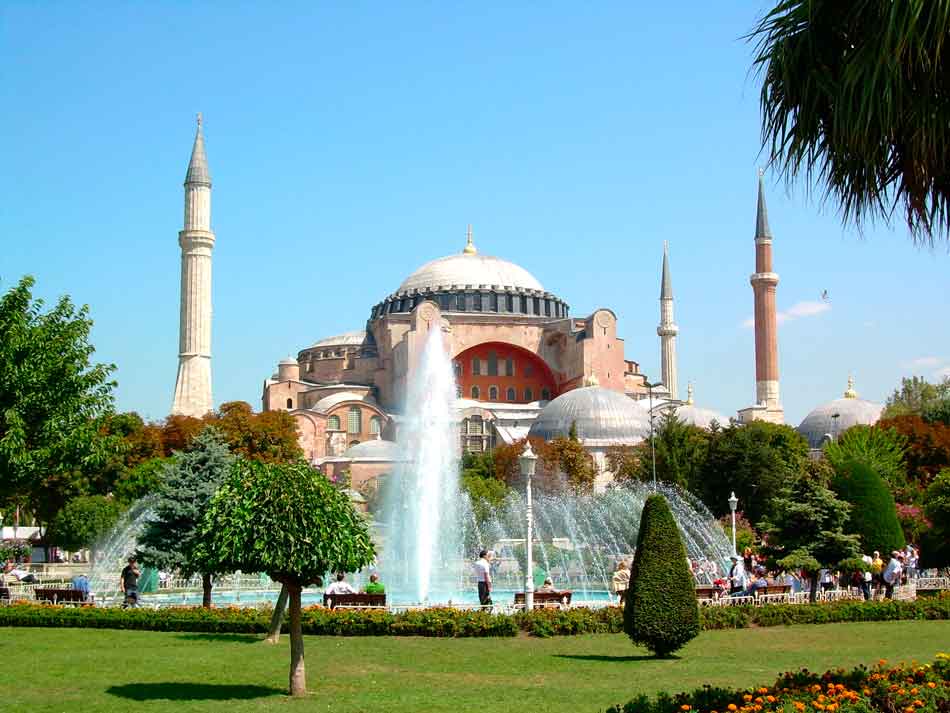
UNESCO’s reaction on status of Hagia Sophia
Results are impending of the report by inspectors examining the change in status of Hagia Sofia and the Monastery of Chora.
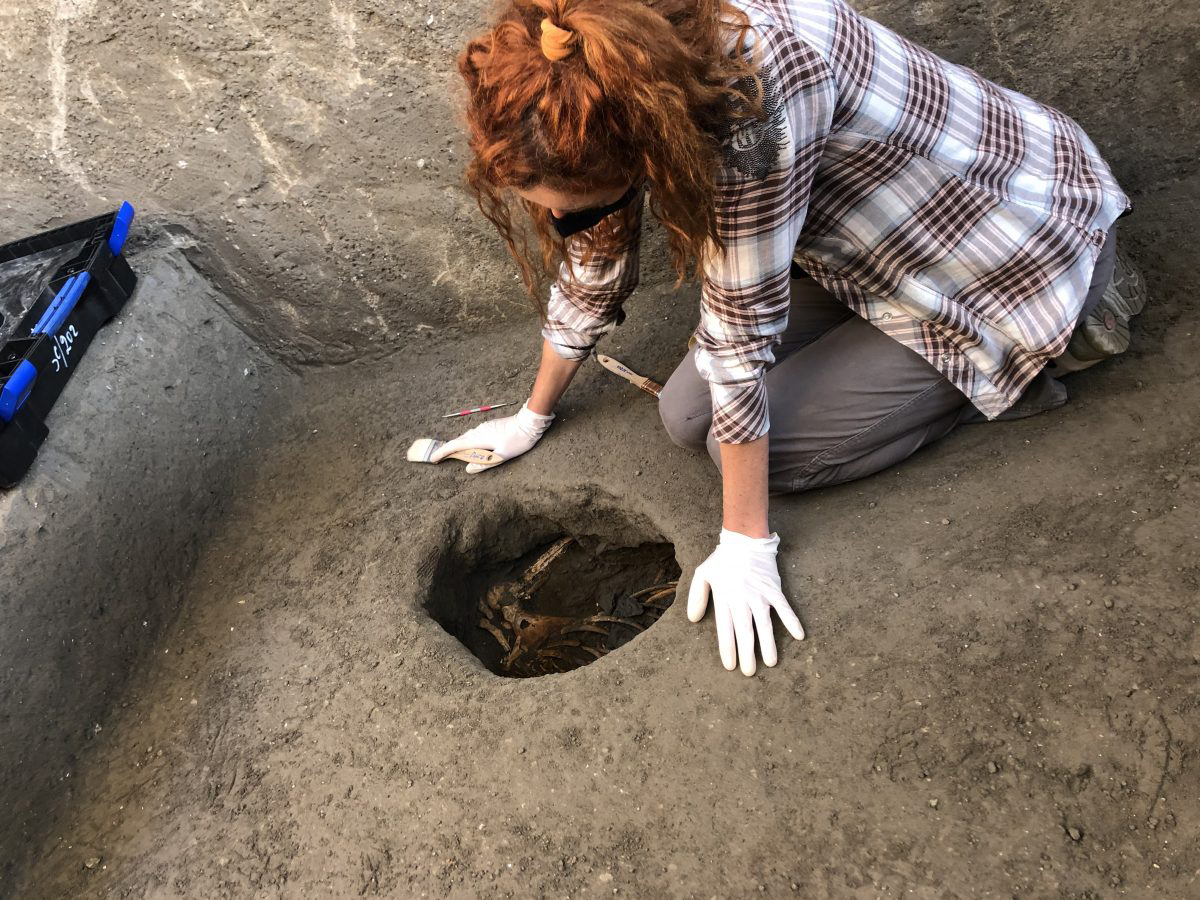
“The traces of pain”. The victims of Civita Giuliana
During the current excavations at Civita Giuliana, in the area of the large suburban villa, two skeletons of individuals caught in the fury of the eruption have been found.
Nagorno-Karabakh: Reaffirming the obligation to protect cultural goods
“Damage to cultural property belonging to any people whatsoever means damage to the cultural heritage of all mankind” Convention for the Protection of Cultural Property in the Event of Armed Conflict.